
When planning our two days in Hiroshima, we did what most people do and typed 2 days in Hiroshima itinerary into Google and started scrolling.
Atomic bomb.
Eat okonomiyaki.
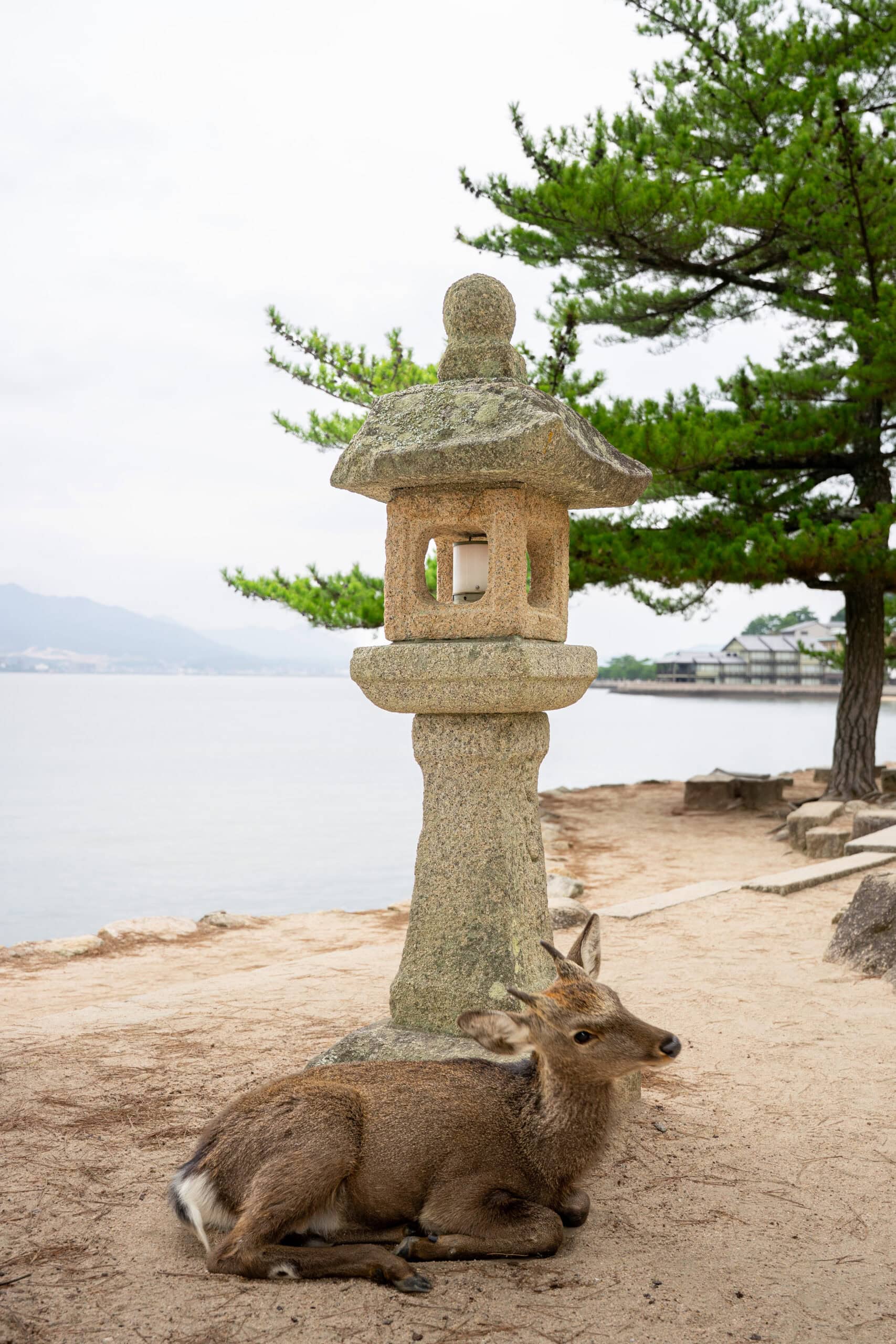
Take a selfie with the Torii Gate on Miyajima Island.
Every single one of them.
I even went down the Reddit rabbit hole. On Reddit, 2 days in Hiroshima = feeling sad at Peace Memorial Park, eating a Hiroshima-style pizza/pancake, and feeling happy with the cute deer on Miyajima Island—every single one of them.
Every post or blog I found suggested the same three things: visit the A-bomb sites, eat okonomiyaki, and take a day trip to Miyajima Island. It’s a well-trodden path, and to be honest, our trip wasn’t wildly different.
So why bother writing another Hiroshima itinerary? Fair question.


While we visited the Peace Memorial Park, ate okonomiyaki (how could you not?),and frolicked with the deer in front of the Floating Torii Gate on Miyajima; we also made it our mission to find out what else Hiroshima has to offer, especially regarding food.
And, of course, I brought my camera along for the ride. I genuinely believe our photos of Hiroshima and Miyajima are some of the best you’ll find online. We’ll show you exactly what we did to help you plan your own Hiroshima trip.
If you’re looking for a realistic, easy-to-follow guide for spending two days in Hiroshima—with a few personal touches and a couple of extra food stops—this Hiroshima travel guide is for you.
Please note: This post may contain affiliate links. This means I may earn a commission if you make a purchase by clicking a link (at no extra cost to you). As an Amazon Associate, I earn from qualifying purchases. Learn more.
Quick Guide to Hiroshima
Visited: 26-28 October.
Where we stayed: Smile Hotel. We really liked it. The room and facilities were excellent, and the location was perfect for exploring Hiroshima on foot.
How many days in Hiroshima? Two full days. You can do a day trip from Osaka (just 1.5 hours by bullet train), but trying to squeeze in both Hiroshima and Miyajima in one day would be rushed.
We found two days perfect for seeing the sights, eating the food, and enjoying the city without running around like Pokémons on cocaine.
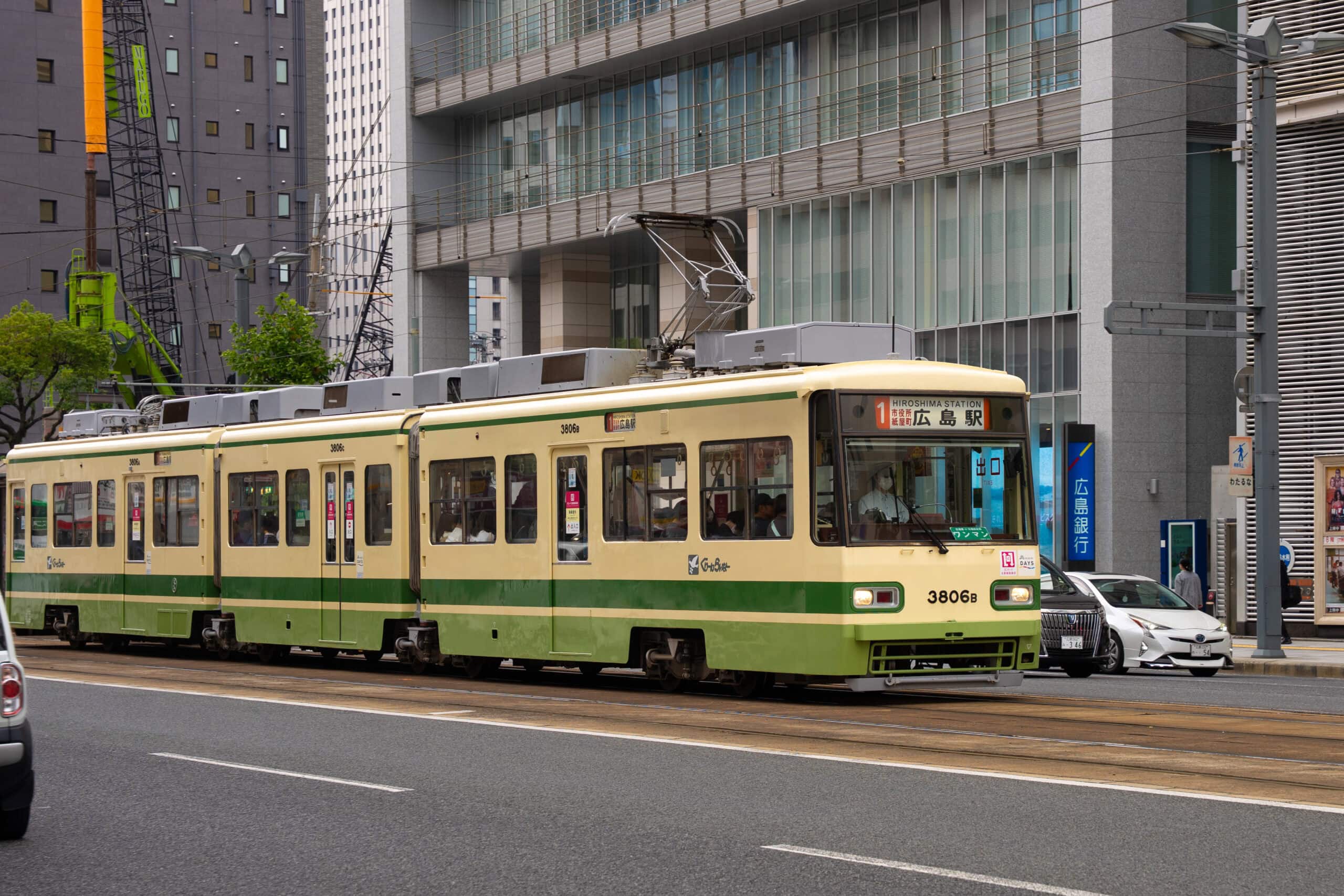
Transportation: We walked almost everywhere. You’ll need public transport to get to and from the airport/train station and to visit Miyajima Island. Hiroshima’s tram and bus network is excellent.
Train Pass: We used the JR Kansai-Hiroshima Area Pass, which includes the Meipuru-pu sightseeing buses and covers the train and ferry to Miyajima. It was excellent value and saved us a lot.
Navigation: Google Maps worked just fine. Throughout this post, you’ll find pin locations for all the places we visited.
Hiroshima First Impressions
Hiroshima was our first stop in Japan, and within minutes of arriving, the city started proving every cliché and assumption we had about Japan entirely true.
At Hiroshima Station, we stopped to ask for directions, and the lady at the tourist information desk didn’t just point us the way—she actually walked us down the street to make sure we were heading in the right direction. That kind of hospitality really stuck with us.
The streets were spotless, everything ran on time, and the public transport was so easy to use it felt like cheating.
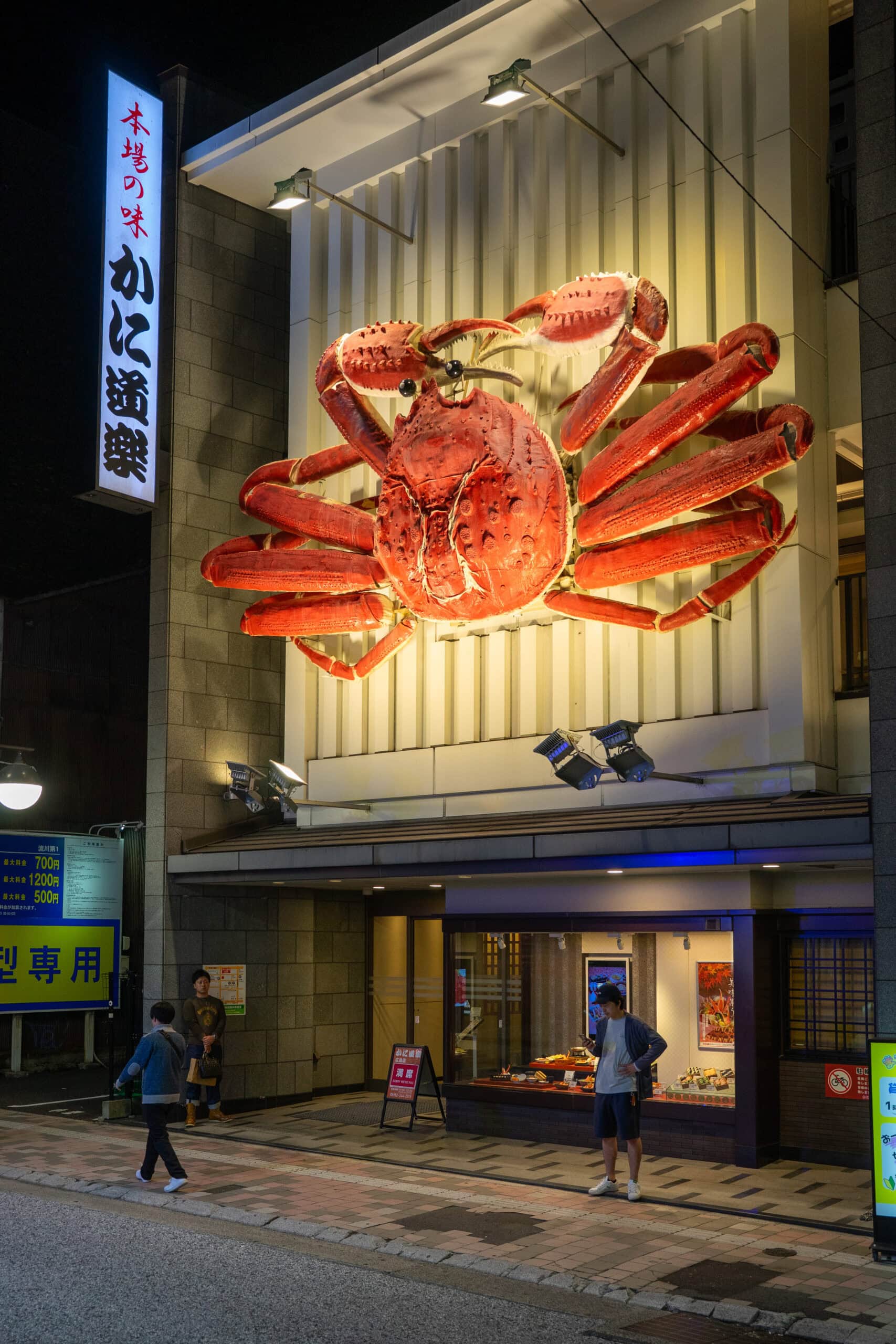
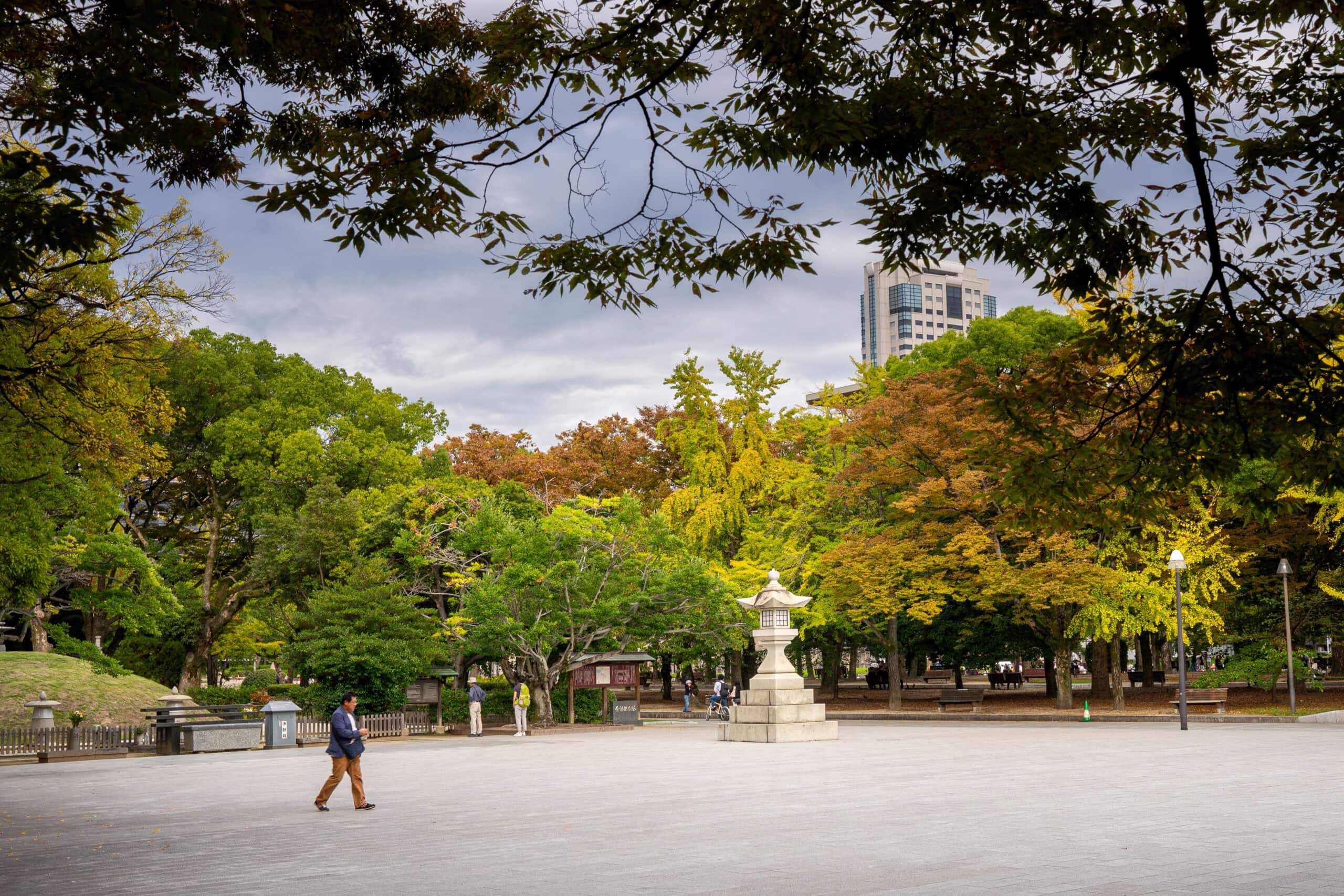
During those first few minutes on the streets of Hiroshima, while walking to our hotel, I remember thinking: Japan is the perfect blend of the USA and Germany. I’ve never been to the States, but in my head, cities like Chicago probably look something like this—modern, busy, full of energy. And yet, it is so clean, and everything works with the precision and efficiency you’d expect from Germany.
For us, Hiroshima was a great introduction to Japan. It offered incredible historical sights and fantastic food, and everything felt so easy.
Day 1: Hiroshima
Our flight from Seoul landed around 10:00. Hiroshima Airport is about an hour from the city. We dropped our bags at the Smile Hotel and went straight out to explore.
Day one of our 2-day Hiroshima itinerary was all about food and reflecting on Hiroshima’s past.
Okonomiyaki Lunch
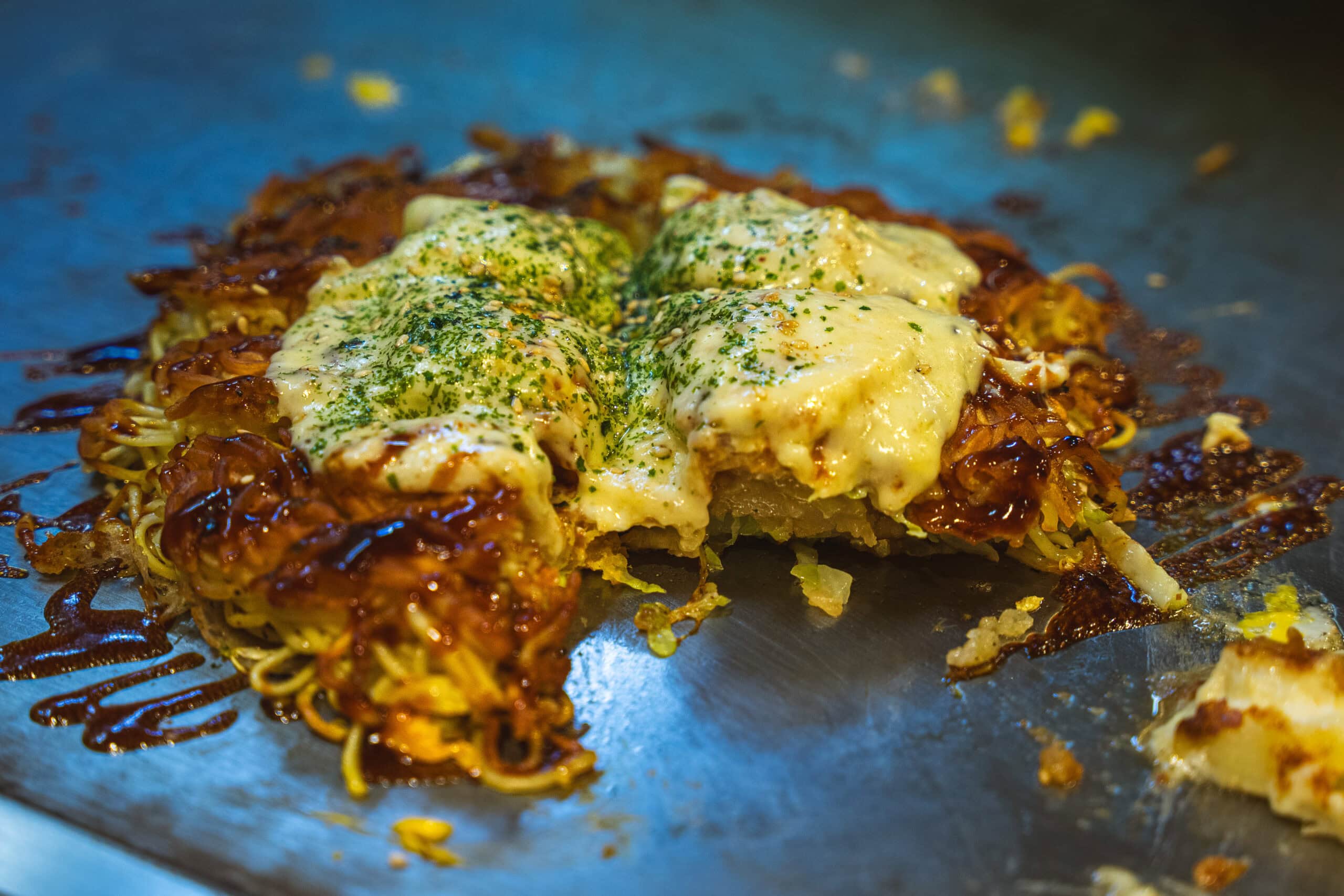
We arrived in Hiroshima just in time for lunch, and the best way to get to know a new city is through its food. Most visitors head straight for the touristy Okonomimura, but Jin had done her research—she’d seen Teppanyaki Acchan recommended on Korean blogs as one of the best spots for okonomiyaki in Hiroshima.
The handwritten menu was only in Japanese, and the chef spoke just enough English to say hello. Thanks to Jin’s rusty Japanese and a trusty translation app, we asked for recommendations. He suggested two: one with bacon and cheese, and another with octopus.
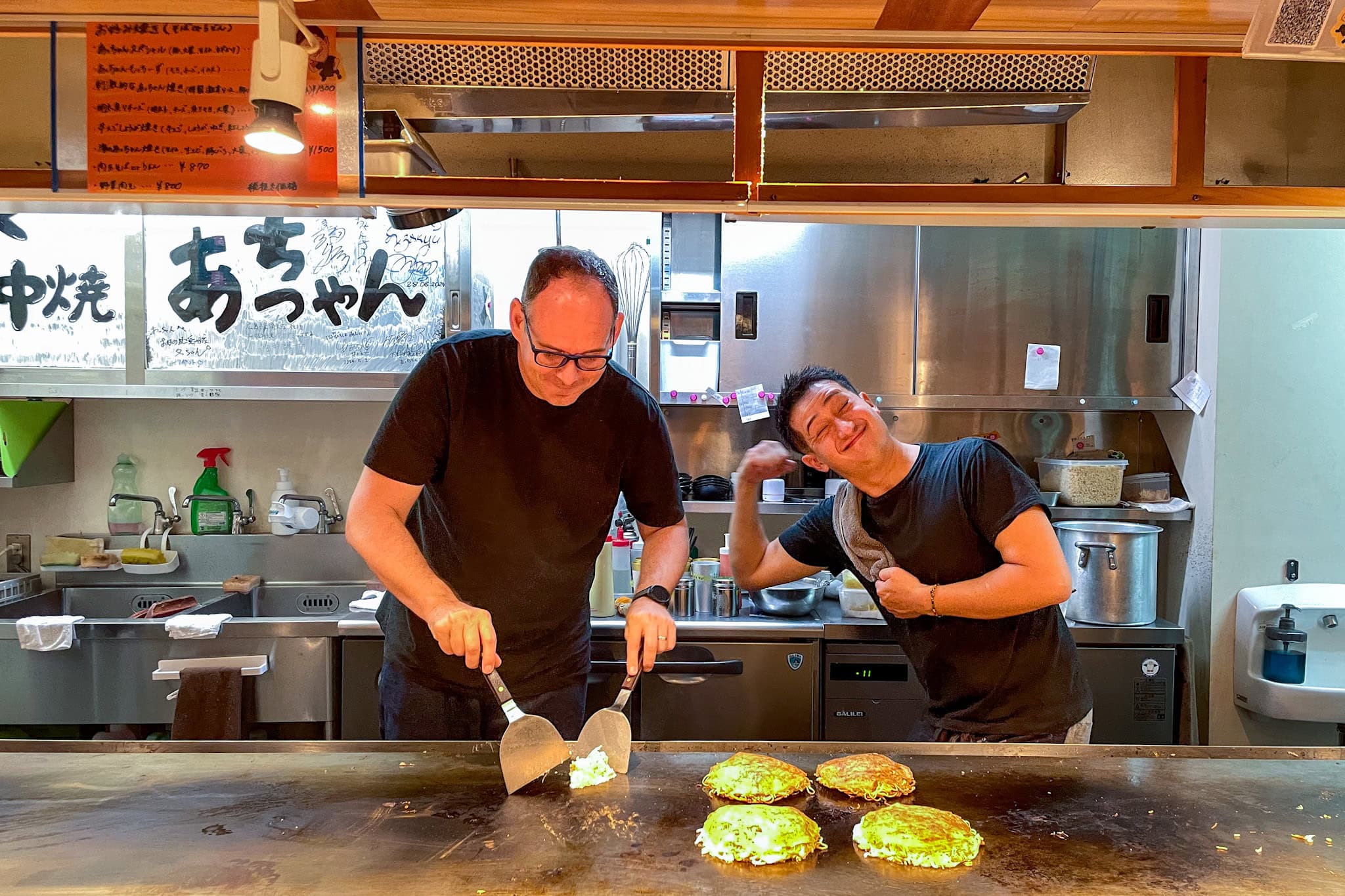
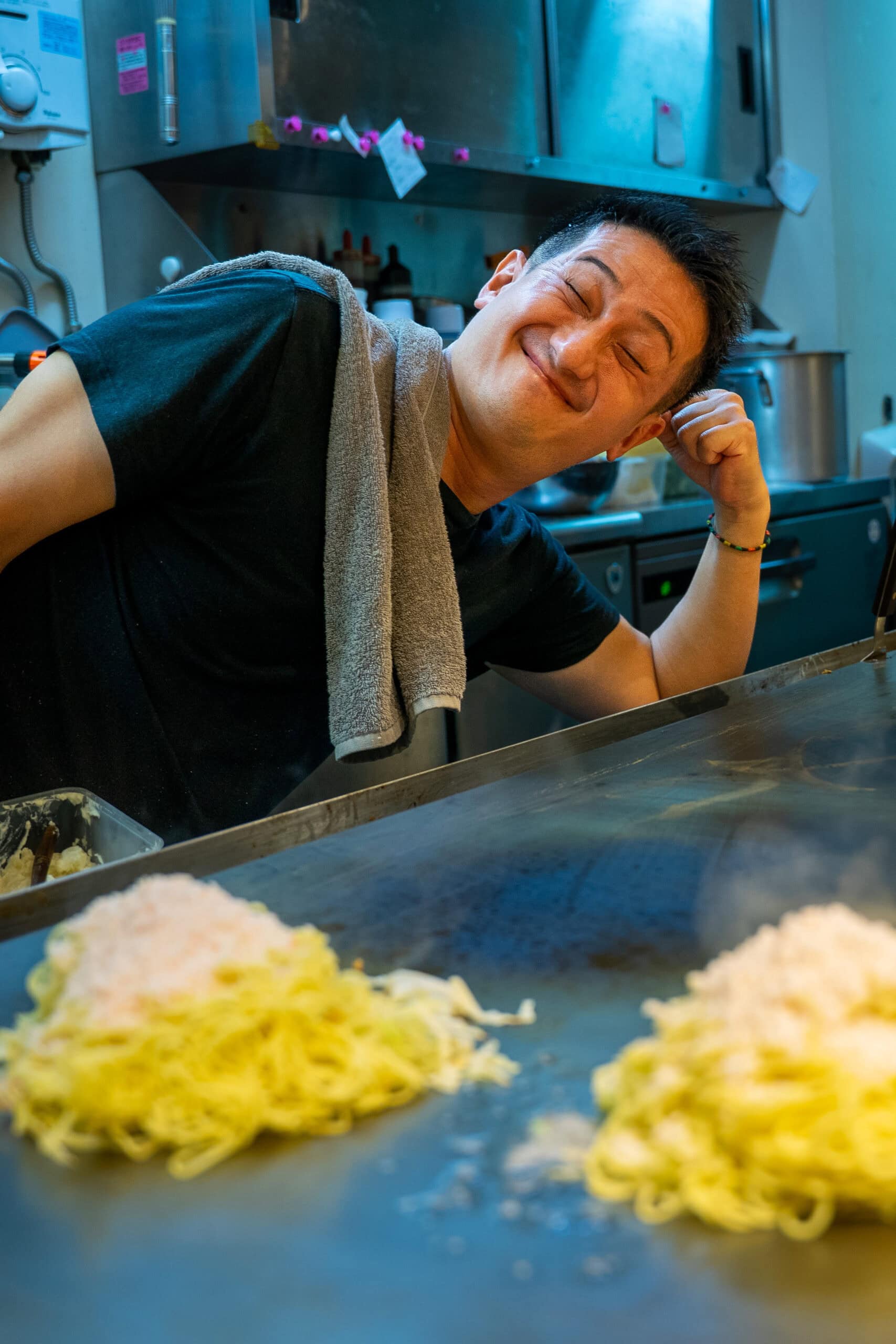
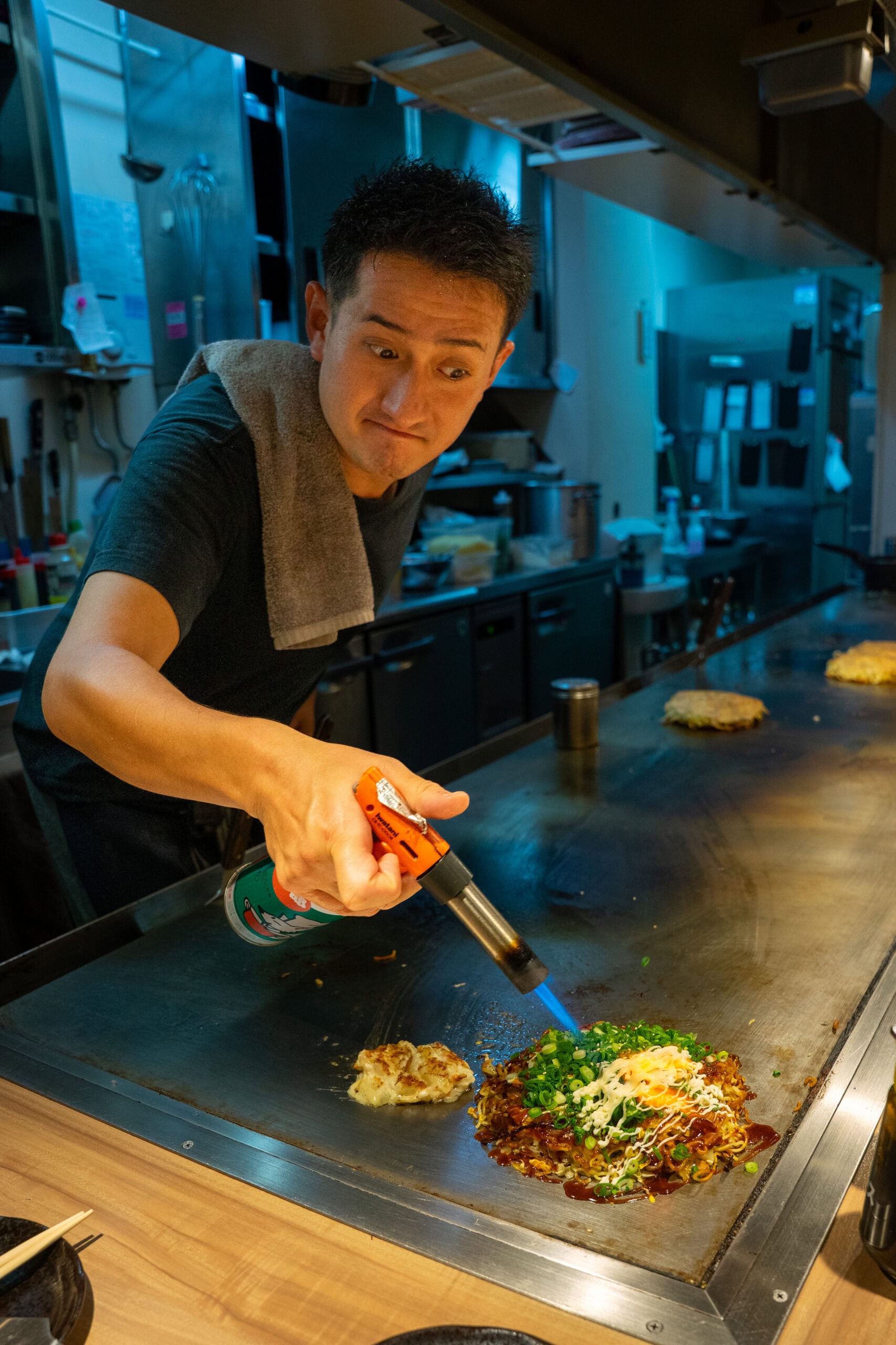
We sat at the counter and drank our beer while watching the chef work the teppan grill. This was a lunch and a show in one.
Hiroshima-style okonomiyaki is different from the Osaka version. It’s layered instead of mixed. It starts with a thin crepe-like base, topped with cabbage, bean sprouts, your choice of meat or seafood, yakisoba noodles, and a fried egg on top.
Halfway through, the chef motioned for me to come behind the counter and handed me a mini okonomiyaki to flip myself. With a few mimed instructions and a lot of laughter, I gave it a go. The food was incredible, but the whole experience made it even better.
Teppanyaki Acchan
Open daily: 11:00–14:30, 17:00–22:00
Location
Historical Sights of the A-bomb

After lunch, we walked to the Hiroshima Peace Memorial Park in about 20 minutes. This area is why most people visit Hiroshima.
On 6 August 1945, the world’s first atomic bomb was dropped here, destroying much of the city and killing over 100,000 people. Today, the beautiful riverside area feels more like a park, but it commemorates one of the most tragic events in human history.
I expected an emotional rollercoaster like when we visited the Massacre Memorial in Nanjing or the Genocide Memorials in Yerevan and Kigali. Somehow, this was not the case in Hiroshima, perhaps because it’s such a well-known historical event that we’ve heard of many times before.
The Hiroshima Peace Memorial Park is the emotional heart of the city and a must on any Hiroshima itinerary.
A-Bomb Dome

The A-Bomb Dome, also known as the Hiroshima Peace Memorial, is one of the few buildings that survived the atomic bombing in 1945. Originally the Hiroshima Prefectural Industrial Promotion Hall, its skeletal dome and crumbling brick walls have been preserved just as they were after the blast.
It stands near the bomb’s hypocentre and is left untouched as a powerful reminder of the destruction caused. Today, the dome is a UNESCO World Heritage Site and a symbol of peace. It encourages reflection, not just on what happened here but also on the importance of preventing it from happening again.
Location
Memorial Tower to the Mobilised Students
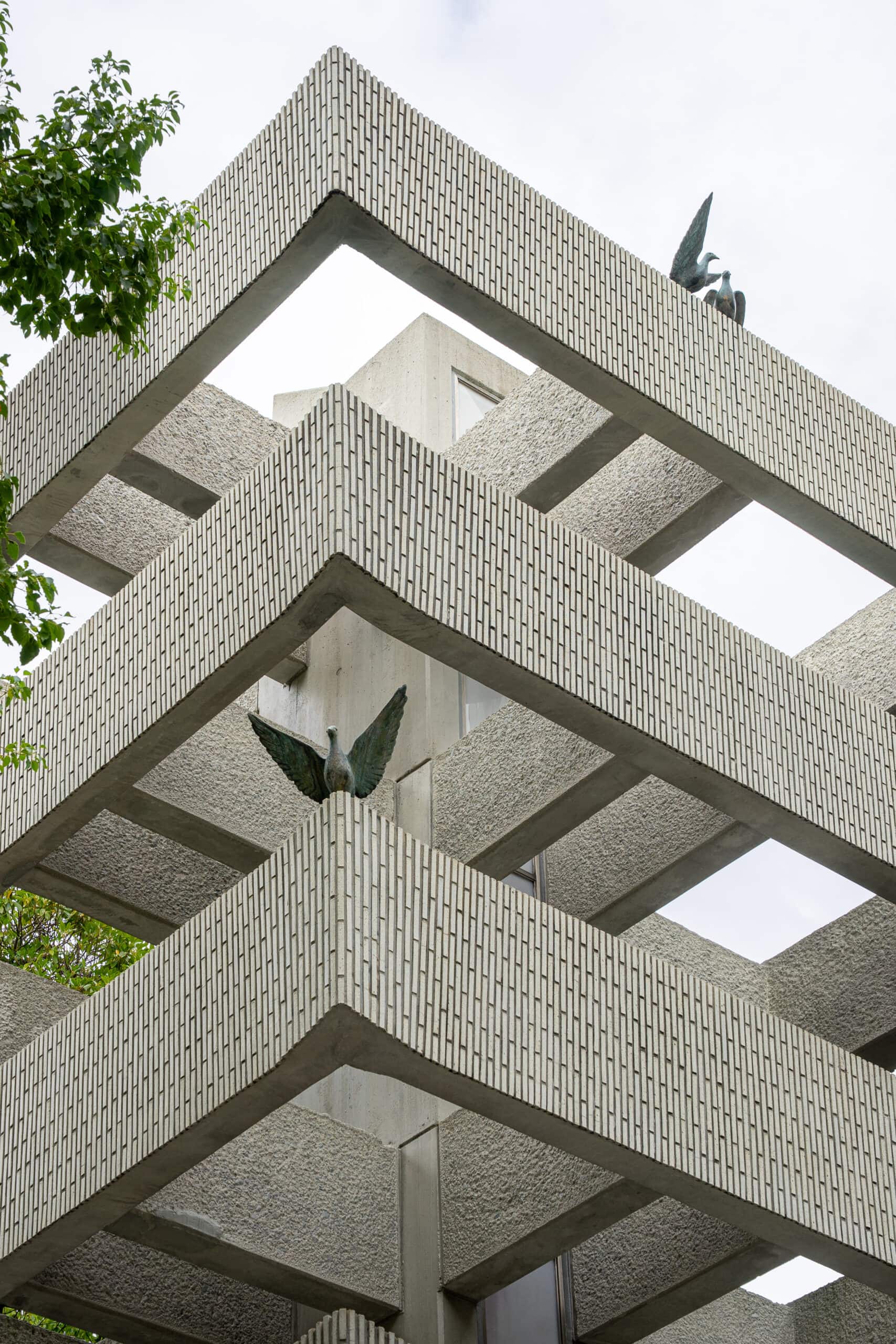
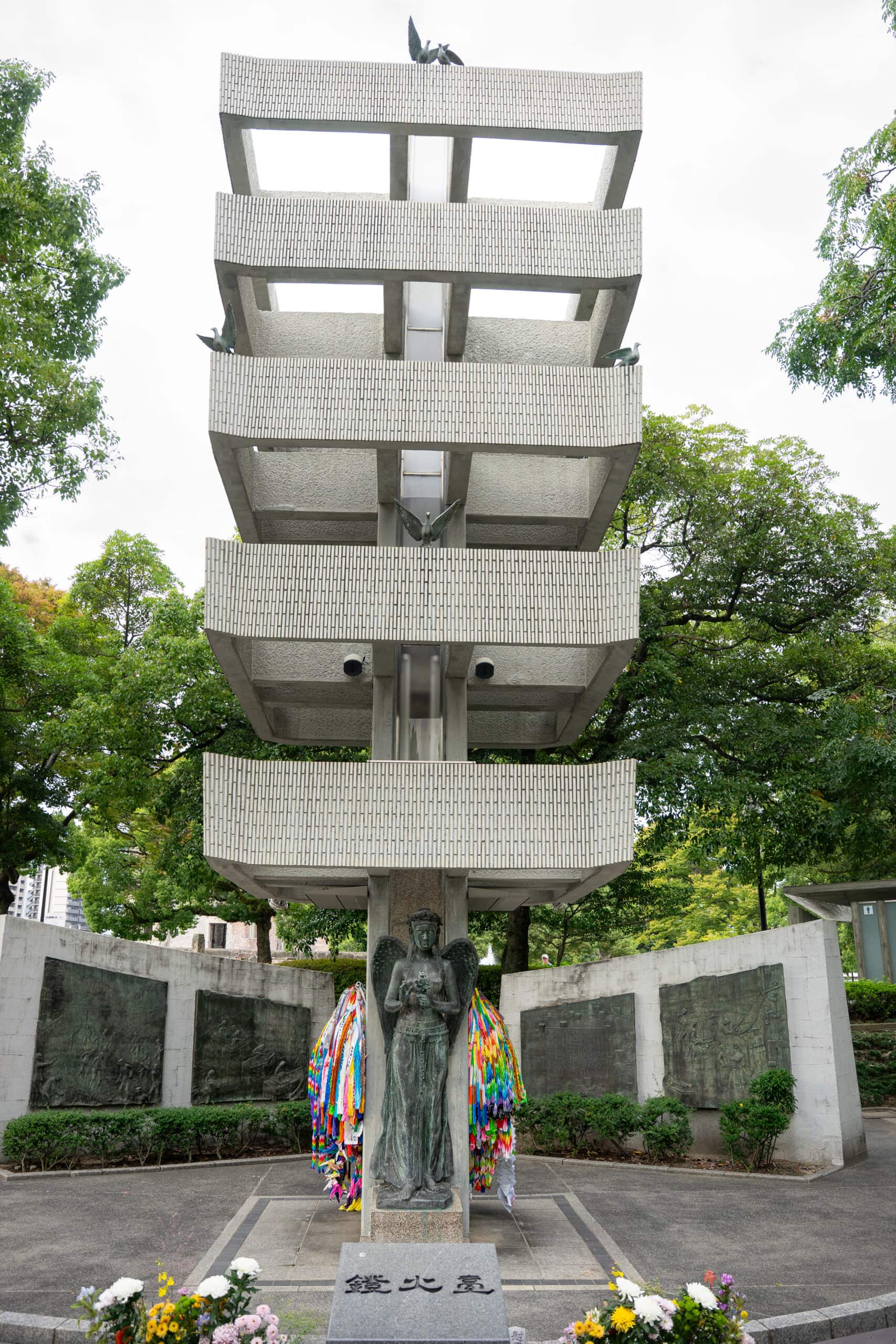
The Memorial Tower Dedicated to Mobilised Students stands next to the A-Bomb Dome. It remembers the more than 6,000 students who died in the atomic bombing while working in factories and construction sites.
During the war, many students were pulled from school and forced to support the war effort under the Student Labor Service Act.
The tower is about 12 metres tall, with five tiers representing the stages of spiritual elevation. Flowers and paper cranes are often left at its base, honouring young lives lost too soon.
Korean Atomic Bomb Victims Cenotaph
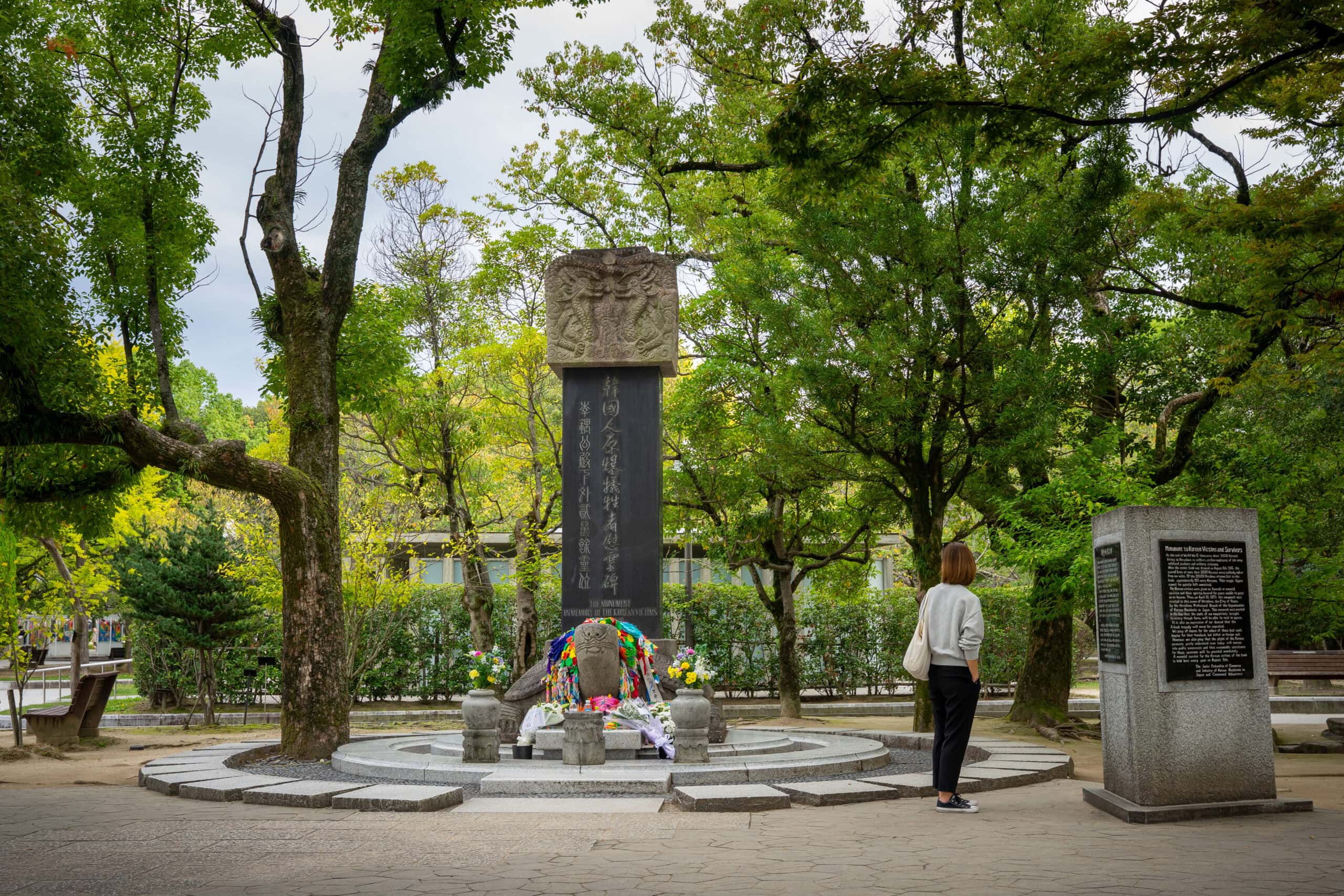
Tucked away in Hiroshima Peace Memorial Park is the Korean Memorial, a quiet but important tribute many visitors (including myself) don’t even know about. But as a Korean, Jin, of course, knew about it, so we had to go and pay our respects.
An estimated 20,000 Koreans died in the atomic bombing of Hiroshima. Most were brought to Japan during its colonial rule of Korea, forced to work in factories, construction sites, or as labourers under harsh conditions.
The memorial honours their memory and acknowledges a part of history often left out of mainstream narratives. It’s a small stone monument with a turtle base and a pagoda top, facing towards Korea.
Jin translated some of the inscriptions, one of which reads, “Souls of the dead ride to heaven on the backs of turtles.” It stuck with me because it reminded me of the many layers of loss Hiroshima holds.
Location
Children’s Peace Monument
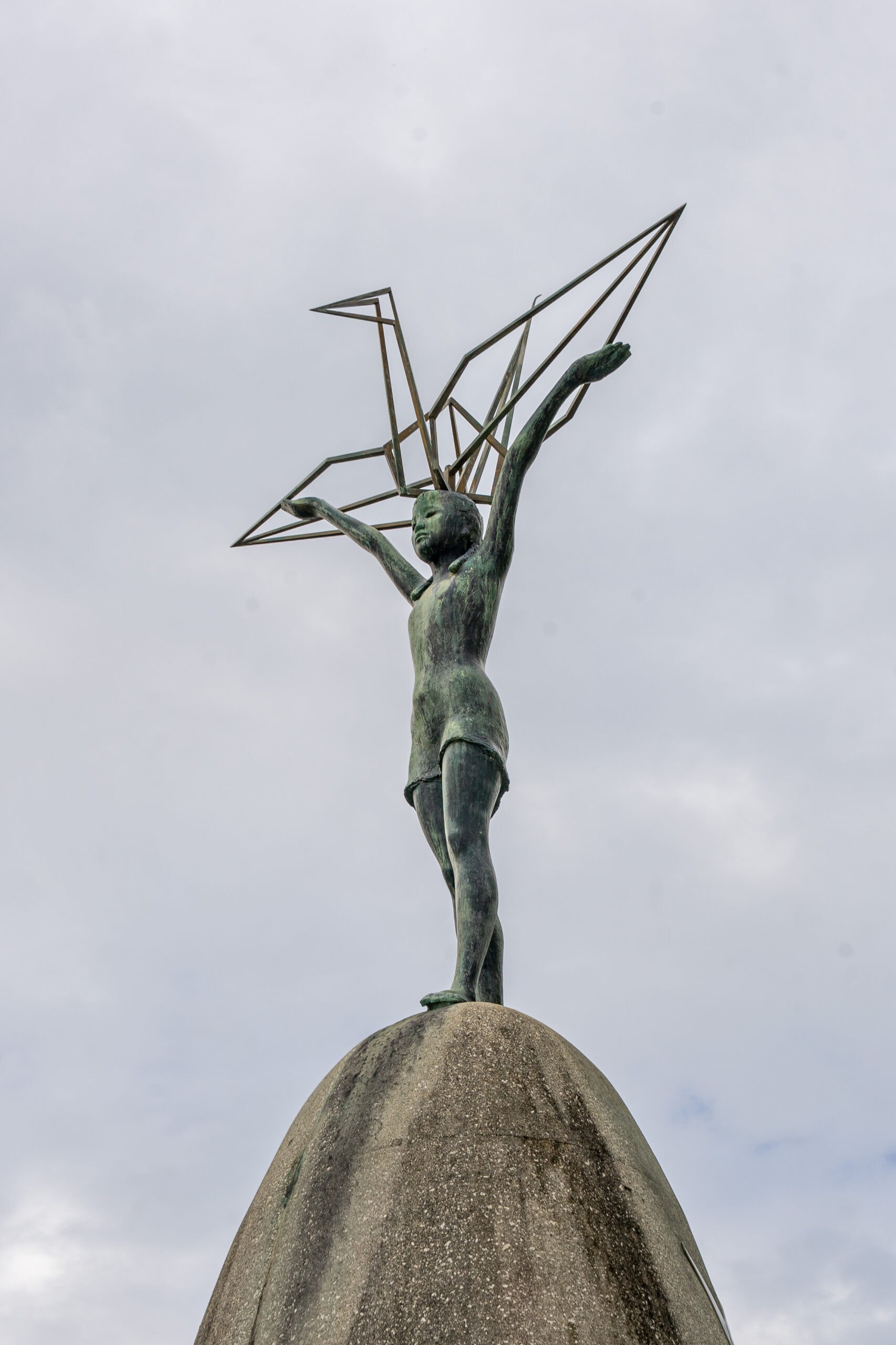

The Children’s Peace Monument stands in memory of the thousands of children who died as a result of the atomic bomb, and the story of Sadako Sasaki inspired it.
Sadako was just two years old when the bomb fell. She survived the initial blast but developed leukaemia a decade later. In hospital, she began folding origami cranes, inspired by the Japanese legend that folding a thousand cranes grants a wish.
Some accounts say she completed over a thousand cranes. Others say she died (aged 12) when she completed 644, and friends helped to fold the remaining cranes with which she was buried.
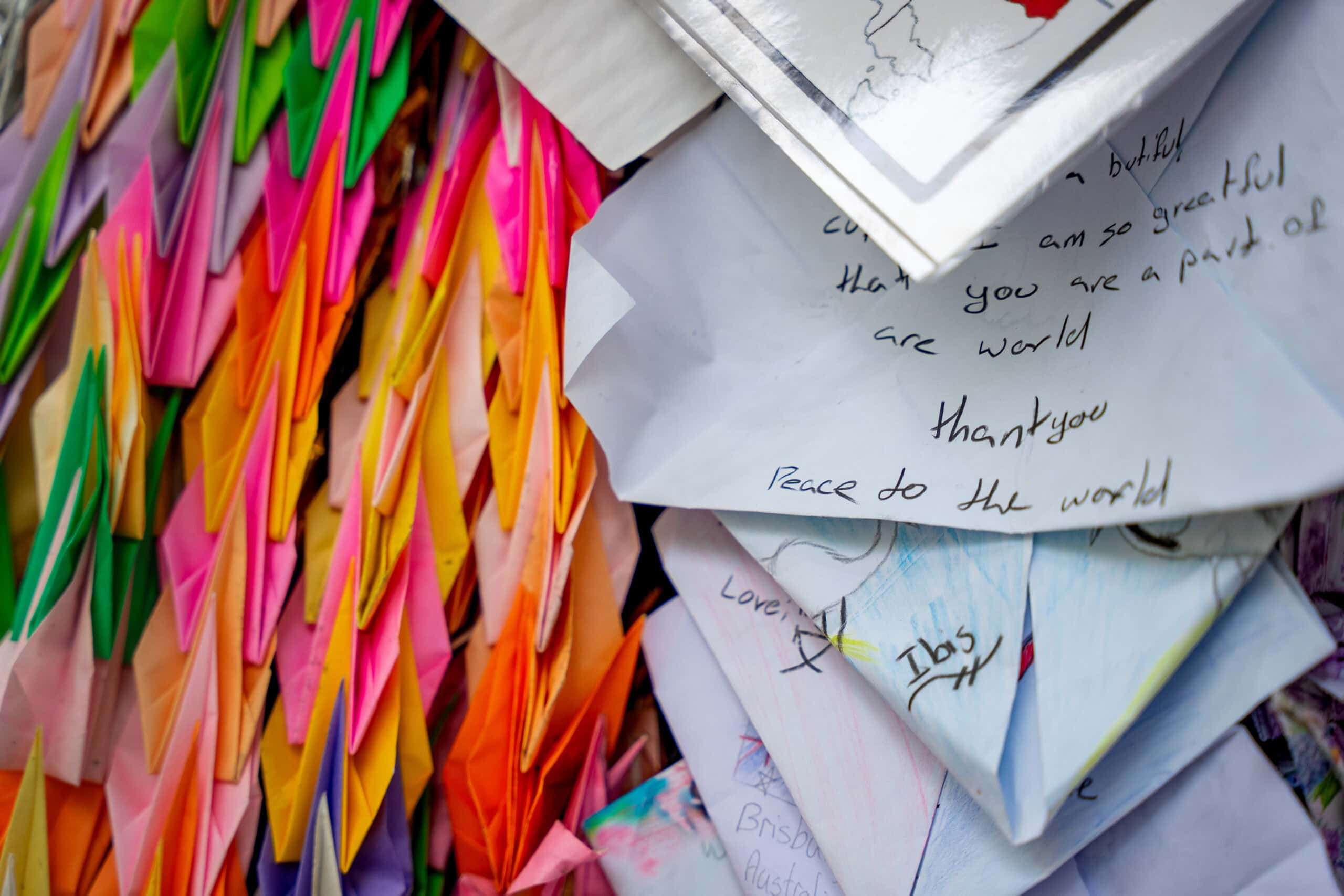
The paper crane has become a global symbol of peace and hope.
Of all the memorials in Hiroshima Peace Park, this one moved me the most. I felt a stone in my throat as we read messages tucked between the colourful cranes. Nearby, a group of elderly Australians gently hung up their own handmade cranes in silence.
Hiroshima Victims Memorial Cenotaph & Peace Flame
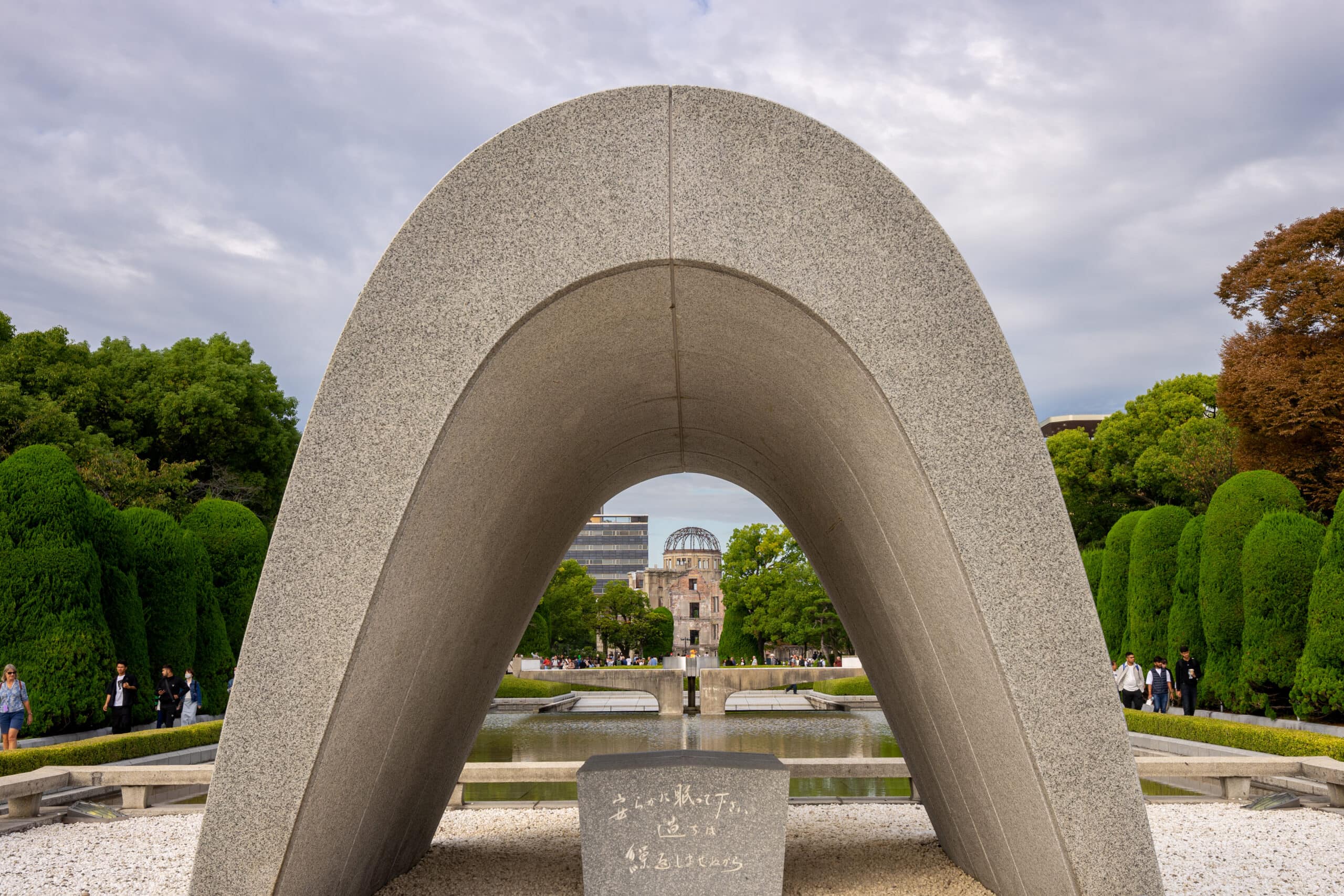
The Memorial Cenotaph is a simple, arch-shaped monument that holds the names of all known victims of the atomic bomb. You can look through the arch and see the Peace Flame and the A-Bomb Dome perfectly framed in the distance. It’s a powerful and deliberate alignment.
The Peace Flame has burned continuously since 1964 and will remain lit until all nuclear weapons are abolished.
Hiroshima Peace Memorial Museum
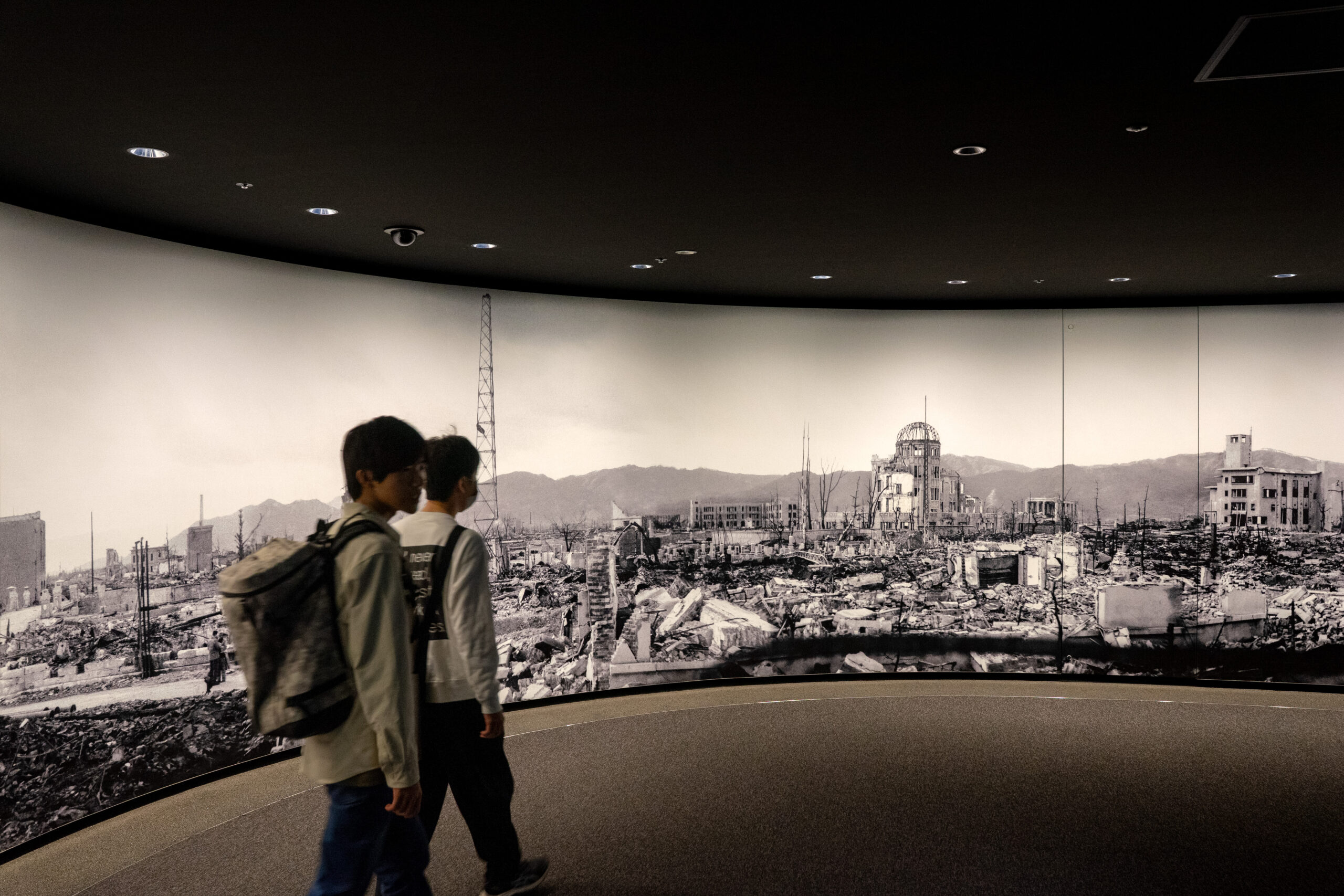
We were looking forward to visiting the Hiroshima Peace Memorial Museum to learn more about the history of the atomic bomb and its impact on the city. The museum is well known for its powerful exhibits, with personal stories, artefacts, and photographs that show the human cost of the bombing.
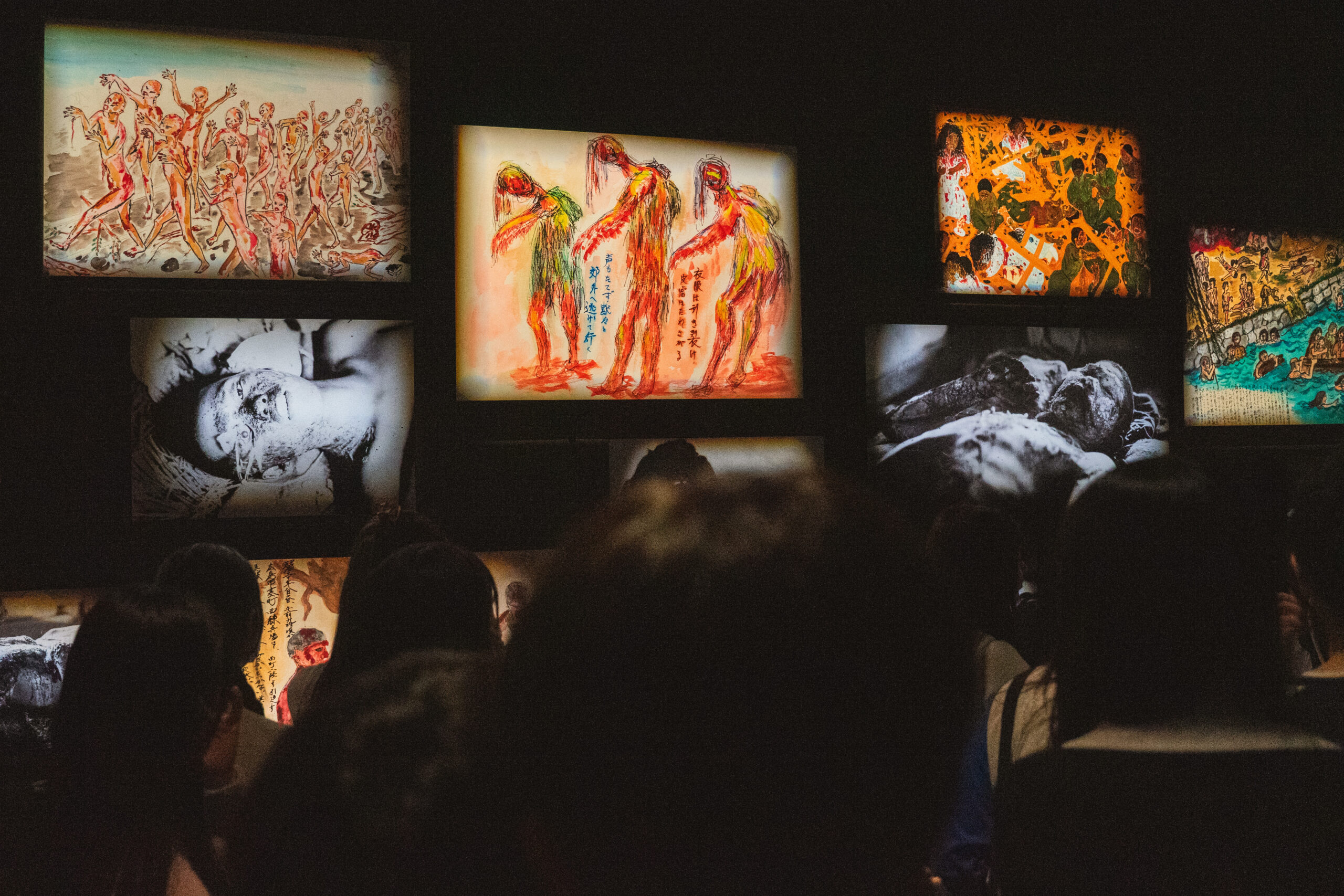
But to be honest, our visit wasn’t what we expected. It was hectic, and we arrived with what felt like at least ten school groups. At one point, the crowd was so dense I felt like I was about to have a panic attack. We just HAD TO GET OUT of there.
Back at our hotel, we saw a leaflet warning guests about how crowded the museum can get, especially between 11:00 and 15:00 and during peak seasons like October. Of course, that’s exactly when we went.
If you’re planning a visit, try going early in the morning or later in the afternoon. Recommended times are from 7:30 to 10:00 or after 17:00. March-April is cherry blossom season, and May, October, and November are school trip seasons, so prepare yourself mentally for a scrum when visiting in these months.
Entrance Fee: ¥200 (adults)
Hours: 7:30 – 19:00 daily
Location
Convenience Store Obsession Begins
After visiting Hiroshima Peace Memorial Park, we walked back to the hotel to check-in. But first, we had one important stop—a Japanese convenience store (or just konbini).
We’d heard the hype about konbini snacks, and we were keen to see what the fuss was about.
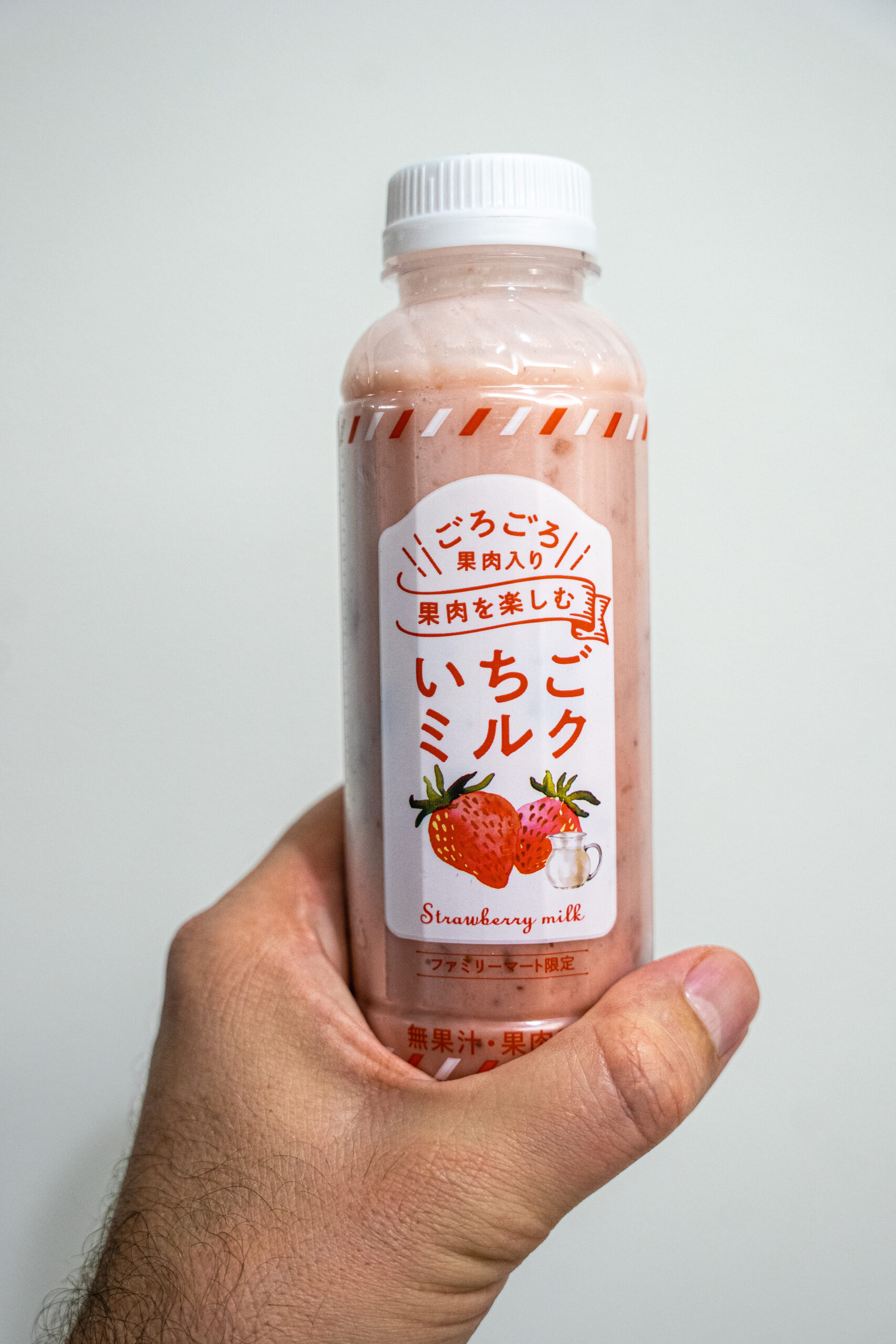
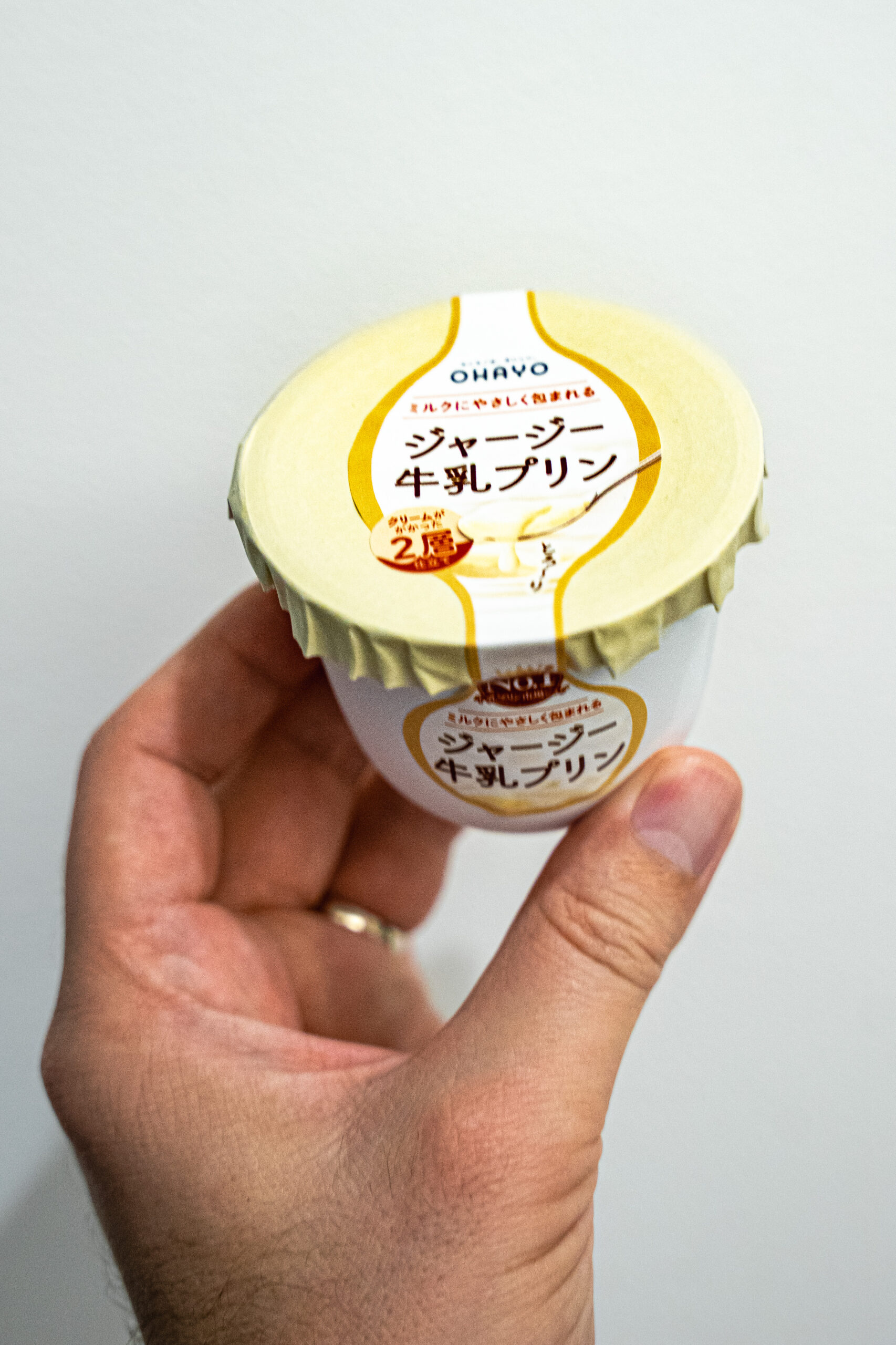
Turns out, it’s all true. And there in Hiroshima, we discovered that the humble convenience store is one of the country’s best attractions. Everything looked good, from strawberry and cream sandwiches to weird-flavoured chips, desserts and random sweets. How could we even try them all with just 10 days in Japan???
If you’re at Lawson, don’t miss the Ohayo milk pudding. You can thank me later.
After that first visit, we were hooked. We made it a habit to pop into a konbini at least once a day for snacks. Sometimes twice. Japan has temples and castles and incredible scenery, but the konbini is up there with them.
We went to check in, did some doom scrolling and rested a bit at the hotel before heading out for dinner.
Dinner at ICHIRAN Ramen
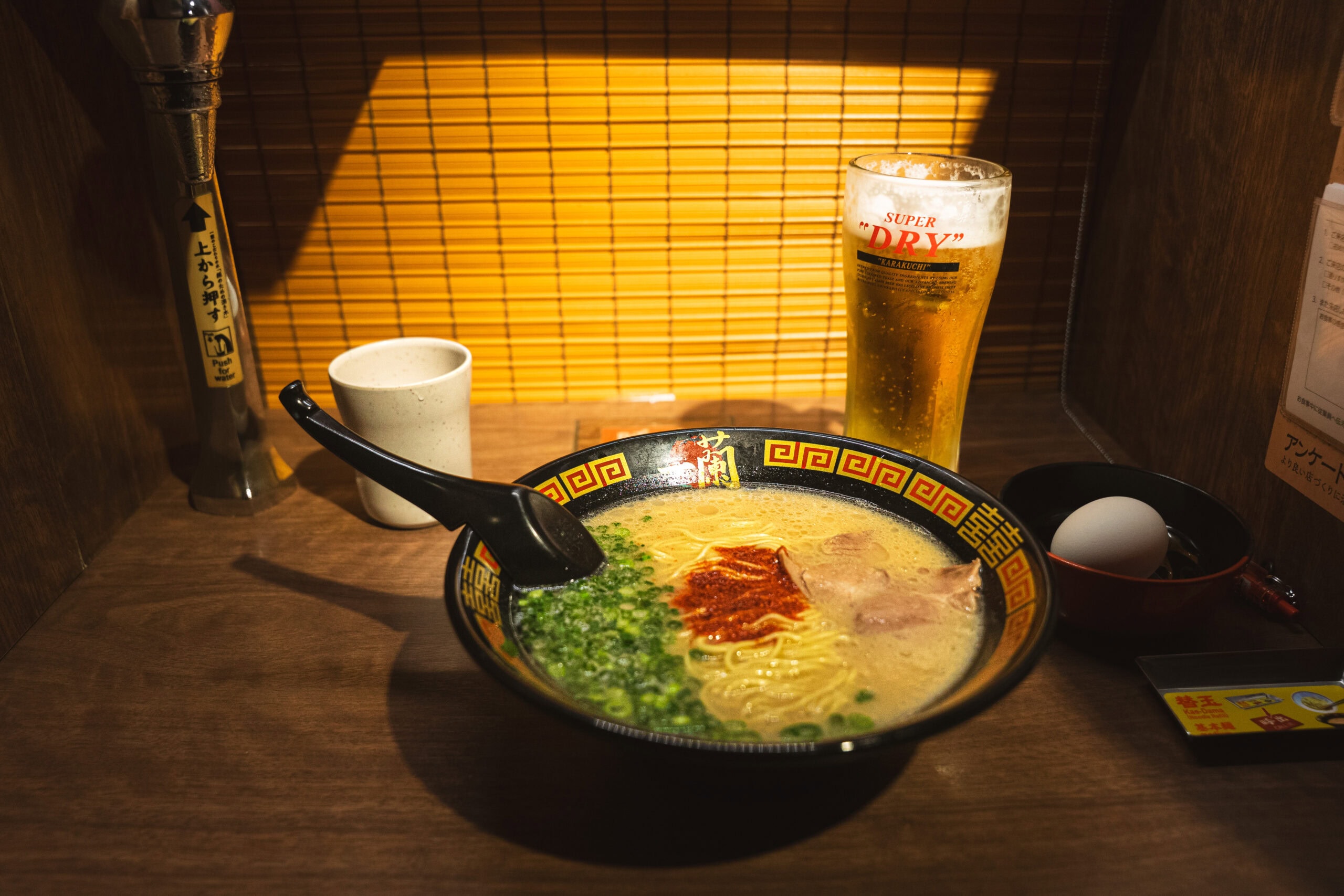
One thing I had to do in Japan was have a proper bowl of ramen. But not just any ramen—it had to be ICHIRAN. So, on our first night in Japan, we walked to Hondori Street, Hiroshima’s famous covered shopping street, to make it happen.
ICHIRAN is a famous ramen chain known for its solo booths and minimal interaction. You can order, pay, and eat without talking to anyone. The whole setup is designed so you can focus completely on the flavour of your ramen. It doesn’t get more Japanese than this!
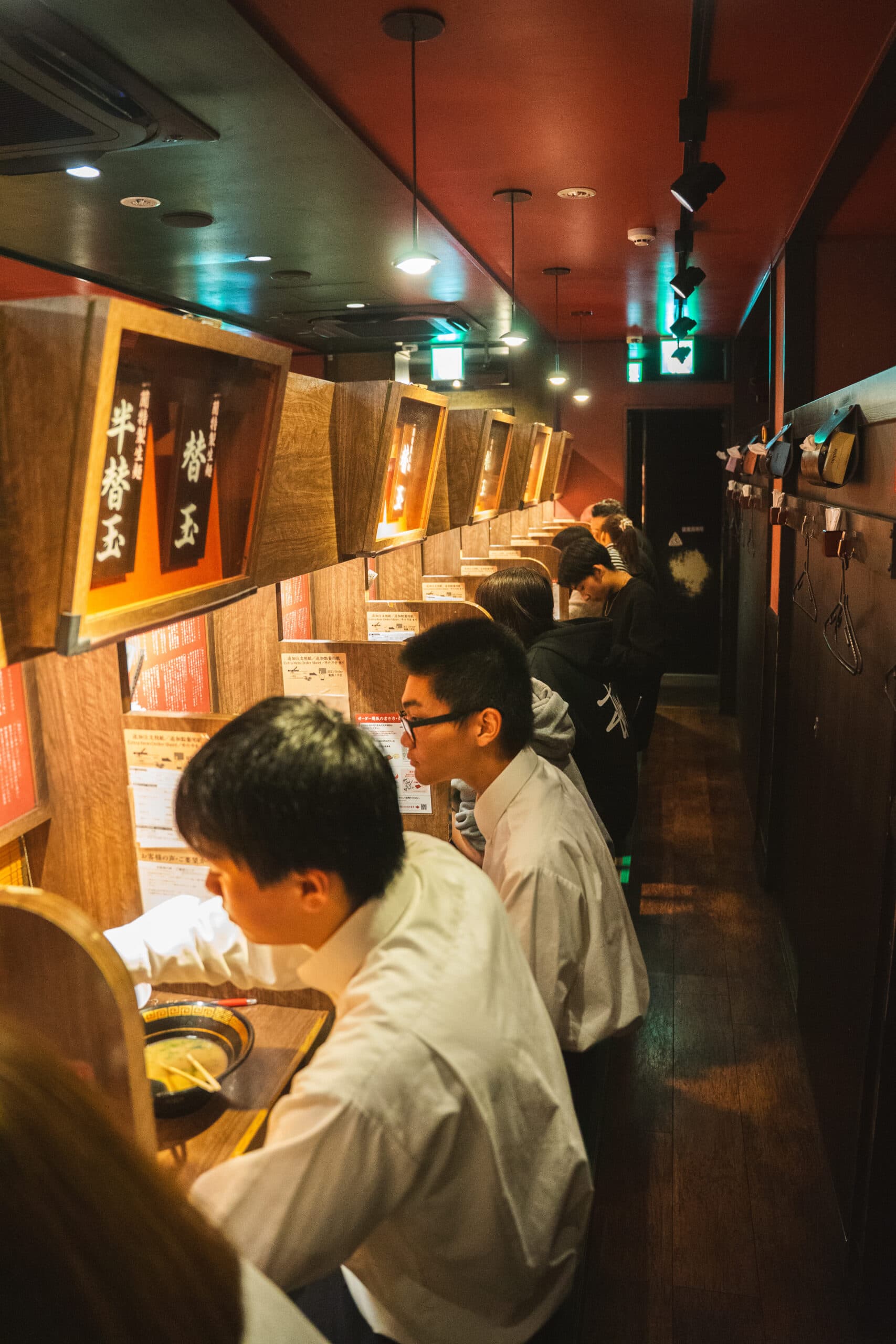
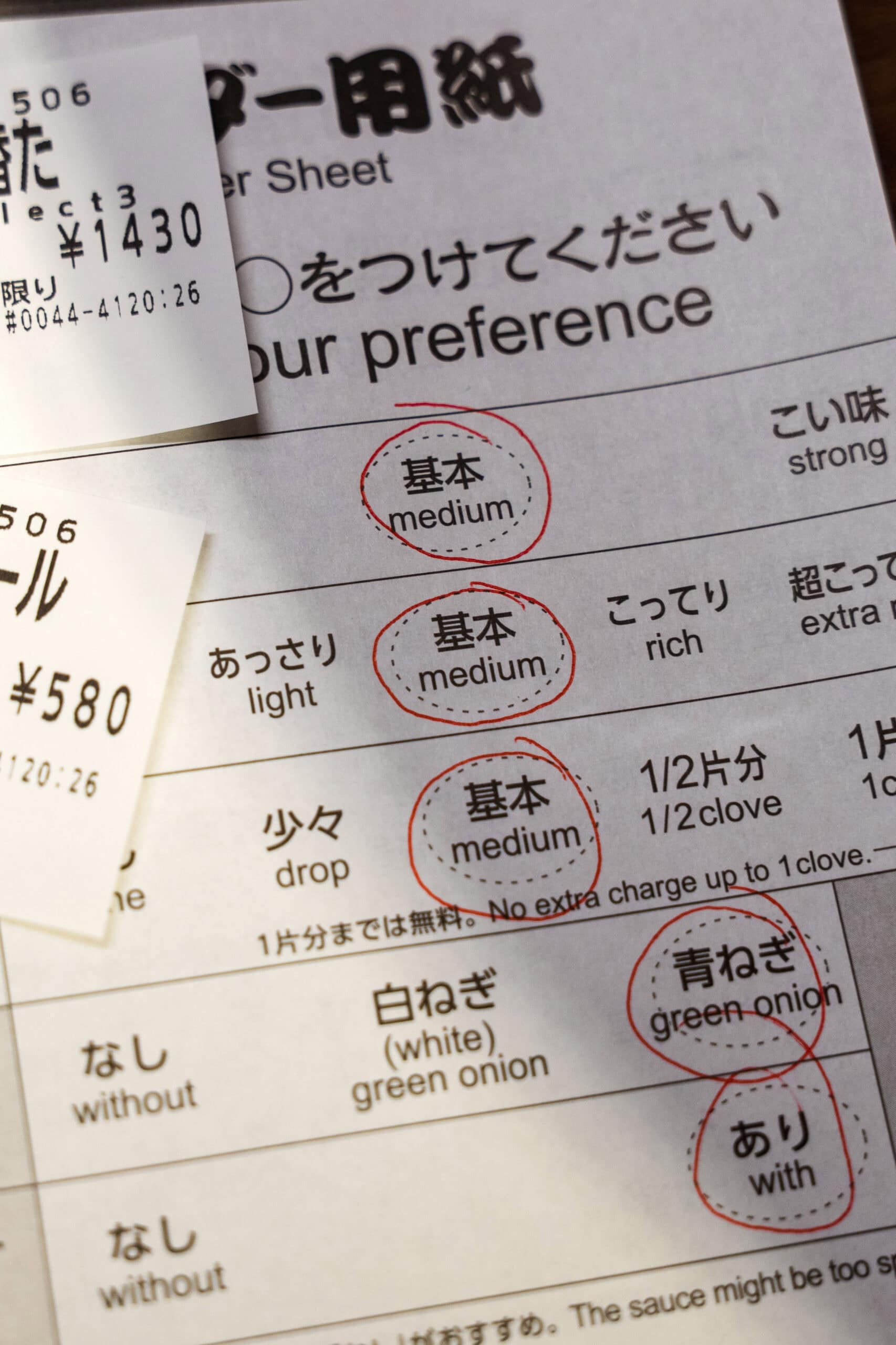
You start by ordering at a vending machine near the entrance. Once you’ve got your ticket, a screen tells you which seat is available. Inside, you sit in a little booth with dividers on each side—just you and your ramen (plus some slurping sounds around you).
You fill out a slip to customise your bowl (more garlic? less spice?) and slide it under a bamboo curtain. A few minutes later, the curtain lifts, your ramen arrives and then drops again. As if by magic.
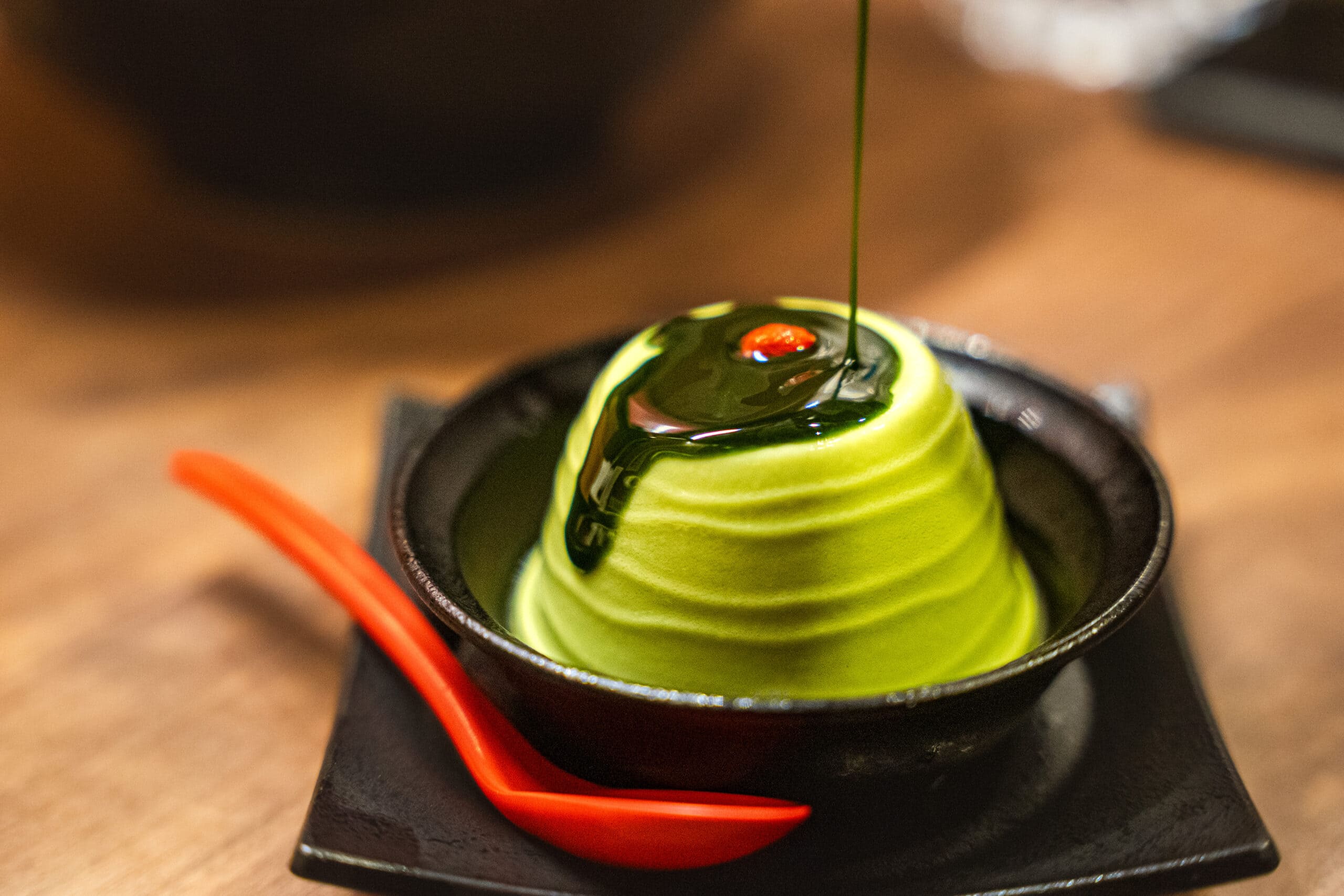
The ramen was everything I hoped for. Rich, spicy, and full of flavour. We also tried the matcha milk pudding for dessert, and wow, it was amazing.
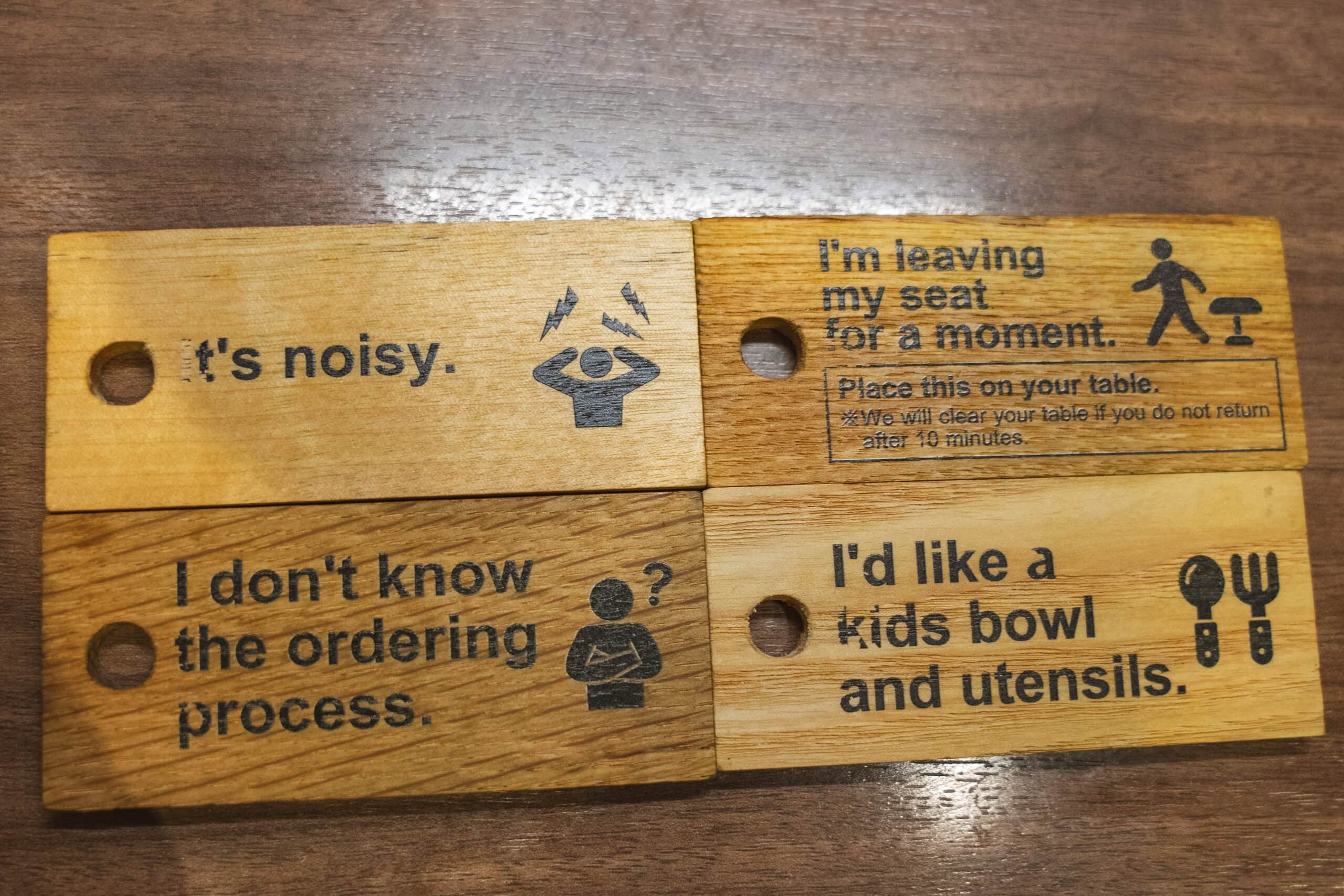
Need anything? There are little wooden signs you can slide under the curtain to ask for help or a refill. Everything’s available in English, and the staff at the entrance can help if you get stuck.
Location
Open 24 hours
Day 2: Miyajima Island
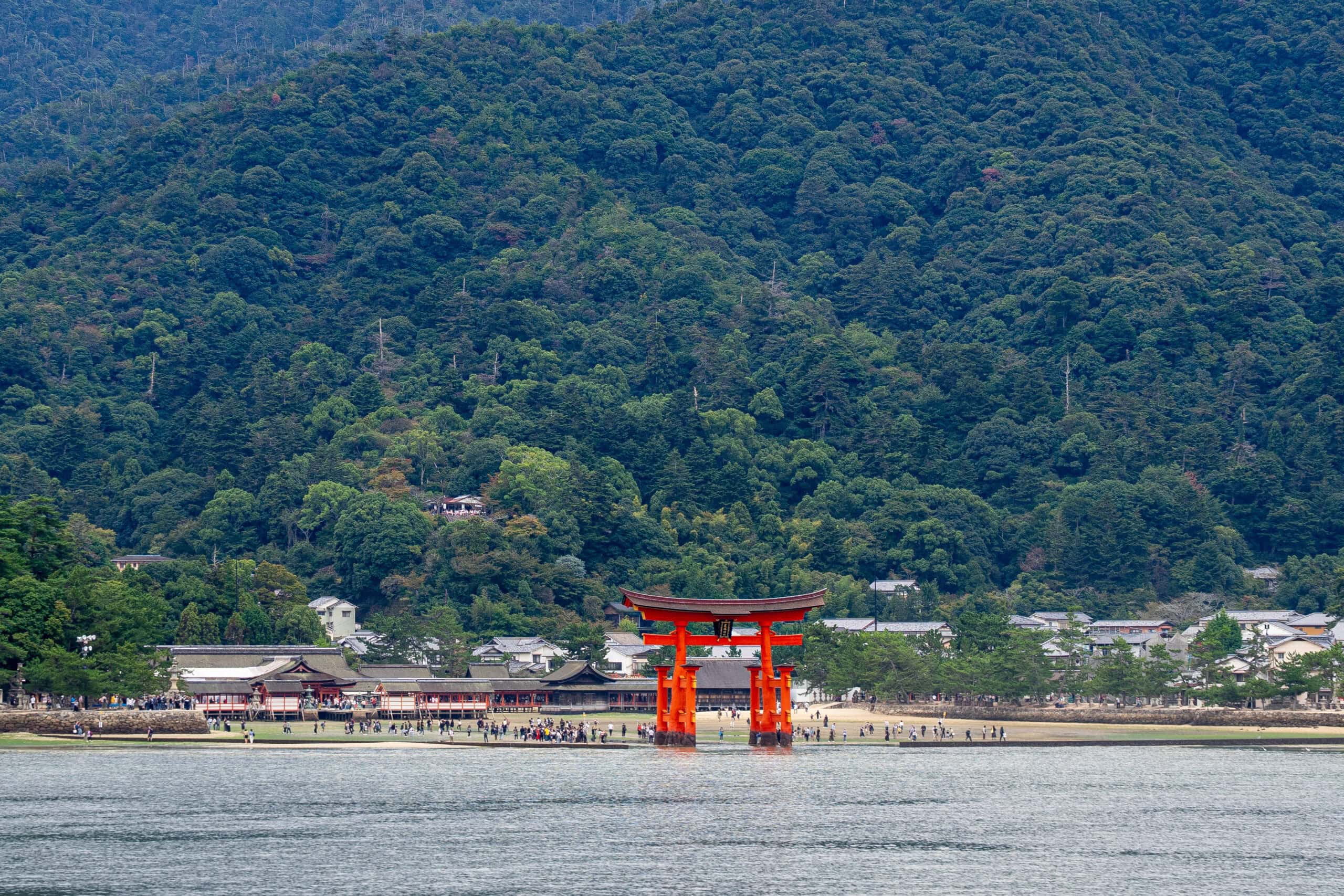
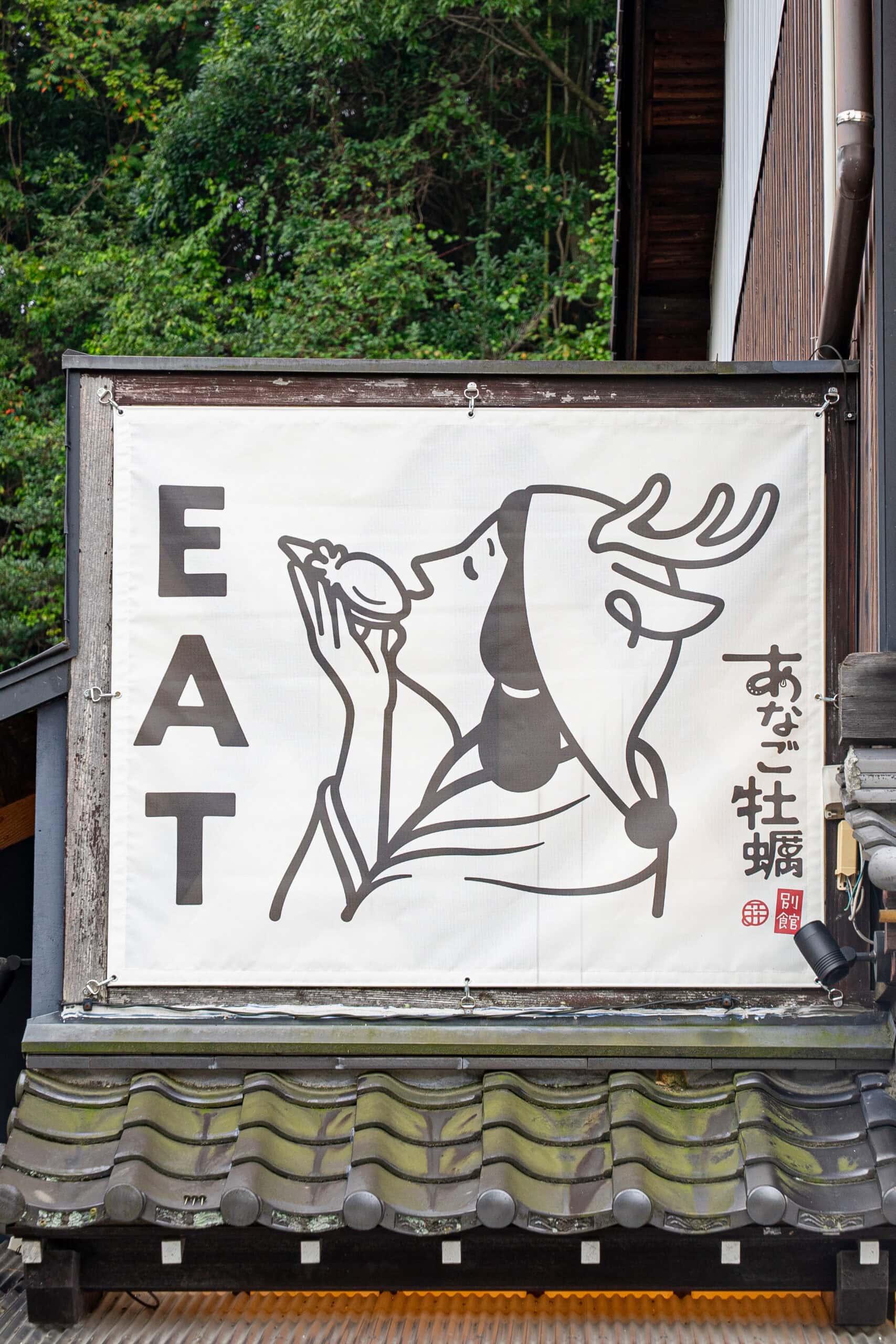
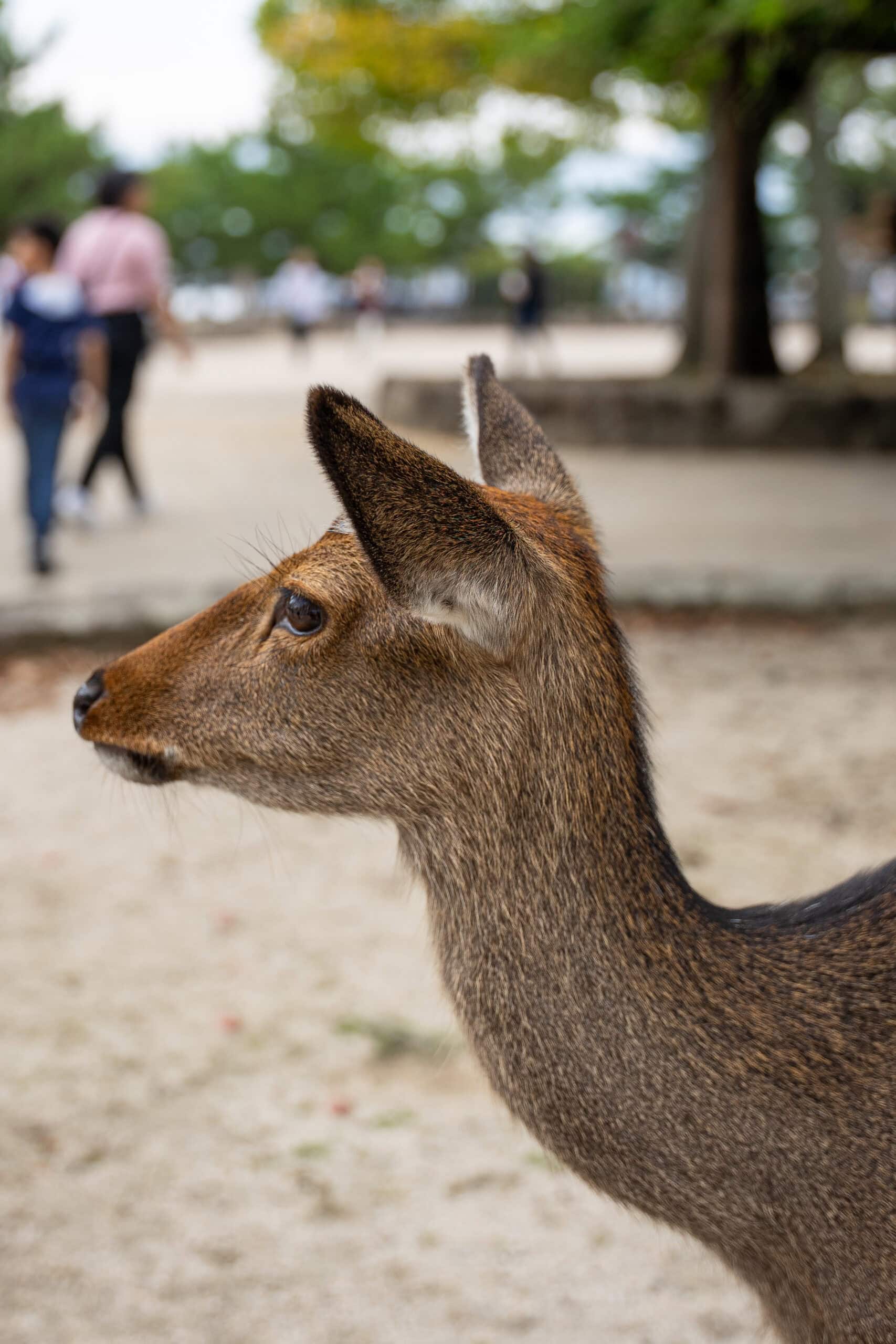
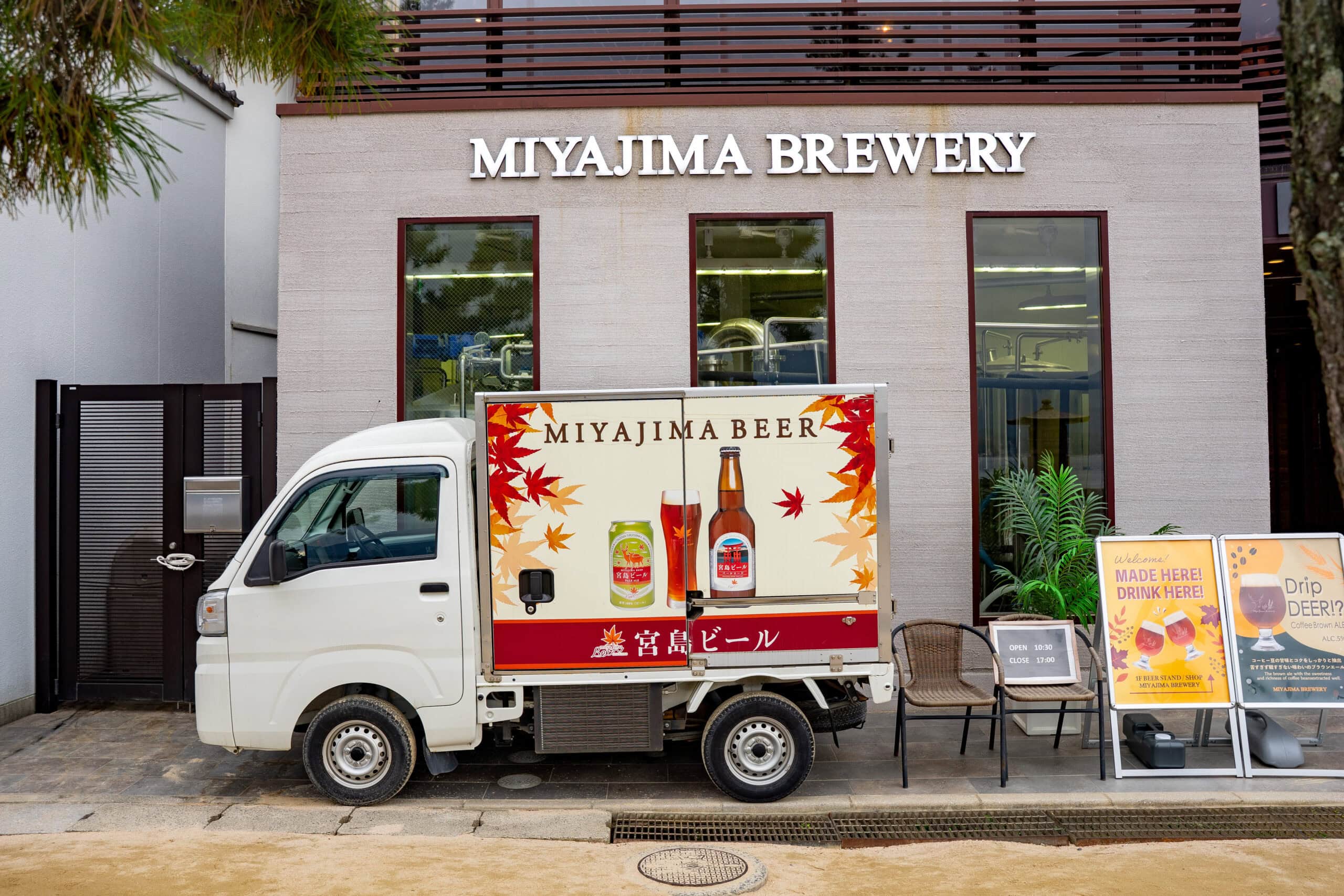
Miyajima Island has been regarded as one of the three most scenic spots in Japan since ancient times. It is a brilliant place to spend a day, with a perfect mix of sightseeing, culture, and food.
If you’re not coming for the whole day, time your visit to coincide with high tide to see the floating torii.
We spent the whole day on Miyajima and can easily do it again.
Breakfast at Ekie
We kicked off our second day by heading to Hiroshima Station to activate our JR Passes.
There’s a dedicated counter for it, and the efficient and friendly lady who helped us was an absolute gem like you only find in Japan. Not only did she activate our passes, but she also found the best route and booked our tickets for the next day’s trip to Kinosaki Onsen.
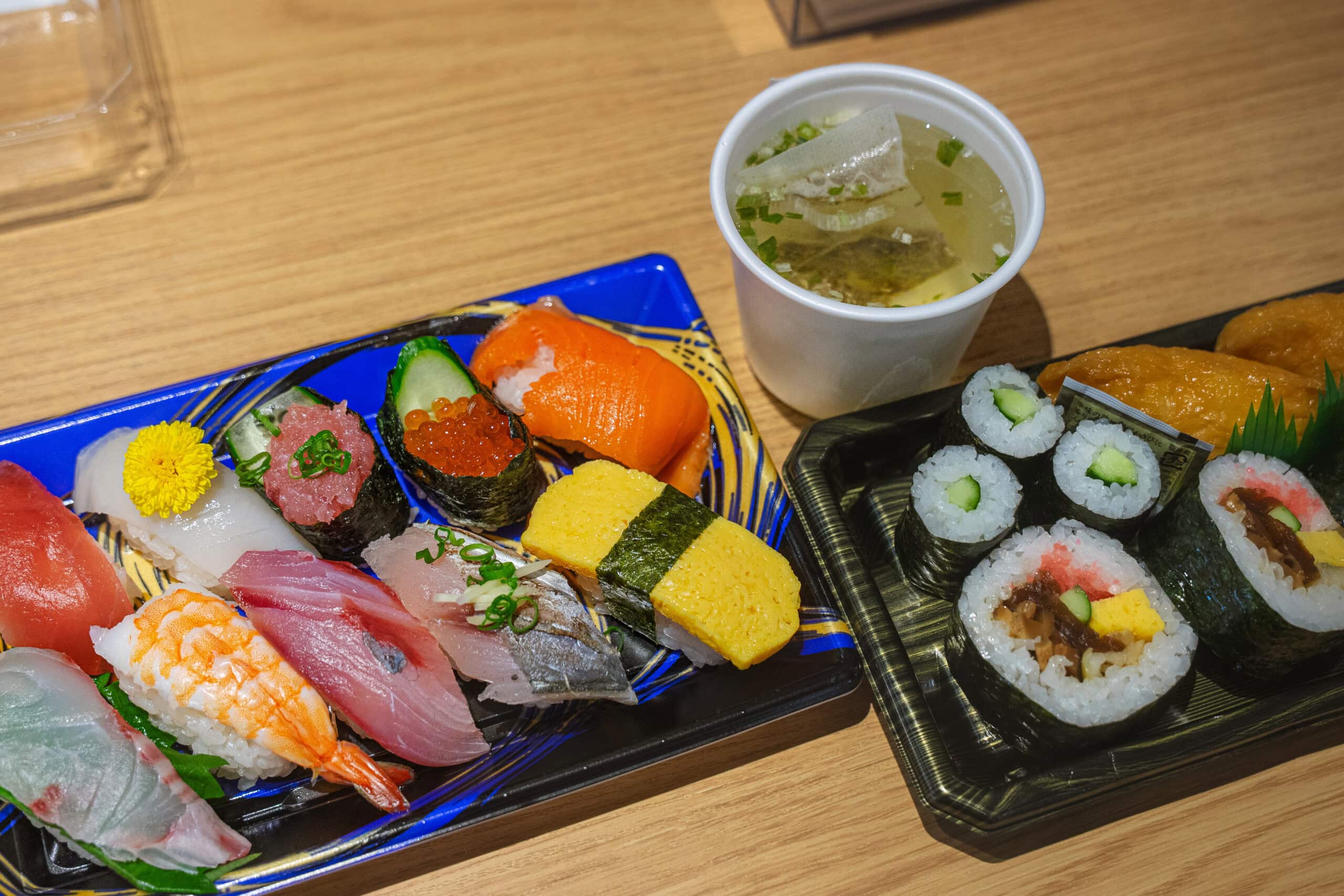
With that sorted, we wandered into Ekie, the station’s shopping and dining complex. It’s like a department store-meets-gourmet food hall, and it blew us away. Everything looked so fresh and polished, not what you’d expect from station food. Sushi, freshly baked pastries, whisky, bento boxes, souvenirs—you name it. There’s even a sleek stand-up bar pulling cold pints if a morning beer is your thing.
We were pacing ourselves, so we grabbed barley tea and delicious packed sushi boxes for breakfast.
After eating, we stopped by the tourist information centre to double-check how to get to Miyajima using our JR Pass. Another sweet, animated elderly lady helped us—map in hand, arms waving, fingers pointing—making sure we absolutely wouldn’t get lost.
Japan’s hospitality and service industry really is next-level.
Ekie Location
Hours: 8:00 – 21:00
Hiroshima Station to Miyajima Island
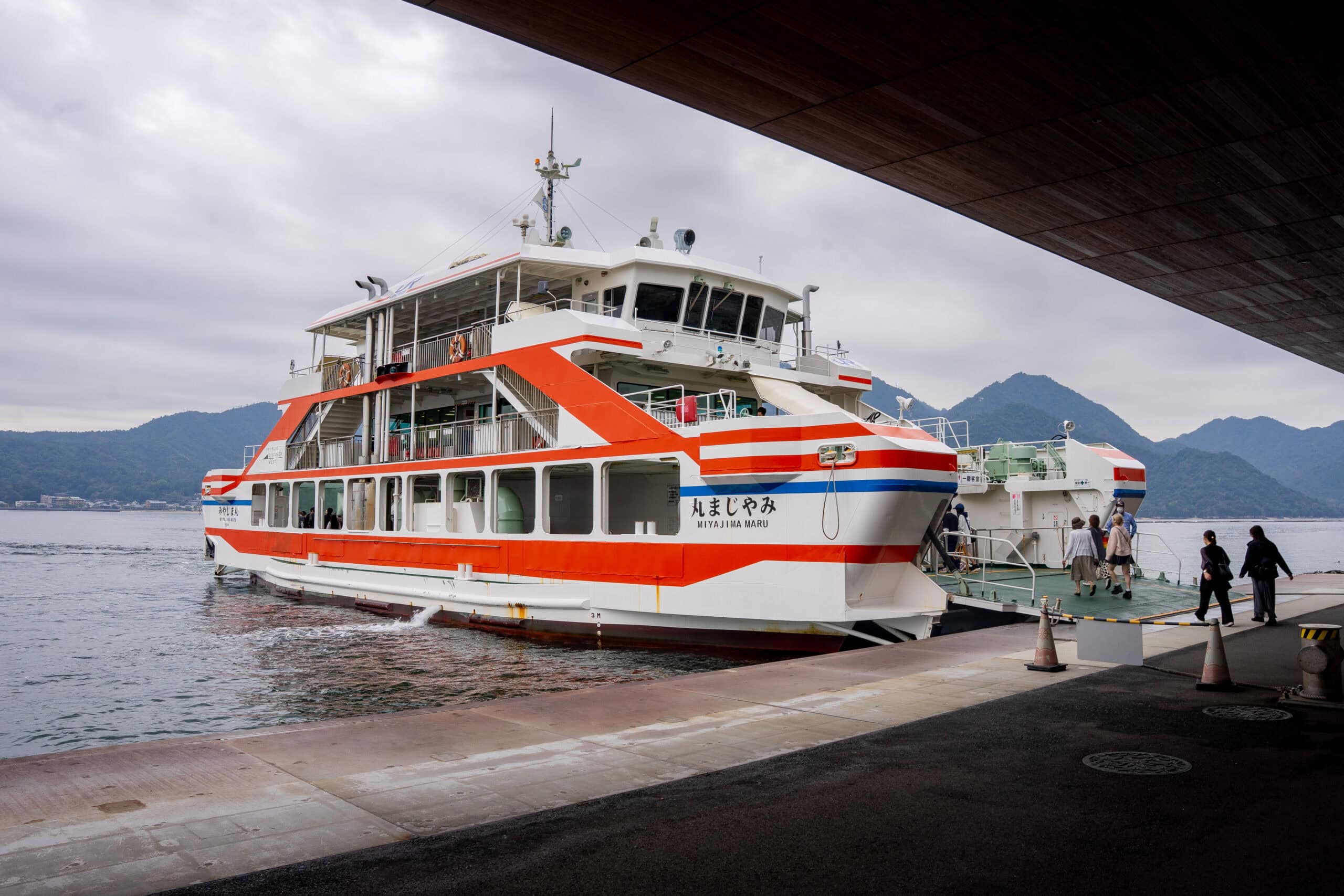
Getting to Miyajima Island with the JR Pass is super easy and fully covered. Take the JR Sanyo Line from Hiroshima Station to Miyajimaguchi Station (about 25 minutes). From there, it’s a short walk to the JR Ferry terminal, where you can hop on the JR-operated ferry to Miyajima Island, which is also included in the pass.
The ferry ride takes around 10 minutes and offers great views of the famous Floating Torii Gate as you approach.
Entry to the island is free, but some attractions, like Itsukushima Shrine, may charge a small entrance fee.
Hokoku Shrine & Five-storied Pagoda
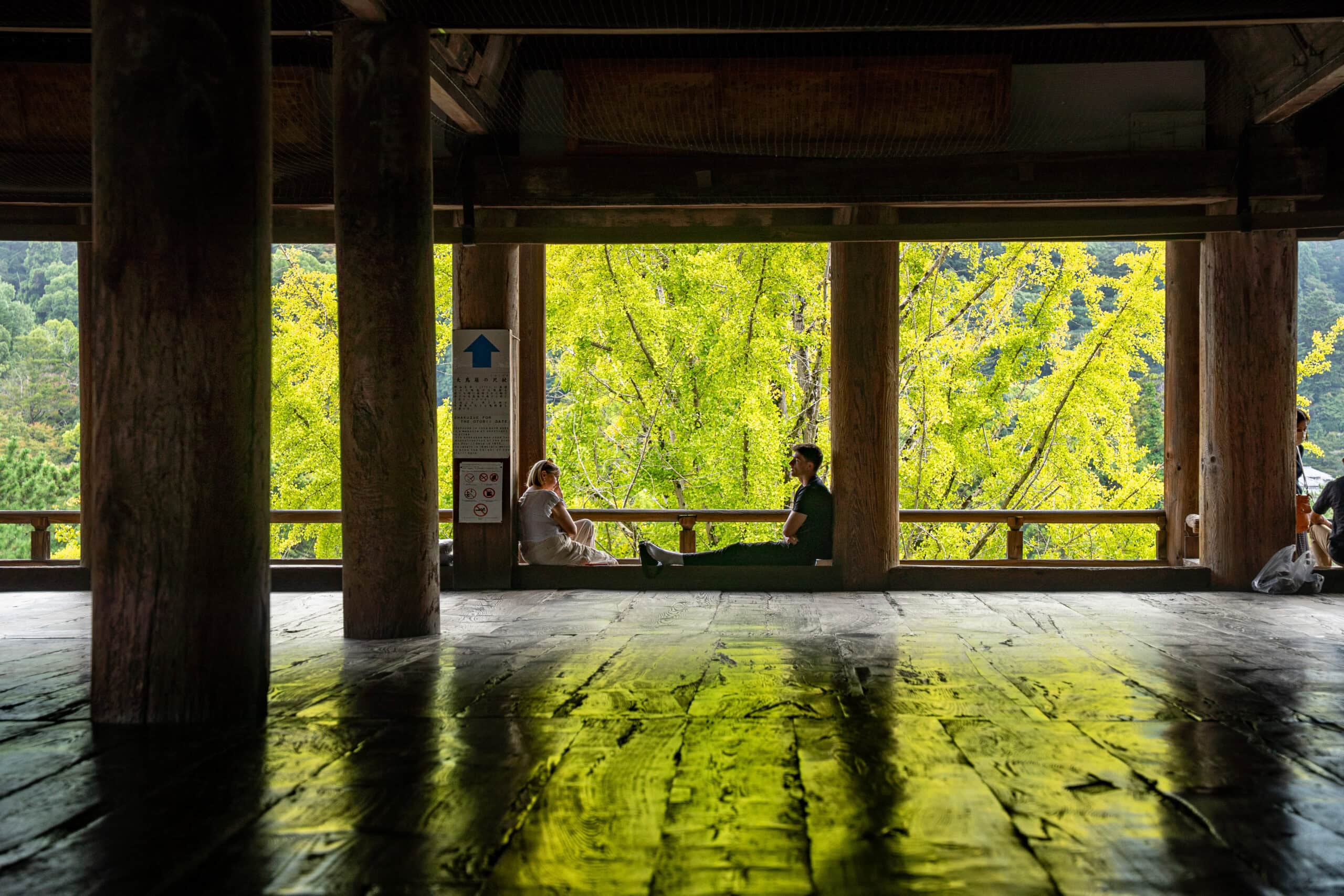
Hokoku Shrine was commissioned in the late 1500s by the warlord Toyotomi Hideyoshi and was meant to be a grand Buddhist library, but construction stopped after his death, and it was never completed.
What stands today is a vast, open wooden hall with no walls, just massive beams, a soaring ceiling, and the creak of floorboards underfoot. It’s the largest structure on Miyajima and is also known as Senjokaku (Hall of 1,000 Tatami Mats).
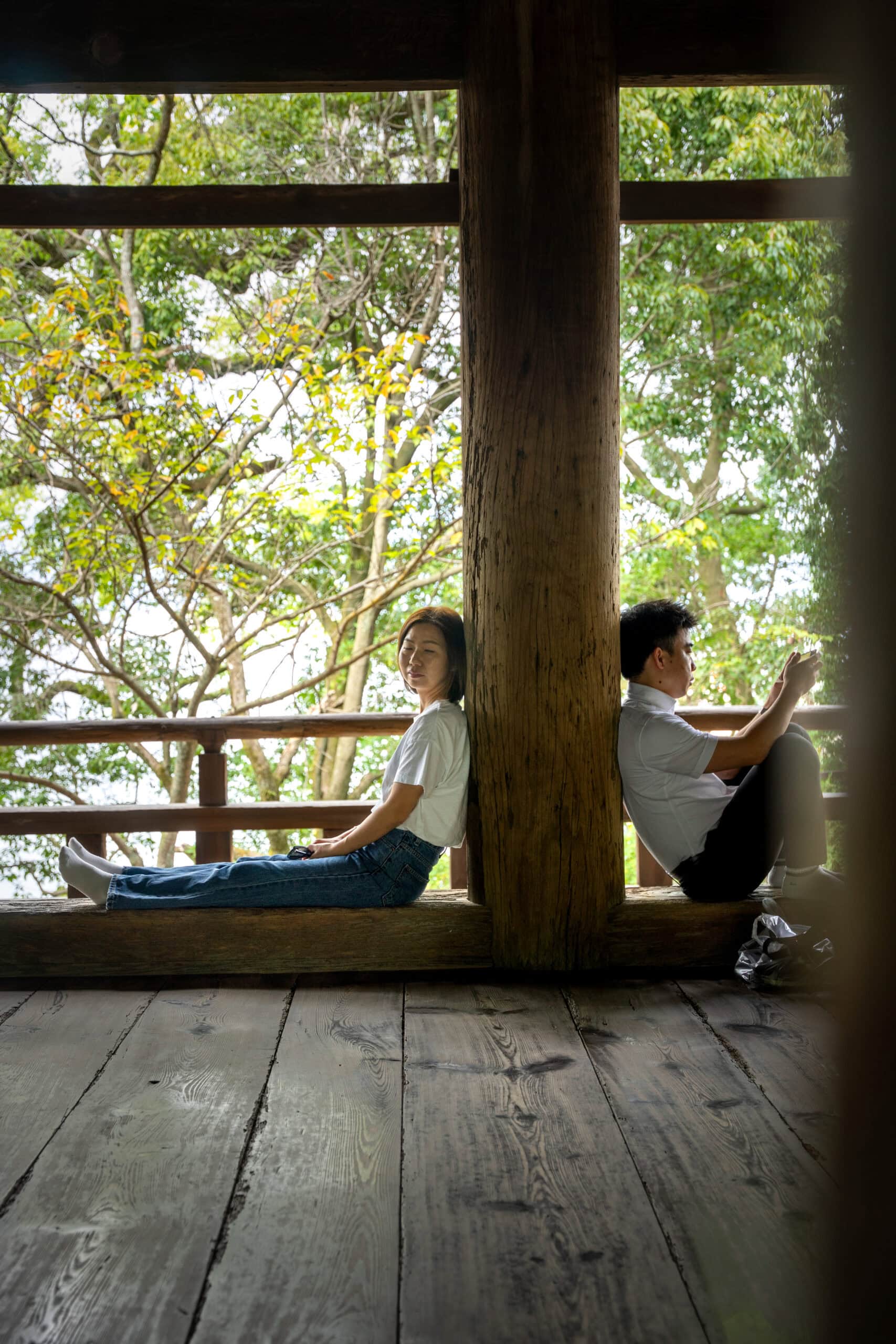
This shrine was one of our favourite stops on Miyajima and we spent quite some time here just sitting on the floor and taking in the views.
We loved its peaceful, unfinished feel and how the colourful leaves from the surrounding trees reflected softly on the polished wooden floors. From here, you also have a great view of the Itsukushima Shrine.
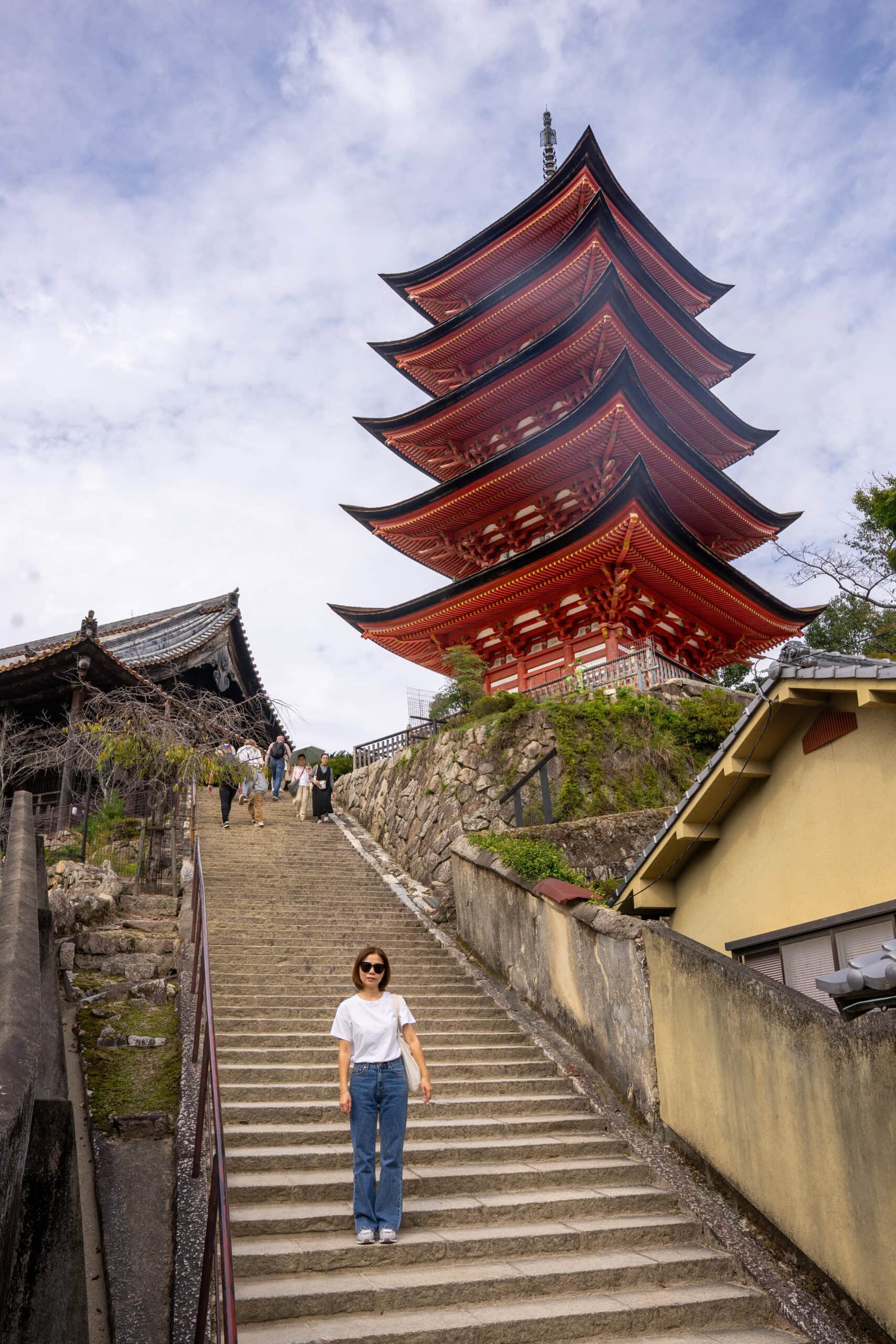
You’ll find the impressive Five-storied Pagoda on the same grounds as the Hokoku Shrine.
Hokoku Shrine
Open daily 8:30 to 16:30
¥100.
Location
Omotesando Shotengai
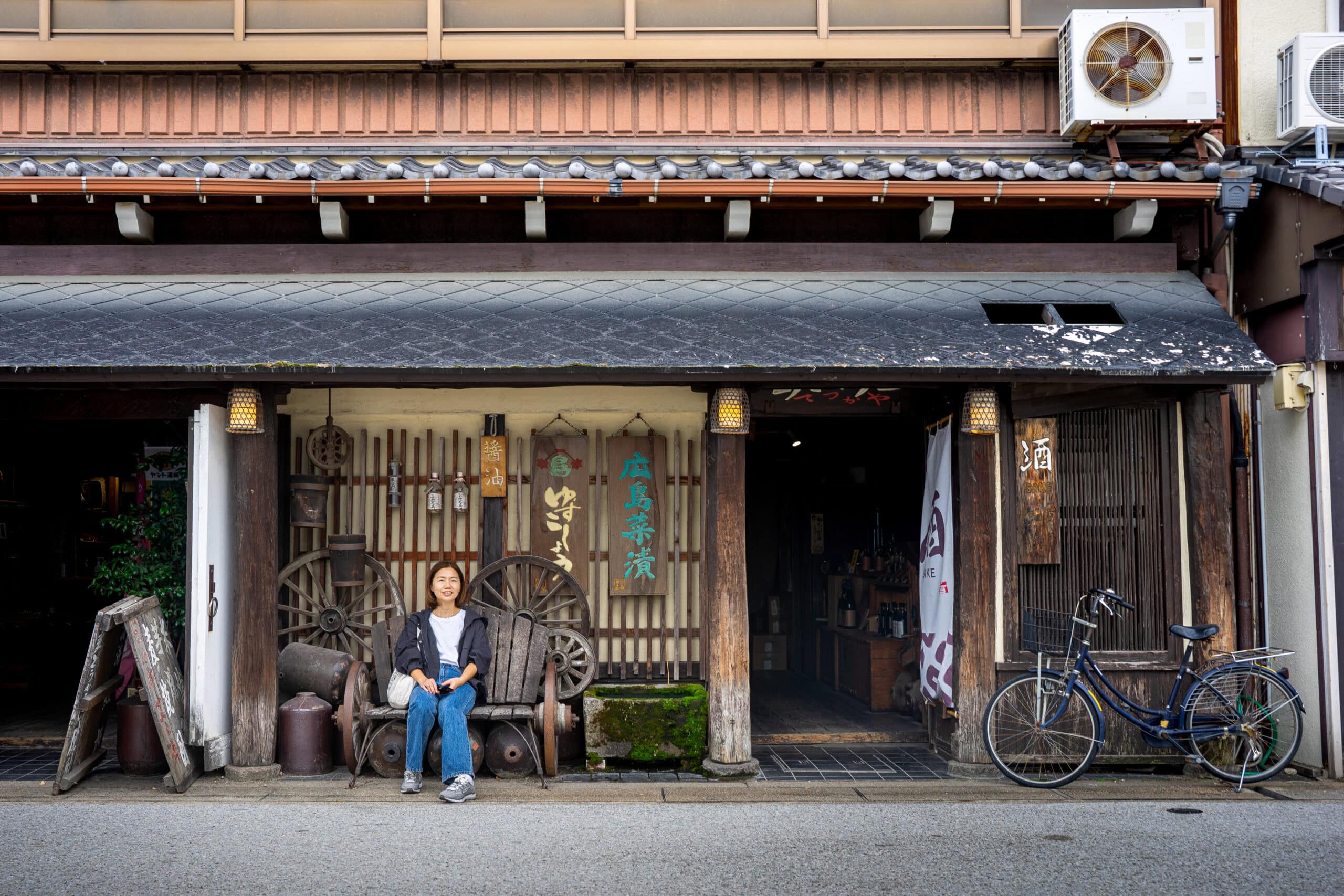
Besides the floating torii gate, Miyajima is famous for oysters and momiji manju. I’ve never seen oysters big and juicy like those on Miyajima, where they are served grilled, fried, or raw.
And momiji manju is a local icon, a soft, maple-leaf-shaped cake traditionally filled with red bean paste. These days, you’ll find them in all kinds of flavours, from custard and matcha to chocolate and even cheese.
The best place to sample it all is Omotesando Shotengai, the bustling shopping street that leads from the ferry port toward Itsukushima Shrine.
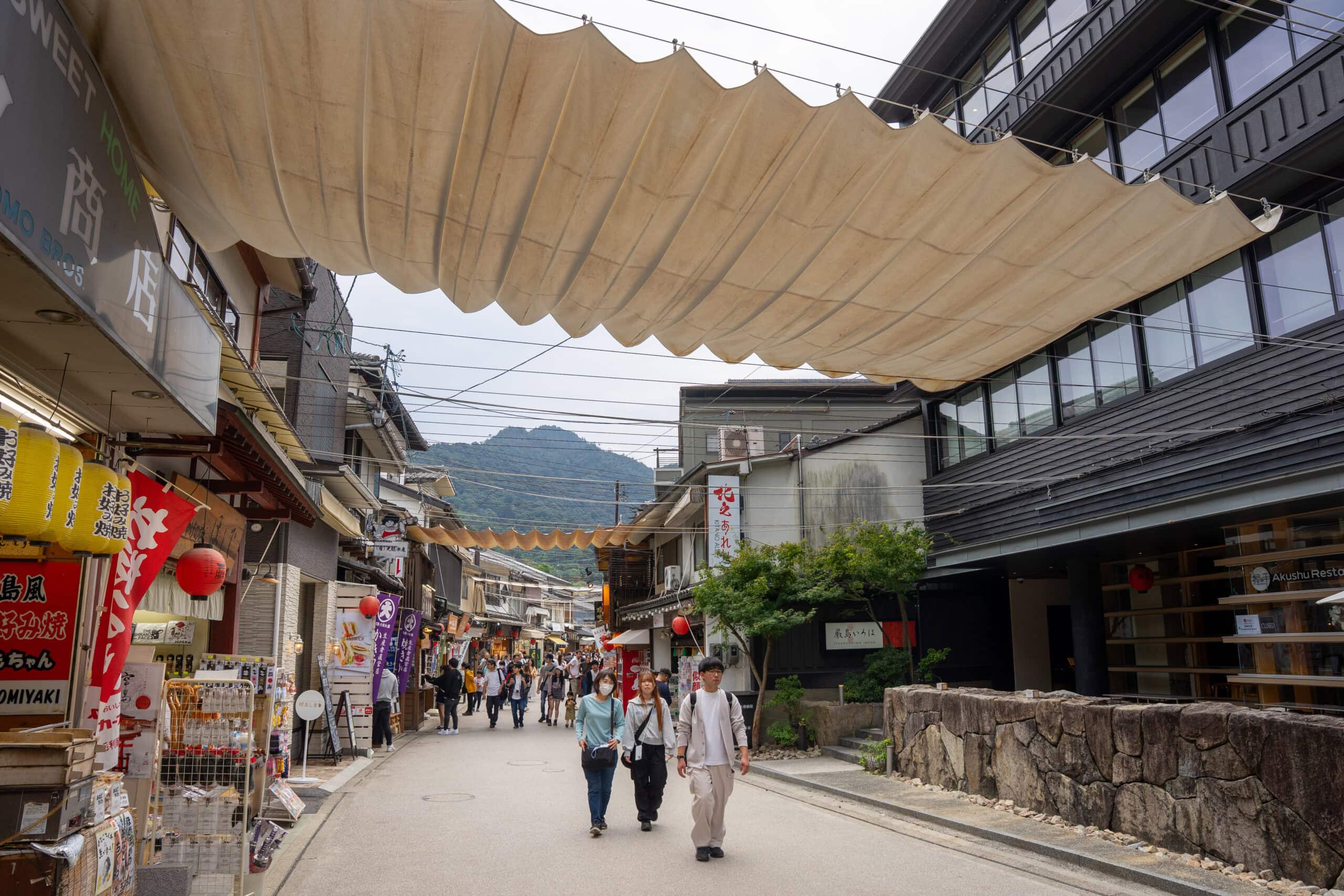
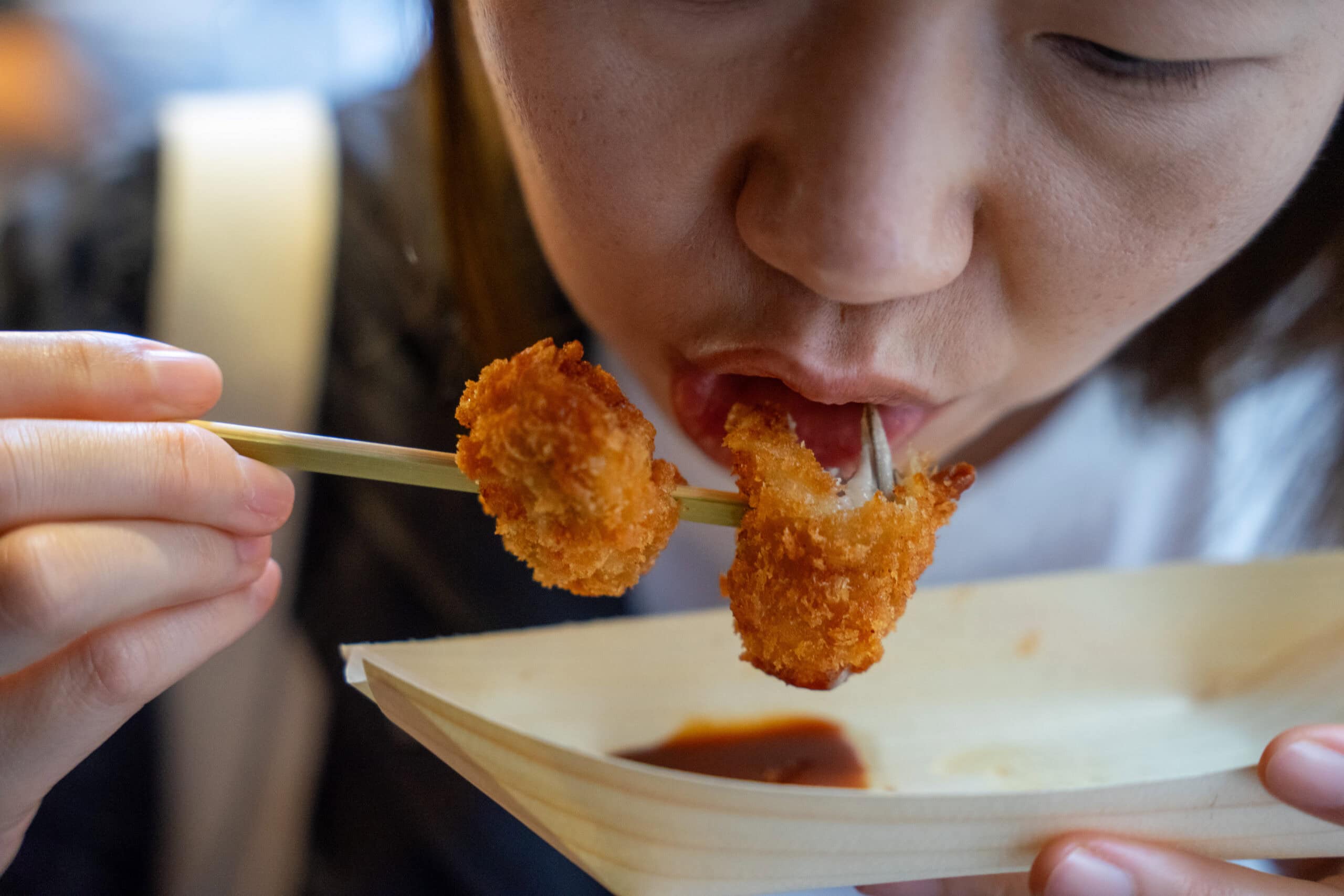
We passed through several times during the day, and something new tempted us each time. Of course, we had to try the fried and grilled oysters, which were seriously delicious.
My Achilles heel on Omotesando Shotengai was a yummy twist on the traditional momiji manju called a momiji croissant. Not a big fan of red bean pastries; I tried an apple-filled Momiji croissant, and it was a flaky, buttery love at first bite. I loved it so much that we went back for seconds.
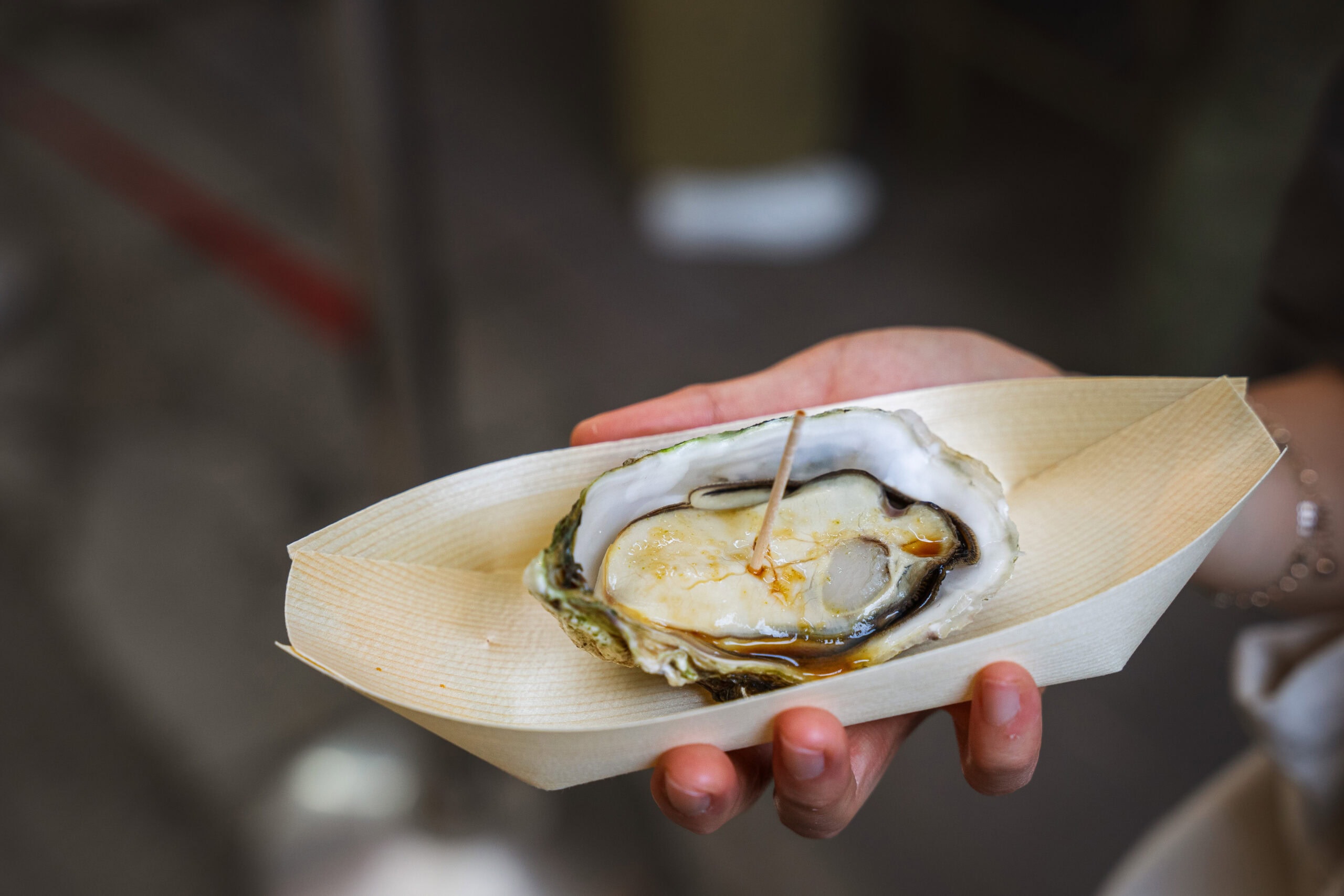
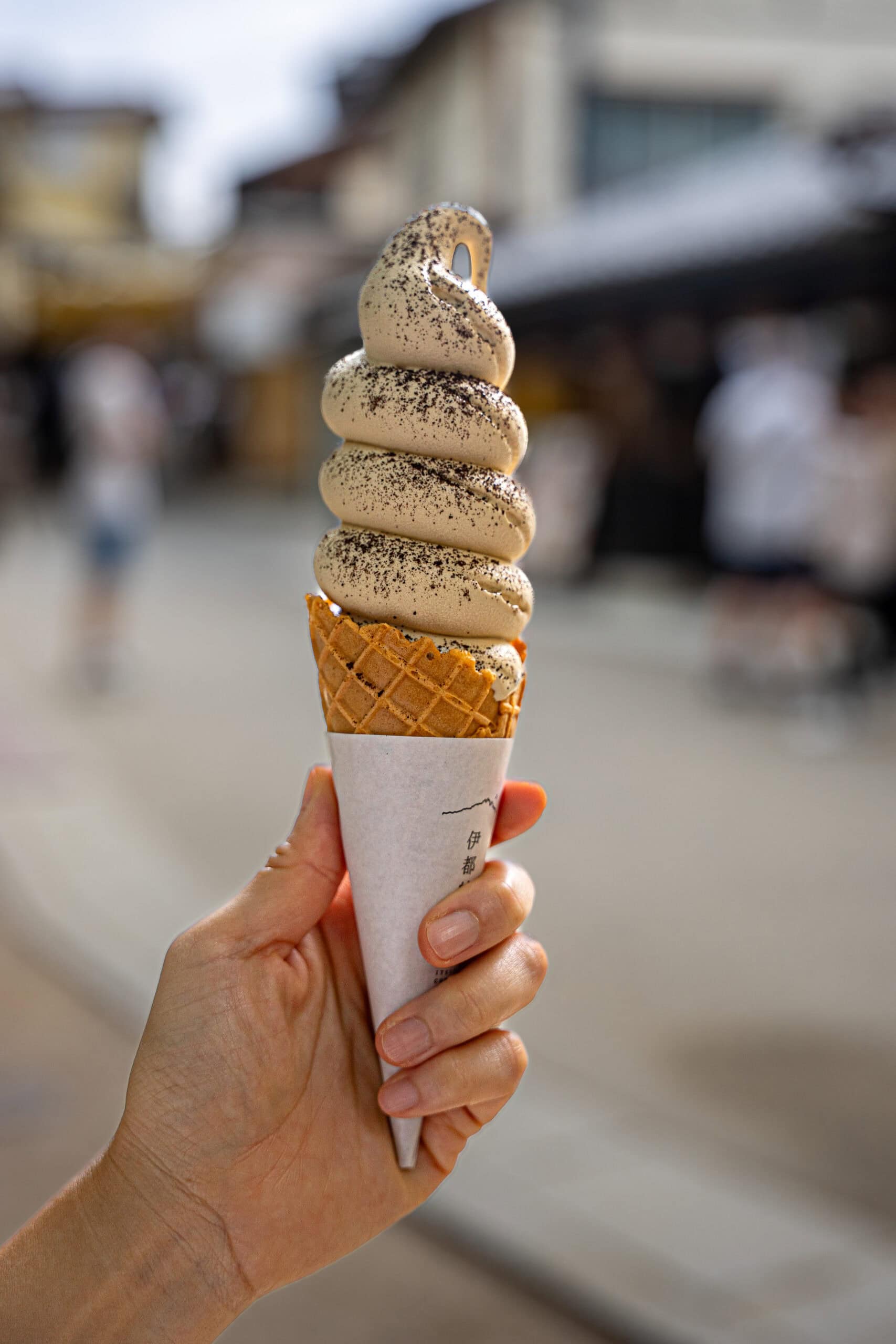
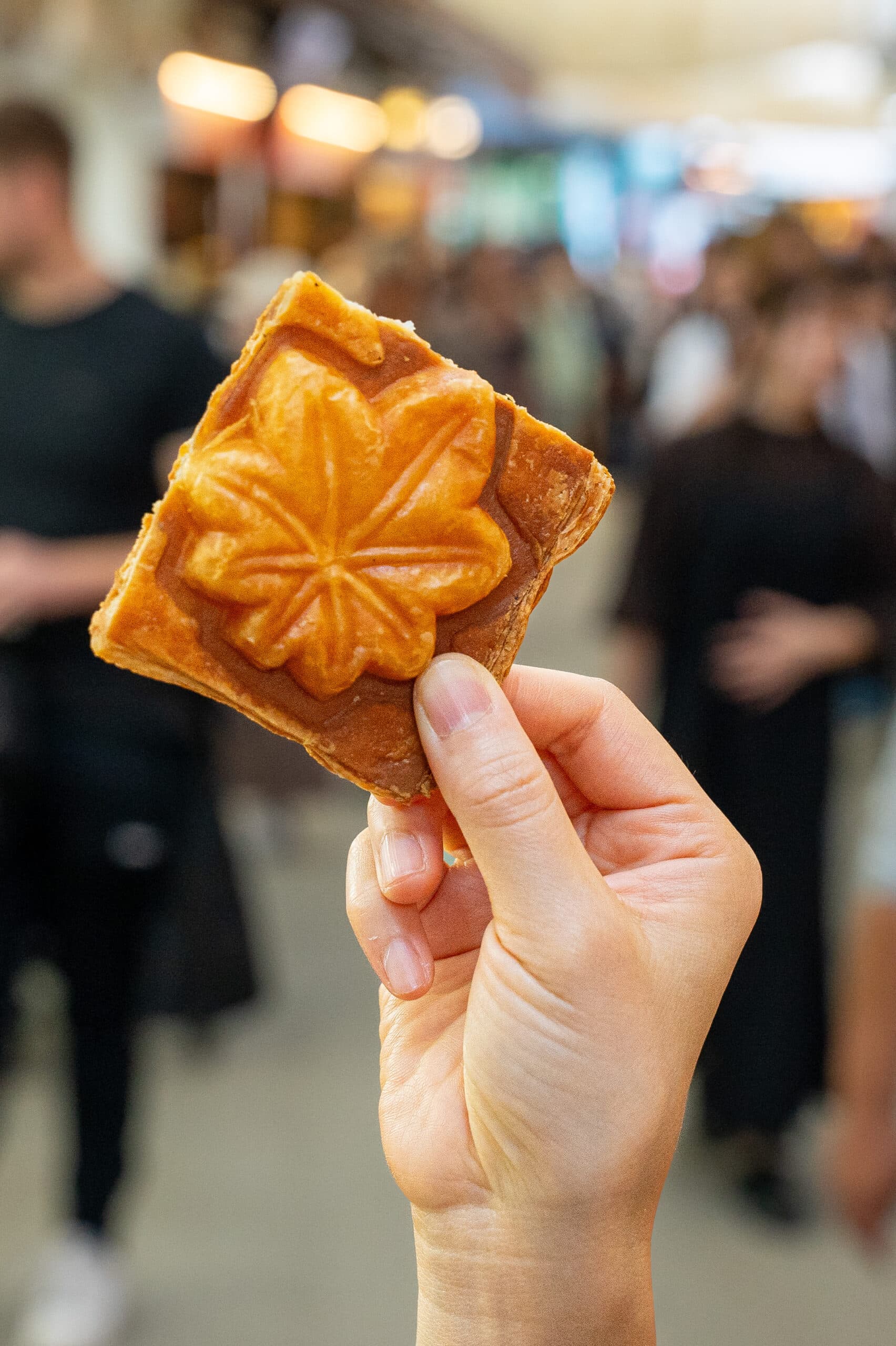
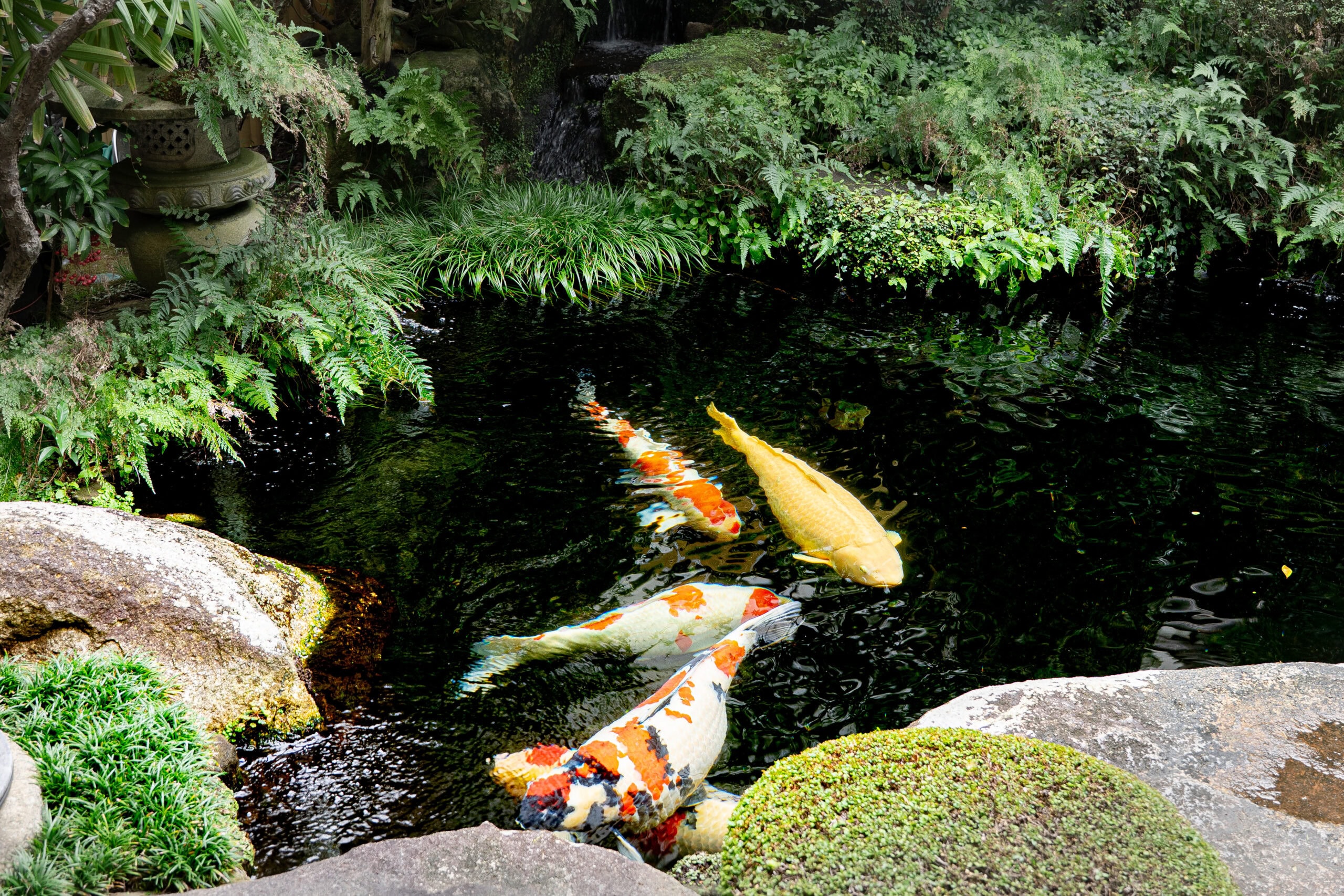
Besides the food, a highlight of Omotesando Shotengai was a shop called Daikonya (location). Walk in and pass the souvenirs, and at the back, you’ll find an exquisite little Japanese garden with enormous koi swimming in the pond. Signs in the shop itself picture these kois with dates going back to the 90s (everything was in Japanese, but we suspect they must be famous).
Itsukushima Shrine
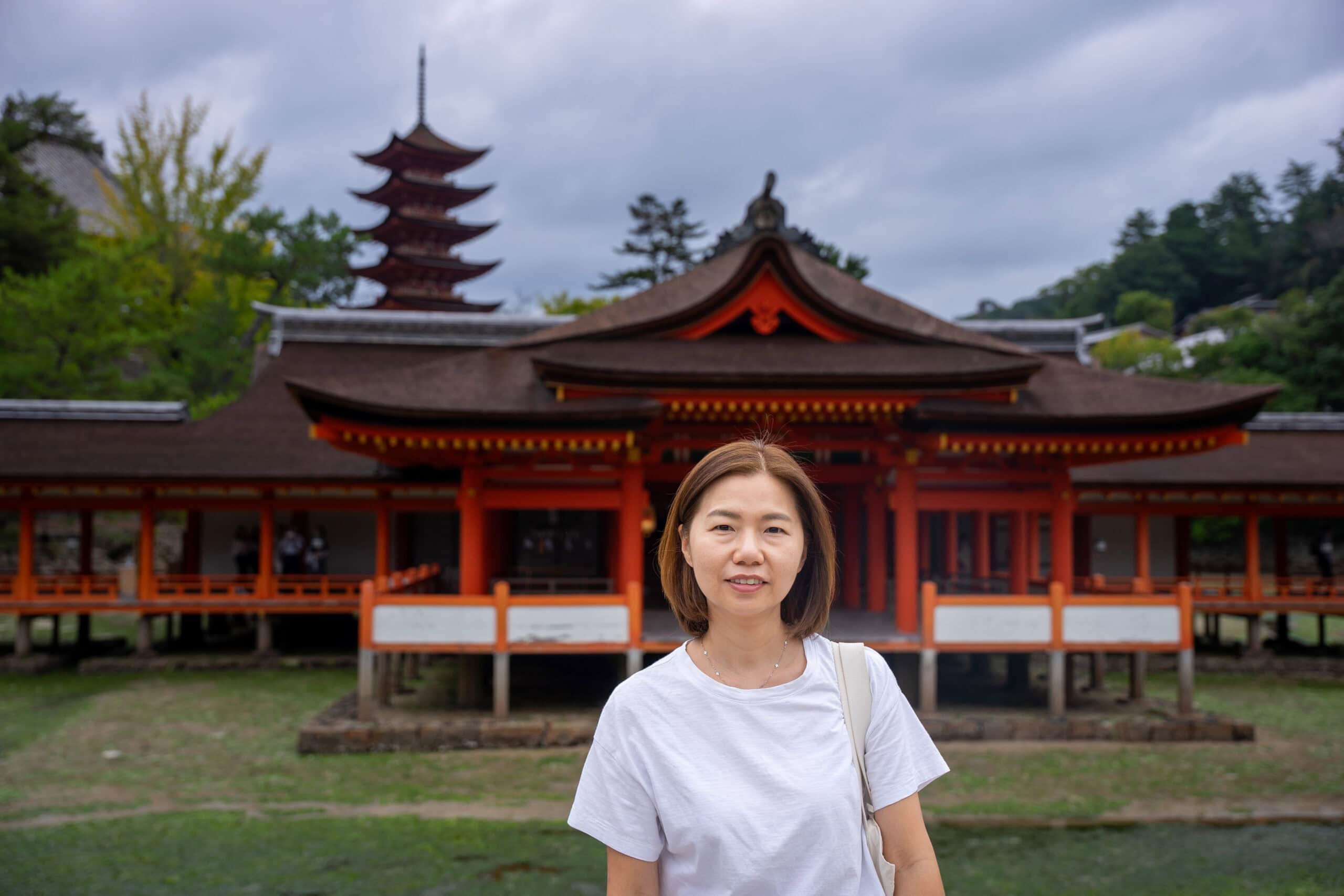
Itsukushima Shrine is one of Japan’s most revered Shinto shrines, set dramatically over the tidal flats of Miyajima Island. Initially established in the 6th century and rebuilt in its current form in the 12th century, the shrine is designed to appear as if it’s floating on water during high tide.
We found the shrine incredibly beautiful, with its vermilion lacquered corridors and scenic glimpses out to the torii gate.
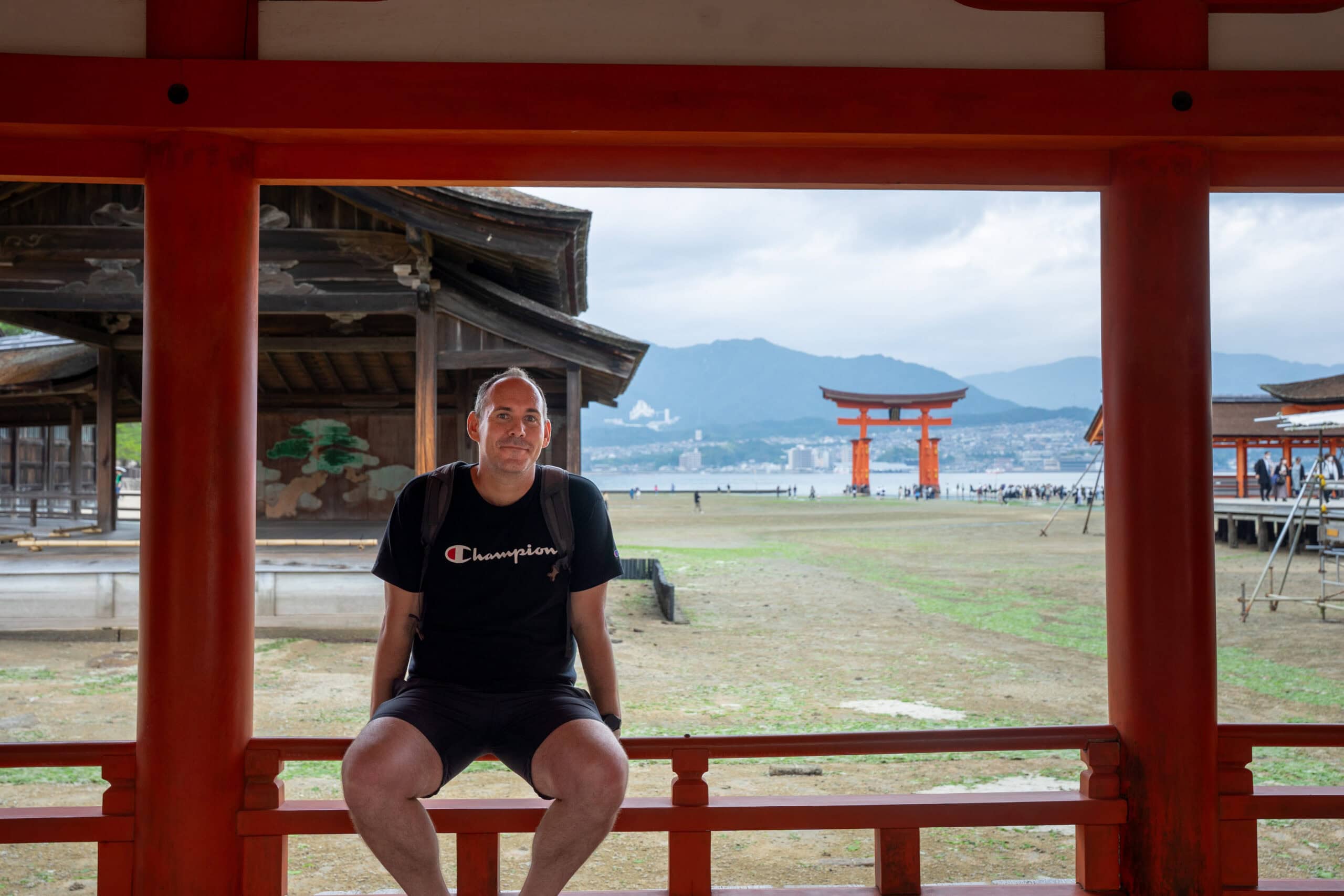
Unfortunately, we visited during low tide, so the shrine wasn’t floating, but it was still stunning. Tide times are posted at the entrance, so try to visit during high tide.
Itsukushima Shrine
Open daily: 6:30 to 18:00 (hours may vary by season)
¥100.
Location
Have Whisky and Hiroshima Lemons at Gebura
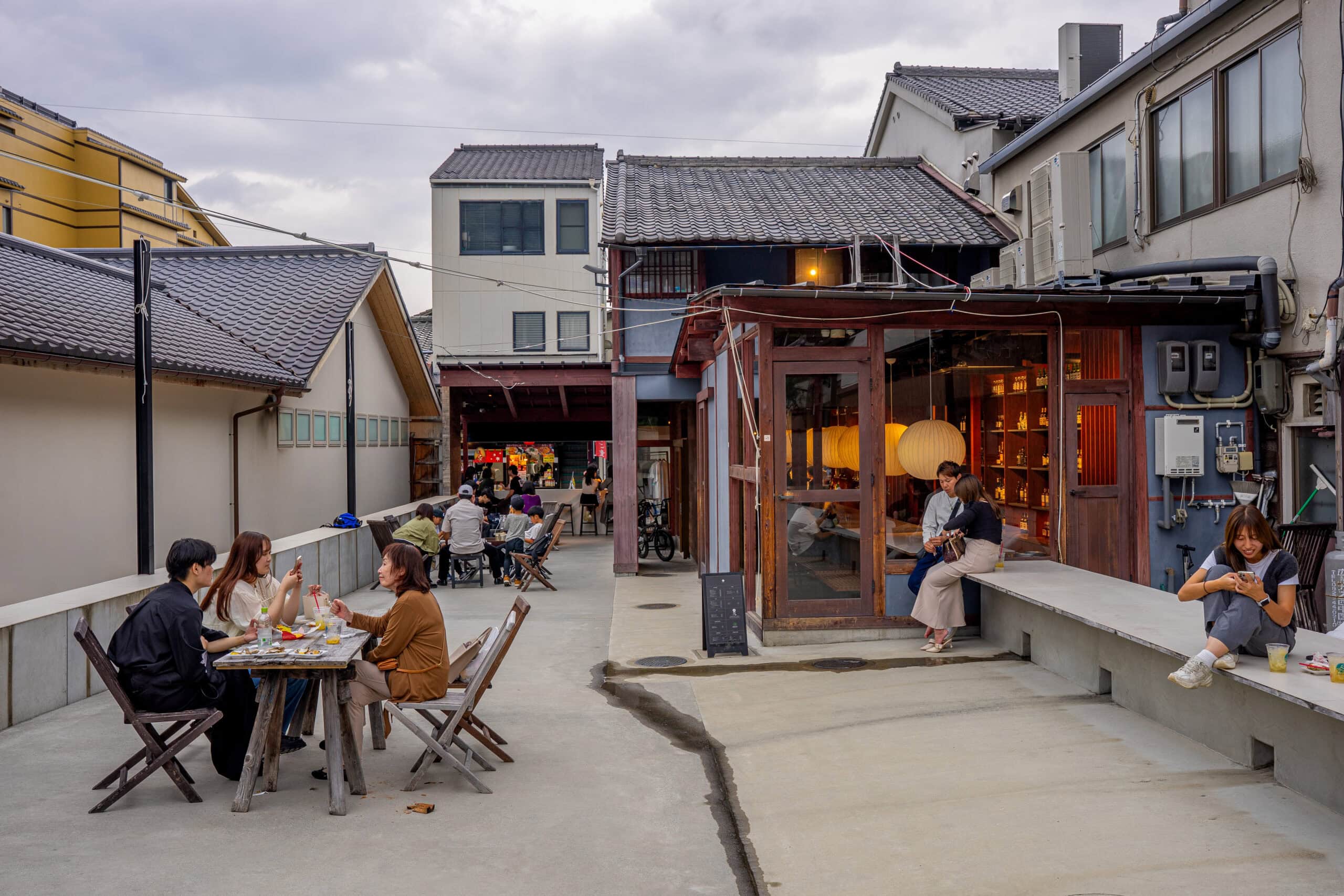
Gebura is a cosy little whisky bar tucked away on Omotesando Shotengai, perfect for a pause between sightseeing and snacking. We popped in while waiting for the tide to come in to see the O-Torii gate floating, and honestly, it was one of the day’s highlights.
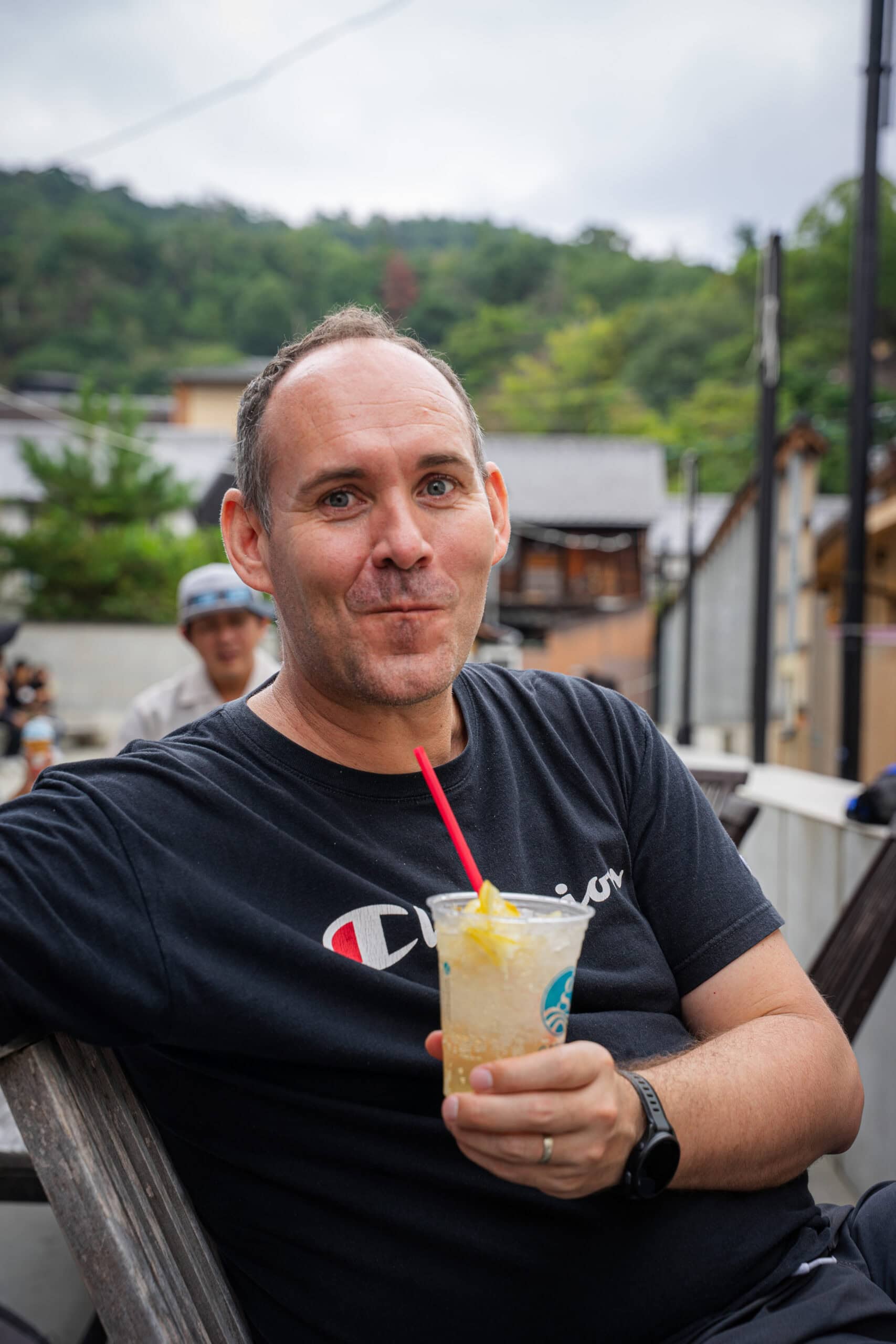
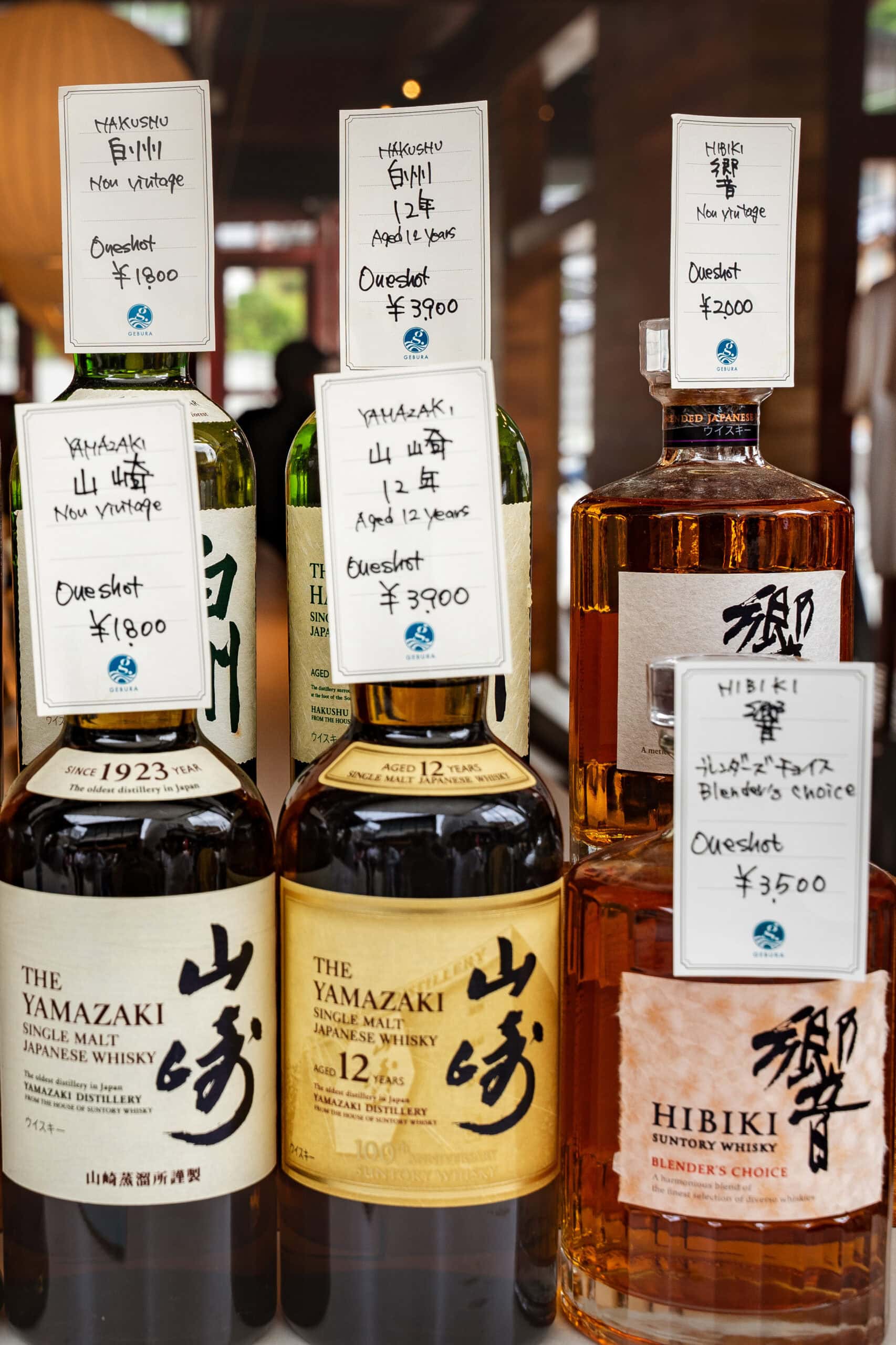
I was extremely excited—Japanese whisky is a bit of a fetish of mine—and Gebura did not disappoint. This casual place has a handsome collection of Japanese bottles, from well-known labels to a few less familiar gems. They’ll serve them however you like—neat, on the rocks, or in a highball.
We went for a whisky lemon soda, and it was damn fine. Smooth, refreshing, with a kick!
Gebura is a chill spot with a grown-up vibe without being stuck up. Indoor and outside seating is available.
Hours: 10:00-17:00 daily
Location: There are two branches on Omotesando Shotengai. We went to this one.
O-Torii Gate of Itsukushima Shrine
(Floating Torii)
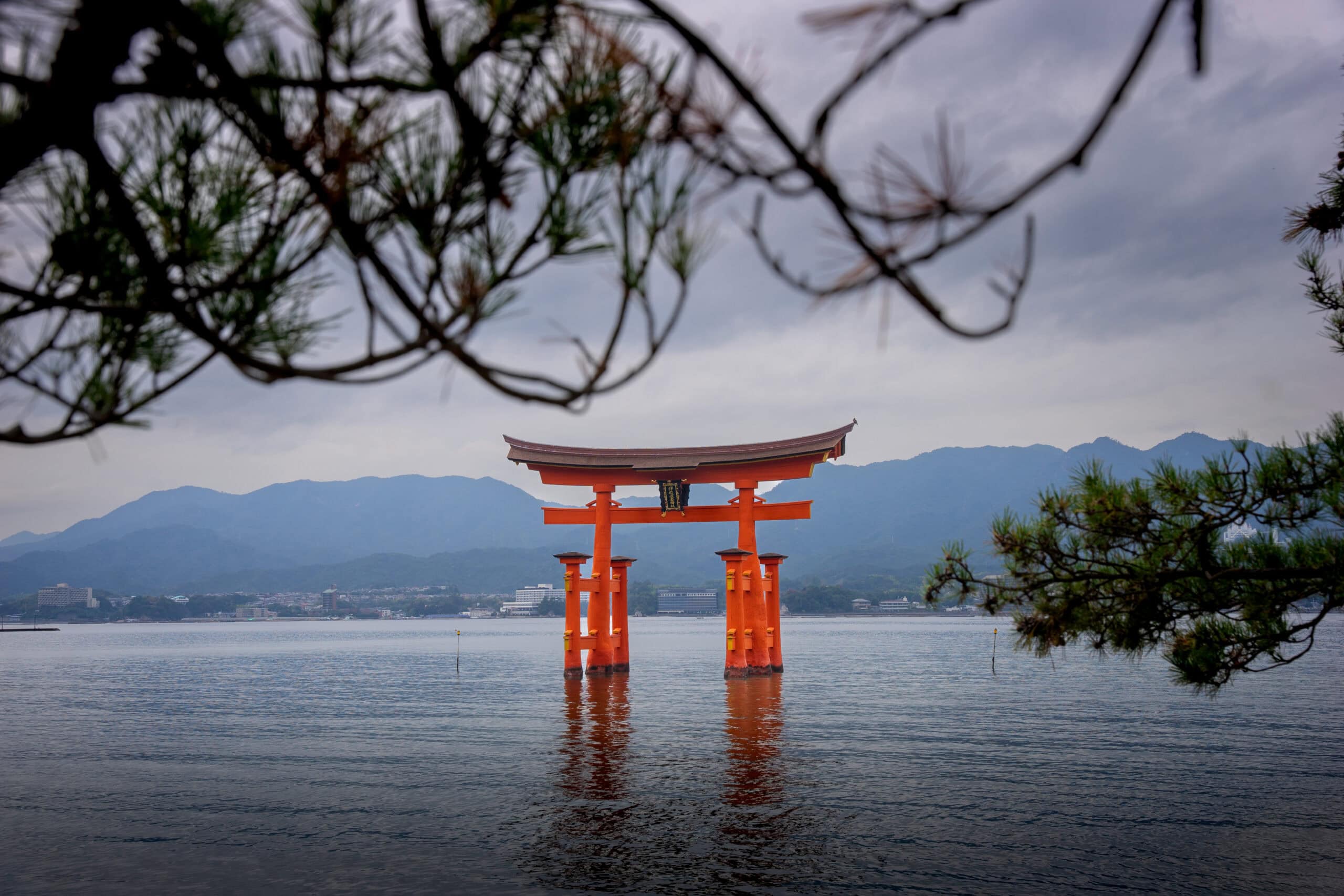
The O-Torii Gate of Itsukushima Shrine is one of Japan’s most iconic sights. Standing in the sea just off the shore of Miyajima Island, this grand vermilion gate marks the entrance to the sacred shrine.
The current structure dates back to 1875, though torii gates have stood here since the 12th century.
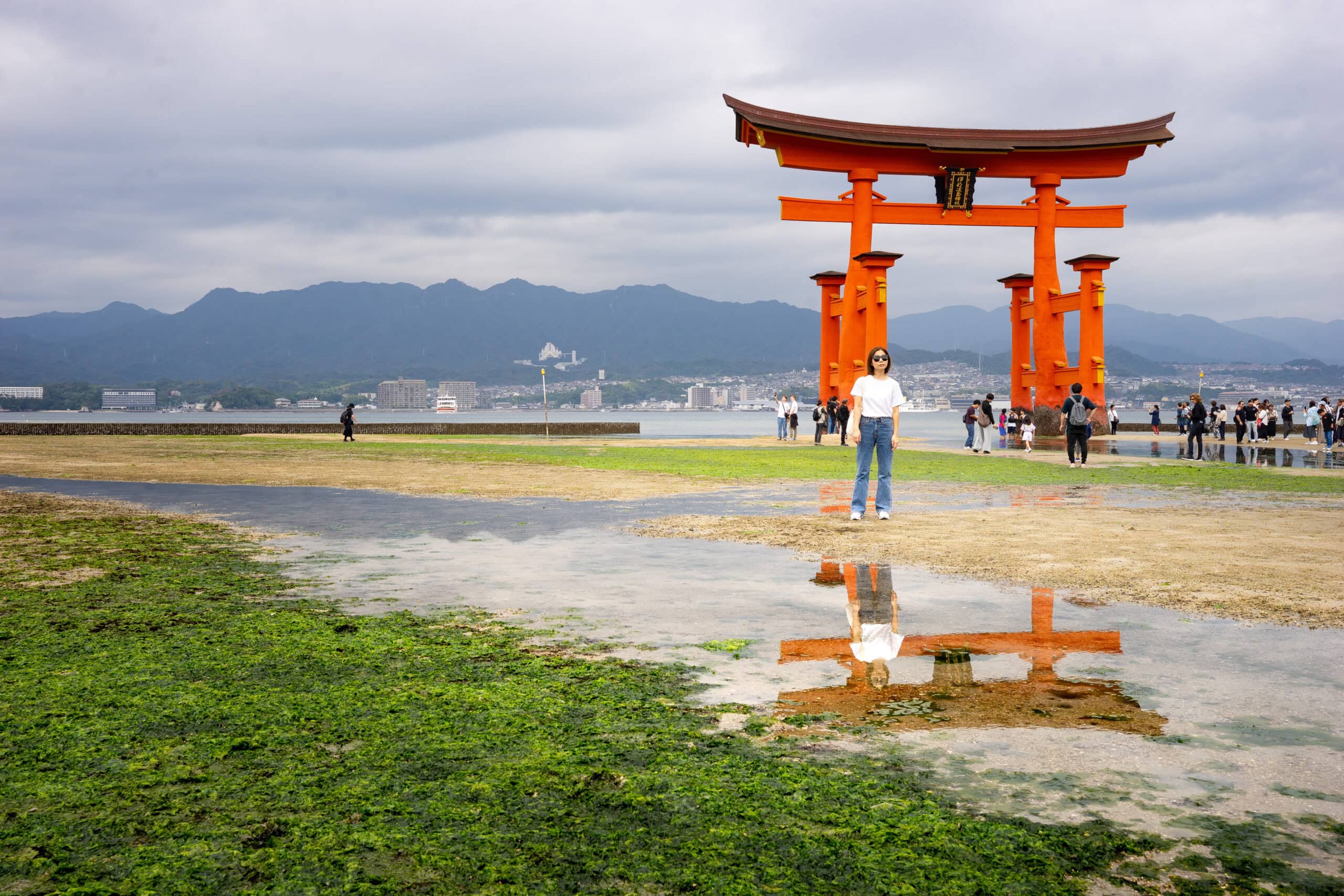
It’s an impressive 16 metres tall and made of camphor wood, symbolising the boundary between the spiritual and the earthly realms.
We visited the gate twice. In the morning, during low tide, we could walk right up to its sturdy wooden pillars and admire its scale up close. Later in the afternoon, we returned to see it floating with the high tide. It was indeed a grand sight.
There is no entrance fee to view the Torii gate, and it’s accessible at all hours.
Location
Eel dinner at Ueno Anagomeshi
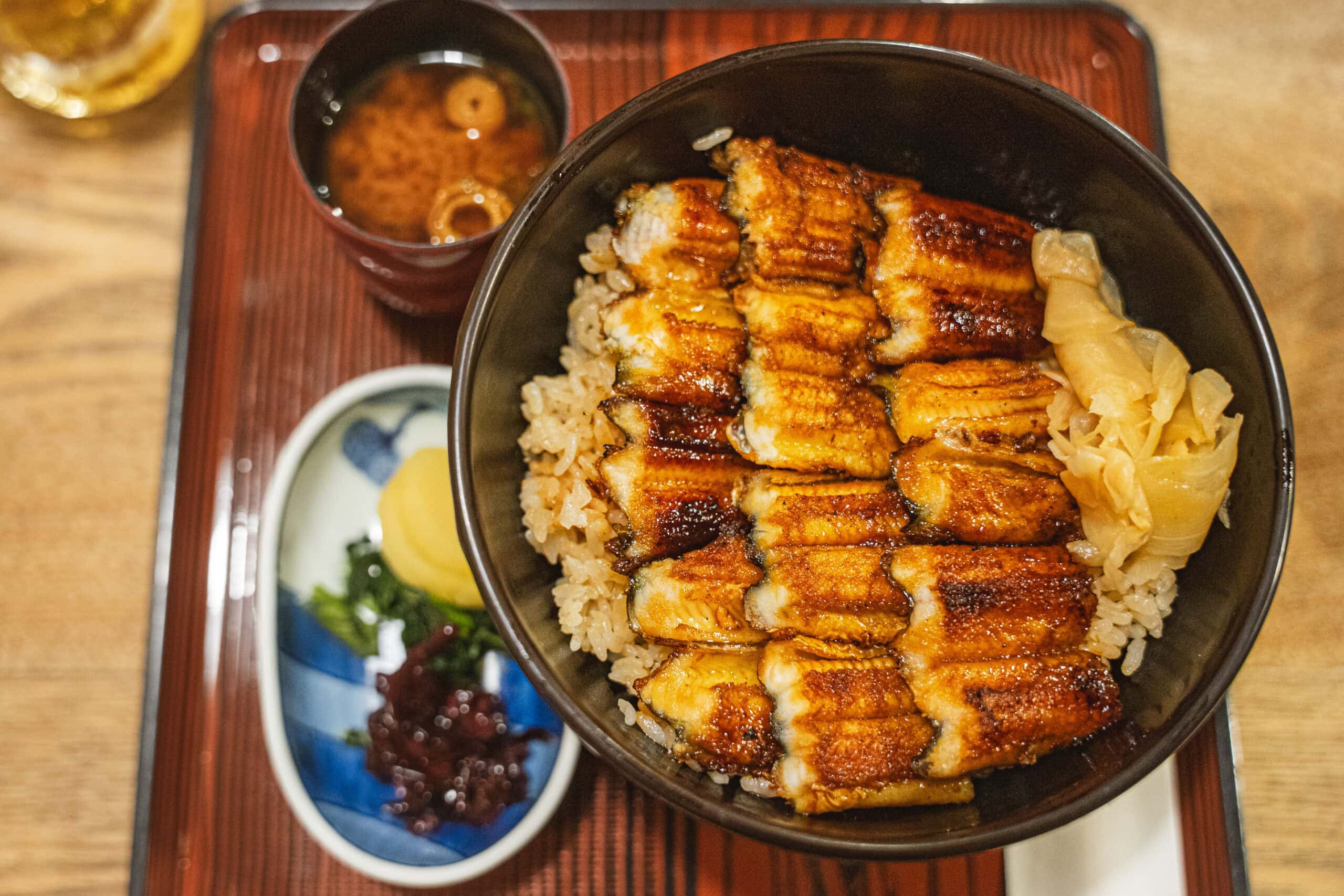
After a full day exploring Miyajima, we capped things off with dinner at Ueno Anagomeshi Miyajimaguchi Honten, a restaurant renowned for its anago-meshi (grilled conger eel served over rice).
Hiroshima is famous for conger eel, and this spot has a reputation for doing it best. The restaurant is ideally located just between the ferry terminal and Miyajimaguchi Station, making it an easy and satisfying stop before heading back to Hiroshima.
Ueno’s menu features only the good stuff – eel, eel or eel. The eel was tender and smoky, perfectly paired with the subtly seasoned rice. It felt like the kind of dish that’s been perfected over generations. We washed it down with an icy cold draft beer. It was an incredibly satisfying meal after a long day on our feet.
If you’re after a traditional Hiroshima dish, Ueno is worth stopping before jumping back on the train.
Ueno Anagomeshi
Hours: 9:00 – 19:00 daily (18:00 on Wednesdays)
Cash only
Location
Okonomimura
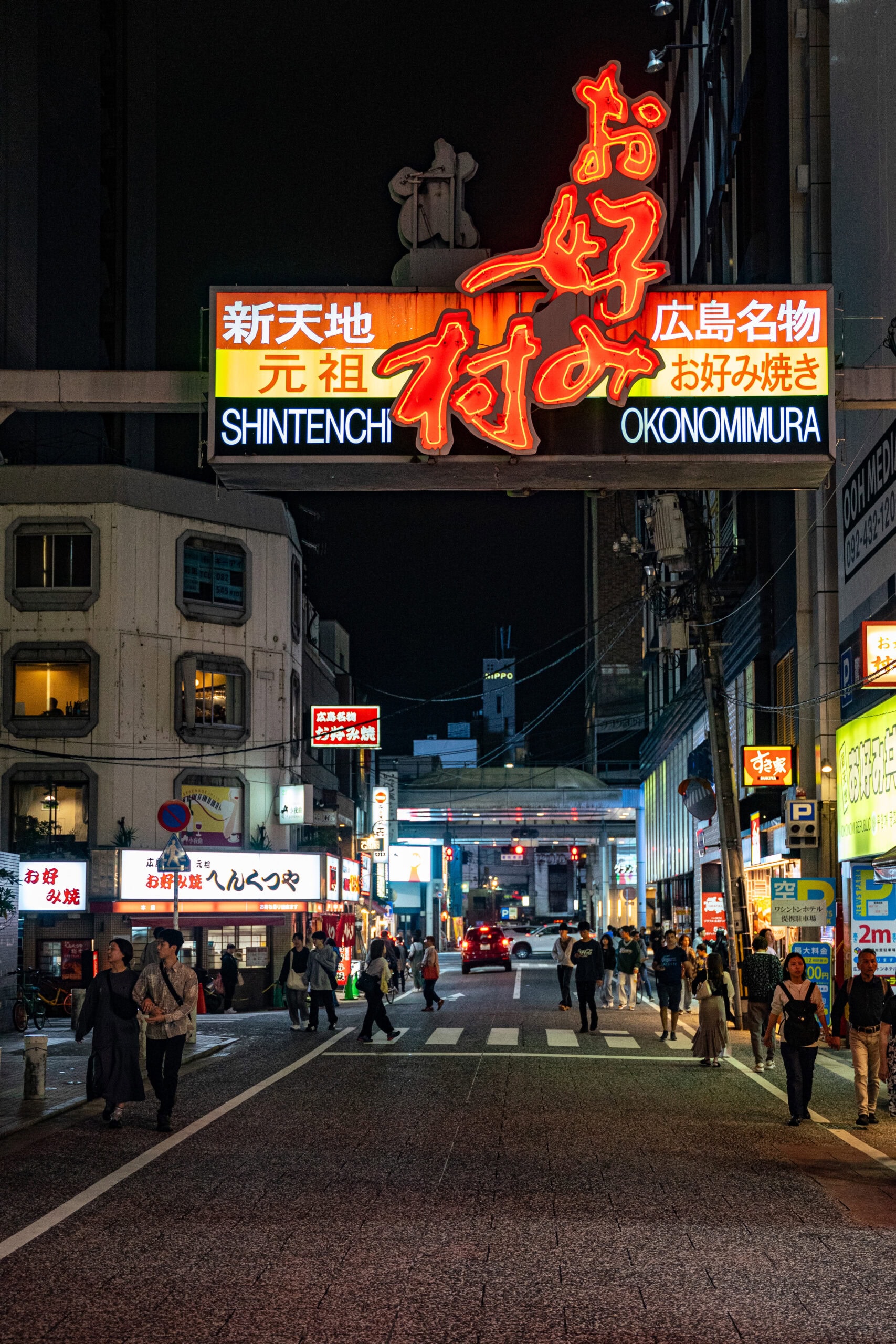
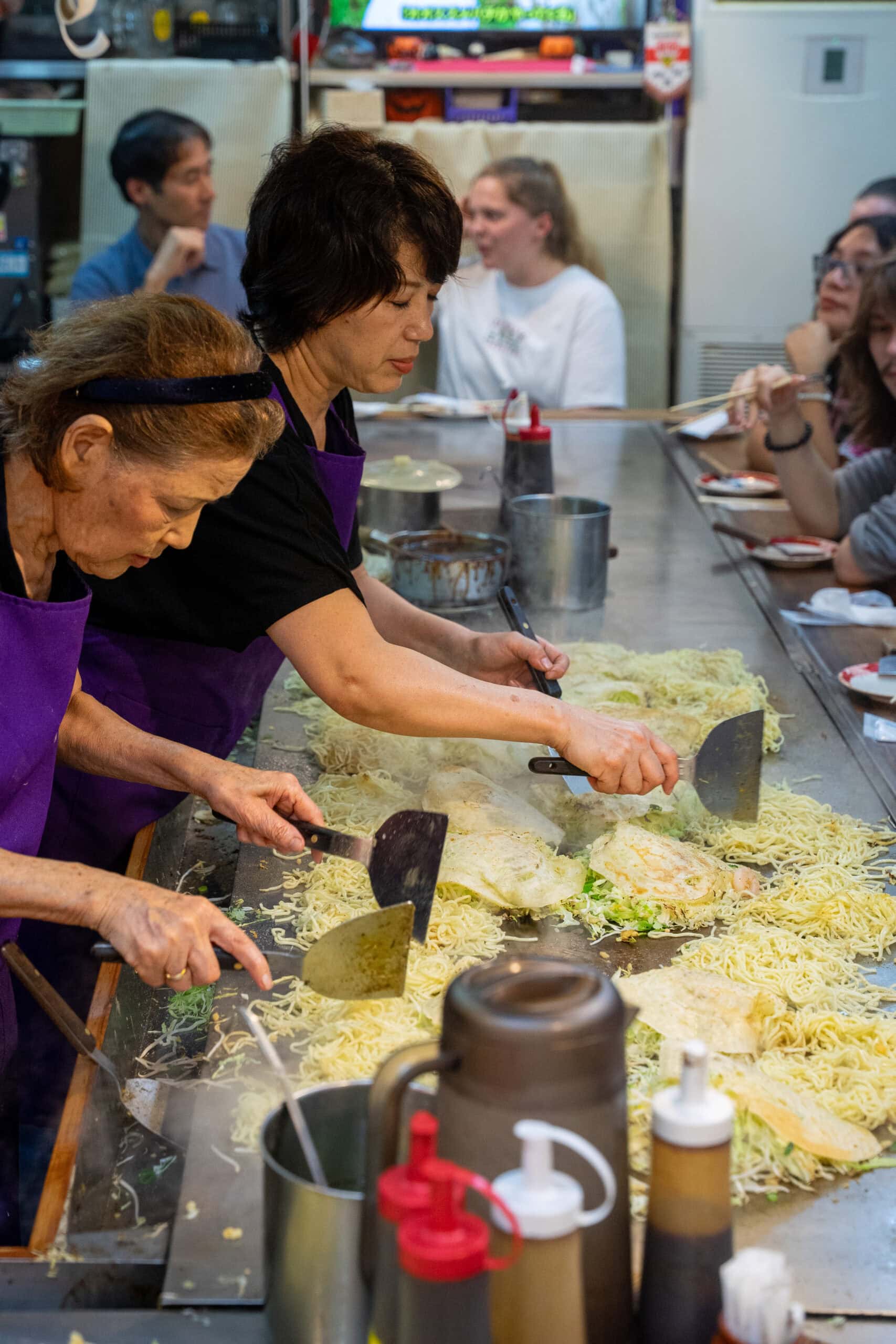
We were still stuffed with eel, but we had to go check it out when we spotted the neon sign of the famous Okonomimura on the way to our hotel. Okonomimura, sometimes called the Hiroshima okonomiyaki village, is spread over four floors with over 25 okonomiyaki restaurants.
We started on the top floor and worked our way down. All the places looked incredibly convivial, with punters sitting around teppan grills while watching the chefs cook their cabbage pancakes.
We stopped at Lawson convenience store for an Ohayo milk pudding each to end our Hiroshima trip on a sweet note.
Okonomimura
Hours: 11:00- 21:00
Location
Are 2 Days in Hiroshima Enough?
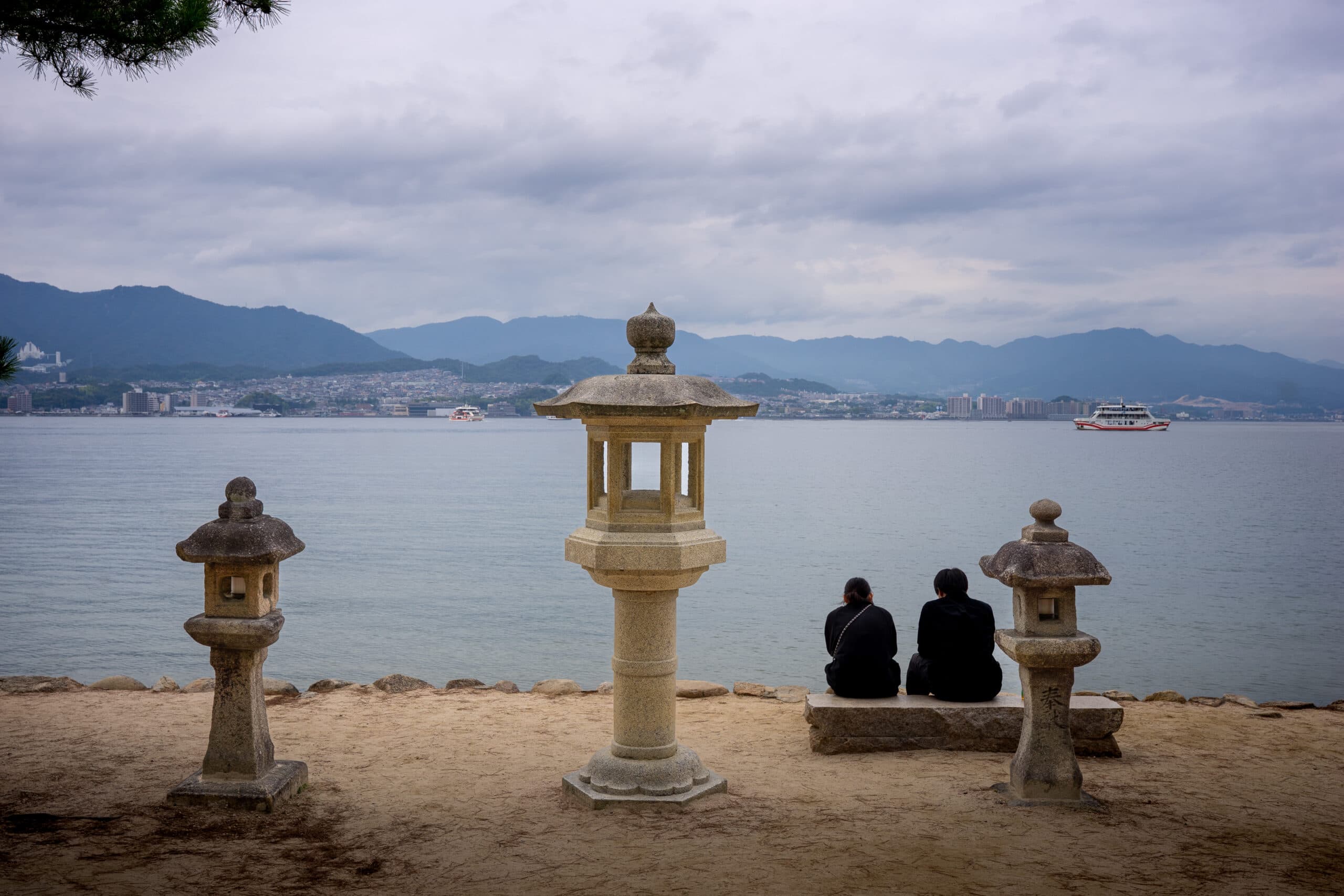
We feel two days are perfect for seeing Hiroshima and Miyajima. One day will be very rushed and, unless you’re very selective with what you want to see and do, will not be enjoyable. But then, it’s your life and your trip, so if you feel like sprinting from one place to the next, by all means, go for it.
A two-day Hiroshima itinerary is still packed with things to see and do, but you’ll actually enjoy it and remember what you’ve seen.
How I Shot This Guide
Every photograph in this article was taken with the exact same gear I carry on every journey. It is a setup refined over years on the road to keep travel light without compromising the final image.
- Camera: Sony A7 V
- Lenses: Sigma 24-70mm f/2.8 DG DN Art.
- Storage: SanDisk Extreme Portable SSD
- Software: Adobe Lightroom Classic
- My travel essential (trust me): Ray-Ban Wayfarer
- Outerwear: The North Face Canyonlands
So that’s exactly how we spent our 2 days in Hiroshima and Miyajima. If you have any questions, drop them in the comments below, and we’ll try our best to help
✌️
Thanks guys! This helped me a lot to decide how many days to visit the area. Lovely tips, restaurants and places to see (:
Hi Fanny,
Glad you found it useful. Enjoy the sights and food in Hiroshima 😃
Thank you – I’m here for 2 days as well (Oct 2026) and this is immensely helpful. I appreciate you posting location links straight to Google Maps 🙂
Great photography too!
Hi Urs,
I’m glad to hear you’ve found it and found it helpful. We were also there in October. Thanks for the compliments and enjoy the rest of your trip