
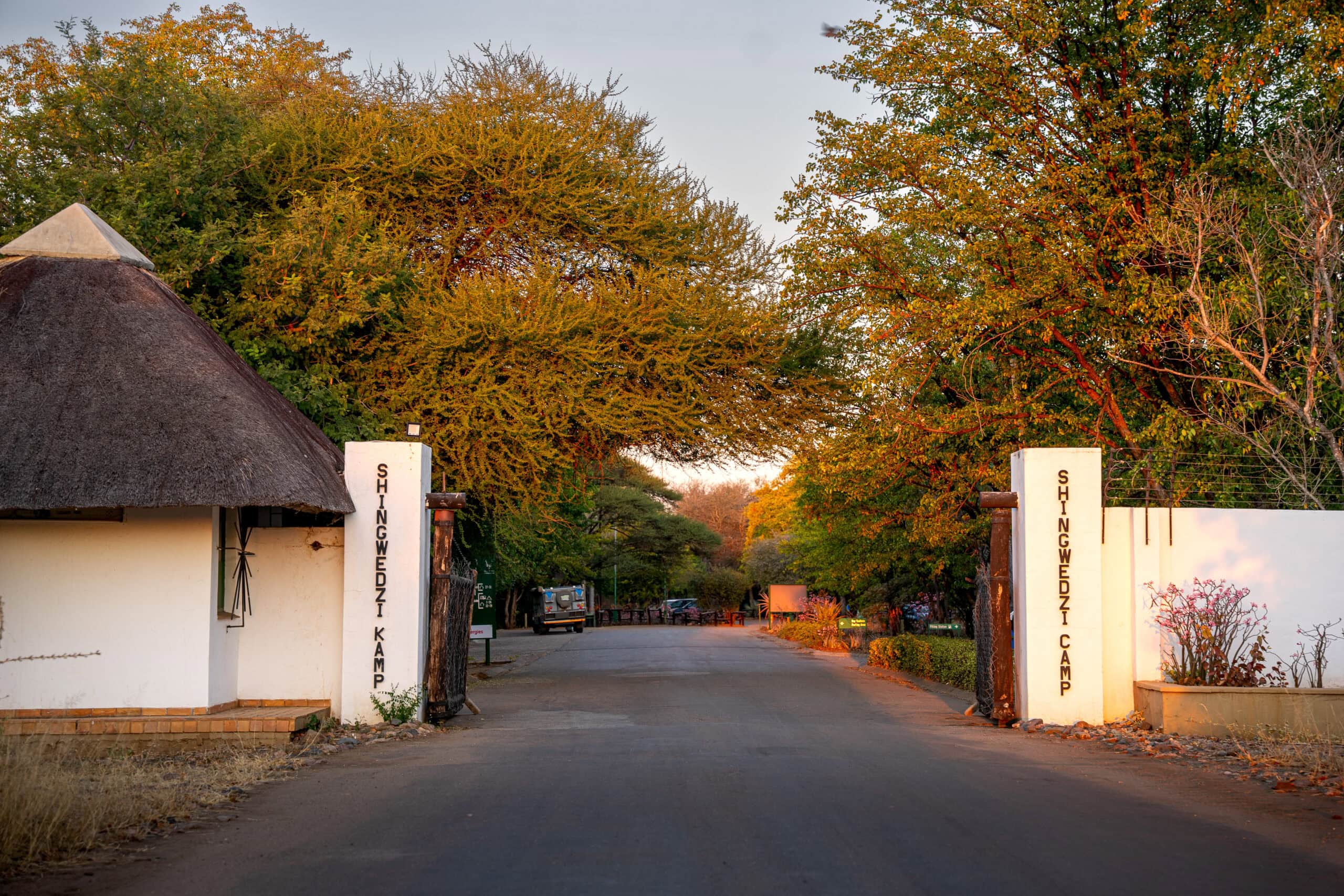
I had been to Kruger before. Many times, in fact, always the southern circuit, always the crowd-pleasers. Lower Sabi. Skukuza. Pretoriuskop. But this time, I pointed the car north. To Shingwedzi.
When I asked a friend, the kind who has the SANParks logo as a screensaver and can identify an eagle at 100 metres, where his favourite Kruger camp was, he didn’t hesitate. Shingwedzi. The best camp in Kruger, he said.
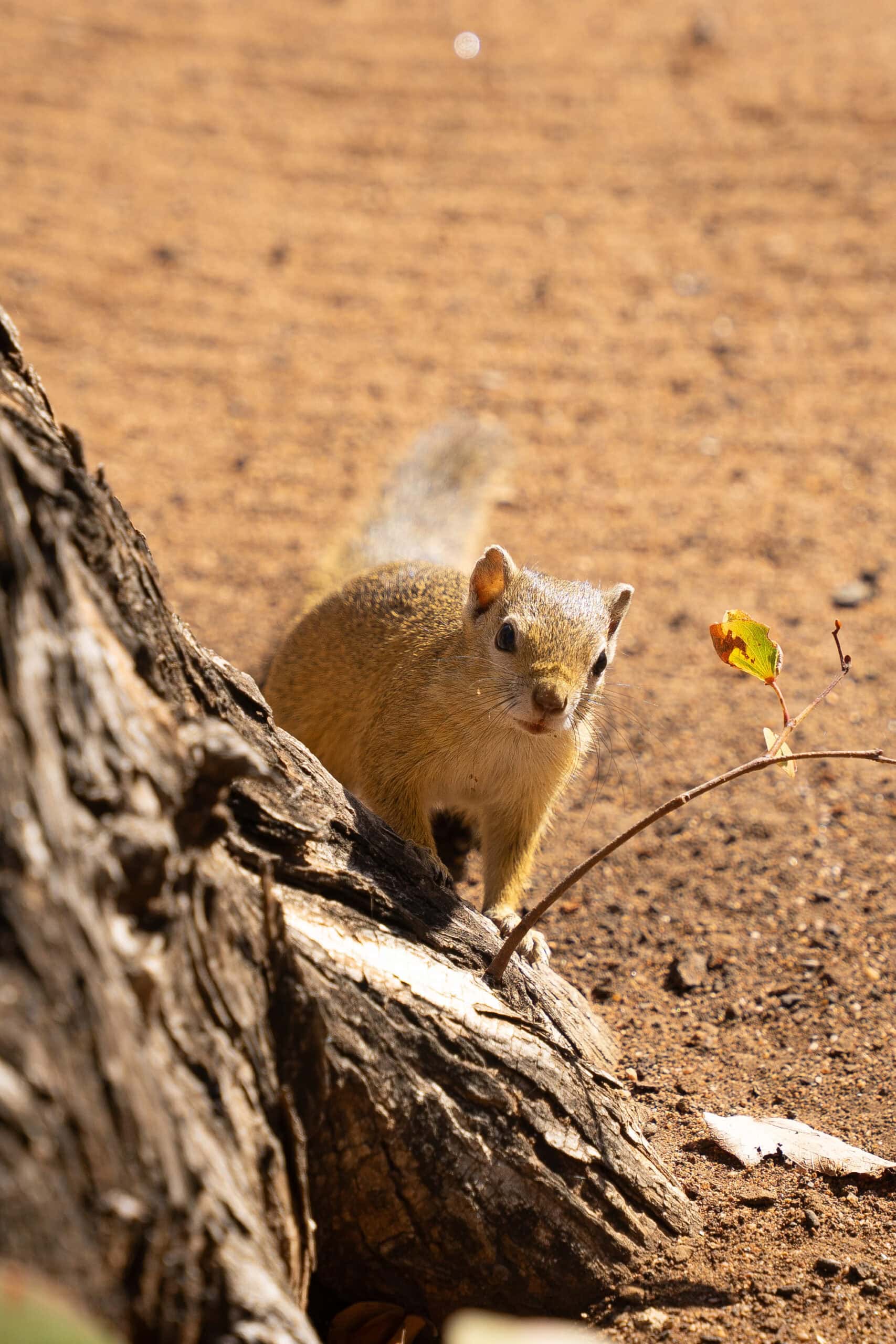
I’d read the same sentiment whispered in Kruger forums and Facebook groups, usually followed by a disclaimer about quiet sightings and not much game. But the magic of Northern Kruger, they all said, is something else entirely.
I booked four nights in a hut and went solo. That was just long enough to convert me. Northern Kruger is a different religion, and Shingwedzi is its modest little temple.
Don’t expect a ranger dressed in khaki to welcome you with hot towels and bubbly on this Shingwedzi Camp review. Kruger isn’t about five-star lodges or buffets with folded napkins. Kruger camps are made for people like you and me, who self-cater and enjoy the simple things in life.
I’ll give you a run-through of the camp facilities and what to expect when staying at Shingwedzi rest camp, based on my personal experience.
Please note: This post may contain affiliate links. This means I may earn a commission if you make a purchase by clicking a link (at no extra cost to you). As an Amazon Associate, I earn from qualifying purchases. Learn more.
Game Viewing Around Shingwedzi
Before I dive into the full Shingwedzi Camp review, let’s talk about the real reason anyone goes to Kruger: the game viewing.
The internet warned me. Not much action up there, they said.
You go for the solitude, not the sightings.
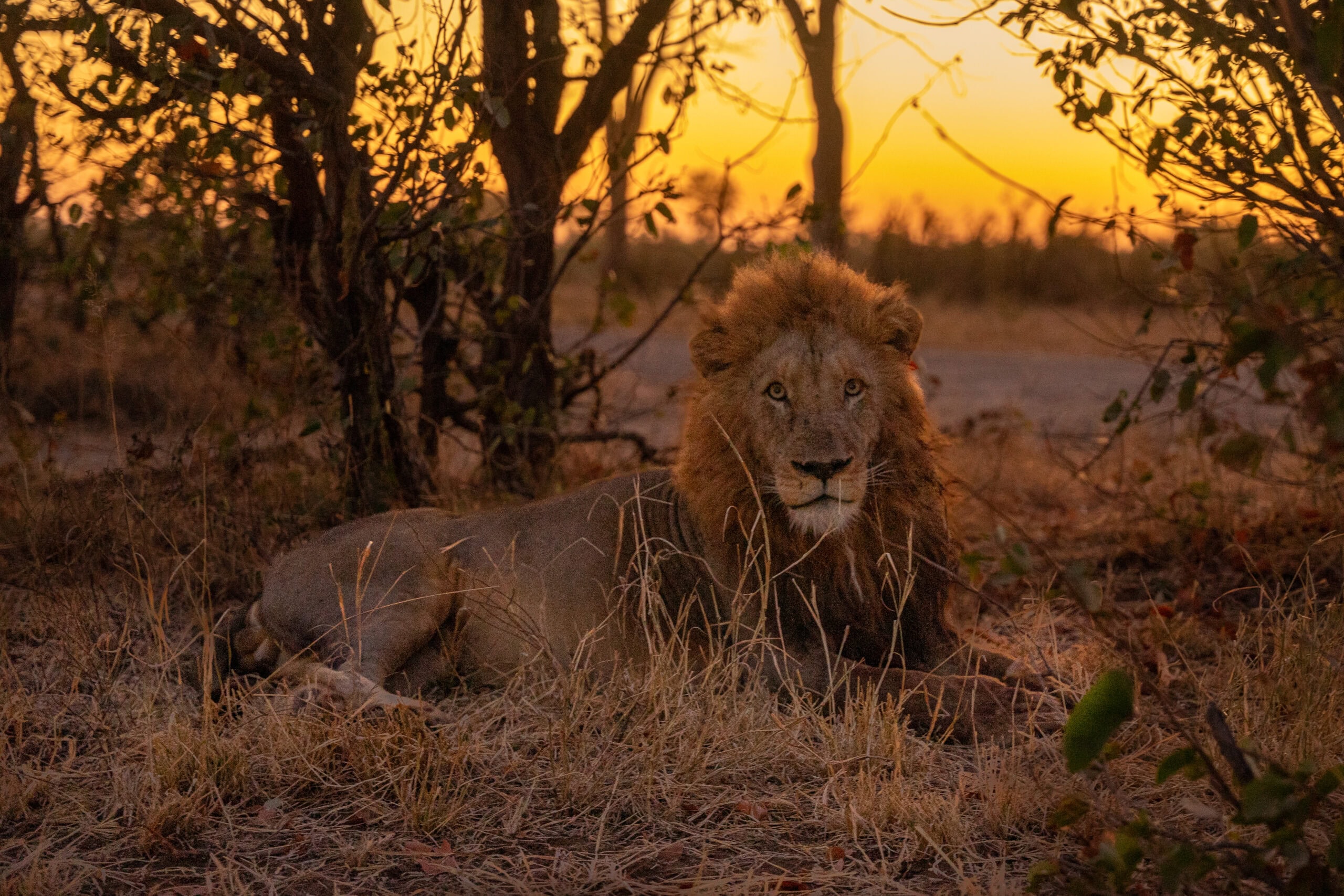
But within hours of arriving, I started to suspect I was either very lucky or the internet had been lying to me. I saw more elephants than impala, which is saying something. Huge herds of buffalo, some easily over 1,000 strong. Lions so close I could touch their tails (I didn’t). A hyena chewed on my bumper. Giraffes everywhere, moving like they were late for something.
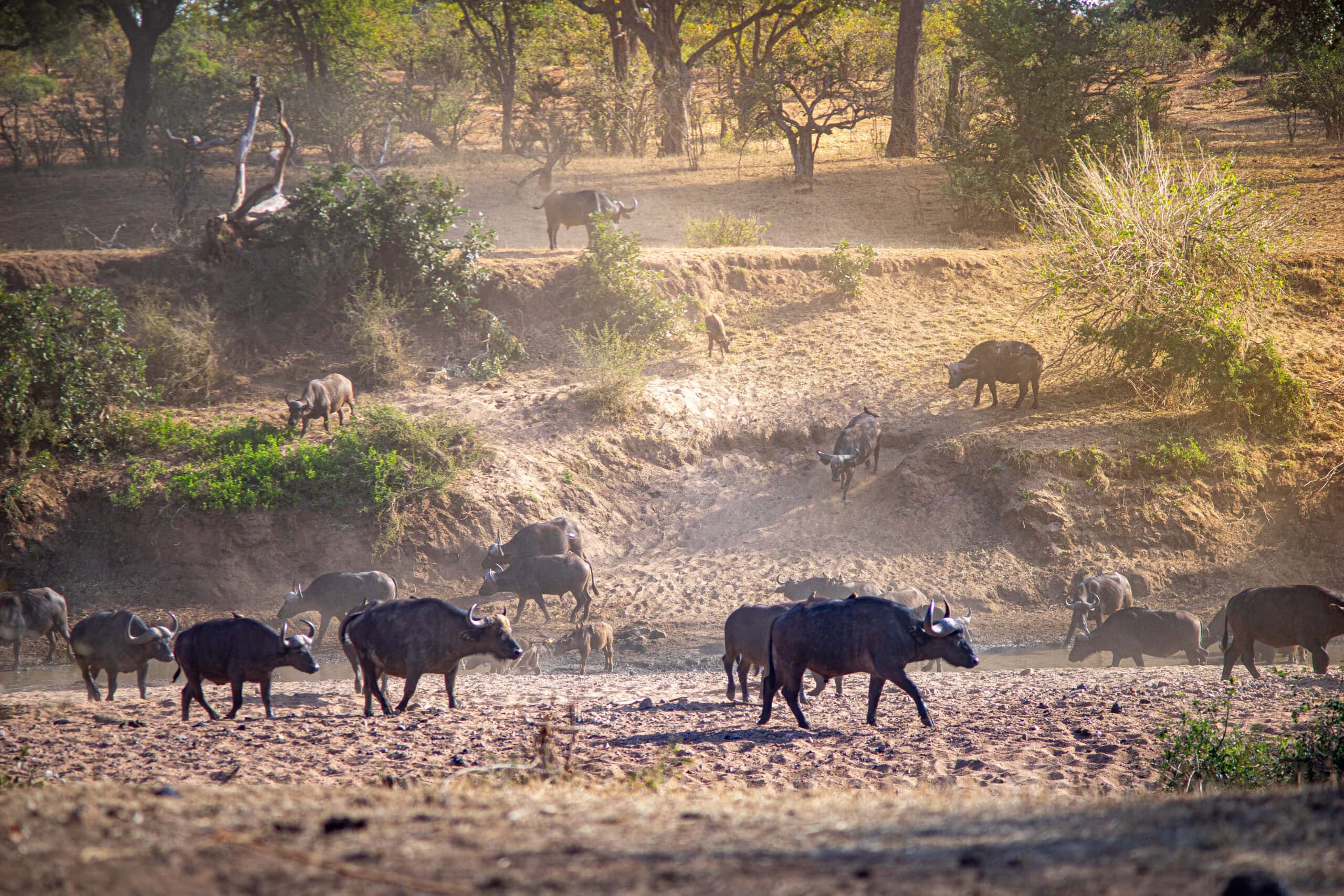
Some of the best game drives in Kruger are found around Shingwedzi. The Mphongolo Loop, Red Rocks, and Kanniedood Drive are all easily accessible. The drive across the low-level bridge out the back gate, especially in the late afternoon, became a favourite. And yes, Shingwedzi has two gates, a rarity among Kruger camps.
Gate opening hours vary by season, but in winter months (May to July), the gates open at 6:00 AM. That’s when I was out there, coffee in one hand, binoculars in the other, engine humming with possibility.
If you’re curious where the best sightings happened, here’s my guide to the top game drives around Shingwedzi.
Camp Atmosphere and Layout
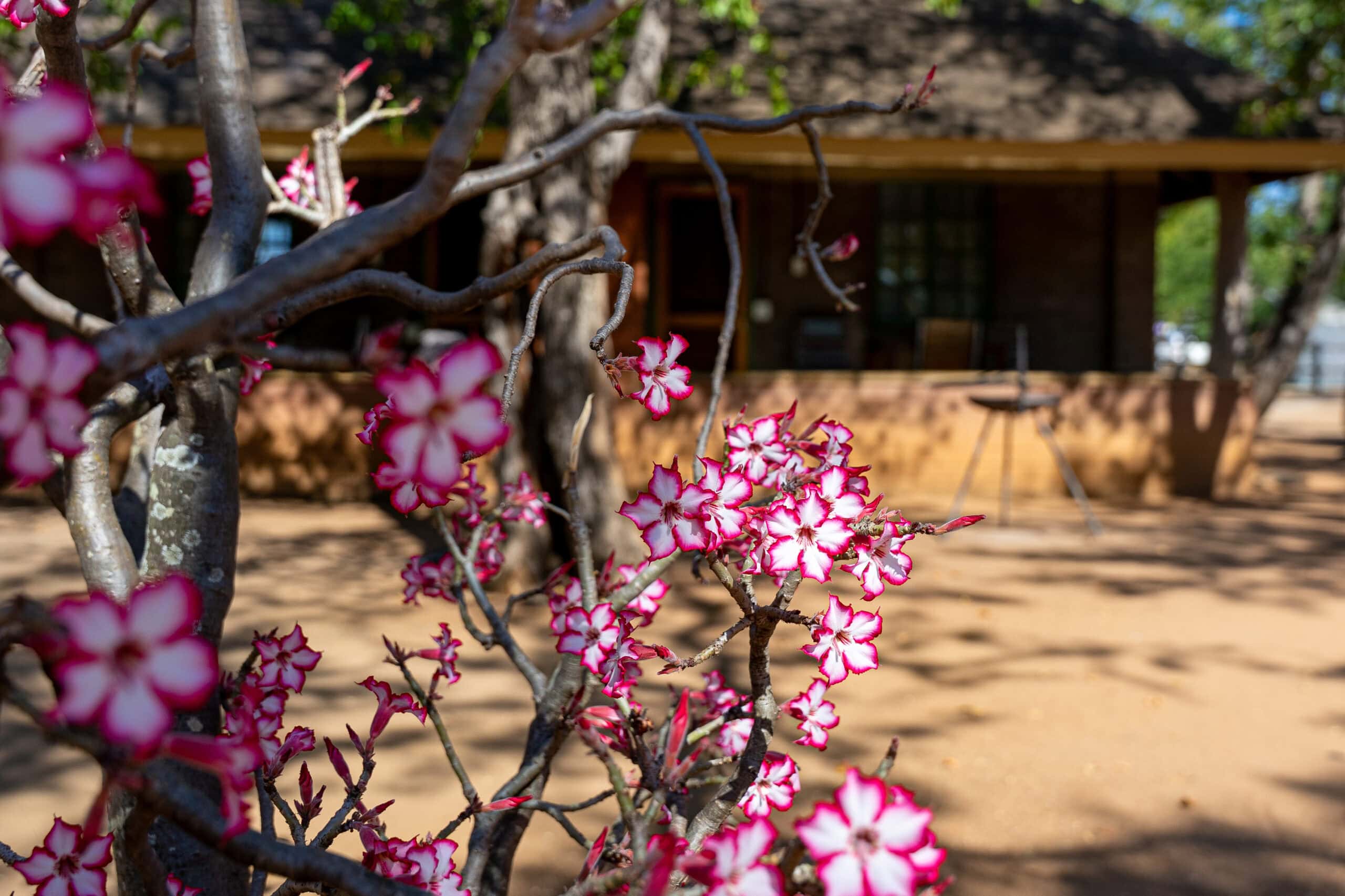
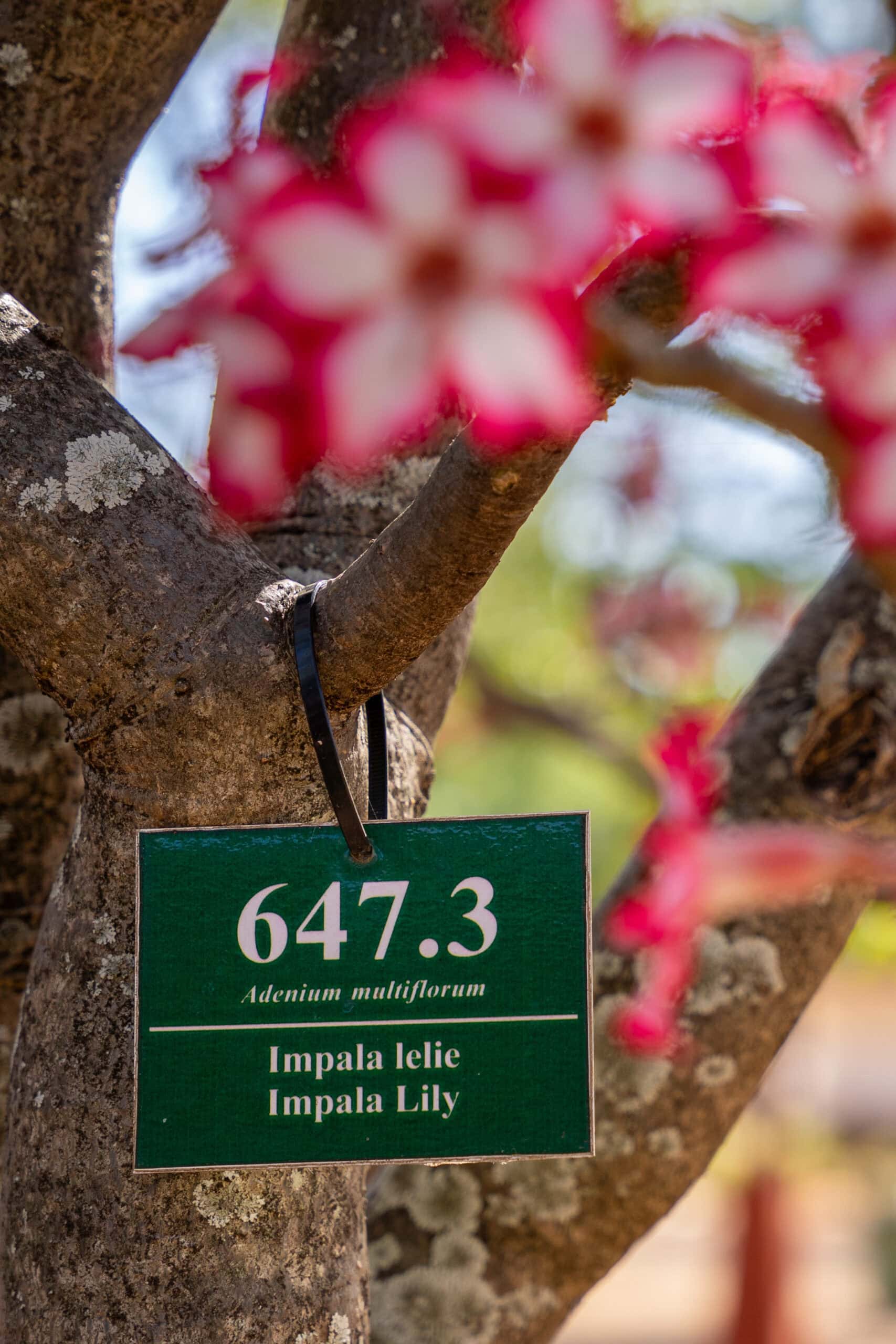
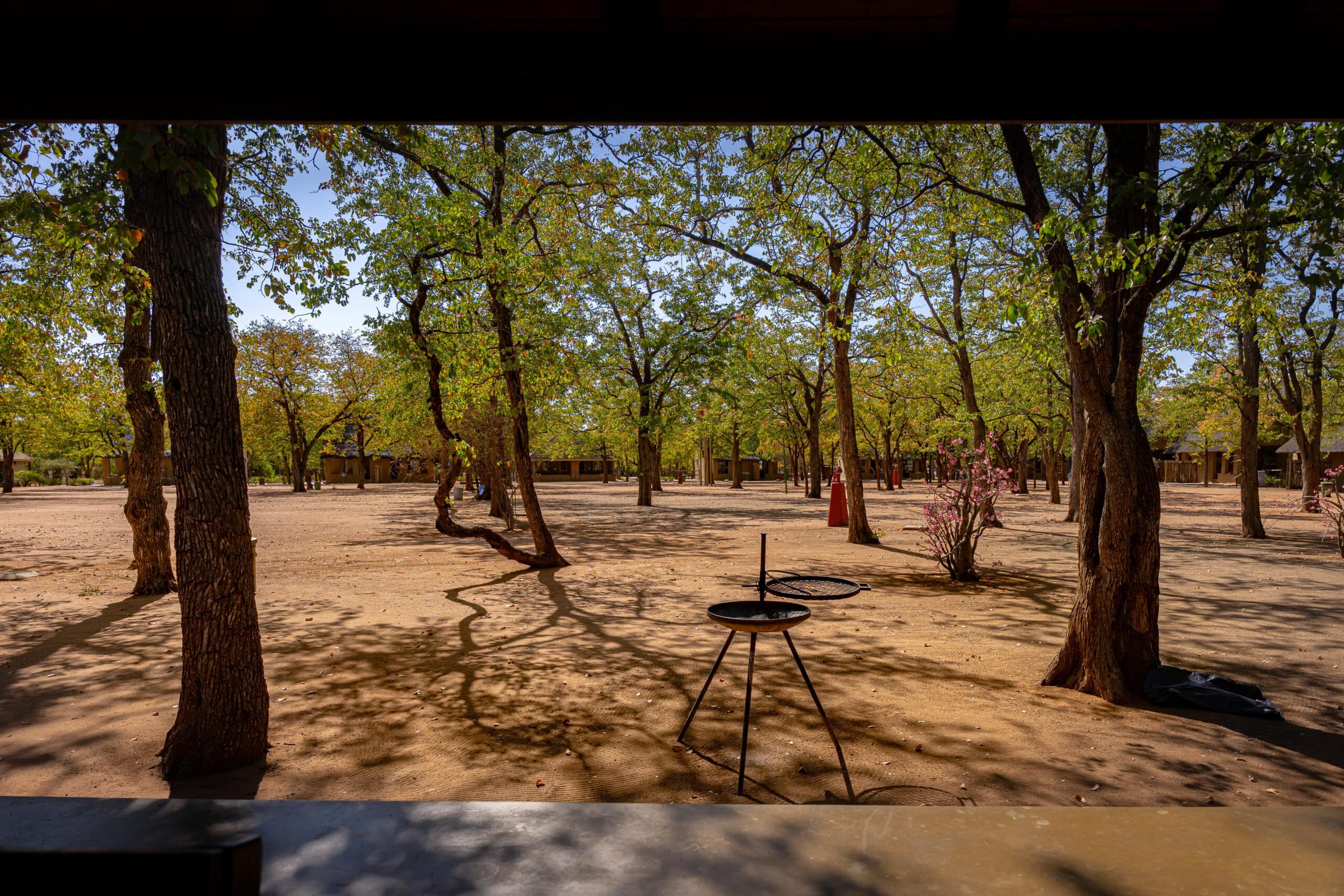
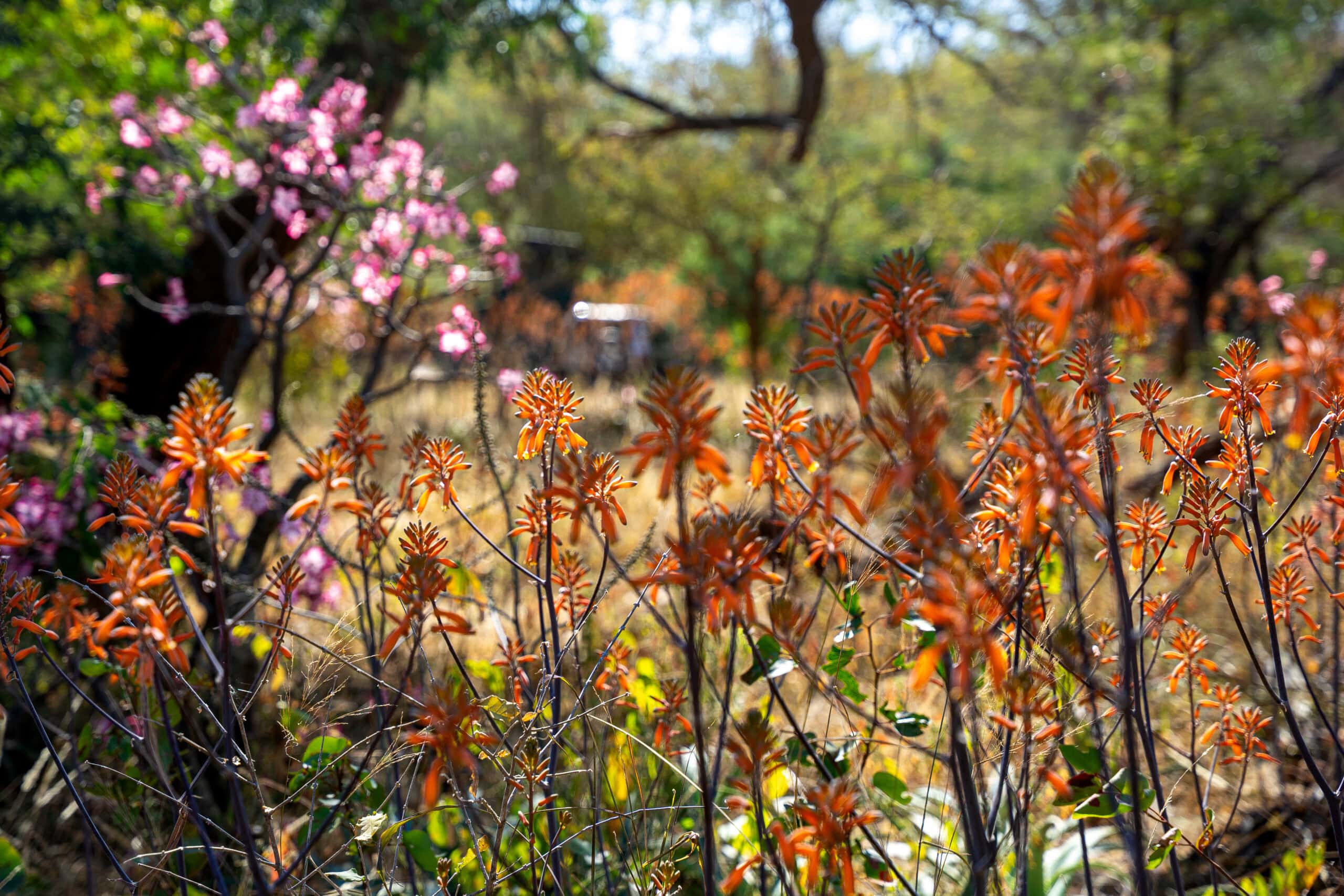
Shingwedzi is a mid-sized camp, but it doesn’t feel busy. Right away, the impala lilies caught my eye—those delicate pink flowers blooming all over camp. There are no manicured lawns here, no artificial neatness. Just mopani trees, red earth, and that lovely sense that you’re somewhere older and quieter than the rest of Kruger.
The entrance is straightforward: reception, park shop, restaurant, and petrol station all clustered near the front. From there, the camp fans out into two large circles.
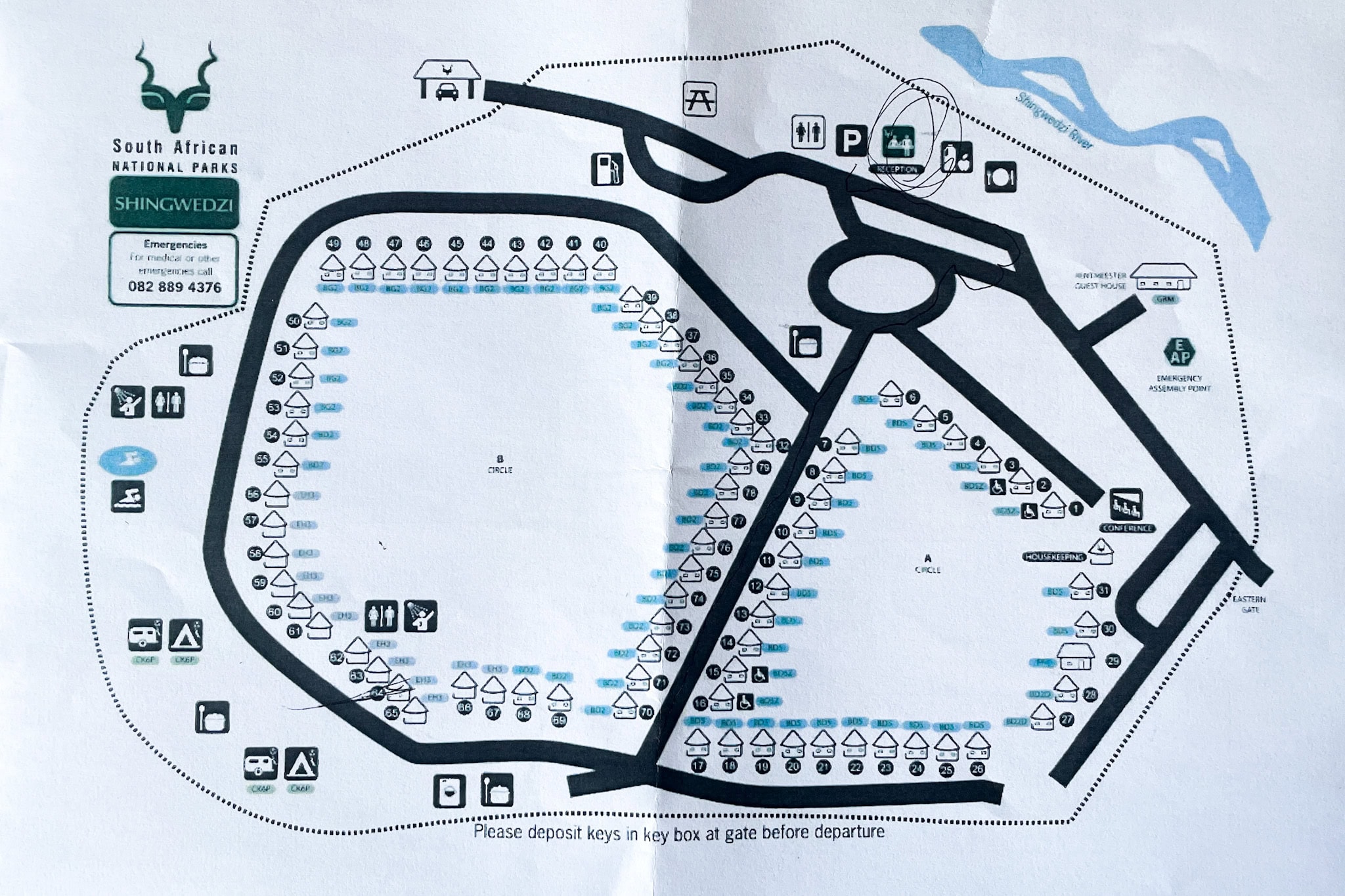
Circle A is home to the thatched BD5 family units, all ensuite with aircon, kitchen, and utensils. Units sleep between 2 to 4 people. Circle B houses the simpler accommodations: EH3 huts like the one I stayed in, as well as BG2 bungalows (ensuite, AC, no kitchen utensils) and BD2 bungalows (ensuite, AC, with kitchen and utensils).
The campsite wraps around one side of Circle B, a little world unto itself. Ablutions and kitchens are spaced out nicely, so nothing ever feels overcrowded. The entire camp has a relaxed, old-school charm. No frills. No fuss. Just Kruger, as it should be.
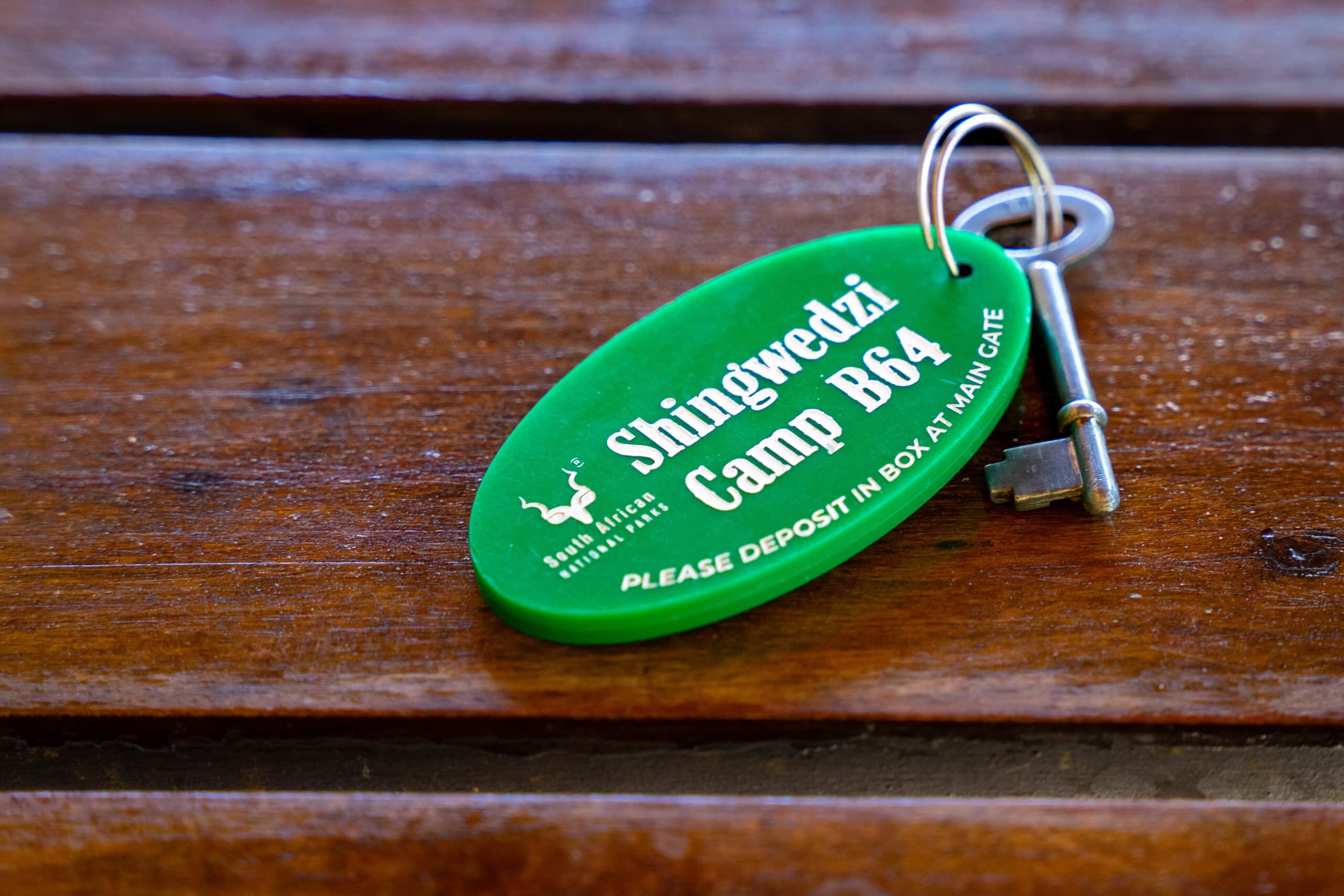
EH3 Hut Review: My Stay at Unit 64

I stayed in hut number 64, an EH3 semi-detached unit that still felt completely private. My little stoep faced inward to Circle B, shaded by tall mopani trees. There was a power outlet outside (three-prong round) and a table with three chairs, perfect for a braai at night. Each unit has its own braai in front of the stoep.
Inside were three single beds with khaki duvets and neatly folded towels, each topped with a bar of SANParks soap. The room was serviced daily, and I appreciated returning to a made bed and a swept floor after hours on dusty roads.
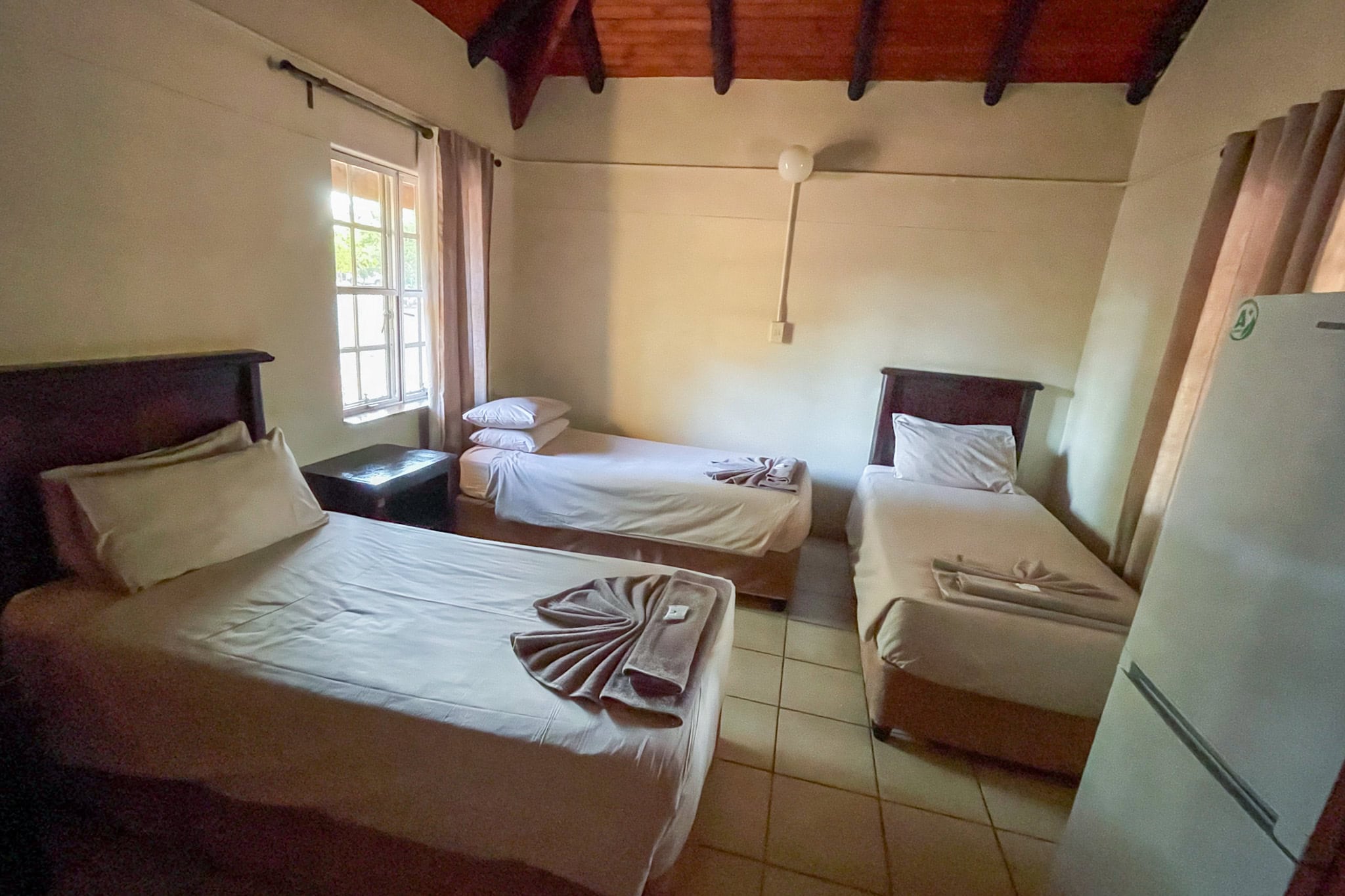
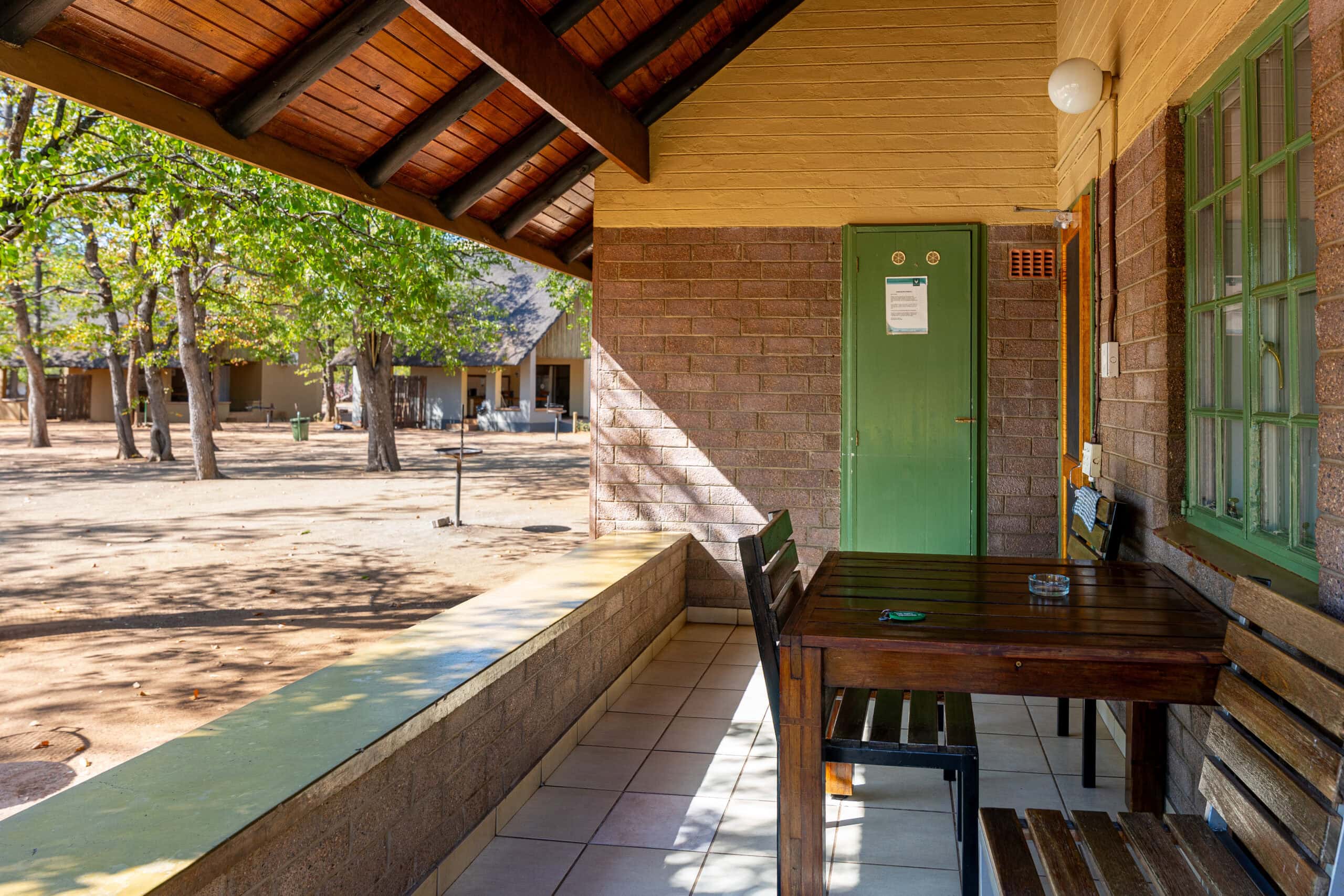
There’s a decent fridge-freezer (though mine ran a bit too cold—my tomatoes froze solid), an electric kettle, and a ceiling fan. No kitchen utensils here, but there’s a porcelain sink for brushing teeth and filling water bottles. The built-in wardrobe had extra blankets, plenty of space, and even five hangers.
The closest ablutions were about 30 metres away and kept spotlessly clean. For the price, this hut was excellent. Affordable, comfortable, and simple in a way that felt right. If I could change one thing, it would be to swap the tile roof for thatch. I missed the smell of Kruger nights under straw.
Also read:
➜ Here is exactly how much a 4-day self-drive to Kruger cost me
The WiFi Situation at Shingwedzi
There is no WiFi at Shingwedzi. Maybe it’s a blessing in disguise. I know many people actually prefer it that way, and I have to agree.
Even the cell signal is patchy up here. At best, expect 4G, but you’ll be stuck on Edge for most of the time. Early evenings, when everyone is back at camp, were the worst time for signal, while midday was ok, as most people were on game drives.
I got some prime 4G in the wee hours (around 02:00-03:00). That’s just because I’m waiting for a visa from Australia, and I’ve fallen into that routine to check during those hours…just in case I get a visa grant.
Shingwedzi Campsite: A Community Under Canvas
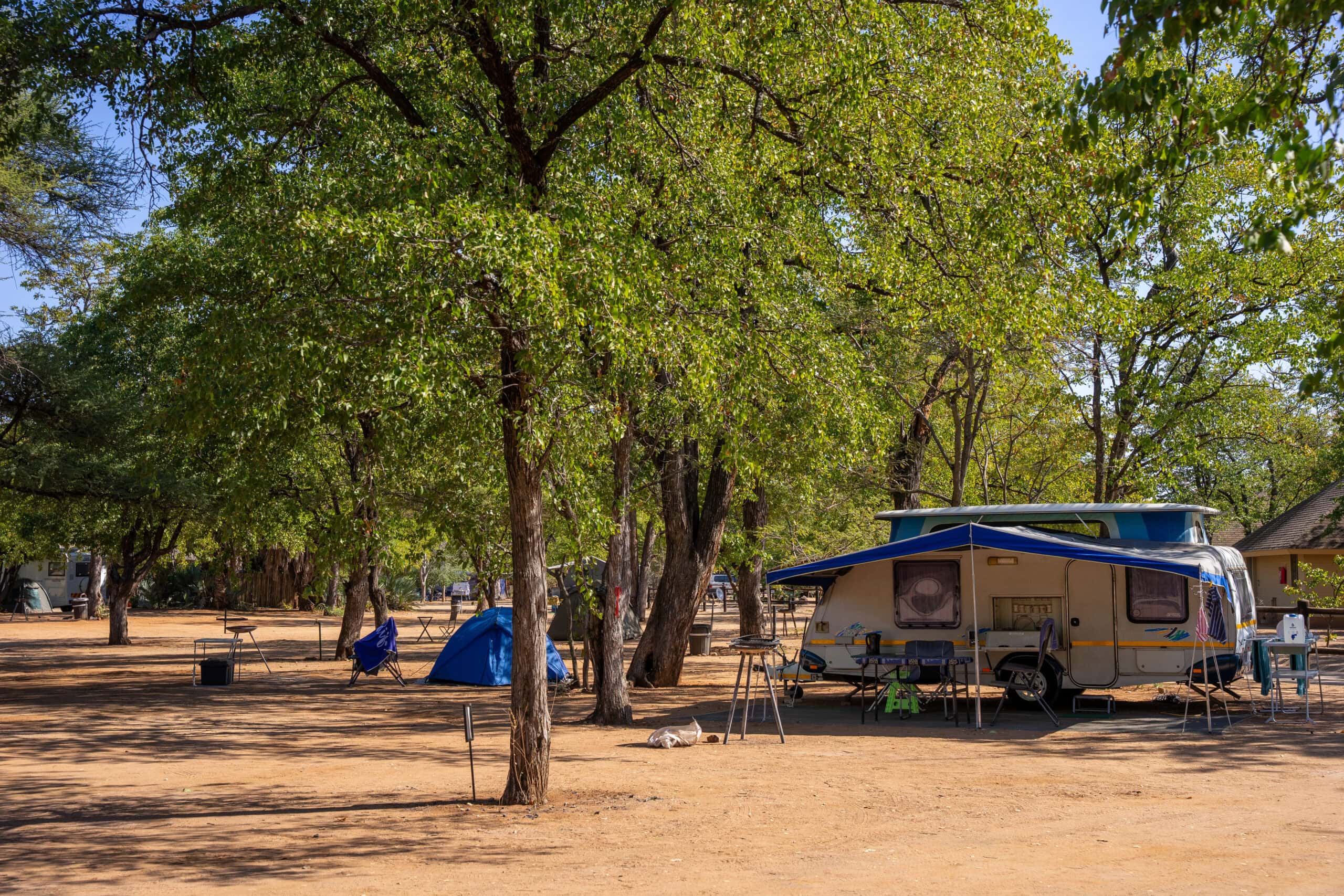
Kruger campers are a breed apart. Like a subculture living along the perimeter fence with its own rules and values.
Walking around the Shingwedzi campsite, I met people who return to the same spot year after year, dragging their caravans up from Bloemfontein and telling you precisely how many kilometres per litre they got.
The campsite is large and spacious, though I didn’t count exactly how many stands. They all come with electrical outlets, and there’s plenty of shade under mopani trees. It didn’t feel dusty or crowded. There are two communal kitchens, each with dishwashing basins, a hotplate, and 24/7 boiling water.
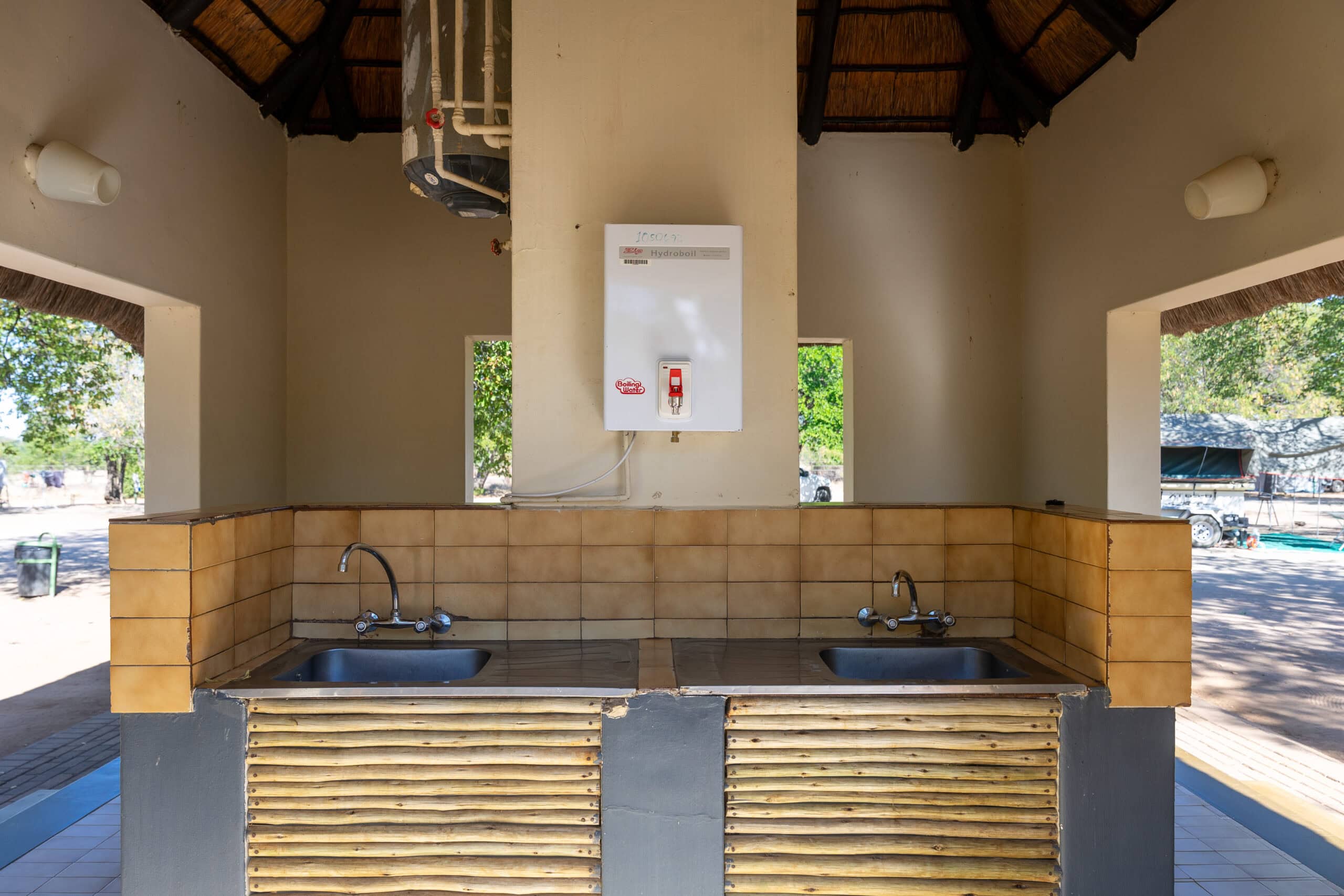
It felt like a small village. People sat out in camping chairs with beers in hand, braais going, playing board games. Some had elaborate setups that rival permanent homes. Satellite dishes, microwave ovens, the works. I told you they’re a breed apart.
Park Shop: Stocked and Sensible
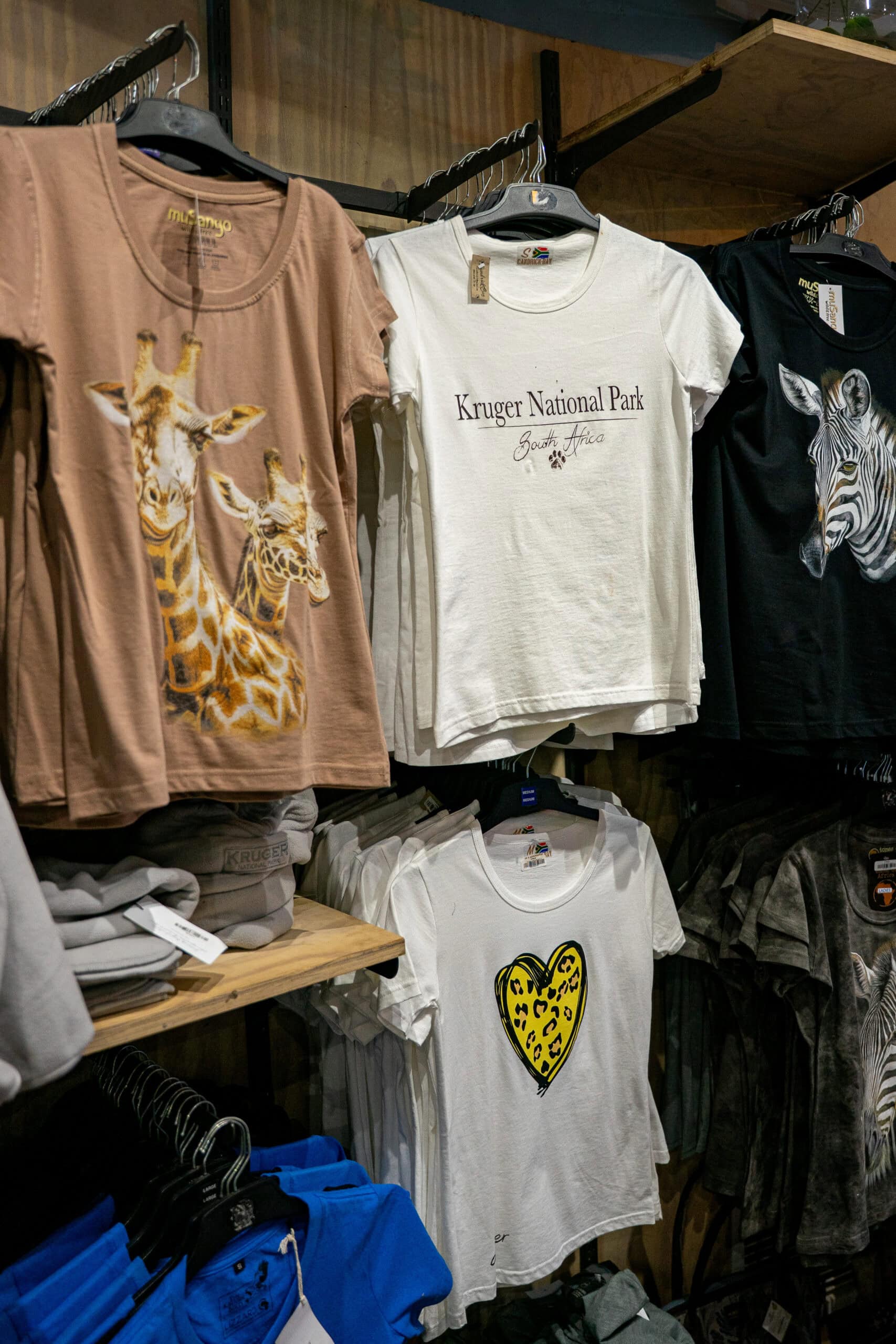
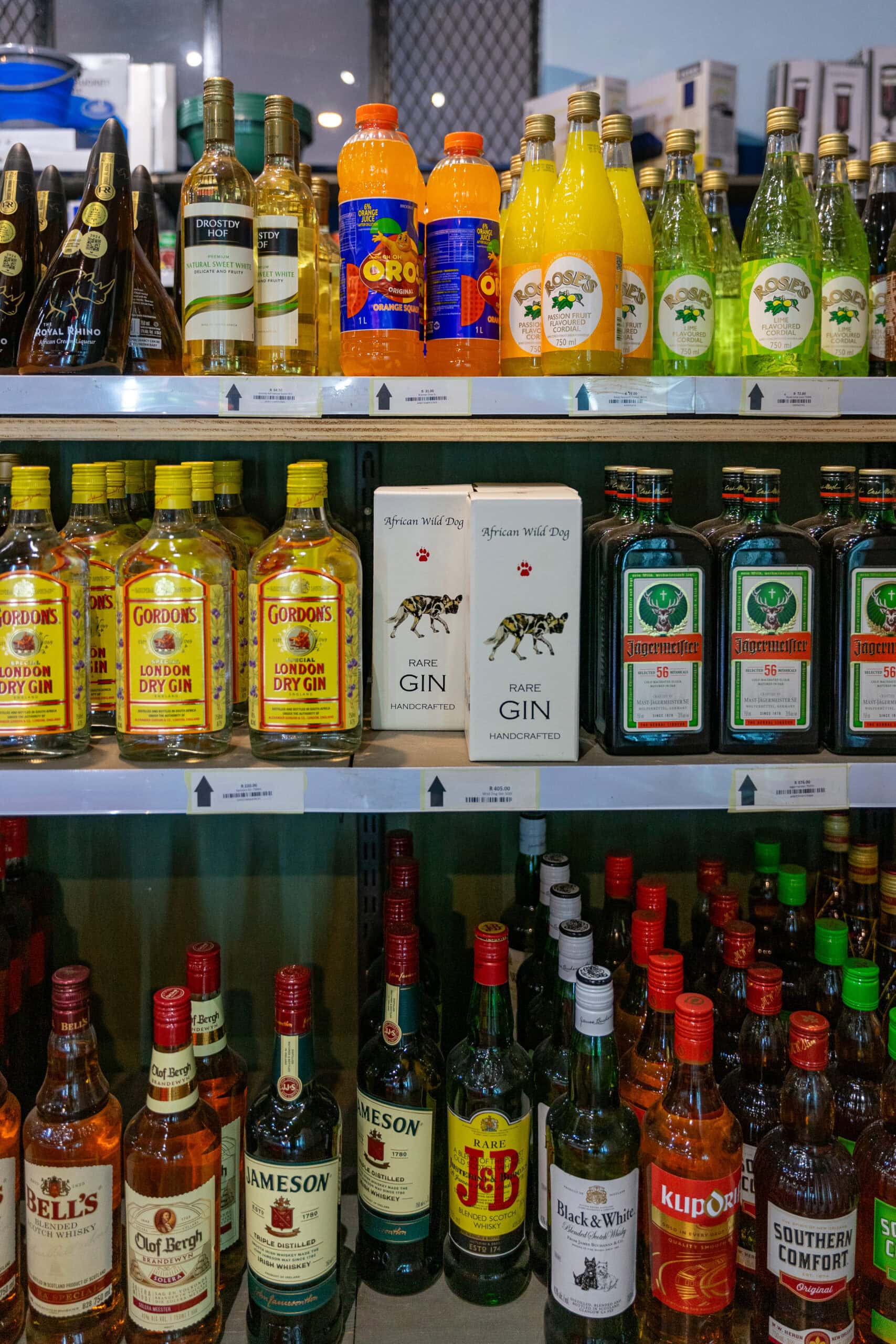
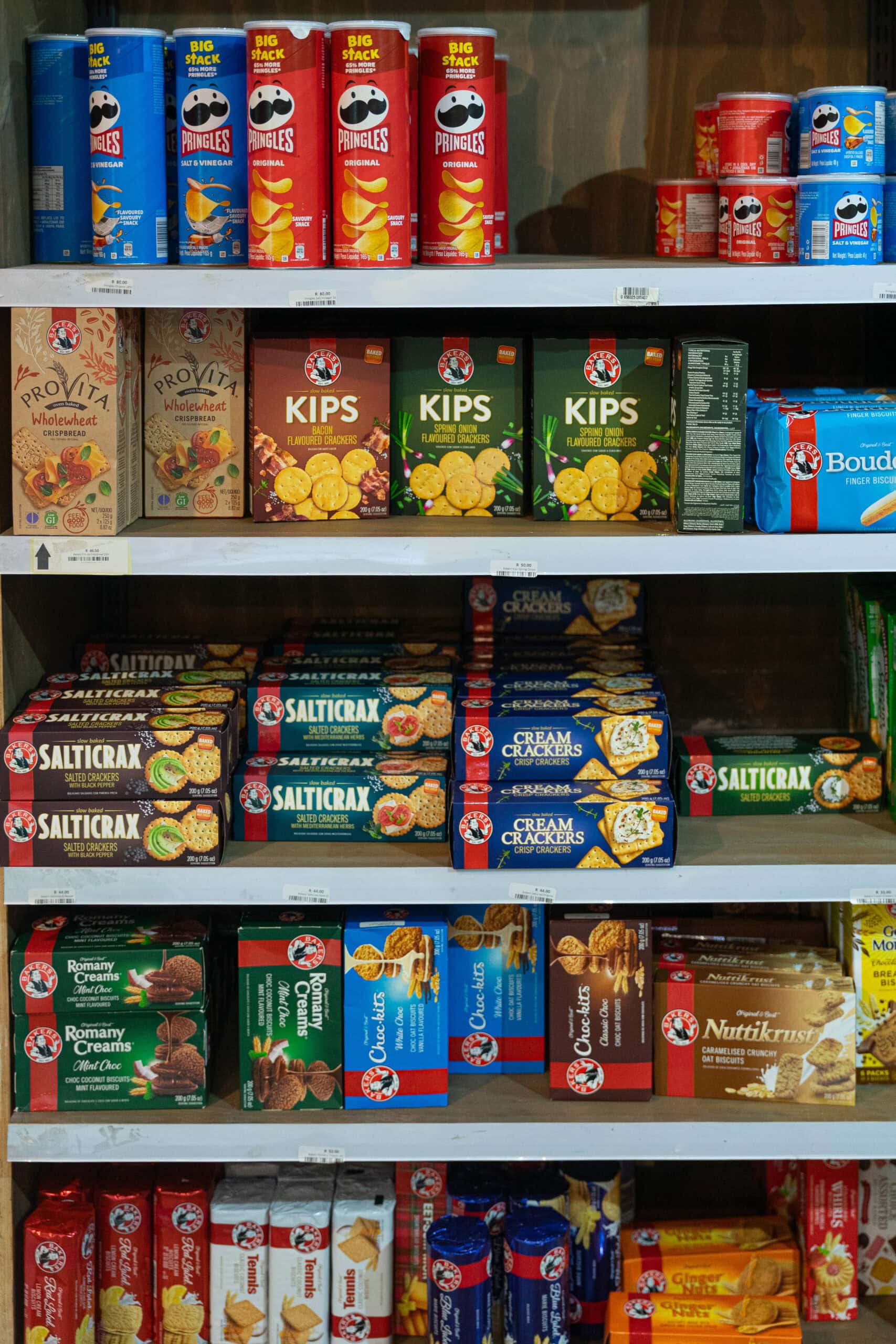
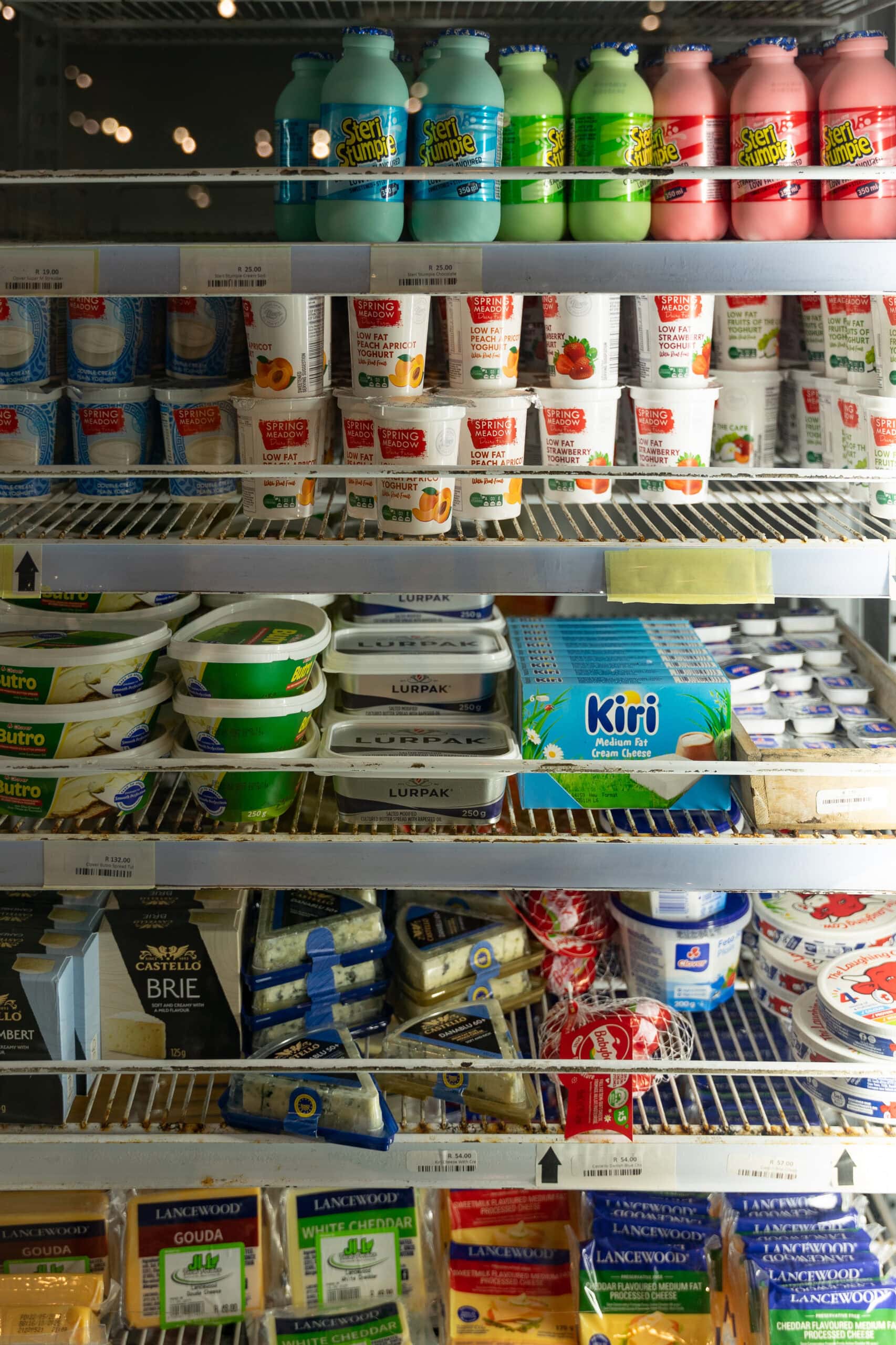
The Shingwedzi shop is fairly large and well-stocked. One half sells souvenirs, mostly t-shirts, caps, and bush-themed gifts. I wish there were more locally made items—no Venda pottery or carved masks here. Still, it caters well to the market it knows.
The food section, though, is excellent. You’ll find fresh produce like onions and tomatoes, a wide variety of frozen meats, snacks, sauces, long-life milk, and plenty of drinks. Bread, butter, eggs, cheese — it’s all here. There’s also a surprisingly well-stocked liquor section, with wine, beer, and hard spirits. Even cigarettes. Prices are slightly higher than your local supermarket, but nothing outrageous.
Unless you’re both vegan and gluten-intolerant, you’ll find what you need.
The shop is open daily from 07:00 to 19:00, giving you enough time to swing by after your game drives.
Restaurant at Shingwedzi Camp: Deck Dining with a View
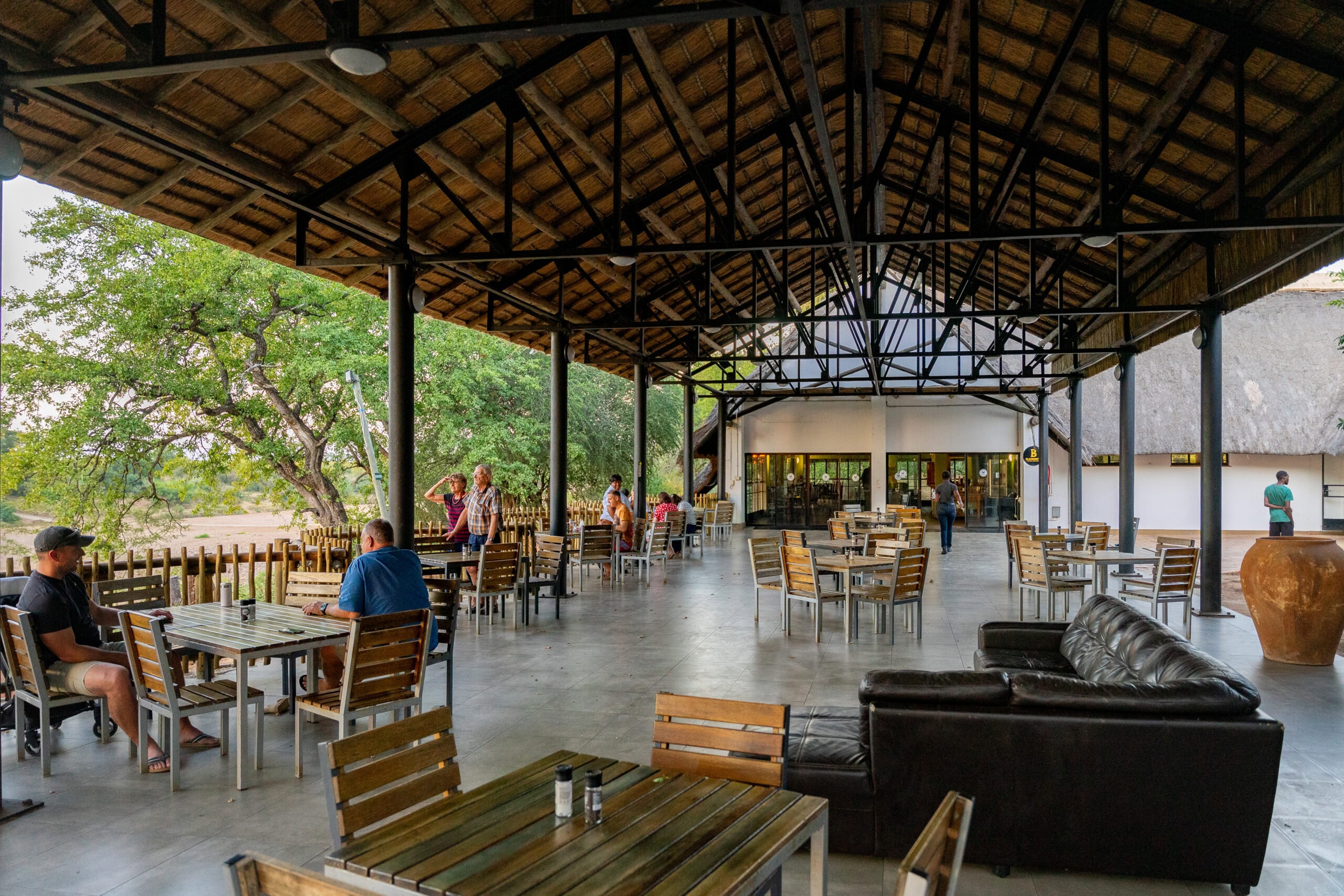
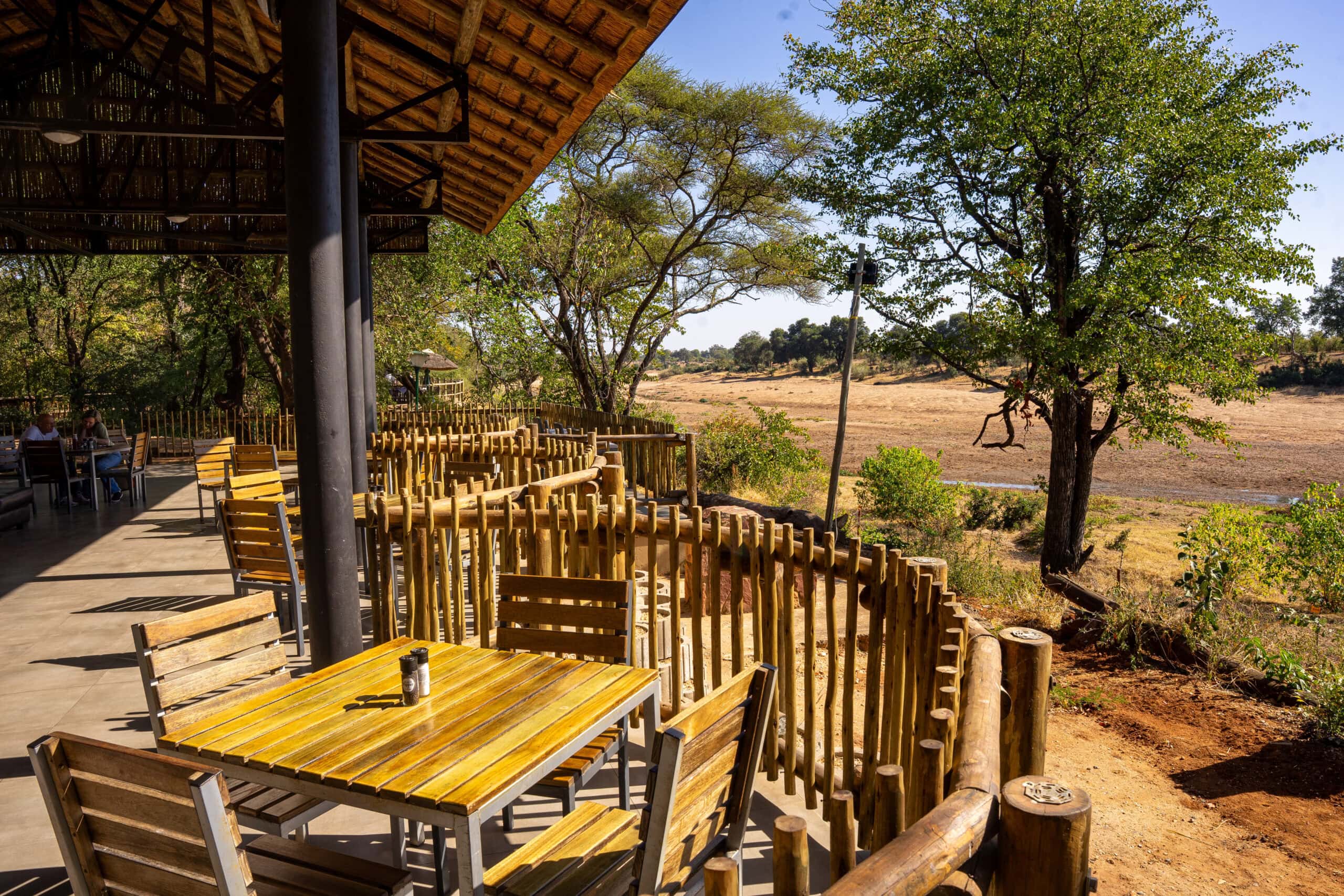
The restaurant at Shingwedzi Camp sits in one of the most scenic spots in the entire camp, perched on a deck overlooking the dry Shingwedzi River. Inside seating is available, but I chose to eat outside where you can spot baboons, waterbuck, or the occasional elephant in the distance.
What really caught my eye were the flood level markers nailed to the posts above the deck. Stark reminders of the serious flooding in 2013. Hard to believe the water rose that high.
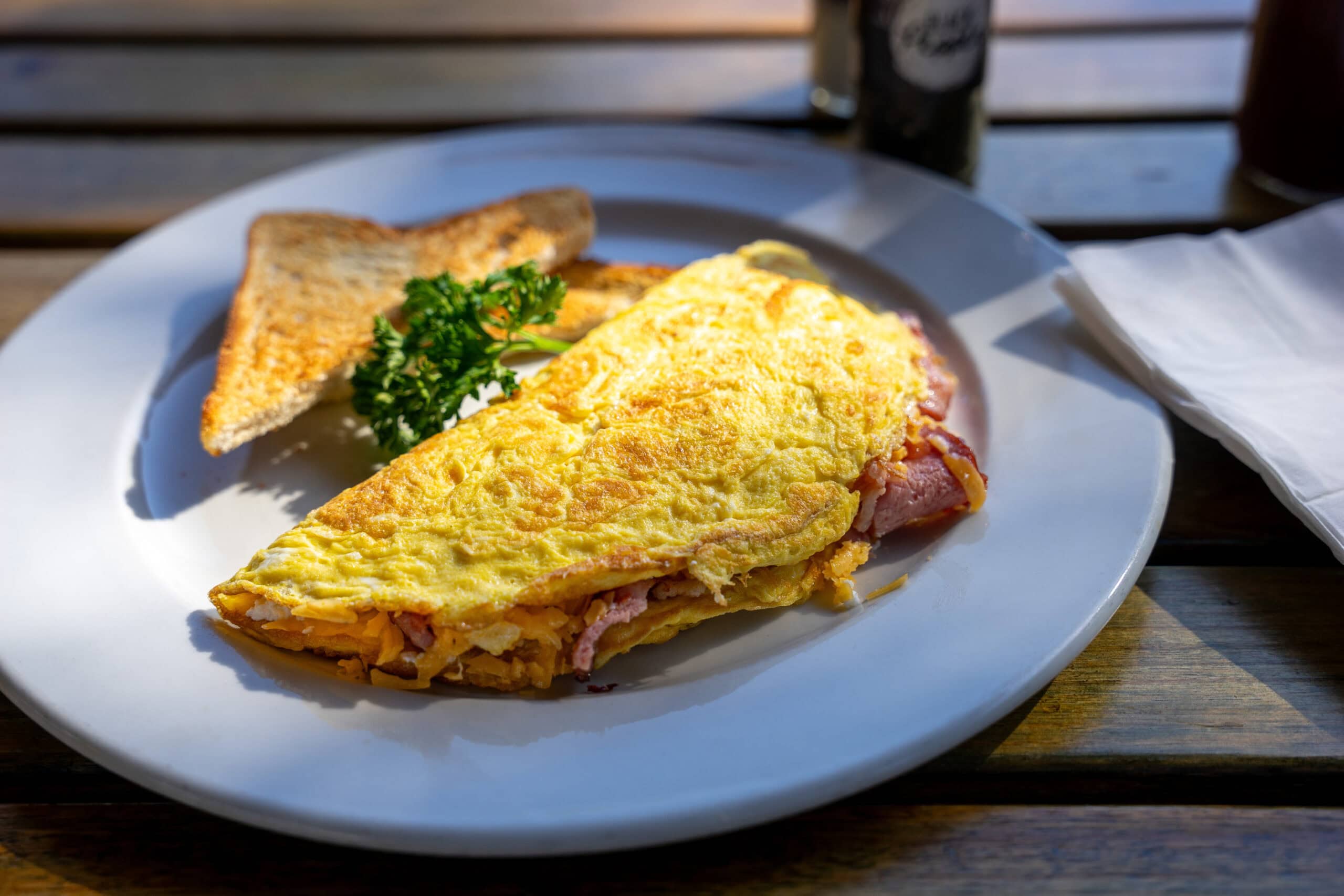
I only ate here once, but it was exactly what I needed after a morning drive: the Bushveld Omelette with bacon, cheese, and feta, served with toast, juice, and a proper mug of coffee. Affordable, filling, and well-prepared, with friendly service that didn’t feel rushed.
The menu covers all the Kruger basics: toasted sandwiches, scones, salads, wraps, burgers (including vegetarian), plus rump, sirloin, T-bone, pasta, and a few desserts. Nothing fancy, but solid comfort food that’s perfect when you need a break from self-catering in Kruger or if, like me, you’re in a hut without utensils.
Communal Facilities at Shingwedzi Camp:
Clean, Reliable, No Fuss
Ablutions
The communal ablutions at Shingwedzi are clean, practical, and well-maintained. Exactly what you want when you’re sharing facilities. The men’s section had three sit-down toilets (with lockable doors), three urinals, and three showers — each with its own lockable door and shower curtain. There were sinks with mirrors, and toilet paper and paper hand towels were always stocked.
I never had to wait, not once. Even during peak evening hours, there was always an available shower or toilet. Hot water was consistent, and water pressure decent. For a mid-sized camp, the ratio of facilities to guests felt spot-on.
If you’re in a Shingwedzi hut without ensuite or camping, the communal facilities at Shingwedzi are more than adequate. Clean, functioning, and never crowded.
Laundry
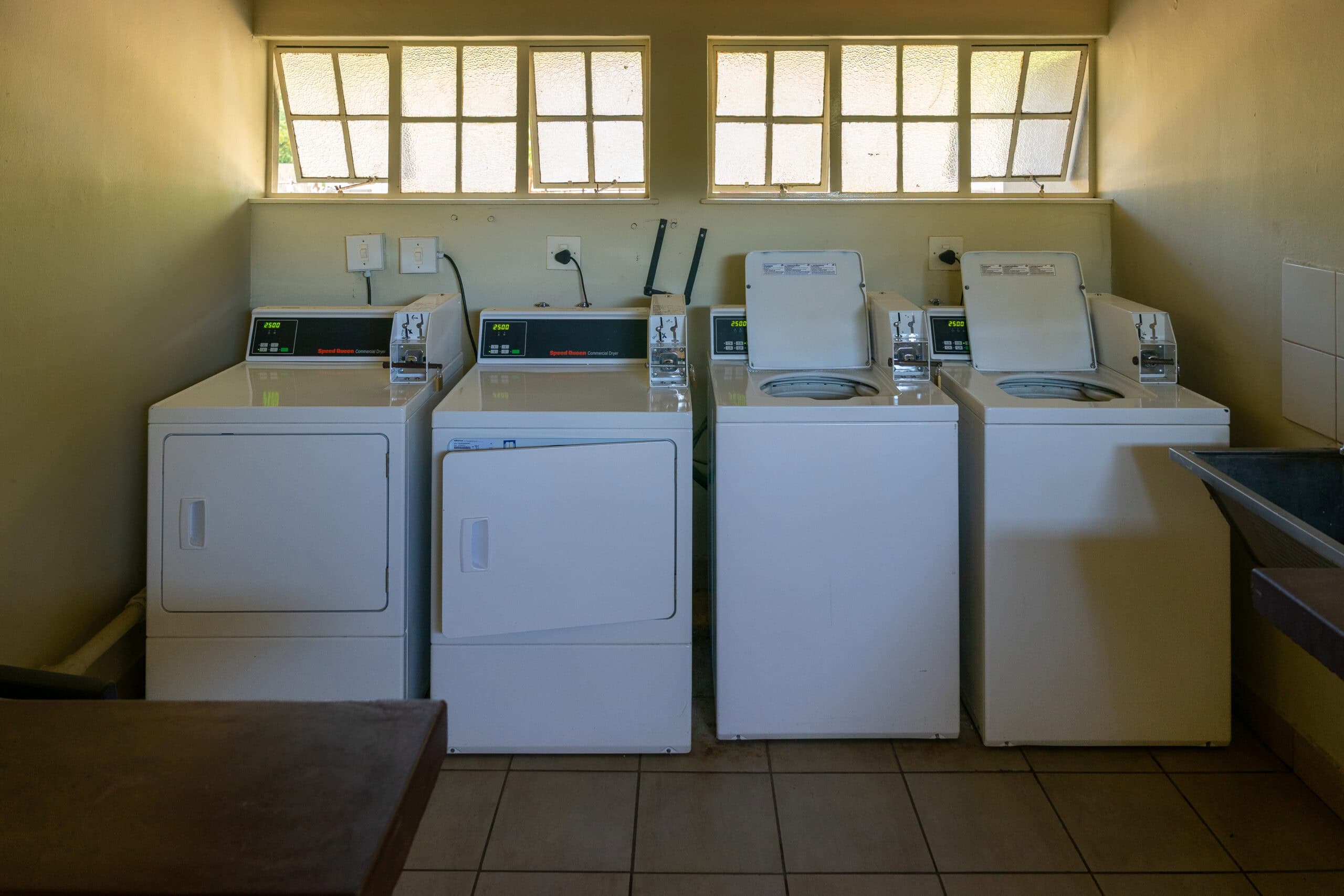
Shingwedzi’s laundry area is small but efficient. There are two top-loading washing machines and two dryers, with a large table for folding clothes. It’s R25 per wash, and the machines seemed to be in good working order.
If you’re travelling light or staying a while, this is a great perk. The area is clean and usually quiet, especially in the afternoons when most people are out on game drives. Laundry detergent is available in the camp shop, in case you forget to bring your own.
Shingwedzi’s Swimming Pool
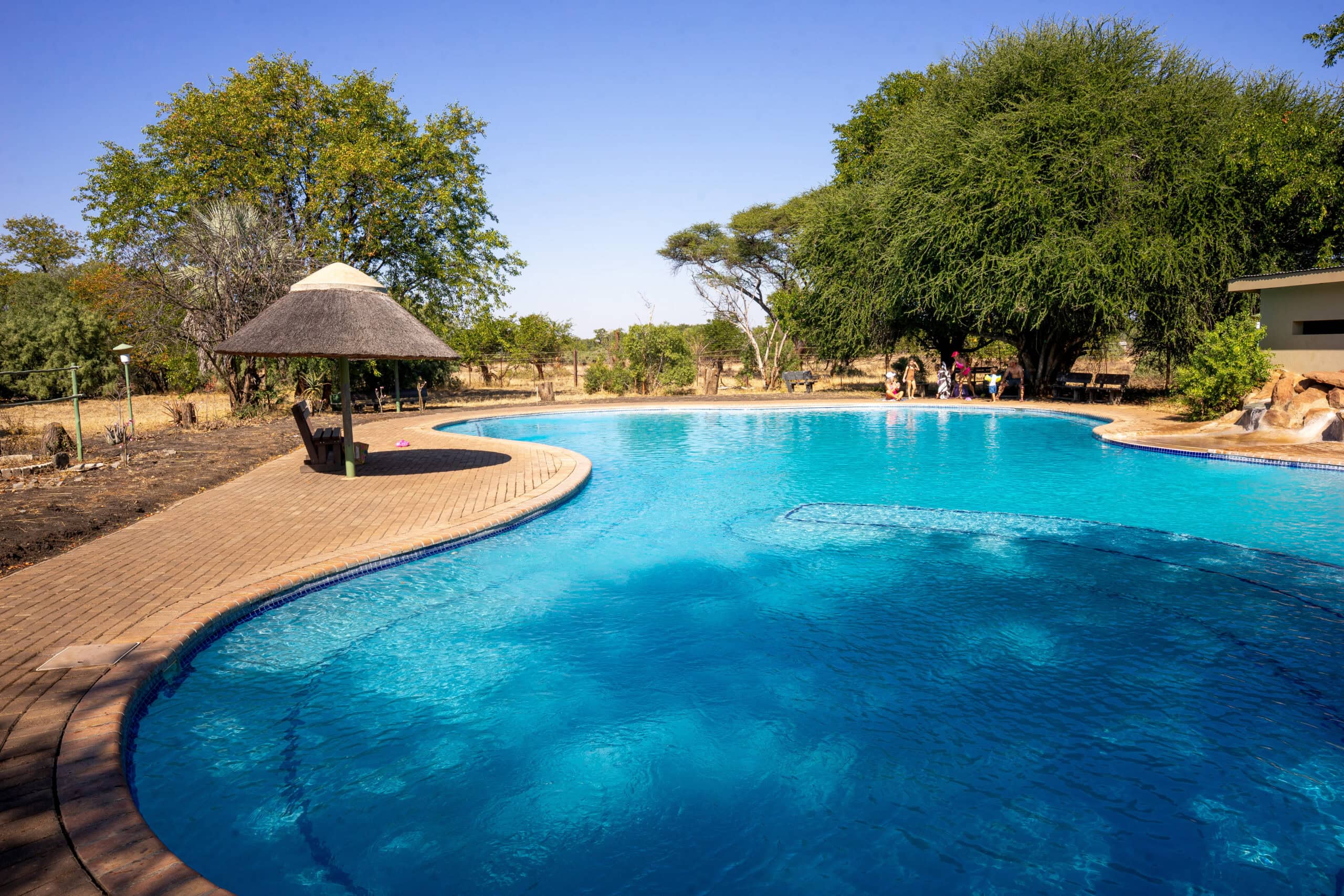
Shingwedzi Camp has one of the best swimming pools in Kruger National Park. It’s large, clean, and a real saviour during the hotter months when temperatures soar past 40°C. Even in winter, the days can be toasty. During my visit in late June, it was pushing 30°C most afternoons.
That said, the water was far too cold for me. I watched a happy family splashing around one afternoon and assumed they must be Norwegian. Turned out they were from Bethlehem in the Free State. Same thing, really.
Whether you’re camping, staying in a hut, or a family with young kids, the pool is a great bonus, especially if you’re here in summer. Just remember: no lifeguard on duty, and swimming is at your own risk.
Birdwatching in Shingwedzi Camp:
Even if You’re Not Into Birds
I’m no birder. Sorry not sorry. Feathers don’t do it for me.
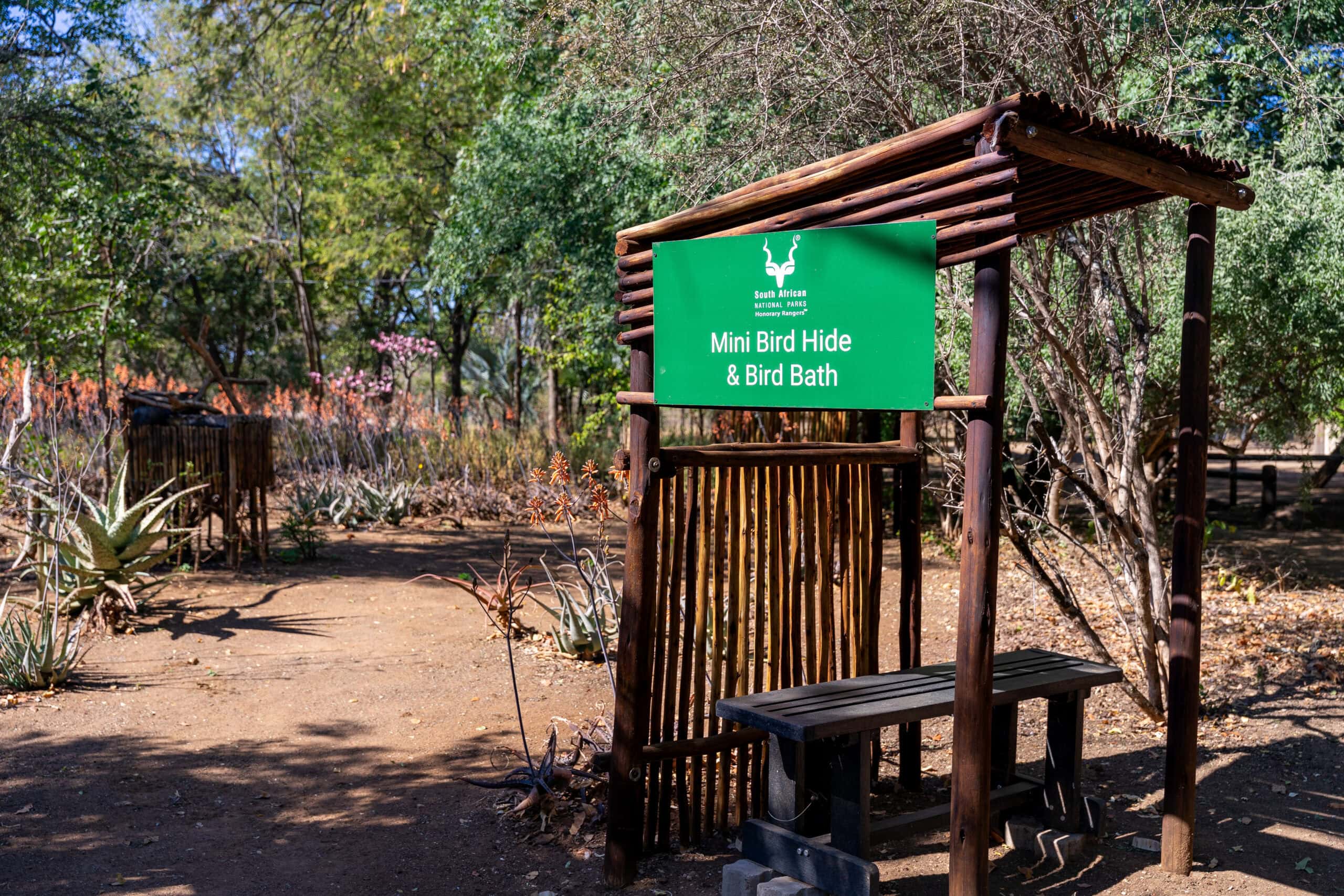
But even I noticed that Shingwedzi is a solid birdwatching camp. There’s a neat little bird hide right in camp, tucked into the aloe garden near the fence. It has a shallow bird bath and shady benches, making it a peaceful spot to sit for a while.
For serious twitchers, it’s a good place to start or end your day. For families, it’s a kid-friendly activity in camp when you’re not out on a drive. Even if you’re not ticking species off a list, it’s a quiet spot to enjoy the trees, look for hornbills, and catch your breath between game drives.
Shingwedzi Camp: Pros & Cons
After spending four nights at Shingwedzi, I’m convinced that it’s the best camp in the Kruger. There’s nothing I really disliked. From now on, this will be my first choice when visiting the Kruger.
However, for a balanced Shingwedzi Camp review in Kruger, let’s consider a few key points.
Pros:
- Quiet, bush-like atmosphere
- Affordable accommodation options, often available on short notice
- Excellent wildlife sightings — I saw more elephants than impalas
- Well-maintained facilities: ablutions, pool, shop, restaurant
- Laid-back feel and friendly fellow travellers
Cons:
- It’s a long drive from most entrance gates
- Surrounding mopani veld can feel monotonous after a while
- Not a modern, upgraded camp — although that might be a pro, depending on your taste
Shingwedzi Review Final Thoughts:
Why This Might Be Kruger’s Best Camp
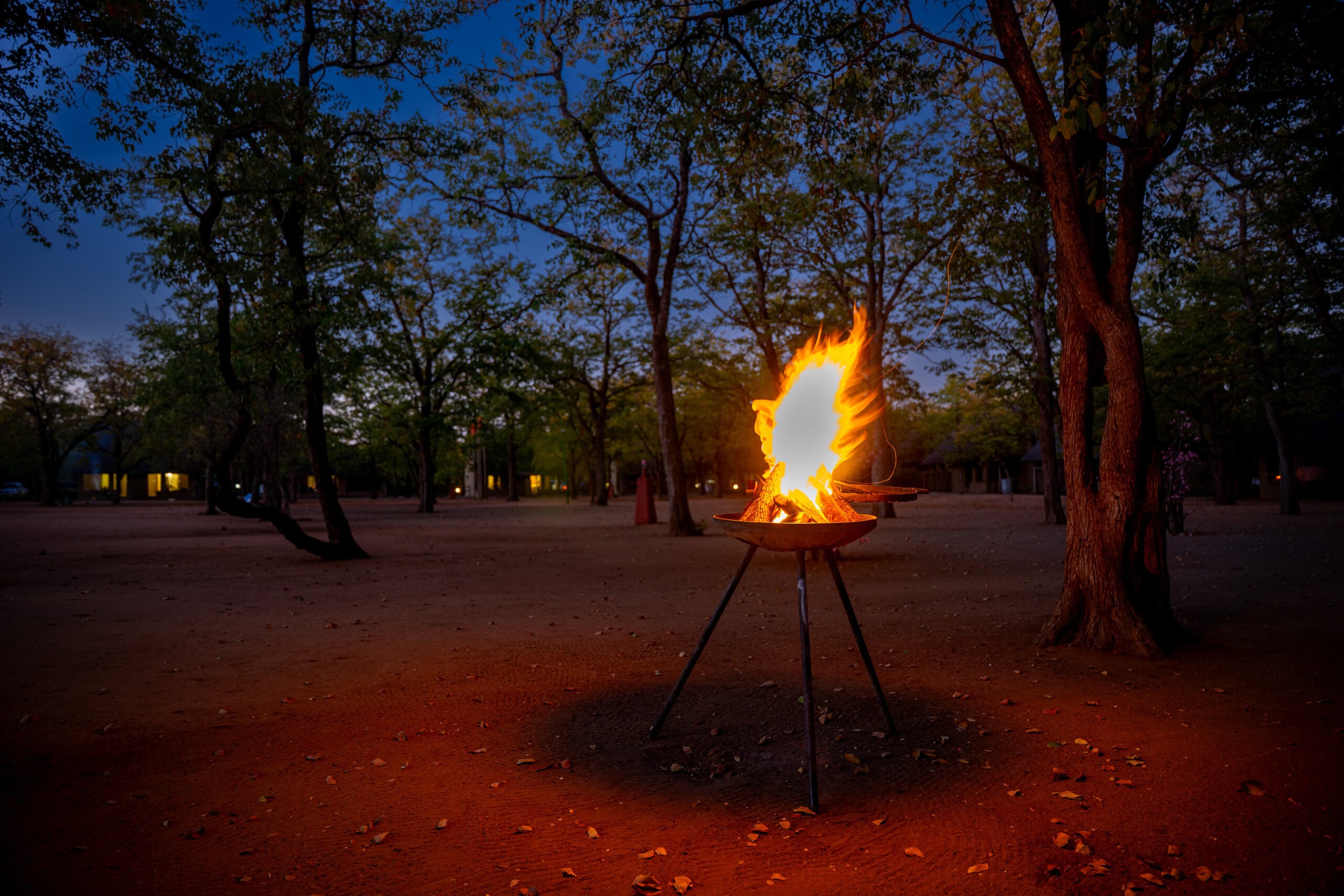
If you’re looking for manicured lawns, boutique shops, or the buzz of safari central, Shingwedzi isn’t for you. But if what you want is space, real space, to think, to drive, to sit with your morning coffee and feel the bush breathing around you, then few camps in Kruger come close.
What sets Shingwedzi apart is its balance: a sense of wildness without sacrificing comfort. It’s quiet without being empty. Affordable without feeling barebones. There’s incredible game viewing without the bumper-to-bumper traffic of the south. And unlike many other camps, Shingwedzi gives a sense of truly being in the African wilderness.
This is a camp for people who know Kruger, or want to. The kind of place that stays with you long after you’ve driven back through Phalaborwa Gate. And maybe that’s the best thing about it: Shingwedzi doesn’t roar. It just quietly becomes your favourite.
Book your stay at Shingwedzi directly on the SANParks website.
How I Shot This Guide
Every photograph in this article was taken with the exact same gear I carry on every journey. It is a setup refined over years on the road to keep travel light without compromising the final image.
- Camera: Sony A7 V
- Lenses: Sigma 24-70mm f/2.8 DG DN Art. My Viltrox 135mm is not nearly long enough but it’s something I use only on safari.
- Storage: SanDisk Extreme Portable SSD
- Software: Adobe Lightroom Classic
- A safari essential (trust me): Ray-Ban Wayfarer