
Mention Mauritius and most people picture drinks served in a pineapple with a little umbrella on a private beach of an all-inclusive resort. While most will be doing just that and lapping it up in luxury, the enlightened few who explore beyond the resort will find some fantastic historical places in Mauritius to explore.
The island nation of Mauritius is situated in the Indian Ocean, off the coast of Madagascar. Travellers have been coming here for centuries. First, boats travelling between Europe and the Spice Islands would dock in Mauritius, followed years later by those searching for paradise. These days it’s also becoming a popular layover destination for travellers flying between Australia and Europe or South Africa.
First a French and later a British colony, Mauritius became independent in 1968 and has since emerged as one of the safest and most stable African countries. Whether coming to Mauritius on holiday or business, seeing the historical places shows the history and culture of the island that you won’t find at your all-inclusive resort.

Please note: This post may contain affiliate links. This means I may earn a commission if you make a purchase by clicking a link (at no extra cost to you). As an Amazon Associate, I earn from qualifying purchases. Learn more.
Why Visit Mauritius?

Mauritius is not a place you only visit once. Once you have fallen under the magical Mauritius spell, you’ll return time after time. Mauritius offers visitors an unforgettable holiday experience without having to sell a kidney on the dark web (which is often the case with luxury island holidays).
Like the other Indian Ocean islands, Mauritius has become a favourite for those searching for a tropical island getaway. Despite its popularity, Mauritius remains blissfully uncrowded and serene- just like paradise should be.
Its popularity is not surprising considering the pleasant climate, with average temperatures ranging from 22 to 33 degrees Celsius year-round.
Mauritius attracts visitors from around the world, including snowbirds, honeymooners, babymooners, families, recent divorcees and even normal people like you and me, thanks to its excellent beaches, great climate and tropical island vibes.
However, it would be unfair to only associate Mauritius with its appeal to sun-seekers and beach bums. The island has a rich cultural history that goes beyond being a picturesque location. The multicultural population reflects this diversity, with many locals proficient in at least three, and often four, languages.
If you’re planning to visit this paradise (of course you are) and want the whole island experience beyond the resort (of course you do), check out our list of the top historical sites in Mauritius that should not be missed.
Historical Places to Visit on Mauritius Island
Below you can learn more about the best historical places to visit on Mauritius Island. A visit to any (or all) of them will show you the history and culture of the beautiful island.
Château de Labourdonnais

Built in 1856, the Château de Labourdonnais is a stunning example of French colonial architecture. The sugar plantation was home to a Mauritian family for 150 years but has now become a tourist must-see when visiting Mauritius. The chateau allows you to time travel and immerse yourself in the 19th-century Mauritian way of life.
The restored Victorian mansion offers a unique window into the past, with its guided tours that feel like you are stepping back in time.
Those looking for more than just a pretty historical site can also sample the island’s famous island rum, made from sugarcane. Suffice it to say, this may be a good spot to finish your day rather than your first port of call.
But if you feel like living it up here in Mauritius, no one will stop you if you want to get into the island spirit and indulge mid-morning.
Citadelle (Fort Adelaide)

This 19th-century hilltop fort was built as a military base by the British to defend the Mauritian capital city, Port Louis, from the French. Four forts were built for this purpose, but the Citadelle is the only one that can proudly boast that it achieved its purpose.
Today the fort is most famous for its 360-degree view of Port Louis, which allows tourists to gaze out over a constantly developing and evolving city.
With views that can’t be matched anywhere else across the country, it’s easy to see why Fort Adelaide receives an impressive three million visits a year.
Sir Seewoosagur Ramgoolam Botanical Garden
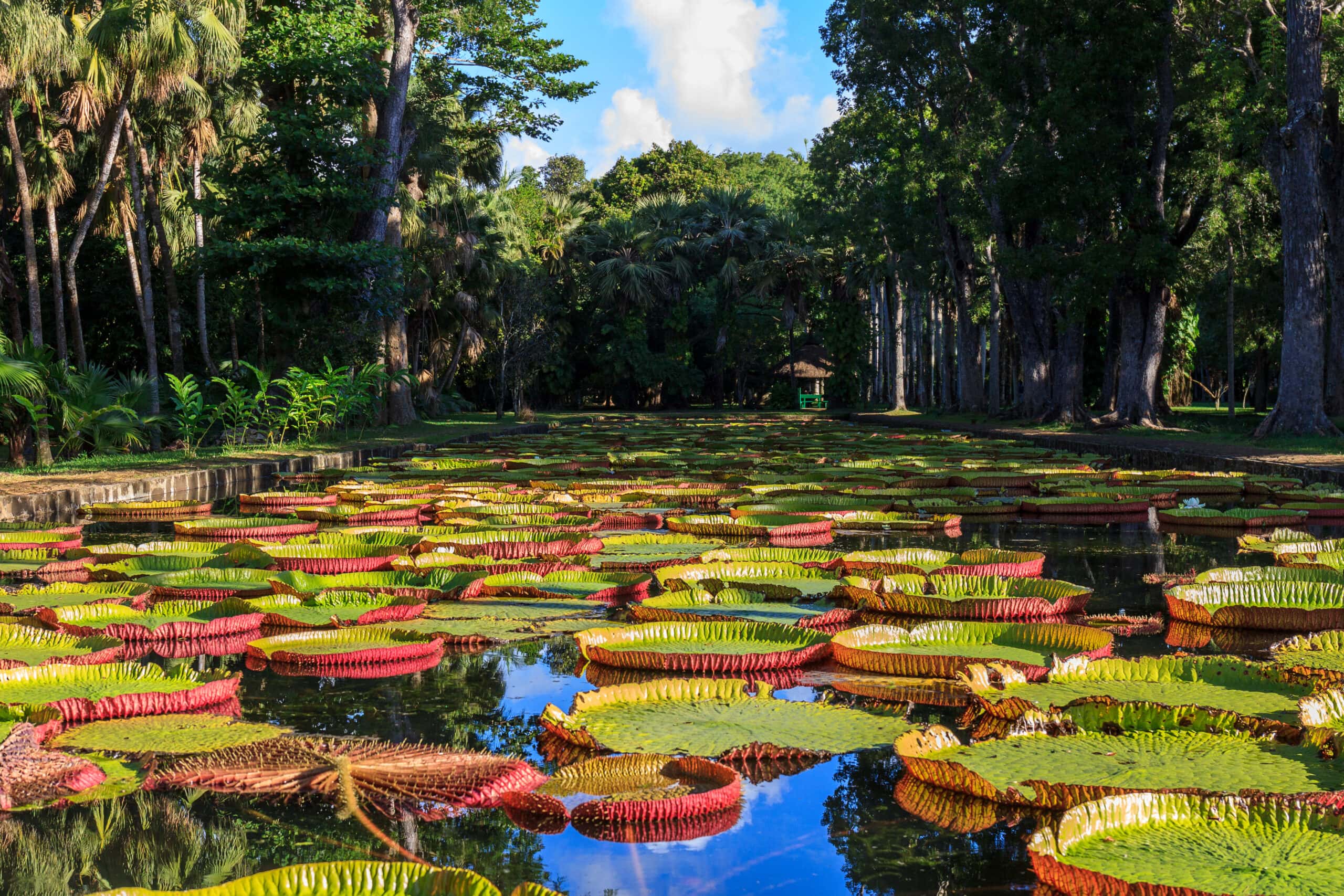
Located just outside Port Louis, the Sir Seewoosagur Gardens are more commonly known as the Pamplemousses Botanic Garden – quite literally translating to the Grapefruit Botanical Garden. If that’s still too long for you, everyone will know what you mean when you say SSR Botanical Garden.
SSR is the oldest botanical garden in the southern hemisphere. With over 500 plant species covering almost 37 hectares, it is considered one of the most beautiful botanical gardens in the world.
Over 85 species of palm and many unique trees, such as ebony and sausage, can be seen in the garden. For most, the highlight of visiting the garden is the long pond in the centre with its gigantic Victoria Amazonica water lilies. The best time to see these enormous lilypads are in December-March.
Besides the exceptional flora and verdant scenery, visitors can see the island’s famous Aldabra tortoises here and, if lucky, catch a glimpse of the exotic birdlife.
Blue Penny Museum

The Blue Penny Museum is an art and history museum entirely devoted to the culture and history of Mauritius. It maps the rich and diverse history of the nation from pre-colonial times to the modern day.
The museum gets its name from the Blue and Red Penny stamps issued by the British Colony Mauritius Post Office – among the rarest postage stamps in the world. The Blue and Red Penny stamps on display were bought at a whopping $2,000,000!
Besides costly stamps, the museum has an interesting display called The Age of Discovery, showcasing the trade routes and voyages of the Indian Ocean.
L’Aventure du Sucre
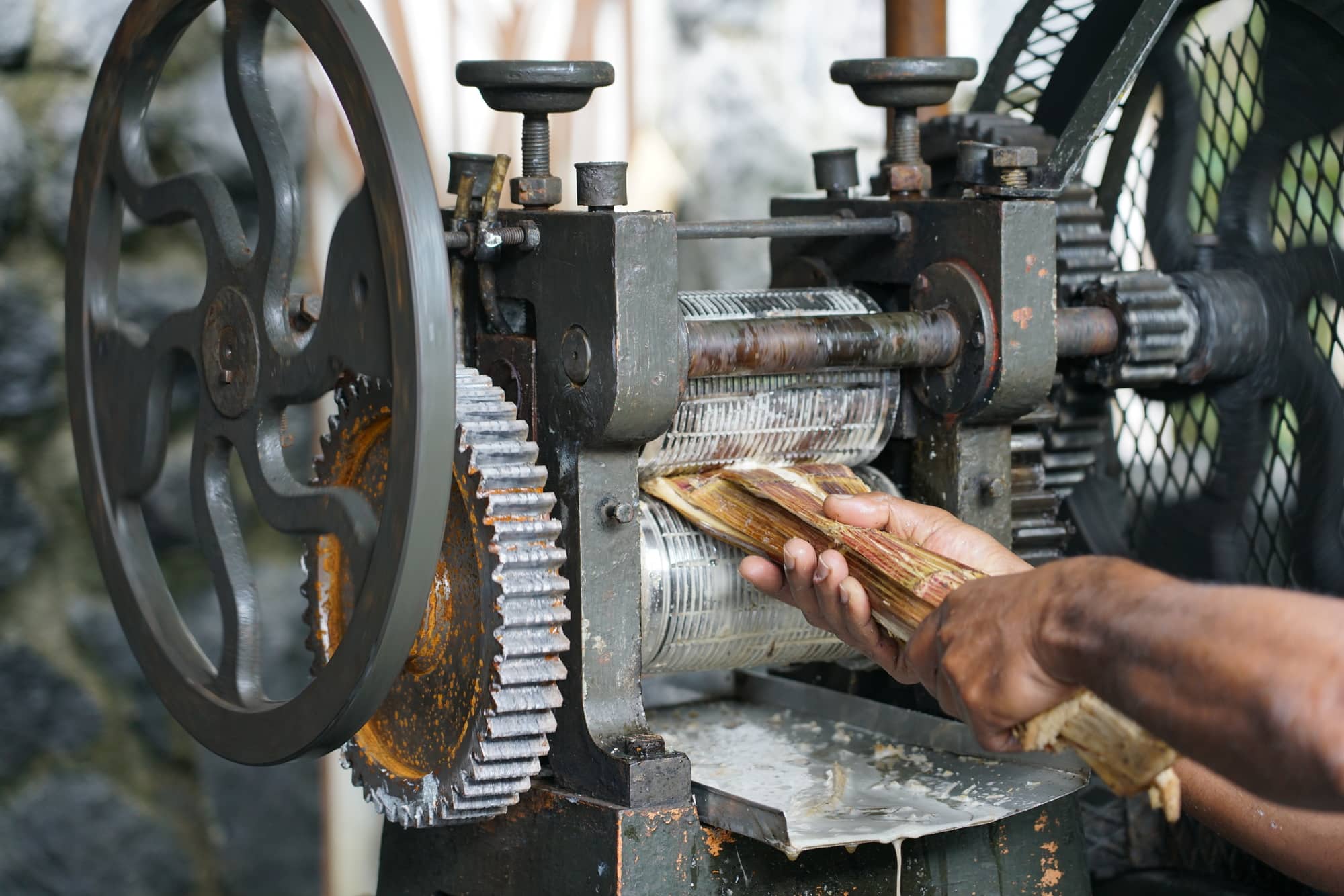
The Sugar Adventure is an interactive museum experience set in a former sugar refinery and is perfect for families and curious minds alike.
The exhibits detail sugarcane’s cultivation and refinement, one of the Mauritian nation’s main exports.
Visitors will be guided around via an audio guide available in 7 languages. Youngsters can engage in several fun sugar-related activities, but parents, don’t worry; they won’t be buzzing off a sugar rush. They’re all educational tidbits rather than high doses of sugary snacks.
For a real taste of Mauritian sugar, there are ample opportunities. Kids of all ages can try unrefined sugar with heavenly tastes like vanilla, liquorice or honey, while parents can taste sugar in adult form (rum).
Adults who want to do real adult things would like to come on Wednesday mornings to join the cane cutters on the plantation. After cutting your own sugar cane, you’ll press out the juice and participate in a cocktail workshop.
Take my money already!
St. Aubin House

This former plantation is home to a rum distillery, vanilla house, tropical garden, and spice garden and is well worth visiting. The house is a lovely example of French colonial architecture over two hundred years old.
While there, you should eat at Le Domaine de Saint Aubin et Le Saint Aubin Restaurant. The menu features the best of Mauritian cuisine with a heavy focus on tropical spices and delicacies such as vanilla, pineapple, mango, and palms.
And in case you were wondering – YES – you can also do rum tastings in their distillery.
Le Morne
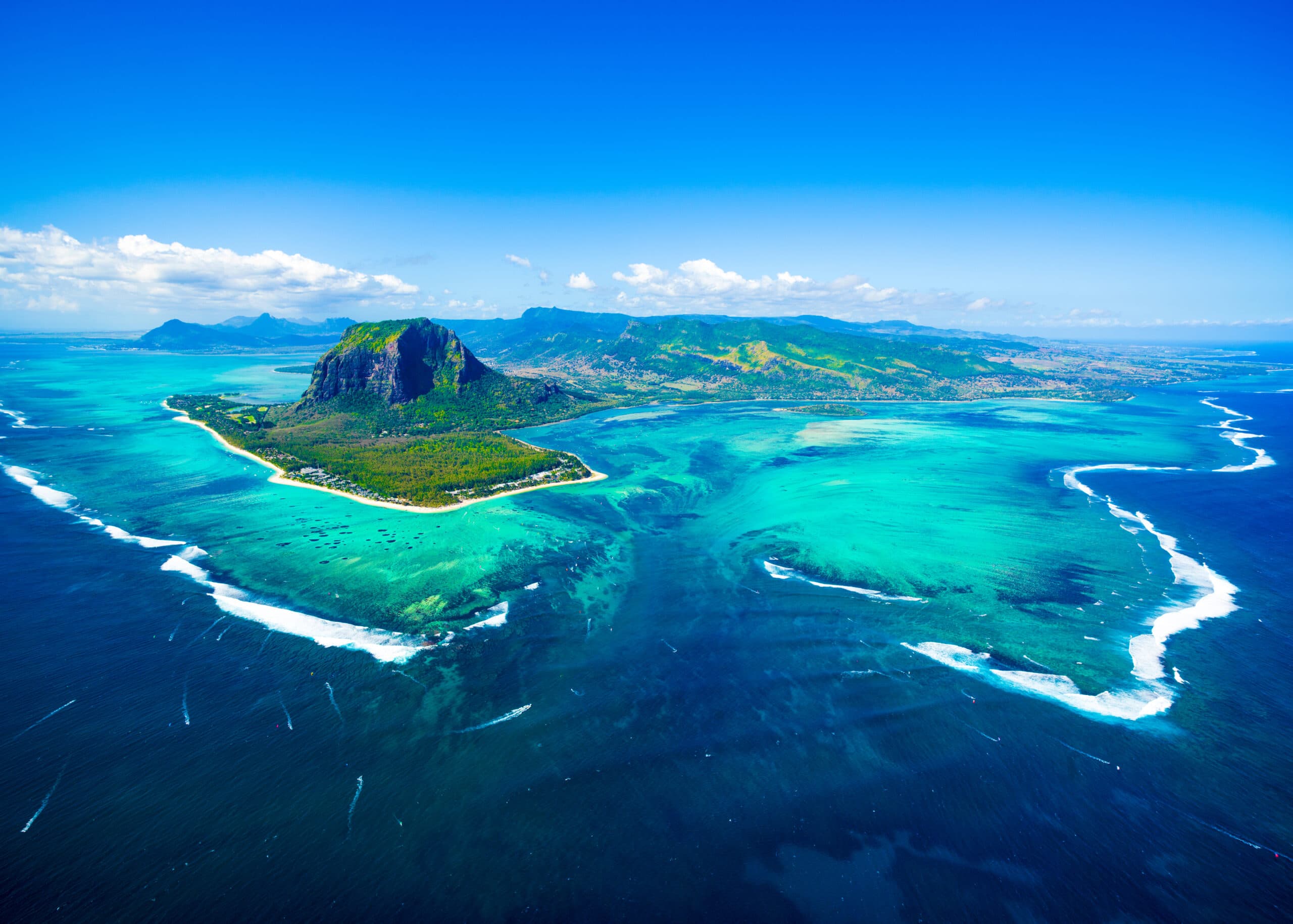
Many will know Le Morne, a rugged mountain bulging above the Indian Ocean in southwestern Mauritius when they see it. Made famous on social media as the spot of the underwater waterfall. You’ll also find some of the best beach resorts in Mauritius at the foot of this mountain.
Few visitors know however that the mountain of Le Morne Brabant is also a crucial aspect of Mauritian culture and history.
UNESCO recognizes Le Morne Brabant as a cultural landscape, as the caves hidden on the mountain were used as hideouts and refuges for runaway slaves.
The steep and rugged terrain of Le Morne where these runaways hid, became little communities of freedom and hope. This site evokes strong emotions and truly is a symbol of the indomitable spirit of humanity.
Visitors can join a guided walk to the summit of the mountain, where they will be rewarded with one of the best views in Mauritius.
And there you have it. Proof that there is more to Mauritius than pineapple drinks with little umbrellas served on a pristine beach. These seven fascinating historical places in Mauritius are the perfect introduction to the culture and history of the island.
✌️
Air Mauritius flies directly to Port Louis from Perth, Johannesburg, Cape Town, London, Delhi, Mumbai and Kuala Lumpur.