
Imagine enormous, snow-white cotton balls that look like puffy cotton candy made of snow intersected by terraces filled with pale blue hot springs. While this seems impossible, it is exactly what you’ll see when you visit Pamukkale in Turkey! So stop dreaming and come and bathe in the magical hot springs inside the cotton castle of Turkey.
Pamukkale is one of the most spectacular sights in Turkey and is a delightful and exciting place to add to your Turkey itinerary. It is one of Turkey’s most beautiful and magical places – definitely up there with Cappadocia.
If you’re planning a trip to Pamukkale, you’re in the right place. Our guide to Pamukkale for first-time visitors will show you how to make the most of your time in Turkey’s Cotton Castle.


Please note: This post may contain affiliate links. This means I may earn a commission if you make a purchase by clicking a link (at no extra cost to you). As an Amazon Associate, I earn from qualifying purchases. Learn more.
Where & What is Pamukkale

Pamukkale is located in the Aegean region of southwestern Turkey, about 20km from Denizli. It takes about 2.5 hours to drive to the resort town of Kusadasi.
Pamukkale has been known for its healing hot springs since the beginning of time. Due to tectonic activity in the region, the hot springs of Pamukkale are warmed by subterranean heat and spring from the earth at temperatures between 33 °C and 100 °C.
Before the hot water leaves the earth, it flows through a layer of limestone. The water’s high temperature dissolves some of this limestone, resulting in a very high calcium content. As these calcium-rich waters surface and flow downhill, they leave behind small calcium carbonate deposits that slowly harden back into limestone.
Over millennia, these limestone deposits have built up to form petrified calcium waterfalls, terraces, and pools where hot spring water collects. These stunning, snow-white terraces are called travertines and are some of the world’s most phenomenal natural wonders. Looking like gigantic, fluffy cotton candy, Pamukkale means Cotton Castle, and it’s very easy to see where the name comes from once you reach the travertines.
Ancient Greeks were well aware of the healing properties of these waters and built Hierapolis, an ancient spa town, here at the end of the 2nd century BC. In addition to seeing the stunning Cotton Castle and travertines, you’ll also see some of Turkey’s best examples of Greco-Roman ruins.
Today, Pamukkale is a popular tourist destination and one of the most visited attractions in Turkey. The Pamukkale travertines, together with the ruins of Hierapolis, is a designated UNESCO site.
Where We Stayed in Pamukkale

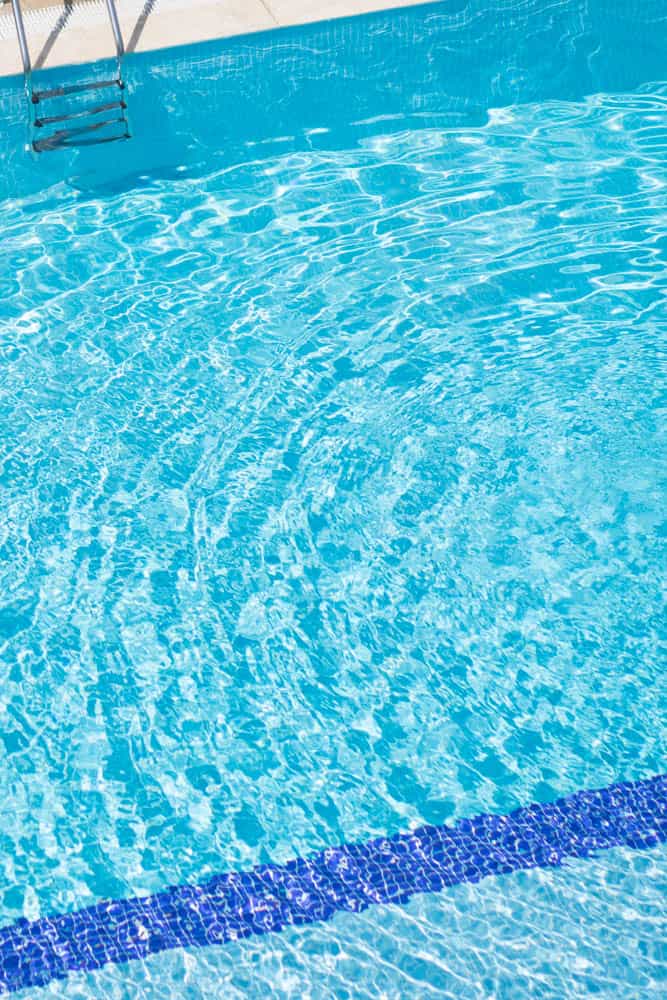
Many people will visit Pamukkale on a day trip from Kusadasi, Selçuk or Izmir. While this is a good idea for those short on time, we suggest staying over at least for a night. We stayed for two nights which allowed us enough time to recover from the overnight bus from Capadoccia and see the hot springs and ruins without rushing.
We stayed at the excellent Venus Hotel, and we recommend staying here without hesitation. Besides the friendly staff, clean and spacious room, lovely swimming pool, and free transport to the Pamukkale hot springs, the fantastic breakfast buffet is the best thing about the Venus Hotel.
For those of you unfamiliar with Turkish breakfasts, we believe that it might just be the best there is in the whole wide world! Venus Hotel offers an eat-as-much-as-you-can spread of freshly baked bread and pides (flatbread), baked cheese pie, an assortment of hard and soft cheeses, olives, honey and fresh veggies, with a free flow of coffee and tea.
The pool and AC in the rooms are very welcome features, especially if you’re visiting in the summer months.
> Check prices and availability on Agoda or Booking.com <
Things to Do in Pamukkale
The main things to do in Pamukkale are to bathe in the hot springs, see the ancient ruins of Hierapolis and snap some pictures that your Instagram followers will envy.
Those who want a little more could choose to go tandem paragliding over the travertines or take a hot air balloon flight. If you’re also going to Cappadocia, we suggest you wait until then for your balloon flight. We are sure no other balloon flight anywhere in the world can beat that of Cappadocia.
Culture vultures might be interested in taking a trip to the nearby ruins of Aphrodisias. That was our plan, but we couldn’t find any tours leaving Pamukkale. If you want to see Aphrodisias, better arrange that in advance.
SWIM IN THE TRAVERTINE POOLS


Can you swim in Pamukkale hot springs? Hell yes- and you definitely should.
Before coming to Turkey, we thought that Pamukkale was a place you look at from a distance, but dipping your feet in would not be allowed. We are glad to report that swimming in Pamukkale’s thermal pools and terraces is indeed allowed, and we are sure that you will enjoy this unique experience as much as we did. Don’t forget to pack your swim costume!
The pools are all shallow, so it’s not really swimming but bathing and wallowing in the shallow, warm water. The pools at the top are always the busiest, as most people on tour congregate here, and the pools on top also have the warmest temperature. So walk down to find a nice and mellow pool (or stay on top if you like crowds). The pools at the bottom are almost deserted, and the water is still lovely and warm.
Women will have no problem or cause any offence when bathing in bikinis. There are no changing rooms, so wear your bikini under your clothes. Men have no problem…as usual.
The travertine pools are not the only place to swim in Pamukkale’s warm waters. Another option is Cleopatra’s Pool. Also called the Antique Pool is not a travertine and is filled with crystal clear, warm water. It is believed that Queen Cleopatra from Egypt bathed in this exact pool.
The Roman temple of Apollo once surrounded Cleopatra’s Pool, but, after an earthquake, these columns fell into the pool, where they remain until today. These days normal hoi polloi like you and I can feel like royalty as we swim over the columns and other marble pieces scattered inside Cleopatra’s Pool.
SEE THE HIERAPOLIS THEATER


The ruins of the ancient Greek city of Hierapolis are adjacent to the travertines, and you could visit them before or after the hot springs. We suggest seeing the ruins first and then going for a relaxing soak in the hot waters afterwards.
Hierapolis was founded as a spa town in the early 2nd century BC. Doctors used the healing powers of the spring water to treat ailments such as skin diseases, circulation problems, rheumatism and heart diseases. Hierapolis grew in influence and size, fell under the Romans and Persians, and was rebuilt several times after devastating earthquakes.
The result of all this history is a magnificent collection of ruins lying around the top of the travertines. The highlight of the Hierapolis ruins is the well-kept theatre, which has survived most of the devastation from the several earthquakes.
Construction started in the 1st century BC and could seat 15 000 spectators. Take a seat in one of the rows and admire the fine details of the stage, or enjoy the view across the plains below while you ponder how old these things really are.
STROLL AROUND PAMUKKALE NATURAL PARK


A small lake forms at the bottom of the travertines, where the water runs out. This area is called the Pamukkale Natural Park, and it’s a pleasant area to stroll around, especially around sunset. Being at the bottom of the travertines, you get to look up at the cotton castle and get an idea of its immense scale.
The area around the lake is a world away from the touristy hot springs and travertines. Come here to see Turkish families having a good time, grab an ice cream or a bite to eat or feed the geese and ducks on the pond.
While you don’t have to go out of your way to see the Pamukkale Natural Park, it does make for a pleasant afternoon around sunset. It’s often nondescript sights like this that we find very rewarding to visit and often spend more time there than we really should. I guess sometimes all we really want is something…normal.
TIPS FOR VISITING THE PAMUKKALE HOT SPRINGS


- Enter the travertines from the North entrance, where the shuttle from Venus Hotel drops you. There are two other entrances, but we think the North entrance is best, as you can see Hierapolis first, then go to the travertines, and finally walk downhill to exit at the Pamukkale town gate. Going the other way means that you’ll be walking uphill, and the crowds will be getting more instead of less.
- Shoes are not permitted on the travertines to not damage the surface. Some places might have sharp edges, so watch where you’re going. Take a plastic shopping bag or small backpack to keep your shoes in.
- Don’t forget your sunglasses! The glare from these snow-white terraces is intense.
- The pools toward the bottom of the travertines are much quieter than the ones on top. Also, the cotton castle is much whiter and higher here. This combination makes it the best spot to take pictures in Pamukkale.
- Entrance to the Cleopatra pool area is free of charge (you can look at it for free), but there is a 50 Lyra charge for swimming. Towels are not included in the price, so bring your own or buy one. There are changing rooms available.
- As most people visit Pamukkale on a day trip from the coast or Ephesus, tour groups tend to arrive mid-morning and leave late afternoon. To avoid crowds, visit first thing in the morning or late afternoon. However, sometimes it’s simply not possible to avoid the crowds. Groups tend to move in herds like sheep. So wait until they move on, or go in the opposite direction as the group and return later.
WHERE TO EAT IN PAMUKKALE

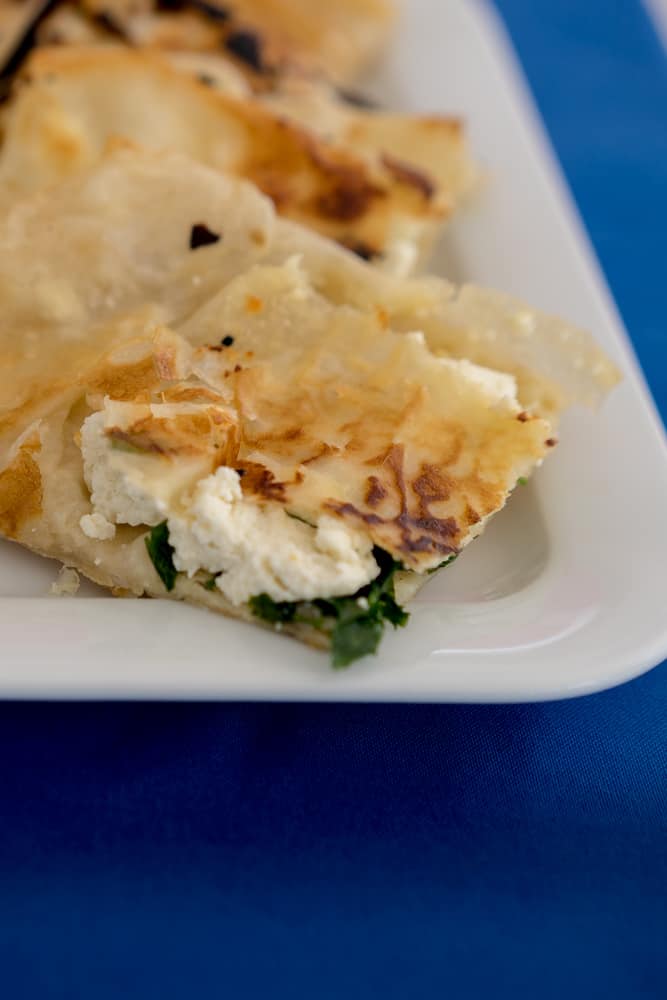
The included breakfast at Venus Hotel was outstanding. Almost all hotels and guesthouses will offer some breakfast.
For fantastic Turkish and Mediterranean food and hospitality, we recommend White House Restaurant. We came here for lunch on the first day, and we liked it so much that we came back for dinner that same day and the following night. Why would you go anywhere else with food so good and genuine hospitality?
The lamb chops are amazing! The veggies in her salads come from her garden and are served with olive oil and homemade pomegranate vinegar. Portions are a good size, and you will not leave hungry. On top of that, you’ll get a warm welcome and be treated like a real guest from when you arrive.
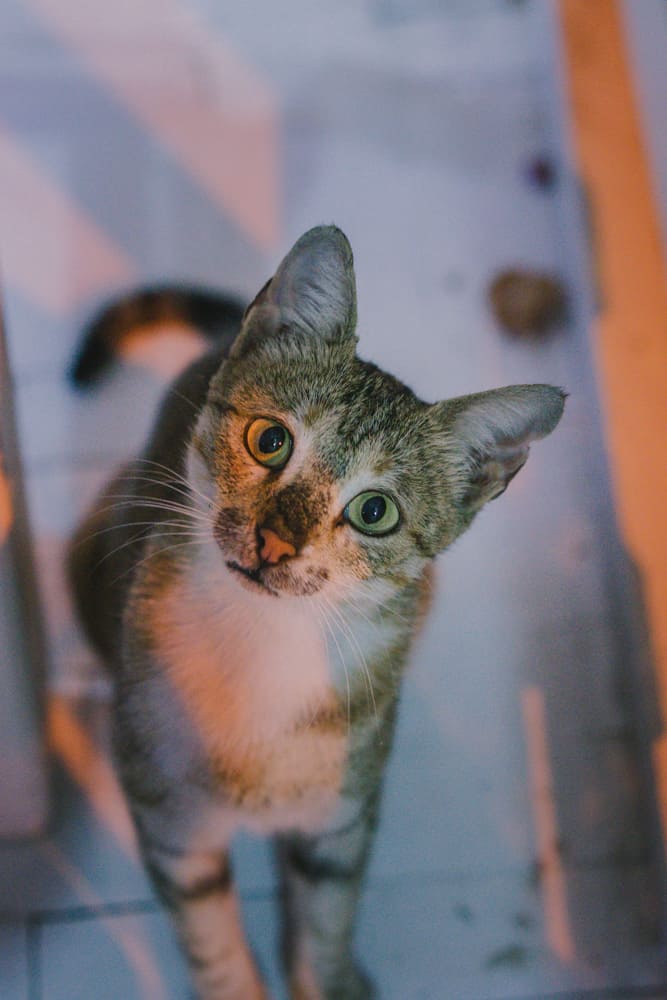
Ali, the owner, always offered us Turkish coffee or tea on the house after our meals. Like almost anywhere else in Turkey, you’ll find a cat patiently waiting for scraps when you look under your table. You really should go and experience the food and atmosphere at the White House.
HOW TO GET TO PAMUKKALE

Pamukkale is one of the main tourist sights in Turkey and is well connected to other cities in the country. The nearest airport is Denizli Çardak in Denizli, which is about 20 km away.
Pamukkale is easily visited on a day trip from the coastal resort towns of Kusadasi, Bodrum or Selçuk (near Ephesus). While it’s convenient to take one of these day trips, we think spending the night is much more relaxing.
We will show you how to reach Pamukkale from Istanbul, Cappadocia and Kaş on the Turquoise Coast in this guide.
HOW TO GET TO PAMUKKALE FROM ISTANBUL
Istanbul is about 600 km away from Pamukkale, and the fastest (best) way to go from Istanbul to Pumakkale is to take a flight to Denizli Çardak airport. Both Turkish Airlines and budget airline Pegasus fly between Istanbul and Denizli. Denizli Çardak airport is still about an hour away from Pamukkale.
Arrange your airport transfer between the airport and Pumakkale for as little as $32 per car from Gettransfer. Or, if you have time to waste, take a bus from the airport to the otogar (bus terminal) in Denizli and transfer there to another bus that will eventually get you to Pamukkale.
BUS TO PAMUKKALE FROM CAPPADOCIA

There are no direct flights or trains between Cappadocia and Pamukkale. To fly between the two, you’ll probably have to transit in Istanbul, which will be time consuming and expensive.
We took the night bus from Göreme after spending a wonderful time in Cappadocia. Taking the night bus is the best way to travel between Cappadocia and Pamukkale. Book your Goreme-Pamukkale bus tickets here.
There are at least two buses every night in summer in each direction. We bought the ticket directly from the bus station in Göreme the day before departure. We travelled on the Metro Turizm bus, which was modern and comfortable as far as night buses go. Each seat had its own little tv screen, WiFi and a USB port.
The journey takes about 10 hours, and the bus stops a few times for bathroom breaks and to grab a bite to eat along the way. There is a toilet on board as well. The bus ticket price is 120 Lyra (things change, so this will too). The bus departs Göreme around 23:30 every night (in summer) and arrives in Pamukkale around 9:00 the following day.
HOW TO GET TO KAŞ FROM PAMUKKALE
To get to Kaş, a stunning seaside town on the Turquoise Coast and one of our favourite places in the whole world, you can take a direct bus.
Fethiye Seyahat bus company has a direct bus every morning at 8:00. The journey takes about 5 hours, and the last hour of the ride along the coast is really spectacular. You can buy the ticket from the bus station in Pamukkale (near White House restaurant) the day before departure, or online.
It’s also possible to get to Kaş with a transfer in Antalya or Fethiye, but this will take longer.
PAMUKKALE OPENING HOURS AND ENTRANCE FEES

As of 2020, the entrance fee for the Pamukkale travertines and Hierapolis ruins is set at 100 Lyra. To swim in the Cleopatra Pool is an extra 50 Lyra.
Opening hours for Hierapolis and the Travertines:
Open year-round.
Summer (1 April – 30 September) 06:30 to 23:00
Winter (1 October -31 March) 06:30 to 19:00
Opening hours for Cleopatra’s Pool:
Only open between 15 April 15 – 2 October from 08:00 – 21:00
IS PAMUKKALE IN TURKEY WORTH VISITING?
Pamukkale should definitely be on your to-do list in Turkey. The stunning combination of the hot springs and the ancient ruins gives you the chance to see some unique and beautiful sights in very close proximity. Pamukkale is spectacular, and it is one of the most famous landmarks in Turkey to visit. You will not regret coming here.
