
Wondering how to spend 4 days in Kyoto? This detailed itinerary covers everything from breakfast to izakaya dinners. In between, we visit the top attractions in Kyoto, explore a few local neighbourhoods, and simply enjoy the city.
Our Kyoto 4-day itinerary shows you exactly how we did it, making it easy to plan your own trip. Our itinerary is realistic and perfect for first-timers seeking a mix of culture, food, and a bit of urban nature thrown in the mix.
So join us as we show you how we spent four days in Japan’s cultural capital, one stop at a time.
Our priority list for Kyoto was to:
- Check off the top tourist attractions
- Eat as much amazing food as possible
- Wander around and photograph everyday life in Kyoto.
We did all of that during our four days in Kyoto. This itinerary showcases the best of Kyoto in an easy-to-follow and practical travel guide. We think that four days is the optimal time for first-time visitors.
Please note: This post may contain affiliate links. This means I may earn a commission if you make a purchase by clicking a link (at no extra cost to you). As an Amazon Associate, I earn from qualifying purchases. Learn more.
Quick Guide to Kyoto
Visited: 29 Oct- 2 Nov. We hoped for some fall scenery, but late October is still too early for that. To see fall in Kyoto, plan a trip between mid-November and early December.
Where we stayed: Piece Hostel Sanjo is a classy hostel in central Kyoto. We stayed in an ensuite double room and can definitely recommend it.
How many days in Kyoto? Four days were just right to see Kyoto and include a day trip to Nara. We could probably have stayed another day, but three days would have felt rushed for our travel style.
Transportation: Our Kyoto itinerary uses a mix of subway, buses, and walking. Use Google Maps to find the best transit routes. We found Kyoto’s public transportation super convenient and easy to use.
Train Pass: We travelled in Japan using the JR Kansai-Hiroshima Area Pass, and it was excellent value. In Kyoto, the day trip to Nara is fully covered by the JR Pass.
How to Spend 4 Days in Kyoto
We were excited to visit Kyoto and looked forward to great food and cultural sights. Kyoto didn’t disappoint.
But before we answer how to spend 4 days in Kyoto, we need to talk about setting realistic expectations.
First off, Kyoto is popular (understatement alert). And by popular, we mean ridonkeylous levels of busy in some places. Before our trip, we read about overtourism in Kyoto and thought,
Yeah-nah, it can’t be that bad.
Turns out, it is.
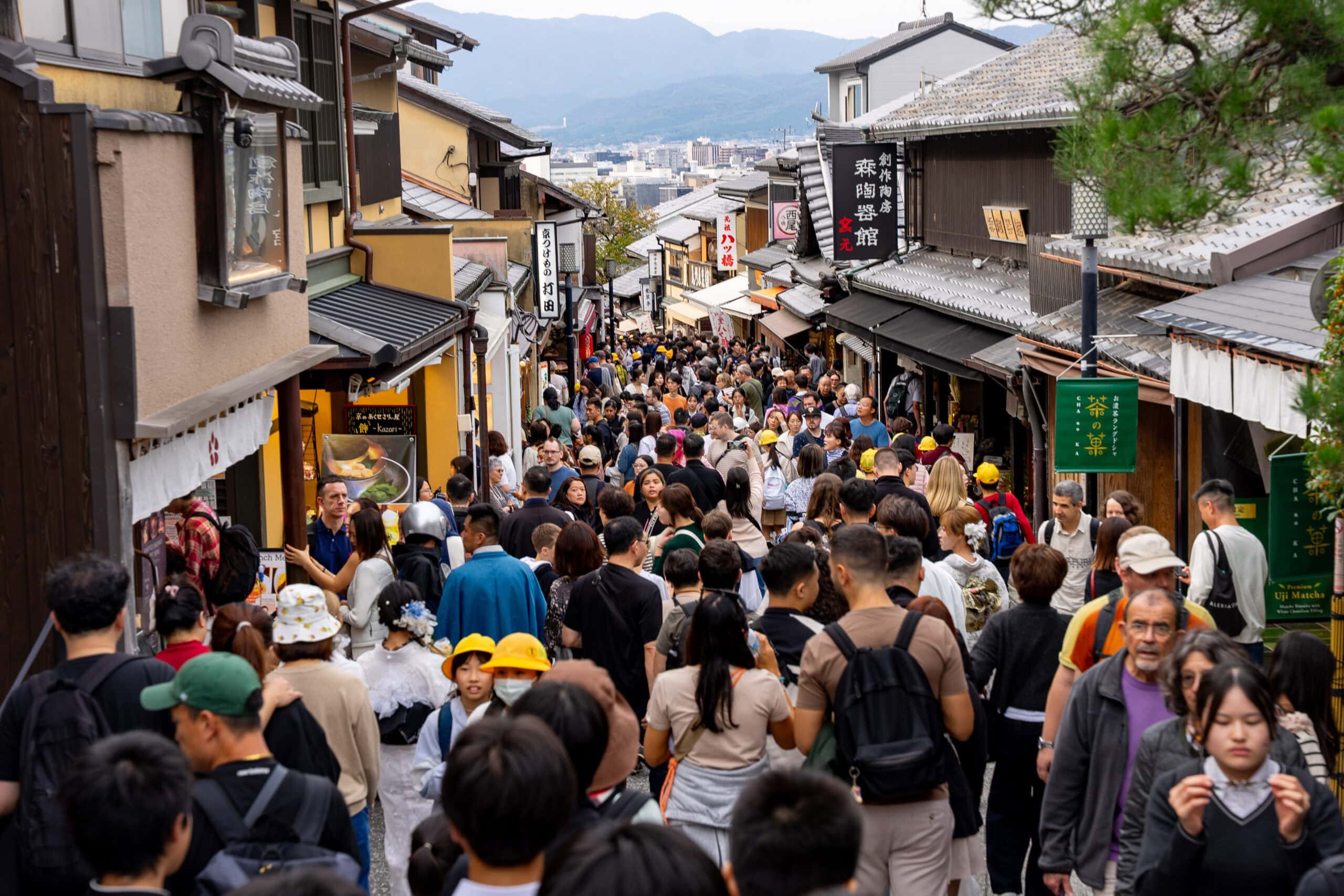
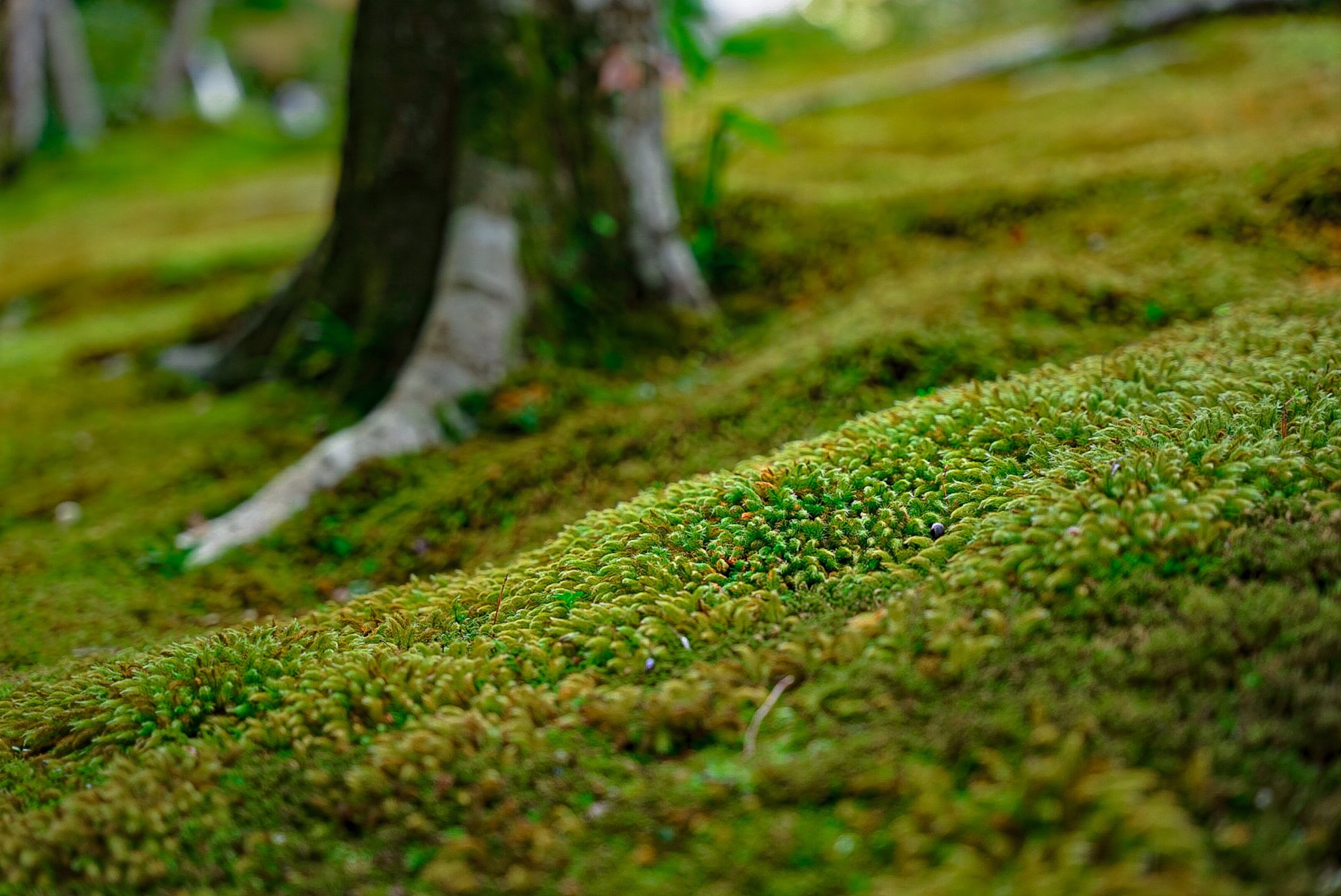
Take Fushimi Inari Taisha, for example. We went expecting a peaceful walk through the red torii gates. What we got felt more like a Black Friday sale at Walmart.
After that, we quickly scrapped our plans to visit the Arashiyama Bamboo Forest the next day. The red torii gates and bamboo forest are on everyone’s Kyoto bucket list, so don’t expect a zen experience when visiting them.
Kyoto may be known as the City of 10,000 Shrines, but that doesn’t mean you need to see all of them. FOMO is real and’ll tempt you to cram in every temple and garden.
Our advice? Don’t. Slow down. Pick two or three places and enjoy them properly. You can thank us later.
Ultimately, your time in Kyoto will ride a seesaw between immense crowds and moments of utter zen. That is what I’ll tell you when you ask what to expect from a trip to Kyoto
A great Kyoto itinerary isn’t about ticking boxes. It’s about soaking up the atmosphere, choosing quality over quantity, and dodging crowds wherever possible.
Our 4-day Kyoto itinerary is made for first-time visitors who want to experience the best of the city without zigzagging through Kyoto like Mario on a Rainbow Road speed run.
Piece Hostel Sanjo: Home for 4 Nights in Kyoto
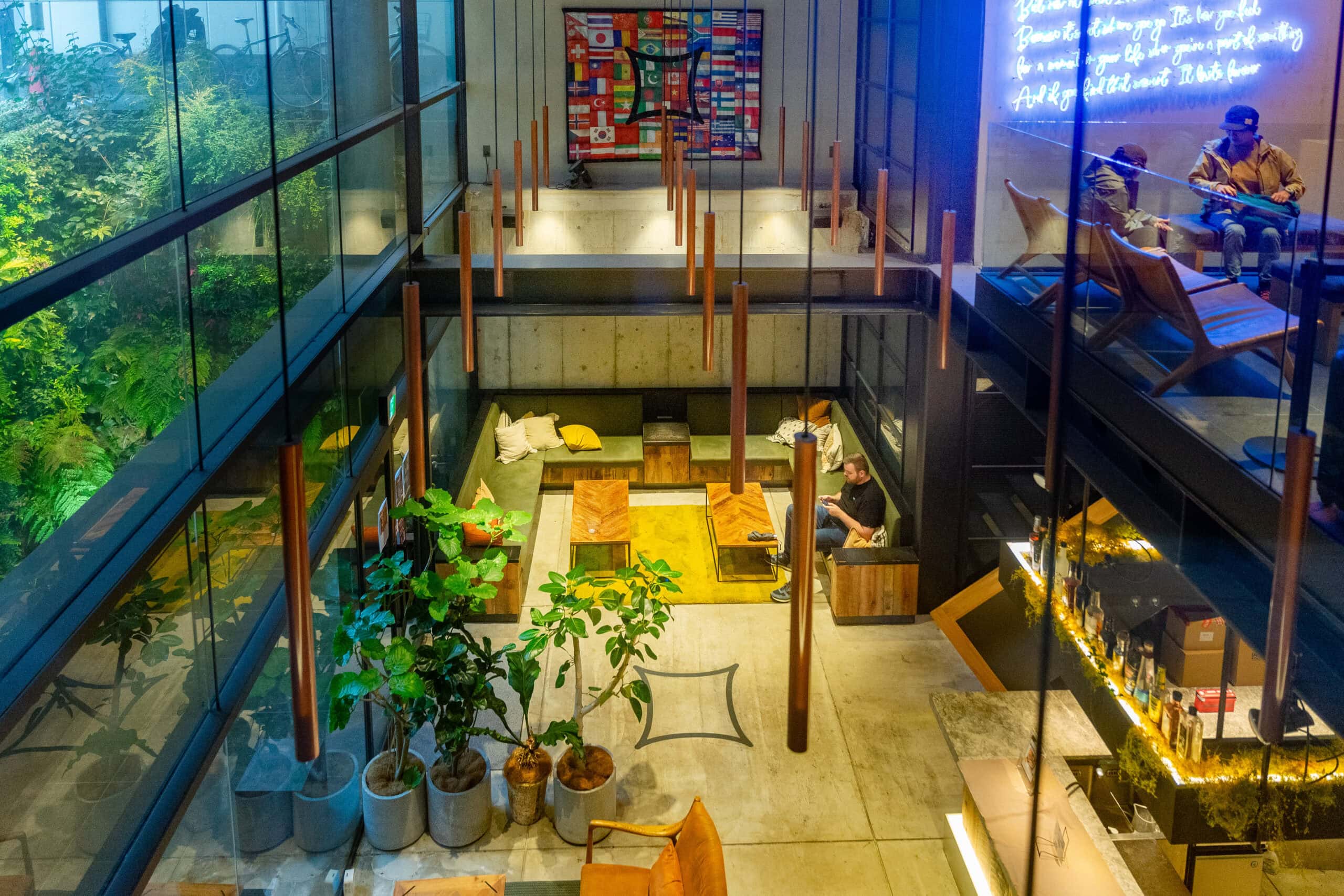
We stayed at Piece Hostel Sanjo in an ensuite double room and were surprised by how much we loved it.
We thought our hostel days were long behind us, but this stylish, grown-up hostel proved us wrong. It’s a fantastic and affordable option for travellers who want comfort without blowing the budget.
The location is unbeatable, tucked down a quiet lane but just a short stroll from Nishiki Food Market and Shinkyogoku Shopping Street.
It’s a 10-minute walk to Karasuma Oike Station, from where you can reach Kyoto Station within a few minutes. The area around the hostel is peppered with wonderful places to eat and drink.
The hostel is split across two buildings—reception, bar, and dorms on one side of the street and private rooms on the other, giving the double rooms a bit of added privacy. Our ensuite room was simple but well-designed, with everything we needed.
We loved the spacious common spaces and the well-equipped kitchen. Bonus points for the free ground coffee.
TL;DR: Our Colour-coded Kyoto 4-Day Itinerary
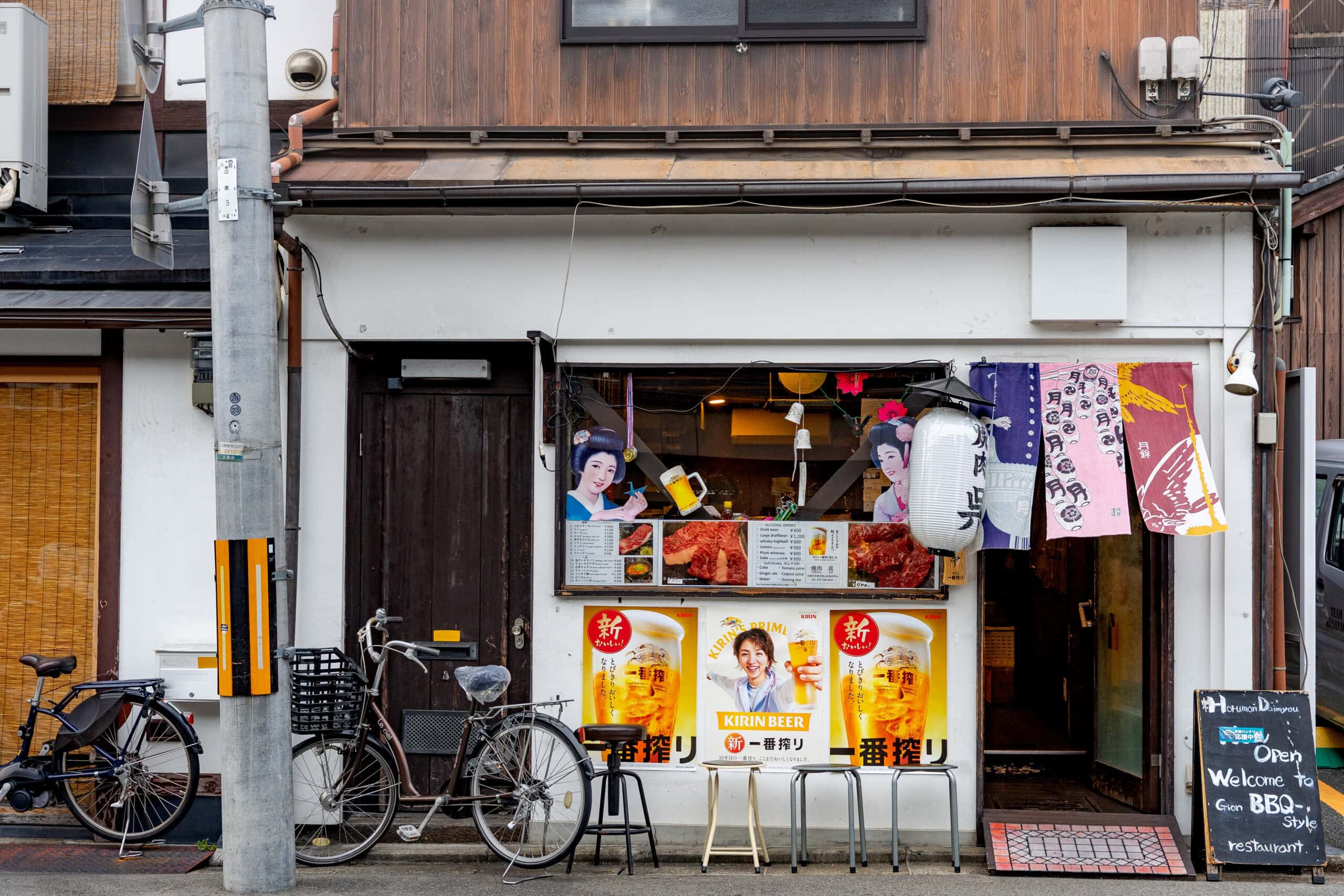
Without realising it, our Kyoto trip turned out perfectly colour-coded, with each day having a distinct colour when we look back now.
Day 1: Golden brown – Deep fried delicacies
- Arrival and check in at Piece Hostel Sanjo
- Wagyu gyukatsu for lunch
- Kyoto Shinkyogoku Shopping Street
- Nishiki Food Market
- Izakaya dinner
Day 2: Green – Forest shrines
- Day trip to Nara
Day 3: Red – Torii Gates, temples & wagyu
- Convenience store breakfast
- Fushimi Inari Taisha
- Kiyomizu-dera Temple
- Soba and tofu lunch
- Neighbourhood walk
- Wagyu Yakiniku dinner
Day 4: Gold – Temple, castle & drinks
- Breakfast with Kyoto’s seniors
- Golden Temple
- Nijo Castle
- Pontocho Alley
- Yakitori dinner
Day 1- Golden Brown: Arrival & Kyoto Food Scene
Our train from Kinosaki Onsen arrived around midday. We dropped our suitcase at our hostel and went out for lunch. It was raining, so we took things slow today and eased into Kyoto by getting to know its incredible food scene.
Lunch at Tonkatsu Katsuda
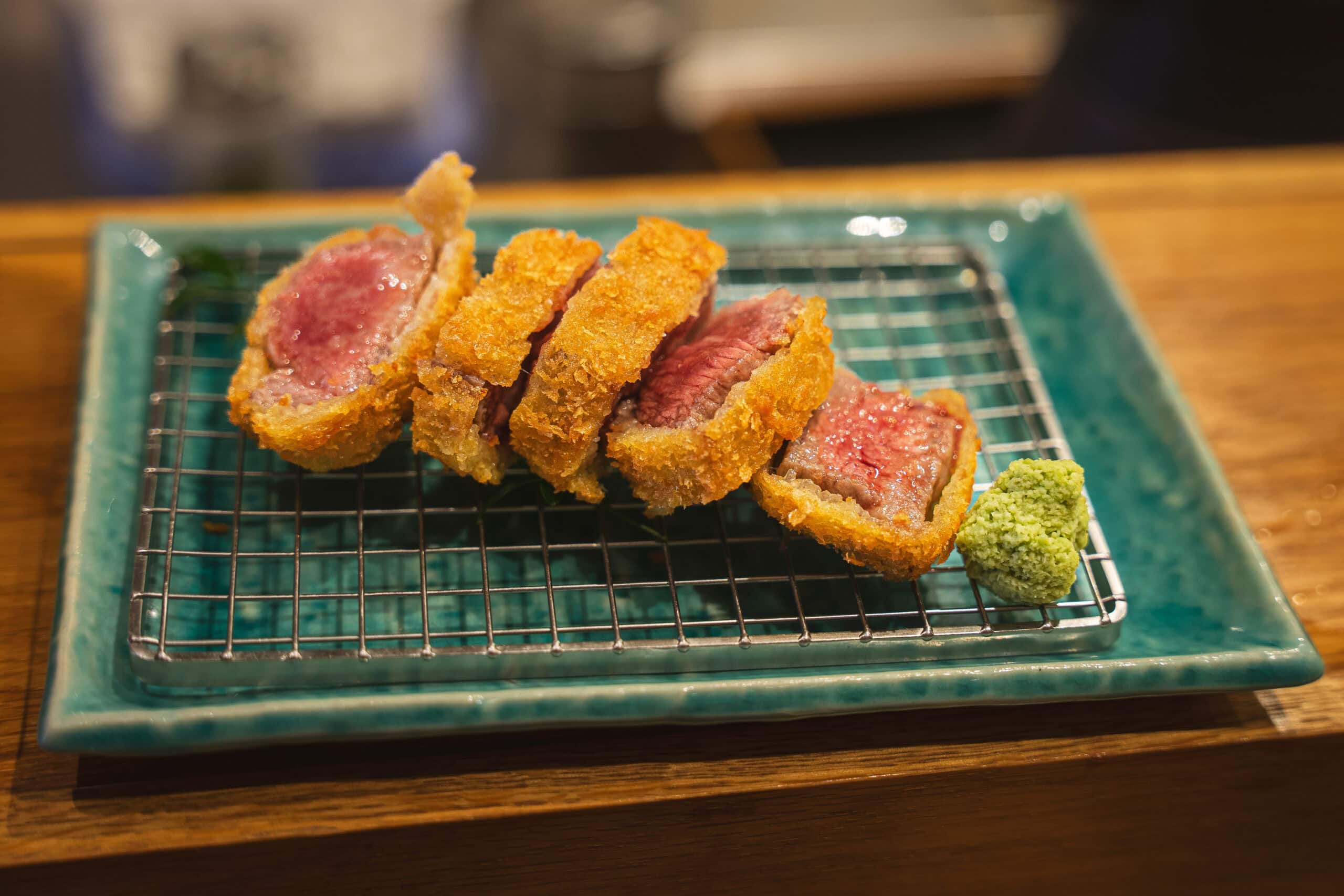
One of my favourite Japanese dishes is katsu (a breaded and fried cutlet), and Jin did me a biggie by hunting down one of the best katsu joints to kick off our Kyoto trip.
What makes this place special is their gyukatsu, a cutlet using beef instead of the traditional pork. But it’s not any beef; they really up the game and use proper wagyu. It’s the proverbial melt-in-your-mouth encrusted in planko deep-fried goodness.
Tonkatsu Katsuda is one of the top-rated restaurants in Kyoto on Tripadvisor, but luckily, we got a seat at the bar right away. Perhaps because we came here after the lunch hour.
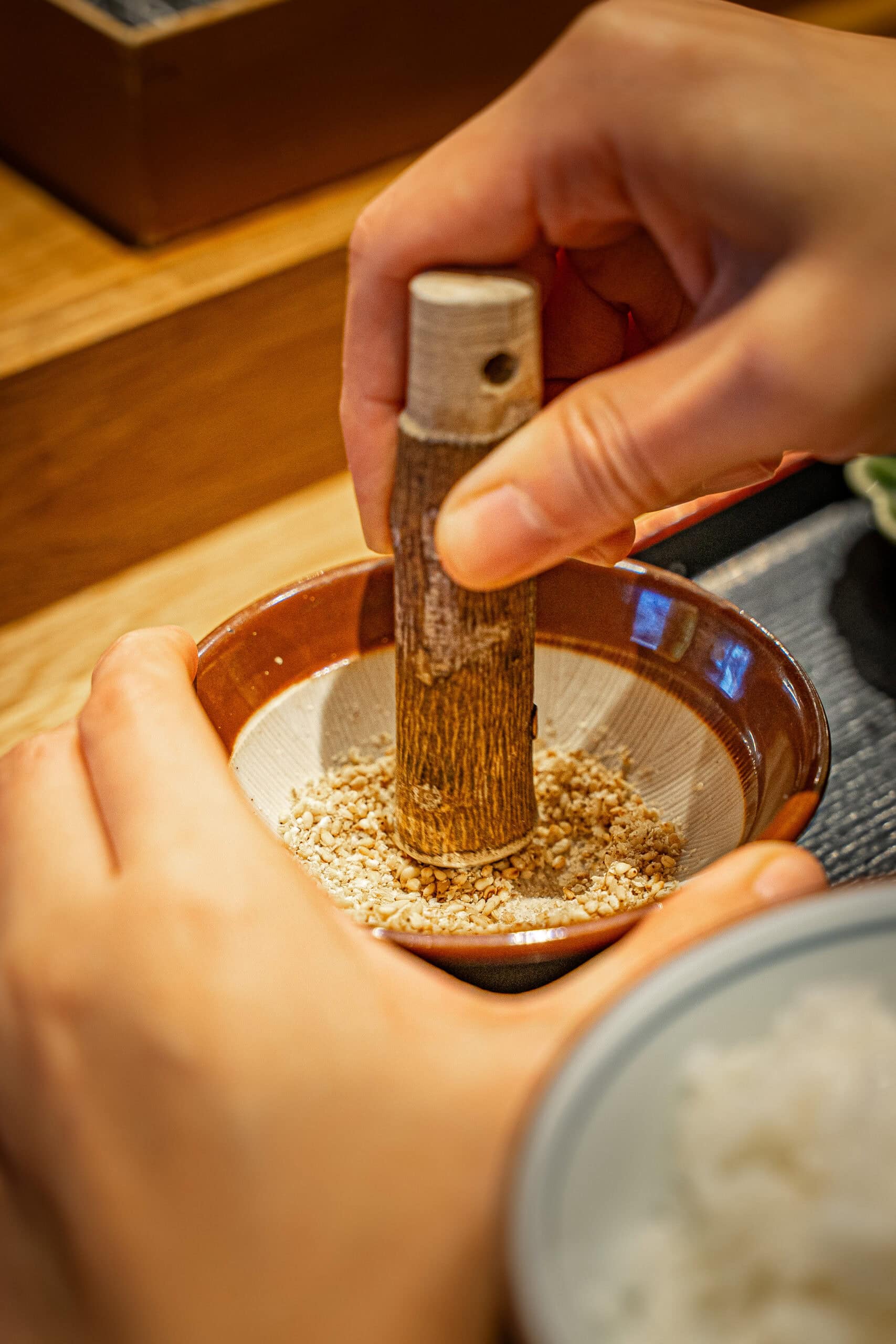
After ordering, we got a little plate of sesame seeds, which we had to crush to mix with the katsu sauce. So we crushed it while sipping beer and watching our cutlets get fried right in front of us.
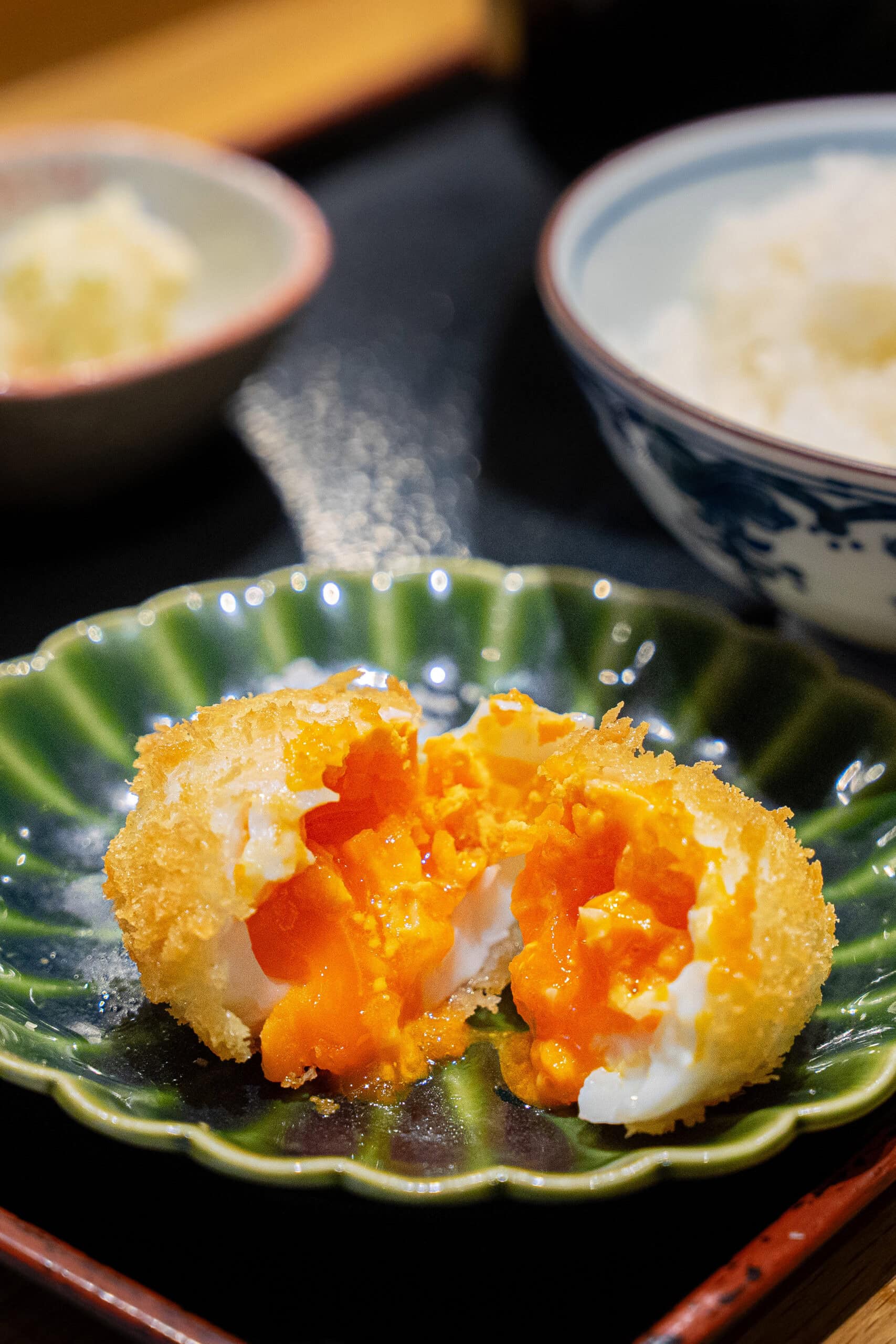
I ordered the Wagyu Beef Cutlet Galore set (¥3,500), which comes with wagyu, pork, and chicken cutlet, and vegetable tempura. Jin had the regular pork katsu set. All sets come with an ultimate egg, a jammy egg that you can mix with your rice and curry sauce.
The food was INCREDIBLE!
Menu
Location
Hours: 11:30-21:45
Teramachi-dori & Shinkyogoku Shopping Streets
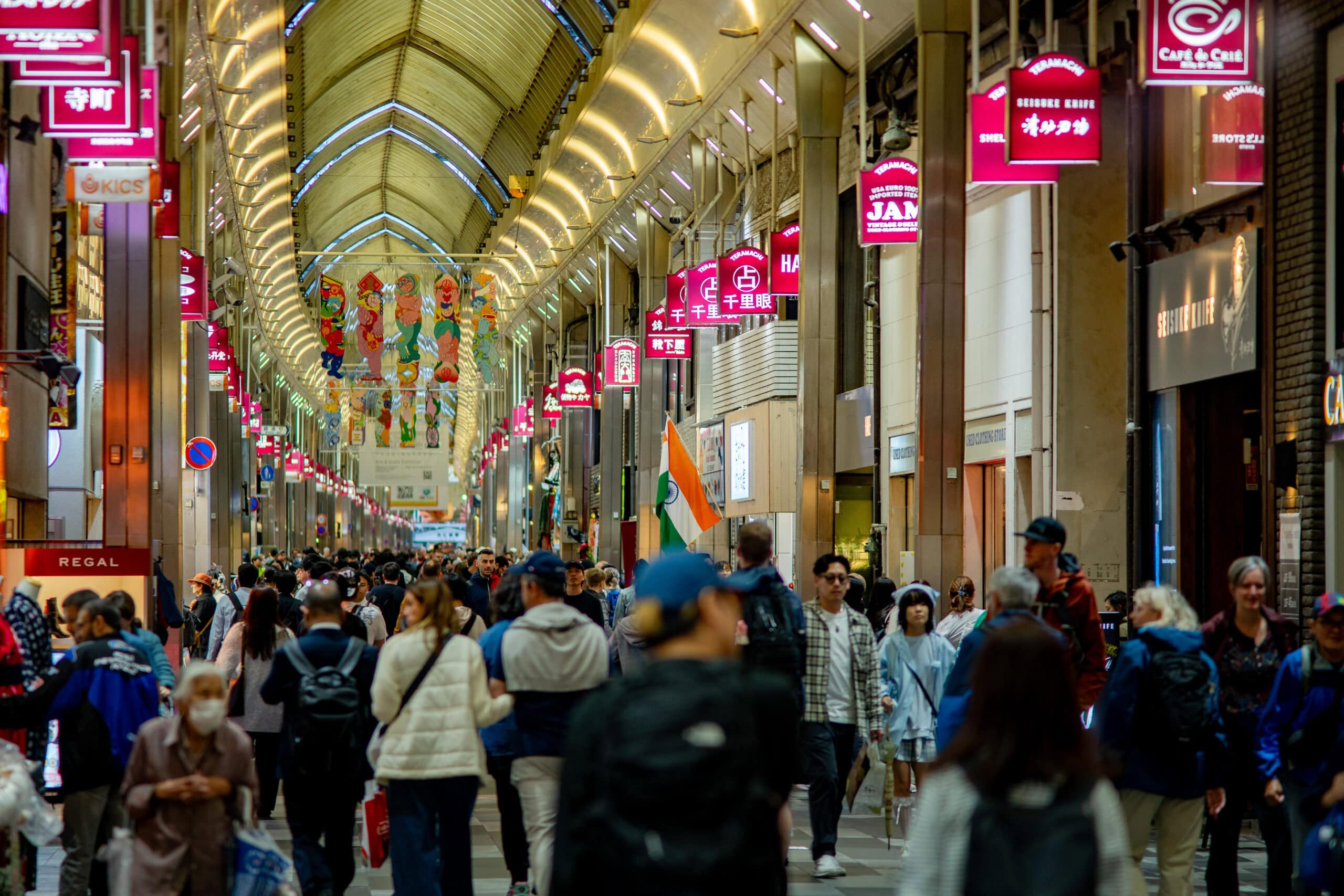
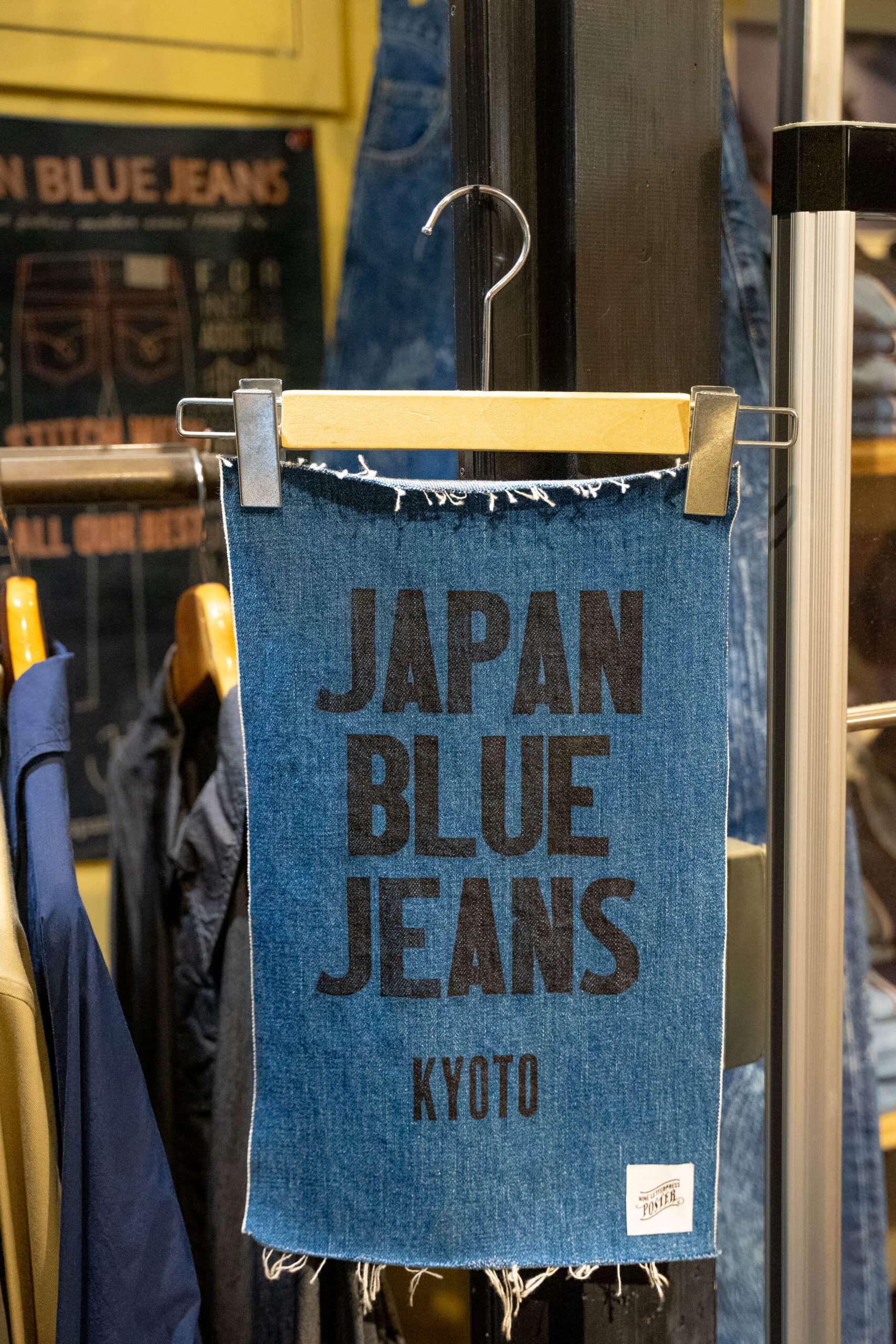
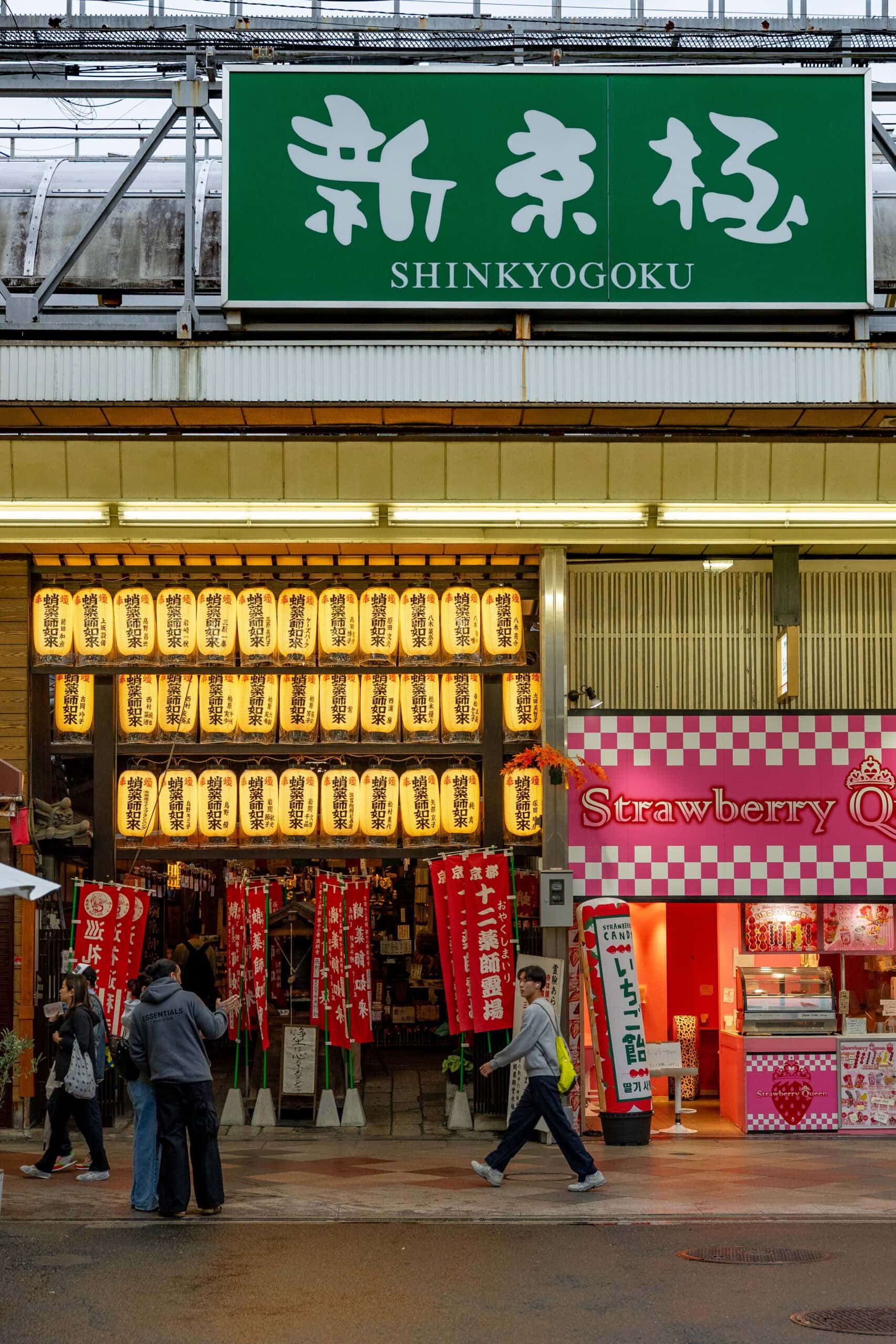
Shinkyogoku Shopping Street is a lively 500-metre covered arcade in central Kyoto, packed with an eclectic mix of shops and entertainment. While we definitely didn’t come to Kyoto on a shopping trip, the shopping street was a great little detour and a welcome refuge from the rain.
While strolling along, you’ll pass quirky souvenir stores, fashion boutiques, bookshops, arcades, and the Samurai Ninja Museum.
It’s touristy, but also a great spot to pick up fun gifts, sample local snacks, or simply soak in the atmosphere. Shinkyogoku Street runs parallel to Teramachi Street, so it’s easy to explore both.
Nishiki Market
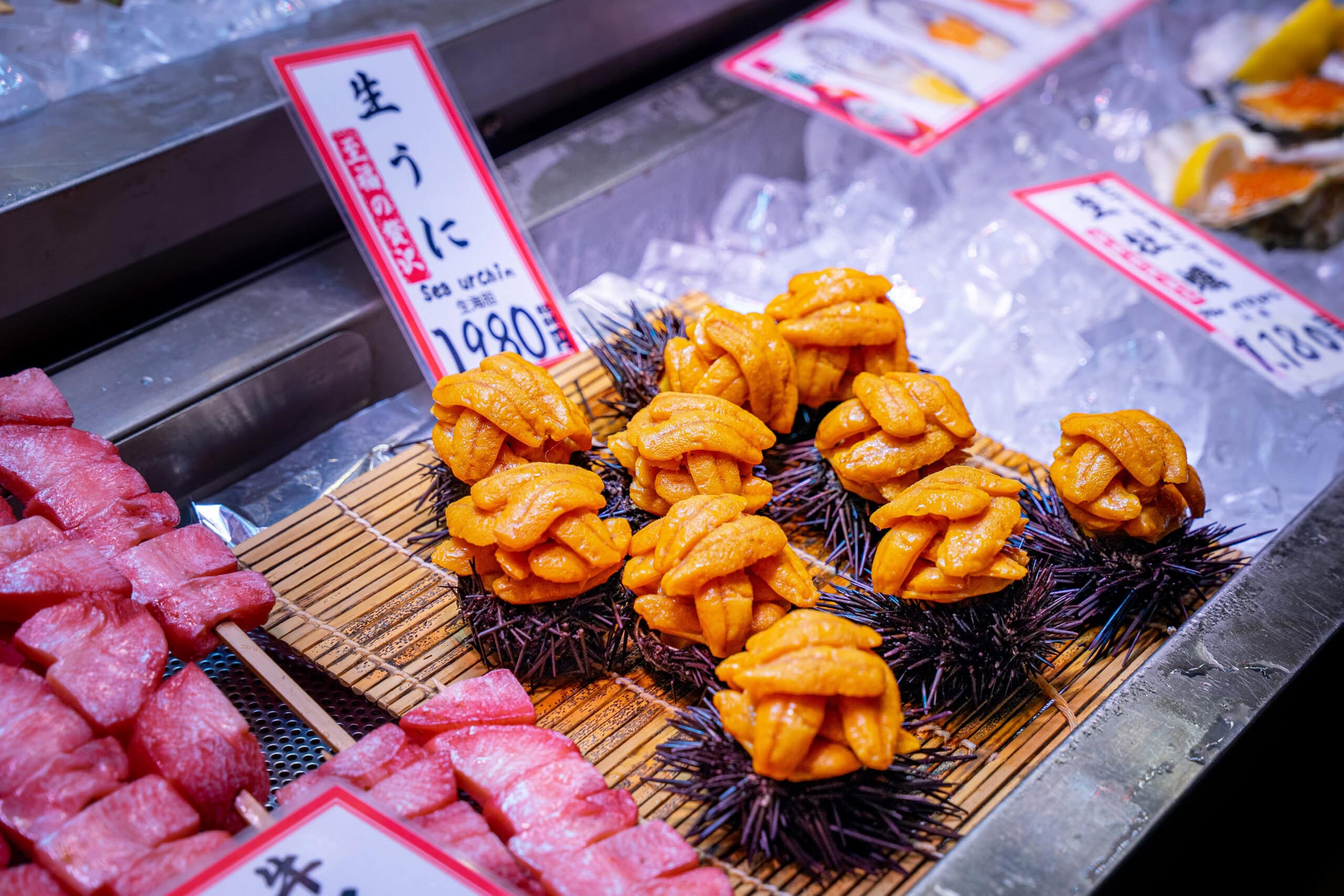
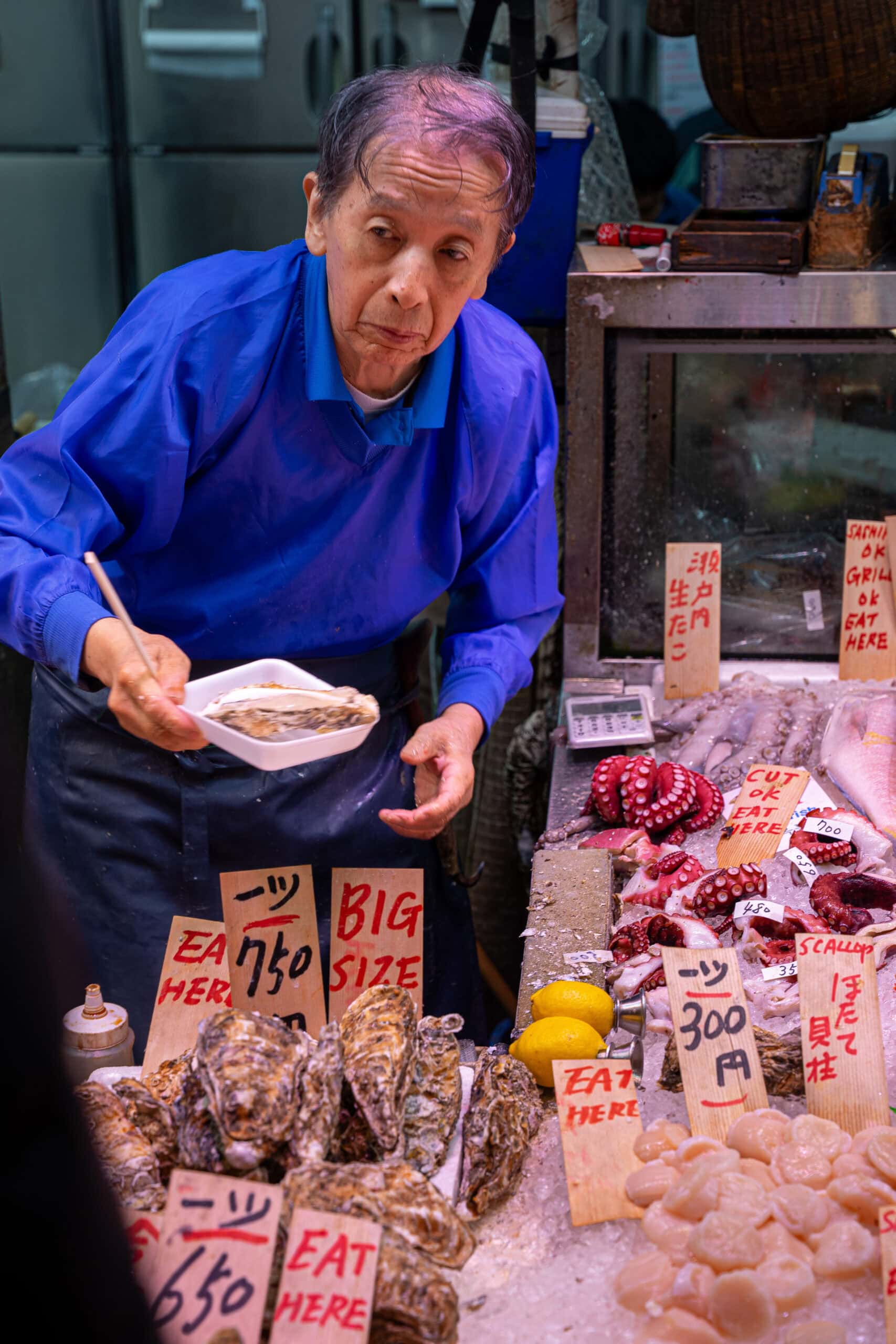
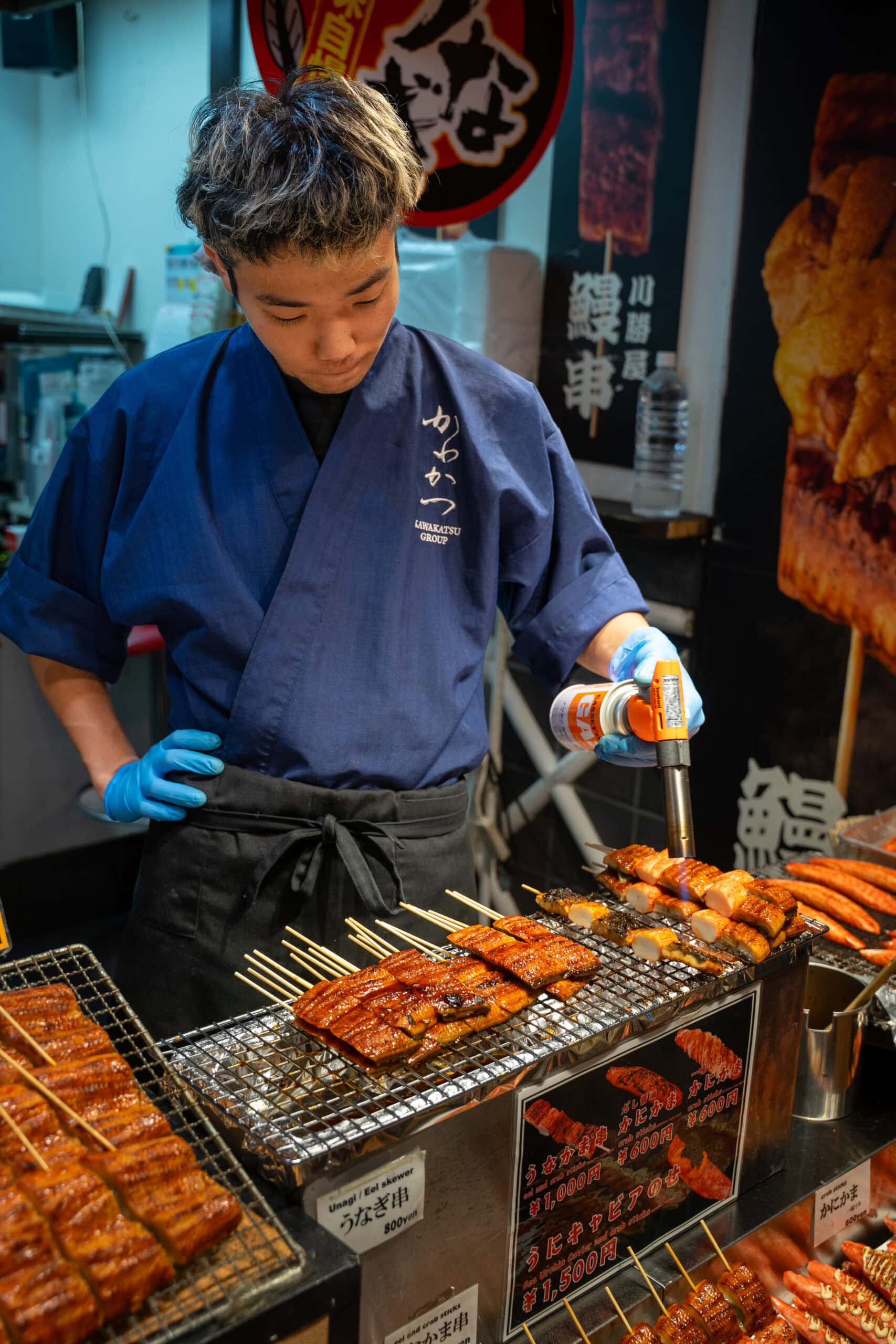
Nishiki Market, also known as Kyoto’s Kitchen, is a narrow street spanning five blocks that features over 120 food stalls and shops. Established in the 14th century, it is a historic centre for Kyoto street food.
You’ll find a diverse array of offerings, including grilled sparrow, yuba (tofu skin), fresh seafood, skewered snacks, and mochi. However, we found the market somewhat disappointing and overly touristy, with many shops displaying wax food models instead of real dishes, which took away from the experience.
Despite this, the variety of flavours and connection to Kyoto’s culinary culture made it an interesting stop—just manage your expectations. We preferred the more authentic experience at Kuromon Ichiba Market in Osaka.
Menus and signs are in English, making it easy to explore independently without the need for a tour.
Izakaya Dinner at Aiyo!
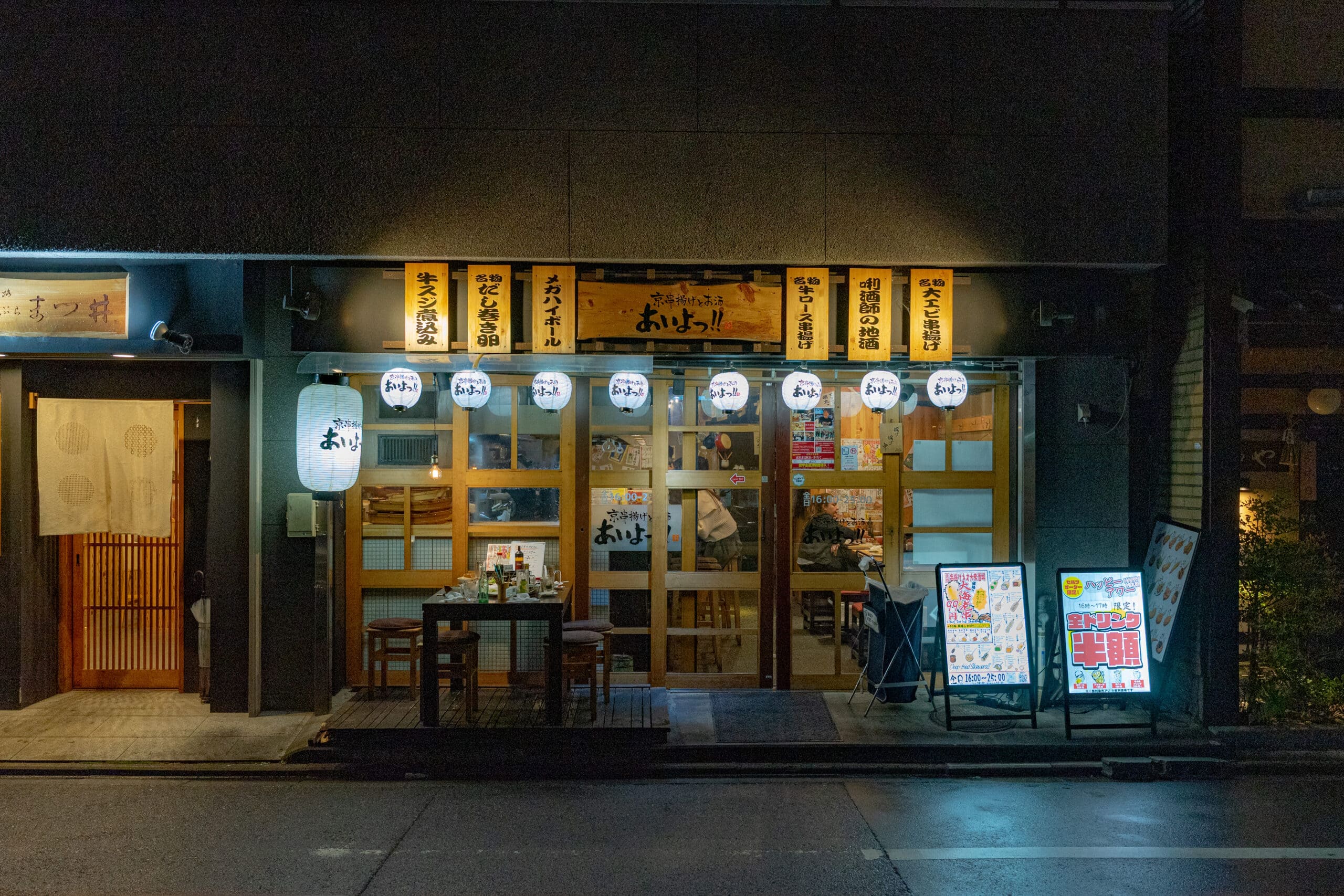
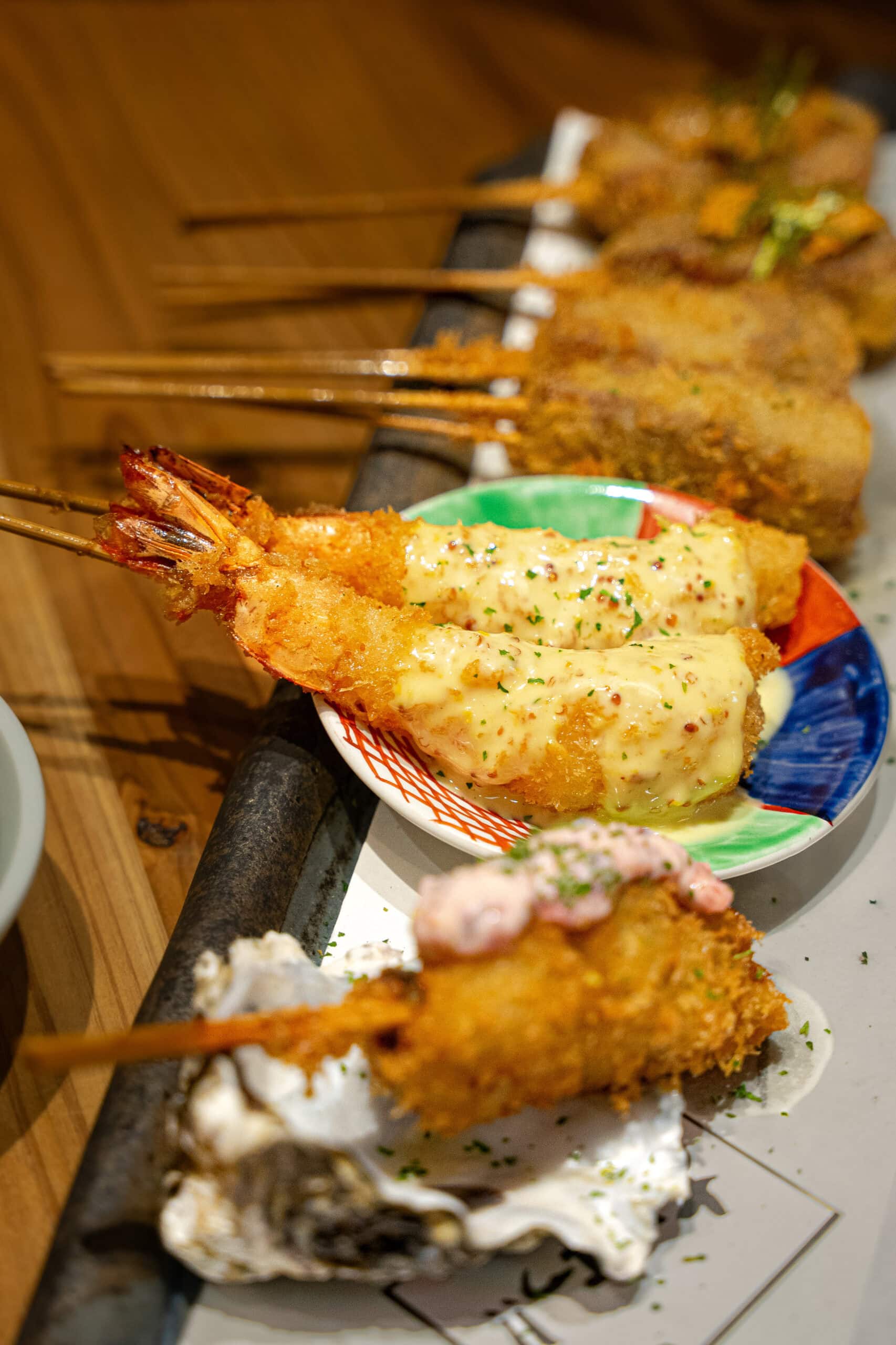
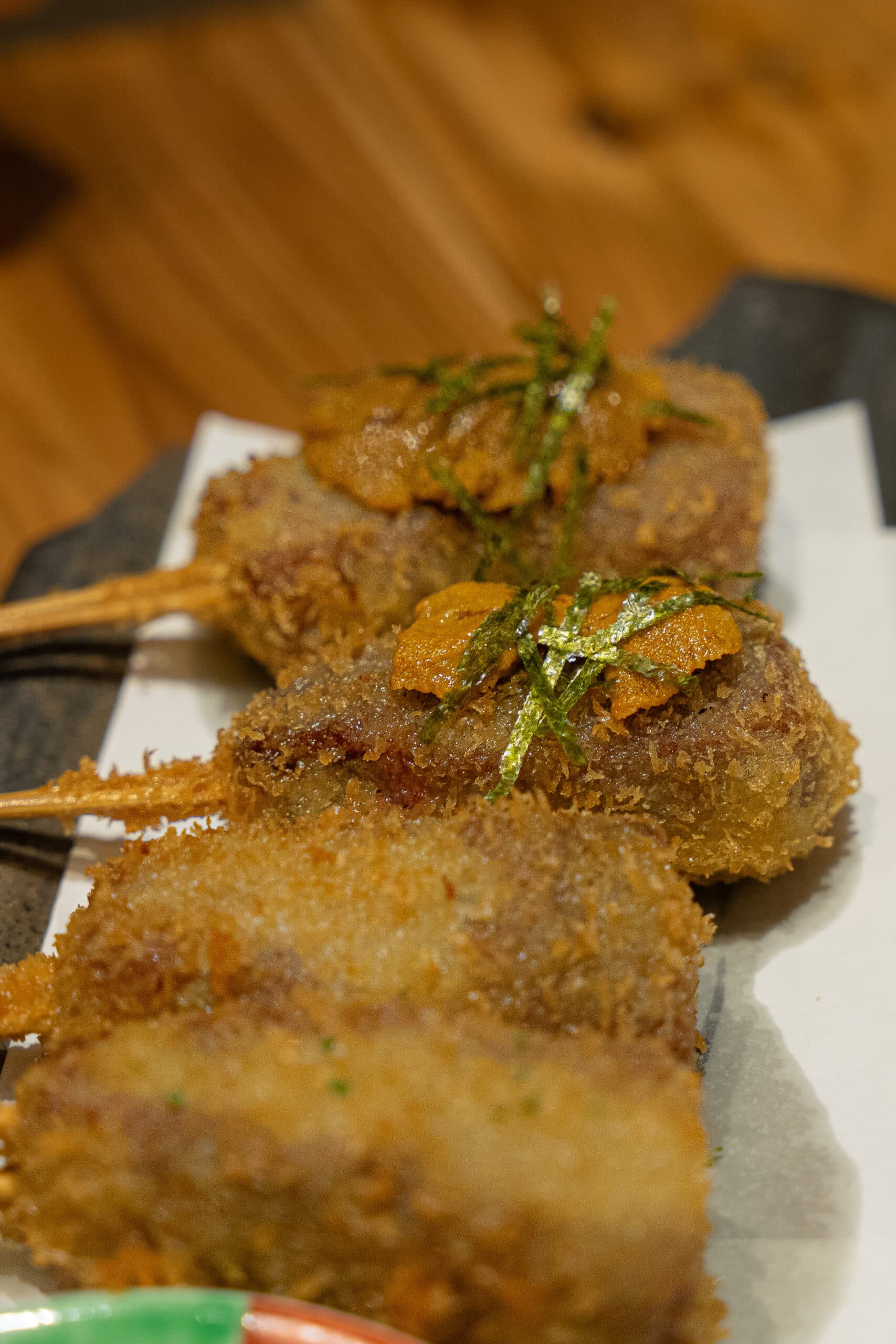
Just a few doors down from our hostel, Aiyo! Sanjo is a lively izakaya, the Japanese version of a casual pub or tapas bar. It’s a favourite spot for locals to unwind after work with drinks and small plates.
The place was packed with local businessmen and travellers during our visit.
Day 2- Green: Day Trip to Nara
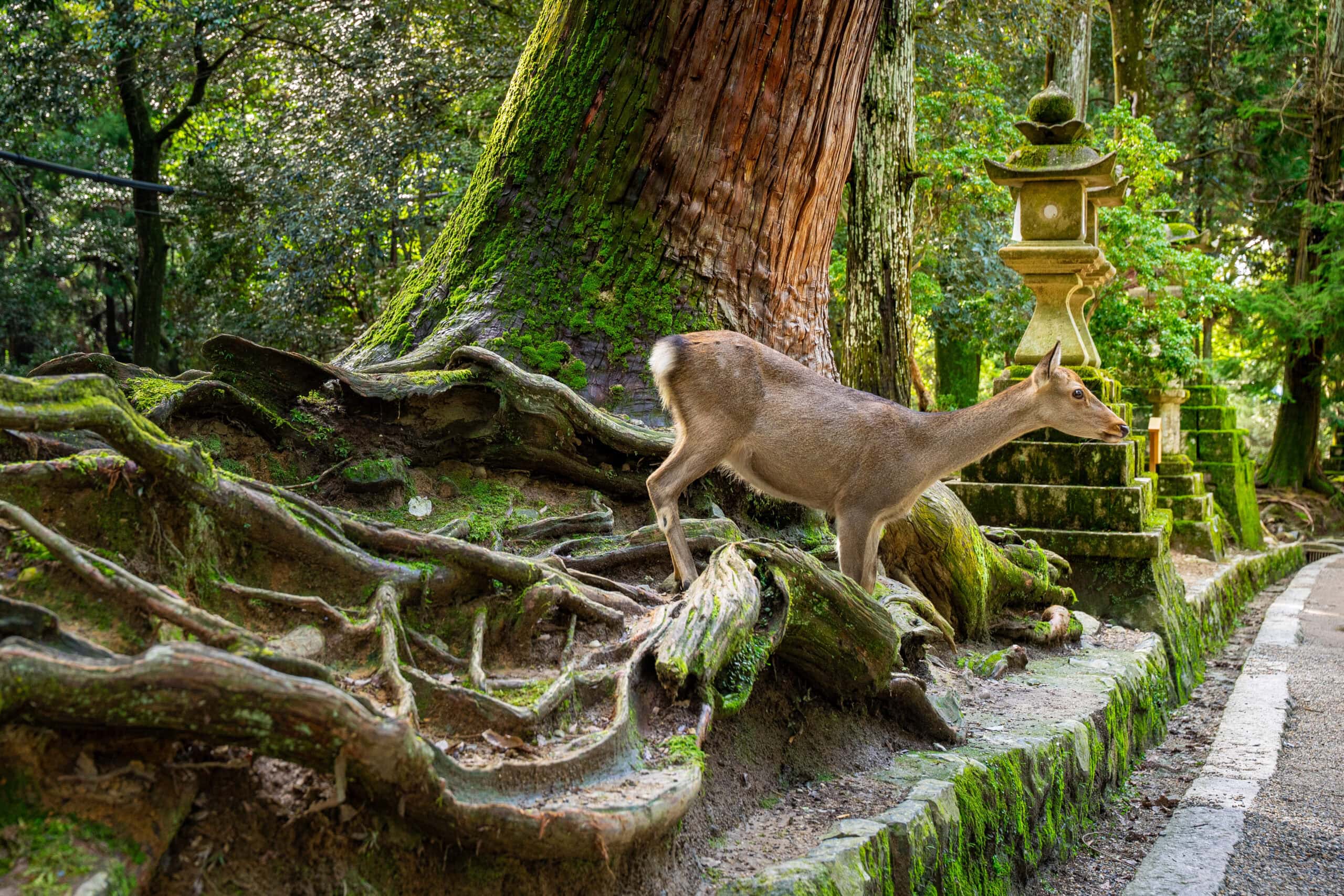
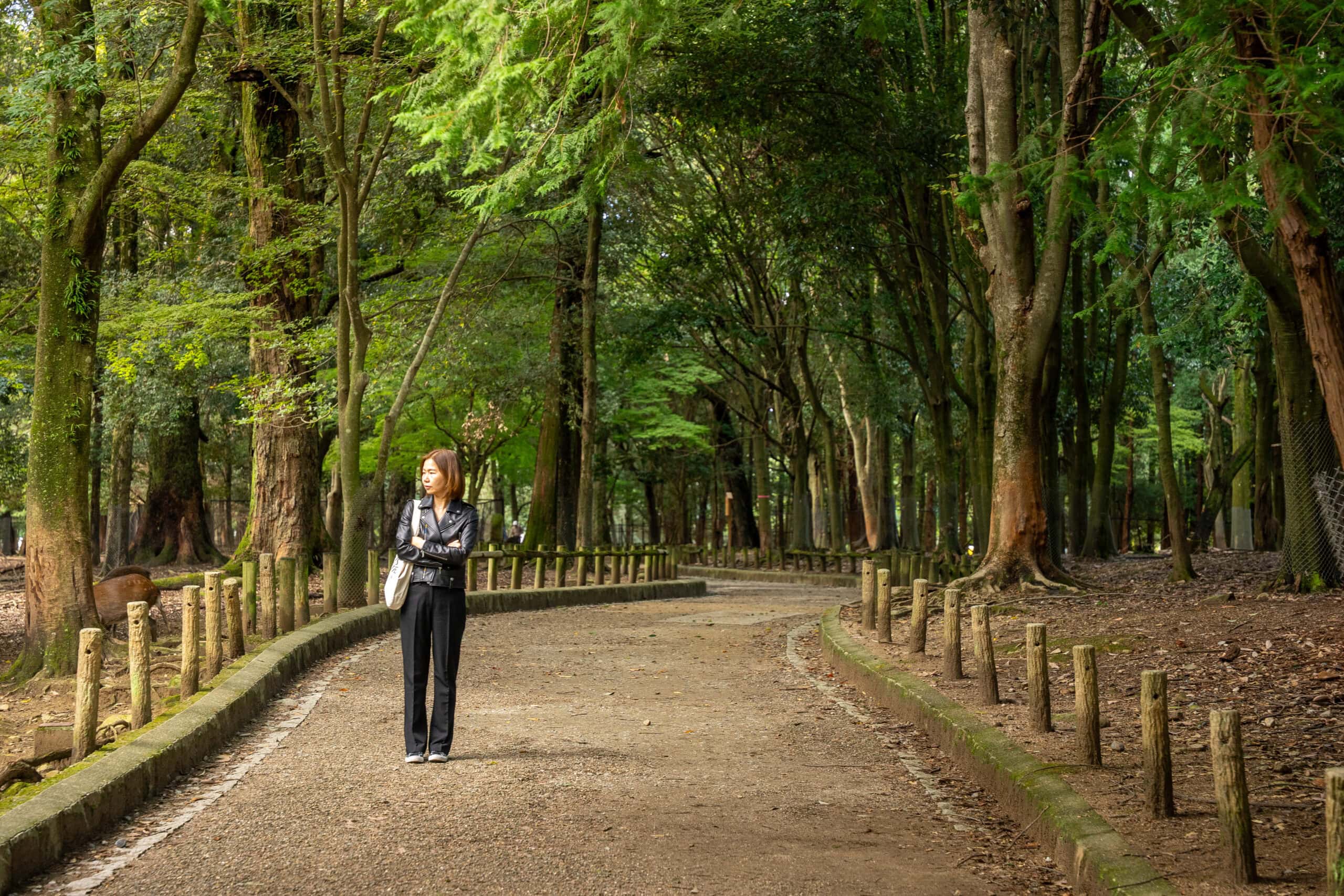
Nara, Japan’s first permanent capital, is a rewarding day trip from Kyoto. We loved Nara for its forest shrines, enormous wooden architecture, and, of course, its free-roaming deer.
Below is a brief overview; for the full details, check out our Nara day trip from Kyoto guide.
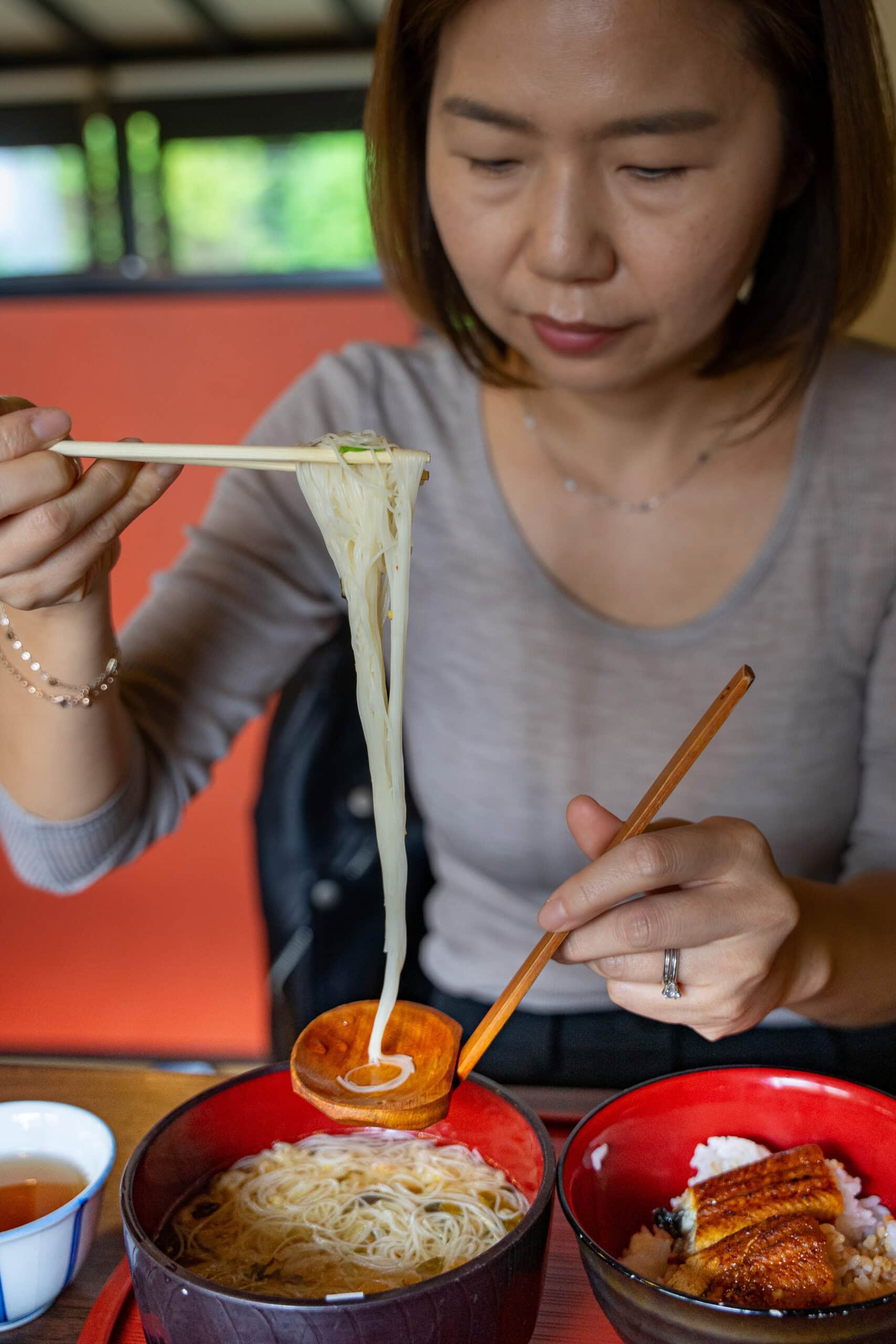
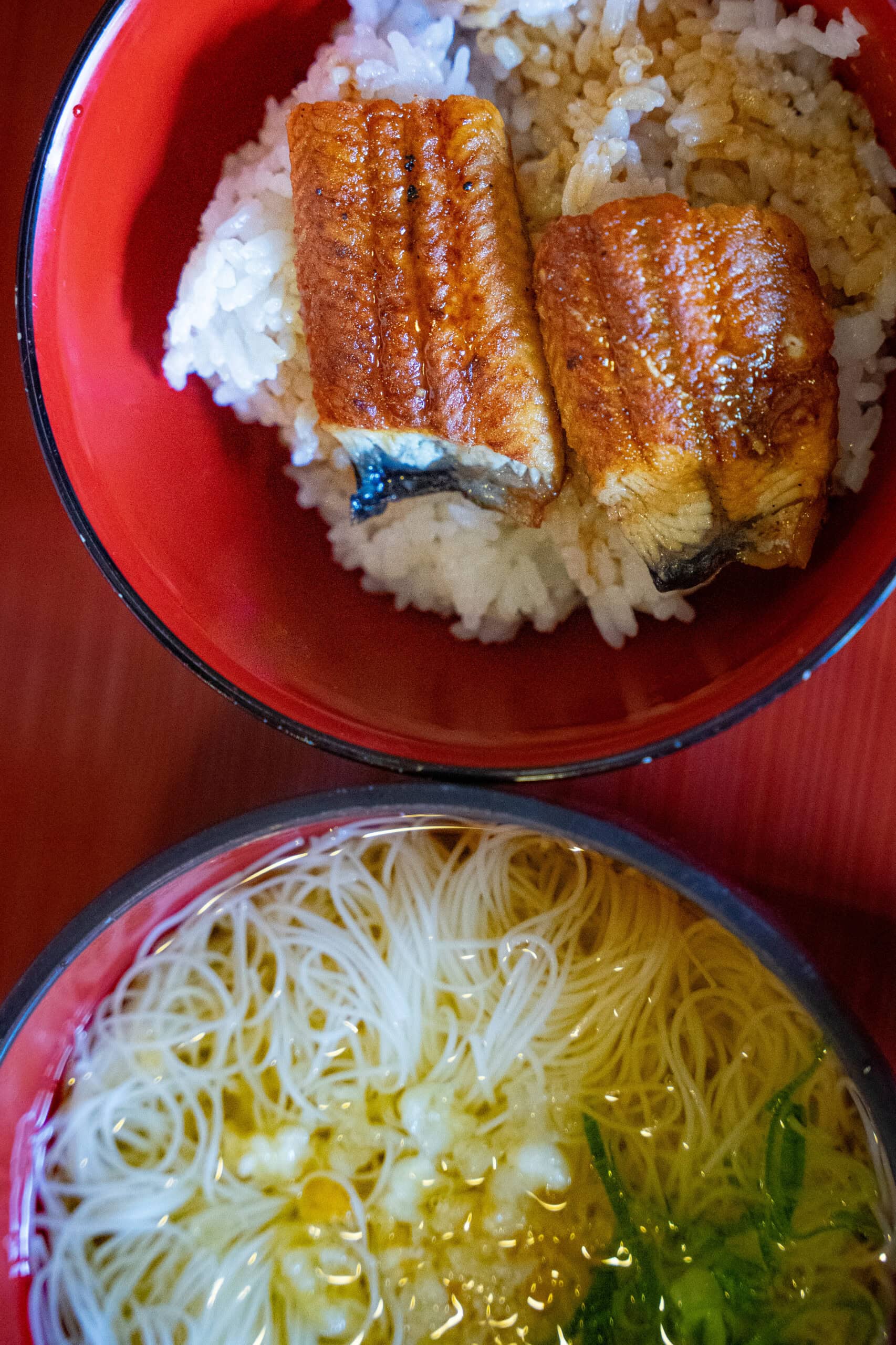
We skipped breakfast as we planned to have a nice local brunch after arriving in Nara. Arriving in Nara, we headed straight to Kanoko (location) for a fantastic meal of grilled eel, noodles and rice with mountain vegetables. It was damn fine.
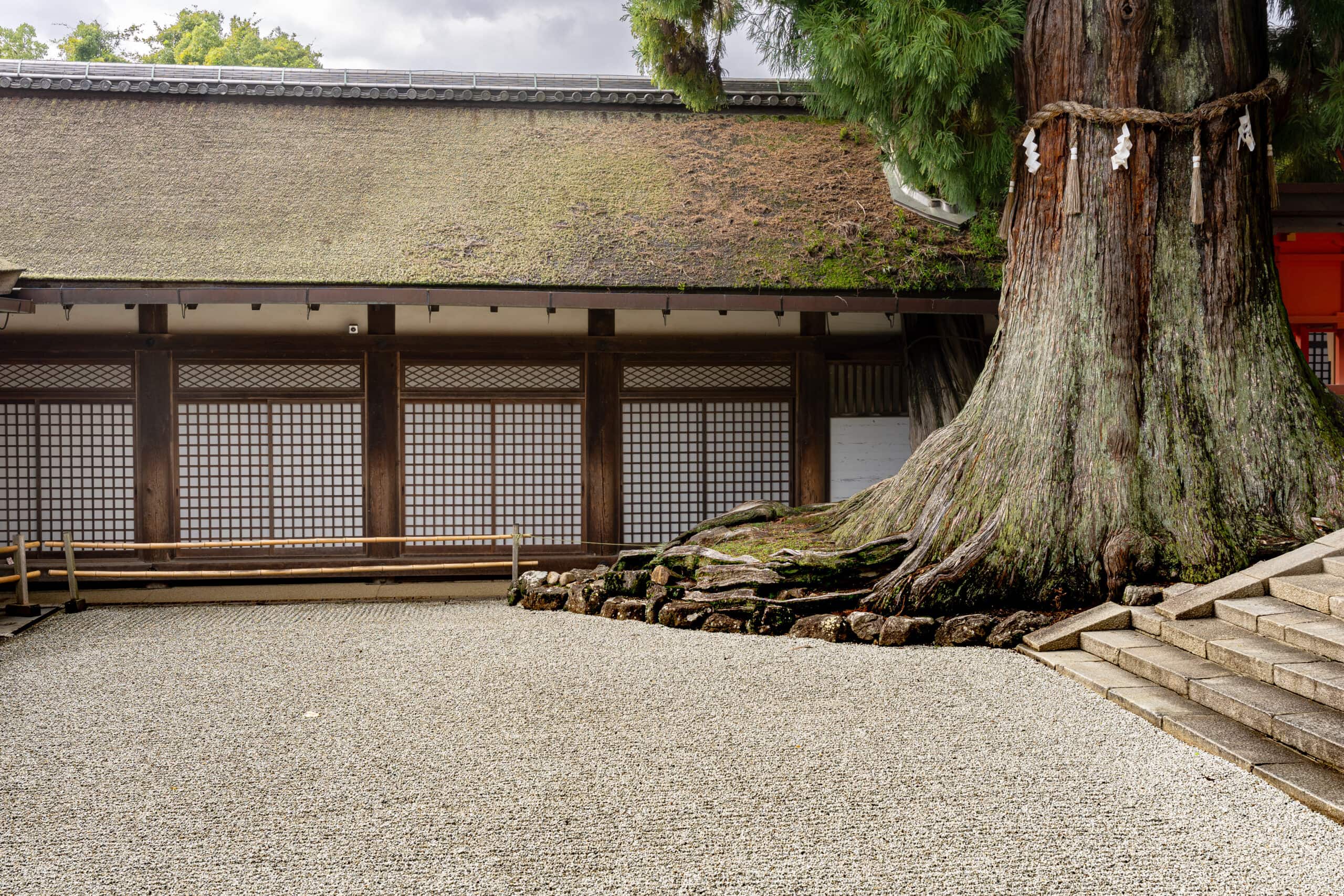
After brunch, a short walk leads us to Kasuga Taisha Shrine, set in a beautiful forested area. The approach to the shrine is lined with thousands of moss-covered stone lanterns and adorable deer that appear every few steps, begging for a snack or posing for a photo.
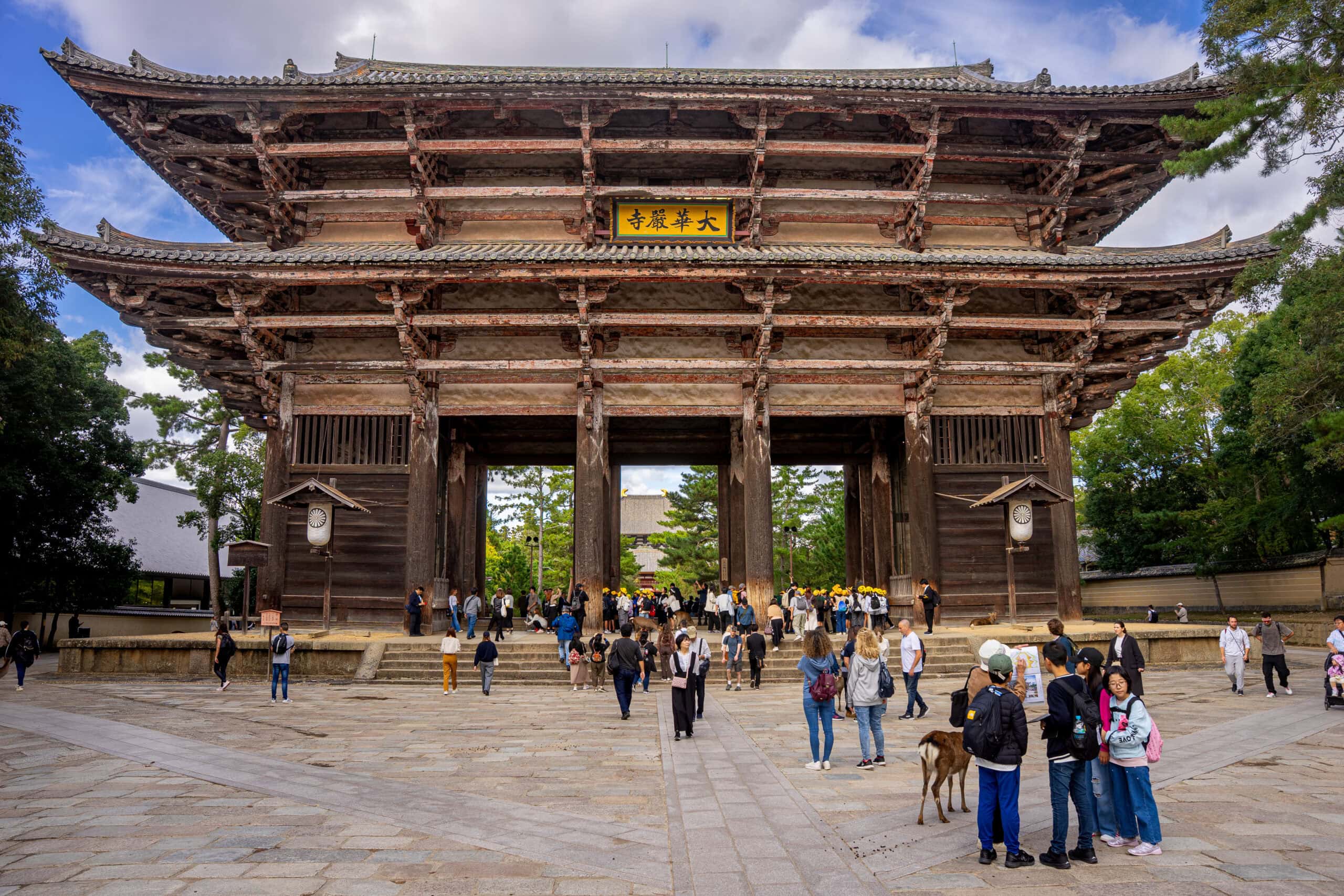
Next, we visited Todai-ji Temple, the largest wooden building in the world, which houses an equally enormous Buddha statue. No photo can truly capture the immense size of this temple.
The temple grounds are expansive and beautifully maintained, offering more than just the main hall; there are peaceful paths, secondary halls, and panoramic views to explore.
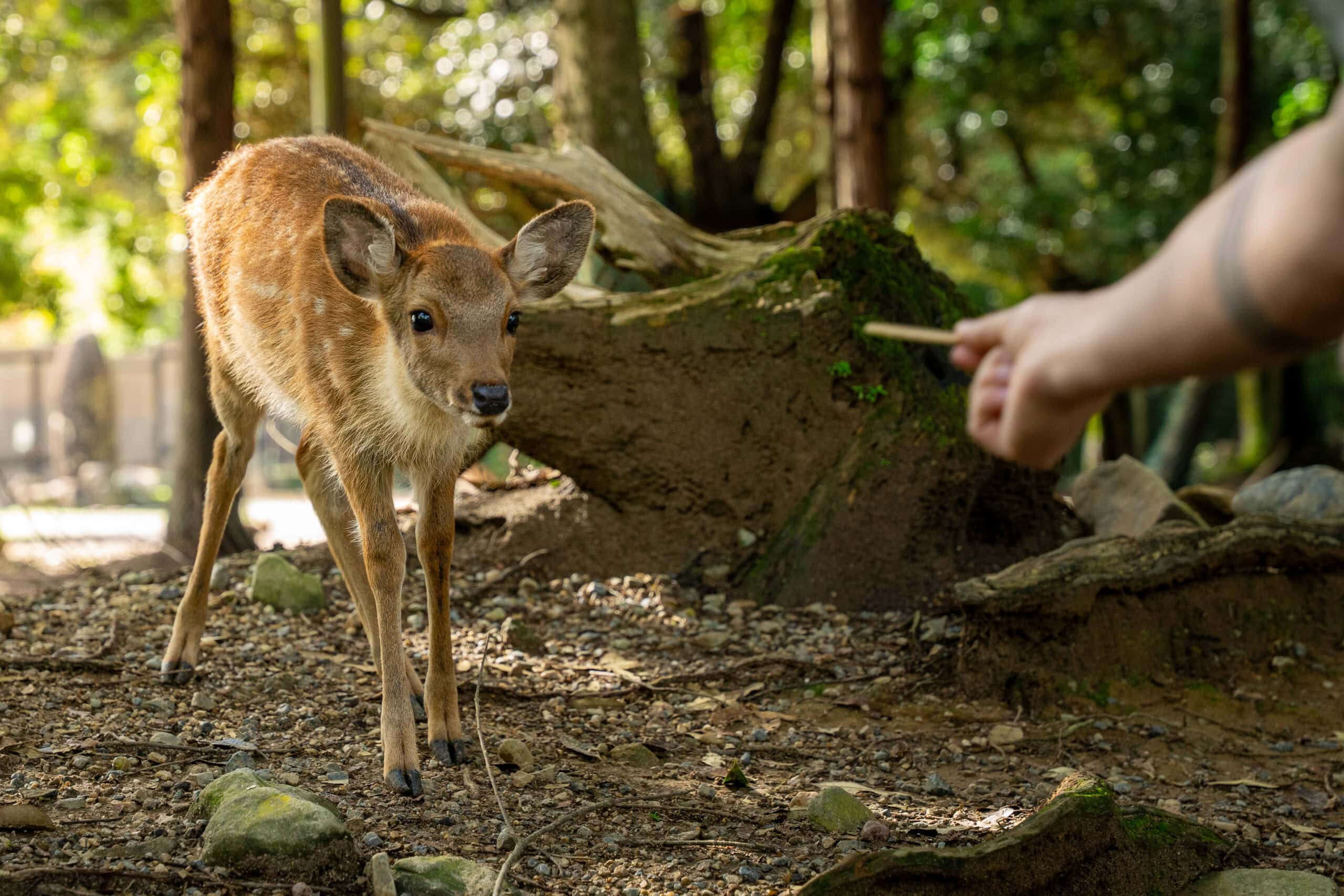
From there, we strolled into Nara Park, with hundreds of freely roaming deer. These sacred animals are regarded as messengers of the gods, and they’ve learned to bow in exchange for special deer crackers sold throughout the park.
While it’s fun to feed them, watch out as they will even start chewing on your trousers looking for a snack.
We ended your day in Nara at the Isuien Garden. This traditional Japanese garden is often overlooked by day-trippers, making it a beautiful and tranquil spot.
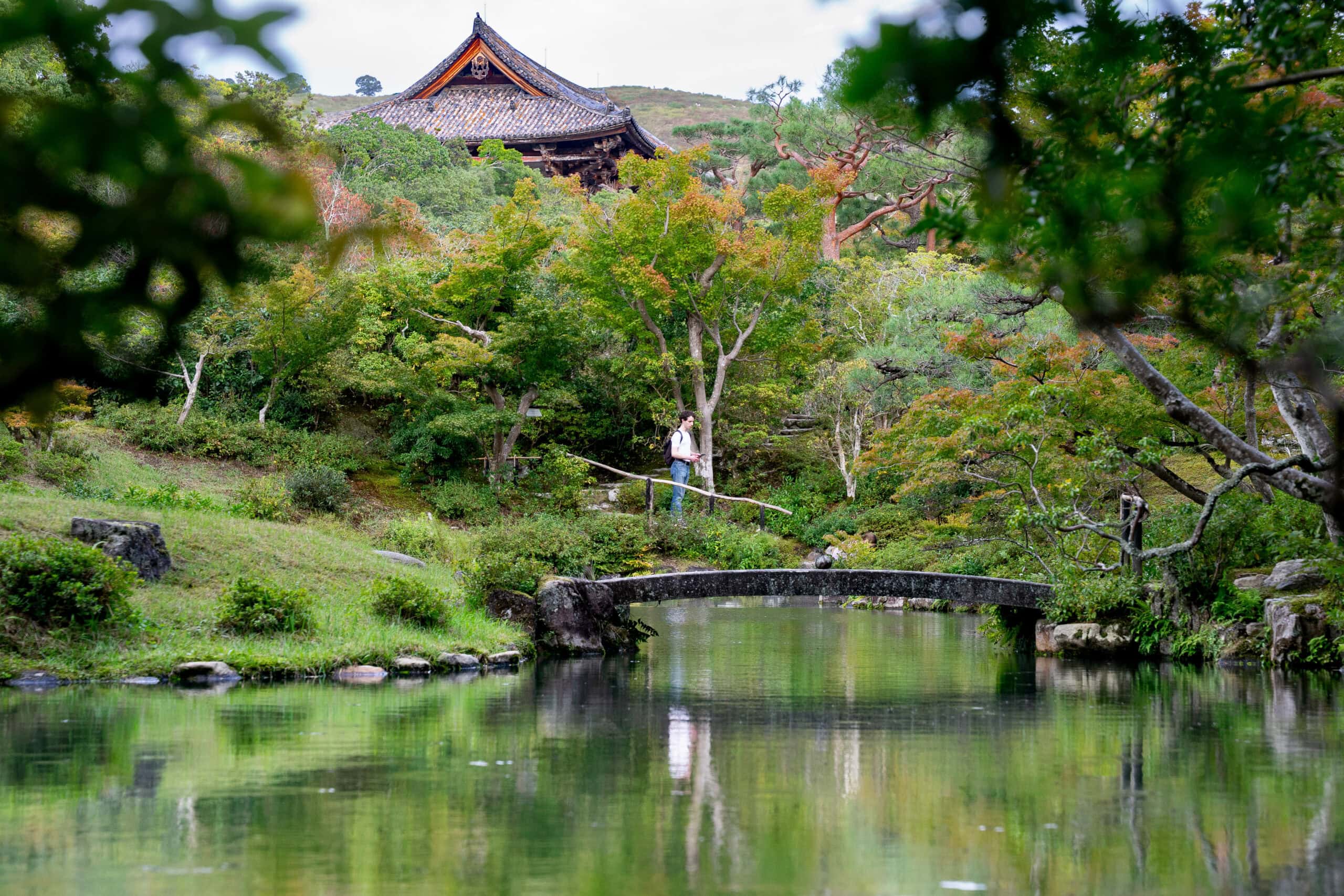
The teahouse overlooking the garden is a fantastic place to take a break and enjoy the serene scenery over a bowl of matcha, even if you’re not visiting the garden.
The garden features a pond, stepping stones, manicured landscaping, and a large moss garden.
Tofu Dinner at Kyoto Station
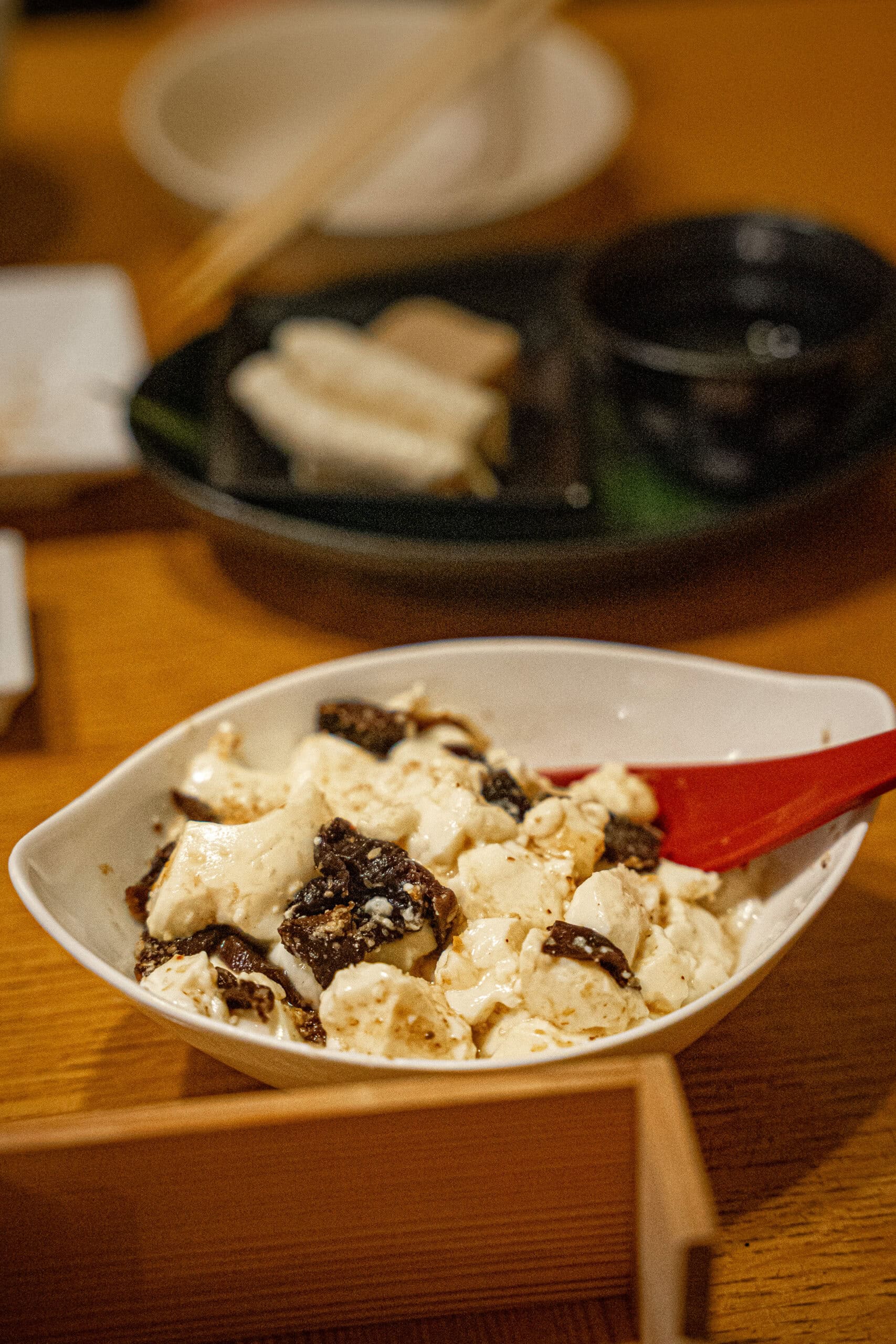
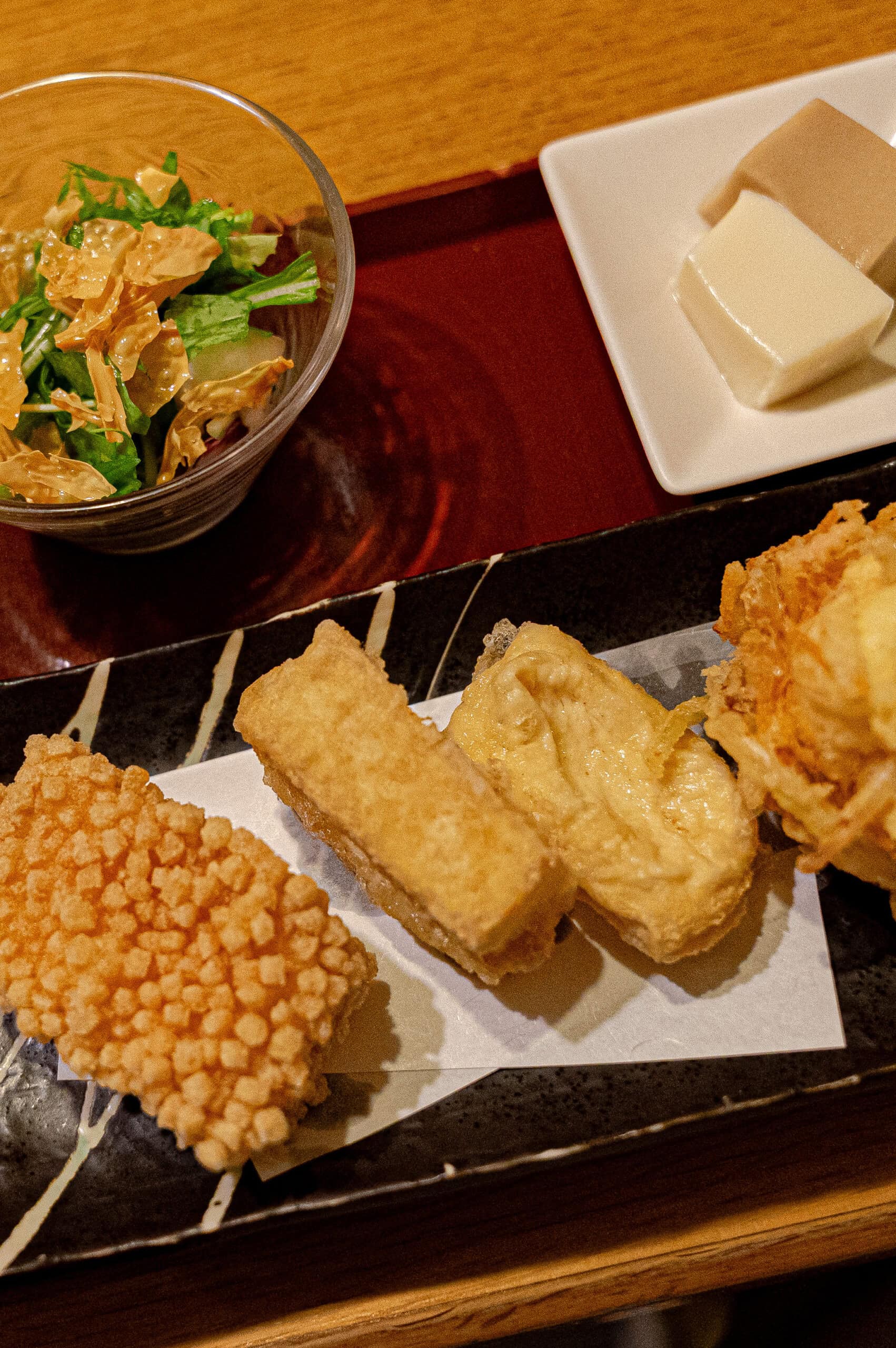
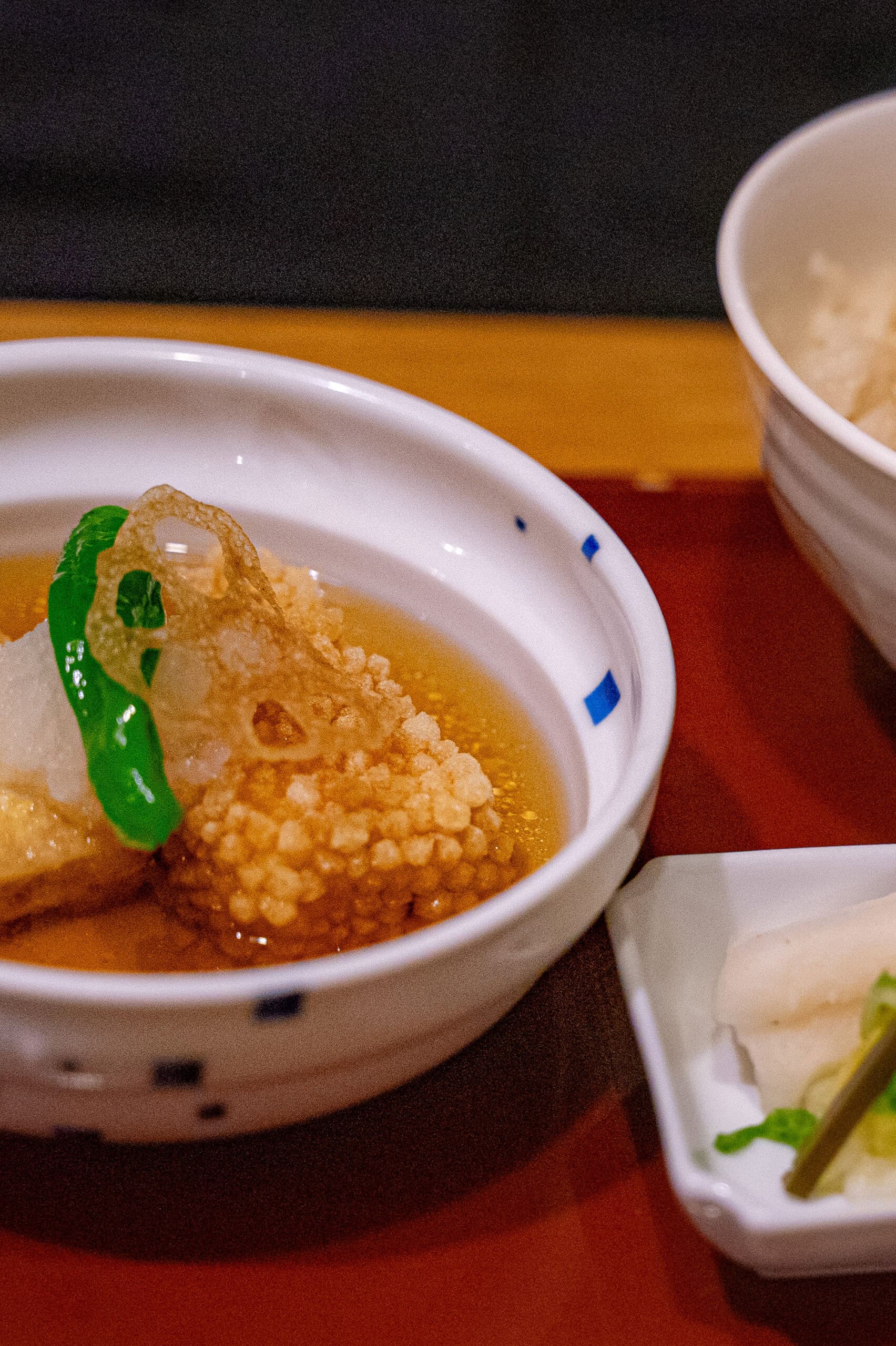
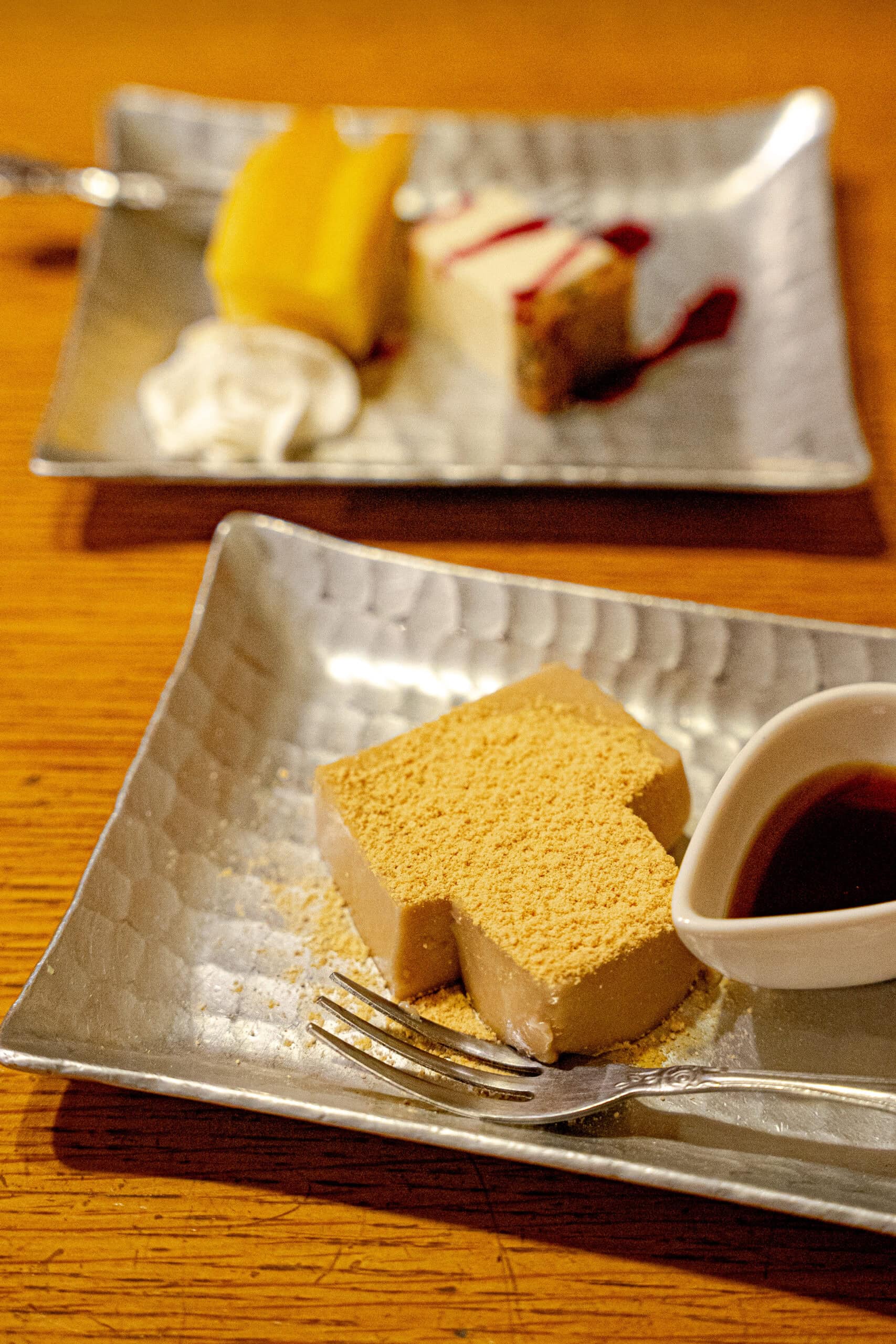
The gigantic and futuristic Kyoto Station is almost an attraction in itself, with wonderful dining options.
Arriving back from Nara, we had dinner at Kyotofu Fujino, up on the 11th floor of Kyoto Station. It’s a popular place and we waited about 40 minutes to get a table, but it was worth it. The view was a nice bonus.
Kyotofu Fujino is all about tofu. We were amazed at how many textures and flavours they coaxed out of tofu—silky smooth, creamy, crisp, chewy—all in one sitting. Even the tofu-based desserts were amazing.
The naysayers dissing tofu as boring must visit this place ASAP to start their reeducation.
Menu
Day 3 – Red: Toriis and Temples
Prepare yourself mentally for some serious crowds as we’re visiting some of Kyoto’s most popular sites today. There will also be many unplanned moments of zen and, of course, amazing food.
Convenience Store Breakfast
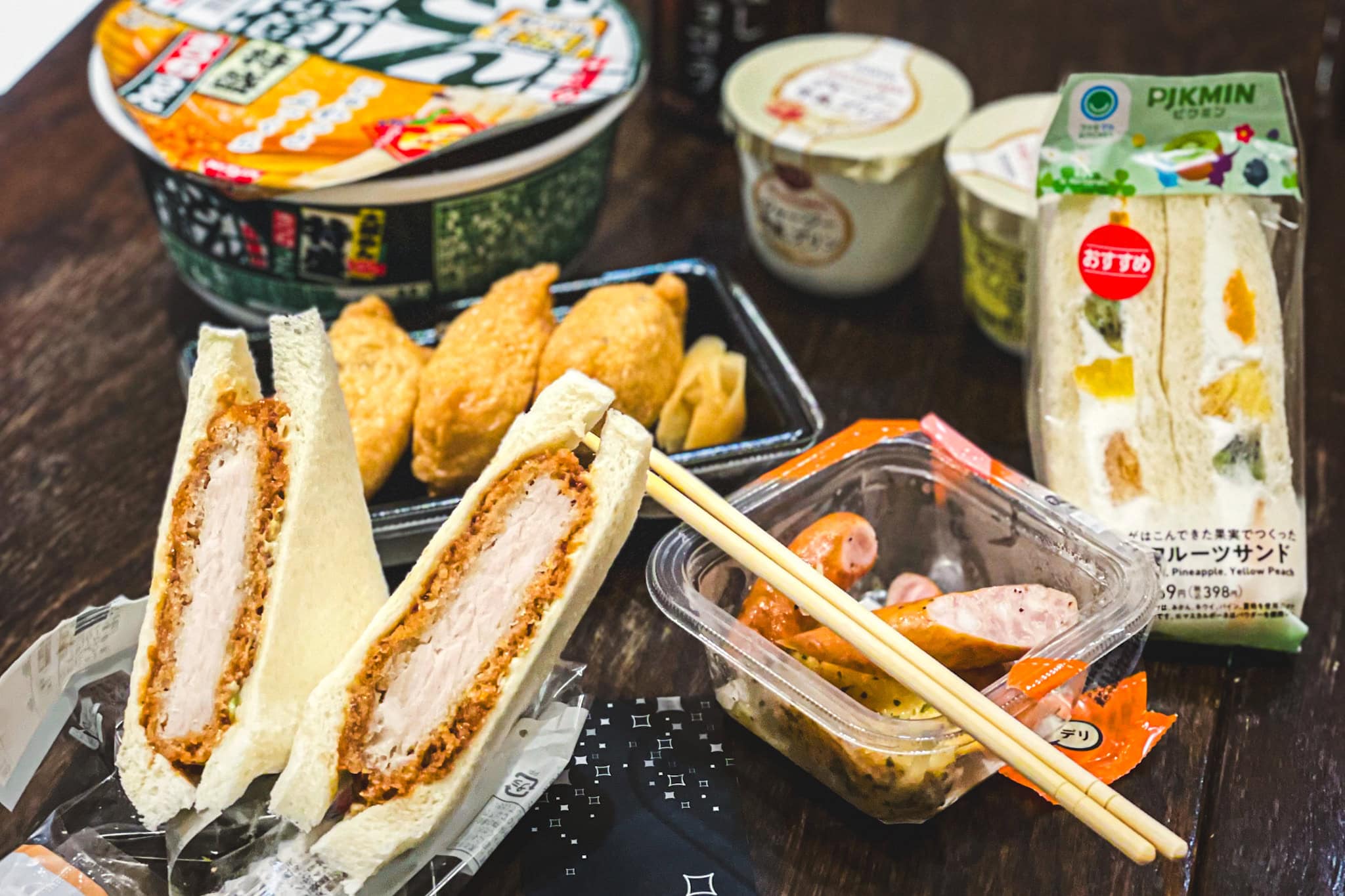
We kicked off our morning with a konbini breakfast from Lawson, which we had at our hostel before heading out for the day. It was a thing of beauty.
The variety of convenience store (konbini) food presents a true dilemma when choosing. We just couldn’t decide, so we didn’t. We grabbed a bit of everything: an onigiri, a katsu sandwich, a fruit and cream sandwich, udon noodles, inari sushi (soft skin tofu stuffed with rice) and, of course, an Ohayo milk pudding.
We stand by this: a day without Ohayo milk pudding is a day wasted.
Fushimi Inari Taisha
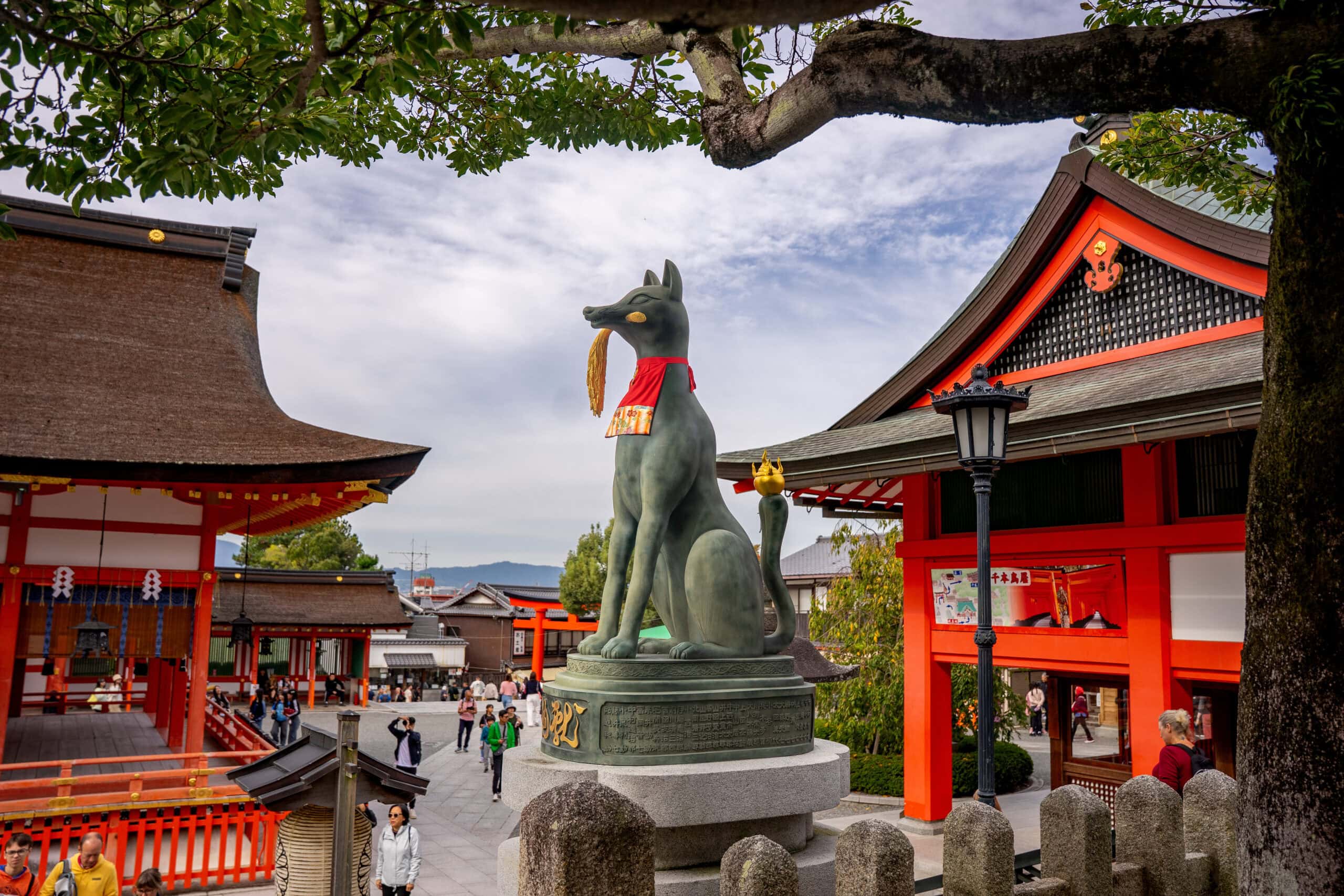
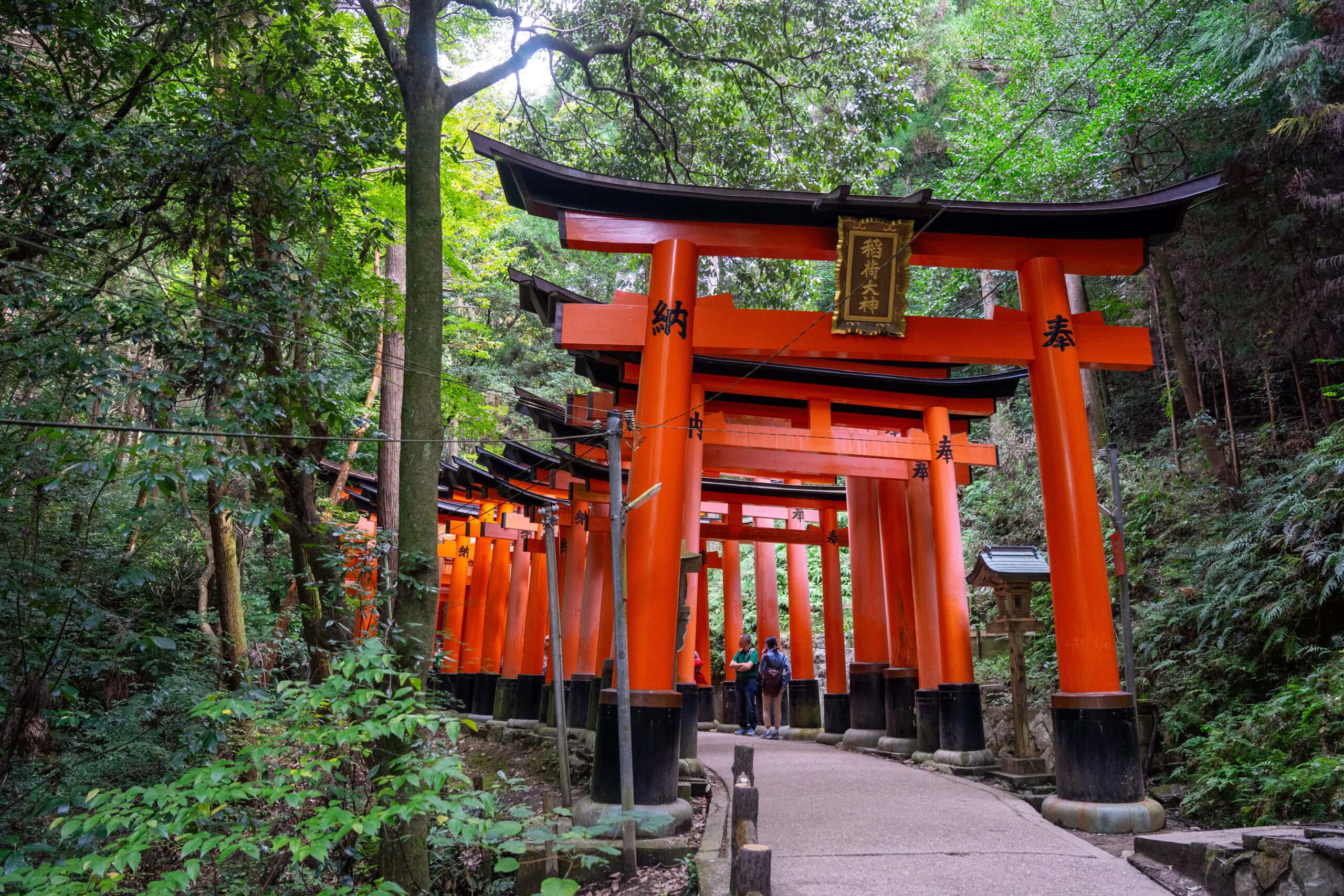
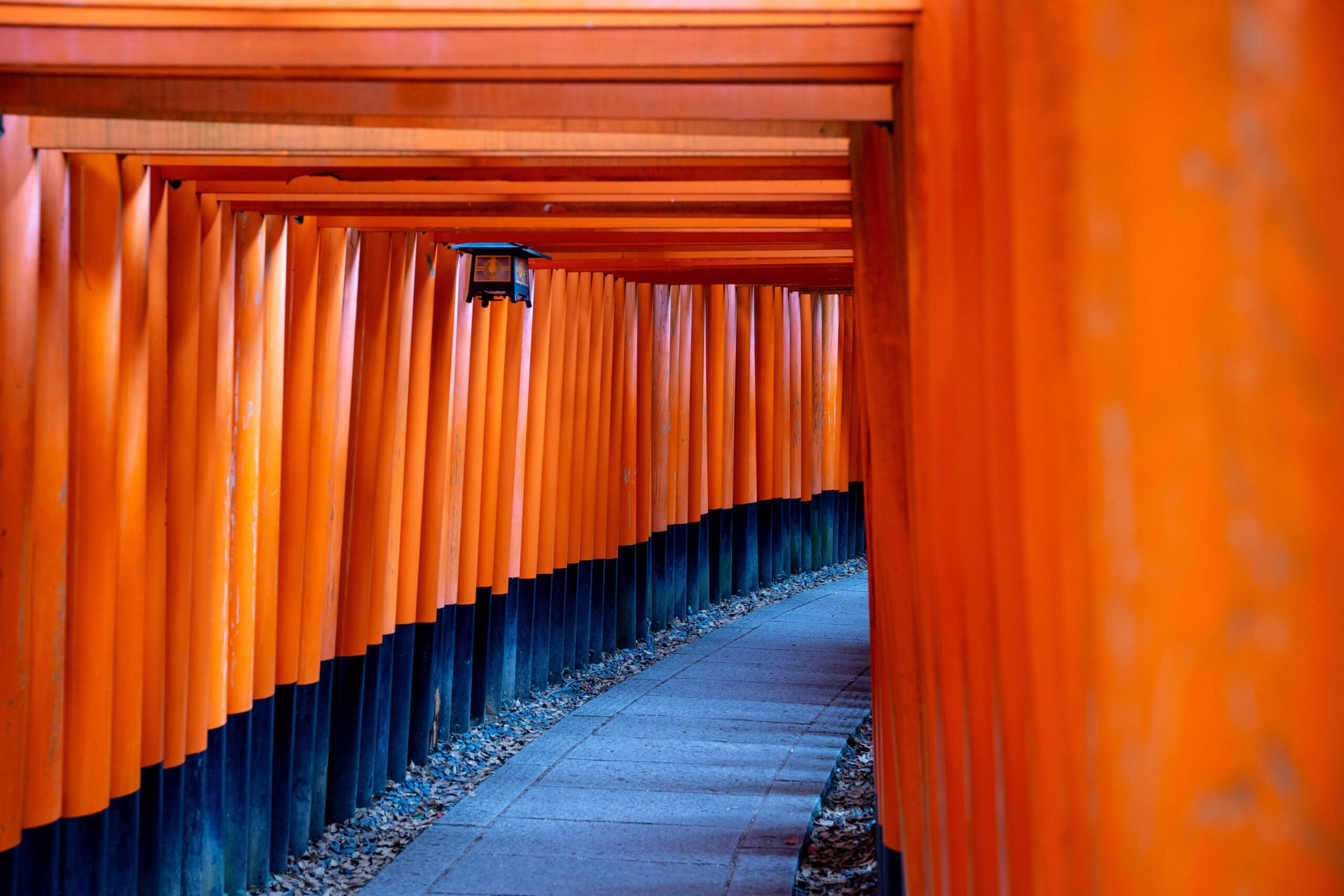
Fushimi Inari Taisha, dating back to the 8th century, is Kyoto’s most iconic Shinto shrine, famous for its thousands of bright red torii gates that snake their way up Mount Inari.
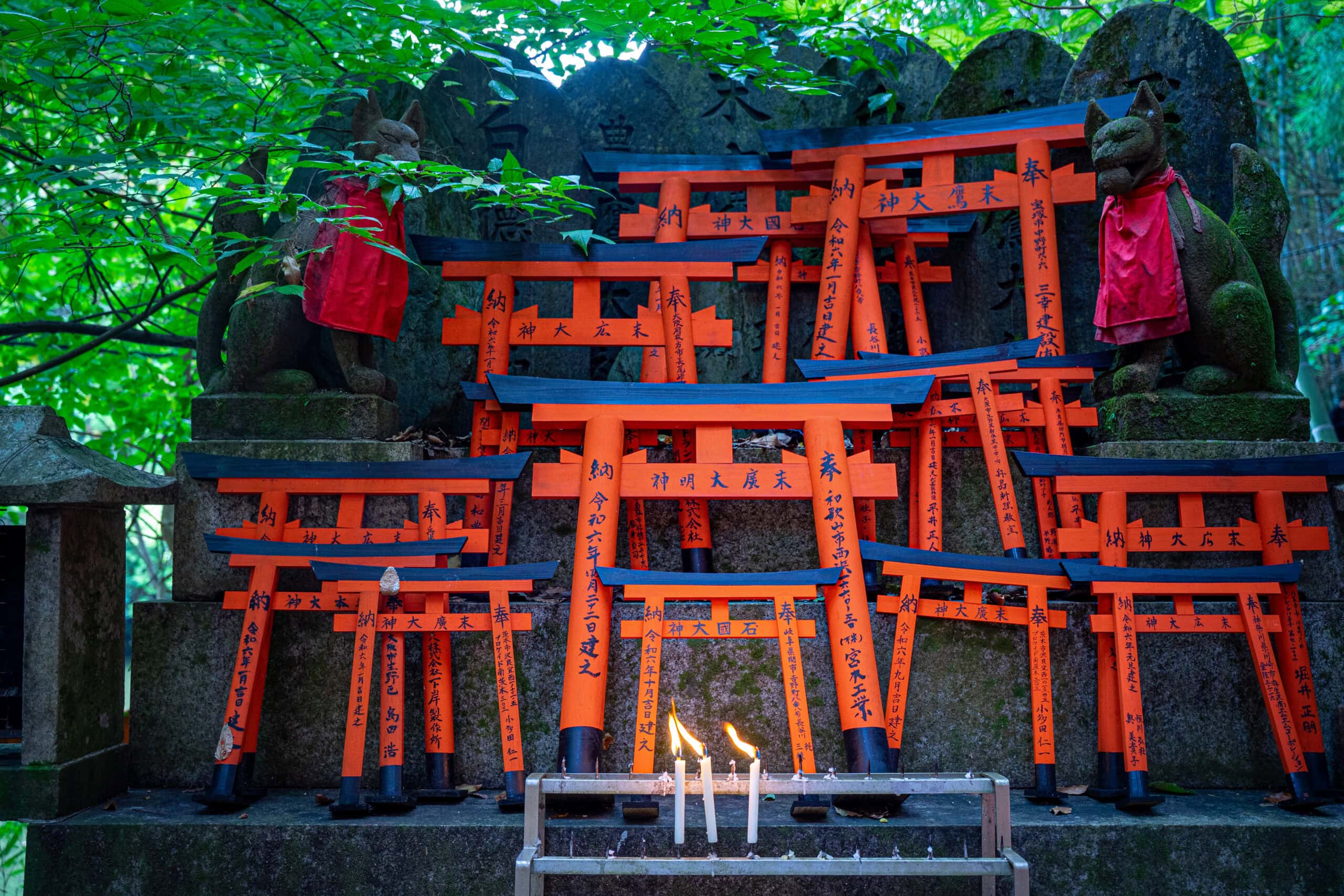
Individuals and businesses donate the famous red torii gates at Fushimi Inari Taisha as offerings to Inari, the Shinto god of prosperity and good fortune. Each gate marks the transition from the mundane to the sacred and is inscribed with the donor’s name and date.
The thousands of gates create a striking tunnel-like path that winds through the forested slopes of Mount Inari. The full trail to the summit stretches around 4 kilometres and takes about two hours to complete.
Along the way, you’ll spot numerous fox statues. These foxes are the messengers of Inari, often depicted holding keys or scrolls in their mouths, symbolising protection and wisdom.
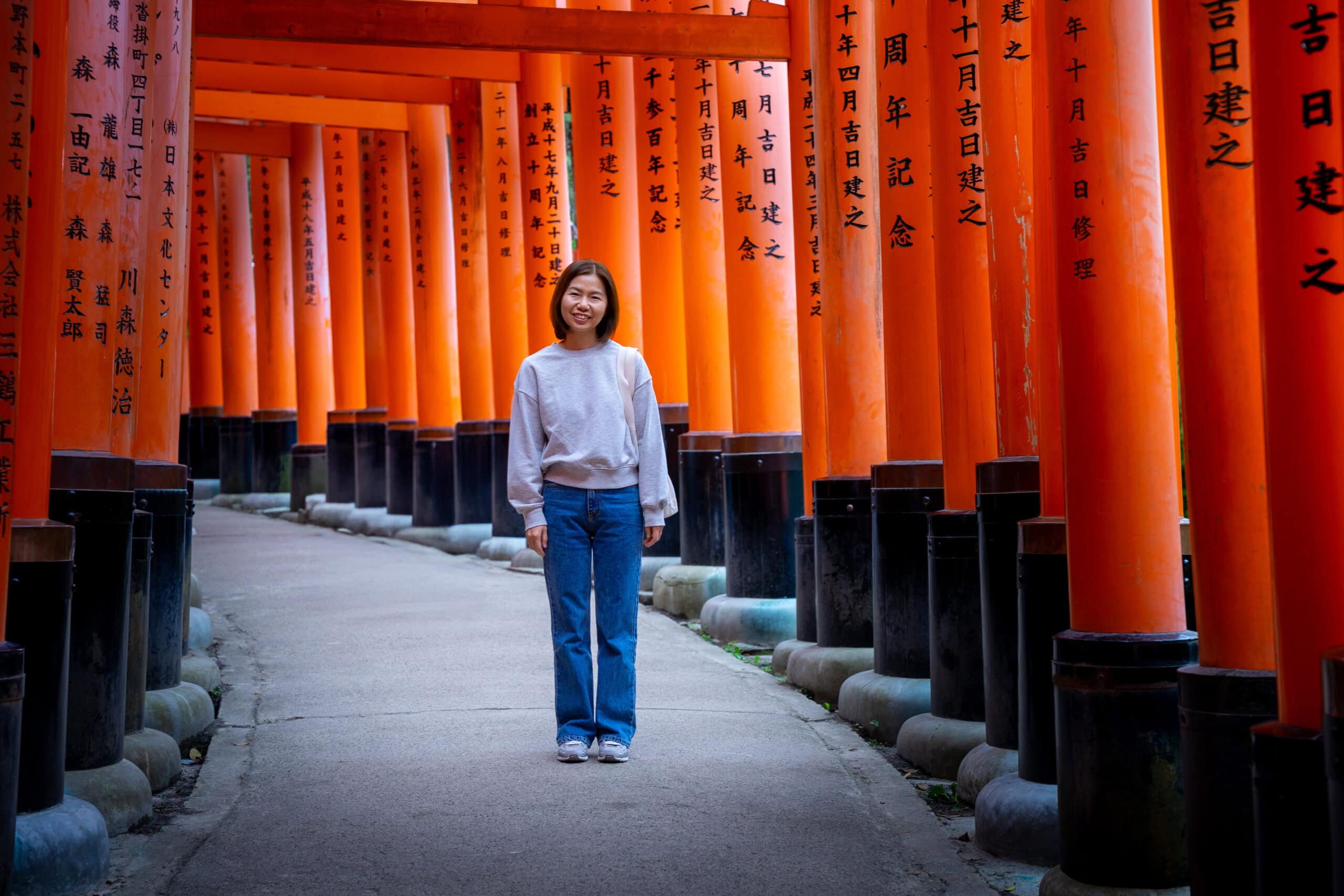
While it’s an incredibly atmospheric and scenic place, it’s busy.
OMG it’s BUSY!
It’s no secret Fushimi Inari is incredibly popular, so expect serious crowds.
Some blogs recommend that the upper sections, near the summit, are quieter, but that’s not the case. It’s just an endless stream of people all hoping to get a photo of themselves with no one in the background that they can post on Instagram and hashtag it #zen, #breathe, or #foundmycentre.
Fushimi Inari Taisha is open 24/7, so perhaps the best time for a peaceful visit could be between midnight and sunrise. But don’t take my word for it, it’s just a guess.
Entrance: Free
Read more: We answer all your Fushimi Inari questions here
Kiyomizu-dera Temple
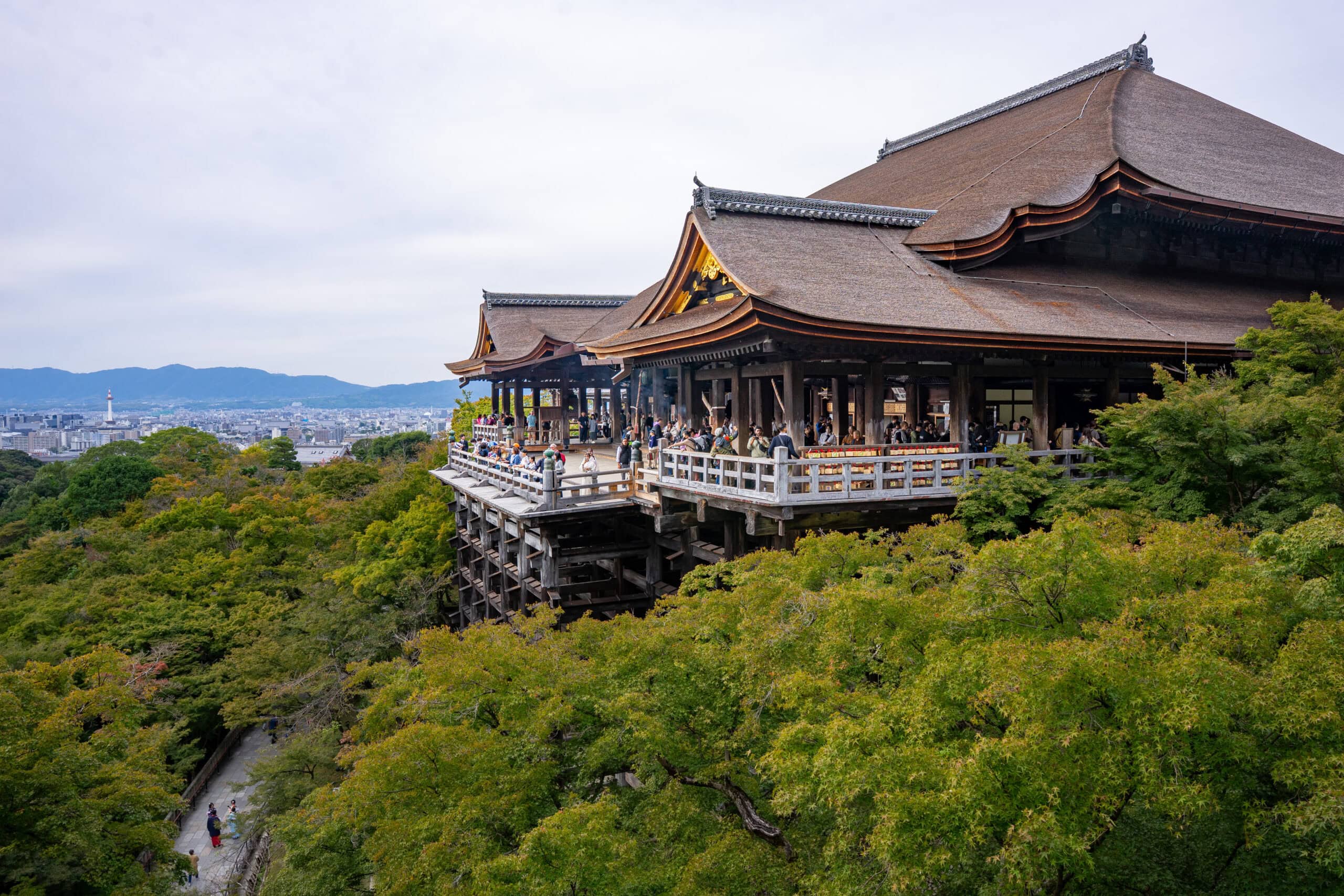
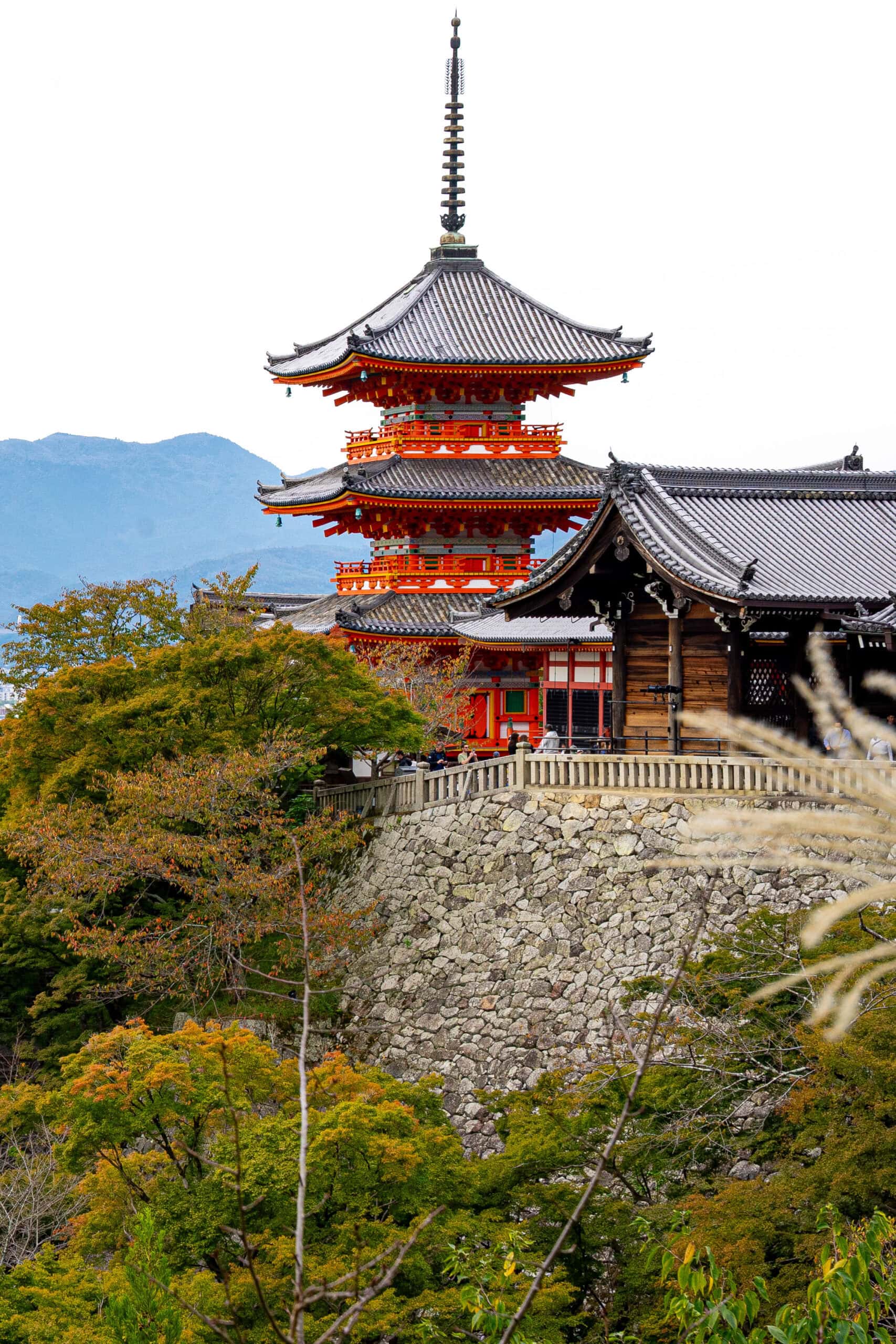
Kiyomizu-dera Temple is one of Kyoto’s most beautiful landmarks and a UNESCO World Heritage site, initially founded in 778. The temple’s name translates to Pure Water Temple, referencing the sacred Otowa Waterfall that flows beneath it
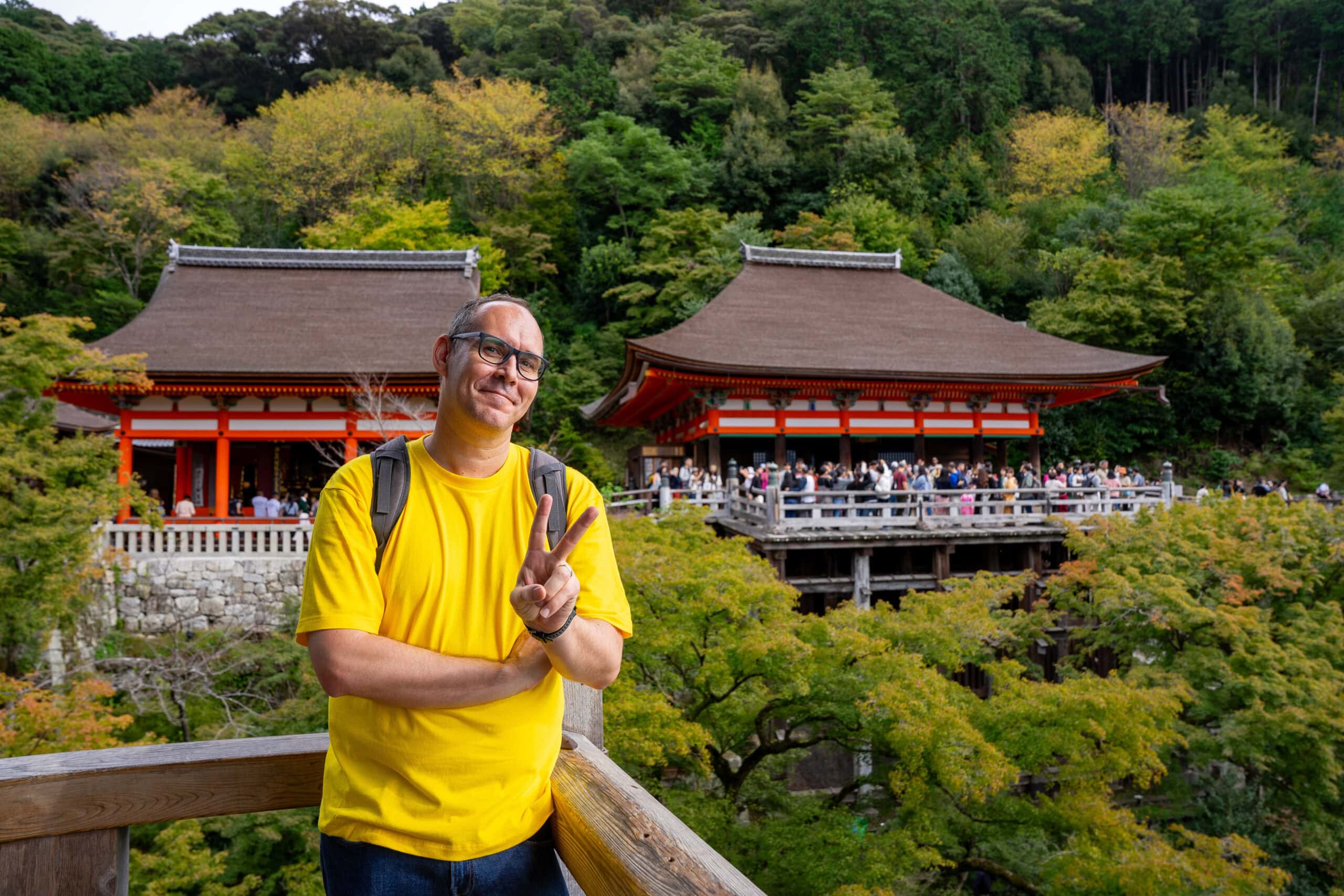
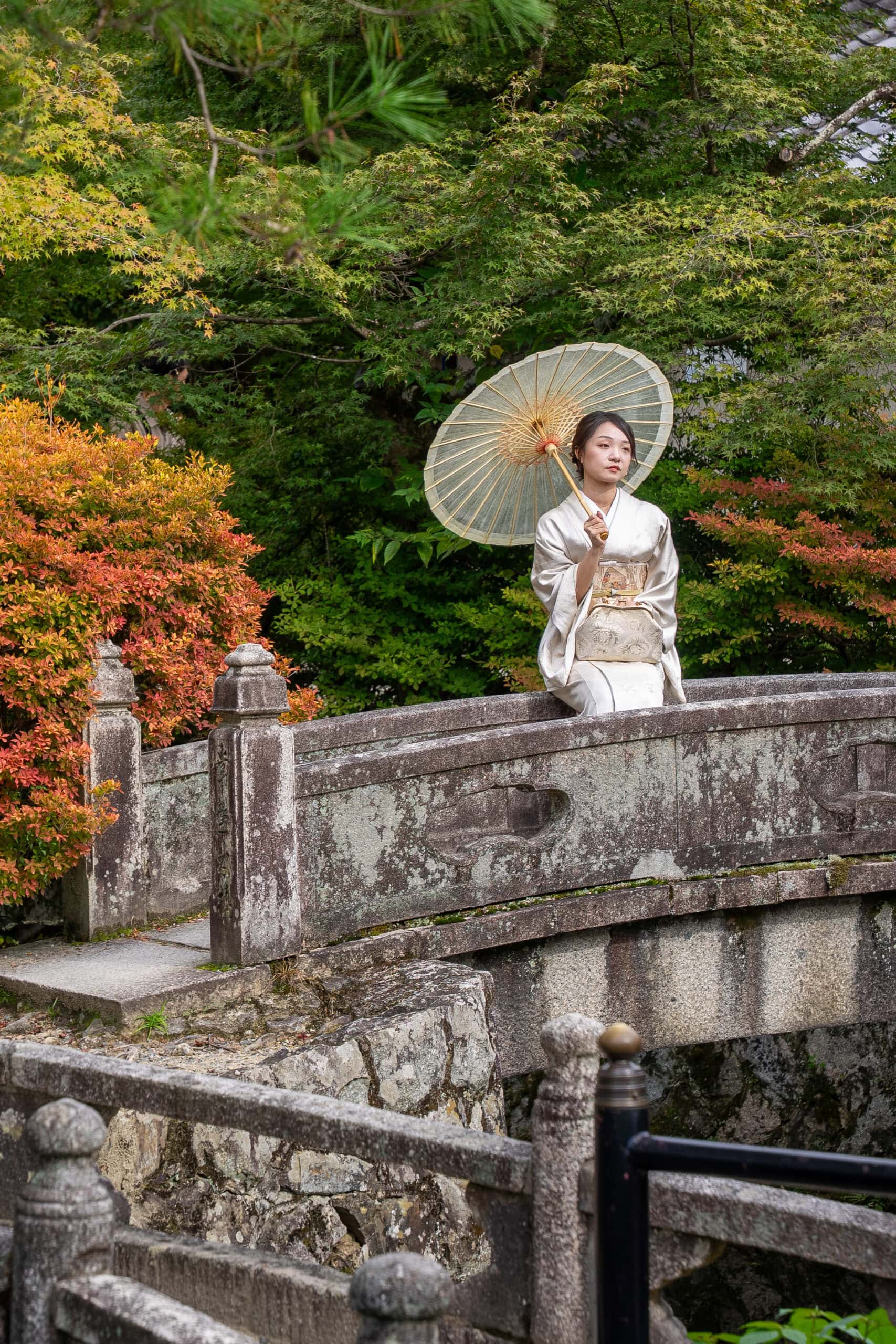
Perched on a hillside, the main hall’s massive wooden stage—built without nails—juts out over the valley, offering sweeping views of Kyoto.
The temple grounds feature smaller shrines, including the popular Jishu Shrine dedicated to love and matchmaking, as well as stone paths that wind through gardens and pagodas. Although it gets busy, we thoroughly enjoyed our visit here.
Despite the crowds, we found the atmosphere surprisingly peaceful, likely because we had already dealt with the torii crowds at Fushimi Inari Taisha before arriving here.
Entrance: ¥500 / 200 adults/children
Hours: 6:00-18:00
Tofu & Noodle Lunch at Takinoya
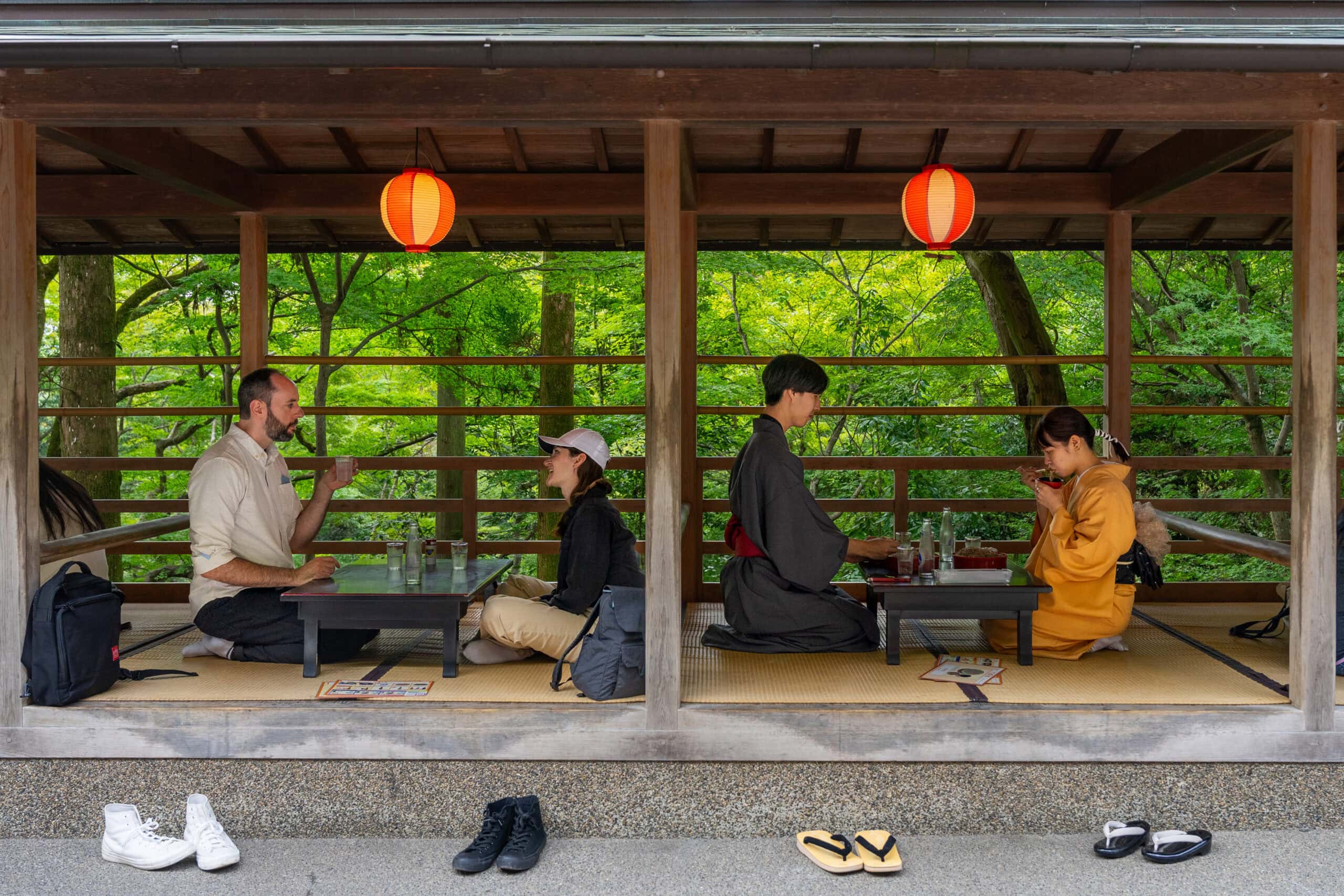
Takinoya is a small restaurant inside the Kiyomizu-dera Temple grounds, and it completely surprised us. We expected the usual overpriced, underwhelming fare, given that it’s located inside one of Kyoto’s most popular attractions.
Instead, we found delicious, affordable food in a serene setting. Japan doesn’t do mediocre ANYWHERE, I guess.
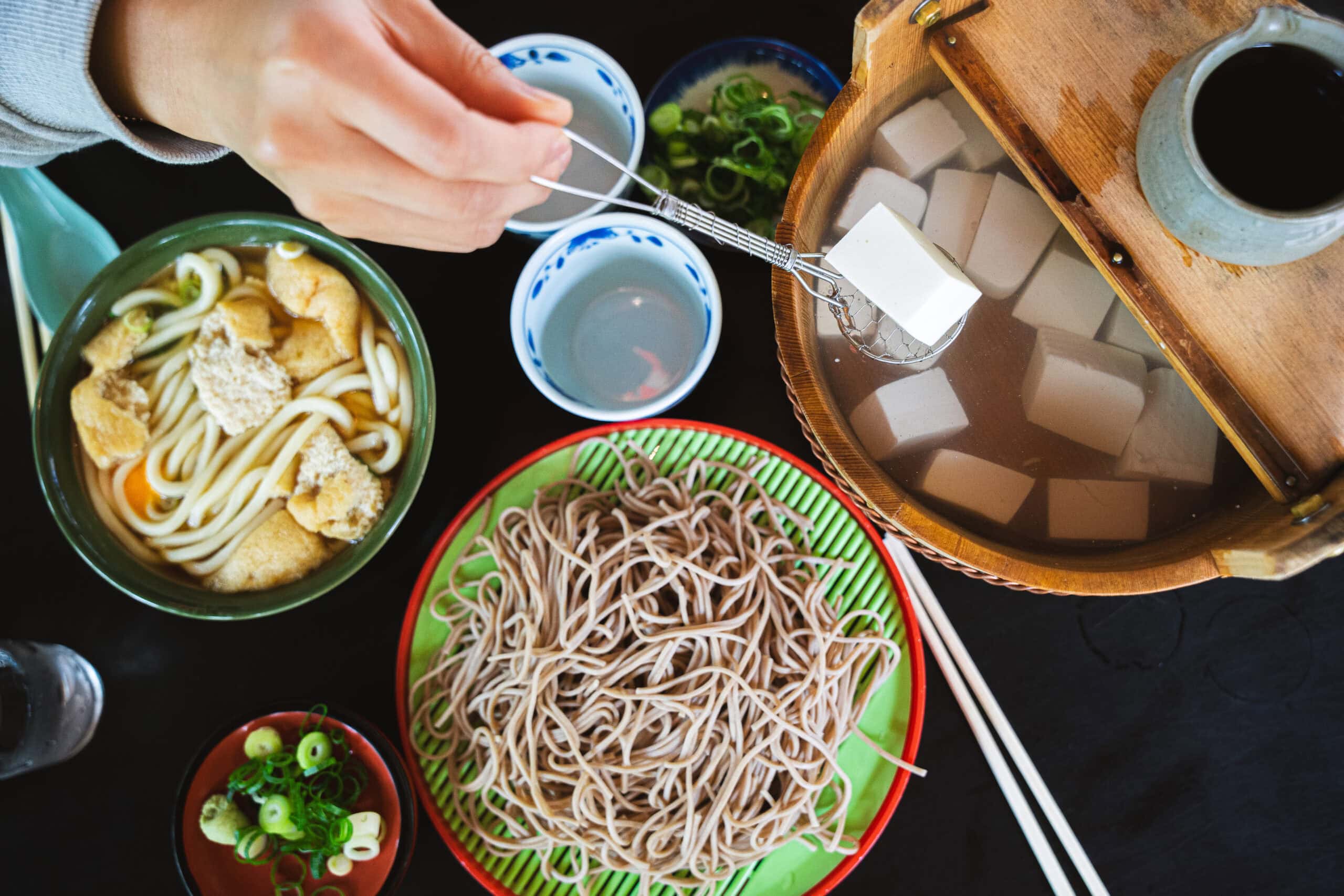
We ordered udon noodles, soba noodles, and tofu, which were simple, delicious, and exactly what we needed after a morning on our feet.
What made the experience special was the outdoor seating platform, where we sat at a low table surrounded by trees. It felt like we were eating in a forest.
The whole experience was peaceful and unpretentious, proving that even in a heavily visited spot like Kiyomizu-dera, you can still find a quiet, quality meal that doesn’t break the bank. Definitely worth a stop if you’re hungry and want something authentic while staying within the temple grounds.
Ninenzaka and Sannenzaka
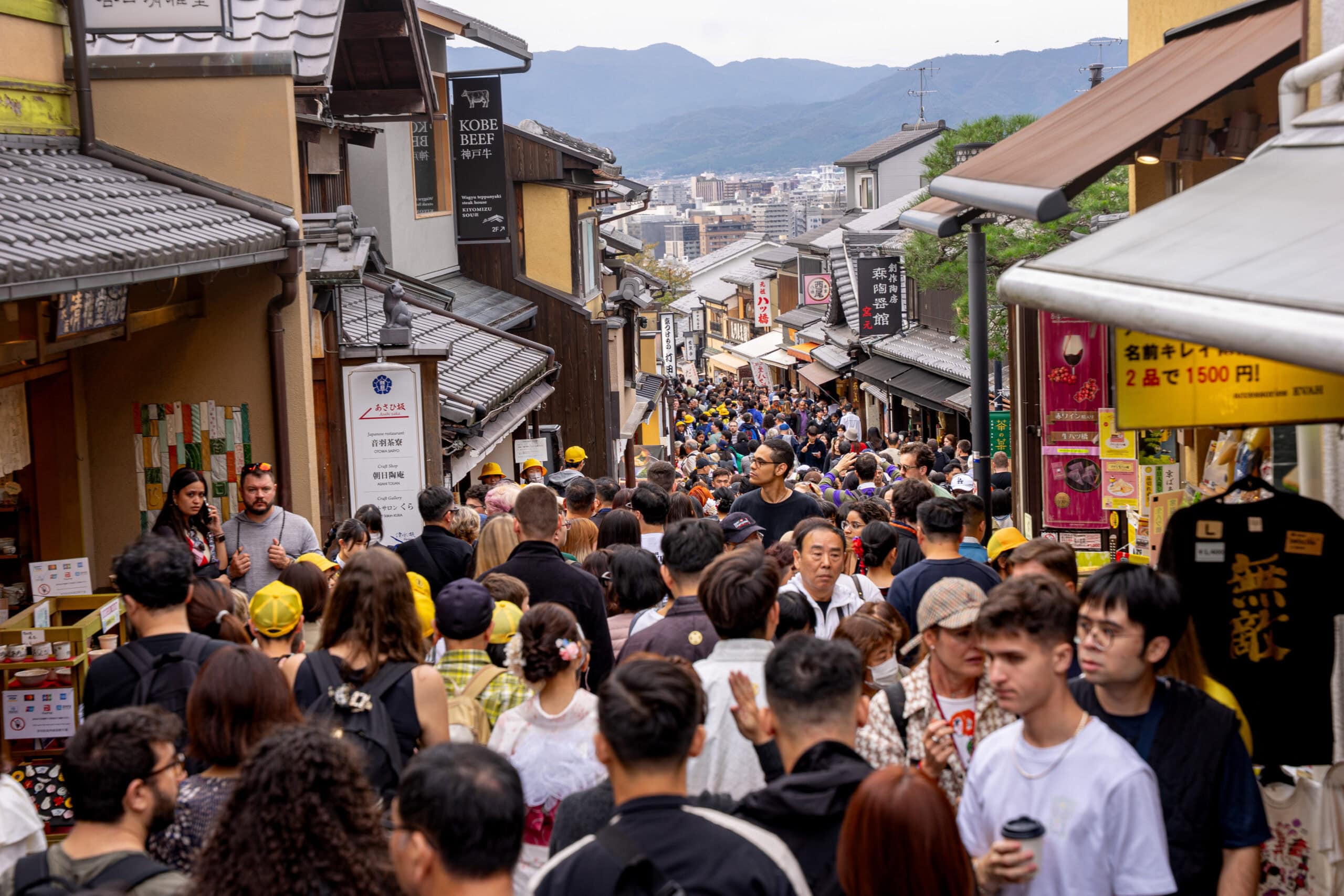
Ninenzaka and Sannenzaka are two of Kyoto’s most picturesque streets, lined with beautifully preserved machiya (traditional wooden townhouses).
These gently sloping, stone-paved lanes lead toward Kiyomizu-dera and are packed with shops selling Kyoto snacks and souvenirs.
But don’t let the charm fool you. This area is crowded, often shoulder-to-shoulder with tourists, all trying to snap the perfect photo or grab a bite.
It was one of the most crowded places we visited. Even so, it was an enjoyable walk, and things quiet down once you’re off the two famous streets.
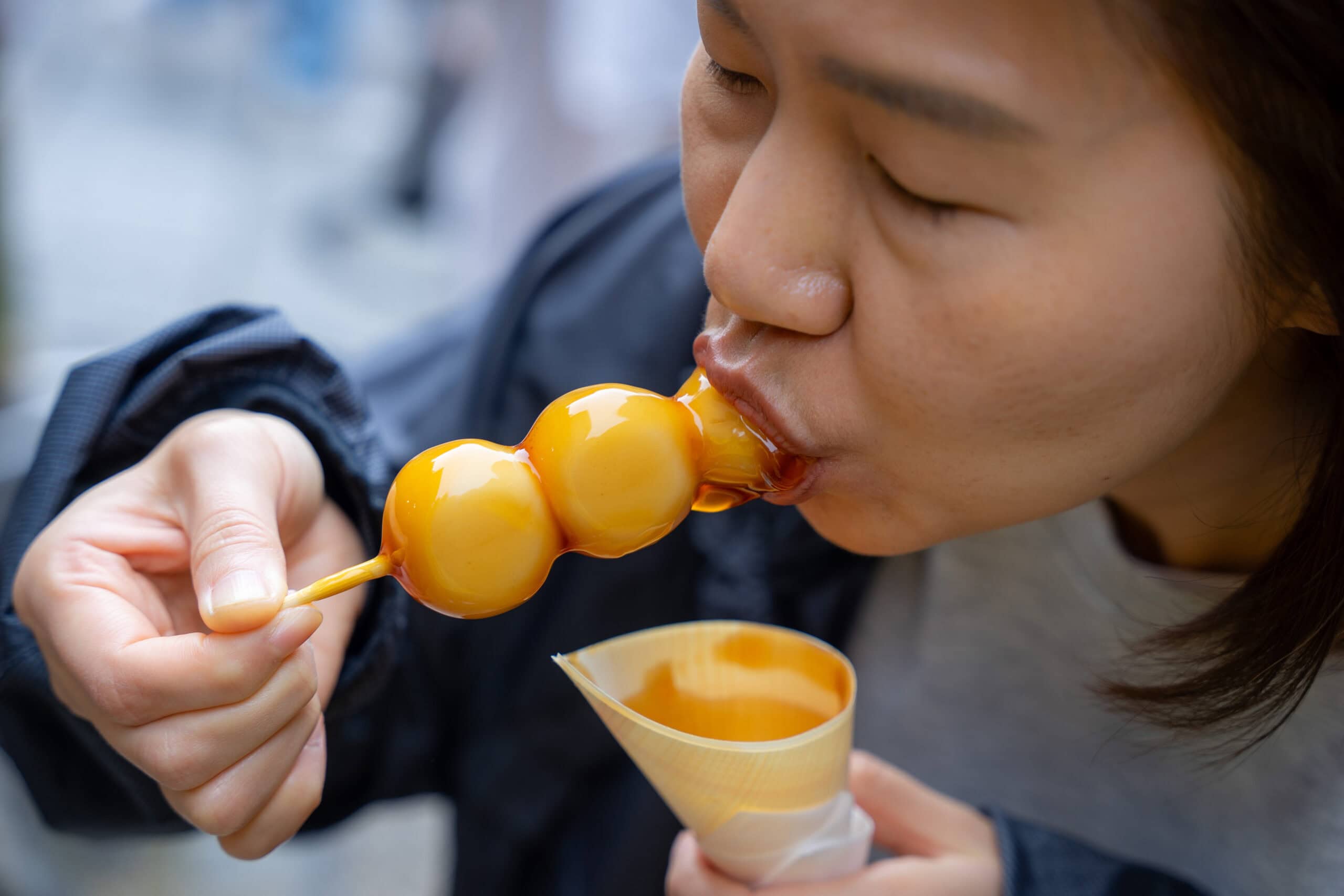
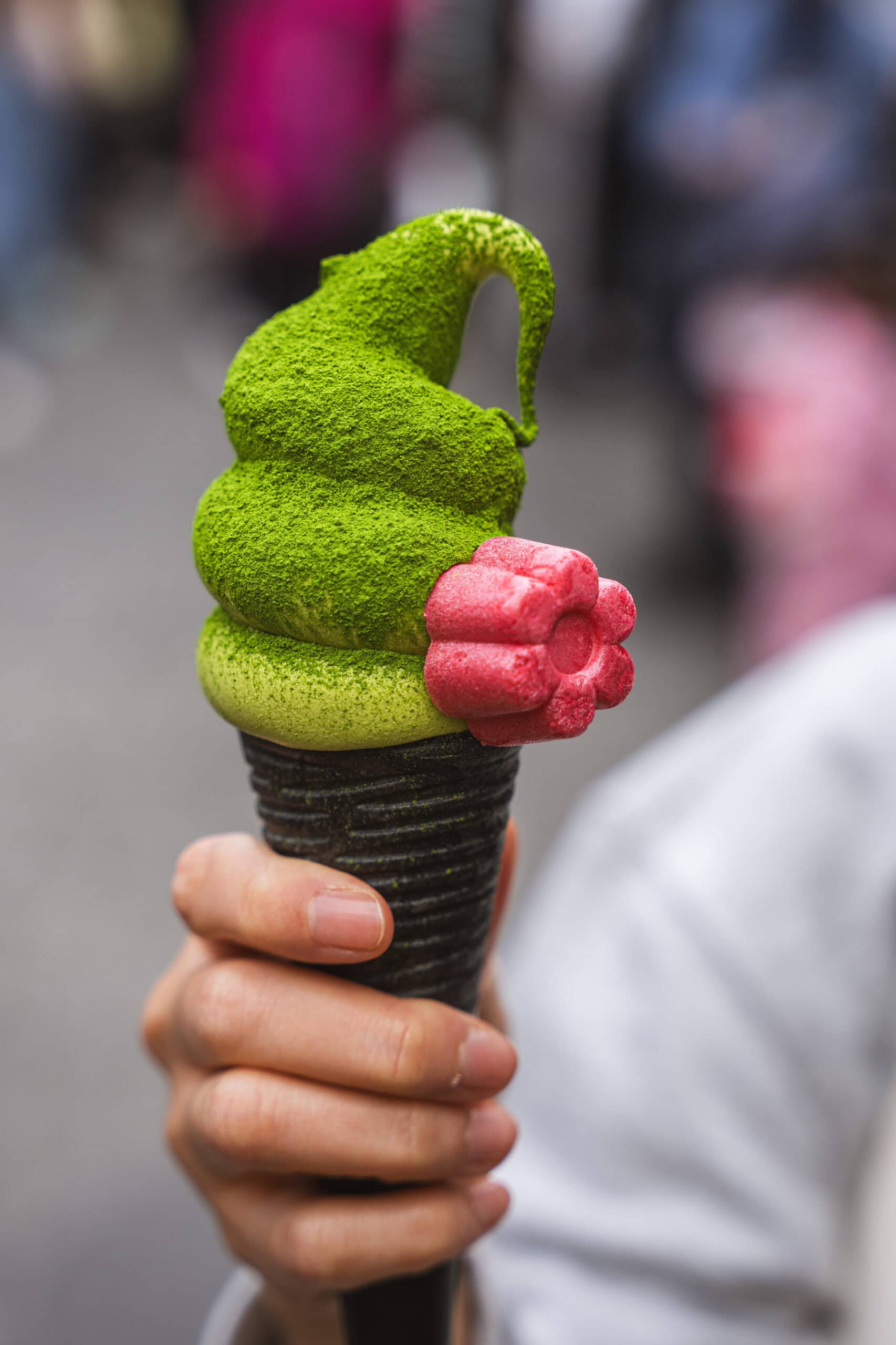
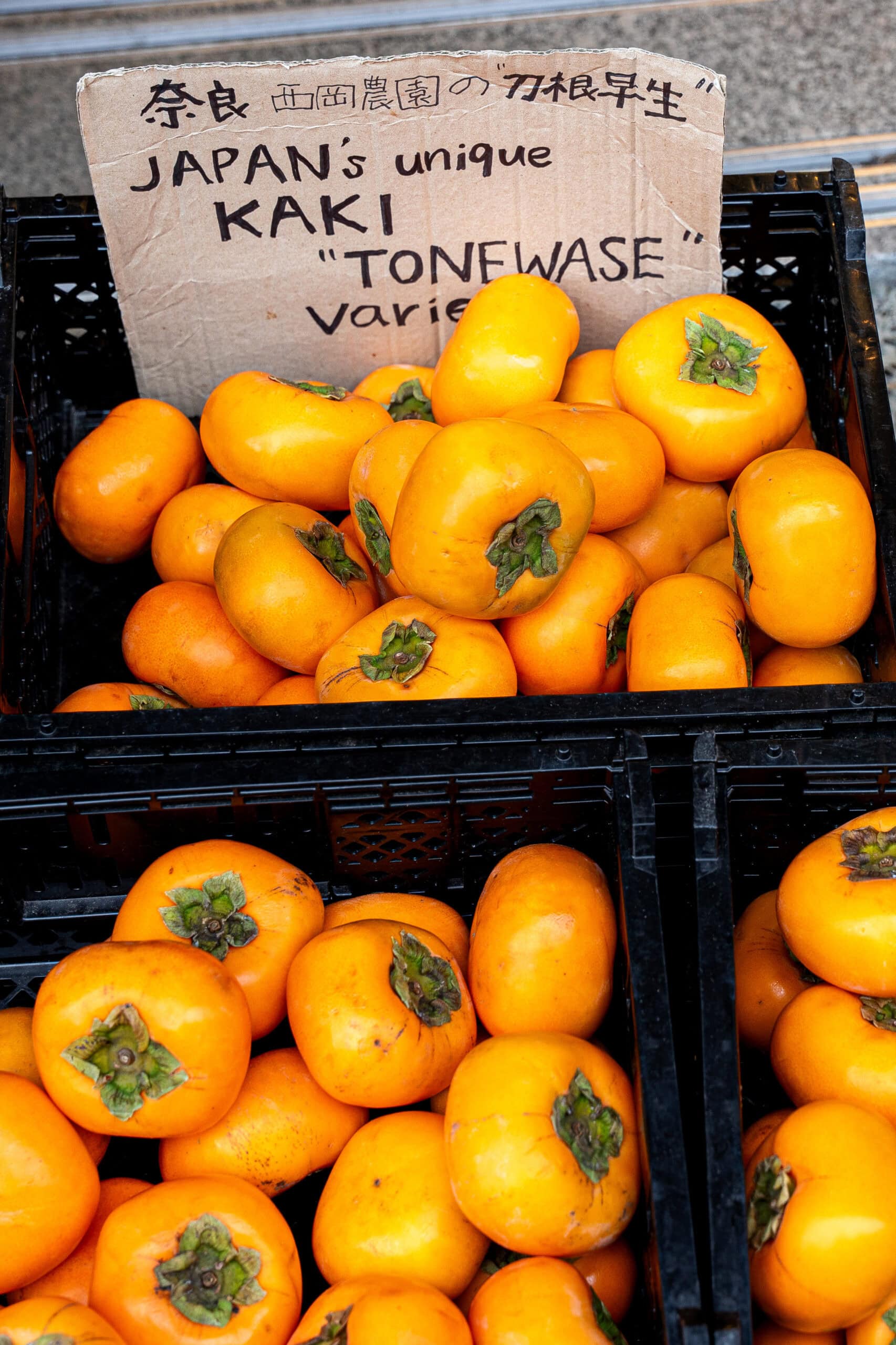
On Ninenzaka and Sannenzaka streets, you’ll find plenty to eat. Mitarashi dango (rice dumplings in a sweet-savoury soy sauce glaze), matcha soft serve, and skewered rice cakes are among the highlights.
One of the quirkiest stops is the famous Starbucks, set inside a 100-year-old townhouse with tatami mat seating. We went in for coffee, but it was PACKED, so we decided to move on.
Neighbourhood Walkabout: Higashiyama, Gion, & Sanjo
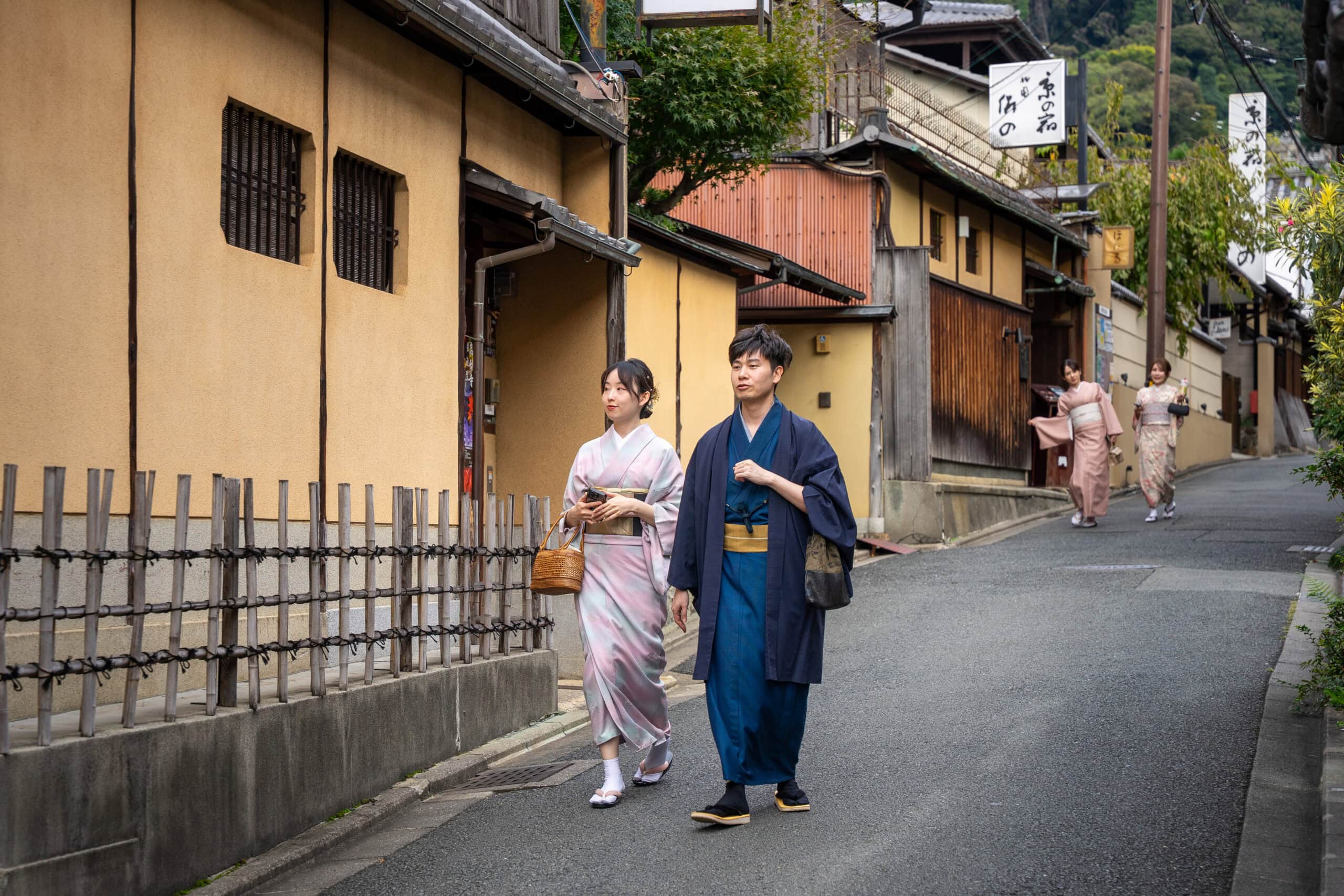
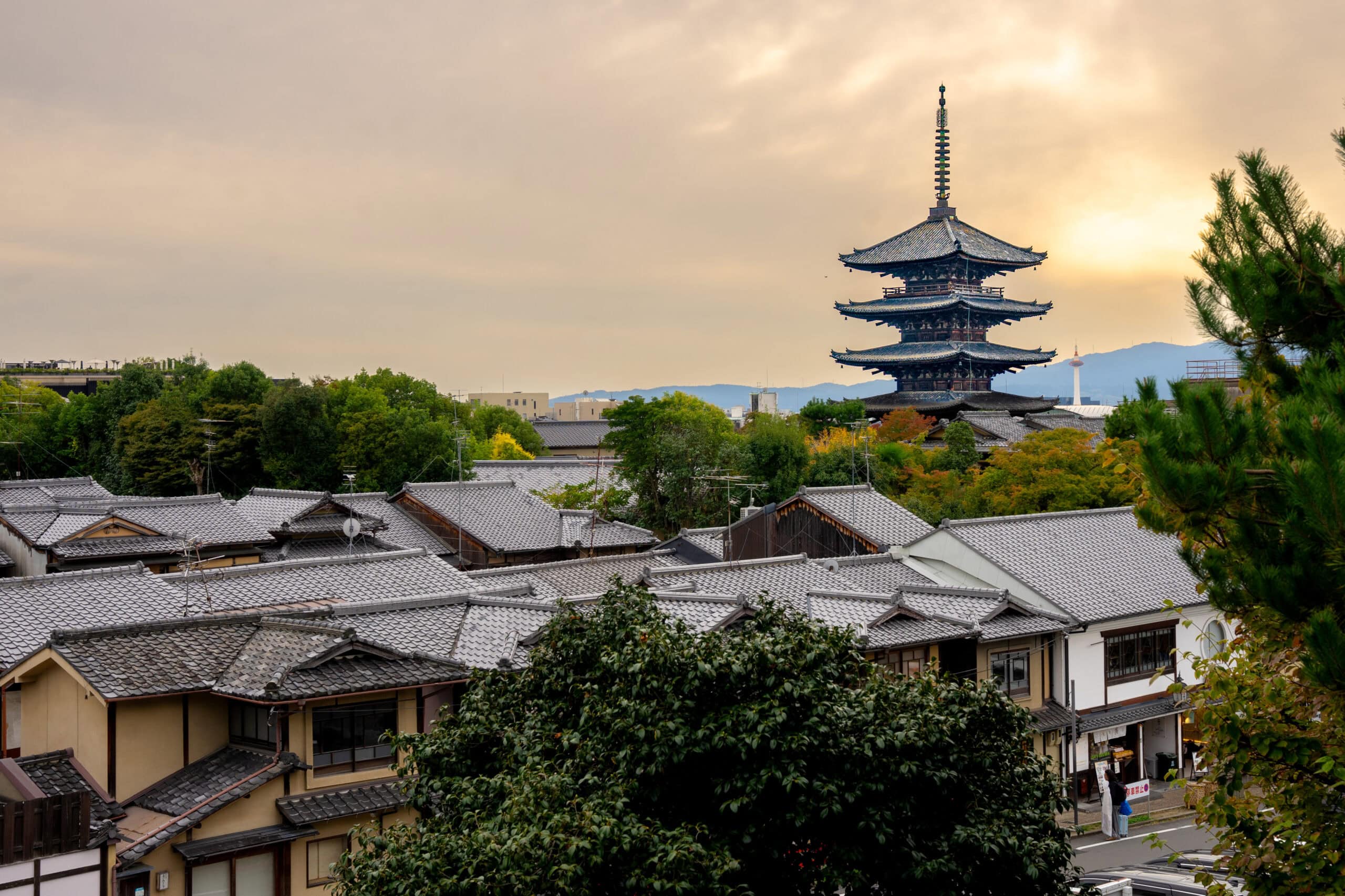
Our walk from Ninenzaka back to our hostel in Sanjo took a lot longer than the Google Maps estimate of 45 minutes, but that’s because we kept stopping to take in the sights. You can easily spend an entire day walking this route, as there are wonderful places to see.
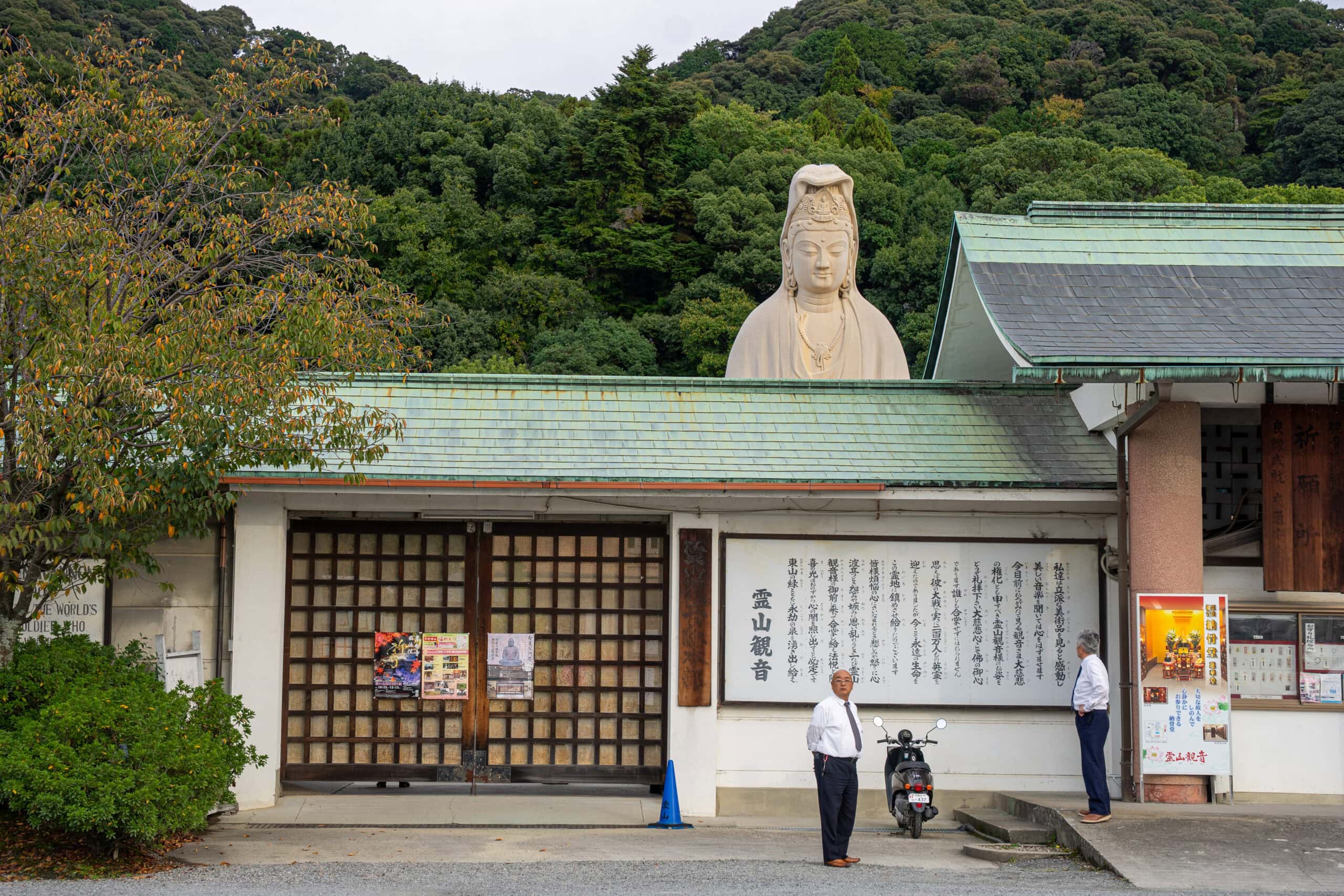
First up was Ryozen Kannon Temple, where a massive white statue of the Bodhisattva Kannon peeks above the temple walls. It’s a pretty striking sight, even from the street.
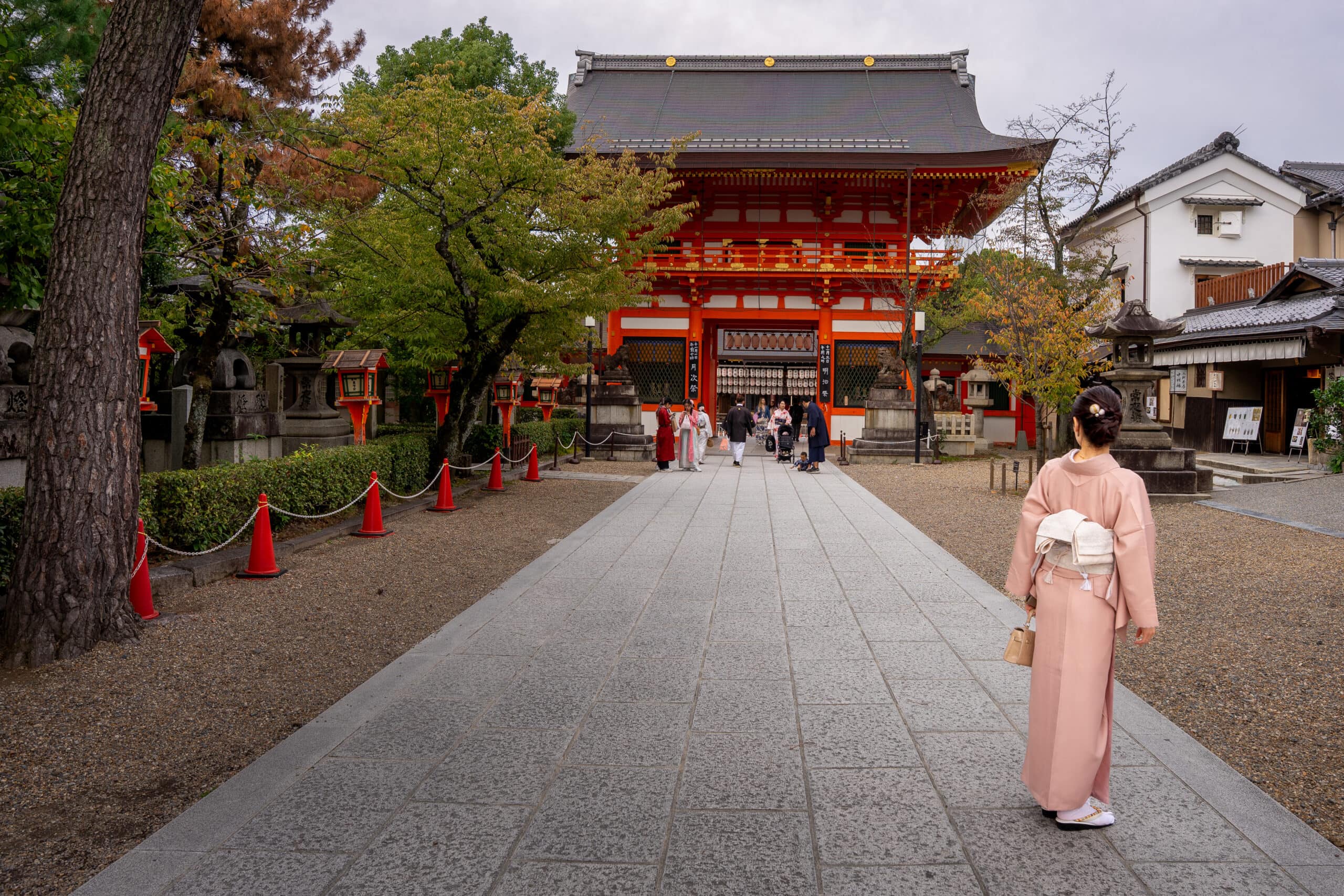
We continued to Yasaka Shrine, one of Kyoto’s most important shrines, and then entered the Gion district.
The wooden houses lining the narrow streets were picture-perfect, but the vibe felt a little underwhelming. We arrived late afternoon, and the place felt almost too quiet. Somehow, I was expecting a buzz with geishas dodging tourists. Maybe it’s more lively after dark.
Signs warning against photography (and threatening a ¥10,000 fine) were posted throughout the area. This is understandable; the rules are in place to protect the privacy and dignity of geishas and maiko, who tourists have often harassed.
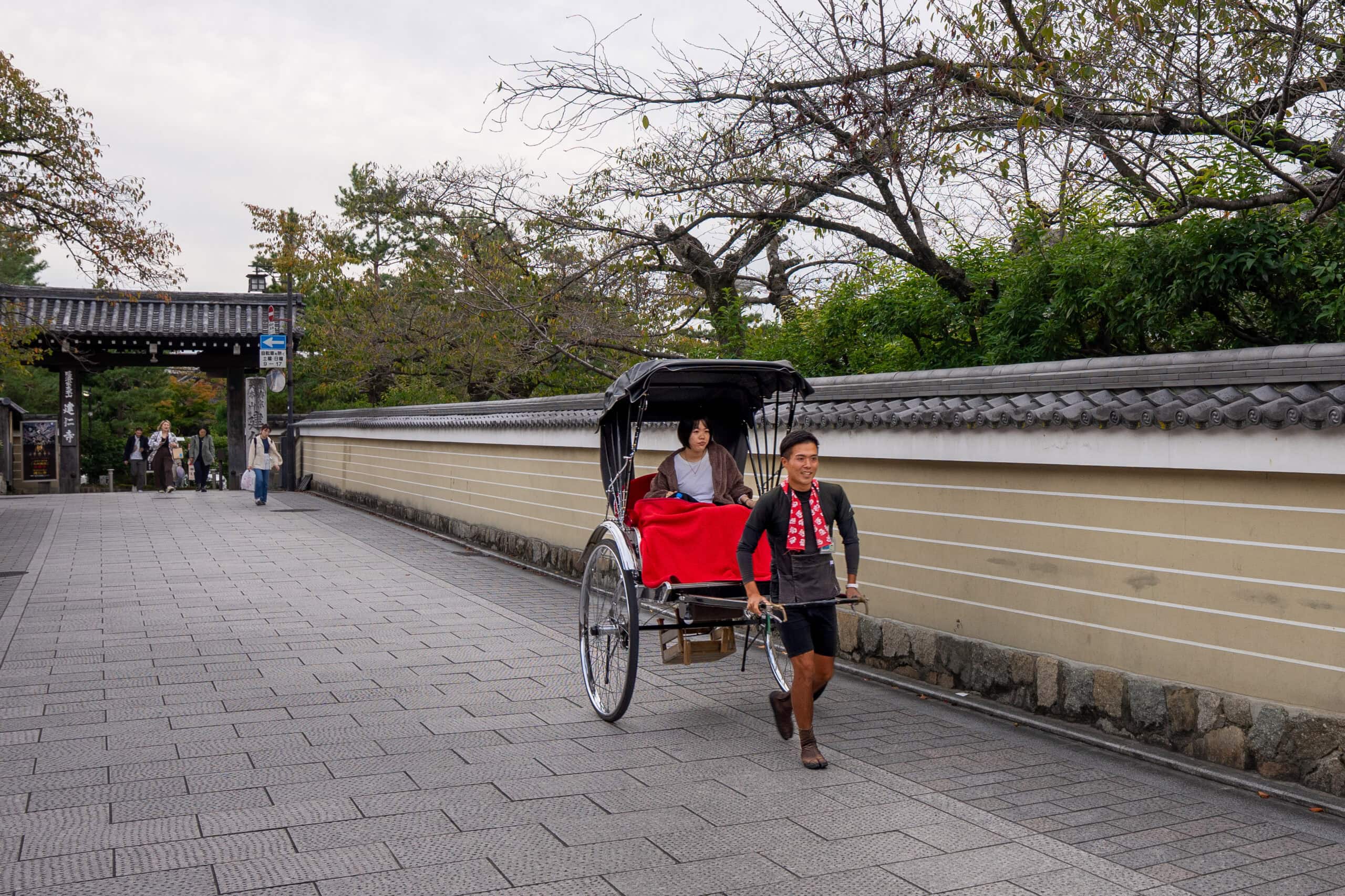
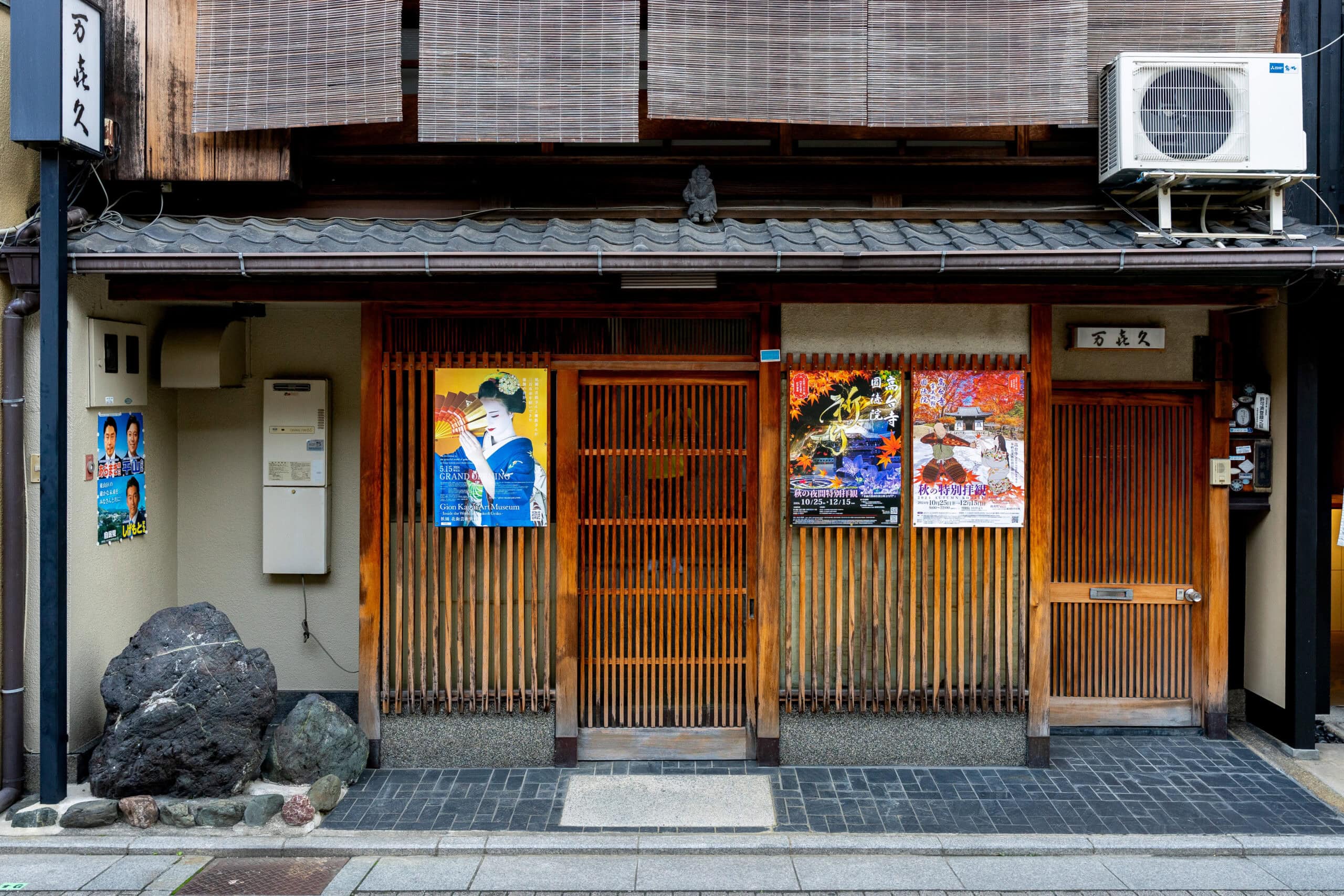
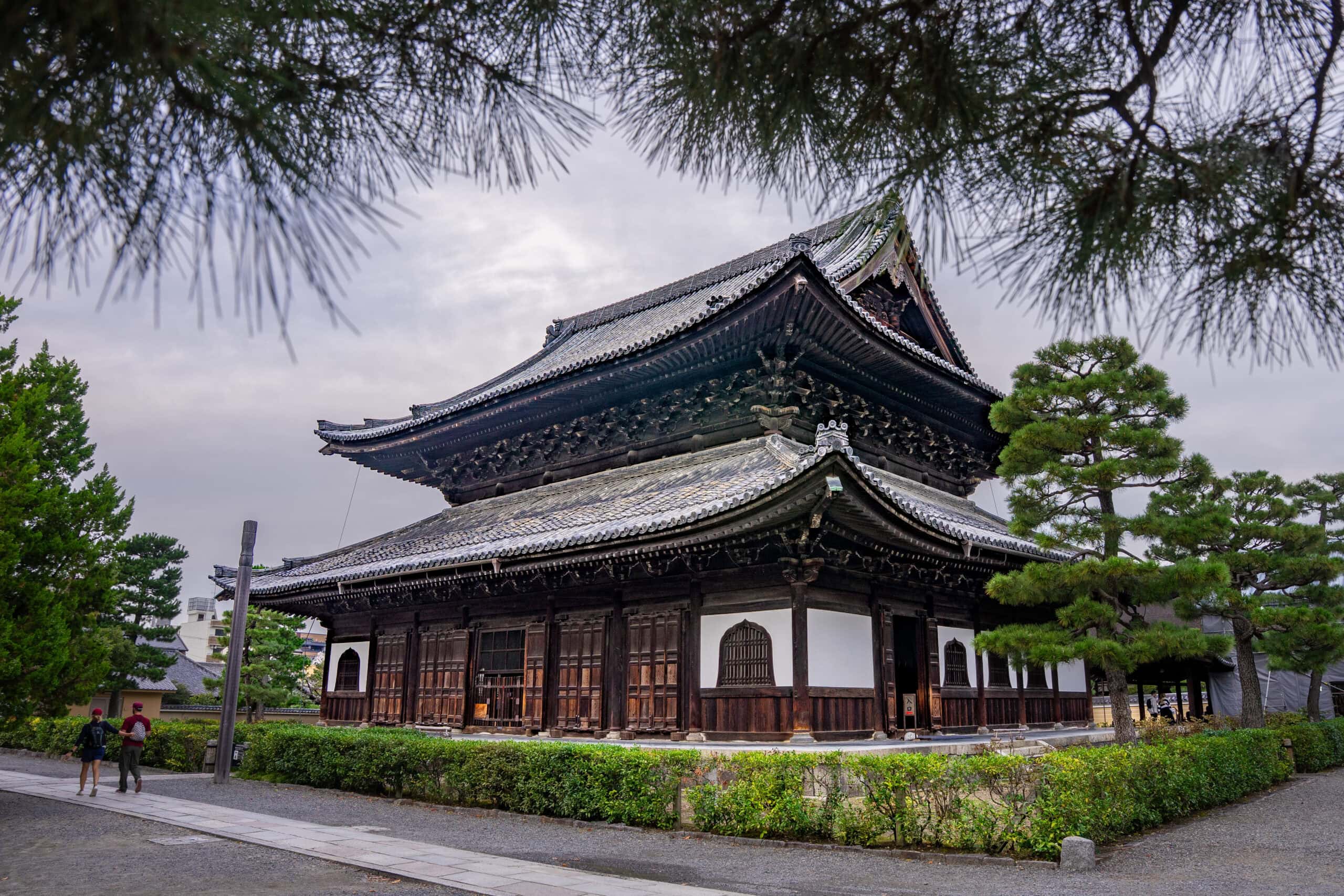
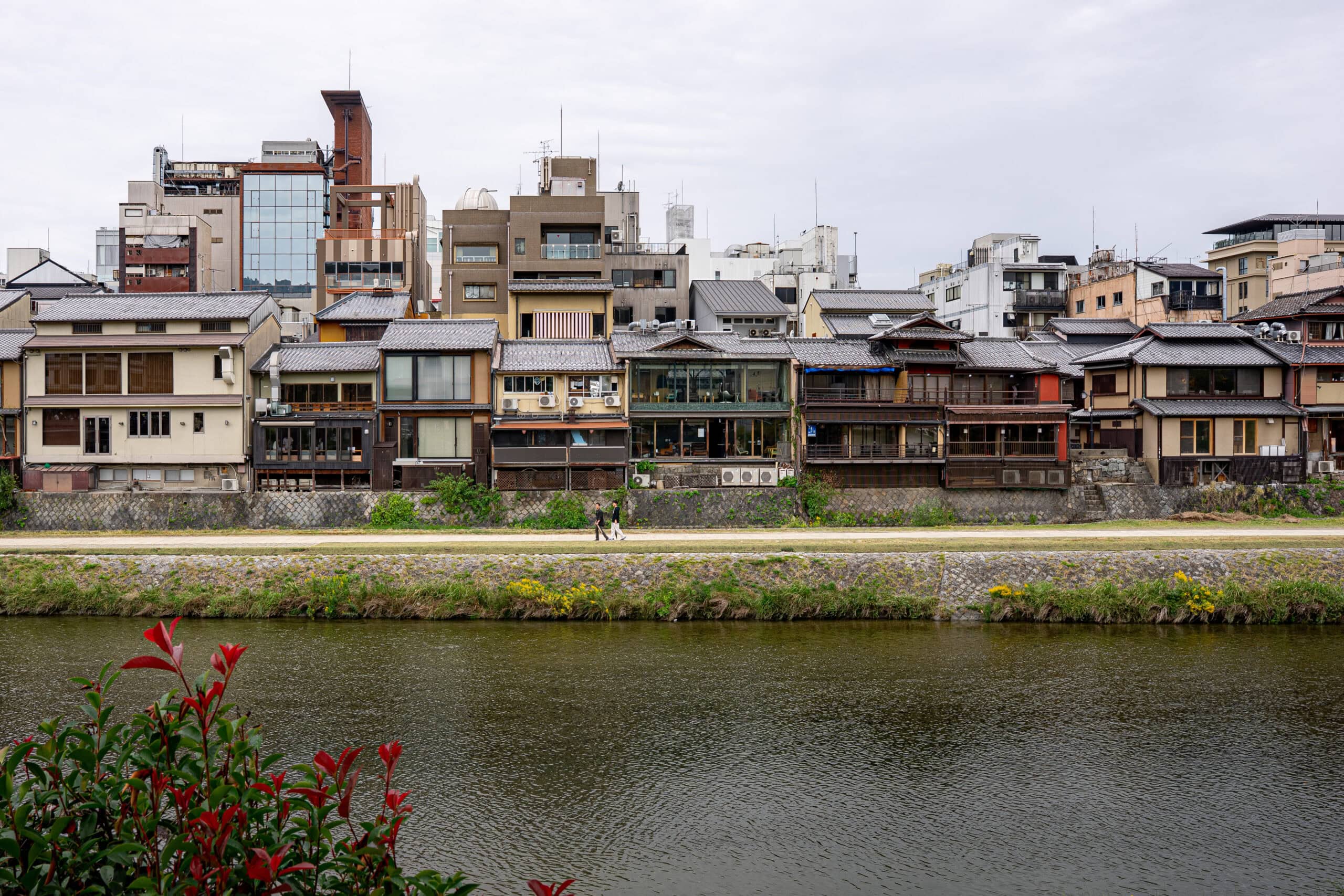
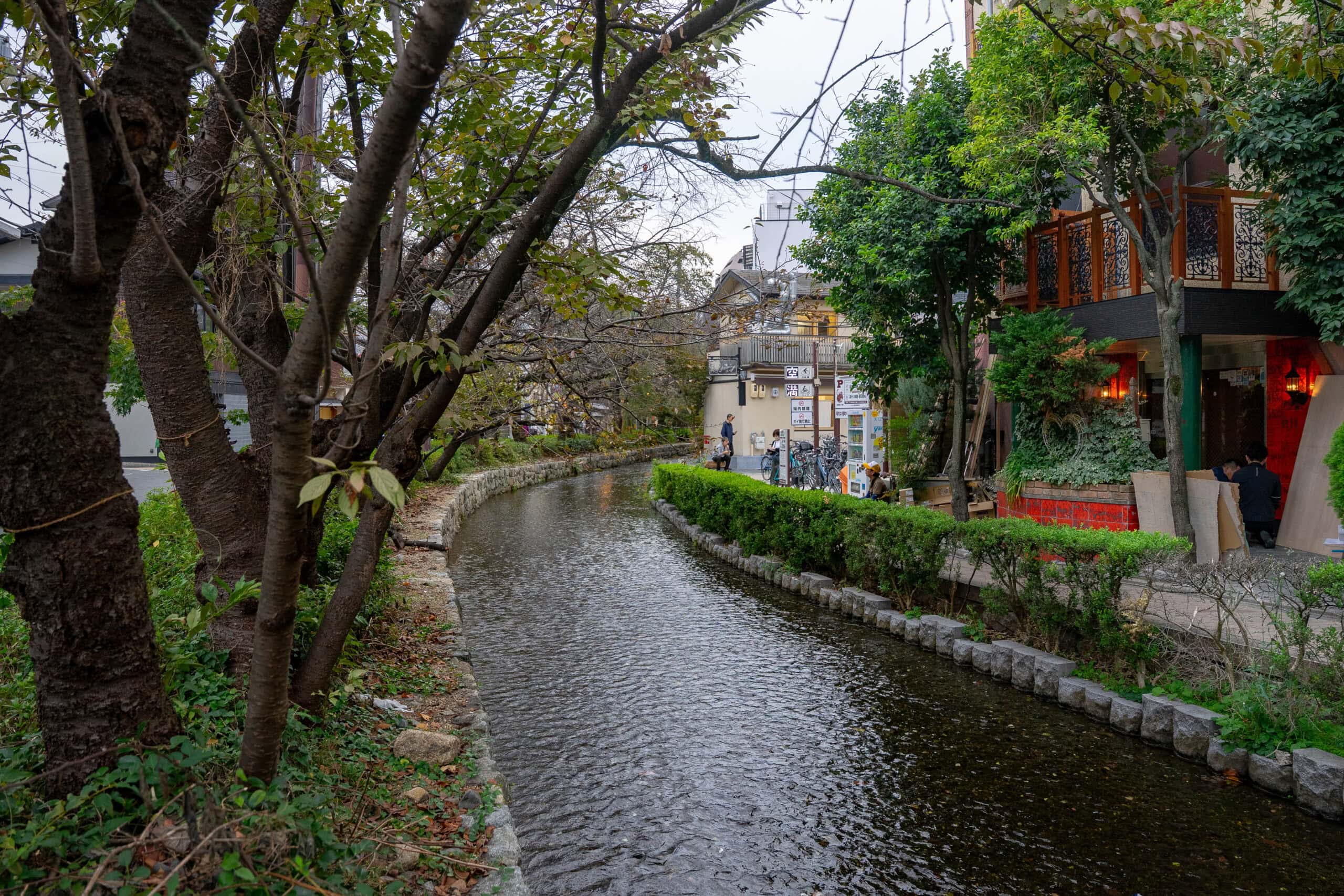
We passed Kenninji Temple, home to an incredible dragon ceiling painting and peaceful gardens, before crossing the Kamo River, and then strolled along the Philosopher’s Path for a while. Eventually, we wandered into the covered Teramachi-dori shopping arcade and found our way back to the hostel.
We ended the walk as all good walks should by collapsing on our beds and doom scrolled until dinner.
Wagyu Yakiniku Dinner at Asuka
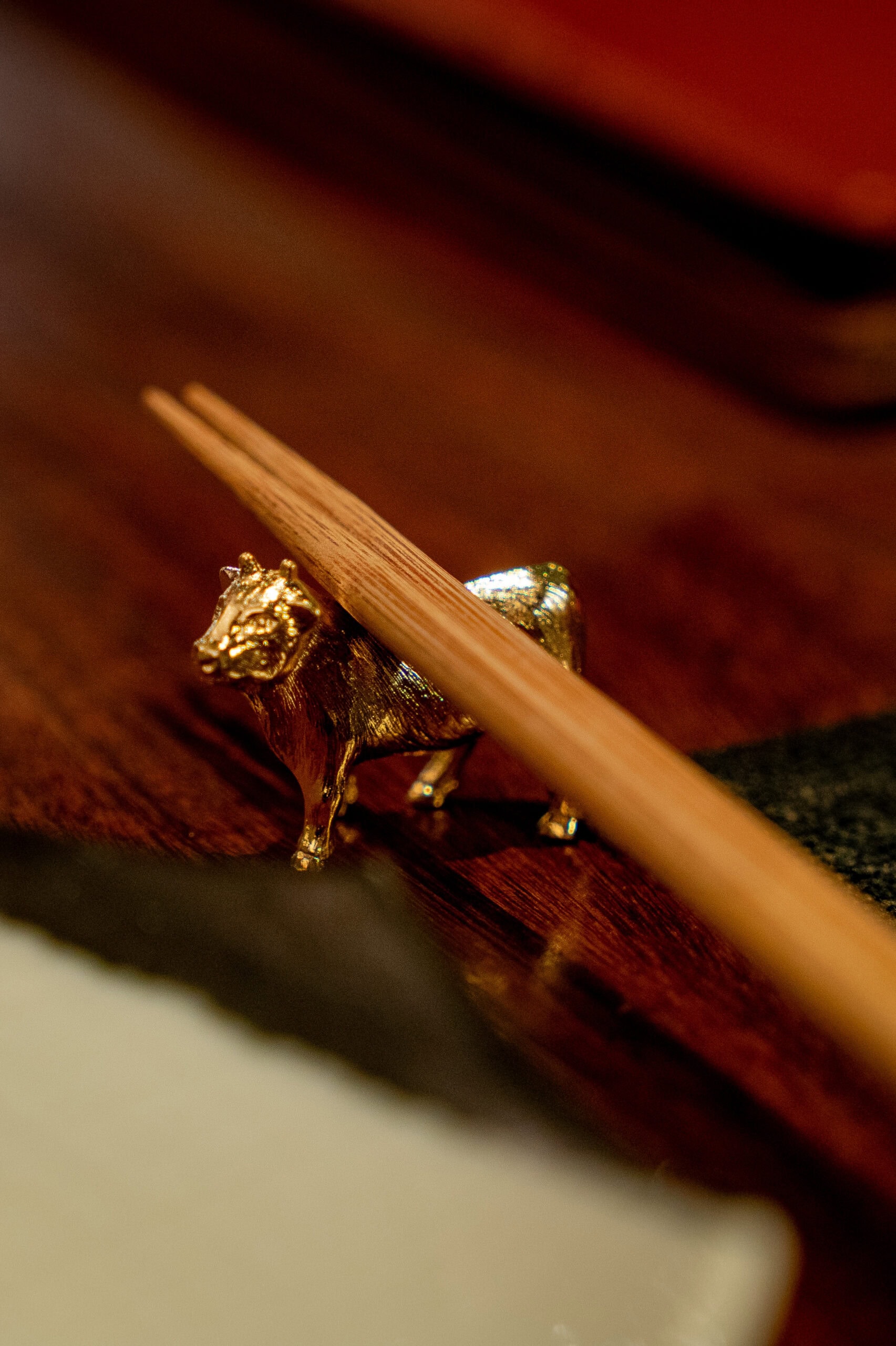
Dinner at Yakiniku Asuka stands out as the best meal I had in Japan. It might actually be one of the best meals of my entire life!
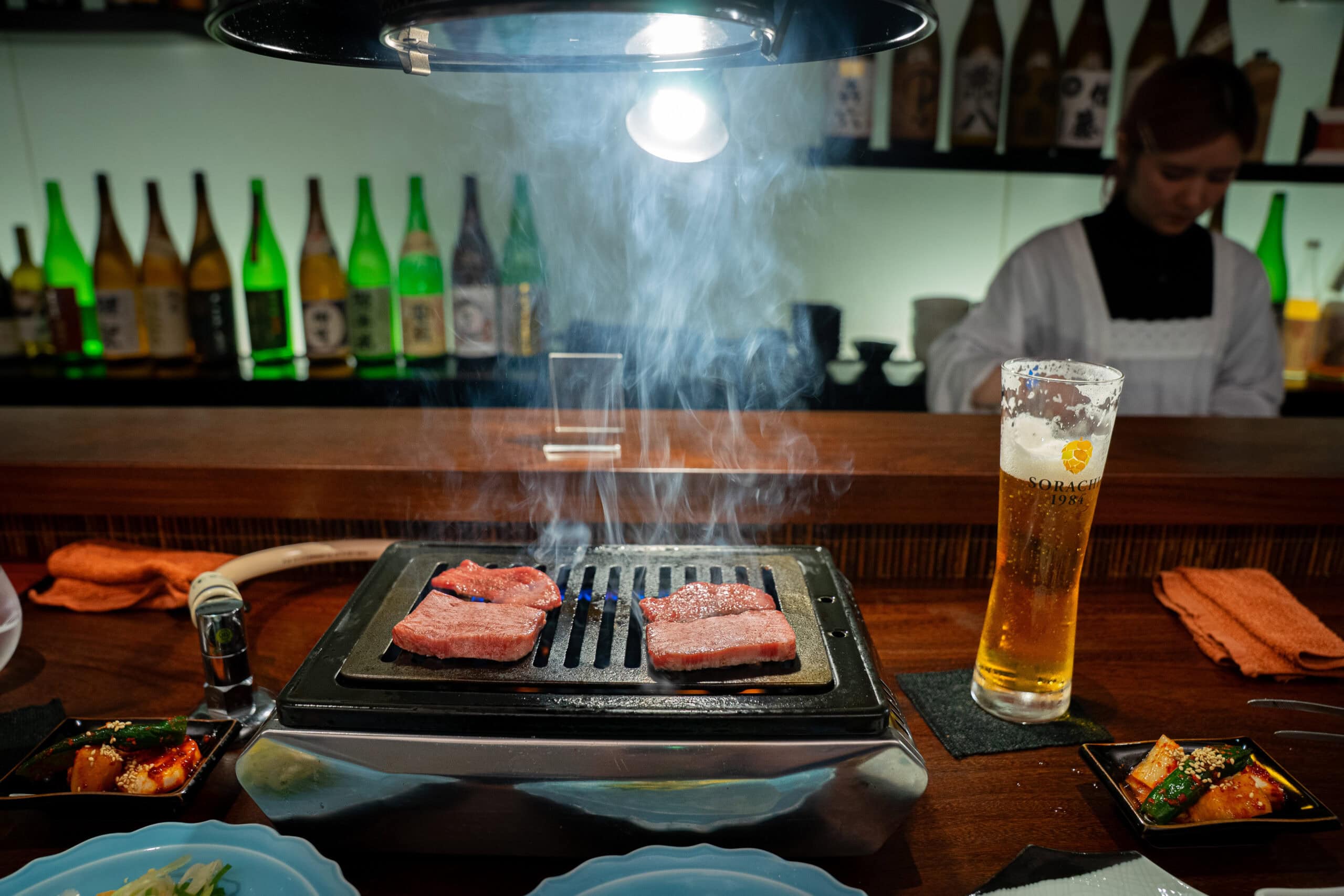
The restaurant is small and cosy, with a sleek counter where diners grill their own meat. While the wagyu is the main attraction, the friendly owner, Chika, complements the food, making for an unforgettable dining experience.
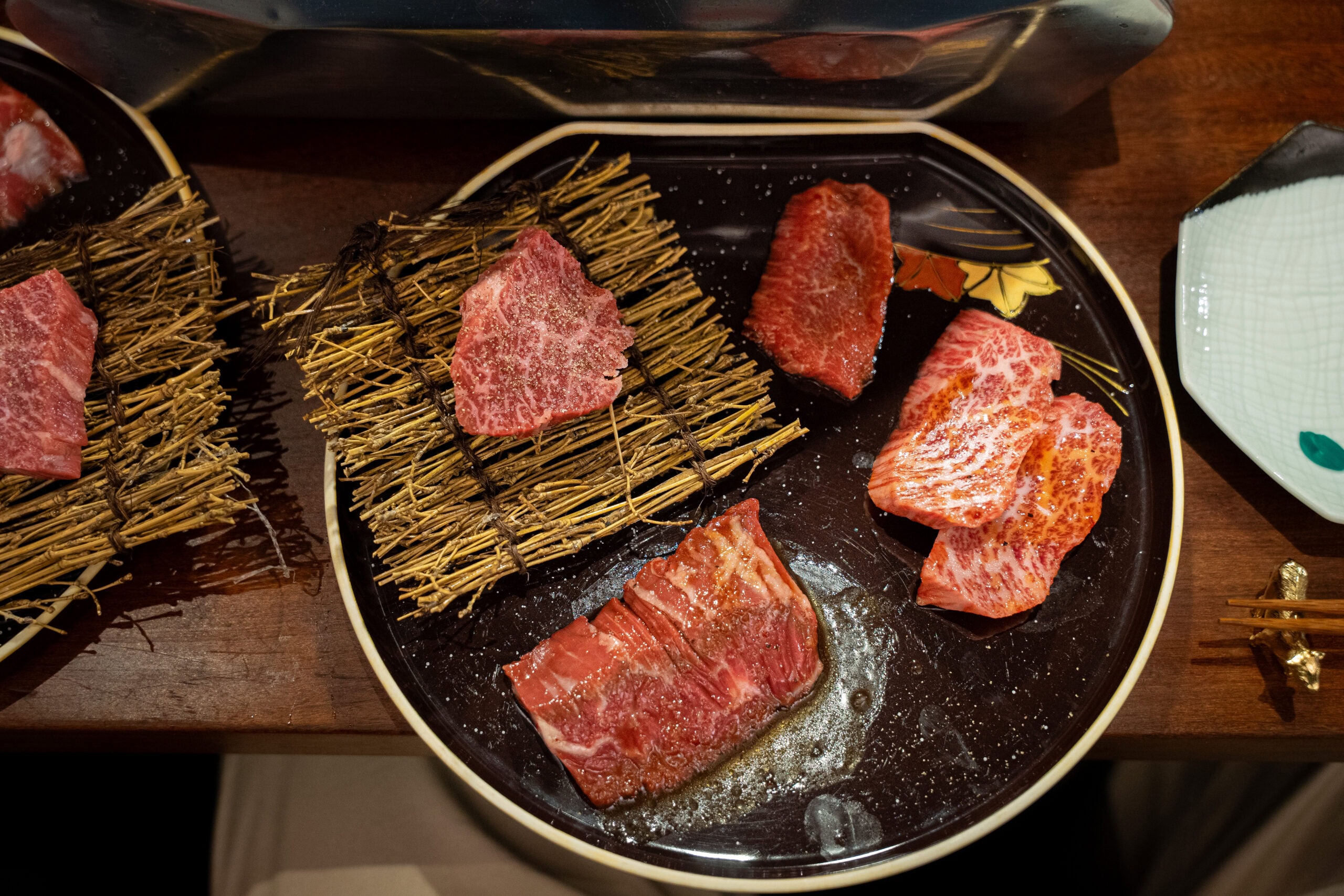
We each ordered the Prime Wagyu Set for ¥6,200, which features top-grade A5 Japanese Black Beef, the highest possible ranking for wagyu.
The set included a mouthwatering selection of cuts, from cheek, tongue, and liver to sirloin, chuck roll, skirt steak, and short ribs, all sliced to perfection. It also included kimchi and dessert. During our visit, we had the option to choose between orange and strawberry sorbet.
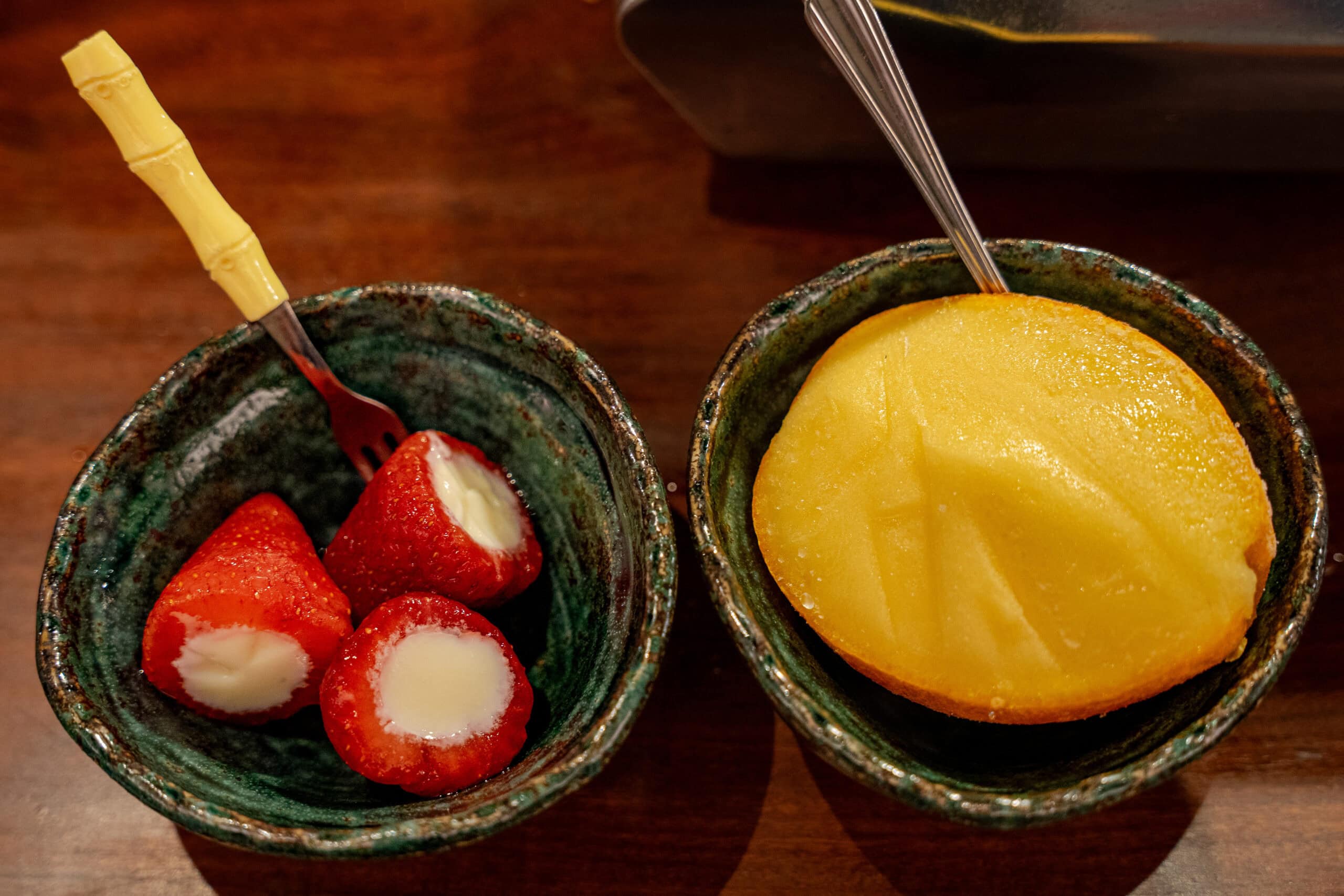
You grill each piece at your own pace and to your own doneness. When you’re ready, Chika brings out the next course, always with a warm smile and helpful tip on how to grill the cut just right.
The meat was unbelievably tender and rich, with just the right amount of marbling. Each bite melted like butter in the mouth.
With a classy but relaxed vibe, top-tier beef, and Chika’s genuine hospitality, Yakiniku Asuka will definitely see us again.
Location
Reservations
➜ Also read: Our two-day Osaka itinerary
Day 4 – Gold: Temple, Castle, Whisky, & Skewers
Our last day in Kyoto took us to two golden highlights, beautiful gardens, and, yes, more delicious food.
Breakfast at Inoda Coffee
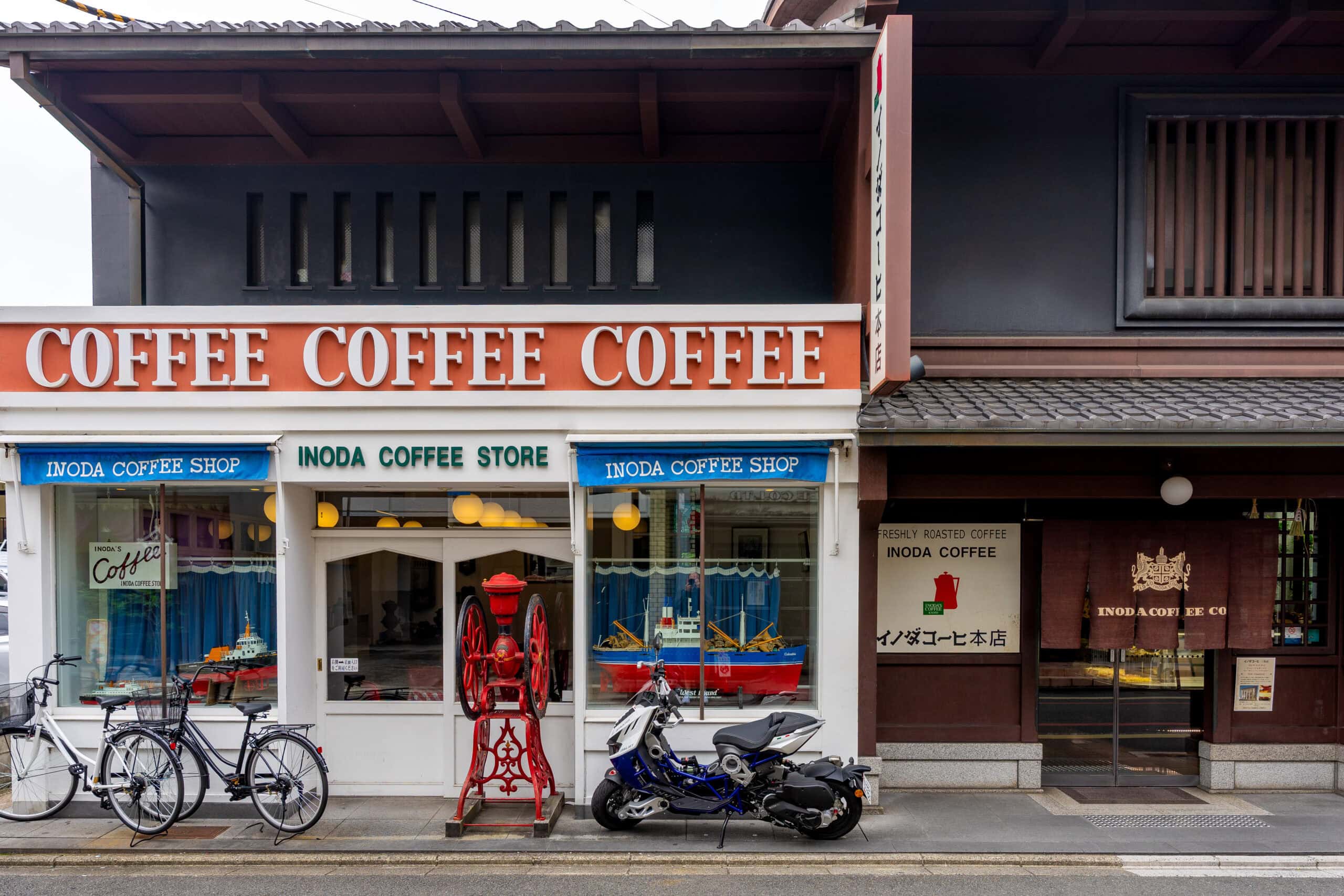
Breakfast at Inoda Coffee is an old-school affair in the best way possible. This beloved café has been serving locals since 1940 and has earned its reputation as a morning institution.
We visited the main store in Sanjo, near our hostel, a beautiful retro-style building with white tablecloths, polished wood interiors, and uniformed staff who move with quiet efficiency.
It’s especially popular with the older crowd, and we were definitely the youngest ones there. But that just added to the charm. Watching Kyoto’s seniors sip coffee and read newspapers felt like a scene from a different era.
I ordered the classic Arabian Pearl breakfast set, which included a croissant, soft scrambled eggs, salad, and ham, accompanied by a cup of their signature strong, slightly sweetened coffee. Jin had the spaghetti bolognese, and we shared a slice of apple pie for a morning dessert. It’s never too early in the day for pie.
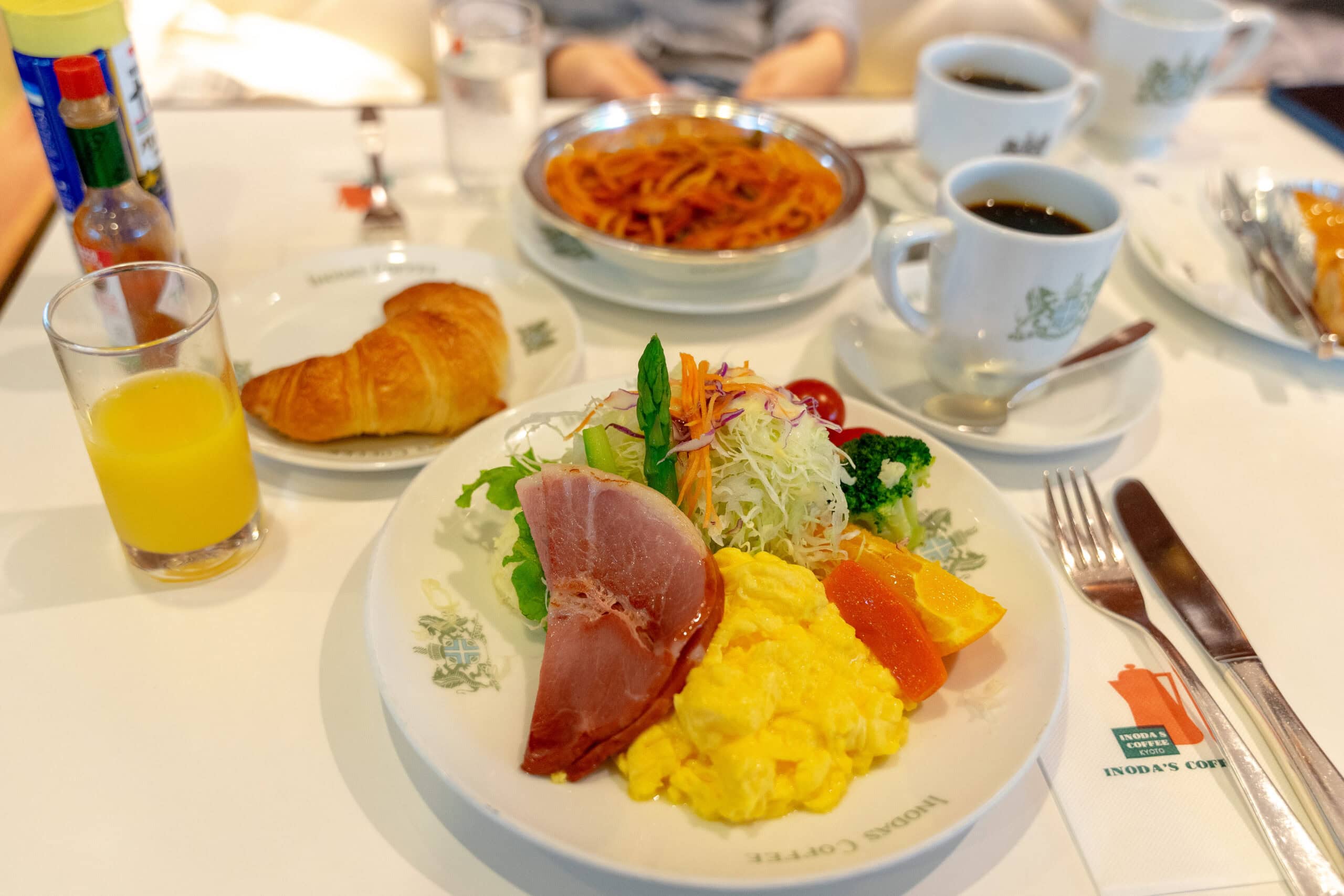
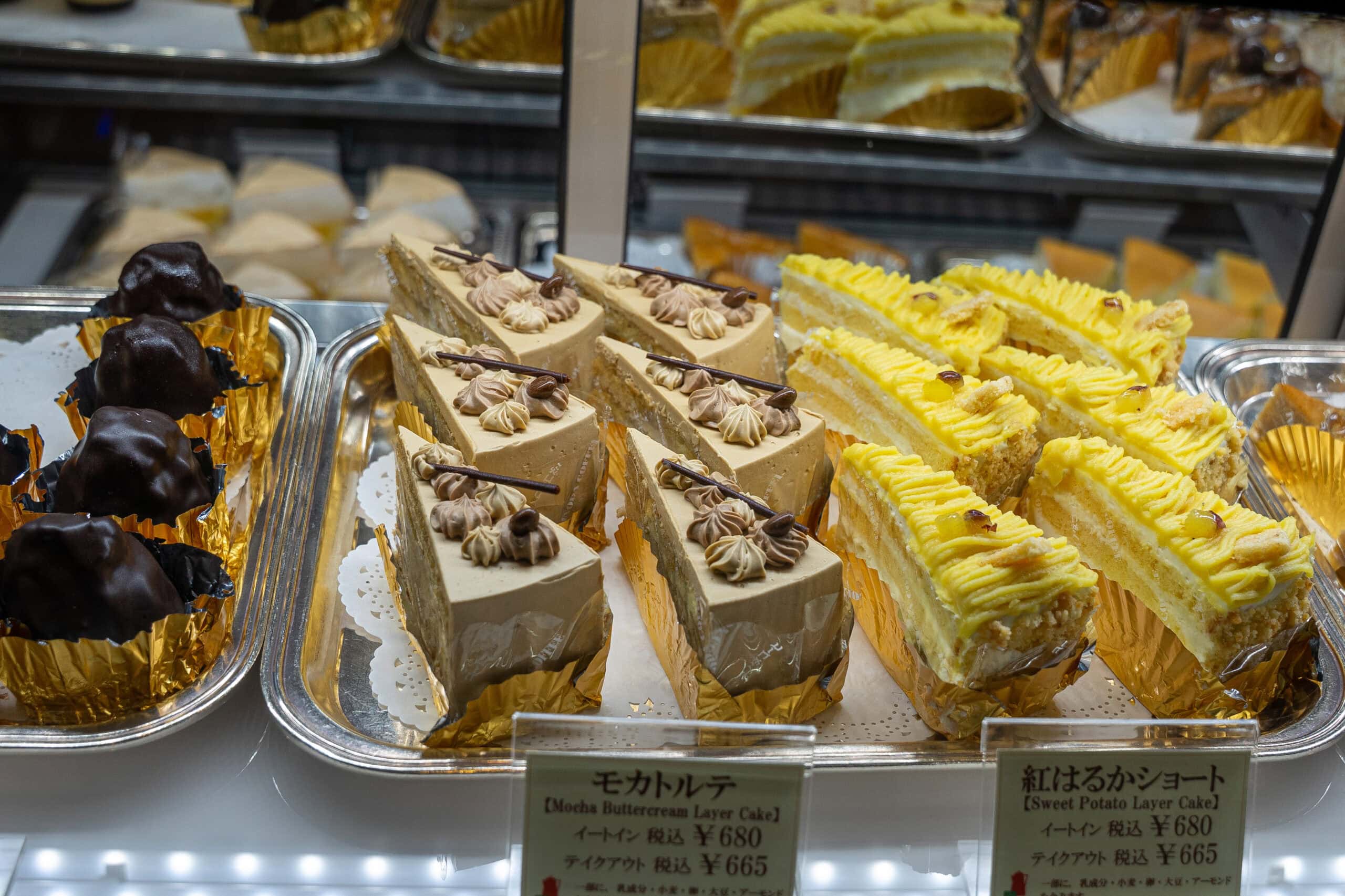
A friendly elderly lady sitting alone at the table next to us struck up a conversation, and we had a nice little chat. She said she comes here a few times a week.
She asked about our plans for the day, and when we told her we were unsure about visiting the bamboo grove due to the crowds, she confirmed that it’s beautiful but overcrowded. She suggested we visit Nijo Castle, which was not part of our initial plan.
Nijo Castle turned out to be one of the highlights in Kyoto, so thank you, old lady, for dropping your pearls of wisdom.
Location
Hours: 7:00-18:00 daily
Golden Temple
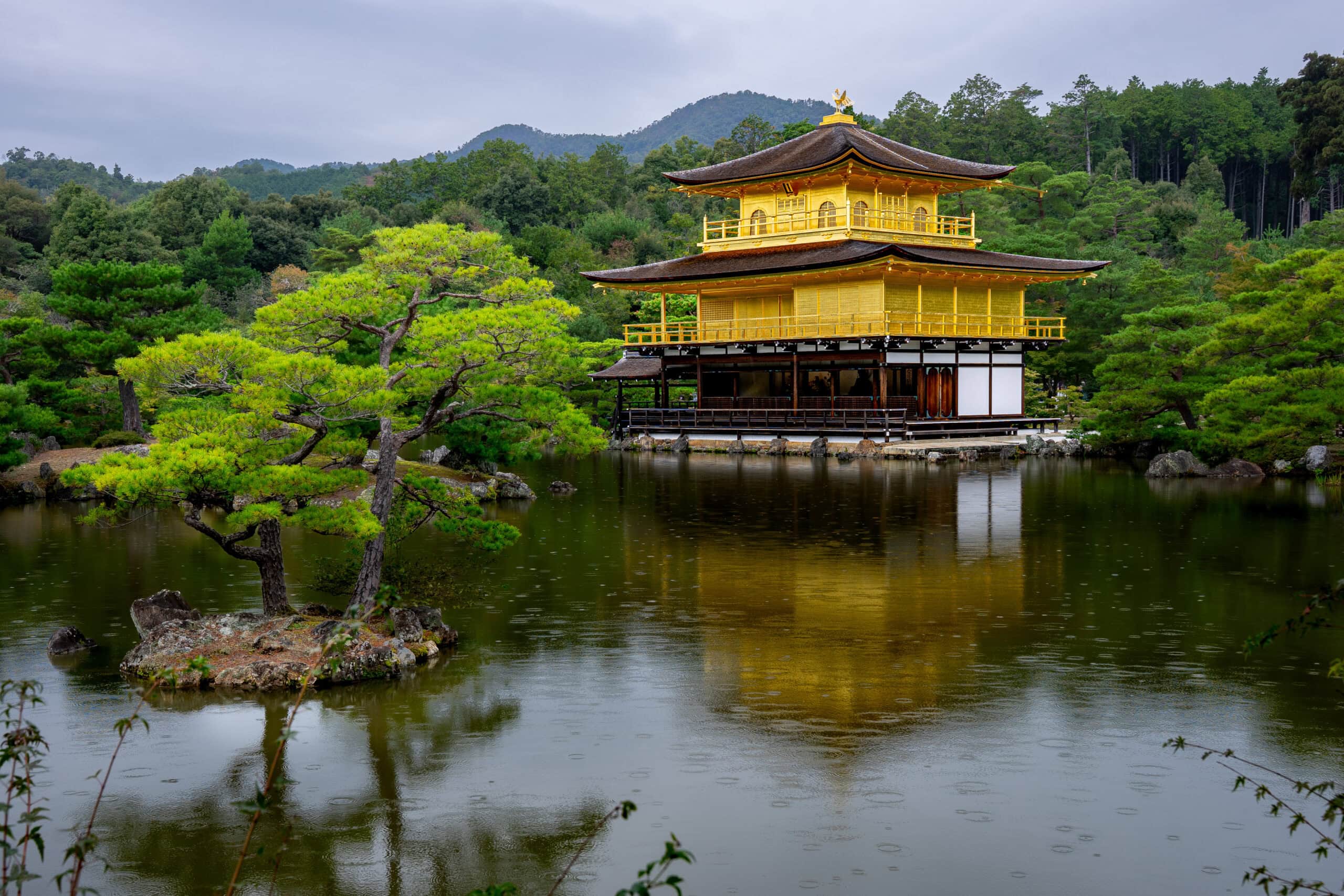
The Golden Temple, or Kinkaku-ji, is one of Kyoto’s most iconic sights. Covered in gold leaf, the beautiful building, reflecting in the pond below, is like something straight out of a Japanese woodblock print.
Originally built in the late 14th century as a retirement villa for the shogun Ashikaga Yoshimitsu, it was converted into a Zen temple after his death. The current structure is a 1955 reconstruction—the original was tragically burned down in 1950—but it’s still a pretty damn fine sight.
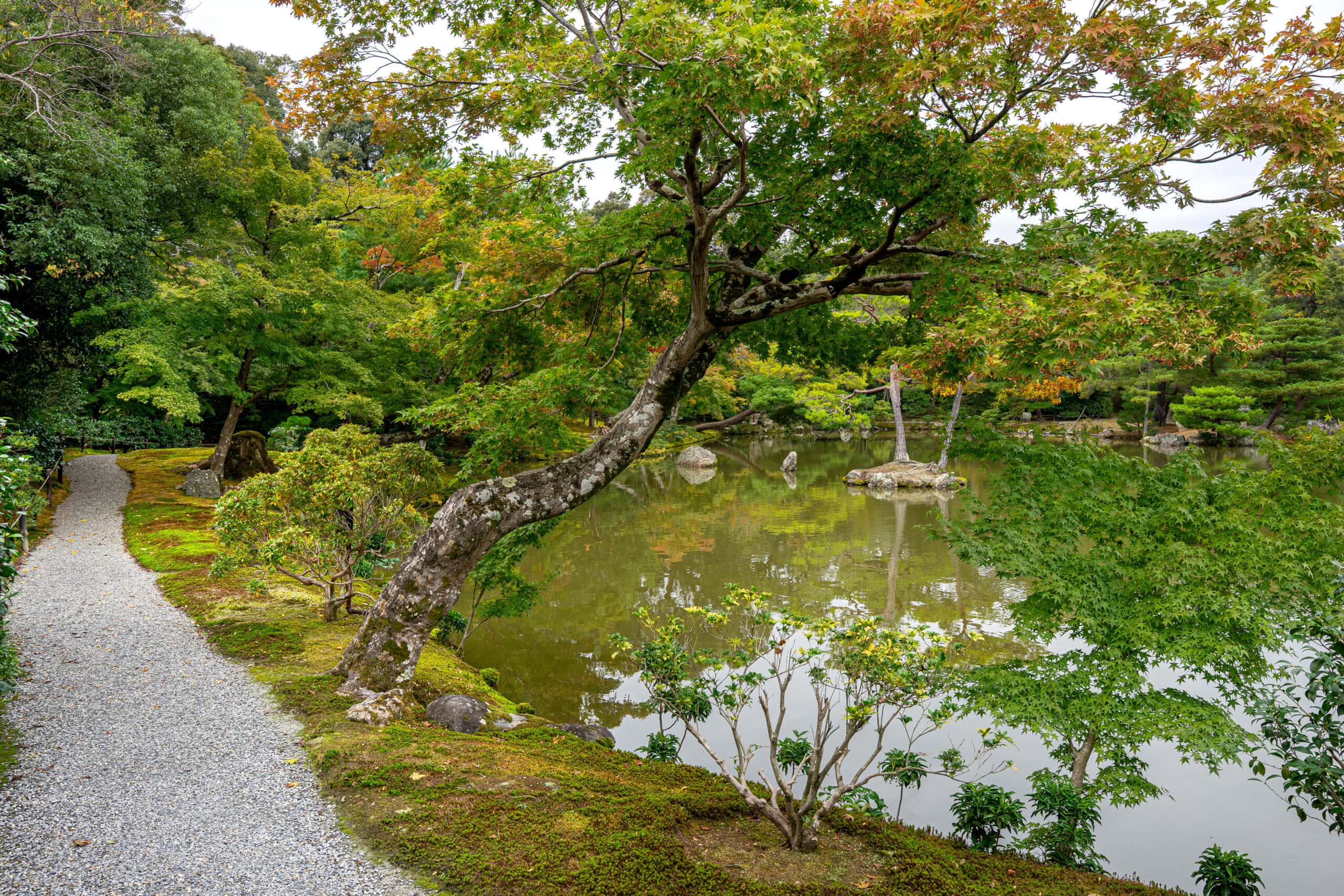
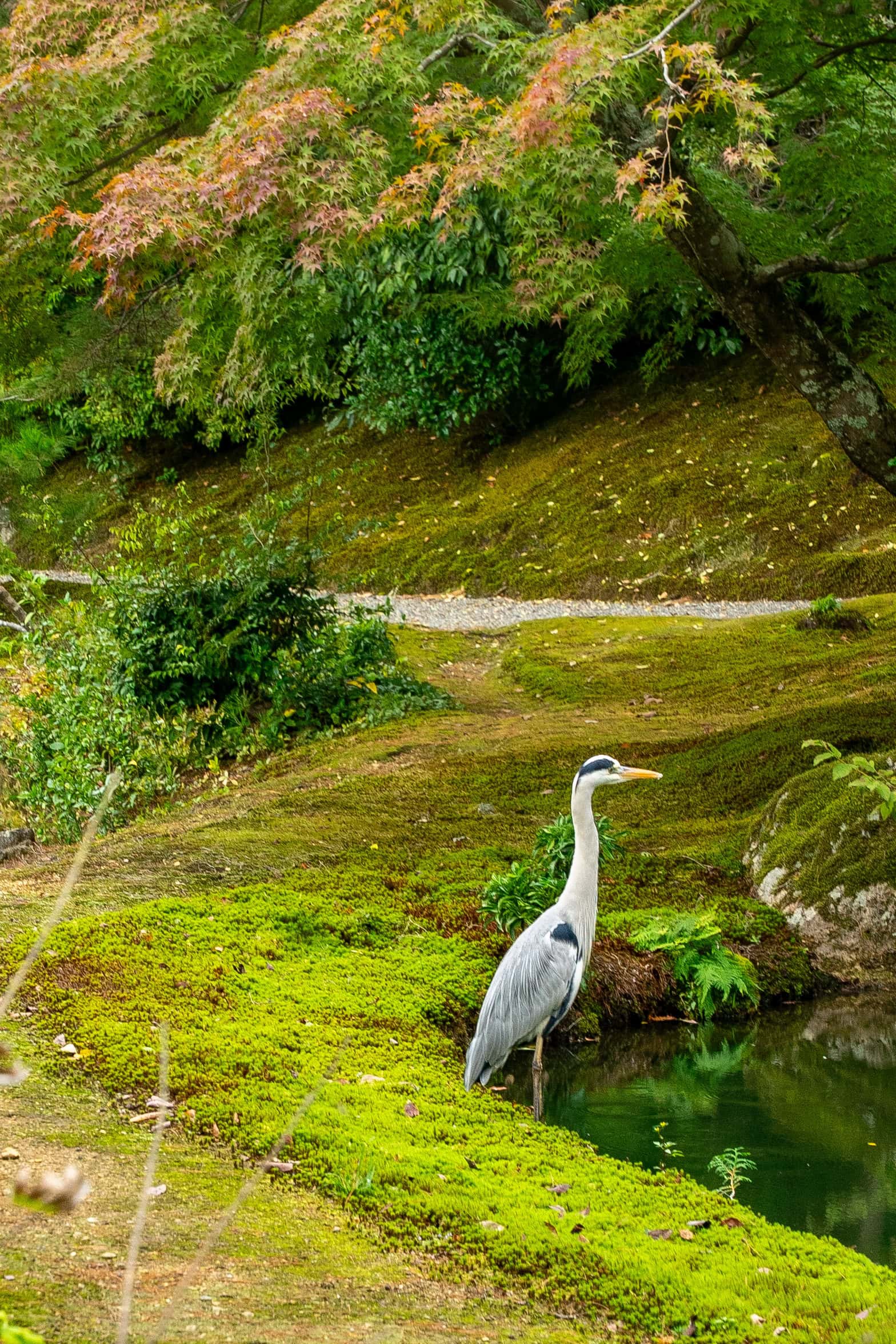
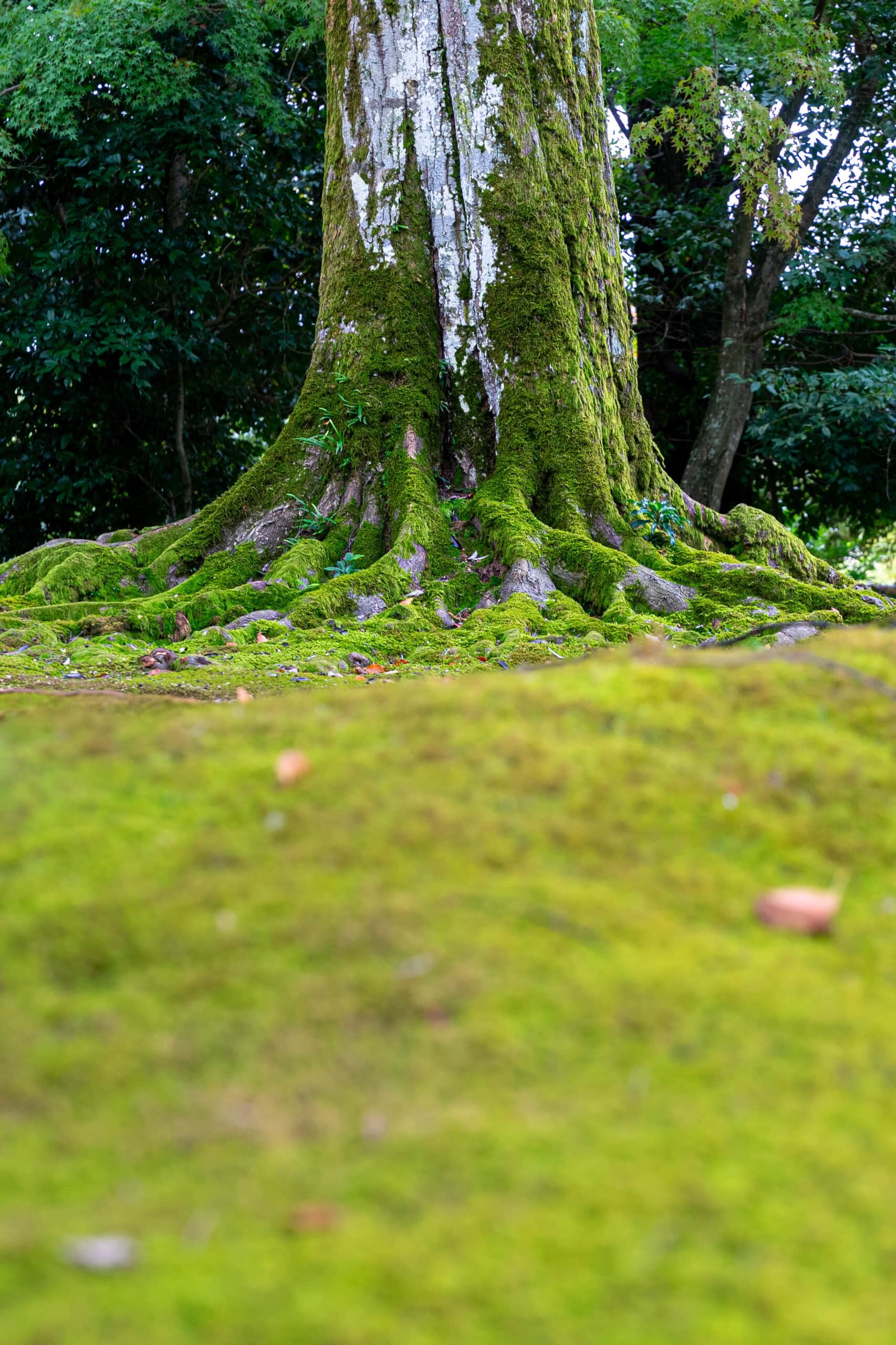
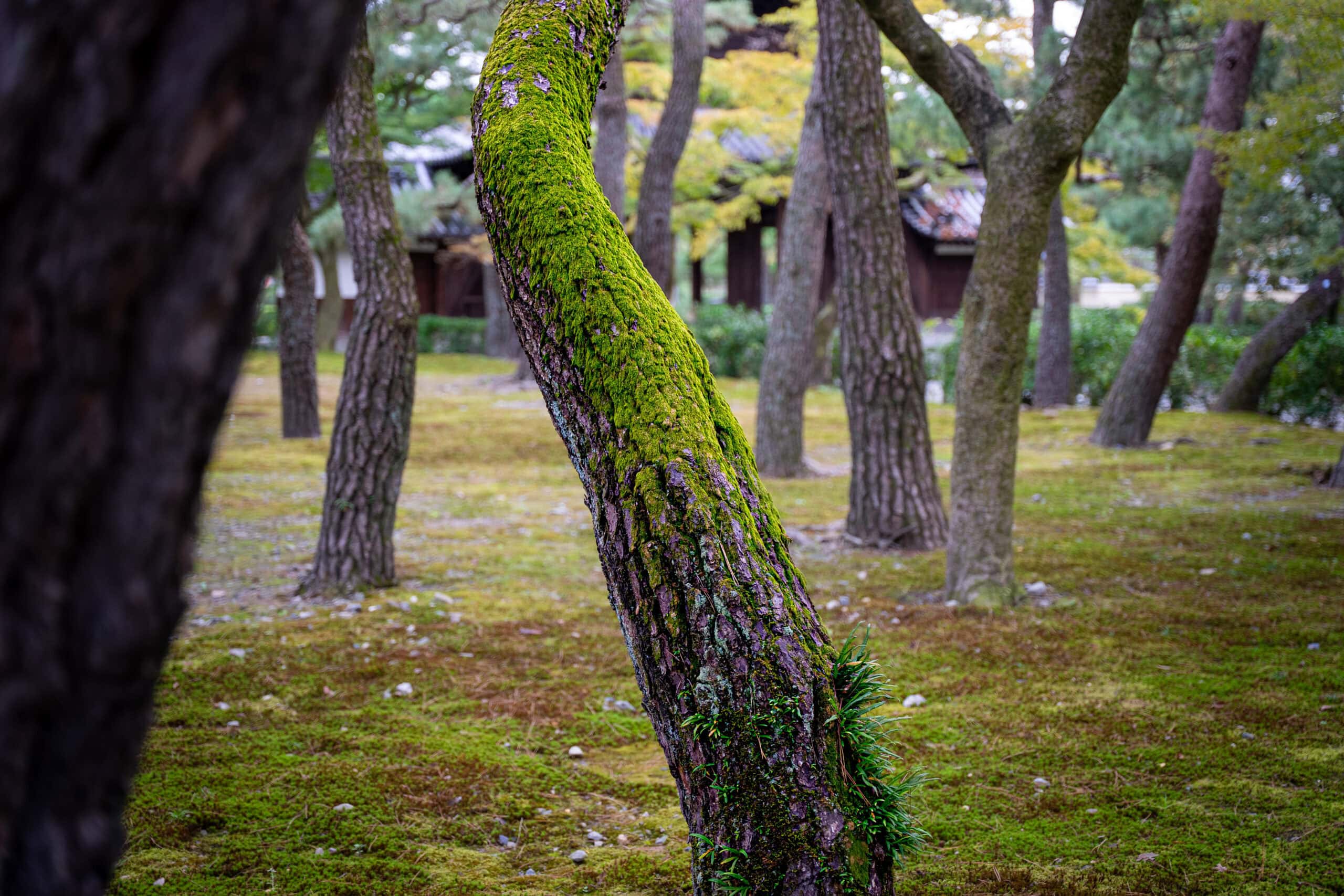
The surrounding garden and park are equally impressive, featuring meticulously landscaped paths, pine trees, and mossy groves that create a peaceful atmosphere, even amidst the crowds. It’s a short, scenic walk around the temple grounds, with photo opportunities at every turn.
Entrance: ¥500
Hours: 9:00-17:00
Nijo Castle
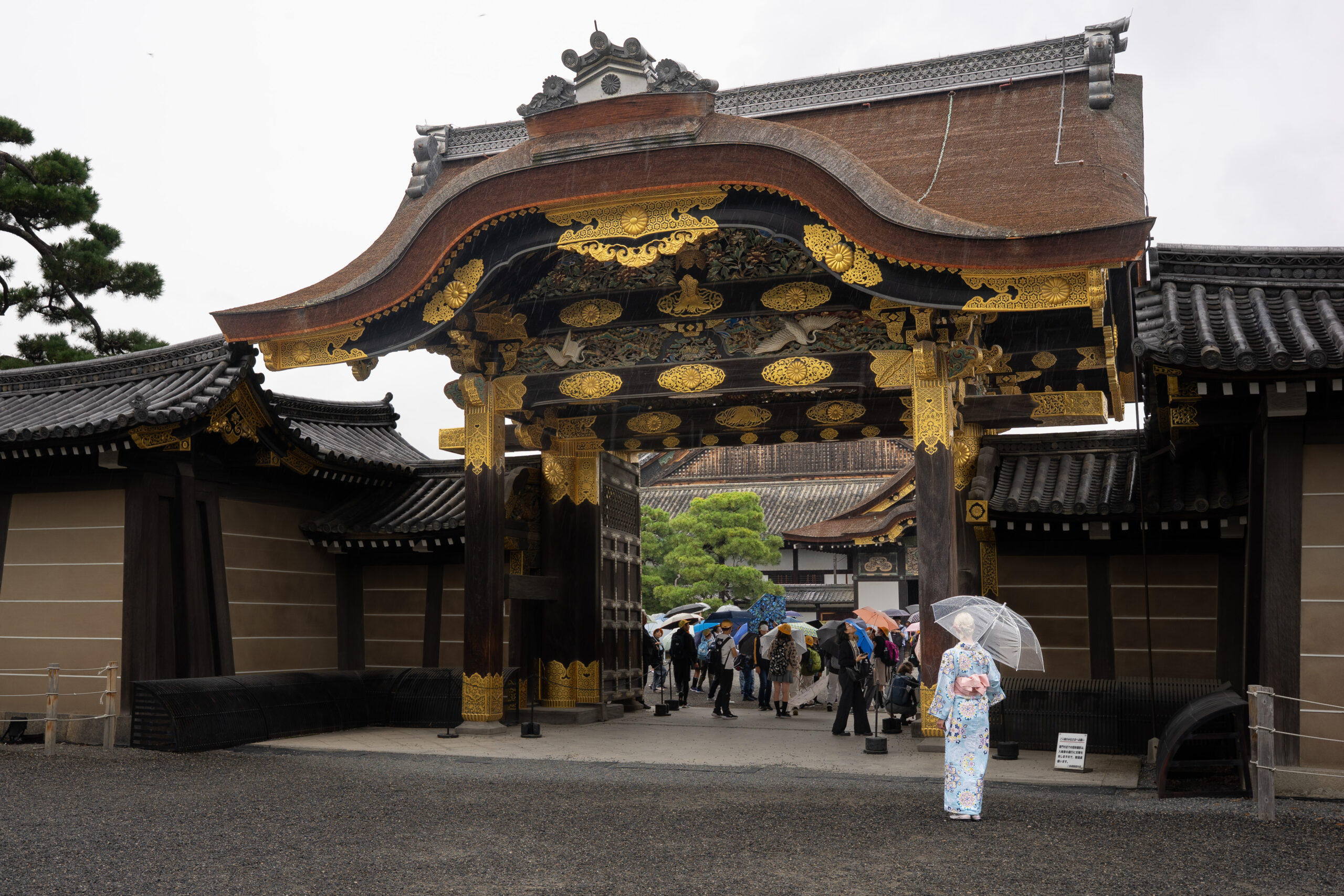
Nijo Castle is one of Kyoto’s most captivating historical sites, built initially in 1603 as the Kyoto residence of Tokugawa Ieyasu, the first shogun of the Edo period. Now a UNESCO World Heritage Site, it offers a rare chance to walk through an authentic Edo-period palace.
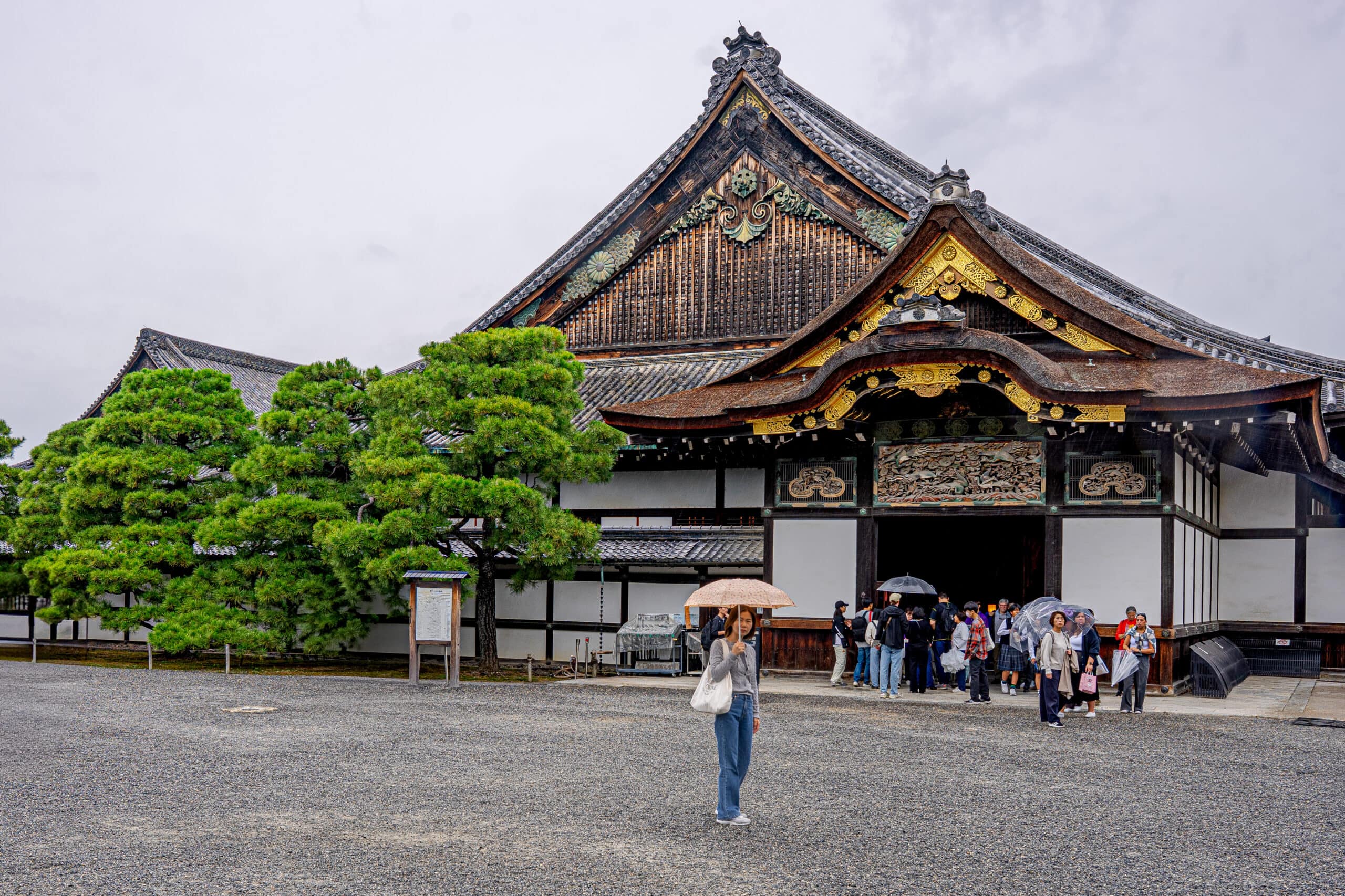
The standout feature is the Ninomaru Palace, best known for its nightingale floors. These cleverly designed wooden corridors chirp just like real birds underfoot due to metal clamps beneath the boards. These squeaky floors are actually an ingenious security system meant to alert guards of intruders. The sound is surprisingly realistic.
I first learned about these floors through the novel Across the Nightingale Floor. It was quite surreal when I finally heard the floor chirping under me, almost 20 years after having read the novel.
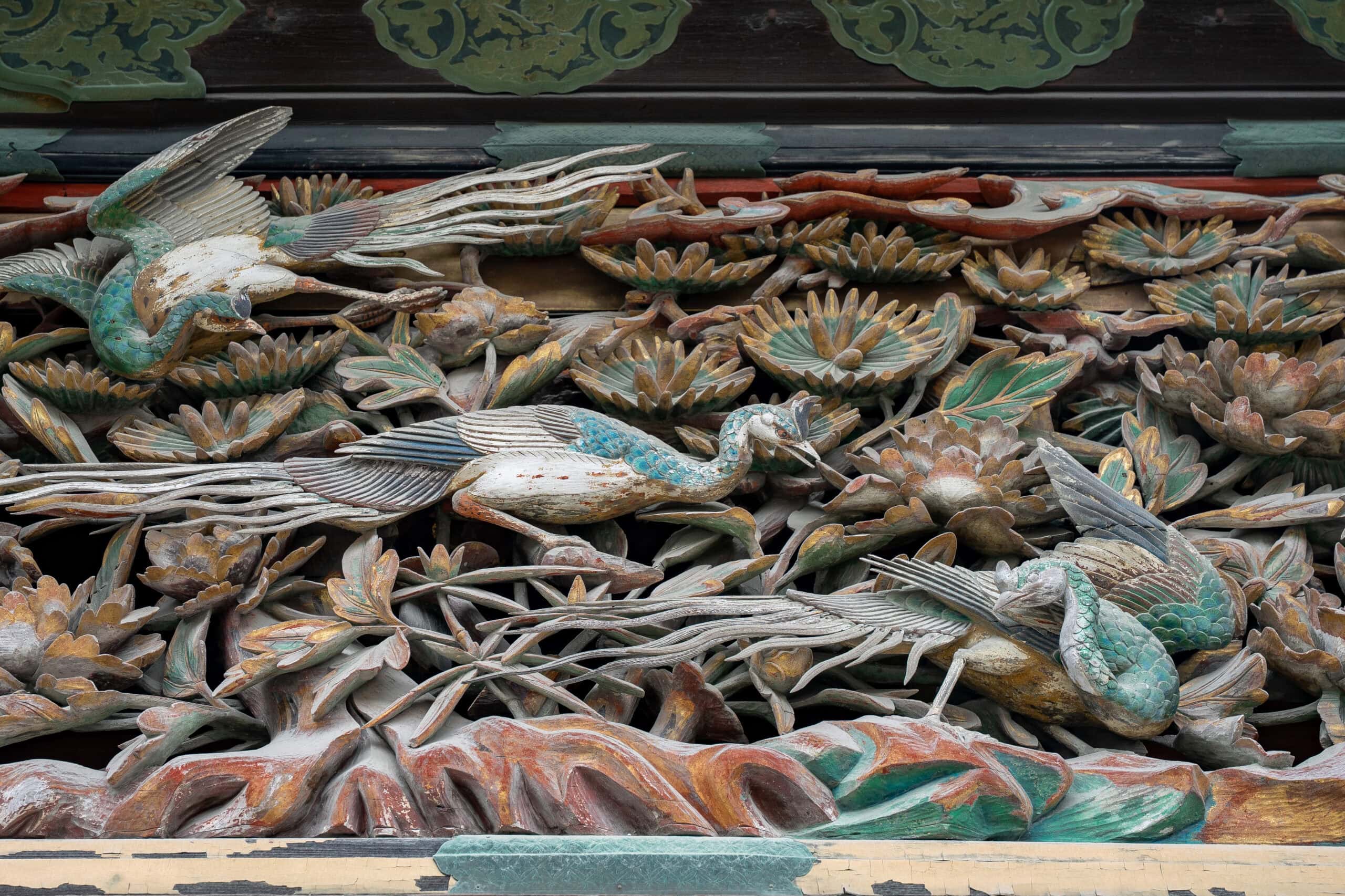
Birdsong aside, you’ll find lavishly decorated rooms with gold-leaf screen paintings. Themes range from majestic tigers and leopards (symbols of strength and protection) to tranquil pine trees and seasonal flowers meant to impress and calm visiting dignitaries. It’s absolutely stunning!
Unfortunately, photography isn’t allowed inside. This is actually a blessing in disguise, as you don’t get people hogging up the place while taking 250 duckface selfies.
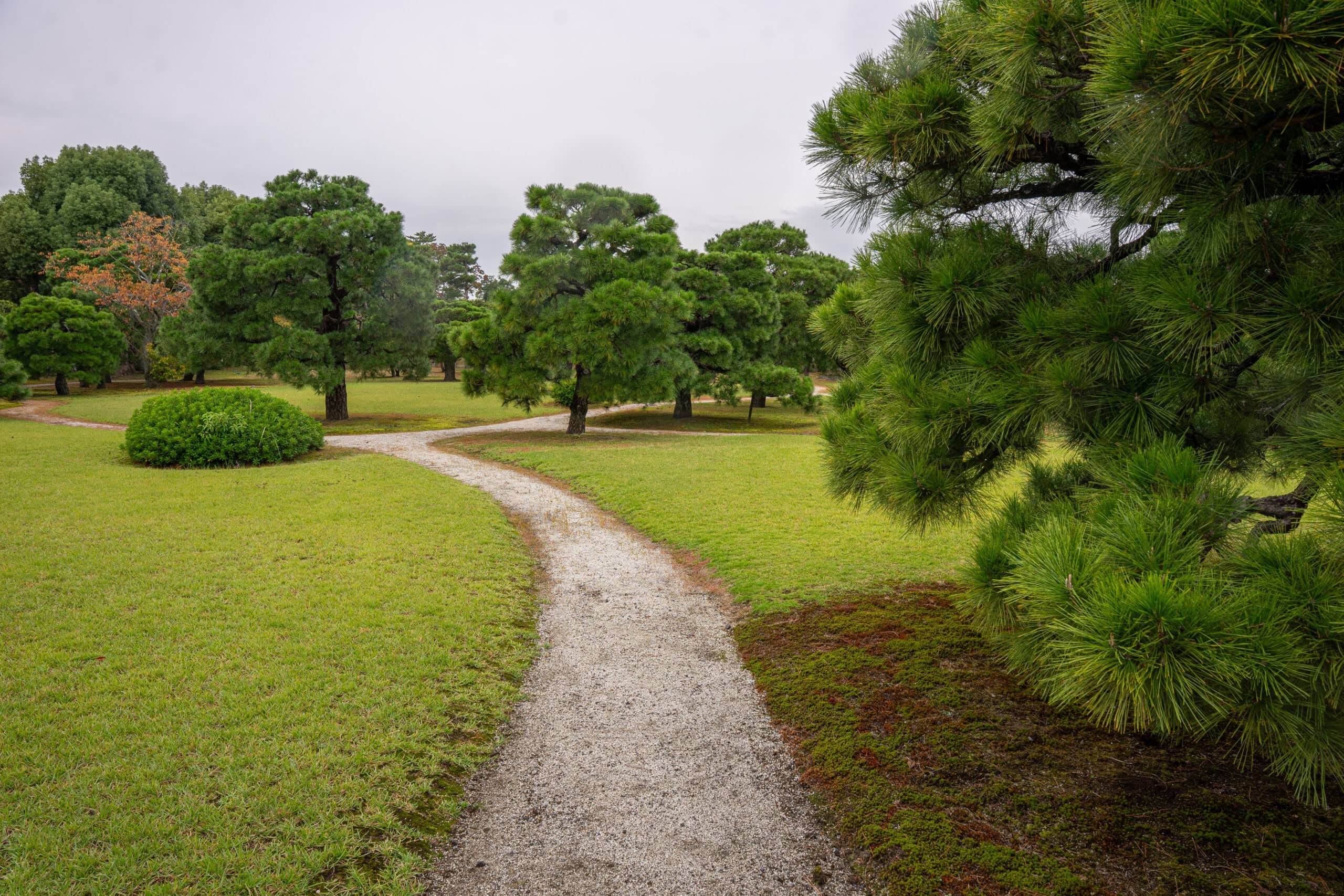
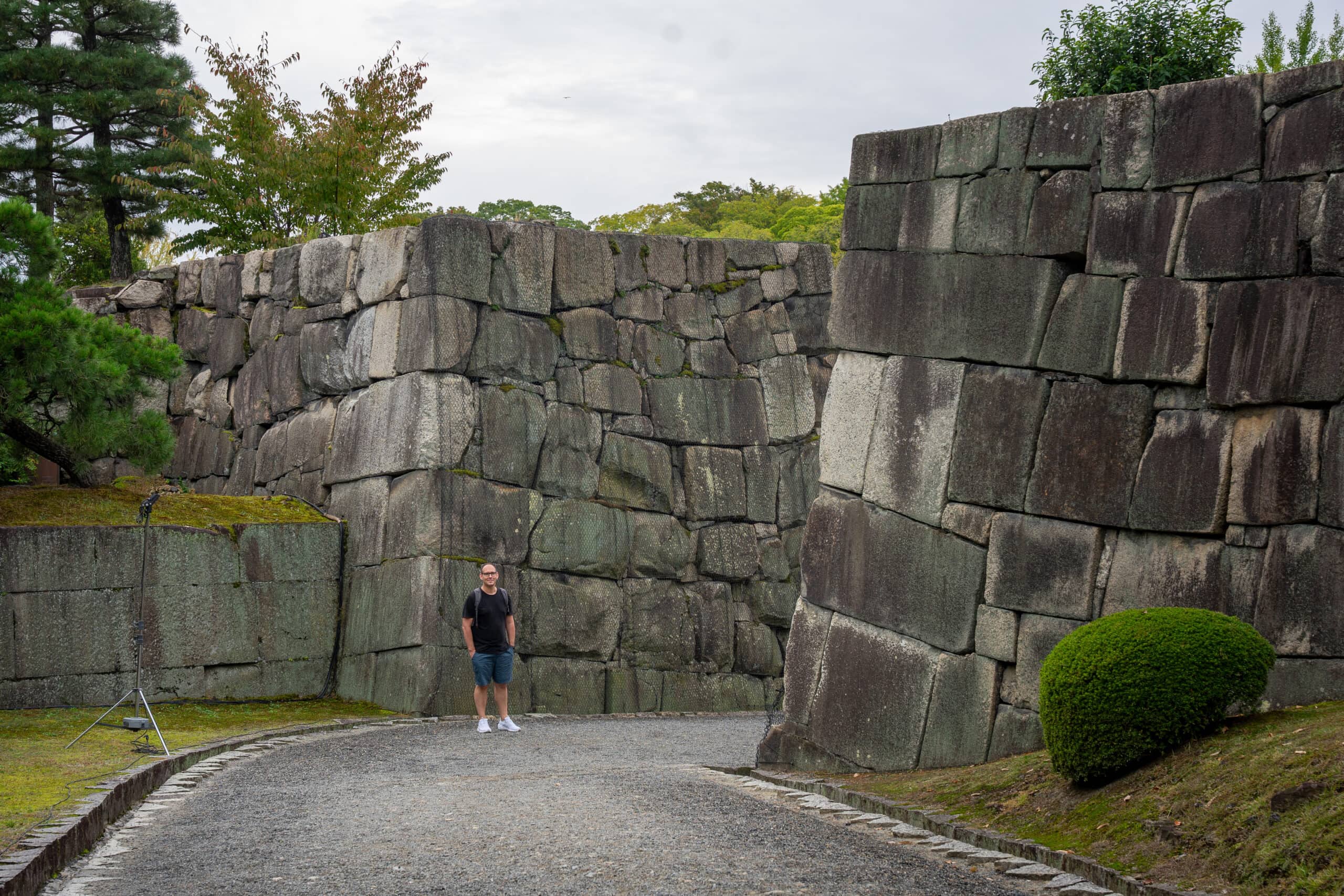
The entire complex is surrounded by massive stone walls, moats, and beautifully landscaped gardens.
Entrance: ¥1,300
Hours: 8:45 to 17:00, with last entry at 4:00 PM. Closed on Tuesdays in January, July, August, and December.
Pontocho Alley
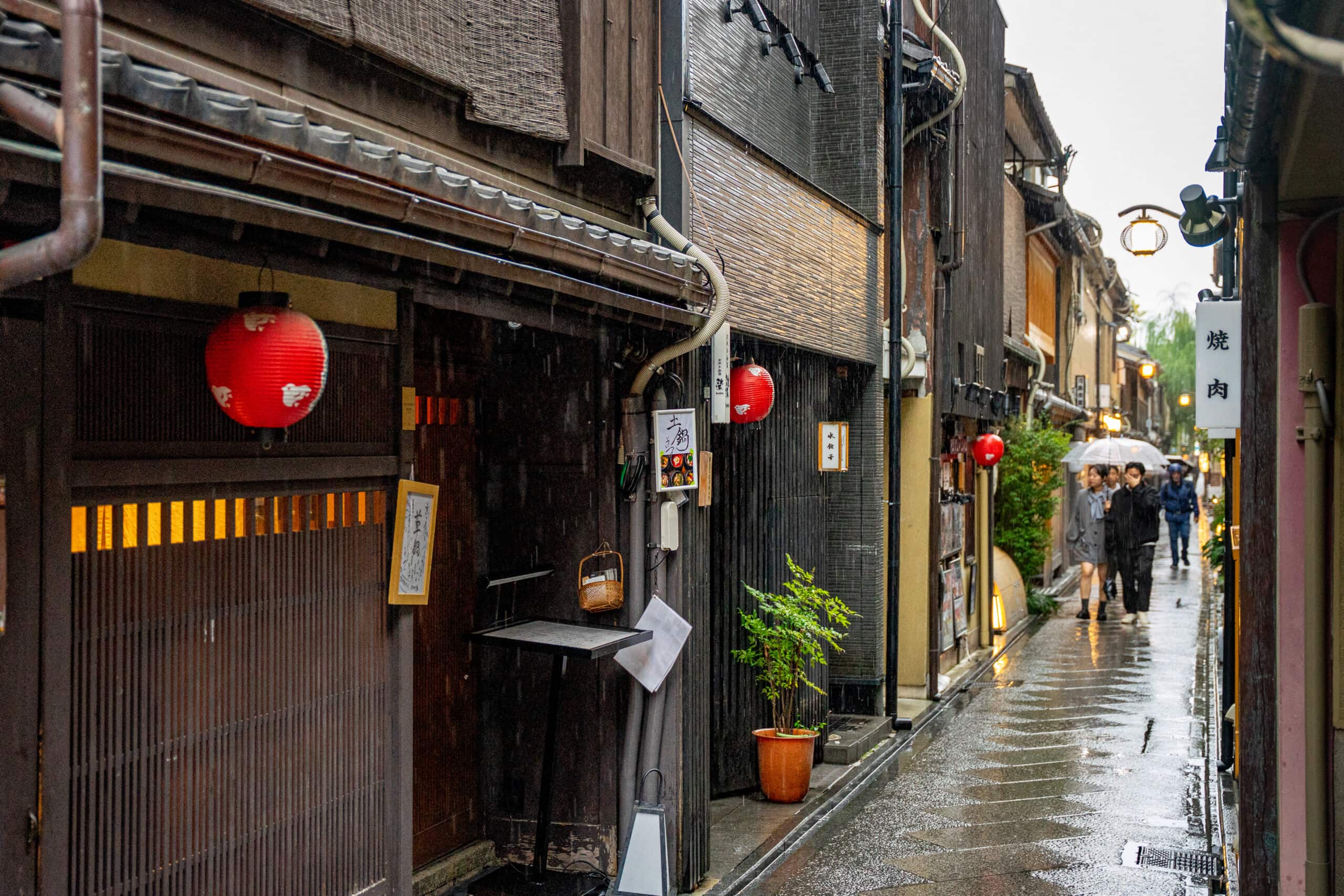
Pontocho Alley is one of Kyoto’s most iconic nightlife streets, but that didn’t stop us from coming in the afternoon.
Tucked between the Kamogawa River and a busy main road, it’s known for its narrow cobblestone path, traditional wooden buildings, and the chance, if you’re lucky, to spot a geisha or maiko slipping between appointments.
The alley is lined with restaurants and bars, ranging from high-end kaiseki to holes-in-the-wall.
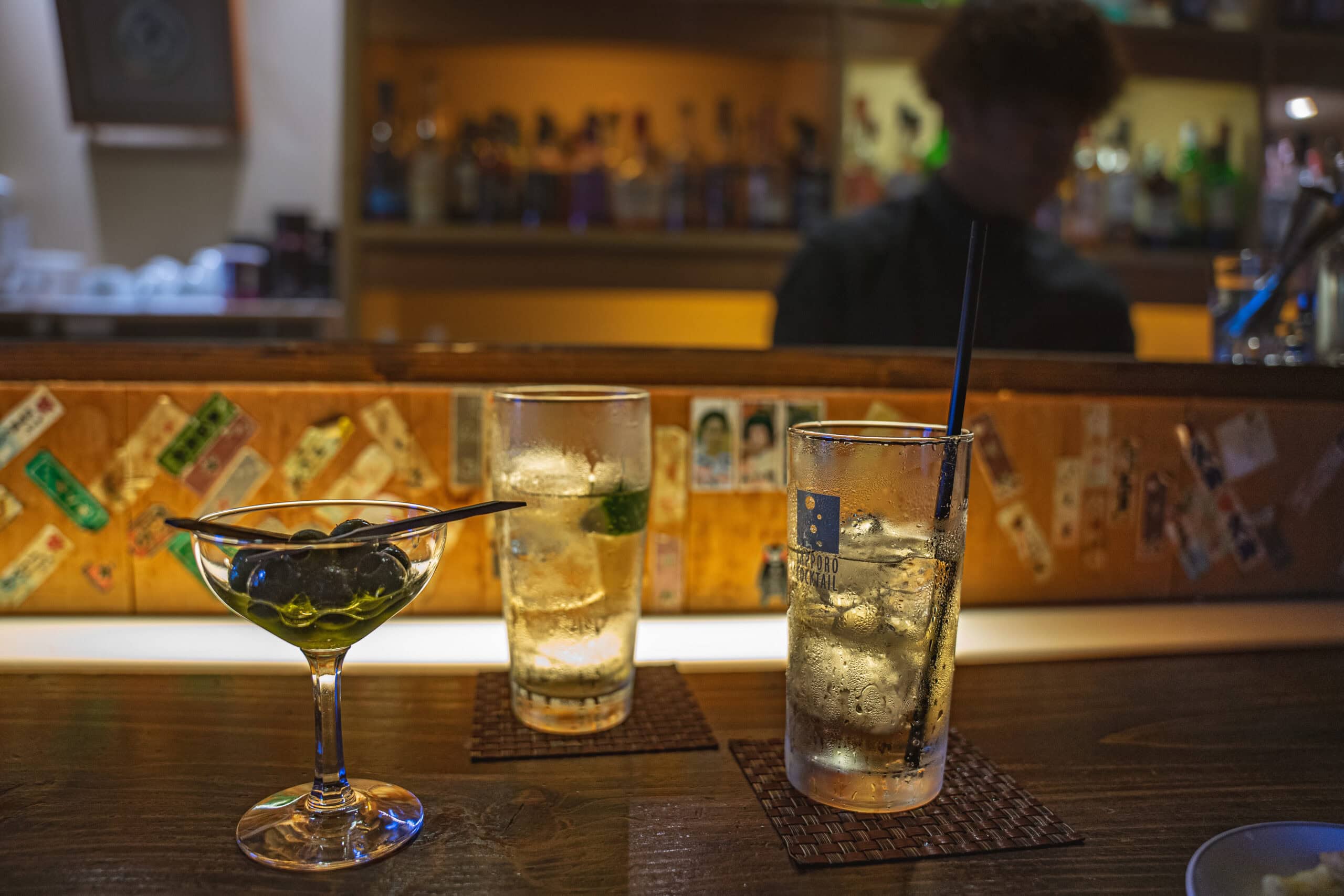
It started raining just as we arrived, so we ducked into a bar. We thought we might stay for one drink until the rain gives up, but, as you know, no one ever stays for only one drink.
We sat at the bar, ordered whisky and sake highballs, and nibbled on olives while chatting with the bartender about his impressive whisky collection and listening to jazz playing from the stereo.
The whole scene felt strangely familiar, like something out of a Haruki Murakami novel. It was the perfect Kyoto moment.
Shirakawa Minami-Dori Walkabout
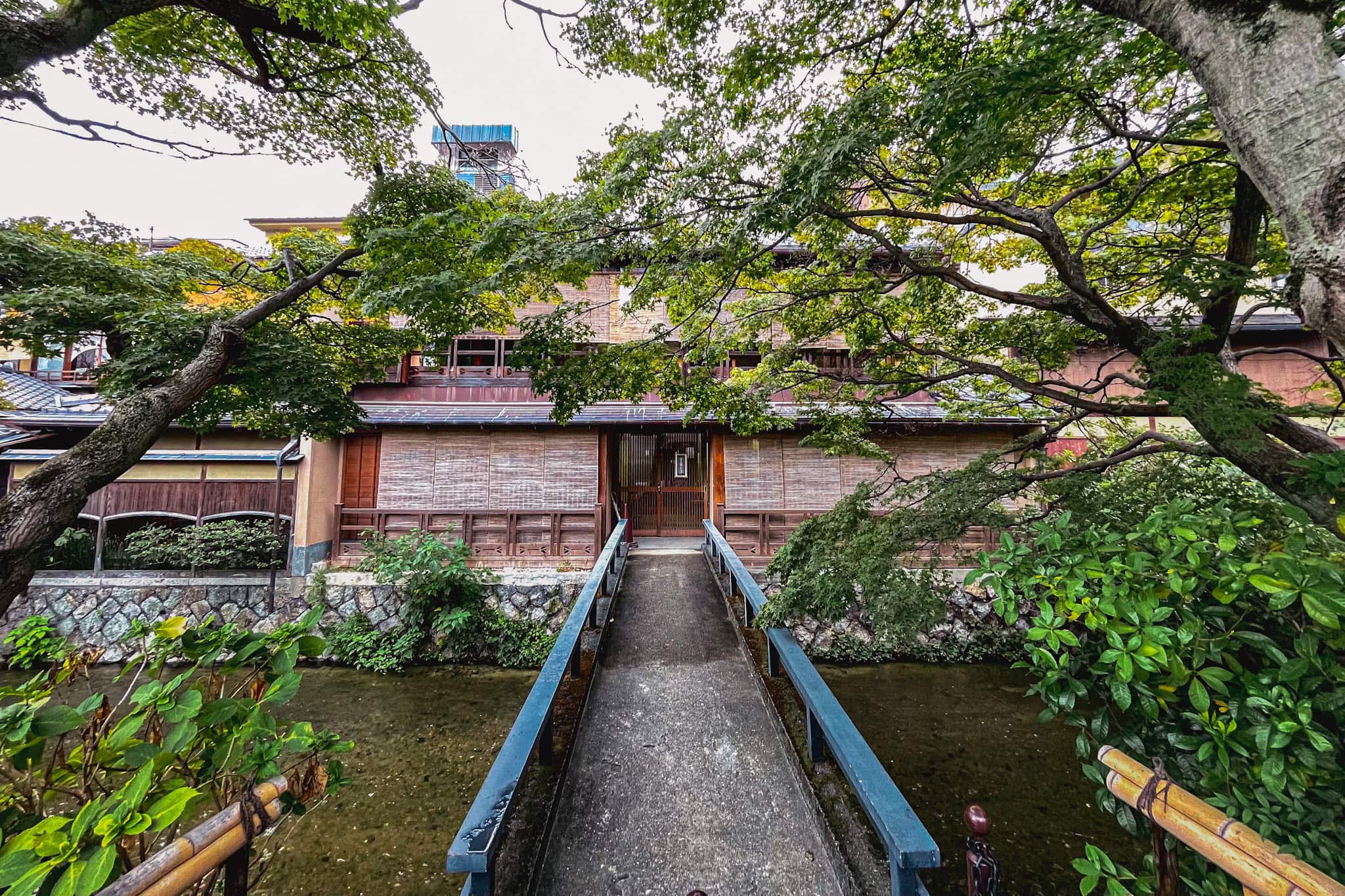
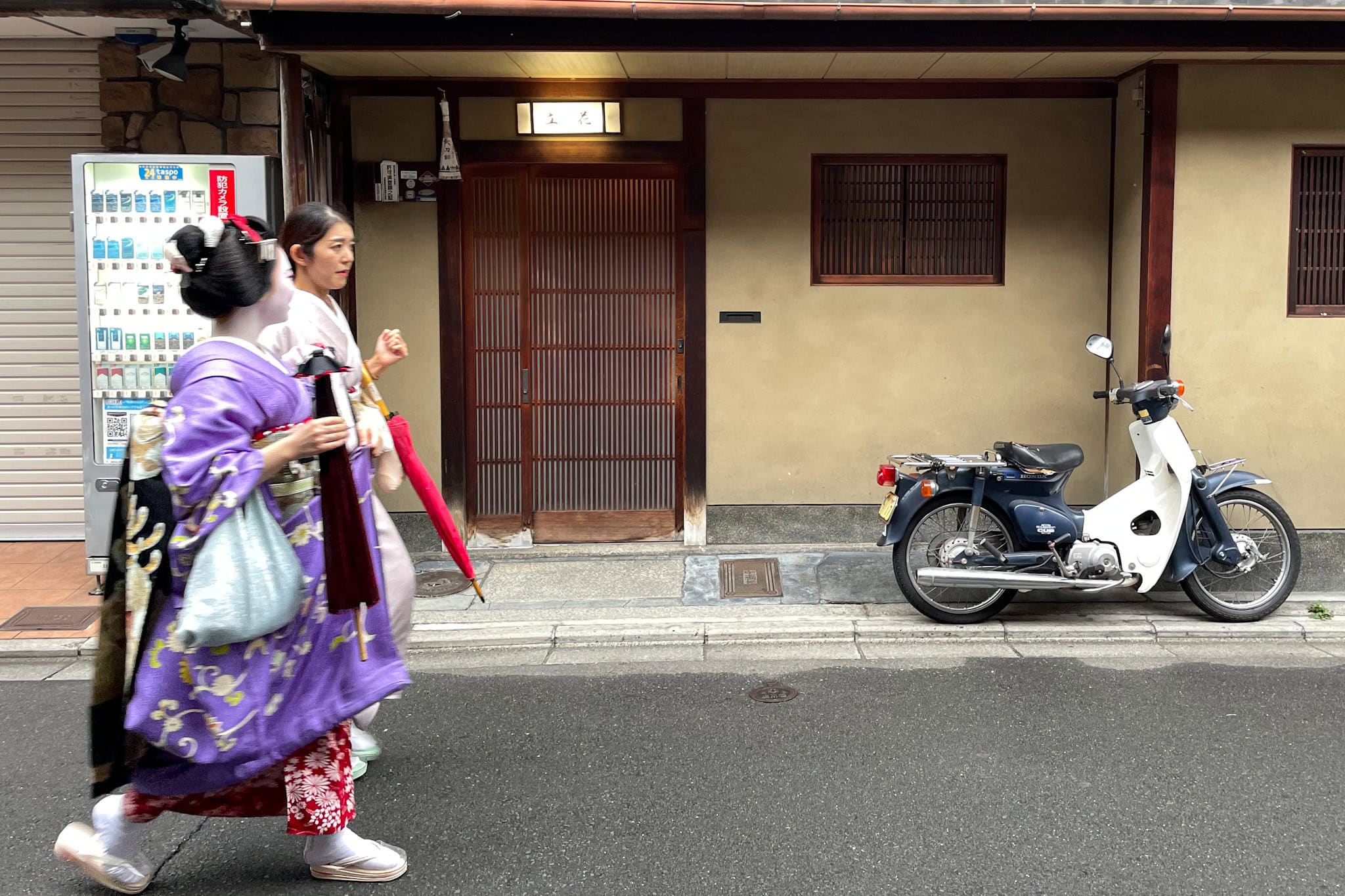
When the rain finally stopped, we walked across the river toward Shirakawa Minami-Dori. It’s a beautiful area with little cobbled lanes flanked by wooden buildings and bridges across the Shirakawa Canal.
The area around the Gion Tatsumi Bridge (location) is particularly pretty. We were also very lucky to spot a maiko in one of the alleys in the area, the only one we saw on our Kyoto trip.
Izakaya Dinner at Yakitori Daikichi
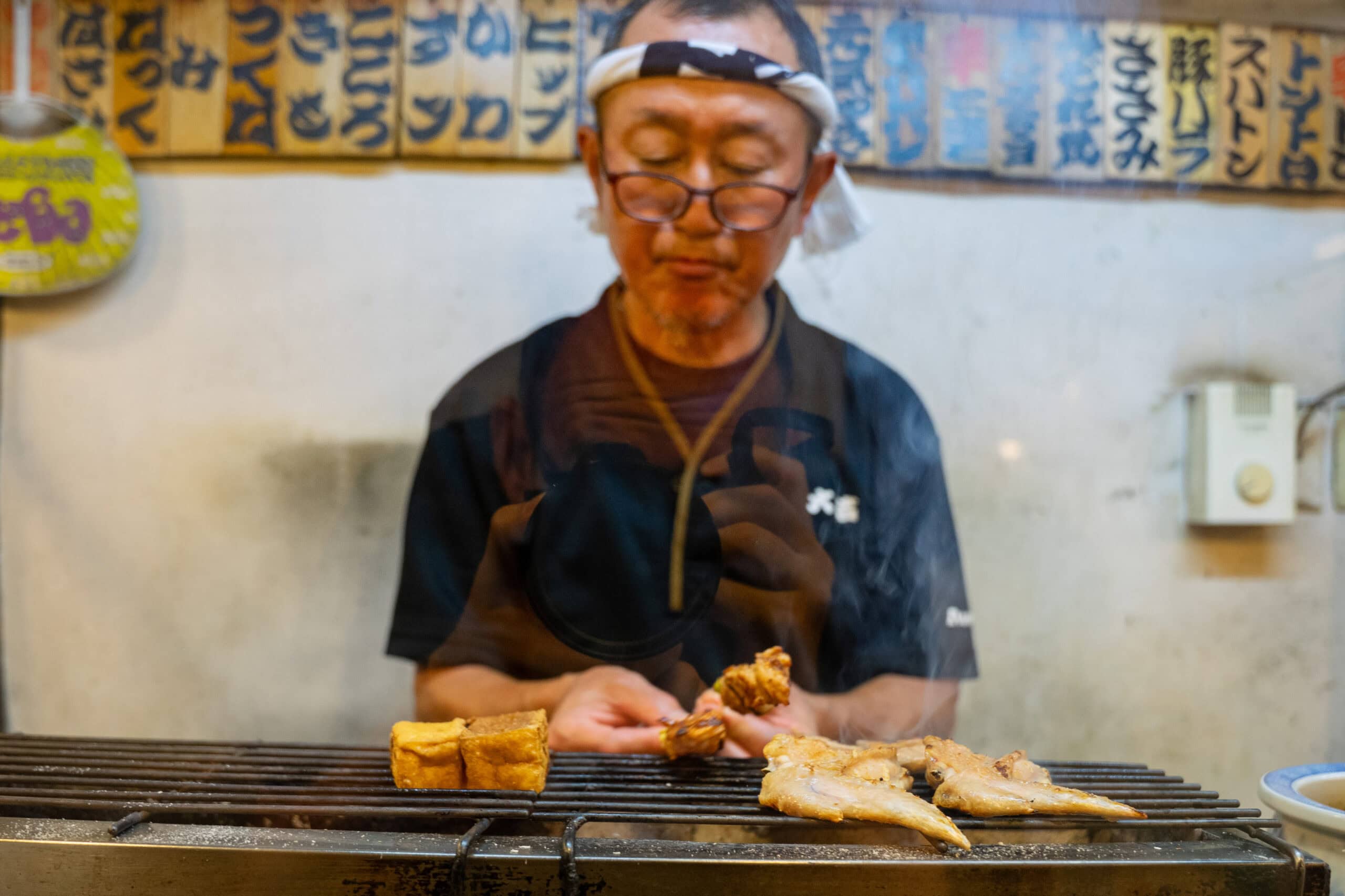
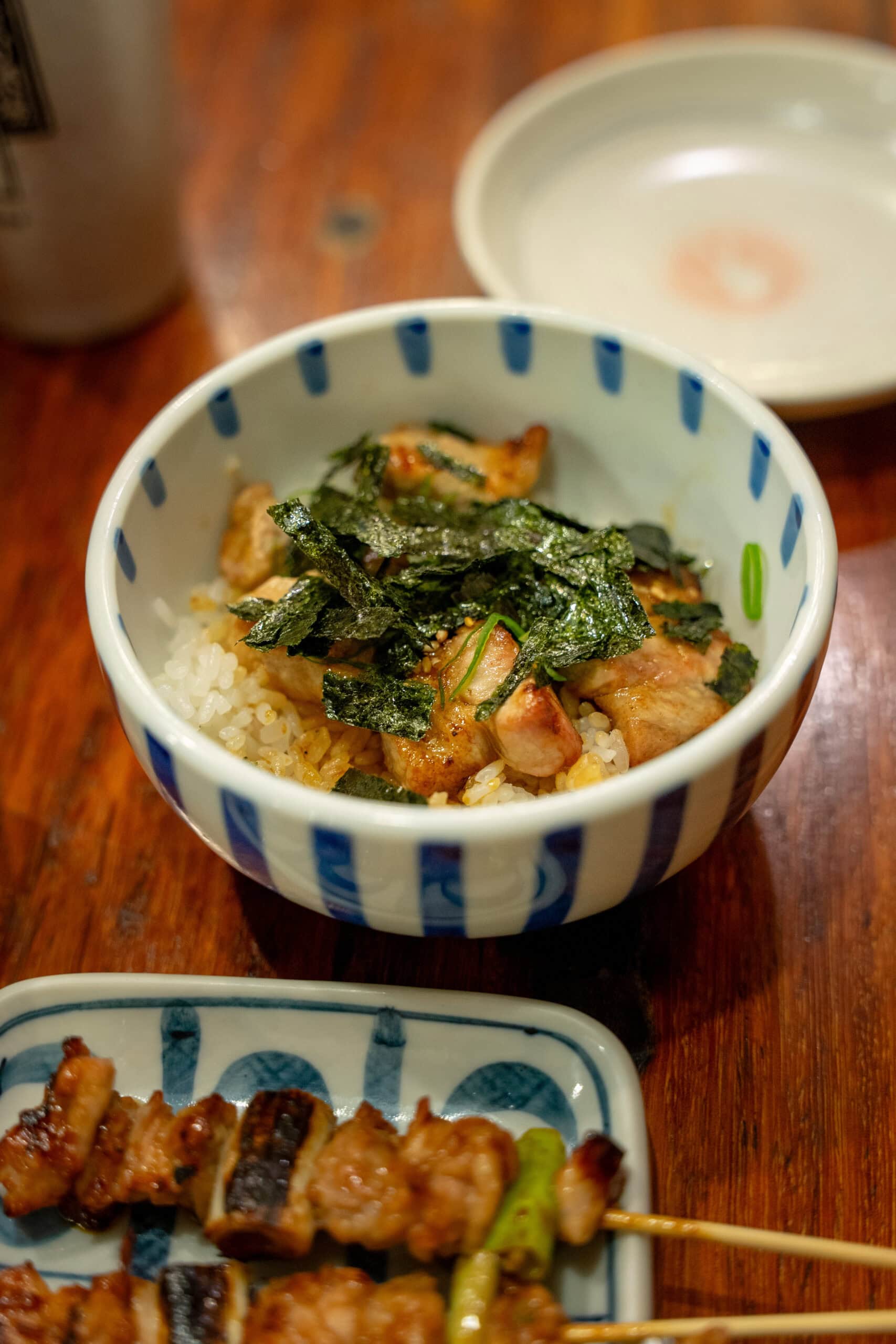
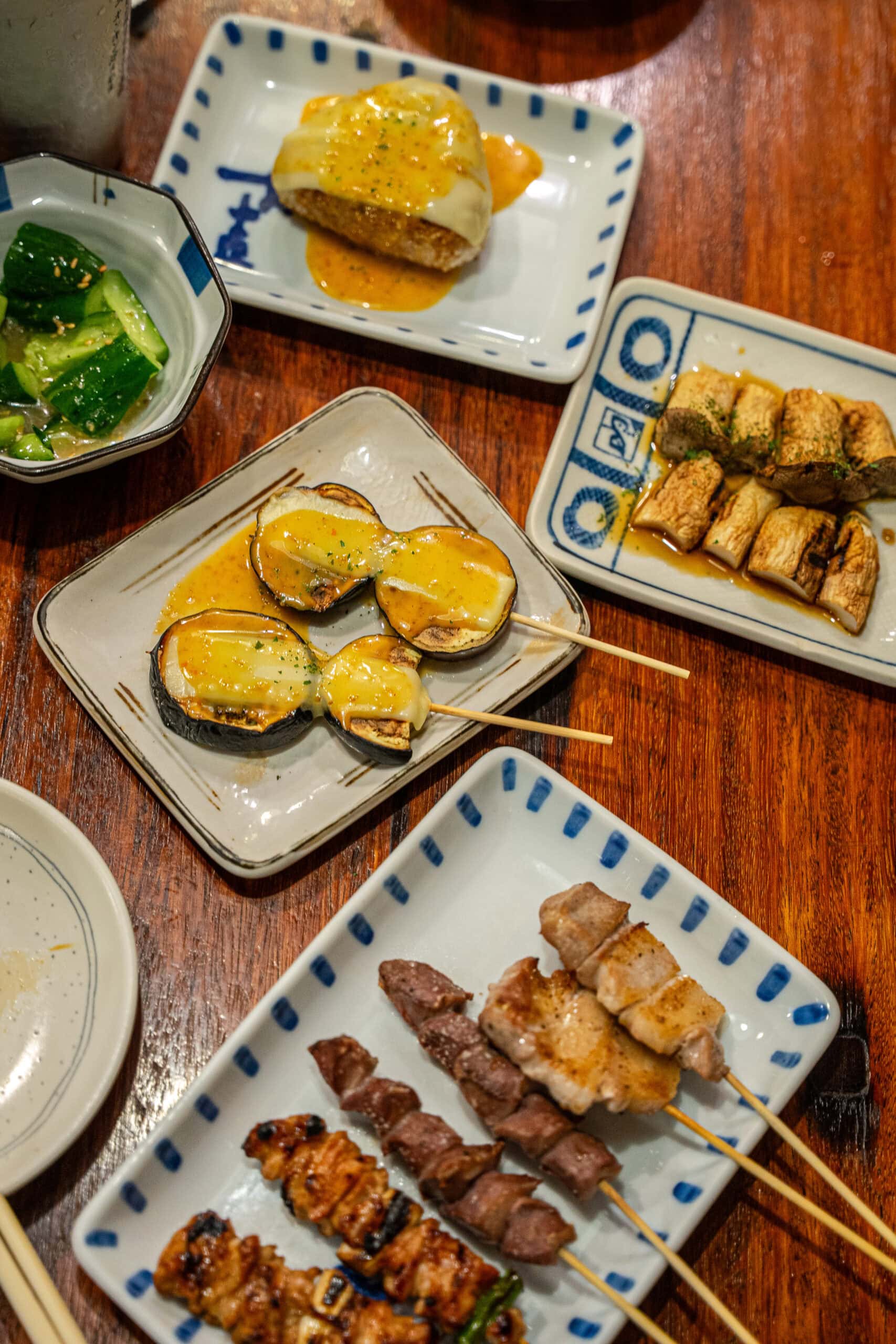
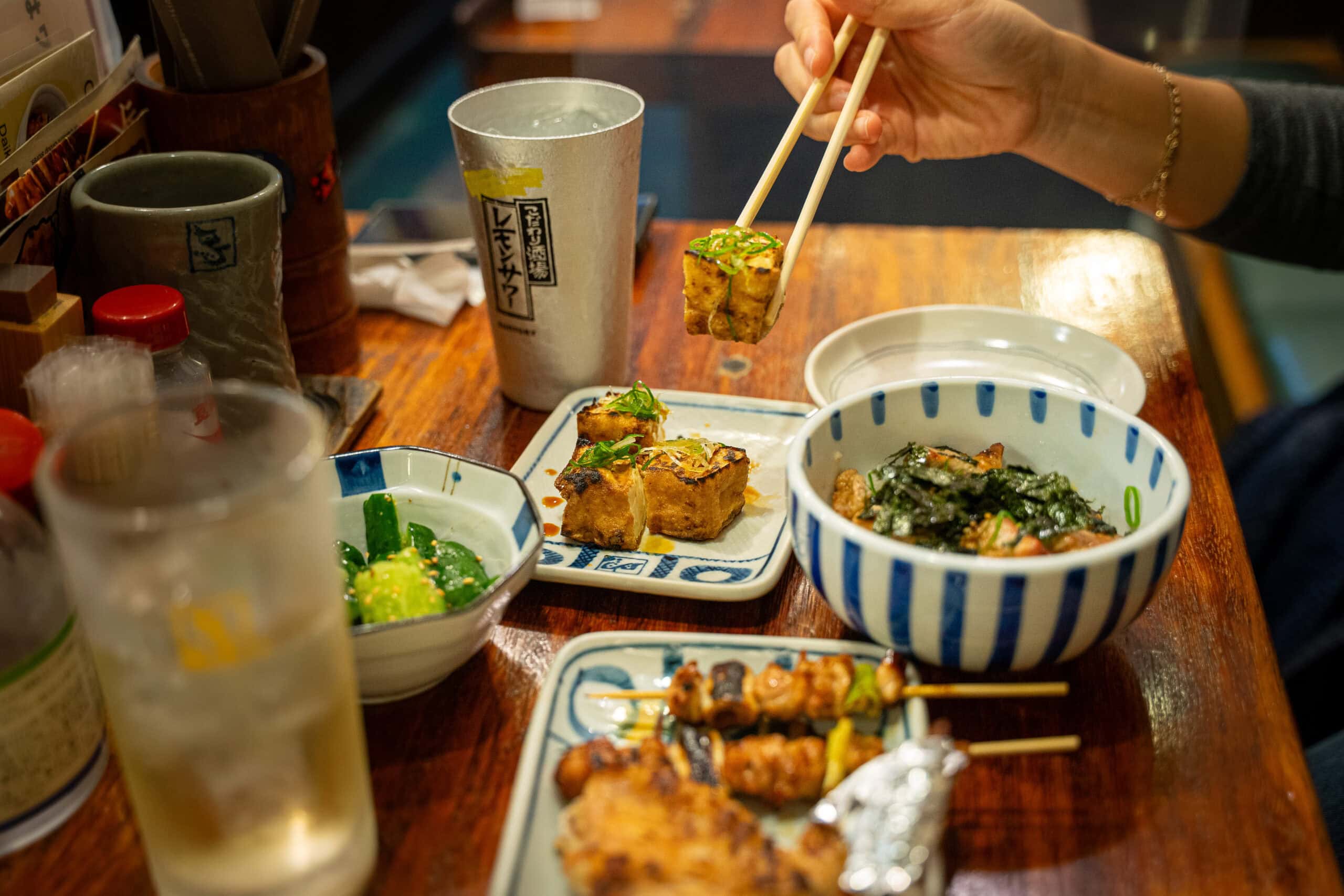
For our last dinner in Kyoto, Jin led us to Yakitori Daikichi, a short walk from Gion.
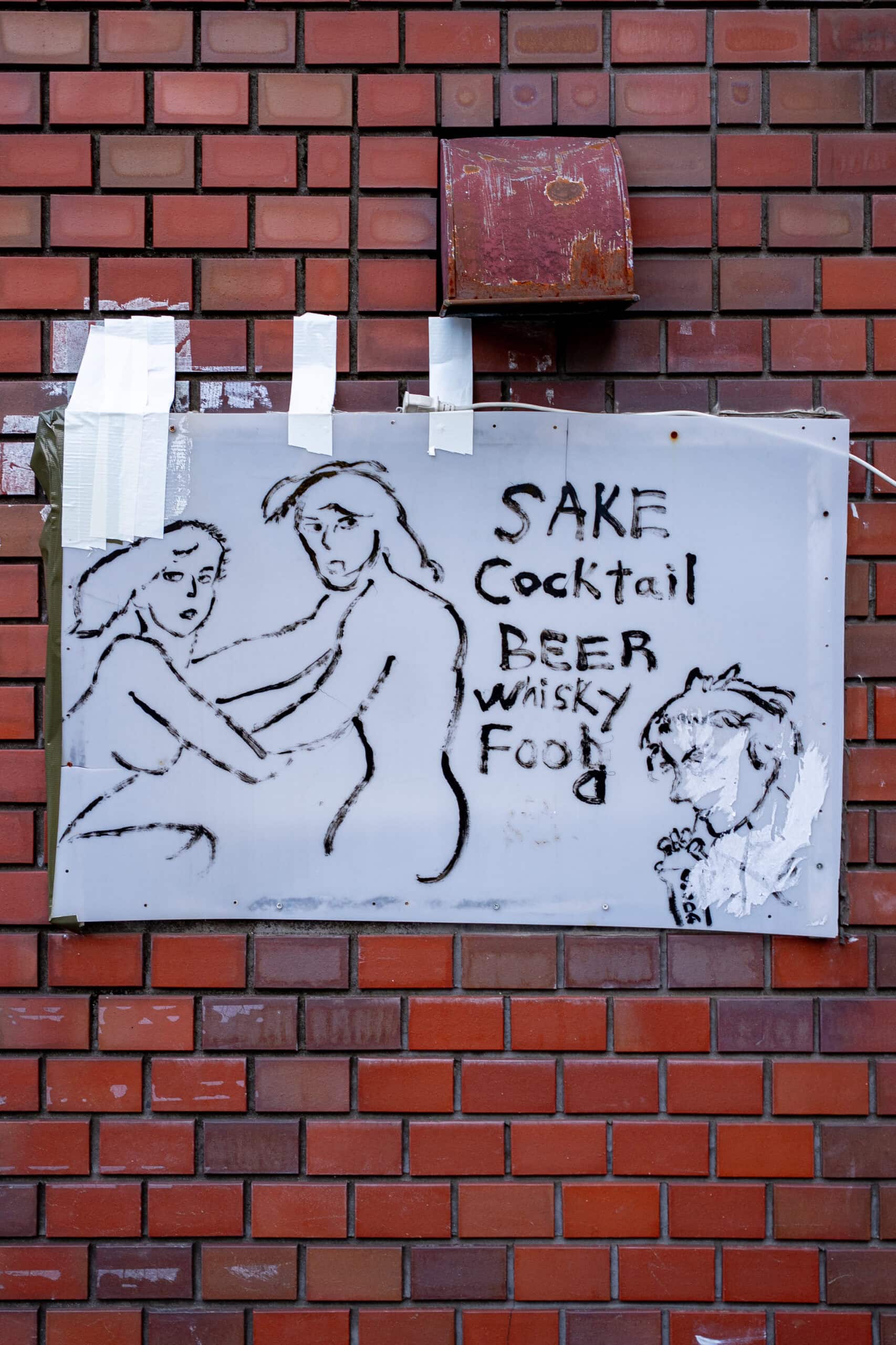
Inside, this hole-in-the-wall pub is covered with bank notes from across the globe, cartoon drawings, and typical bar memorabilia.
We ordered drinks and then started working our way down the menu. Portions are small and prices are affordable, making it perfect for trying a bit of everything while keeping the drinks flowing.
The cucumber salad, grilled onigiri with cheese, grilled tofu, and eggplant come highly recommended.
Location
Hours: 16:00-23:00
Closed: Wed & Thurs
How I Shot This Guide
Every photograph in this article was taken with the exact same gear I carry on every journey. It is a setup refined over years on the road to keep travel light without compromising the final image.
- Camera: Sony A7 V
- Lenses: Sigma 24-70mm f/2.8 DG DN Art.
- Storage: SanDisk Extreme Portable SSD
- Software: Adobe Lightroom Classic
- My travel essential (trust me): Ray-Ban Wayfarer
- Outerwear: The North Face Canyonlands
And that’s exactly how we spent four days in Kyoto. Hope you have a great trip to Kyoto, and let us know in the comments below if you have any questions
✌️