
Let’s be real: you’ve seen the iconic red torii gates winding up a forested hillside before even arriving in Kyoto. Every Kyoto blog or brochure features them. That’s Fushimi Inari Taisha — one of Japan’s most photogenic and popular destinations. Whether you’re here for the photos or to tick off the must-sees in Kyoto, this guide covers everything you need to know about the Fushimi Inari Hike.
In this post, we hope to answer some of your questions. We had some before, and even more after our visit. We’ll also sprinkle a healthy dose of photos to get you excited to visit one of Japan’s top attractions.
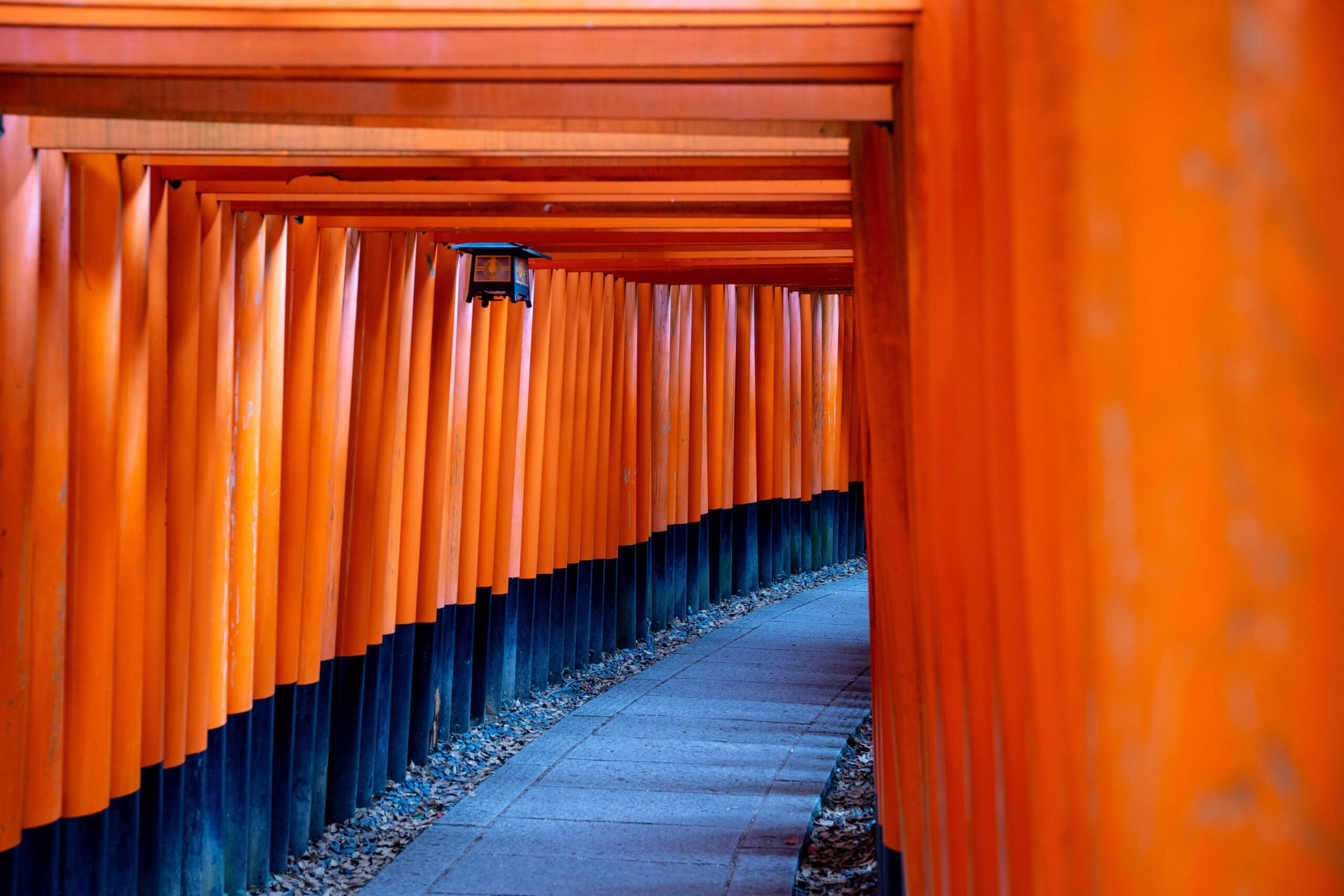
Before we get going with our visual guide to Fushimi Inari, a quick word on the word hike.
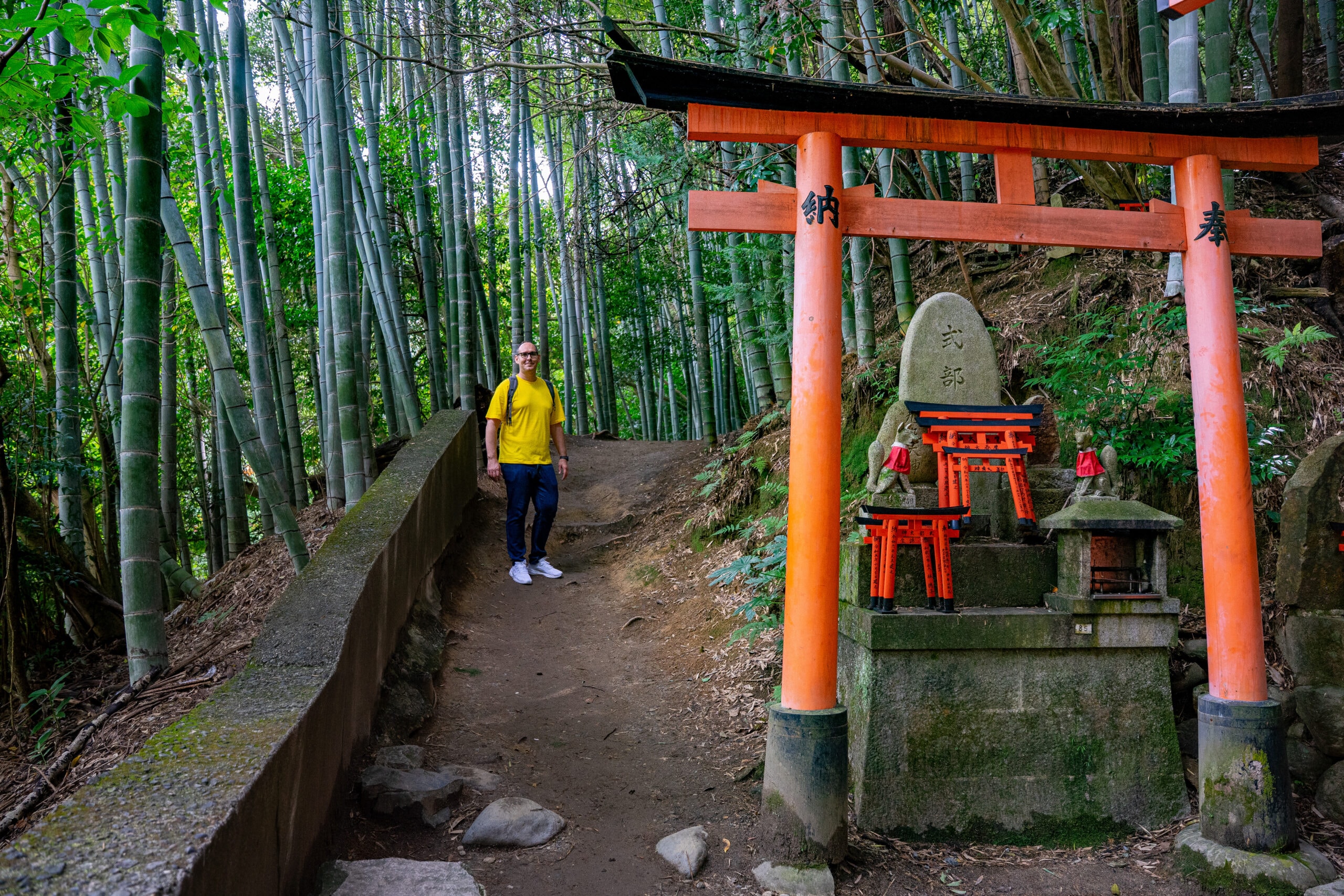
I wouldn’t describe Fushimi Inari as a hike. It’s a gentle stroll, slightly uphill at times, but there’s no need for Gore-Tex gear or plotting GPS coordinates to water points. Still, many refer to it as a hike, so we’ll join the choir and use the term very loosely throughout this post.
Young and old who are able to walk by themselves will enjoy this hike.
Please note: This post may contain affiliate links. This means I may earn a commission if you make a purchase by clicking a link (at no extra cost to you). As an Amazon Associate, I earn from qualifying purchases. Learn more.
Our Fushimi Inari Hike Experience
Before we start dishing out tips and tricks, here is our personal experience from our visit. After that, I’ll get off my soapbox and share a few Fushimi Inari photography tips and answer a few FAQs about the Torii gates.
Why photo tips? I know how to handle my phone!
Cause let’s be real, we all want those iconic photos to capture the magic of Kyoto.
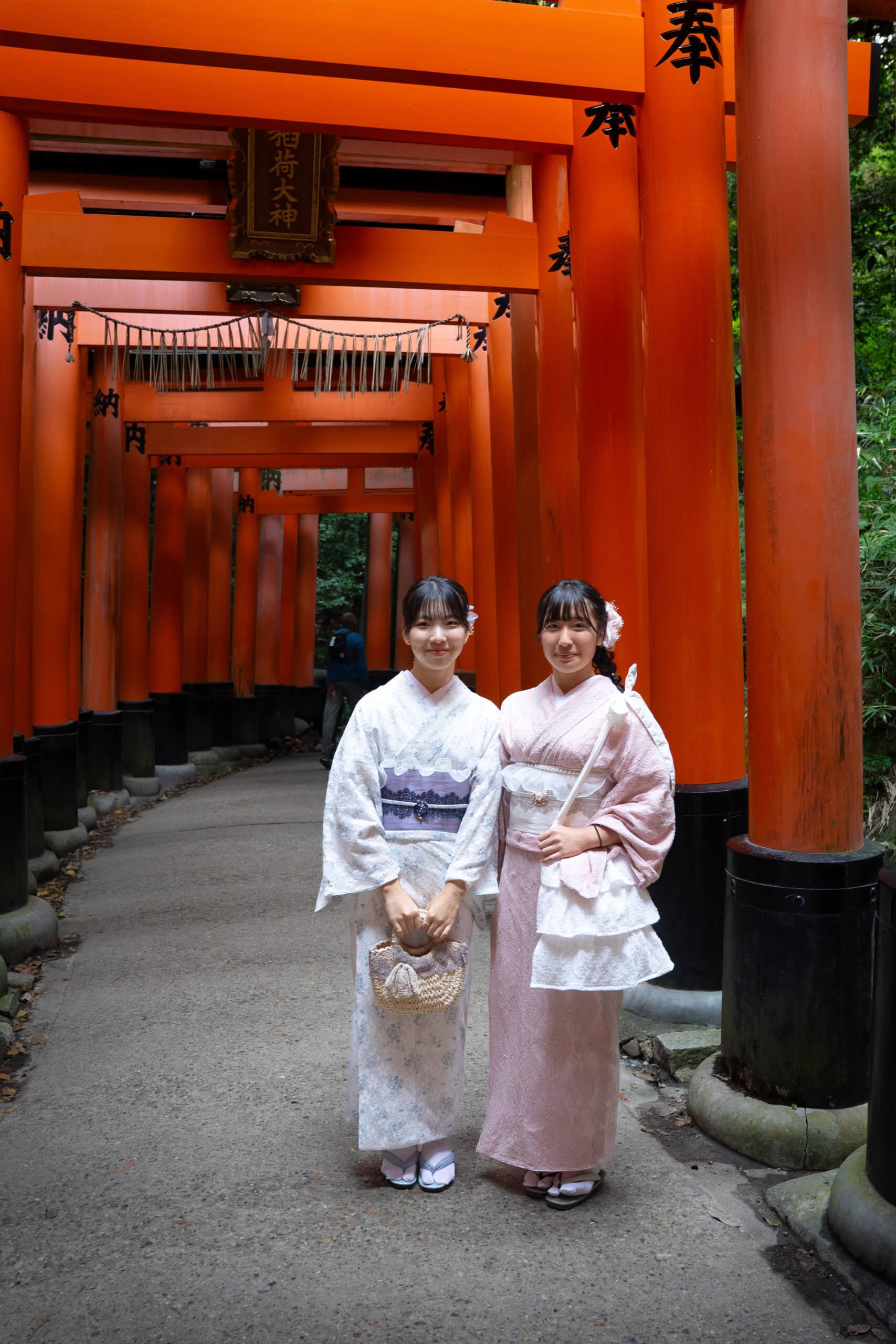
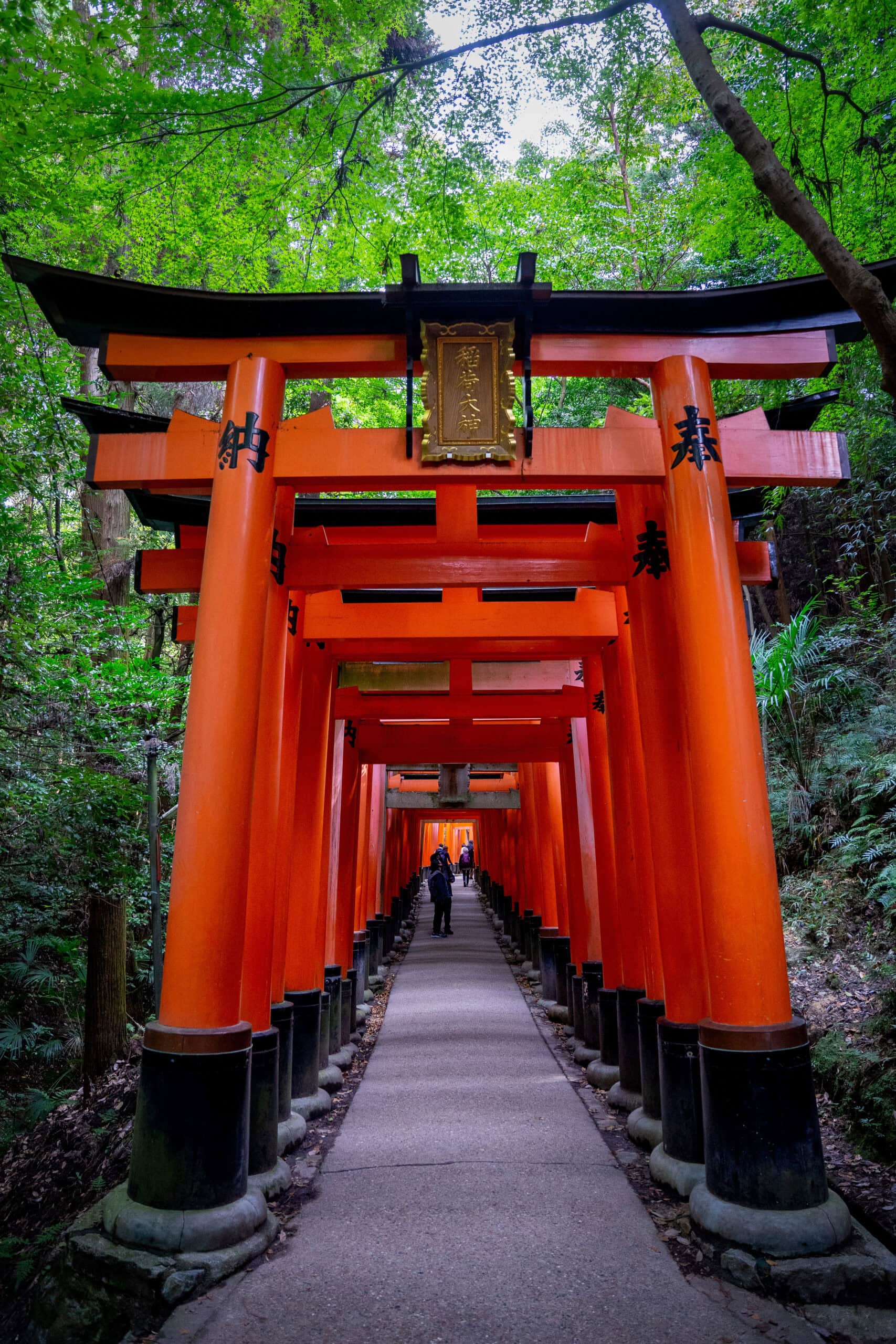
Fushimi Inari Taisha was right at the top of our Kyoto wishlist. It looked magical in photos, and we couldn’t wait to see it in real life. So we headed out bright and early (well, 9:30 am-ish), full of excitement.
And yes, it really is that beautiful. The gates, the fox statues, the forest atmosphere… everything was as stunning as we’d hoped. But what we didn’t quite expect were the crowds.
It was absolutely packed, and since Fushimi Inari Taisha is basically a long tunnel snaking up a mountain, there’s no way to escape the crowds. If you’re picturing a mystical, zen-like experience, you won’t find it here.
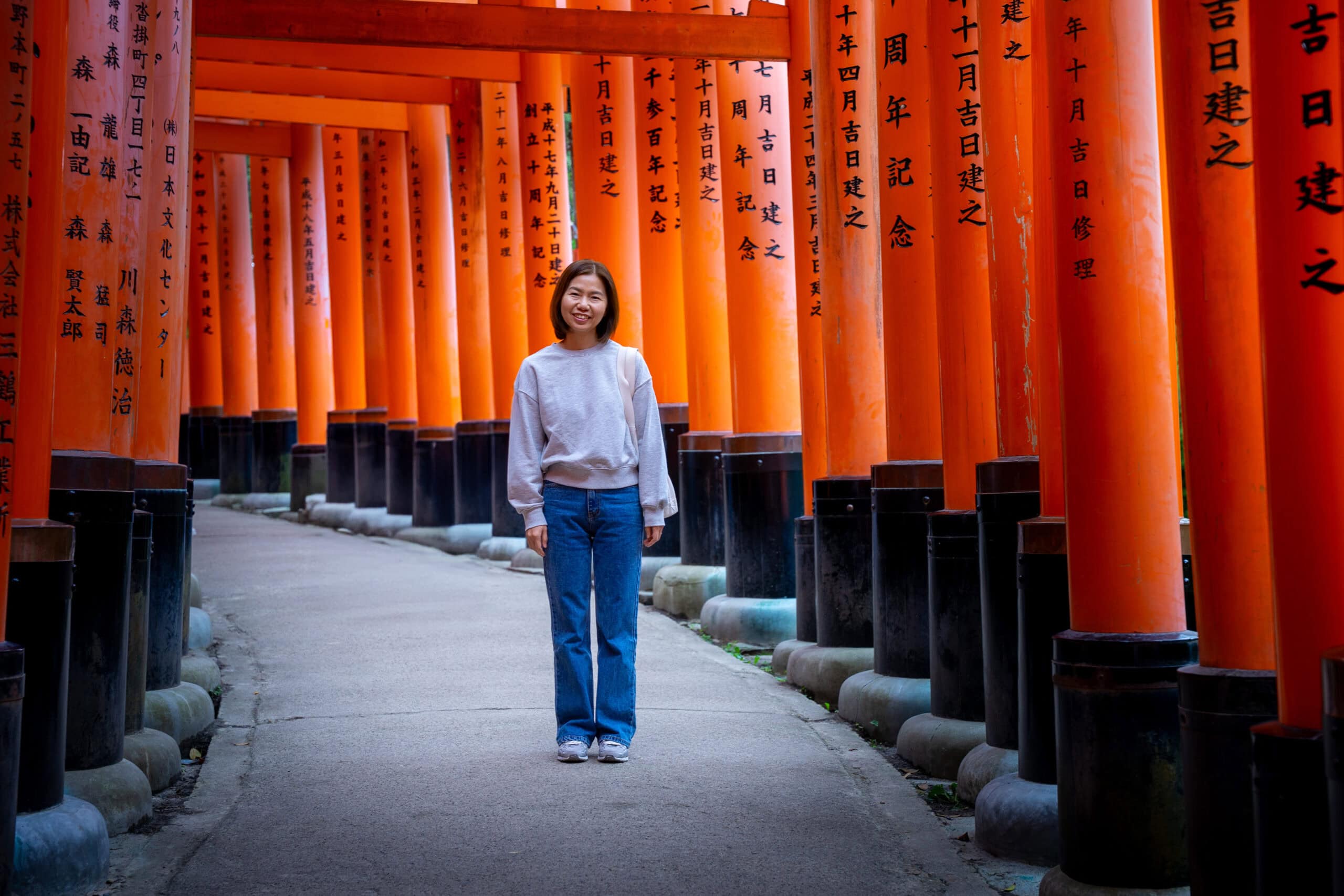
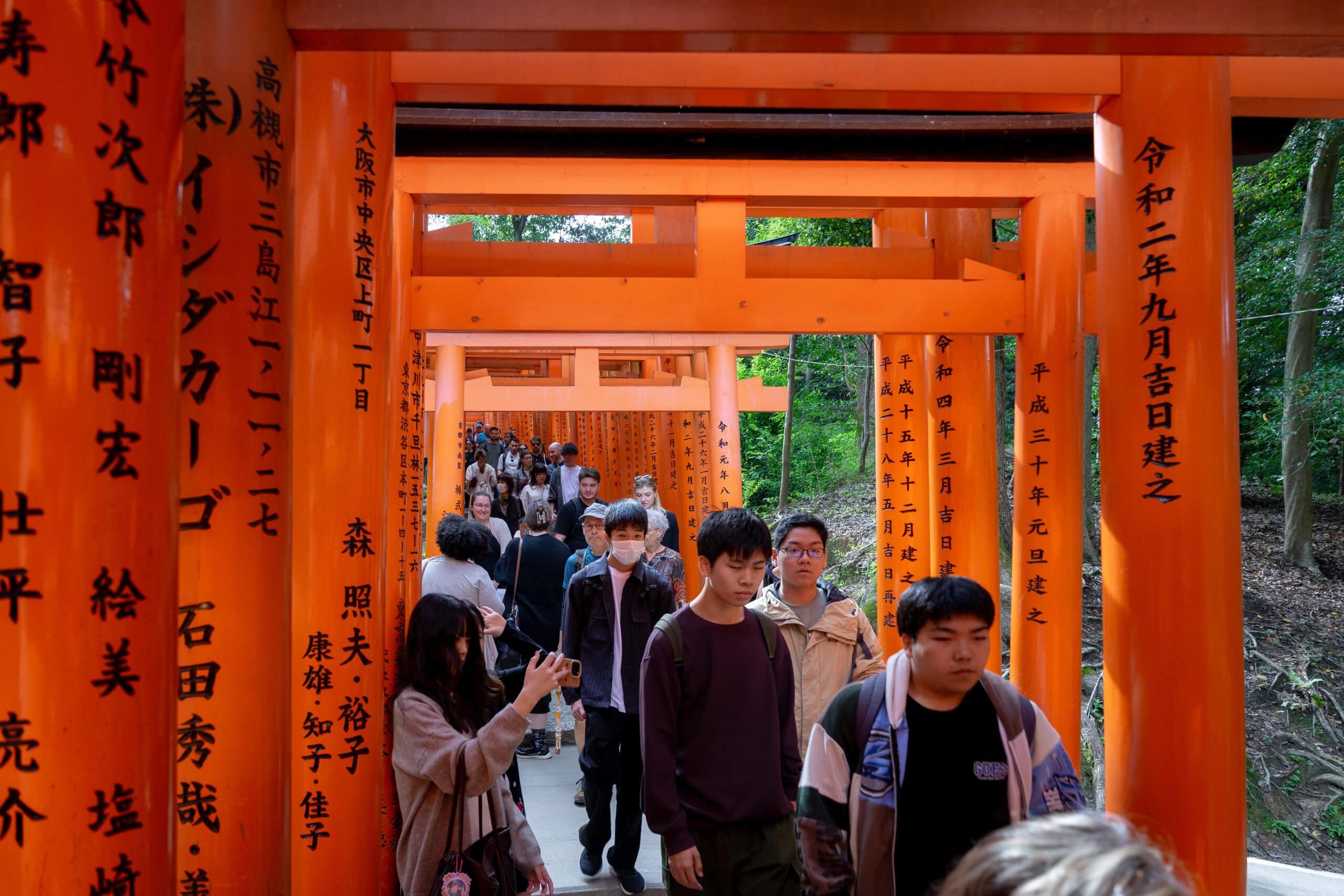
Influencers were out in full force, some even working in teams to block people from walking through while they staged their perfect shots. And then the girlfriend will go and look at the photo, and, not being quite happy, will demand that the poor boyfriend take another 57 shots.
Still, despite the chaos, we’re so glad we went. Fushimi Inari Taisha is an unforgettable place; it’s incredibly photogenic and an essential stop on any Kyoto itinerary.
Just be prepared: you won’t reach Nirvana, and the experience is nothing like you might imagine from the photos you see online. But bring a bit of patience and embrace the beautiful madness of one of Kyoto’s most iconic sights, and you’ll enjoy the Fushimi Inari Taisha hike for what it is.
Fushimi Inari Photography Tips (a.k.a. How to Get a Shot Without Losing Your Mind)

Trying to get a clean photo under the torii gates is like looking for a cold beer in Saudi Arabia during Ramadan. Good luck. People stream through nonstop like a human conveyor belt.
So, how do you get a photo without a gazillion people in it?
Be patient. Every now and then, there’s a tiny gap in the crowd — a ten-second window where the path clears just enough for a clean shot. When you see a photoworthy spot, let your girlfriend/lover go wait at her photo spot, and wait for a gap. When it happens, you have a few seconds to snap it, so make the most of it. It might take a while, but it’s worth it.
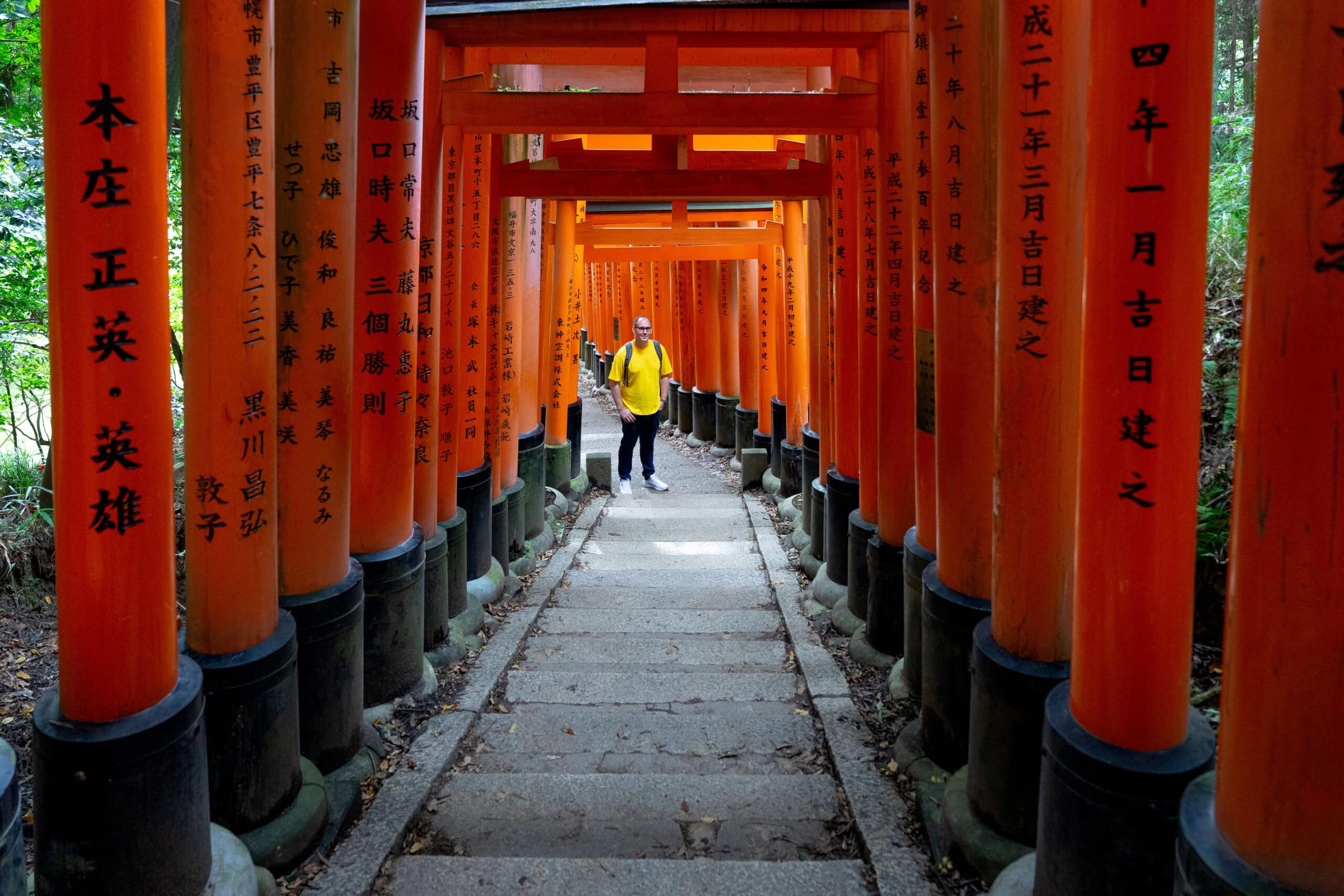
Some mindful visitors will kindly wait a moment when they see you setting up, while others will literally speed up just to walk through your shot. Don’t be that person.
And if you’re the one getting photographed, please don’t block the way for ten minutes while posing.
Fushimi Inari FAQ
What is Fushimi Inari Taisha?
Fushimi Inari Taisha is a Shinto shrine in southern Kyoto, best known for its thousands of vermilion torii gates that form tunnels up Mount Inari. Dedicated to Inari, the god of rice, agriculture, and business, the shrine has been a place of worship for over 1,300 years. It’s open 24/7, free to enter, and incredibly photogenic.


How Do You Get to Fushimi Inari Taisha from Kyoto Station?
It’s super easy. Just hop on the JR Nara Line from Kyoto Station and get off at Inari Station — it’s only two stops away. If you’re travelling on a JR Pass, the ride is fully covered.
The shrine entrance is literally right outside the station. Simply follow the hordes – you can’t miss it. You can also take the Keihan Line to Fushimi-Inari Station.
Since it’s on the Nara Line, it’s possible to combine a visit to Fushima Inari on your day trip to Nara from Kyoto.
What is the Meaning Behind the Torii Gates?
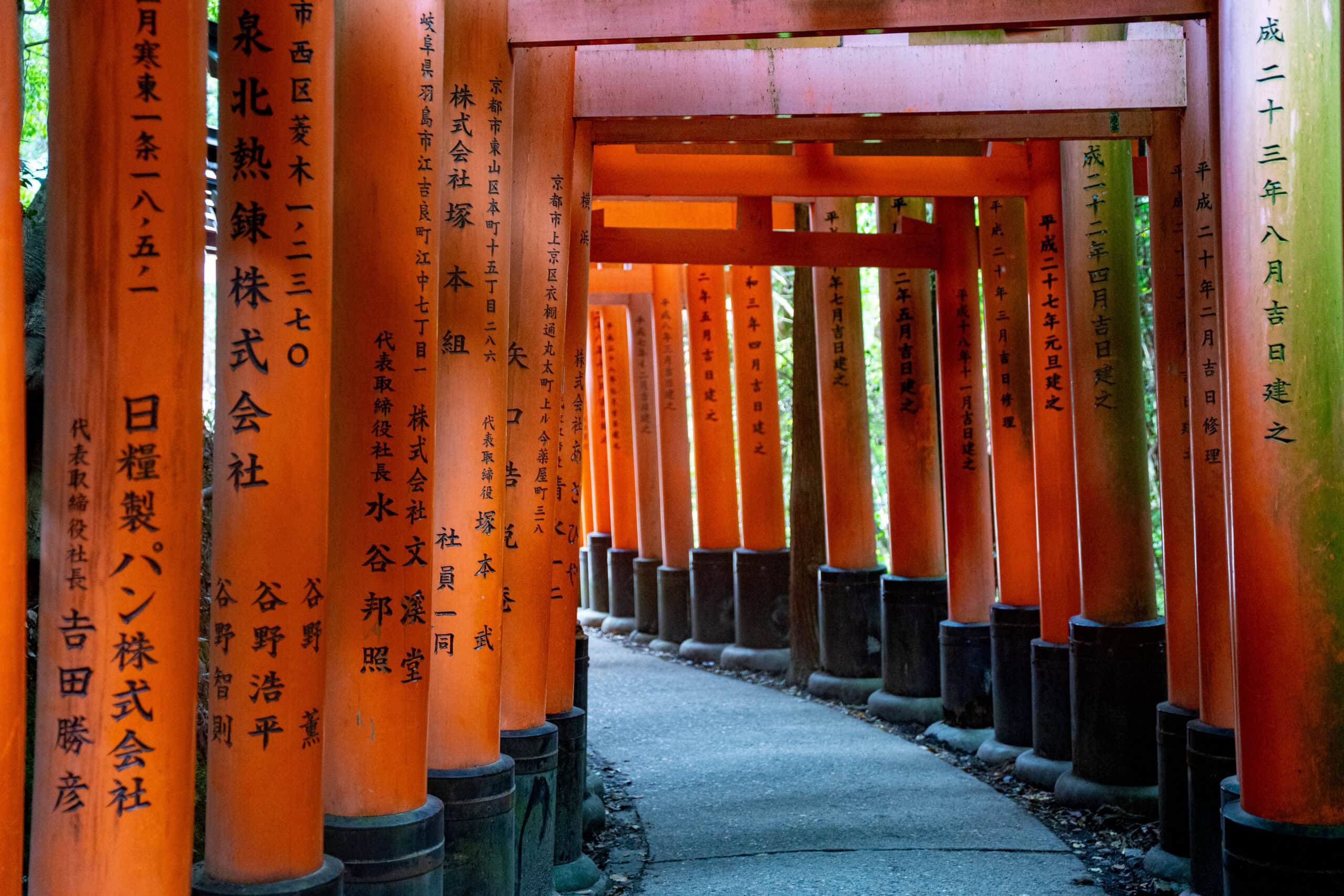
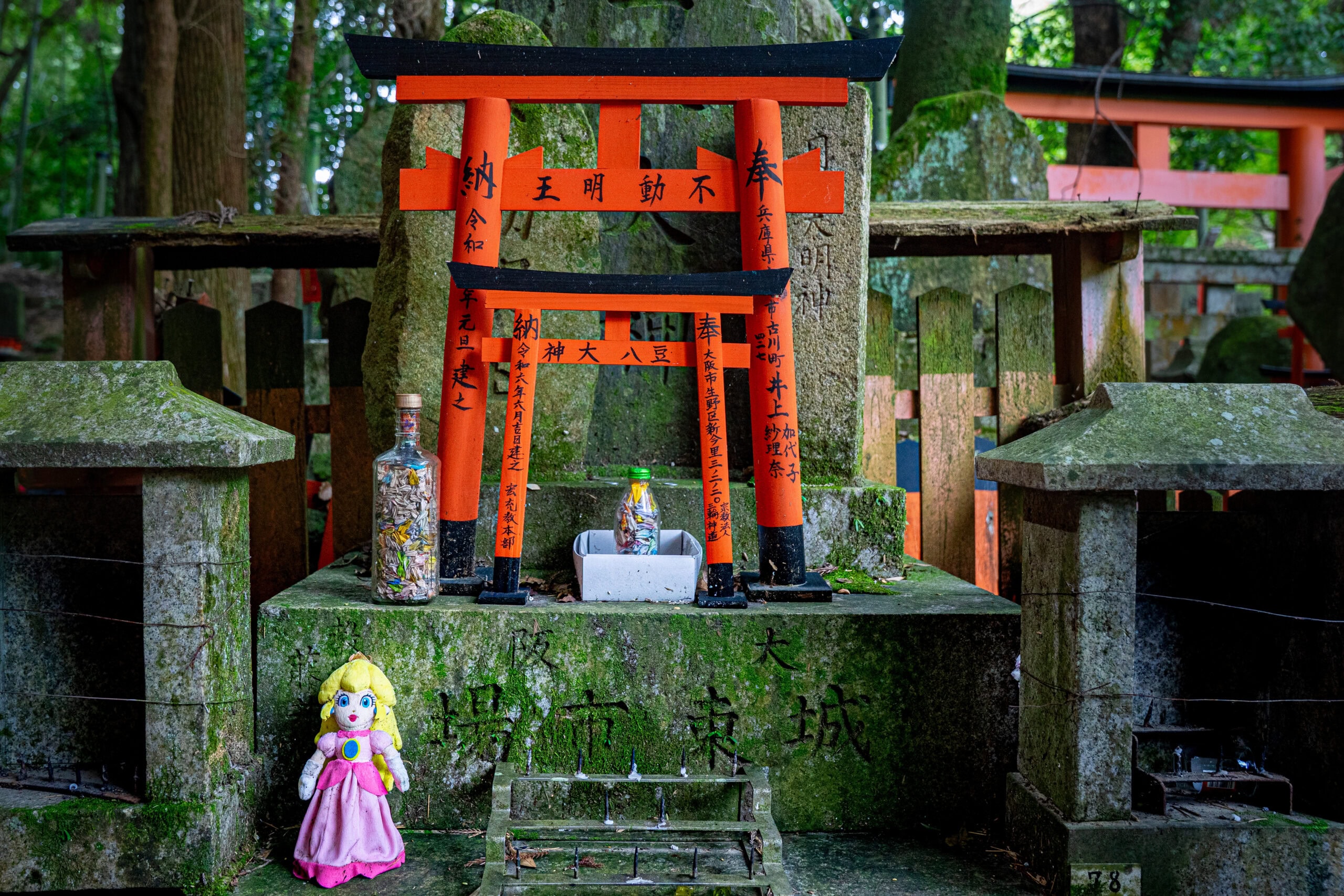
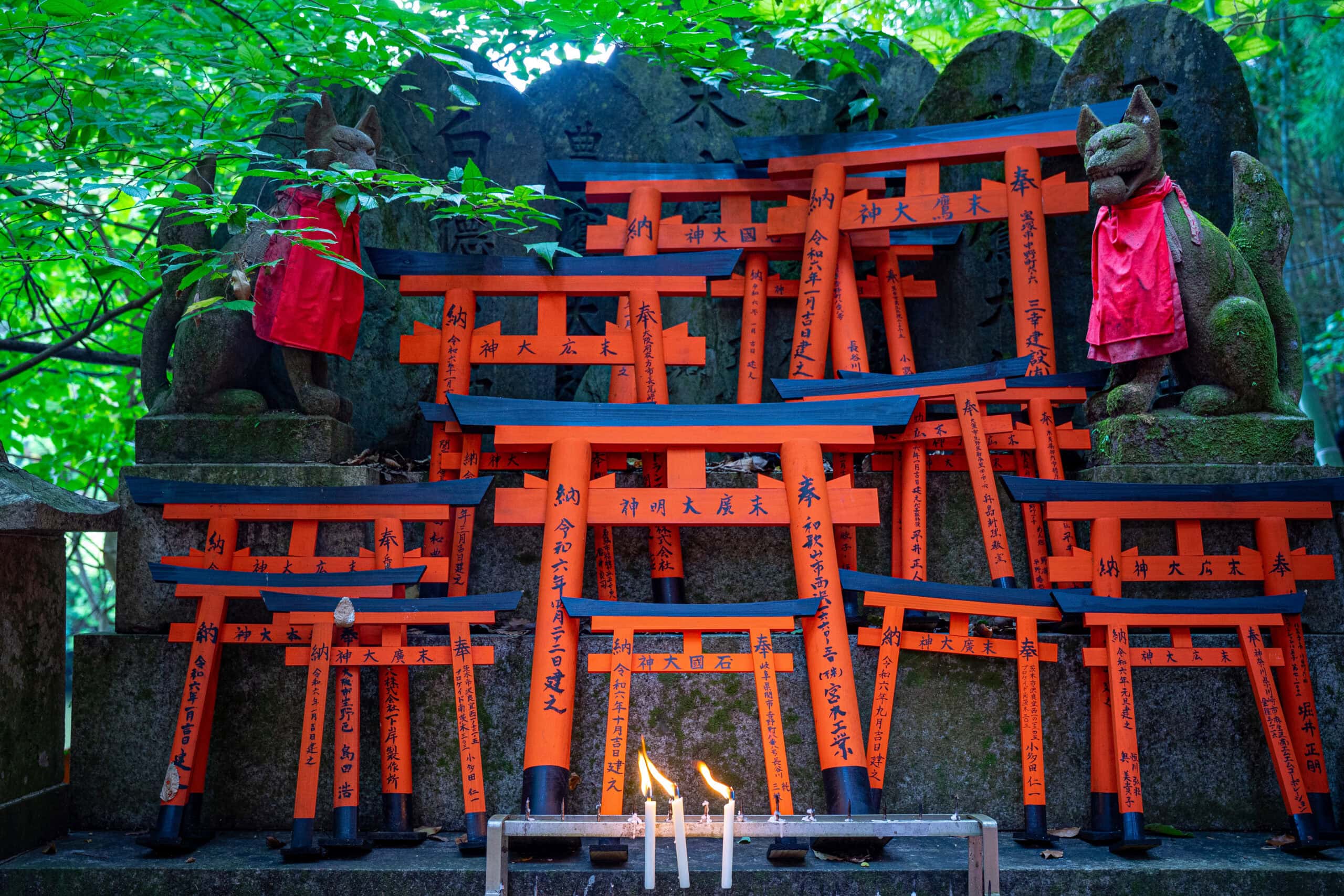
Each torii gate along the trail is a donation, typically made by individuals or businesses seeking good fortune and prosperity. The gates are inscribed with the donor’s name and date.
Walking through them is like passing through a series of blessings, and it’s easy to see why the site has become a symbol of spiritual devotion in Japan.
How Many Torii Gates Are There?
The short answer: a metric fuckton.
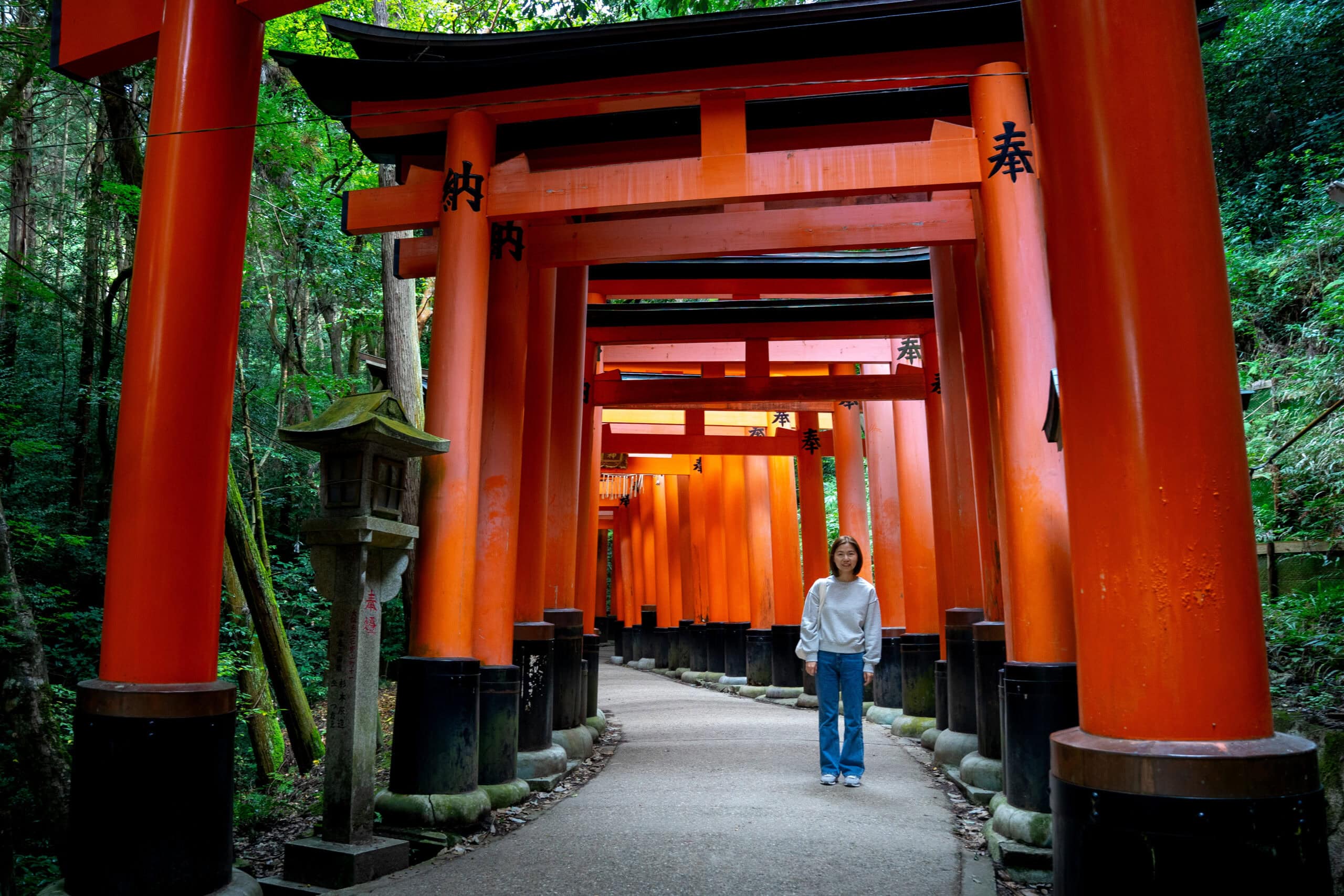
There are roughly 10,000 torii gates at Fushimi Inari, forming several trails that lead through the forest and up the mountain. Most of these are packed into the famous Senbon Torii (thousands of torii) area near the main shrine buildings, but they continue up the slope in an enchanting maze.
What Do the Fox Statues Represent?
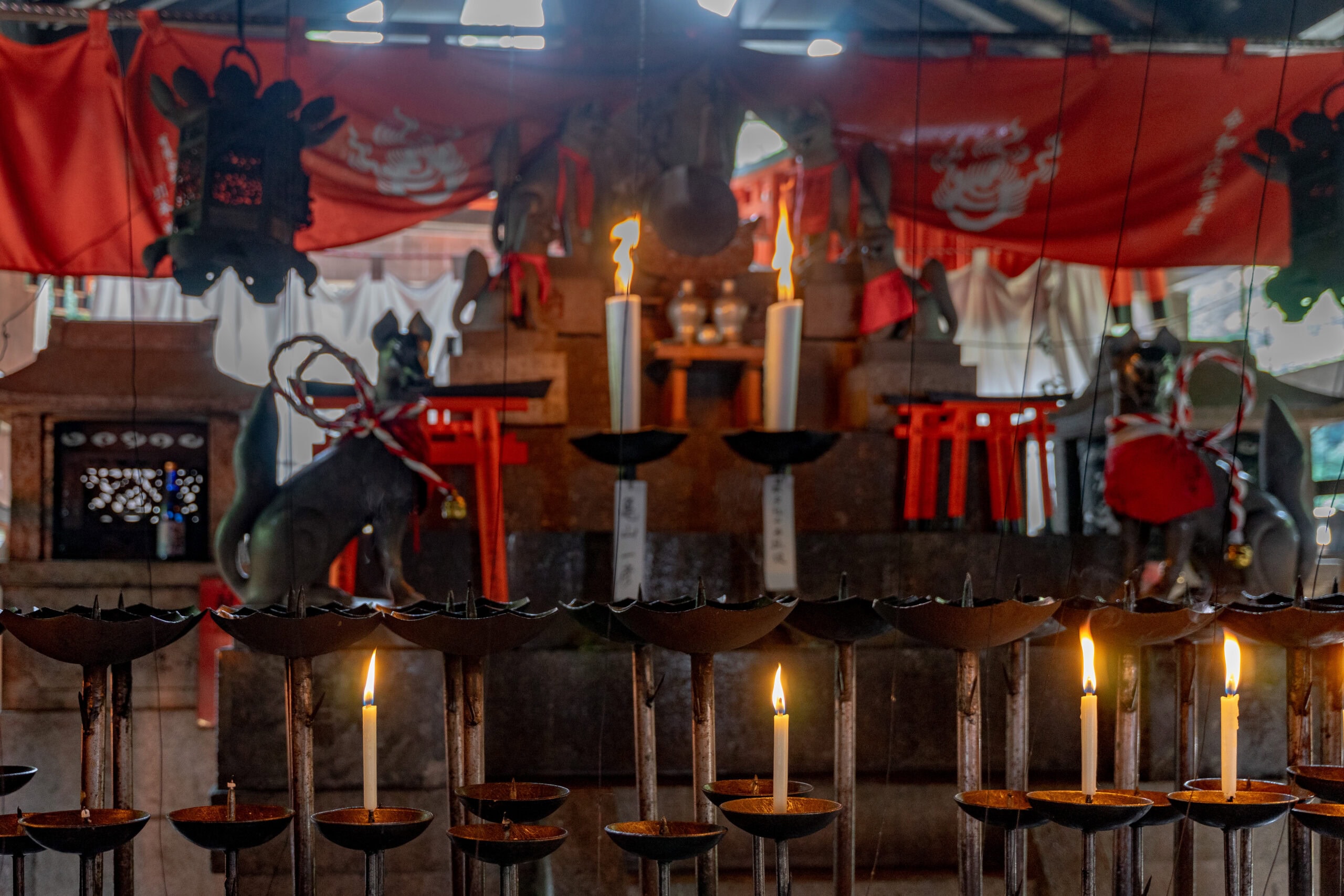
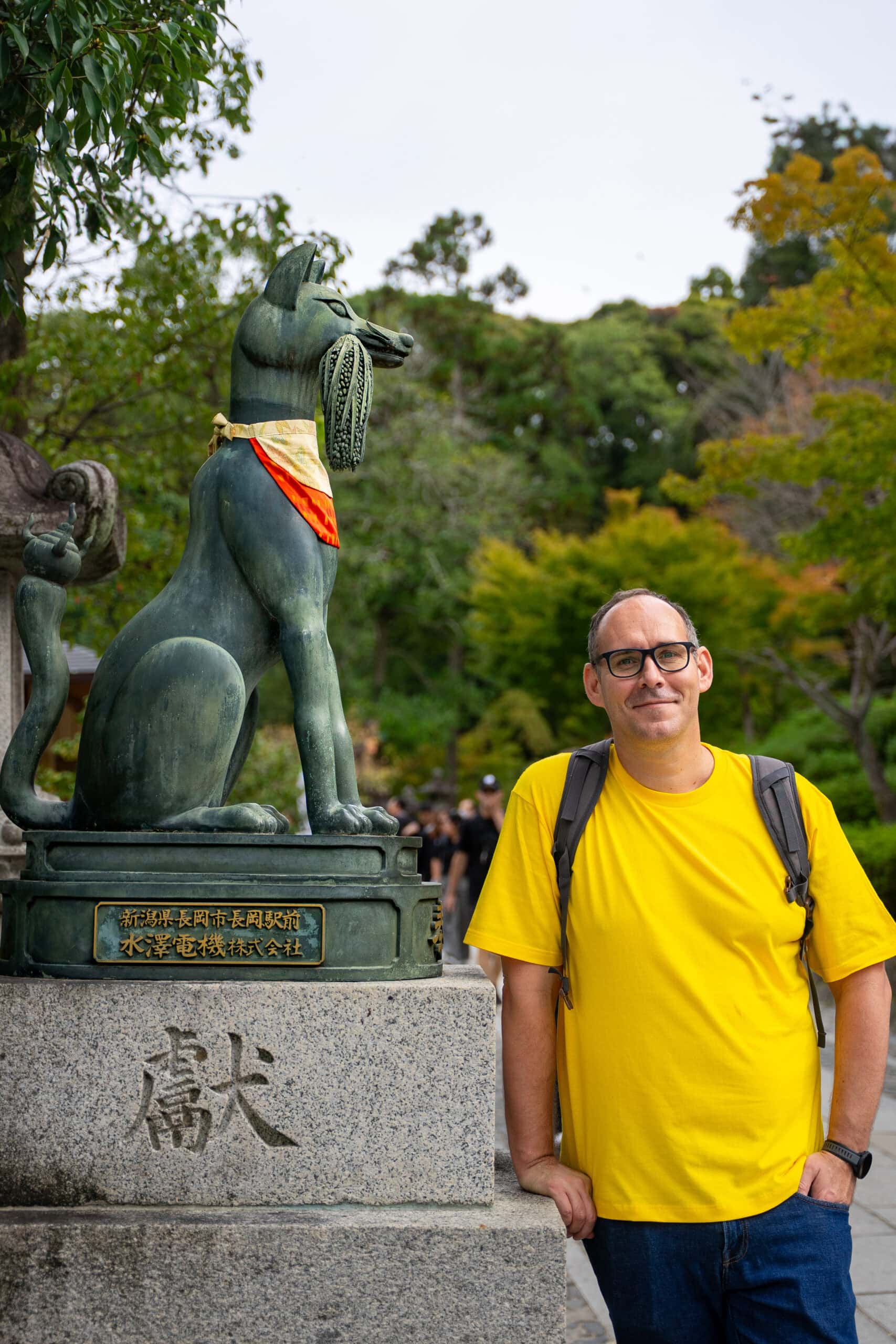
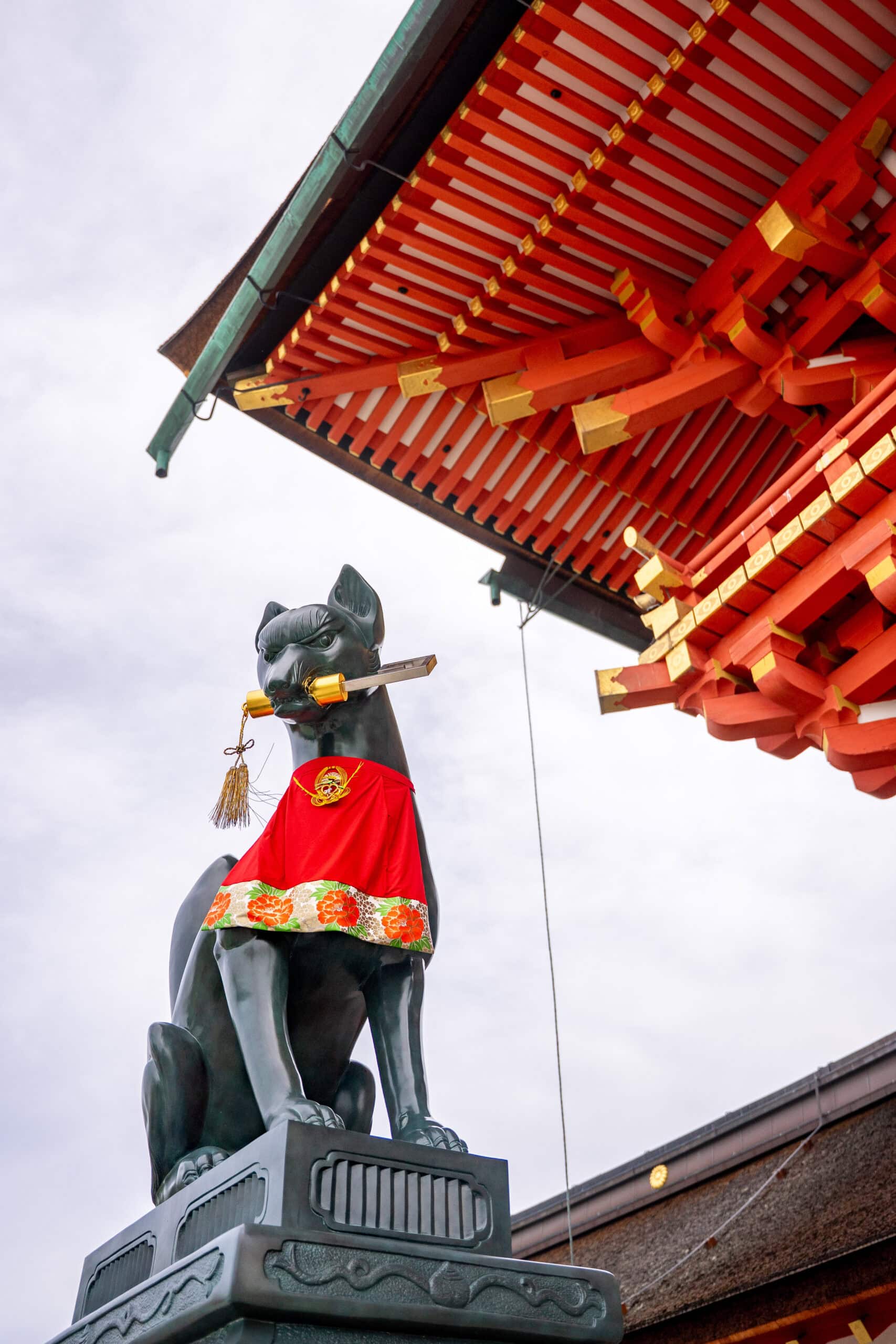
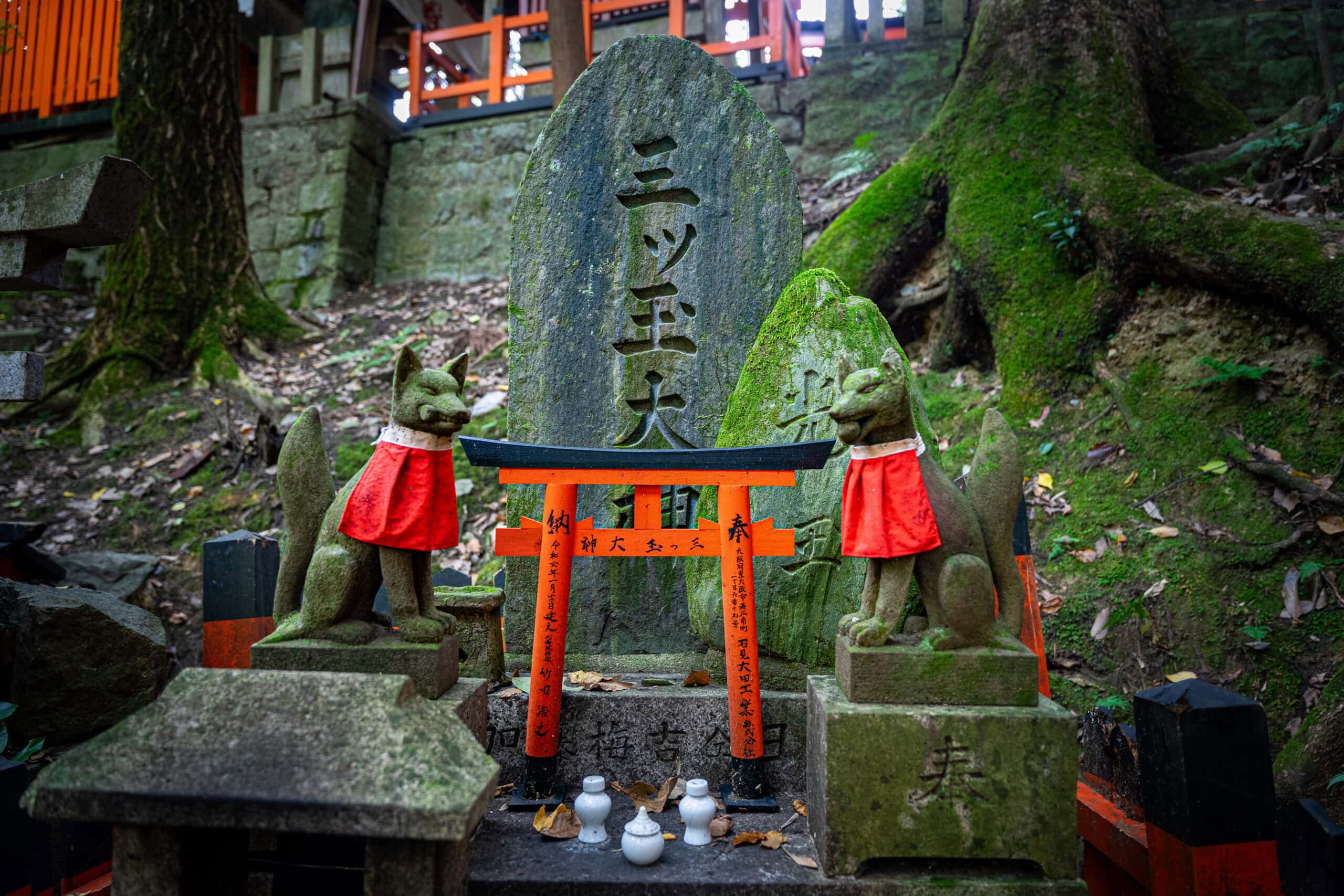
The foxes, or kitsune, scattered around the shrine are considered messengers of Inari. You’ll notice they often hold a key, a scroll, or a jewel in their mouths.
These symbols relate to agriculture and the safeguarding of rice granaries. Some believe the foxes also protect the shrine from evil spirits.
How Much Does It Cost to Sponsor a Torii Gate?
Sponsoring a torii gate at Fushimi Inari Taisha is a significant gesture of faith or a sign of gratitude. Prices vary depending on size, but they generally start at around ¥400,000 (approx. USD 2,500) for smaller gates and can exceed ¥1,300,000 (USD $10,000) for larger ones.
Each gate includes an inscription with the donor’s name and date, and donations are accepted directly through the shrine.
How Long Does It Take to Hike Fushimi Inari Shrine Trail?
The full hike to the summit of Mount Inari and back takes approximately 2 to 3 hours, depending on your pace and the frequency of photo stops.
There are rest areas, vending machines, and small shrines along the way, allowing you to take your time or complete a short section if you’re short on time.
Can You Visit Fushimi Inari Taisha at Sunrise/Sunset/Midnight?
Absolutely — in fact, many will say it’s the best time to go! The shrine is open 24/7, so visiting Fushimi Inari Taisha during these times can offer a rare chance to enjoy the gates without crowds. If you’re into photography, this is your golden hour.
Photographers will go doolally for this night photo workshop at the torii gates.
Can I Eat Something at Fushimi Inari?
Yes, you won’t go hungry. The street between the train station and the shrine’s entrance is chockablock with food stands and souvenir shops.
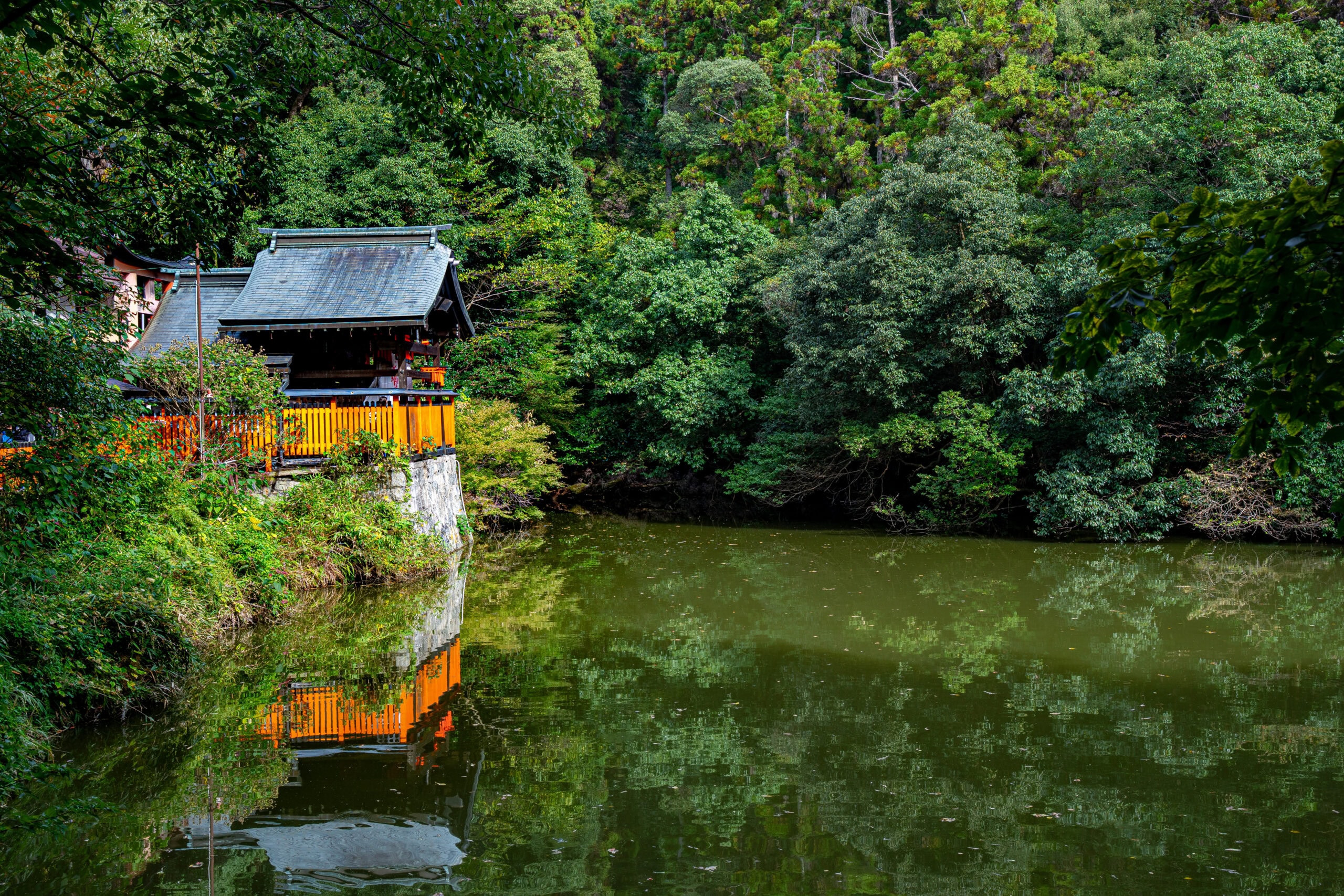
Halfway up the hike, the area around the small lake and bamboo grove has some vending machines selling drinks and snacks, too.

I often get asked what camera I use.
All photos in this post were taken with my Sony A7 and Sigma 24-70mm F2.8 DGDN II lens.
Is Fushimi Inari Worth Visiting?
Absolutely yes!
It’s one of the most iconic sites in Japan, and it’s extremely photogenic. However, don’t expect a serene experience. Come with lots of patience and space on your memory card, and you’ll have a good time.
While it was insanely busy during our visit, I’m still glad we went. That being said, after visiting the Fushimi Inari, we decided to skip the Arashiyama Bamboo Grove as we expected the same crowds in a much smaller area.
How I Shot This Guide
Every photograph in this article was taken with the exact same gear I carry on every journey. It is a setup refined over years on the road to keep travel light without compromising the final image.
- Camera: Sony A7 V
- Lenses: Sigma 24-70mm f/2.8 DG DN Art.
- Storage: SanDisk Extreme Portable SSD
- Software: Adobe Lightroom Classic
- My travel essential (trust me): Ray-Ban Wayfarer
- Outerwear: The North Face Canyonlands
And that’s a wrap, folks. Hope the light is good and the crowds are light. Enjoy the Fushimi Inari hike
✌️