
Trade Kathmandu’s chaos for mountain silence in a single day. By nightfall, you can be in a valley ringed by Himalayan giants, sipping tea while the city feels a lifetime away. That’s the Langtang Valley Trek. Close to the capital, lighter on crowds than Everest or Annapurna, yet heavy with Himalayan beauty and culture.
The trail cuts through rhododendron forests alive with monkeys, climbs past Tamang villages, and ends with sunrise over Langtang Lirung from Kyanjin Gompa. Also known as the Valley of Glaciers, the Langtang Valley trek is the most beautiful trek near Kathmandu for those with only one week.
This 7-day Langtang Valley trek itinerary lays out the essentials: key stops, permits, costs, and the prep you actually need. Everything to help you decide if Langtang is your kind of adventure.
Please note: This post may contain affiliate links. This means I may earn a commission if you make a purchase by clicking a link (at no extra cost to you). As an Amazon Associate, I earn from qualifying purchases. Learn more.
Highlights of the Langtang Valley Trek

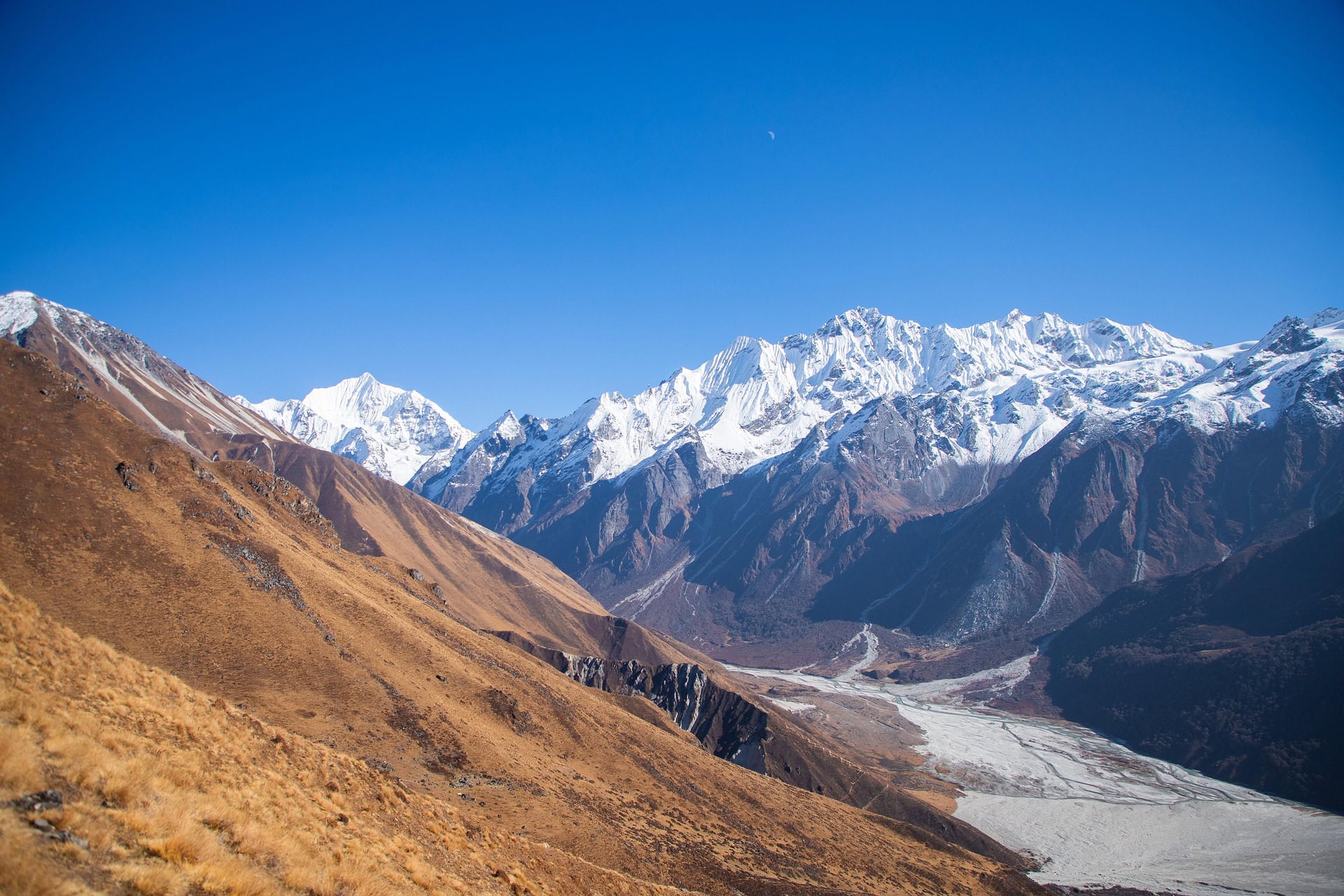
Langtang packs a lot into a short hike. In just over a week, you get Himalayan peaks, wild forests, and mountain culture without the crowds of the Everest Basecamp trek.
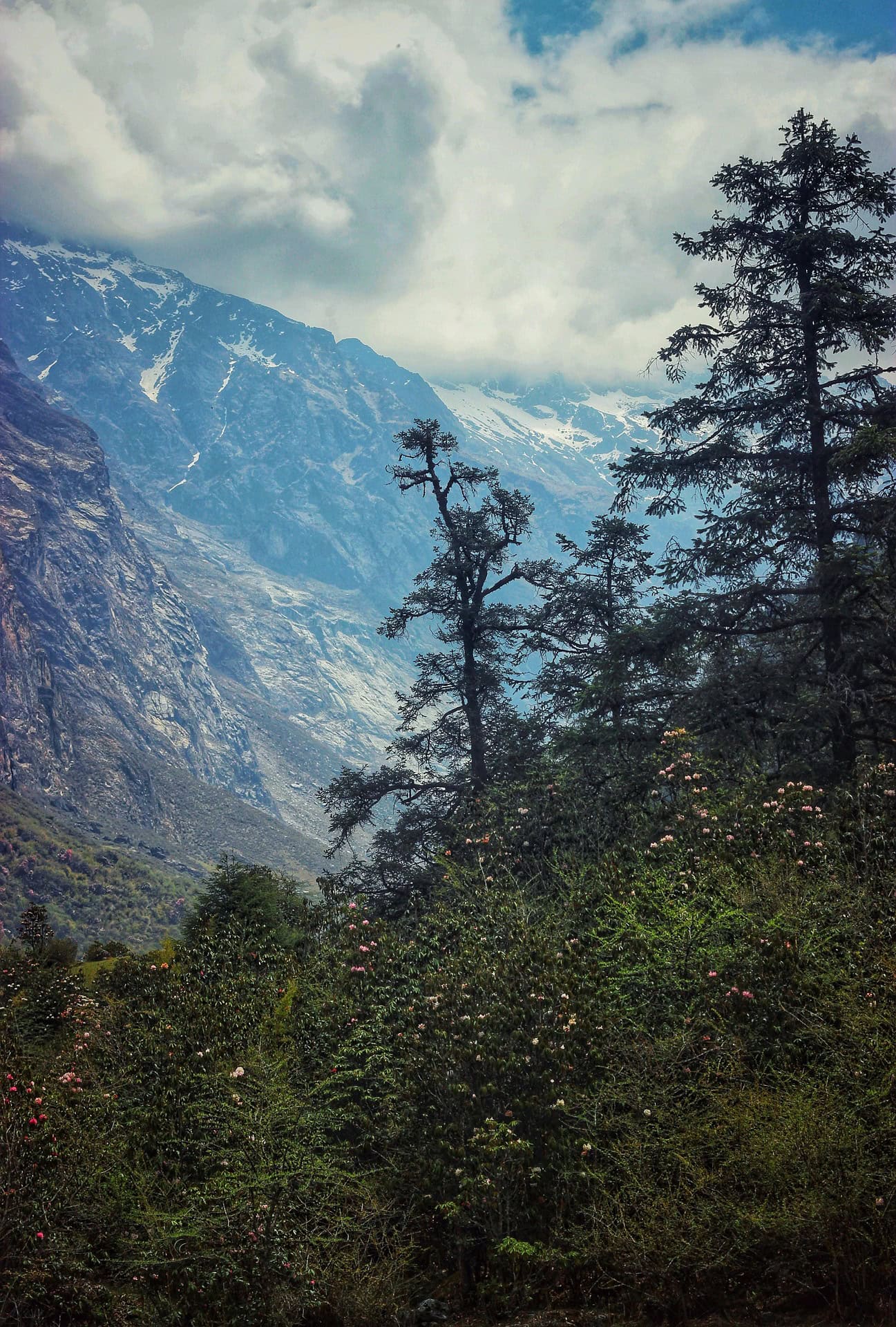
The trail starts in Syabrubesi and climbs through oak, pine, and rhododendron forests. If you’re lucky you might spot a langur monkey or a Himalayan Monal (the national bird of Nepal).
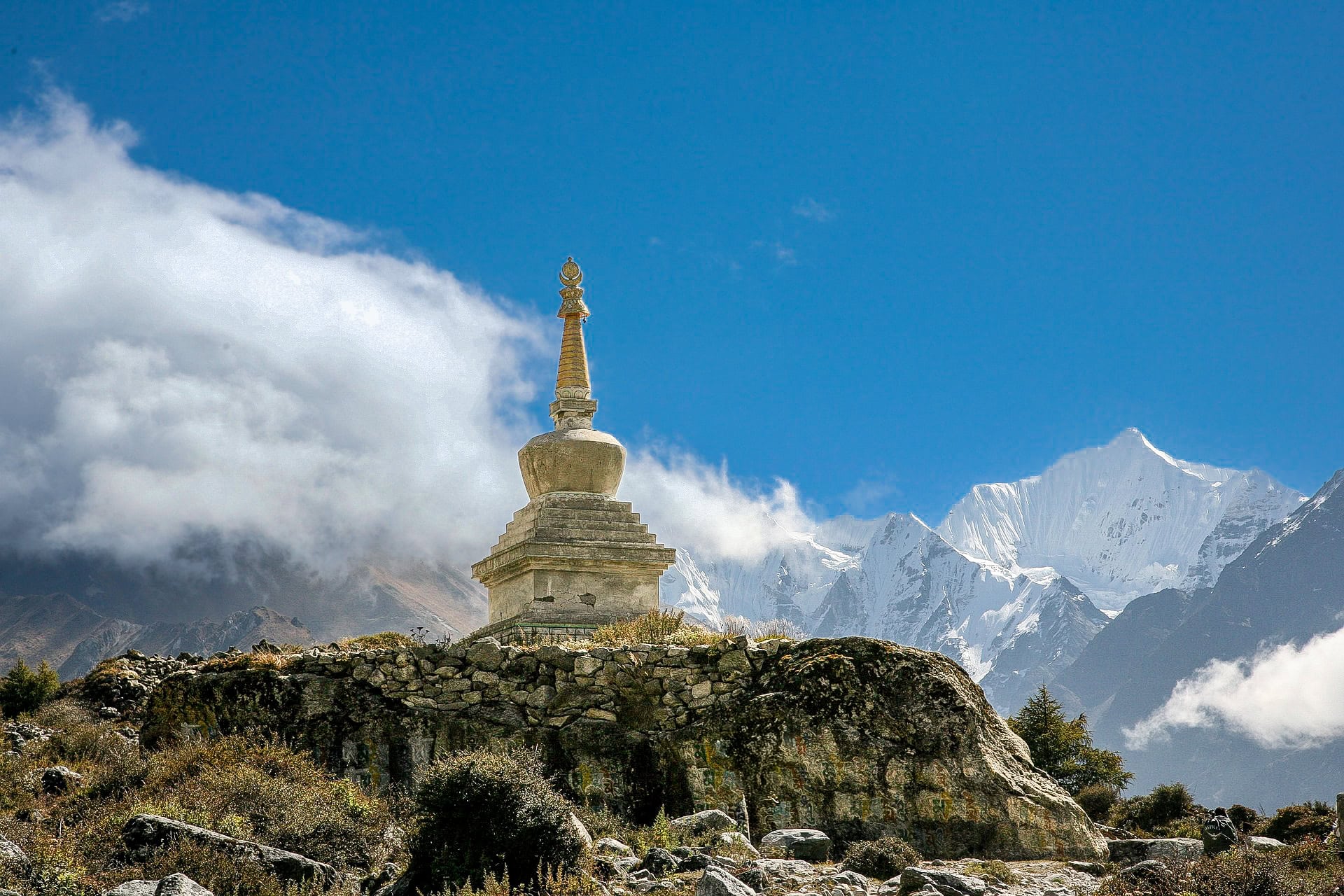
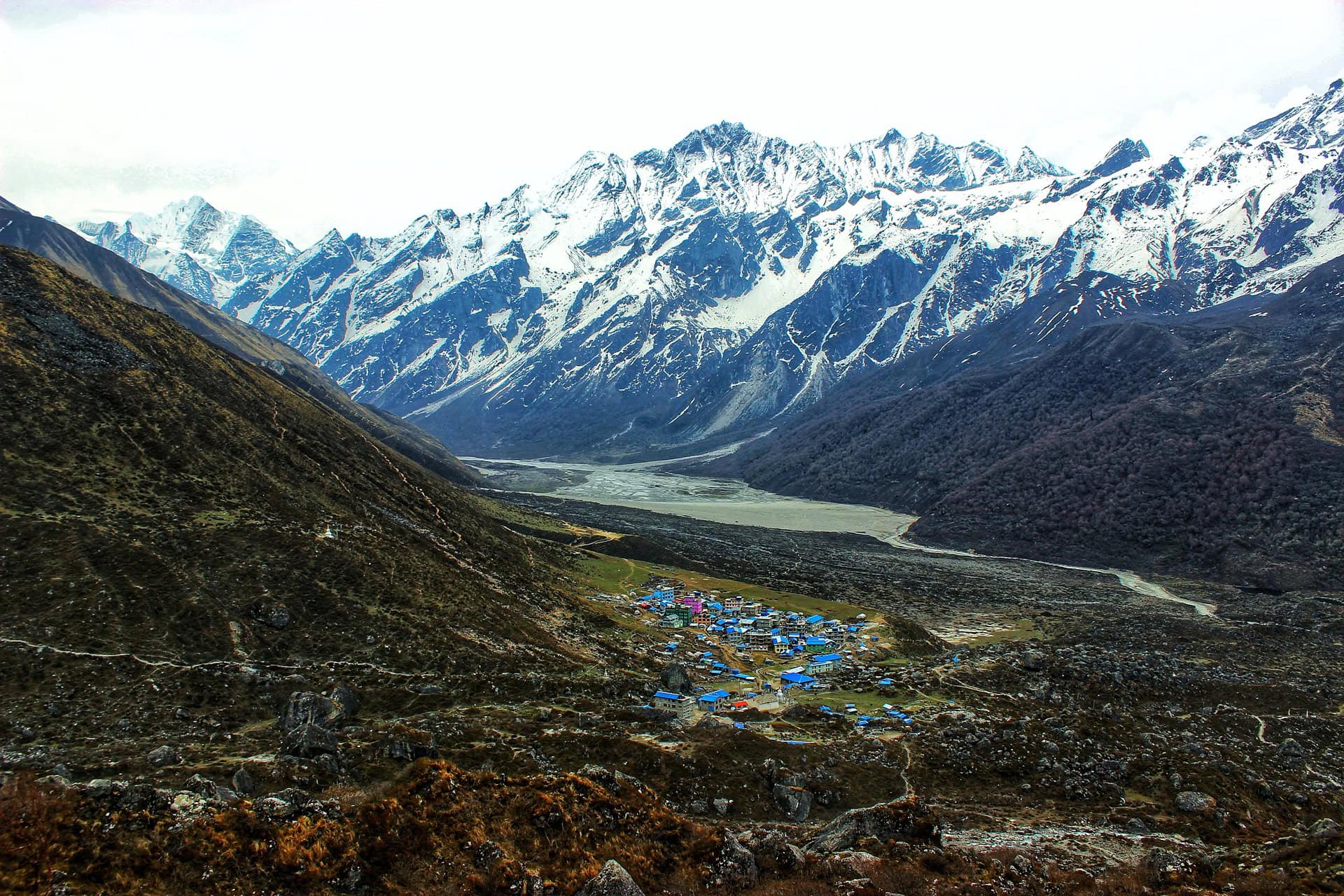
Higher up, the trees give way to wide yak pastures and a valley framed by glaciers. From Kyanjin Gompa you can stare straight at Langtang Lirung and, on a clear day, catch Shishapangma across the Tibetan border. Push on to Kyanjin Ri or Tserko Ri for some of the best panoramic views in Nepal.
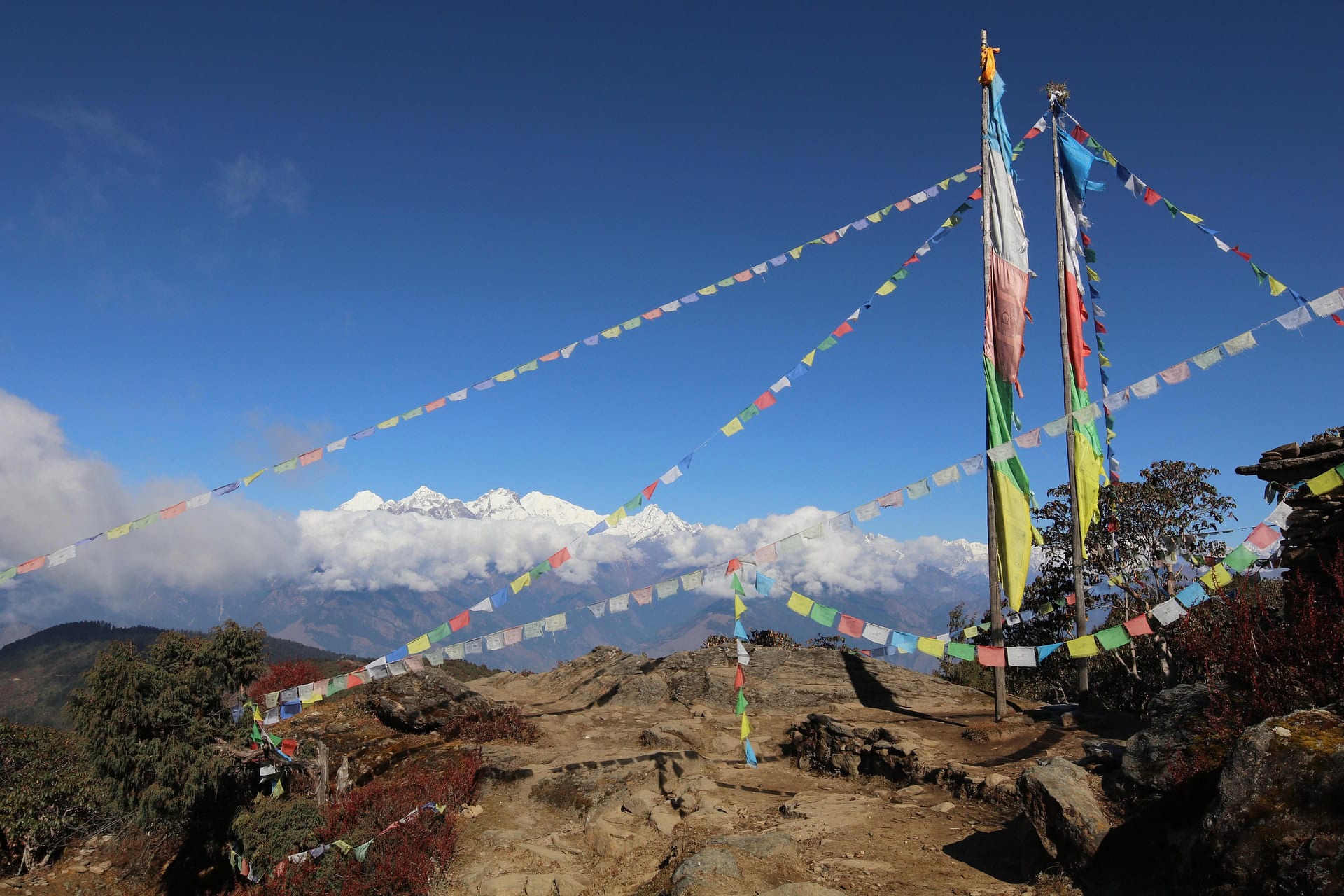
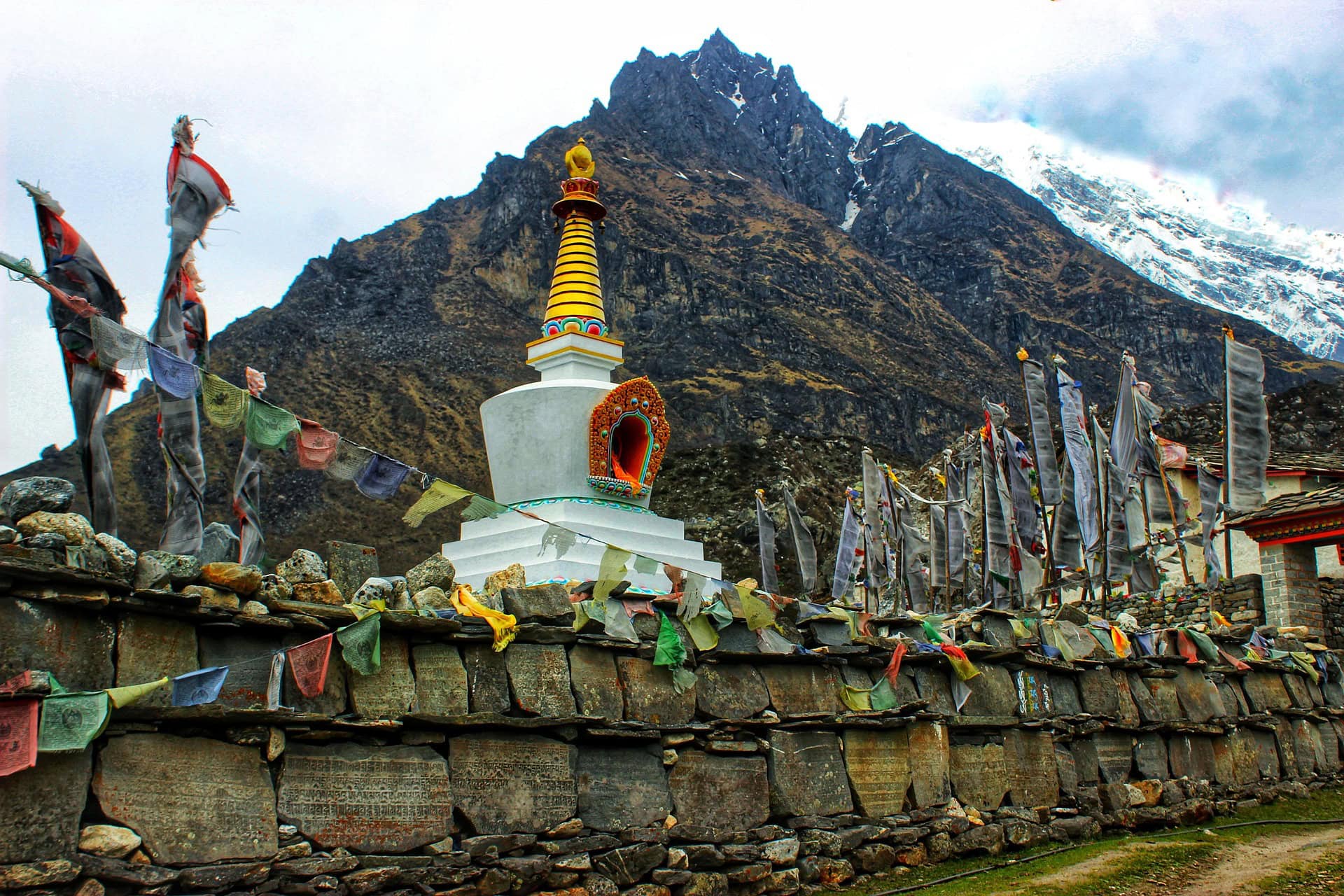
Villages along the way are home to Tamang and Tibetan-influenced families. Teahouses serve yak cheese and butter tea, prayer flags snap in the wind, and monasteries and mani walls line the path. Scenes like this almost have a Shangri-La feel to them.
Langtang is close enough to Kathmandu for a quick escape, but far enough to feel like another world. That mix of raw scenery and living culture is what sets it apart.
Why Langtang Valley Trek
Langtang isn’t a badge for your social feed, even though it’s a damn fine hike. It’s not about racking up altitude stats or proving you can suffer more than the next guy. This is a trek for people who actually like to walk, for the rhythm of the trail, the smell of pine, and the quiet that comes with it.
A single day’s drive from Kathmandu drops you into a valley that feels worlds away. No flights to Lukla, no circus of Everest. Just good mountain paths, thin crowds, and locals who greet you with genuine smiles. The payoff isn’t a record-breaking summit, but rather a week of hiking that lets the mountains and the villages speak for themselves.
Langtang is for travellers who don’t need to tick boxes to know they’ve been somewhere worth remembering.
Langtang Valley Trek Overview
Location: Central Nepal, bordering Tibet
Duration: 7–10 days (approx. 65–70 km)
Difficulty: Moderate — steady ascents with some long walking days
Highest Point: Tserko Ri (4,984 m) or Kyanjin Ri (4,773 m)
Accommodation: Family-run tea houses throughout the route
Best Seasons:
- Spring (Mar–May): Rhododendrons in bloom, warm days, clear skies
- Autumn (Sep–Nov): Stable weather, excellent mountain visibility
Highlights at a Glance:
- Close-up views of Langtang Lirung and glaciers
- Scenic day hikes to Kyanjin Ri or Tserko Ri
- Cultural encounters in Tamang villages
- Trekking inside Langtang National Park
- Accessible route with fewer crowds than Everest or Annapurna
7-Day Langtang Valley Trek Itinerary
- Day 1: Drive from Kathmandu (1,300 m) to Syabrubesi (1,550 m). Full-day jeep ride through hills and river valleys.
- Day 2: Trek to Lama Hotel (2,380 m). Walk along the Langtang River through forests, home to monkeys and waterfalls. 6 hours walking.
- Day 3: Trek to Langtang Village (3,430 m). Pass Ghodatabela and enjoy first glimpses of Langtang Lirung. Overnight in the rebuilt Langtang Village. 7 hours walking.
- Day 4: Trek to Kyanjin Gompa (3,870 m). Shorter walk but stunning, surrounded by peaks and glaciers. 3 hours walking

- Day 5: Acclimatisation day. Optional hikes to Kyanjin Ri (4,773 m) or Tserko Ri (4,984 m) for panoramic Himalayan views.
- Day 6: Trek back to Lama Hotel. Long descent through forested valleys. 6-7 hours walking.
- Day 7: Trek from Lama Hotel to Syabrubesi. Last night in the Langtang Valley. 6-7 hours walking.
- Day 8: Drive back to Kathmandu. 7-9 hours.
Langtang Valley Trek Practical Information
Permits
To trek in the Langtang Valley you’ll need one permit:
● Langtang National Park Entry Permit – Approx. USD 30. This is mandatory as the entire trek passes through the park. Can be obtained in Kathmandu or at the park entry checkpoint in Dhunche.
It is best to arrange these permits before leaving Kathmandu to avoid delays on the way.
Accommodation
The Langtang Valley trek is a tea-house-based, so you’ll stay in family-run guesthouses along the route. Rooms are basic but comfortable, often with two wooden beds, mattresses and a blanket. Toilets are usually shared, with squat toilets in lower villages and simple Western-style toilets in busier areas like Kyanjin Gompa.
Dining halls double as social spaces, usually with a central stove fueled by wood or yak dung to keep warm in the evenings. Hot showers are available for a small fee, which may be solar-heated or bucket showers, depending on the lodge.
Food
Meals are simple but filling. Food costs increase with altitude because supplies must be carried up by porters or animals.
● Staple meal: Dal bhat (rice, lentil soup, vegetables, pickle). Unlimited refills make it the best-value option for hungry trekkers.
● Other options: Momos (dumplings), fried noodles, soups, pancakes, pasta.
● Available in Kyanjin Gompa: yak cheese, pizza, bakery treats.
Budget around USD 20–25 per day if trekking independently.
Guides & Porters

While you can trek independently, a licensed guide (USD 25–30/day) will add value to your trip. Guides provide cultural context, ensure safe pacing, and handle logistics such as permits, accommodations, and companionship for solo trekkers.
Porters (USD 20–25/day) carry up to 20–25 kg. This allows you to walk with just your daypack, conserving energy for the altitude. Supporting guides and porters also helps the local economy, especially after the 2015 earthquake.
Transport to the Trailhead
The trek starts in Syabrubesi (1,550 m), which is connected by road to Kathmandu. Avoiding flights makes the Langtang Valley Trek a good option for budget travellers.
- Shared Jeep/Bus: Cheap (USD 10–15 per seat) but can be crowded and slow, takes 7–9 hours.
- Private Jeep: Faster, more comfortable and flexible on departure times. Costs USD 120–150 per vehicle, good for groups.
- Road Condition: Winding and bumpy in places, so be prepared for a long ride with great views of river valleys and hillsides. Bring some motion sickness tablets just in case.
Langtang Trek Costs & Budget

Langtang Valley Trek is one of the most affordable Himalayan treks, without compromising on scenery or culture. Costs vary depending on whether you trek independently or book through an agency.
Independent Trekkers
If you plan and book everything yourself, budget USD 25–35 per day. This is the cheapest option, but you’ll need to manage permits, transportation and logistics yourself.
- Meals: USD 20–25 per day, depending on altitude. Dal bhat is the best value since it comes with free refills. Prices increase the higher you go since supplies are carried by mules or porters.
- Accommodation: Rooms in tea houses cost USD 3–6 in lower villages and up to USD 10 in Kyanjin Gompa. Many lodges give a discount if you eat both dinner and breakfast there.
Trekking with an Agency
Full-service trek with Magical Nepal costs USD 700–900, depending on group size. This includes:
● Langtang National Park Entry Permit (~USD 30)
● Transport from Kathmandu to Syabrubesi and back
● Licensed guide and porter services
● Accommodation in tea houses
● All meals during the trek
Booking with an agency gives you peace of mind, cultural insights and local support while ensuring guides and porters get fair wages.
Extra Costs to Budget For
Even when taking an all-inclusive trek, budget for the following:
- Hot showers: USD 2–3
- Device charging: USD 2–4 per device
- WiFi: USD 3–5 per session (most lodges have it)
- Drinking water: Bottled water USD 1–3 per litre; bring purification tablets or a filter bottle to save money and reduce plastic waste
- Snacks: Chocolate, chips, cookies, and soft drinks USD 2–5
- Tips: Standard is USD 5–10 per day for guides and porters
- Travel insurance: Costs vary, but make sure it covers trekking up to 5,000 m
Langtang Valley Trek Overall Budget
- Shoestring: (independent, no guide): USD 300–400 for a week-long trek
- Mid-range: (independent with porter and extras): USD 500–600
- All-inclusive with agency: USD 700–900
Packing & Preparation Tips for Langtang Valley Trek
Before you lace up your boots and set off on the Langtang Valley Trek, you should know what to bring and how to prepare. The right clothing and gear can make the difference between a trek you’ll always remember and one you’d rather never talk about again.
It’s not only about packing; it’s also about fitness training and acclimatisation to high altitude. This section will guide you through the essentials, from clothing and equipment to physical readiness and acclimatisation, so you can feel confident and safe on the trail.
Clothing
Weather in the mountains can change quickly, so layering is key.
- Base layers: Moisture-wicking shirts and thermal tops/bottoms to keep you warm and dry.
- Insulating layers: A fleece or down jacket is a must; Kyanjin Gompa can be cold in spring or autumn.
- Outer shell: There’s nothing worse than trekking when wet. Bring a waterproof and windproof jacket for sudden rain or snow. This lightweight, breathable rainproof jacket from Marmot is what you need.
- Footwear: Sturdy trekking boots with good ankle support are the way to go. Bring thick trekking socks (at least three to four pairs). Lightweight sandals or flip-flops are useful for evenings in tea houses.
- Accessories: Gloves, a warm hat, a buff/scarf, and sunglasses with UV protection are must-haves.
Gear
If you’re a natural high altitude mountain yak, you’ll have everything (and more) for your trekking trip. If this is your first rodeo in the mountains, Kathmandu’s Thamel area has many rental shops where you’ll find everything you don’t have (but need).
- Sleeping bag: Rated to -10°C, tea houses provide blankets but they aren’t always enough. I love my Therm-a-Rest Saros sleeping bag.
- Trekking poles: Helpful for steep ascents and descents, reducing strain on knees.
- Headlamp: Essential for early morning hikes to Kyanjin Ri/Tserko Ri and for use in lodges where electricity is limited.
- Water purification: Tablets, drops or a LifeStraw, cheaper than buying bottled water and limiting plastic. My Hydro Flask keeps hot drinks hot and cold drinks cold for an entire day.
- Daypack: 25–30 litres, big enough for water, snacks, rain jacket and camera.
- Other small items: Lip balm, power bank, lightweight towel and sunscreen, because Everybody’s Free To Wear Sunscreen is the best free advice from Baz Luhrmann you’ll ever get.
Fitness Preparation
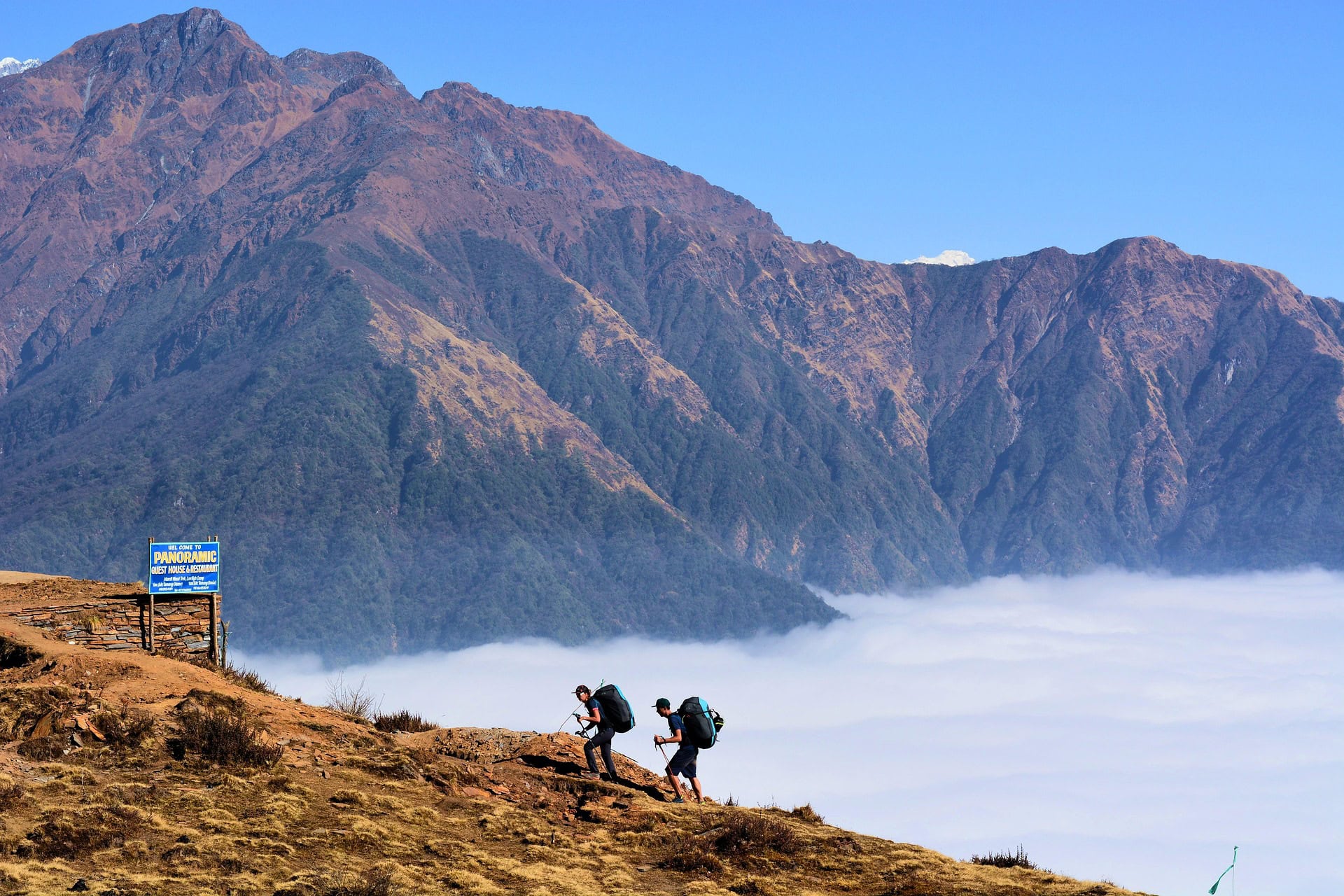
The Langtang Valley Trek is easy to moderate, but preparation makes it more enjoyable:
- Train with regular hikes or long walks (5–6 hours with elevation gain) before your trip.
- Add cardio exercises like cycling, swimming or jogging 3–4 times a week to improve stamina.
- Strengthen legs with squats, lunges and step-ups; most days involve steady up- and downhill walking.
- Remember: mental stamina is just as important as physical stamina; walking at a steady pace day after day is key.
Altitude Considerations
Altitude sickness can set in between 1,500 and 2,500 meters (5,000 to 8,000 feet). As this trek goes above 3,000 m for several days, altitude awareness is important:
- Walk slowly: Don’t rush, let your body adjust naturally.
- Hydrate well: Drink at least 3–4 litres of water a day.
- Acclimatise at Kyanjin: Spend an extra night there before going higher. Many trekkers do acclimatisation hikes to Kyanjin Ri or Tserko Ri.
- Know the signs of altitude sickness: Headaches, nausea, and fatigue are common but usually manageable. If symptoms worsen, descend immediately.
- Medication: Some trekkers carry Diamox (consult your doctor before use), but proper pacing and rest are usually sufficient.
Langtang Valley Trek FAQs
- Do I need a guide?
A guide is not necessary for Langtang trek, but highly recommended. Guides provide cultural insight, help with navigation and are invaluable in case of emergencies. Hiring local support also benefits the community. - How difficult is the trek? Langtang Valley Trek is moderate. Most days involve 5–6 hours of walking with steady ascents and descents. No mountaineering experience is required, but a reasonable level of fitness is important.
- Can I trek in winter? Yes, the trek is possible in winter (December–February). Trails are quieter and views are clearer, but Kyanjin can be very cold. Snow may block higher routes.
- Is there WiFi and phone coverage?
Most tea houses now have WiFi for USD 3–5 per session. Phone coverage is patchy. NTC signals are more reliable than Ncell in this region, but don’t expect constant connection. - What is the highest point of the trek?
Most trekkers climb Kyanjin Ri (4,773 m) or Tserko Ri (4,984 m) as side trips for Himalayan views. - How many days do I need for the trek?
The standard Langtang Valley Trek itinerary is 7–10 days, depending on the pace and acclimatisation. Adding an extra rest day in Kyanjin is recommended. - Do I need travel insurance?
Yes. Travel insurance that covers trekking up to 5,000 m is mandatory. It should also include emergency helicopter evacuation, as that’s the only way out in case of severe altitude sickness or injury.
- What permits are required?
Only Langtang National Park Entry Permit (~USD 30) is required. TIMS card is not necessary. - What’s the accommodation like?
Tea houses offer simple twin rooms with wooden beds and blankets. Basic but comfortable with shared toilets and common dining areas. - Is the Langtang Valley Trek suitable for beginners?
Yes. The Langtang trek is suitable for first-time trekkers, as long as you’re reasonably fit and walk at a steady pace. Many first-timers choose it because it’s shorter and less crowded than Everest or Annapurna.
Like trekking?
Here are more fantastic hikes from around the world
➜ Nepal: Everest Base Camp
➜ Nepal: Annapurnas
➜ Nepal: Manaslu Circuit
➜ China: Tiger Leaping Gorge
➜ South Africa: Wild Coast Hike
➜ South Africa: Lion’s Head
➜ DR Congo: Mount Nyiragongo
7 Day Langtang Valley Trek Itinerary Conclusion
The Langtang Valley Trek is ideal for trekkers who want a Himalayan experience without a long expedition. In 7–10 days, you’ll walk through forests, pastures and high altitude villages and end up in a valley surrounded by glaciers and peaks.
If you’re looking for a trek that combines accessibility, cultural depth and natural beauty, Langtang Valley is the best. With proper preparation and a good guide, it can be one of the most rewarding trips you’ll ever take.