
Europe knows how to do culture. Full stop. Art, culture and history are often the main reasons why we travel to Europe – and the best place to experience this is at Europe’s magnificent museums, of course. The museums of Europe should definitely be a top priority on any trip to the continent of culture.
Friends planning a trip to Europe always ask us to recommend the best museums in Europe. While we do have our favourites, we haven’t nearly been everywhere. So we asked a few friends to stand on their soapboxes and share their favourite museums of Europe.
From Spain and Portugal in the west, all the way to Russia in the east, here is our curated collection of the best museums of Europe for all our culture lovers out there.
Whether you’re looking for the world-famous art collections of Europe or something quirkier and lesser-known, these museums are sure to satisfy arty-farty snobs and normal people like you and me alike.
In no particular order…
Please note: This post may contain affiliate links. This means I may earn a commission if you make a purchase by clicking a link (at no extra cost to you). As an Amazon Associate, I earn from qualifying purchases. Learn more.
THE HERMITAGE – ST PETERSBURG, RUSSIA


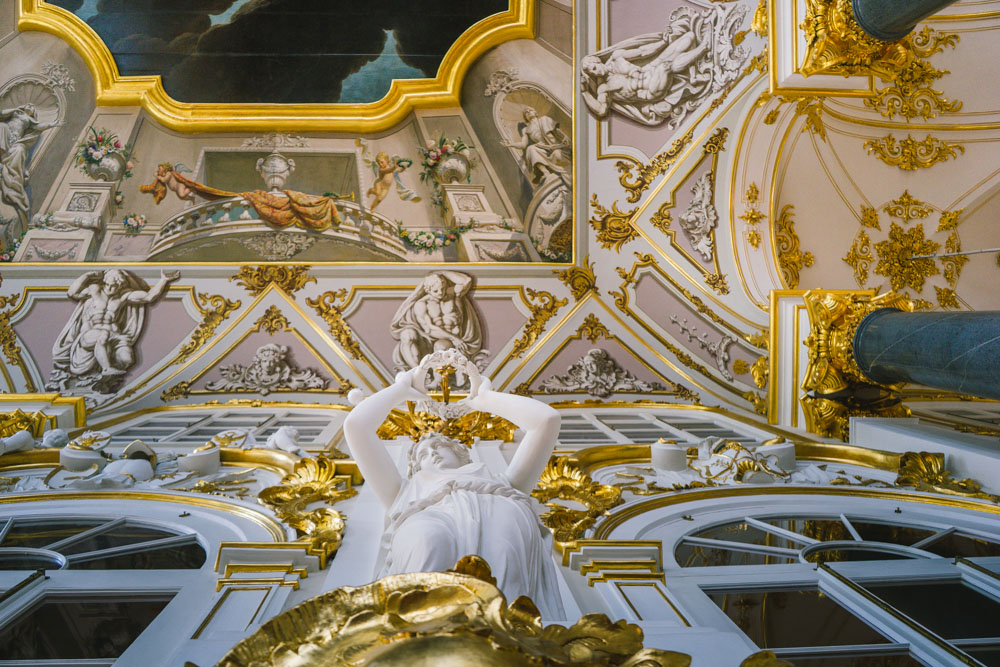
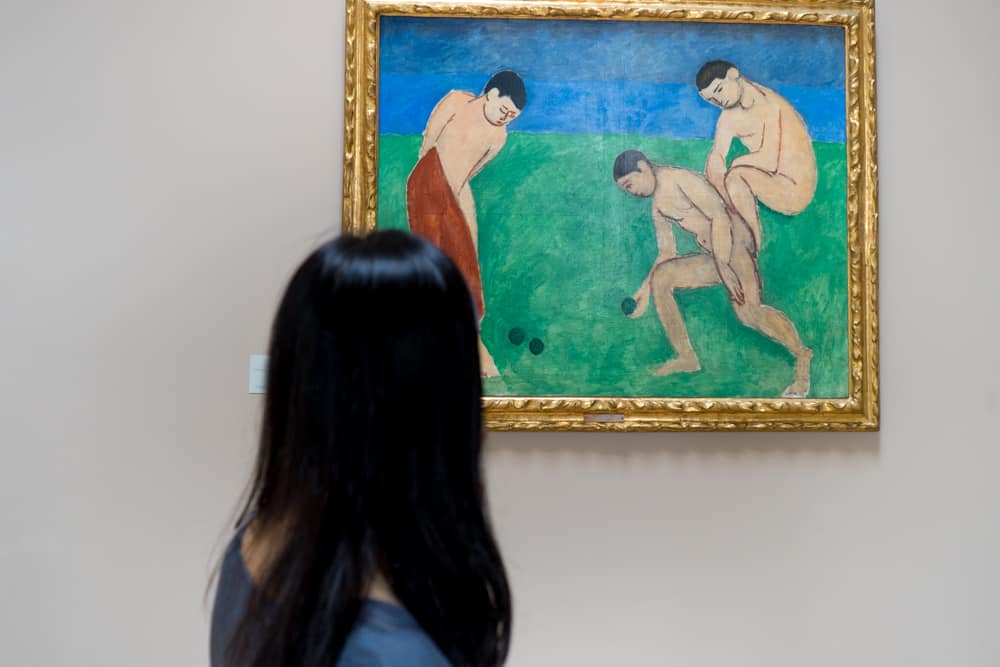
The State Hermitage Museum in St Petersburg is the second-largest art museum in the world by area (after the Louvre), and man, WHAT A COLLECTION IT IS!? It is by far the most spectacular museum that we’ve ever visited.
Catherine the Great began collecting art in 1764, and it is still on display today in her Winter Palace. The Winter Palace, with its distinguished green façade, is an ensemble of gold, malachite, marble and more gold. And between all of that, you’ll find some of the most famous pieces of art in the world.
The enormous collection (it has the largest collection of paintings in the world) is spread across six different historic buildings surrounding Palace Square. Most people visit only the Winter Palace, which is a mistake.
We suggest starting at the General Staff Building on the other side of Palace Square. If you haven’t bought tickets online, the queues at the General Staff Building are MUCH shorter than at the Winter Palace.
The General Staff building will blow you away with its huge 19th and 20th-century art collection. Here, you’ll find halls and halls filled with Matisse, Van Gogh, Picasso, Gaugin, Monet, Cézanne and Degas, amongst others, to drool over.
After seeing the modern stuff, head across Palace Square to indulge in even more art from earlier periods. The Winter Palace houses one of the best Dutch and Flemish art collections outside the Netherlands. Over 1,500 works from the Dutch masters now hang in the Hermitage, with fantastic pieces by Rembrandt and Hals.
Besides that, you can explore the opulent halls of the Winter Palace while admiring works by almost any artist of note you can think of.
Most famous artworks in the Hermitage to look out for:
- The Return of the Prodigal Son – Rembrandt
- The Madonna Litta – Da Vinci
- Madonna Conestabile – Raphael
- Peacock Clock
- Saints Peter and Paul – El Greco
- The Three Graces – Antonio Canova
- Malachite Room
- The Raphael Loggias – A copy of the Gallery in the Papal Palace in Vatican City.
Another interesting part of the collection is the Hermitage cats. The Hermitage has about 60 real cats living in the museum to catch mice. Keep an eye out for these kitties, and count yourself extremely lucky if you do spot one.
REINA SOFIA – MADRID, SPAIN
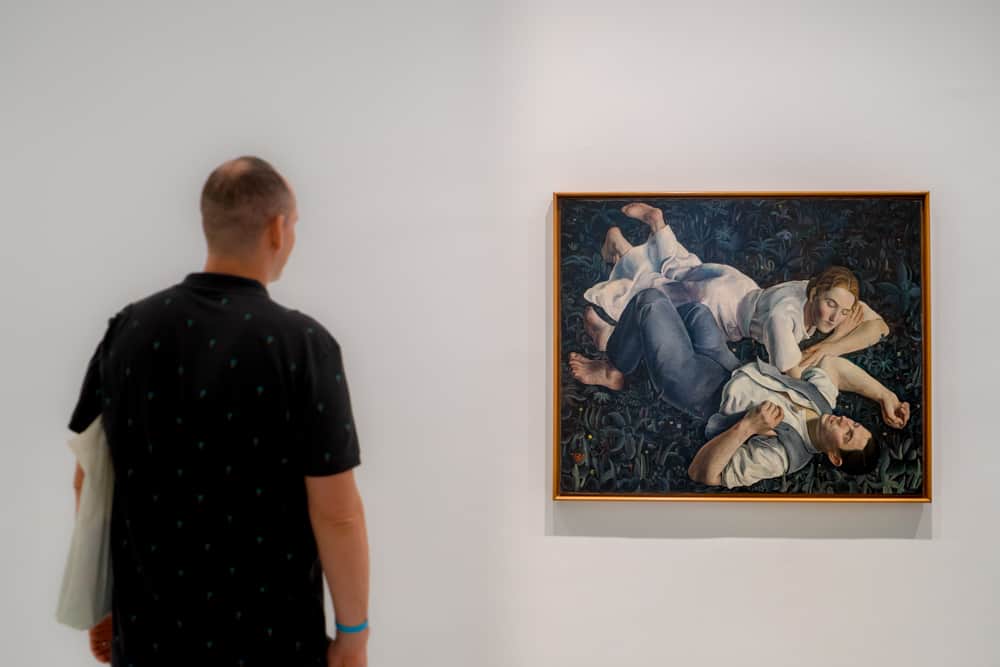
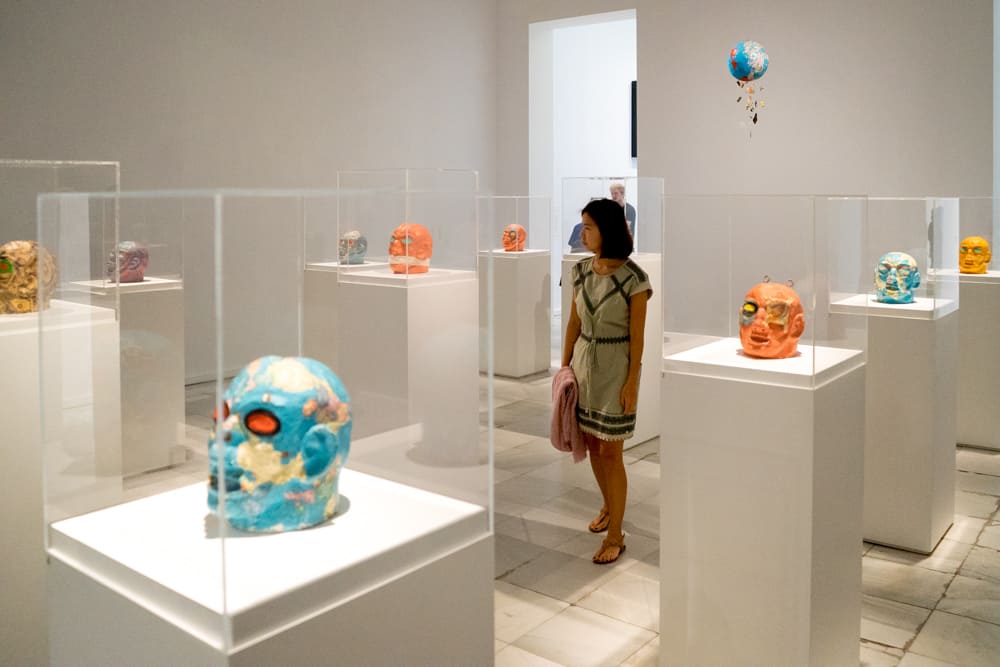
For the best modern Spanish art, you should definitely not miss the Reina Sofia in Madrid.
This museum, officially known as Museo Nacional Centro de Arte Reina Sofía, is Spain’s national museum of modern art. Its collection reflects Spain’s historical and socio-economic events from the 20th century until now.
Housed in Madrid’s first general hospital, it has undergone a beautiful transformation to emerge as one of the most famous museums in Europe. While most modern Spanish artists are well presented in the museum, the big draws are two of Spain’s masters of the 20th century: Picasso and Dali. There is excellent art representing surrealism and cubism in Spain in the Reina Sofia.
Picasso’s Guernica, a gigantic painting in hues of black and white, is the biggest draw in the Reina Sofia. The Guernica is perhaps the most famous Spanish painting and is one single piece that represents modern Spanish history.
More than seven meters long and three meters high, the cubist painting depicts the bombing of the Basque town of Guernica under Franco. It is a moving and powerful painting showing the horrors of war. Until recently, photography was not permitted in the Guernica room, but luckily that has now changed. Photography is now allowed free of charge in all rooms of the Reina Sofia.
The Reina Sofia is one of the most visited museums in Madrid, so get your tickets online in advance.
MUSEU NACIONAL DO AZULEJO – LISBON, PORTUGAL
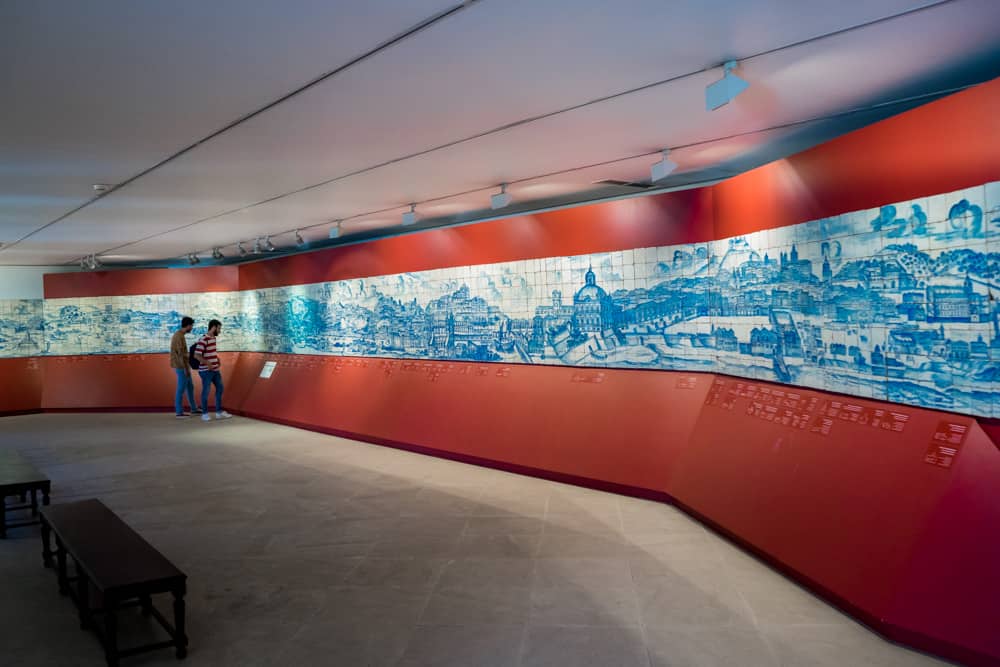
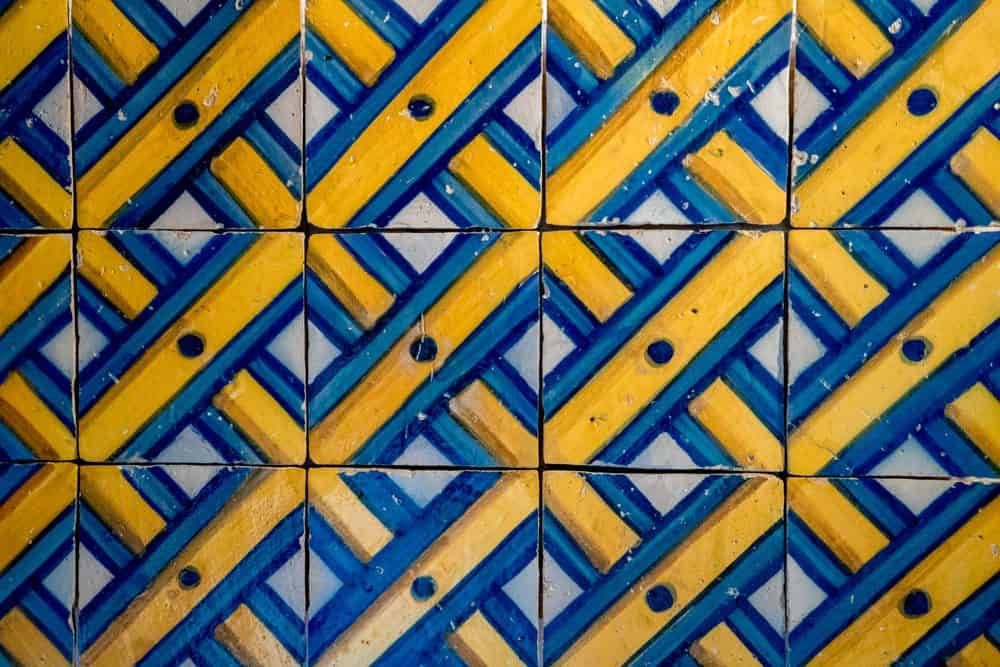
Azulejos best represent the art and culture of Portugal. These colourful tiles, unique to the Iberian peninsula, adore architecture all over the country – from baroque churches in Porto to palaces and cafes to the backsplash in your Lisbon Airbnb kitchen.
The National Tile Museum in Lisbon is the best place to learn about this unique art form. You’ll find the tile museum, one of the largest collections of ceramics in the world, inside the Madre de Deus Convent.
You’ll see all kinds of tiles as you stroll along the halls and corridors of the convent, from huge panels depicting biblical scenes to modern, avant-garde designs or minimalistic tiles.
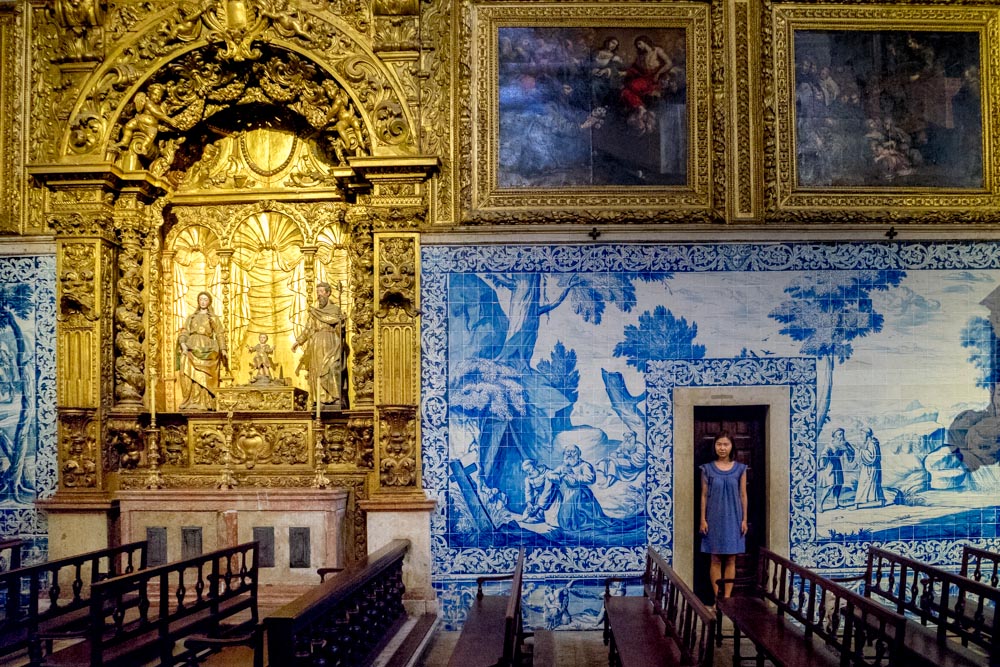
The Madre de Deus Church itself is one of the highlights of the museum. Stunning blue and white azulejos cover this 16th-century chapel, as well as golden altarpieces, carved wood from Brazil and paintings by André Gonçalves.
Another highlight of the Azulejo Museum is the Grande Panorama de Lisboa. Almost 23 meters in length, this panel depicts the 14 km long view of Lisbon as seen from the Tagus River before an earthquake in 1755 destroyed most of the city.
The Museu Nacional do Azulejo is a colourful and insightful view into the history and culture of Lisbon and one of the best things to do in Lisbon. Being somewhat out of the way also ensures you won’t have to battle crowds to enjoy the museum.
Entrance to the Museu Nacional do Azulejo is included in the Lisbon Card.
SVANETI HISTORY & ETHNOGRAPHY MUSEUM – MESTIA, GEORGIA

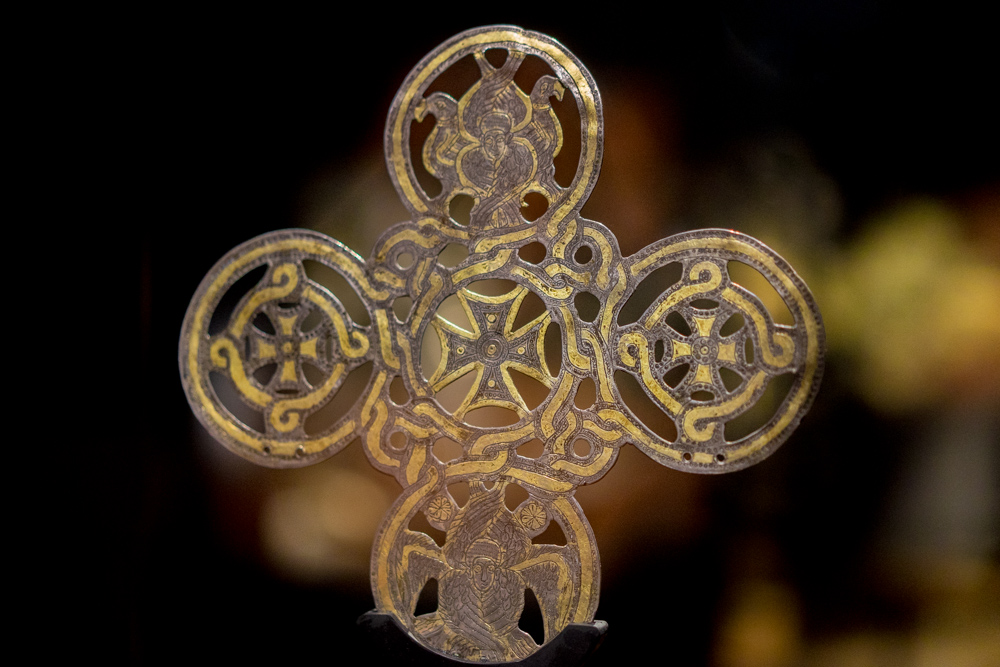
Mestia, a beautiful town in the Caucasus is where you’ll find an equally beautiful museum: the Svaneti History & Ethnography Museum.
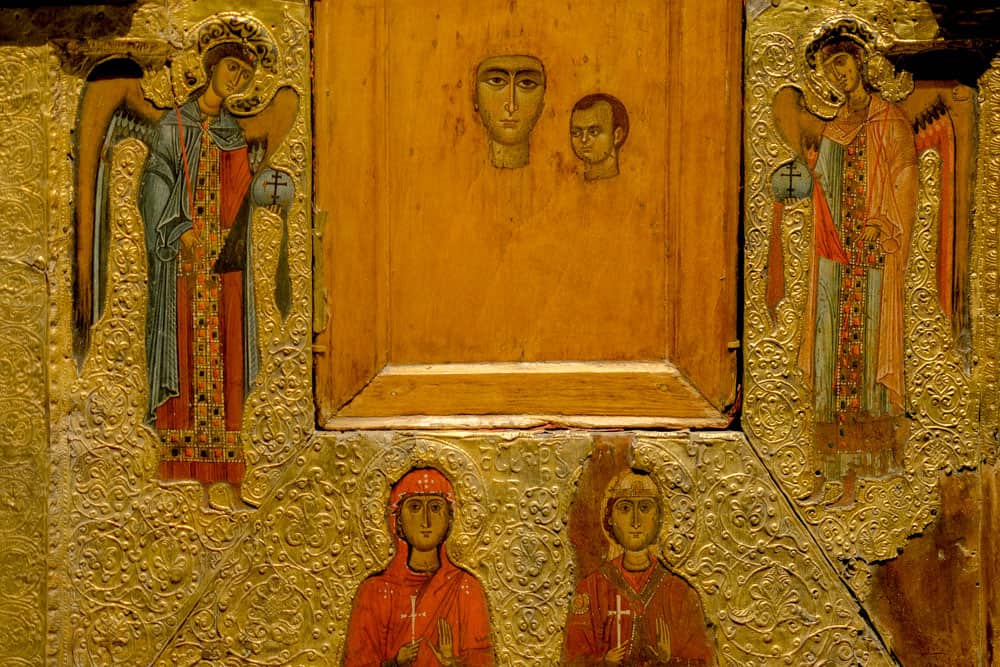
The exhibits, all with excellent English labels and information, focus on the culture and history of the Svaneti region. The museum has a superb selection of icons, manuscripts, weaponry, jewellery and coins from this part of the Caucasus.
Due to its remote location, Svaneti has always been perceived as one of the safest places in Georgia. As a result, churches in the region would send their most valuable religious artefacts to Savaneti for safekeeping. Over time, the museum accumulated and protected Georgia’s best icons and manuscripts.
The museum has very comfortable sofas with spectacular views of the surrounding mountains and medieval defence towers. It’s a great spot to while away the time before moving on to Ushguli in the mountains or back to Tbilisi.
Museum of Anatolian Civilisations – Ankara, Turkey

The Museum of Anatolian Civilizations in Ankara is not only one of the best in Europe but indeed the world. And those who say Ankara is not in Europe – it was awarded the Museum of the Year in Europe in 1997 – so there you have it.
The Museum of Anatolian Civilisations stands as one of the finest museums in Europe, captivating visitors with its rich collection and immersive exhibitions. Housed in a beautifully restored 15th-century Ottoman building, the museum showcases Anatolia’s remarkable history and cultural heritage, spanning over 10,000 years.
Its vast collection features artefacts from various ancient civilisations, including the Hittites, Phrygians, Urartians, and many others. The museum offers a comprehensive journey through the region’s past, from enormous, carved stone reliefs to meticulously crafted pottery and awe-inspiring sculptures. The museum’s exhibits are thoughtfully curated, providing valuable insights into the diverse cultures that have shaped Anatolia’s history.
Highlights for us included the section on the clay tablets with their cuneiform writing from the Assyrian trade colonies, the fertility figurines from the Neolithic era and Bronze Age artefacts.
With its outstanding collection, architectural charm, and expertly presented exhibits, the Museum of Anatolian Civilisations undoubtedly stands among the best museums in Europe. It offers visitors a truly immersive and enlightening experience.
Put aside at least half a day to appreciate the museum’s incredible collection.
DALI THEATER MUSEUM – FIGUERES, SPAIN

The Dalí Theatre Museum in Figueres, Spain, offers a glimpse into Salvador Dalí’s mind that is much deeper and, perhaps, more troubling than just seeing a few of his surrealist paintings.
Dalí designed the entire museum, so the oddness begins on the exterior – why are those figures balancing loaves of bread on their heads?
In the first couple of spaces after entering the museum – a courtyard and then a large hall – visitors are essentially immersed in Dalí’s art installations. A vintage car, two human figures inside, overgrown with vines. Above, a ship, propped on a pole, hovers overhead, with, chained to it, a naked woman wearing a headdress. Strange figures watch from the walls above. What is this artwork depicting?
The rest of the museum holds about 1500 of Dali’s works. Many are the famous surrealist paintings and sculptures he is known for, but the collection also includes earlier works of impressionism and cubism. The pieces are presented, fittingly for a Dalí-designed museum, in no particular order, making for a rather jarring experience. To learn more about the museum and see some truly nightmarish visions, read Dalí Theatre-Museum: A glimpse into Dalí’s mind.
By Rachel from Rachel’s Ruminations
UFFIZI GALLERIES – FLORENCE, ITALY

The Uffizi Galleries are certainly one of the most famous museums in Europe. This world-famous art museum is located in Florence in Tuscany and fascinates with a huge exhibition of the most historically important paintings and art collections in the world.
Giorgio Vasari built The Galleries between 1560 and 1580 by order of the first Grand Duke of Tuscany, Cosimo I de Medici. The rooms were initially intended as offices for Florentine magistrates, judges, technicians and merchants. Two hundred years later, in 1769, the Uffizi opened as a museum. Today, the 50 halls contain countless valuable paintings from the 13th to the 18th century.
The ultimate highlights are the “Ognissanti Madonna” by Giotto, the “Battle of San Romano” by Paolo Uccello, Piero della Francesca’s diptych of “Federico da Montefeltro”, the “Birth of Venus” by Botticelli. On top of that, you will also find works by Leonardo da Vinci and Michelangelo!
The Uffizi Gallery is probably one of Italy’s most visited tourist attractions, so expect long waiting times when visiting. However, you can reserve tickets in advance for a specific time and thus save time and nerves. If you want to learn more about the arts, it is definitely worth booking a guided tour.
By Jürgen & Martina from Places of Juma
THE BRITISH MUSEUM – LONDON, UK
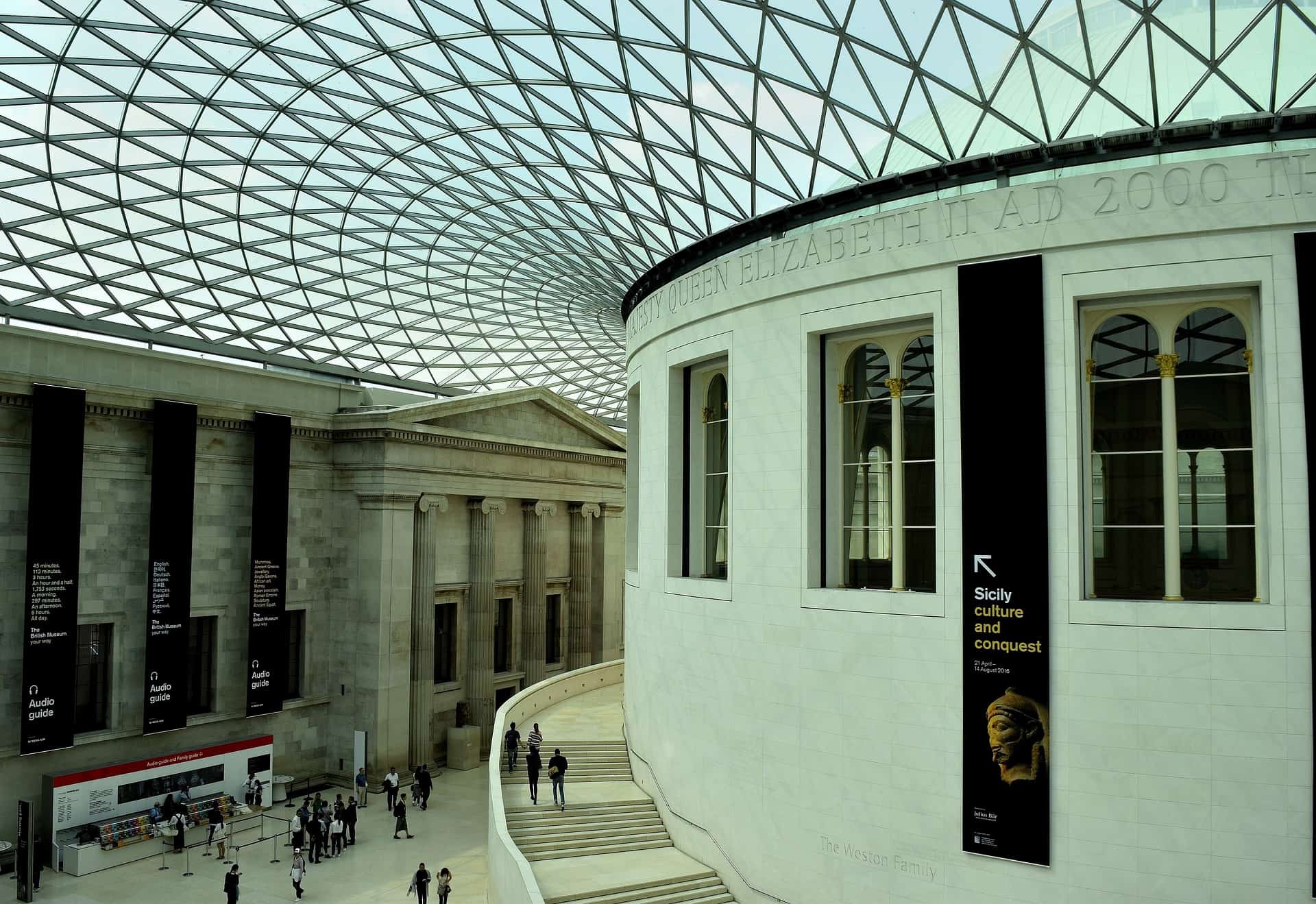
The British Museum is one of the most popular places to visit in London, with around 6 million visitors on average per year. The museum is dedicated to human culture, art and history and houses over 8 million objects.
Some of the museum’s most famous collections include the Rosetta Stone, the Elgin Marbles, the Sutton Hoo burial helmet and even an Easter Island head. The museum also has an extensive collection of Egyptian mummies, including Katebet’s mummy with her beautiful gold mask.
Take a guided talk or tour around the museum to learn more about the different exhibitions. The “Around the world in 90 minutes” tour is a great way to see some of the most famous objects on display though there is a £14 pp charge. Stop by the Great Court Restaurant on the way out for a delicious afternoon tea for the full British experience.
The British Museum is located in the Bloomsbury area of London and is free to enter, though some exhibitions do attract a small charge. Opening times are 10:00 – 17:30 every day. Plan to spend at least 3 to 4 hours at the museum to enjoy the various rooms and exhibits. Due to restrictions, timed slots for your visit have to be booked before arrival, and there is a one-way route to follow around the museum.
NATURAL HISTORY MUSEUM – LONDON, UK

This Natural History Museum must be on your to-do list when in London. Located in South Kensington, this museum is very popular and considered by many as the best museum in London. It’s open seven days a week from 10 am to 5:50 pm.
It’s an incredible museum, and with its stunning architecture and exciting exhibits, you could easily spend a day here.
It is most famous for its dinosaur exhibit, featured in many films and documentaries and heavily supported by Sir David Attenborough. The museum is free to enter, and they even offer a free virtual tour for people who can’t get there in person.
AND, for all you Potter Heads, they have an exhibit on ‘Fantastic Beasts’. How exciting is that?! It really is a beautiful museum, with something for everyone!
Avoid visiting on popular holidays such as Halloween, Bonfire Night, New Year’s day, as it can get pretty busy. Or at least go early. That way you can beat the queues and crowds!
By Charlotte from Bursting my Bubbles
ARCHEOLOGICAL MUSEUM OF CAGLIARI – SARDINIA, ITALY
The Archeological Museum of Cagliari is easily one of the best museums in Sardinia. Located in the heart of Castello, one of the historic districts of Sardinia’s capital, this vast museum has a fantastic collection of archaeological artefacts that will walk you through the rich history of Sardinia.
The exhibits are spread across three floors, in a beautiful historical building inside which you’ll also find a nice garden. It includes pieces from the Pre-Nuragic era and the Nuragic Age (the Nuragic civilization is only found in Sardinia, so this is something truly unique), all the way to the Byzantine era, with objects of daily use as well as pieces that had clear sacred, religious or ritual relevance.
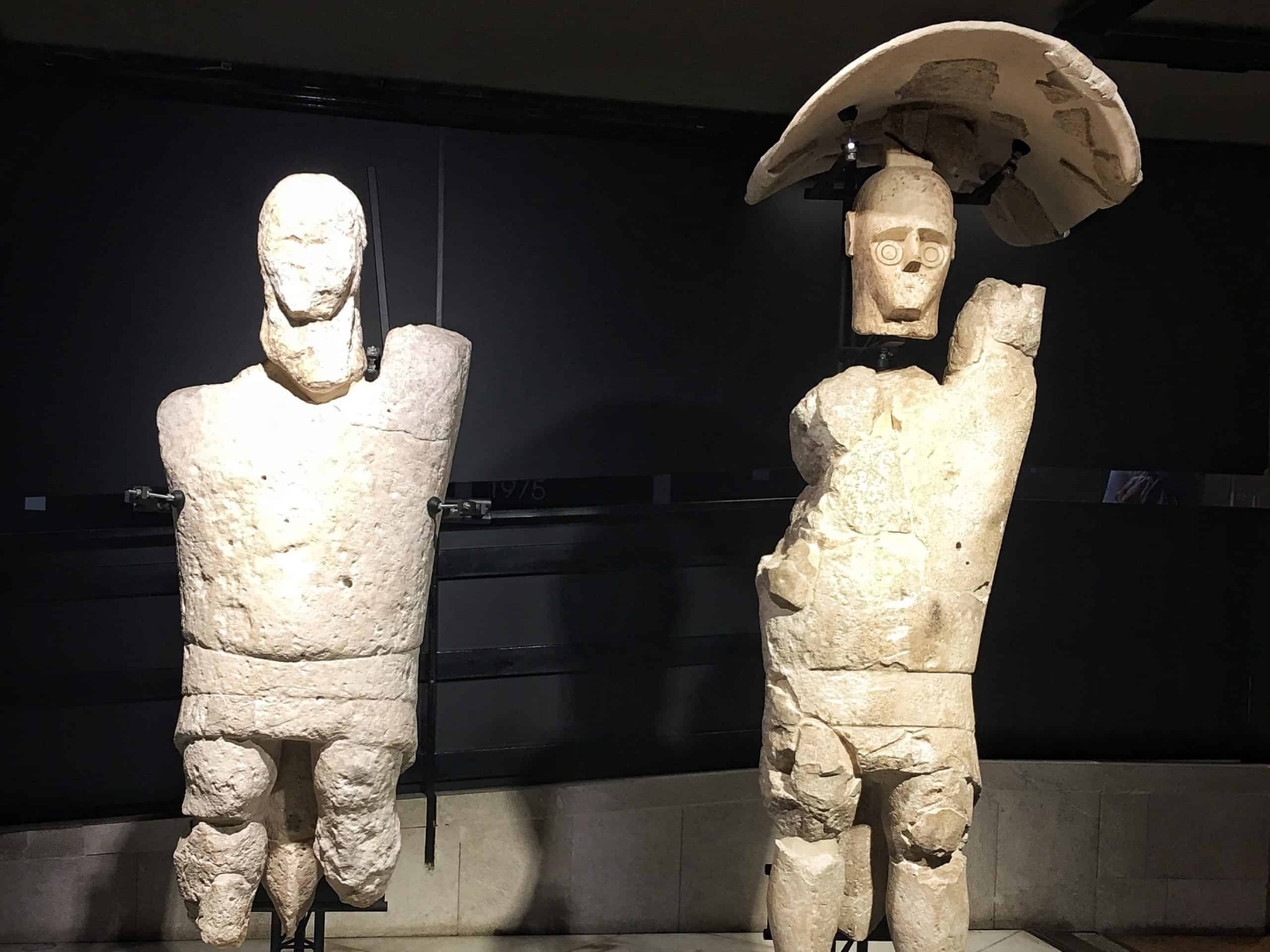
The Archeological Museum of Cagliari also houses a few of the Mont’e Prama Giants statues, which were actually found in the region around Cabras (where most of them are housed). The Mont’e Prama Giants are still the object of research and are surrounded by much mystery.
The museum is open to visitors from Tuesday to Sunday, from 9:00 am to 8:00 pm. Admission is €7.
By Claudia from Strictly Sardinia
PERGAMON MUSEUM – BERLIN, GERMANY
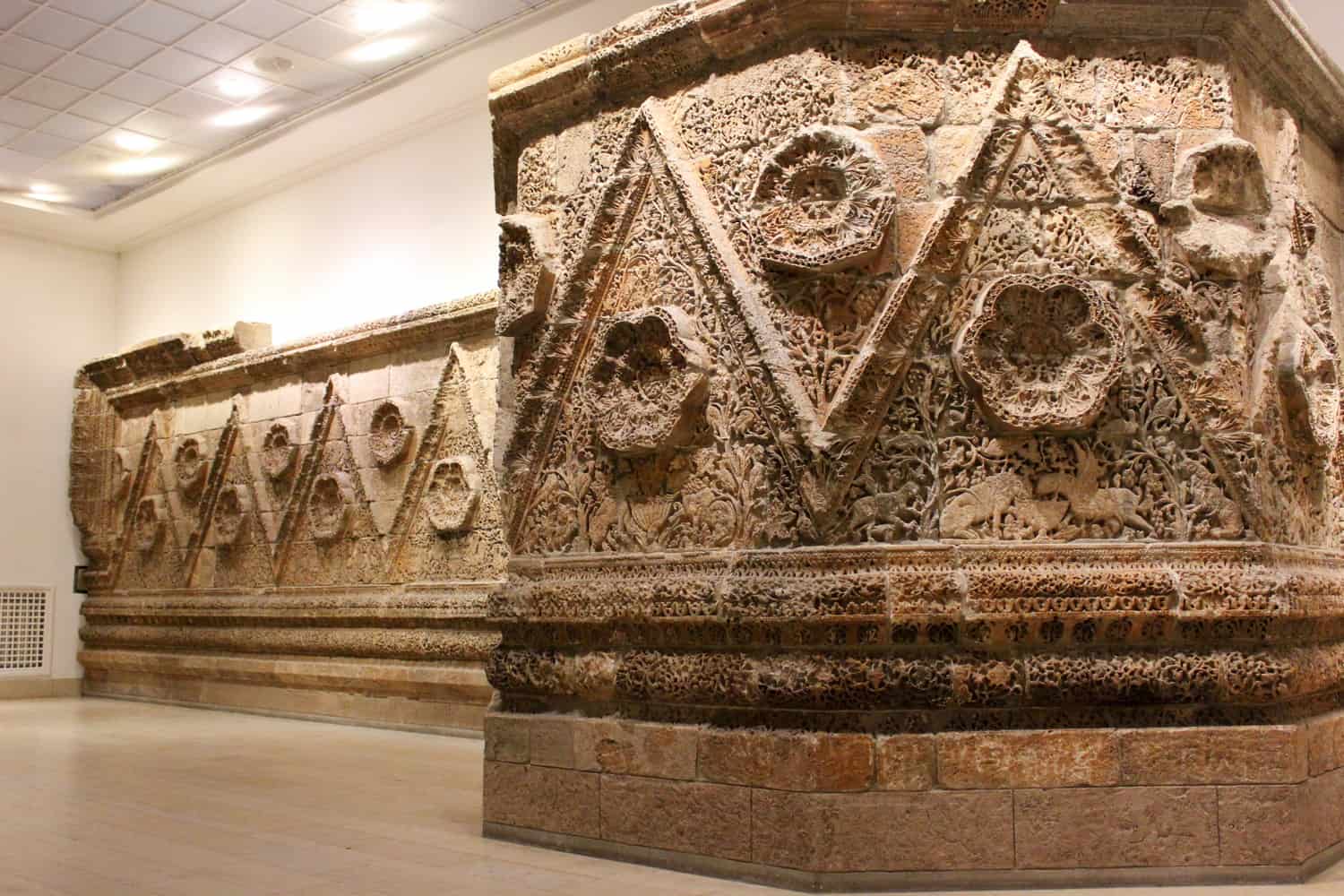
Berlin’s Pergamon Museum was built between 1910 and 1930 and has become one of the city’s most famous museums. It is the most visited museum in Germany, and it’s part of Museum Island, a collection of five popular museums.
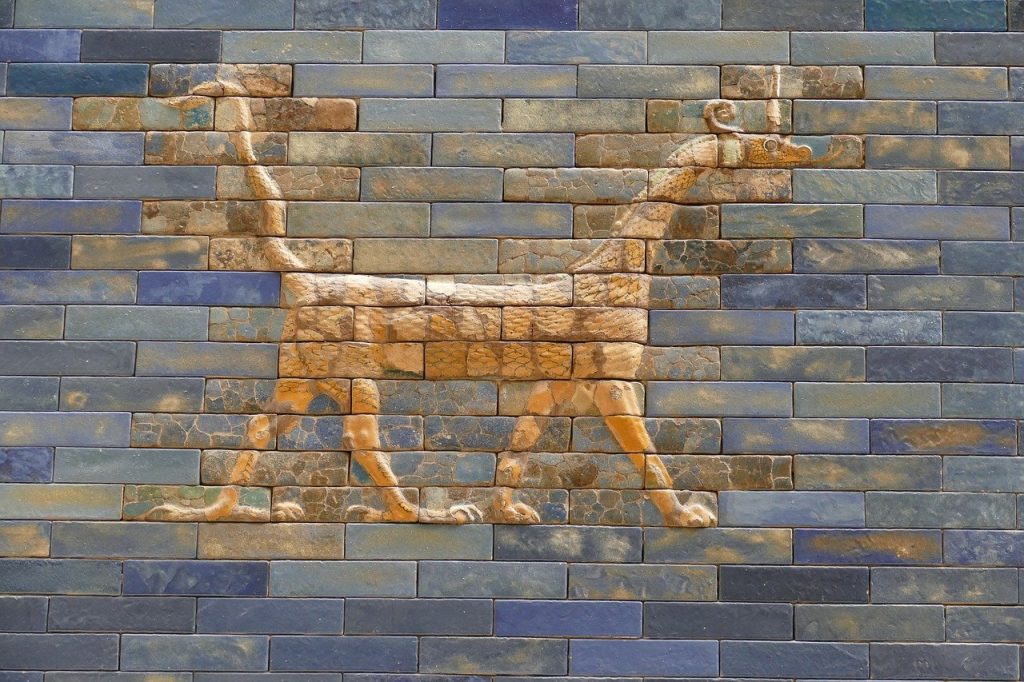
A visit to the Pergamon Museum is one of the best things to do in Berlin due to its outstanding cultural and archaeological exhibits. Some of the more well-known pieces are the Pergamon Altar from Asia Minor, the Ishtar Gate from Babylon, the Market Gate of Miletus from what is now western Turkey, and the Mshatta Facade from present-day Jordan.
The museum is divided into three wings, each of which houses different collections. The Collection of Classical Antiquities has some of the world’s most important pieces of ancient Roman and Greek art. This is where the Pergamon Altar is located.
The Museum of the Ancient Near East contains 270,000 artefacts covering a 6,000-year period from the regions of Mesopotamia, Syria, and Anatolia. The Museum of Islamic Art displays an impressive collection of Islamic art from the 7th to 9th centuries.
For those who love art, history, culture, and archaeology, the Pergamon Museum should not be missed. The museum can be found at Bodestr. 1-3, and the closest Ubahn station is Museuminsel on the U5.
Consider getting the Berlin Welcome Card which includes entrance to all five museums on Museum Island and free use of public transport for 3 days.
By Ali from Berlin Travel Tips
MUSEE D’ORSAY – PARIS, FRANCE

Musee d’Orsay is located on the left bank of the River Seine in the heart of Paris, France. Built from an existing railway station in the Beaux-Arts architectural style, the museum boasts an impressive glass barreled ceiling with a steel frame structure, creamy stone staircases, an intricate clock face and elaborate detailing. Originally transformed to host the World Exhibition of 1900, it is now home to a plethora of important artworks.
The museum consists of two main levels, both showcasing the largest impressionist and post-impressionist masterpieces in the world. French artists like Vincent Van Gogh, with his famous self-portrait and Starry Night pieces of 1889, are among the most popular works of art.
Flowery canvases such as Poppies (1873) and Water Lilies (1919) by Claude Monet and works by Renoir are featured throughout. Provencal icon Paul Cezanne’s vibrant Apples and Oranges (1900) will tempt your eyes. Don’t forget about peering at Edouard Manet’s 1863 Le Dejeuner Sur L’herbe piece that sparked controversy amongst the elite of the 19th century.
Musee D’Orsay is open daily from 9:30 AM – 6 PM, closed Tuesdays. Tickets can be purchased beforehand, including skip-the-line privileges or picked up at the ticket office on-site.
By Haley from Haley Blackall
NEON MUSEUM – WARSAW, POLAND
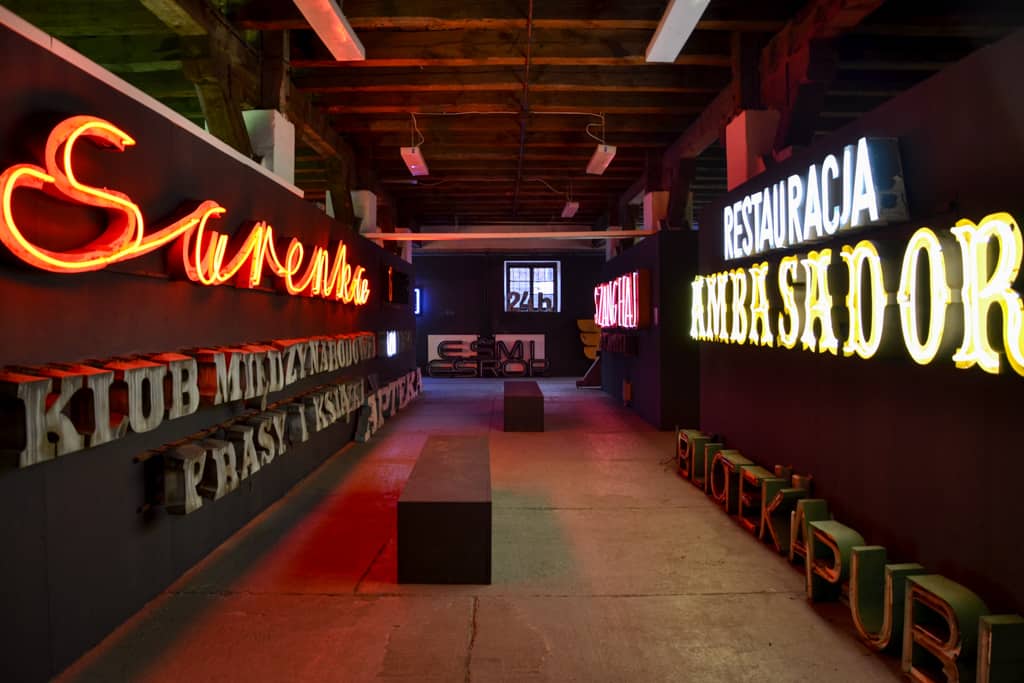
Neon Museum in Warsaw is one of the quirkiest and most unique museums you can find in Europe and the first museum of that kind in the world. Located in Praga (the alternative and edgy part of Warsaw), in the former factory, the museum shows numerous neon signs that were part of the cityscape in Eastern Europe during Cold War times.
It was created by a group of enthusiasts whose aim was to save unique colourful signs. Today the museum’s collection is fairly large and can be found not only in the building itself but also around the Soho Factory premises.
When visiting the museum, not only can you see beautiful neon signs (including some iconic ones), but you can also learn about their history and the technique of how they are made. The owners keep finding and restoring old neon signs in Poland and beyond, so each time you visit the museum, you can be sure to find some new neons in the collection.
Recently, the Guardian named Neon Museum as one of the 12 most interesting city museums in Europe, and it certainly deserves this title. Before visiting, check the museum’s website or Facebook page for the current opening hours.
By Kami from My Wanderlust
VATICAN MUSEUMS – ROME, ITALY
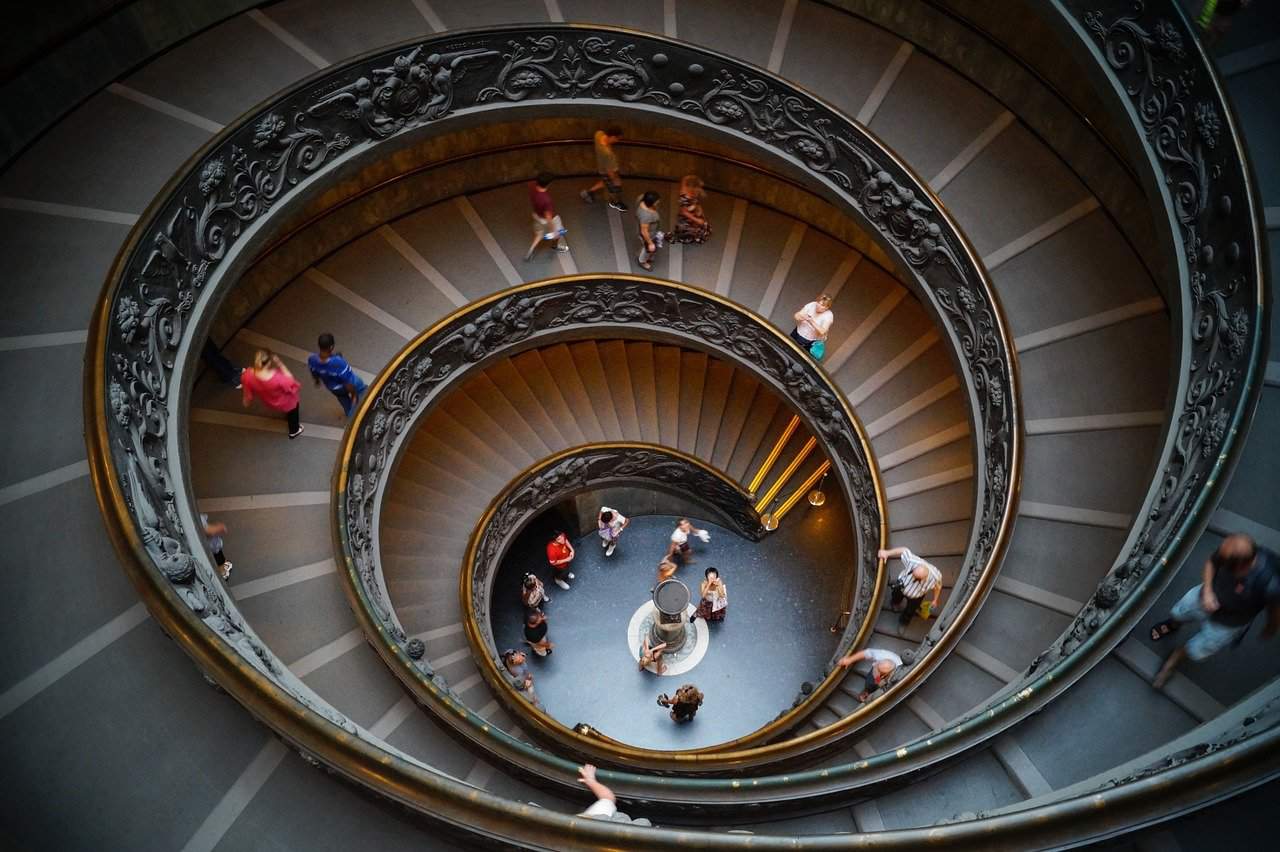
The Vatican Museums are a must-visit on any trip to Rome, and they’re definitely some of the most spectacular museums in Europe. These museums are located in Vatican City, Italy, right in the heart of Rome. Right next to the museums lies the famous St. Peter’s Square and Basilica, which is definitely worth a visit as well.
One can easily spend half a day, if not a whole day, inside the Vatican Museums. There’s an incredible amount of museums and galleries inside this complex — a dream place for art and history buffs. Some of the best ones are the Egyptian and Etruscan Museums, the Gallery of Maps, and the Raphael Rooms.
Of course, the most famous piece of work inside the Vatican Museums is Michelangelo’s Sistine Chapel, which he spent four years painting. This masterpiece consists of some of the most breathtaking ceiling frescoes you will ever see, and visiting it is a once-in-a-lifetime experience.
When planning your trip to the Vatican Museums, be sure to book your ticket in advance, otherwise, you’ll be standing in an incredibly long line. Make sure also to dress appropriately. In fact, men and women must cover their necklines, shoulders, and thighs before entering the museums.
By Jiayi from The Diary of a Nomad
VASA MUSEUM – STOCKHOLM, SWEDEN
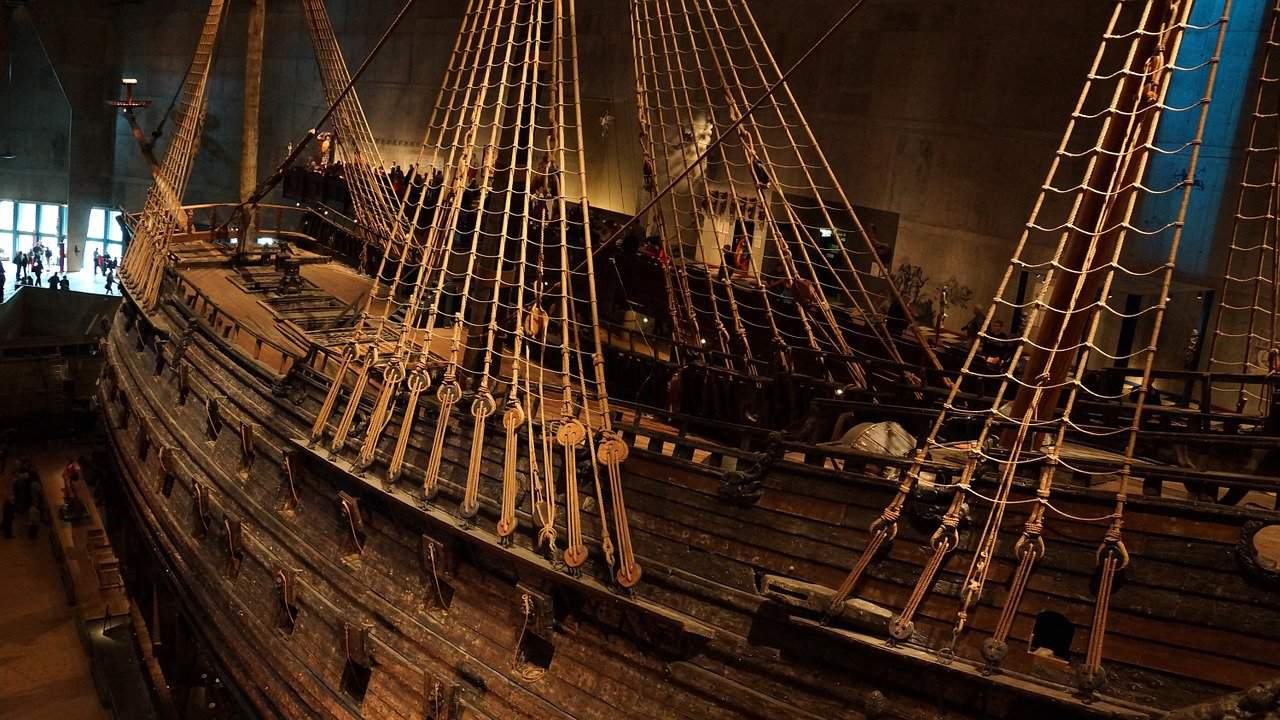
The Vasa Museum is a wonderfully unique museum located in Sweden’s capital city, Stockholm. The museum displays the 17th-century Swedish ship, the Vasa, which sunk in Stockholm’s harbour on its maiden voyage back in 1628.
The Vasa lay at the bottom of the harbour for years until it was finally recovered, restored, and turned into an attraction that has become Stockholm’s most famous museum.
Visiting the Vasa Museum should be on everyone’s Stockholm bucket list. There is something so awe-inspiring to see the ship come into sight once you enter the museum. The ornate carvings on the ship display wonderful craftsmanship that has stood the test of time.
Definitely spend some time watching the film that shows footage of the rescue mission where the ship was re-floated and finally resurfaced after hundreds of years as it is utterly fascinating.
Admission to the museum costs 170 SEK for adults. Tickets to the Vasa Museum are also included on the Stockholm City Pass, which can be a worthwhile purchase if you plan to visit several attractions.
By Emma from Emma Jane Explores
RIJKSMUSEUM – AMSTERDAM, NETHERLANDS

One of the top-rated museums in Europe is the Rijksmuseum in Amsterdam. It’s a Dutch national museum that mainly focuses on Dutch art and history. It’s not only the most visited museum in The Netherlands but also the largest art museum in the country.
The most famous piece in the collection is The Night Watch, an enormous painting by the renowned Dutch painter Rembrandt van Rijn. It’s a true masterpiece of 3,6 by 4,4 meters. It’s a baroque-style oil painting by Rembrandt that is mostly celebrated for the unique and beautiful use of light shadow.
Besides this crown jewel, the Rijksmuseum also exhibits masterpieces by other famous Dutch painters such as Frans Hals, Vincent van Gogh, and Johannes Vermeer. Its temporary exhibits on Dutch history also add another reason to visit the national museum.
However, even to people with zero interest in art or history, the Rijksmuseum offers a fantastic experience. As it is a magnificent landmark which, in itself, is already worth a visit.
It’s located at Museum Square, a square in the centre of Amsterdam surrounded by three outstanding art museums: The Van Gogh Museum, The Stedelijk Museum and The Rijksmuseum. Museum Square is a must for visitors to Amsterdam.
By Lara from The Best Travel Gifts
NATIONAL ARCHAEOLOGICAL MUSEUM – ATHENS, GREECE

Athens is full of amazing museums. One of the best museums to see on your trip to Athens is the National Archaeological Museum. It’s the biggest archaeological museum in Greece.
The museum is housed in a beautiful neo-classical building in the Exarhia district and it was founded at the end of the 19th century. During World War II, the artefacts were put in boxes and buried to be protected from destruction and looting.
The museum has a vast collection of more than 11 000 exhibits that showcase the history of Greece from prehistory to late antiquity.
Highlights of the museum include the gold funeral mask of Agamemnon, the Artemision Bronze statue of Zeus or Poseidon, the Antikythira Mechanism, and frescoes from the Akrotiri archaeological site in Santorini.
Tickets to the museum cost 12 euros (April to October) and 6 euros (November to March). There is also a 3 -day special ticket available that costs 15 euros and includes entry to the Archaeological Museum, the Epigraphic Museum, the Numismatic Museum, and the Byzantine and Christian Museum of Athens
NATIONAL MUSEUM OF FINLAND – HELSINKI
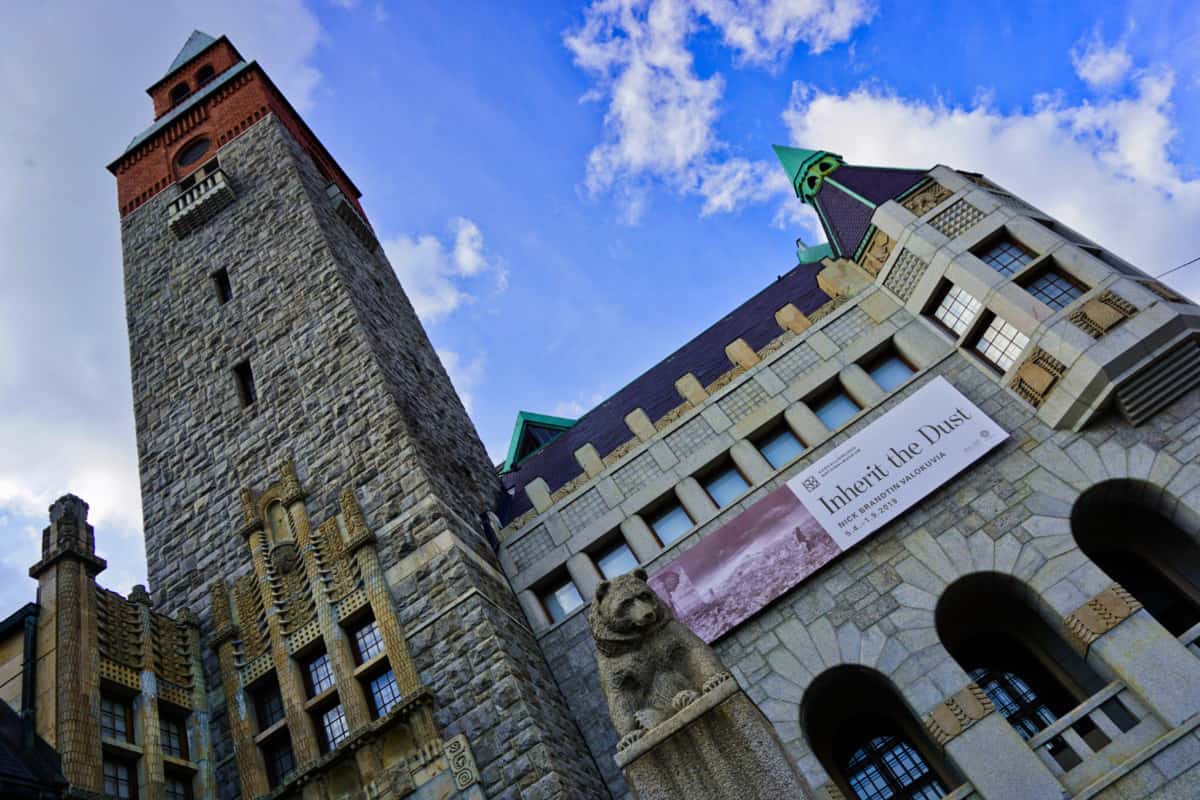
Visiting the Uusi Kansallinen (the National Museum of Finland) is one of the coolest things to do in Helsinki. Sounds odd, but this museum does a great job combining history lessons with interactive exhibits. You’ll leave it with a much greater understanding of Finnish culture, from a historical perspective, and from a sociological one too.
Exhibitions cover the country’s history from the Stone Age to the present day. The ethnological collections illustrate Finland’s popular culture –life, trades and traditions of Finnish people– from the 16th century to modern times.
The building that houses the museum is a work of art in its own right, resembling a Finnish medieval church. The exterior’s national romanticism style contrasts with its art nouveau interior. The construction started in 1905, and it opened to the public in 1916. The historical displays start at the very entrance door, where you’ll see a glass shattered by a bullet from the 1918’s Civil War.
To get there catch trams N° 4 or 10. The entrance fee is €14, with a reduced price of €10 for students and seniors. If you’re on a budget, visit on Fridays. From 4:15 to 6 PM the admission is free of charge.
By Coni from Experiencing the Globe
BELVEDERE – VIENNA, AUSTRIA

Belvedere is one of the most beautiful museums in Europe. Located in a baroque palace in Vienna, the buildings are as magnificent as the art they house. The gentle slope of the grounds also provides a lovely view over the city centre.
The museum is separated into different buildings: the Upper Palace, Lower Palace, Belvedere 21, Orangery, and Palace Stables, surrounded by a traditional royal garden. During the Habsburg dynasty of the Austrian-Hungarian empire, they were built as a summer palace for Prince Eugene of Savoy.
Upper Belvedere houses the permanent collection, which includes masterpieces by Monet, van Gogh, and “The Kiss” by Klimt. Lower Belvedere provides a look at life as a royal during the Habsburg Dynasty and rotating international exhibitions. For modern art enthusiasts, Belvedere 21 shows contemporary Austrian and international art in a brand-new building.
There are tickets available to visit the complete grounds and separate tickets for each of the three museums. Reduced prices are offered for students, and children enter for free. Entrance to the Belvedere is free with the popular Vienna Pass.
The combination of internationally renowned art from different periods, the elegance and historical importance of the palace buildings, and the beautiful gardens with a gorgeous view over the city make Belvedere a must-visit in Vienna.
VAN GOGH MUSEUM – AMSTERDAM, NETHERLANDS
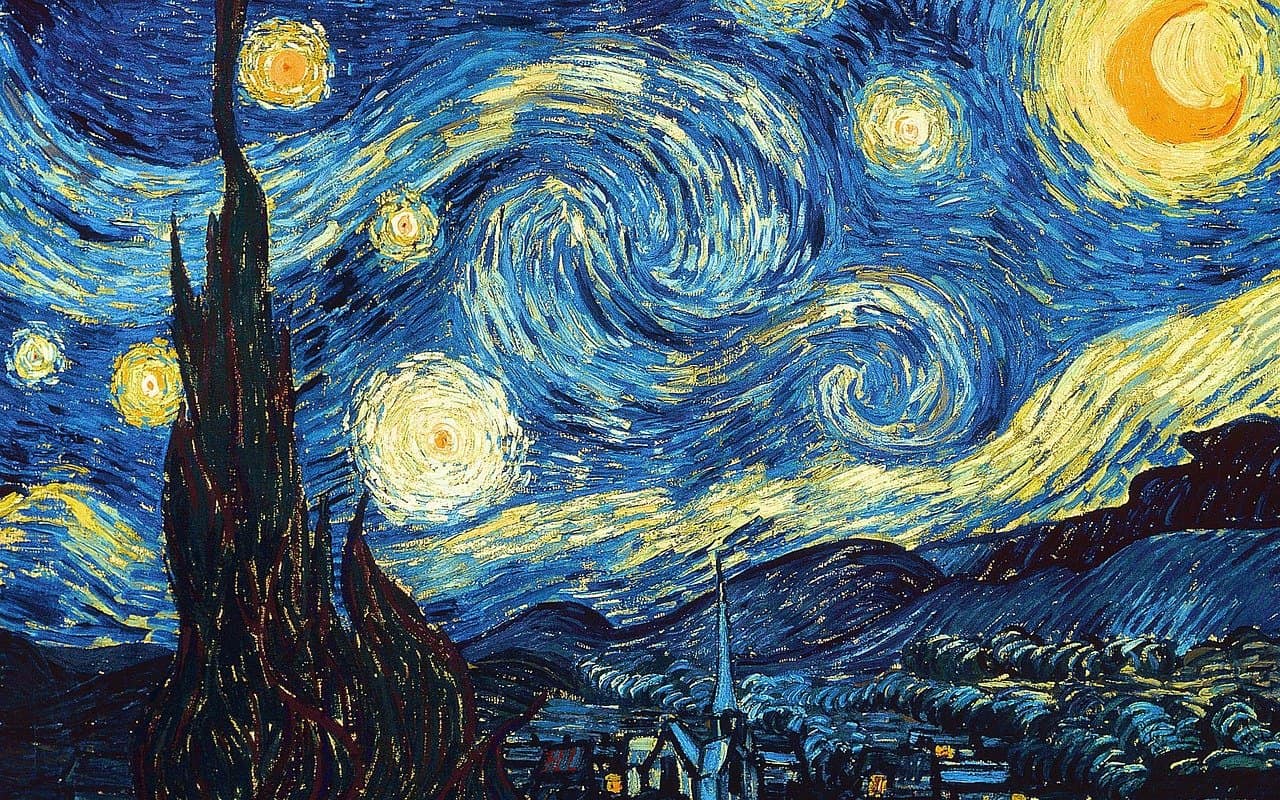
One of the best museums in Europe is the Van Gogh Museum. This museum is located in Amsterdam at Museum Square. It is the most visited museum in the country and one of the best modern art museums in the Netherlands.
The museum houses the largest collection of Van Gogh art in the world, which is great to see! The works of Van Gogh are mostly from the post-impressionism art movement. Some of the most notable pieces of art that are at the museum are “Sunflowers”, “Almond Blossoms”, and “The Potato Eaters”.
What’s great is that the museum showcases the works by the different phases in Van Gogh’s life, with the works he made at certain places he lived next to each other. Furthermore, there are other objects besides paintings.
The museum also features hundreds of drawings and letters written by Van Gogh. Besides the works by Van Gogh, there are also works by other artists from the impressionism and post-impressionism movements. These include Claude Monet, Édouard Manet, and John Russell.
By Dymphe from dymabroad
LOUVRE – PARIS, FRANCE
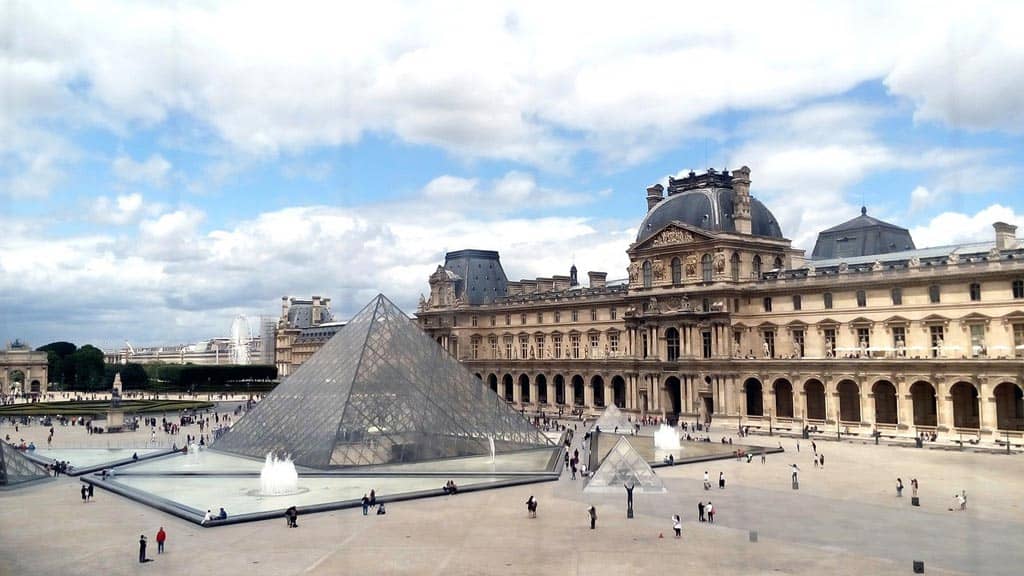
The Louvre Museum is one of the best museums in Europe. Actually, it is one of the world’s best museums! It is located in central Paris, not far from the Seine River, and it is easily recognisable for its glass pyramid, which serves as the main entrance.
Thanks to the glass pyramid, the Louvre is also one of the most iconic sites in Paris, and a paradise for professional and amateur photographers, especially at night when the glass pyramid is illuminated.
Louvre’s artworks span from the first civilisations to the 18th century, with the best-known and unknown artists represented. Louvre’s collection is so vast that visiting the whole museum would take several days!
One of the best things about the Louvre Museum is its history. Indeed, its origins date back to Medieval times, when it was the home to the French kings. King Philippe Auguste built the first structure in the 12th century, a medieval fortress, to secure the Paris city wall. Since then, all the French Kings have spent more or less time in the Louvre Palace, adding more constructions and embellishing it.
The Louvre is open from Wednesday to Monday, from 9 am to 6 pm. It is highly recommended to book your Louvre tickets online in advance.
BEST MUSEUMS OF EUROPE: WHICH ONE IS YOUR FAVOURITE?
Tell us about your favourite museum in Europe in the comments below.
I love the D’Orsay in Paris and Van Gogh Galleries in Amsterdam. Small enough to see all and enjoy. Good vibes. The Louvre is huge and breathtaking. Can’t do it in one day. Must return. The Kelvingrove in Glasgow should be on the list. The Accademia has the original David in Florence as well as the grand Uffizi next to the Ponte Vechio on the Orno River.
Hi Pat,
Europe is indeed home to incredible museums, big and small. Thanks for the tips on the Kelvingrove and Academia.