
When it comes to exploring South Africa (or Mzanzi as the locals say), the best spots are often the lesser-known ones. Beyond the buzz of the cities and the well-traveled tourist paths, the country has small towns that offer a genuine taste of its culture, history, and inherent beauty. The small towns in South Africa will show you what the country is really about.
South Africa has many charming dorpe (Afrikaans for towns) with unique attractions and a rich cultural heritage. Whether it’s whale-watching on the coast, exploring art galleries in the Drakensberg, or eating the best lamb roast ever in the Karoo, there’s plenty to explore.
And wine.
A lot of wine.
These unpretentious gems promise memorable experiences, unique adventures, and a chance to connect with the authentic soul of South Africa. You have not really been to South Africa unless you’ve met the colourful small town characters at the only bar in town (often in the only hotel in town).
So where are the best towns to visit in South Africa? we hear you ask.
Wonder no more, because they are all right here.
Please note: This post may contain affiliate links. This means I may earn a commission if you make a purchase by clicking a link (at no extra cost to you). As an Amazon Associate, I earn from qualifying purchases. Learn more.
The Most Memorable Small Towns in South Africa
Below are the 19 best small towns in South Africa that you should visit for an undiluted experience in Mzanzi. Get ready to discover the most fun, unforgettable, and fascinating towns the Rainbow Nation has to offer!
Hermanus
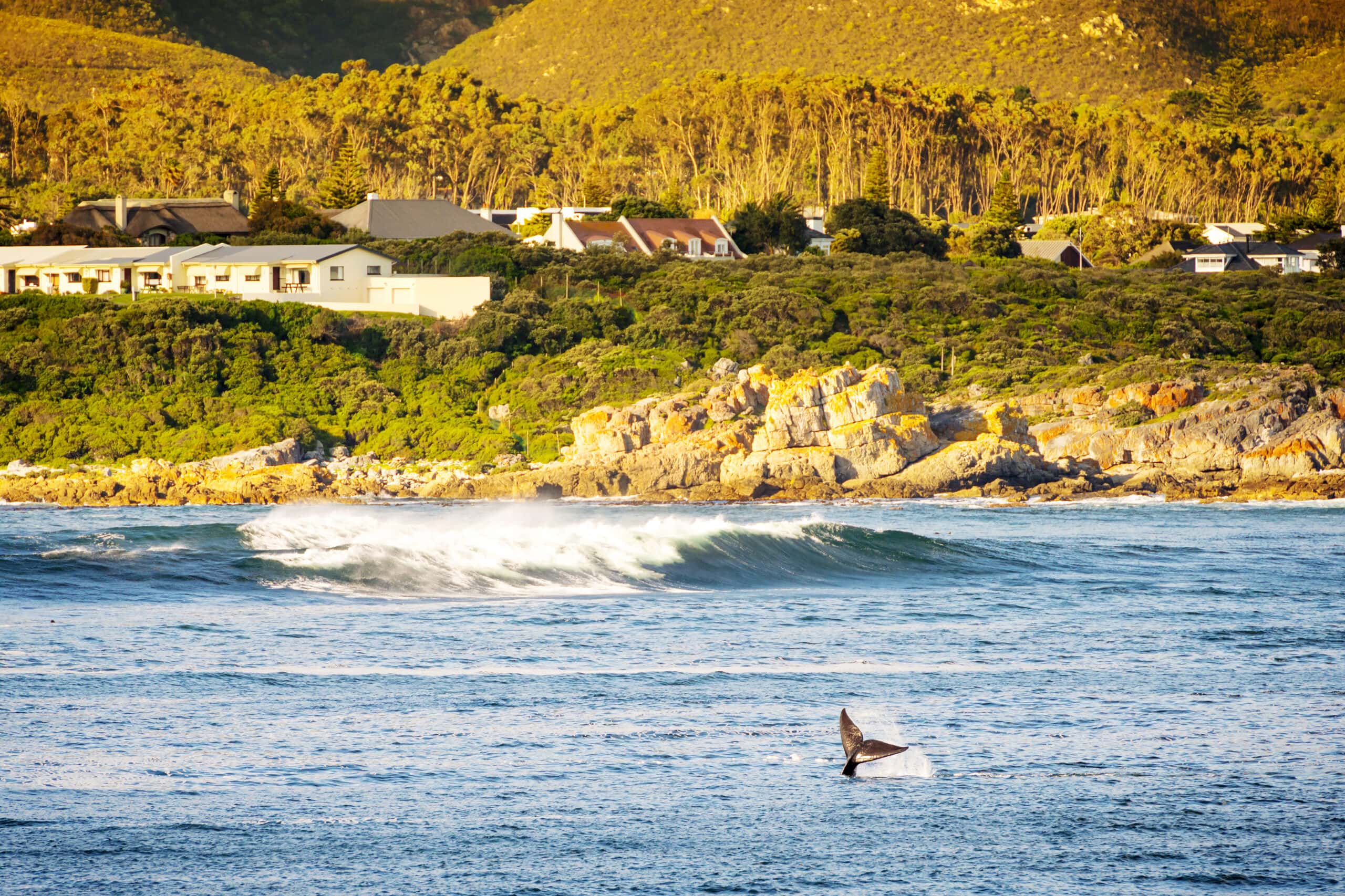
Perched along the southwest coast under two hours’ drive from Cape Town, Hermanus is known for its prime whale-watching opportunities. From June to December, Southern Right Whales make an appearance close to the shoreline.
Humpback whales cruise through these waters around July to November, while Bryde’s whales are full-time residents.
But you’ll get more than a chance to witness these majestic creatures up close. The town also has stunning coastal walks, lively markets, and a laid-back atmosphere.
Mossel Bay
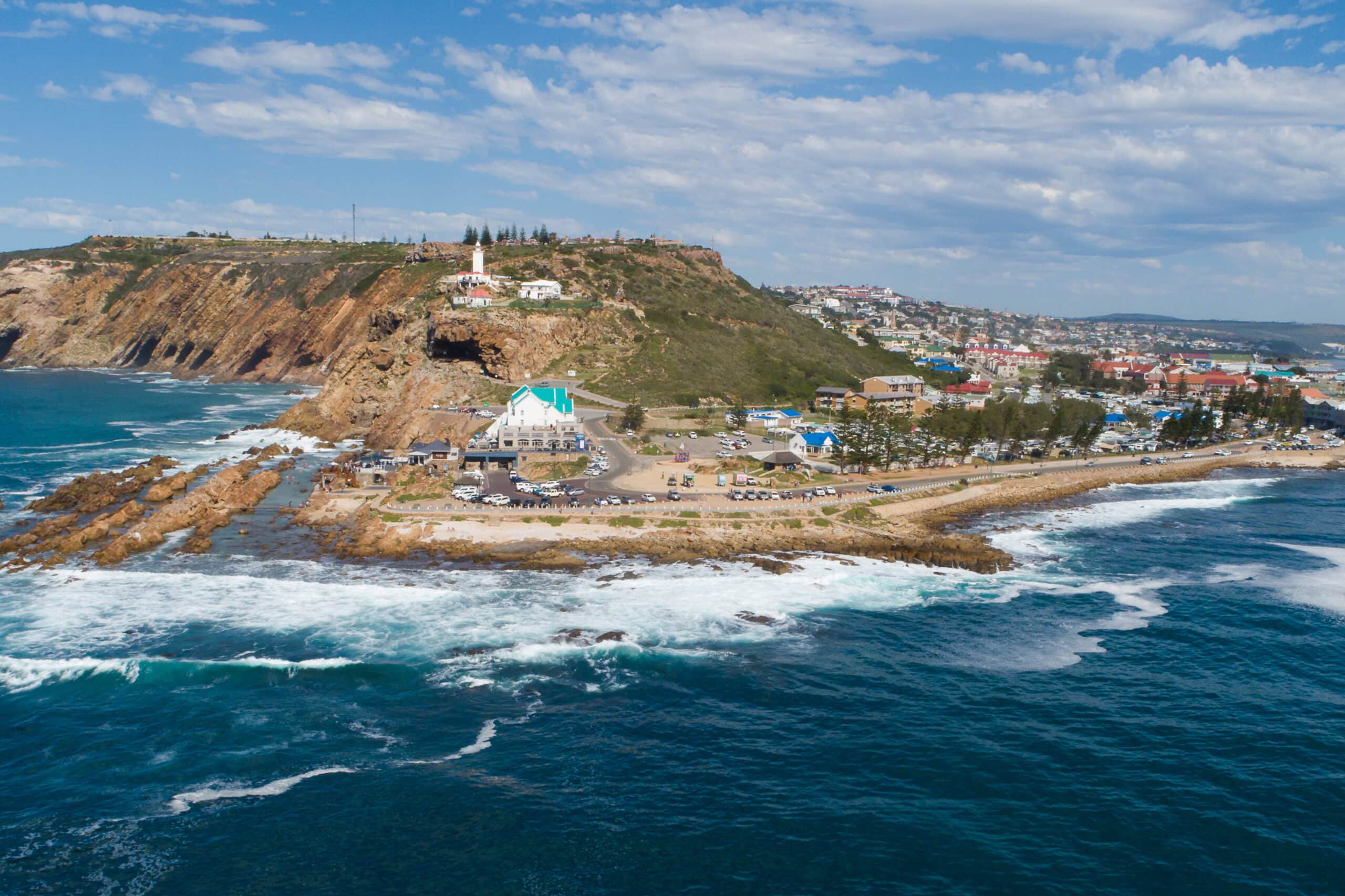
A coastal gem along the Garden Route, Mossel Bay will welcome you with its mild climate and long stretches of sandy beaches. But there’s more to do than just soak up the sun.
You can explore the Diaz Museum Complex to learn about Portuguese explorer Bartolomeu Dias’s voyage. Or go shark cage diving for an adrenaline rush. There are even spectacular helicopter rides that let you see the area’s beauty from the sky.
For something boozy but informative, visit the Inverroche Gin School. There, you can taste and craft your own bottle of gin, distilled from the local fynbos.
St. Blaize Trail is a wonderful 13 km trail along the cliffs that starts at the lighthouse and ends at the beach in Dana Bay. It’s a beautiful walk with stupendous scenery.
Magaliesburg
A perfect escape from the rush of the city, the town of Magaliesburg lies within easy reach of Johannesburg. Nature lovers will appreciate its rugged terrain, with hiking and horseback riding trails and amazing views.
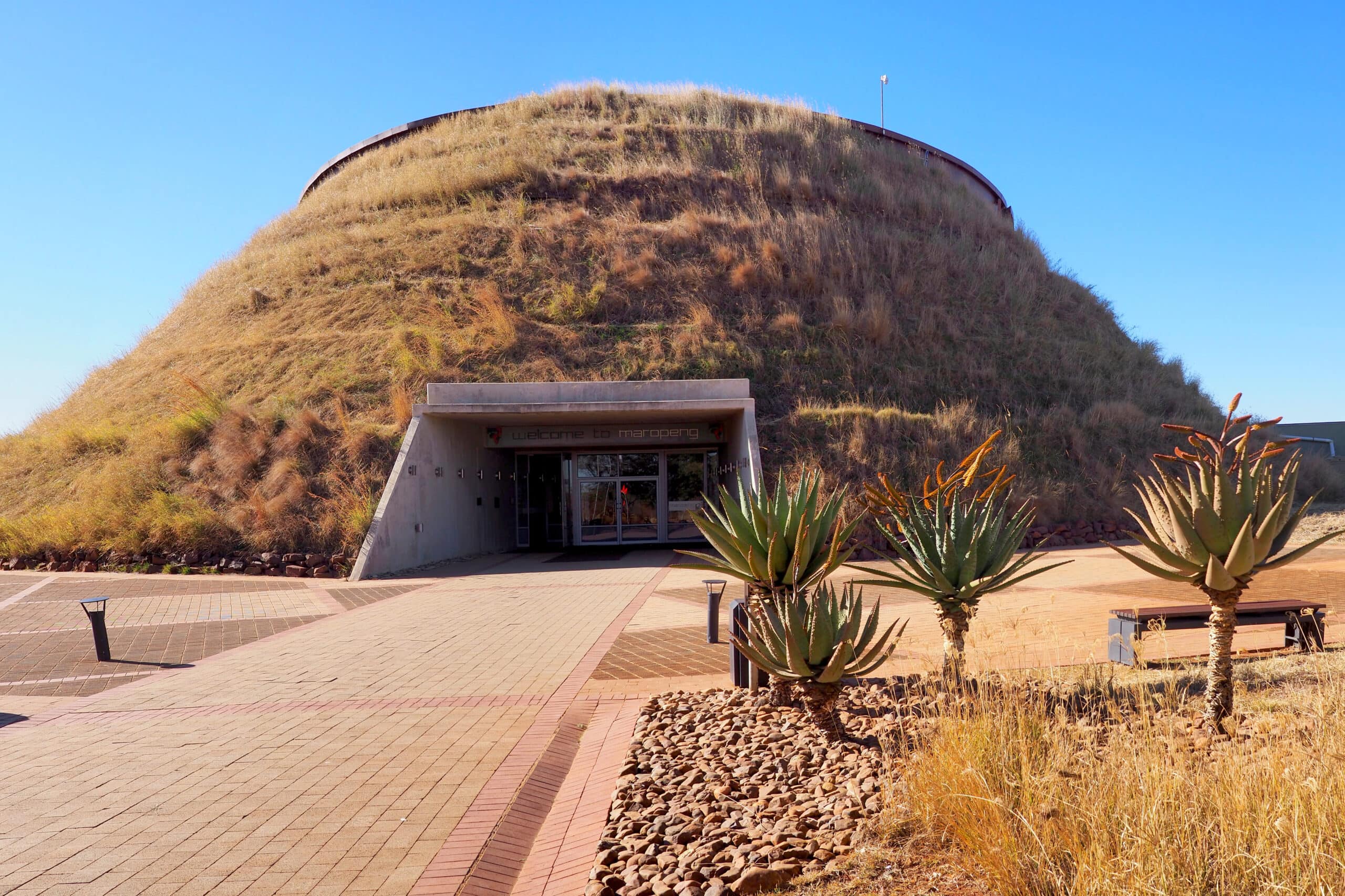
The Cradle of Humankind, a UNESCO World Heritage Site, is nearby. It provides a glimpse into humanity’s origins through ancient fossils and caves. The Maropeng Visitor Centre shows you human history from the Big Bang to where we are today.
Umhlanga
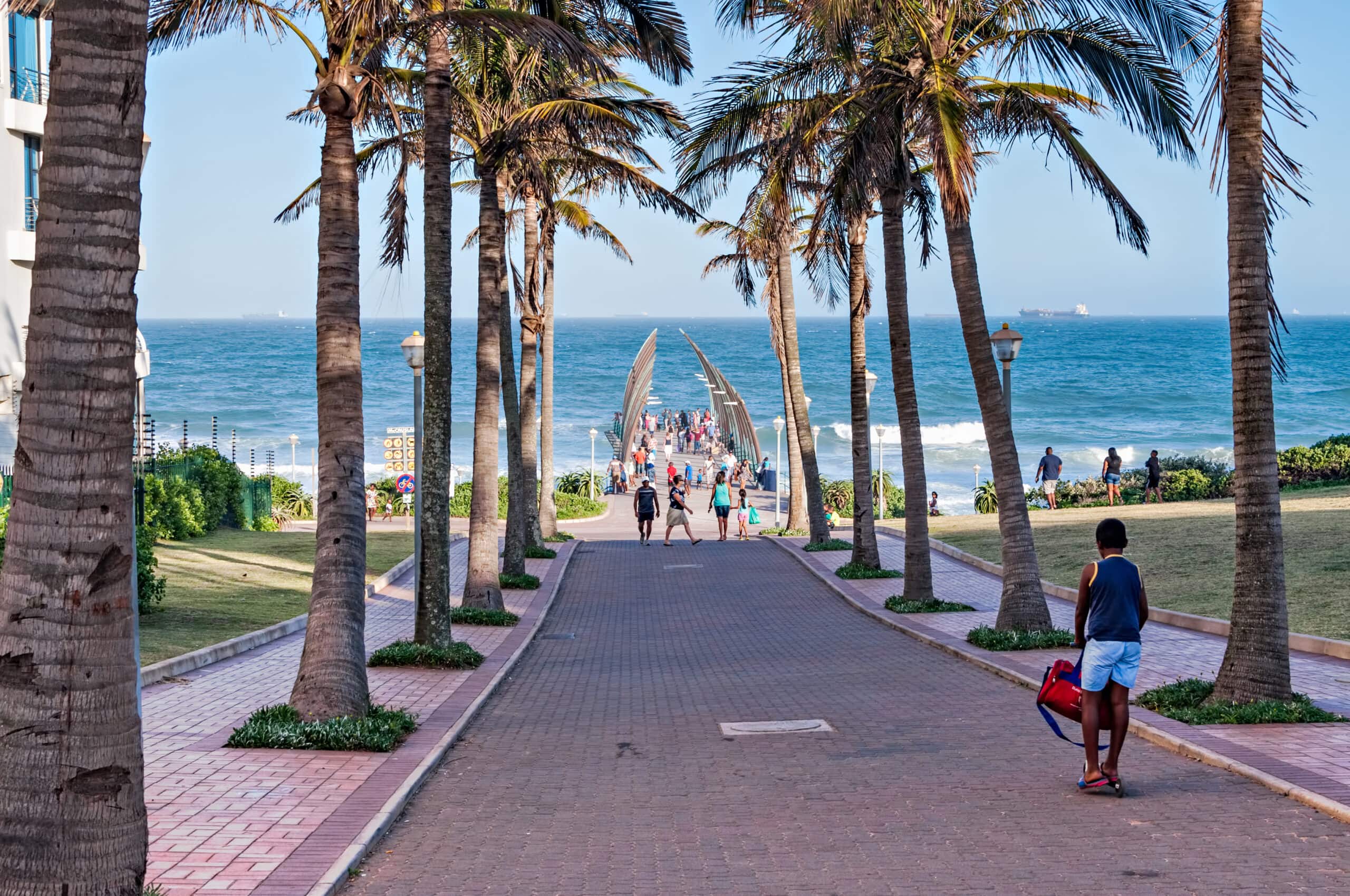
This upscale seaside town just north of Durban is famous for its stunning beaches and warm waters. These make it a paradise for surfers and sun-seekers alike.
The uMhlanga Rocks promenade is an entertaining hub for dining, shopping, and people-watching. And don’t miss a visit to the iconic Whalebone Pier or the Umhlanga Lighthouse, beautiful landmarks on the KwaZulu Natal coast.
And don’t even think about leaving Umhlanga before eating a famous KZN Bunny Chow.
What’s a bunny chow, you ask…
It’s the quintessential comfort food from the province – a hollowed-out half loaf of white bread filled with a damn fine Durban curry (meat of veg). For the best bunny chow in Umhlanga, head straight to El Patron.
Clarens
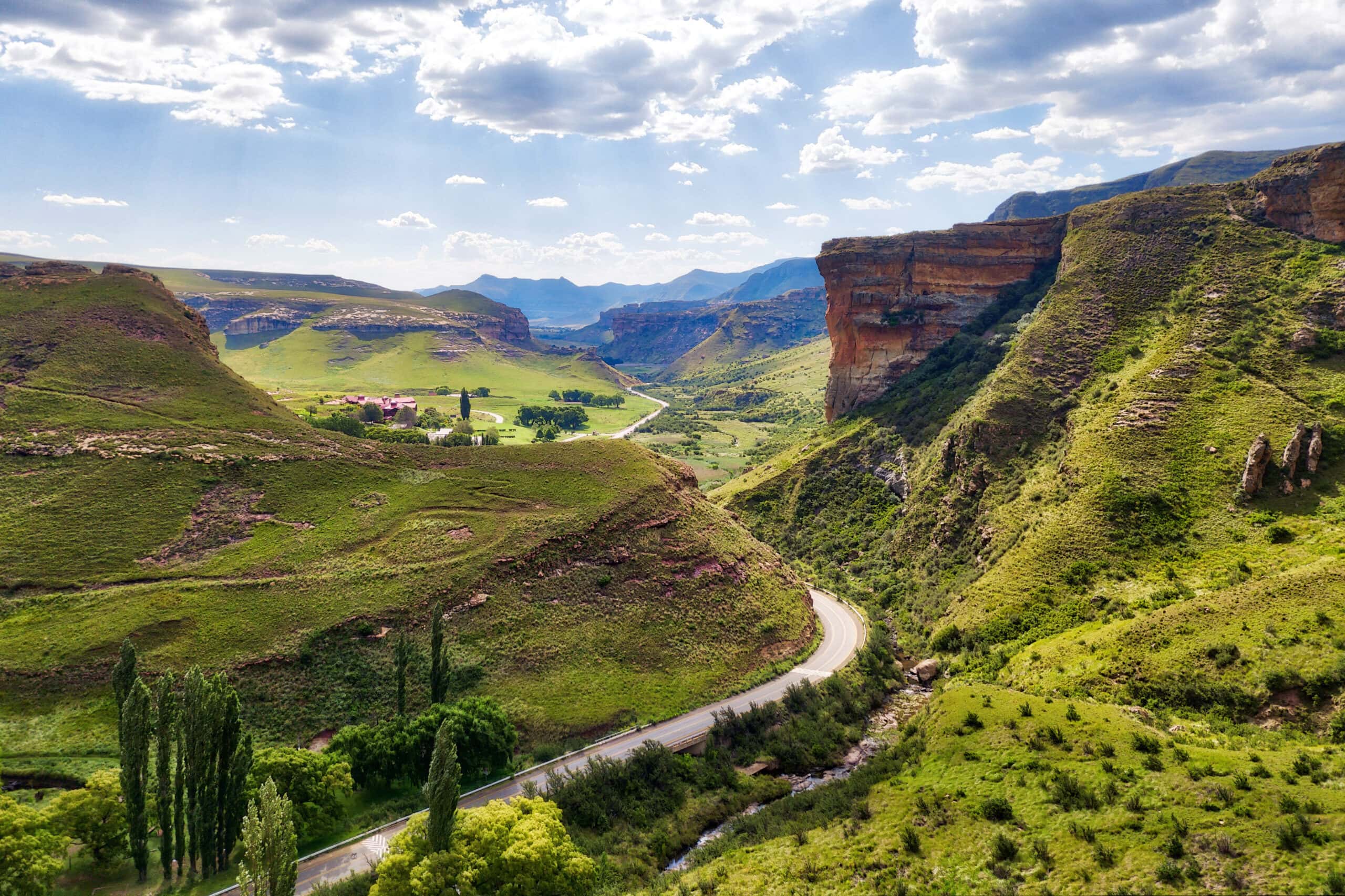
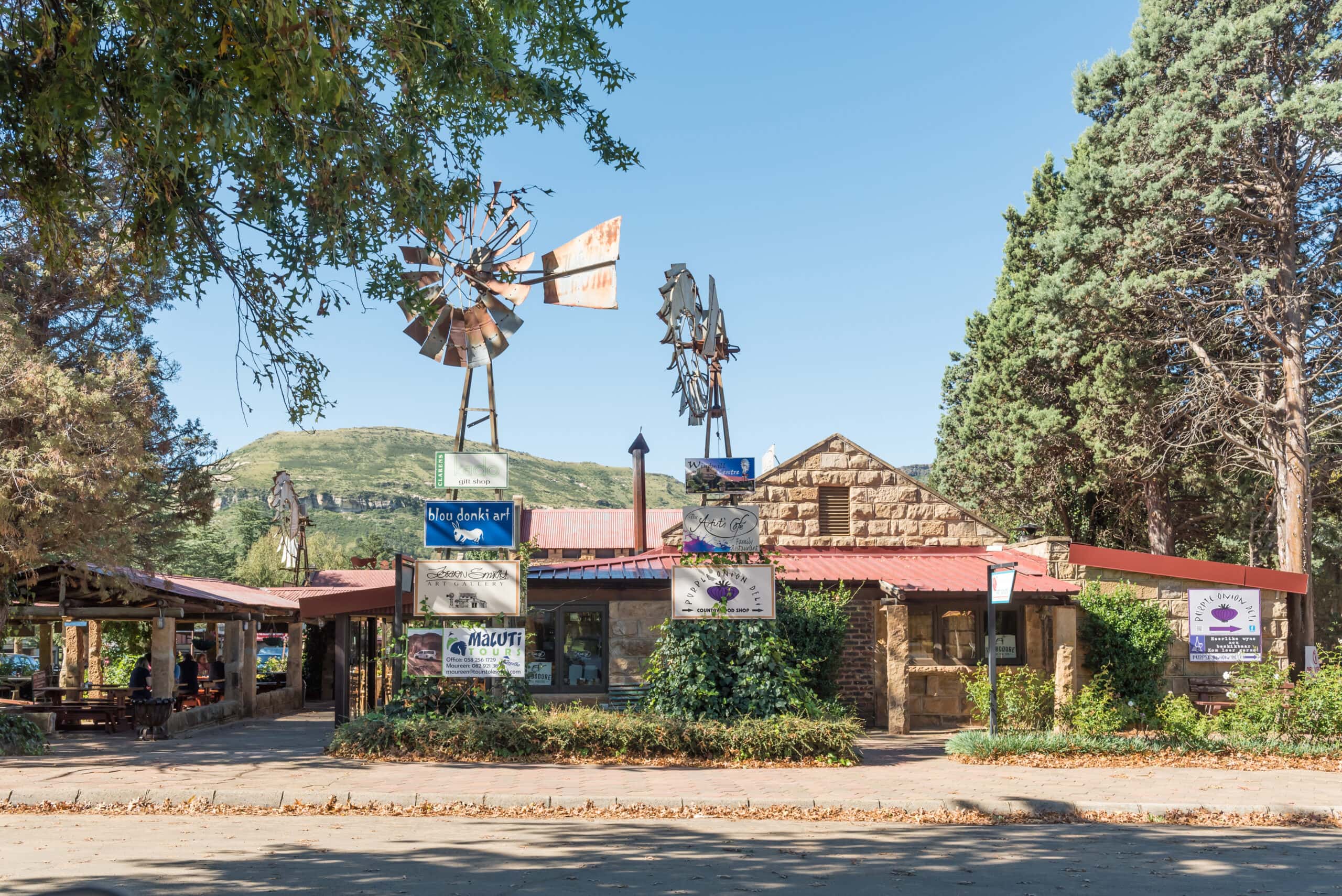
Clarens in the Freestate is a magnetic artist’s haven. It’s known for its charming streets lined with galleries, craft shops, and boutiques.
Clarens is a great little dorp to explore. You can hop between art galleries, stop for a drink or two in between, and dine at the many foodie joints. For the best tipple in town, don’t miss the Clarens Brewery, which serves up its own craft beers, ales, ciders, and gins.
If you’re looking to relax and rejuvenate, there is always the Clarens Wellness Day Spa, where you can be pampered and spoilt in true South African style.
The surrounding Maluti Mountains offer some exciting hiking and adventure opportunities. One of the best is the Golden Gate Highlands National Park, with its unique sandstone formations. The park is also where the oldest dinosaur embryos ever discovered were found in 1978.
Paternoster
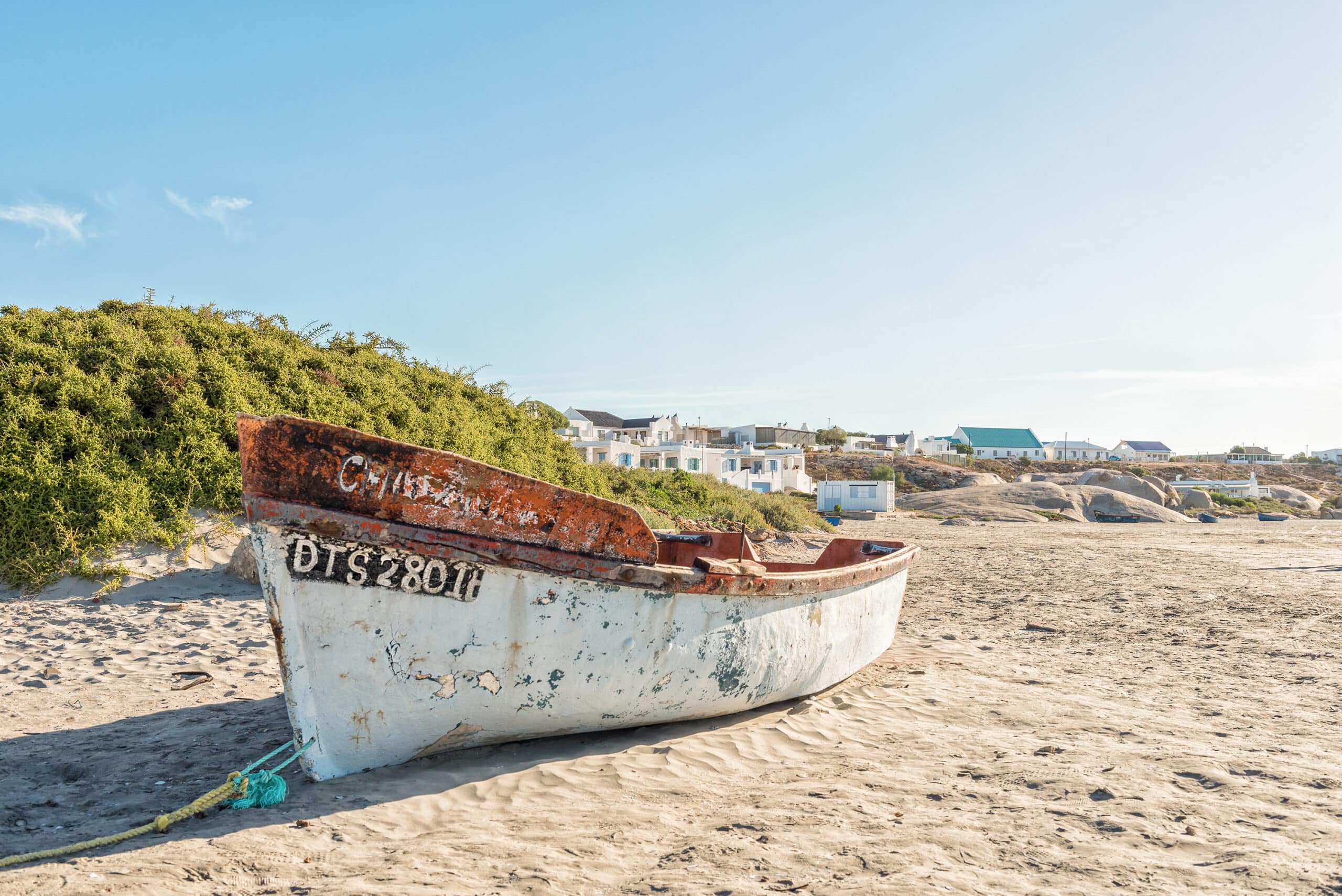
This fishing village along the West Coast, about an hour from Cape Town, is a peaceful escape. It’s known for its whitewashed cottages and pristine beaches. While some call it Greece in South Africa, it’s undeniably South African.
Like any good fishing village, Paternoster’s seafood is top-notch and famous for its lobster and other fresh seafood. It’s also home to Wolfgat, one of the world’s best restaurants.
Days in Paternoster are meant to be lazy. Spend the day on the beach and have dinner at one of the beachfront restaurants (Voorstrandt is amazing). Or have a braai (BBQ for y’all outside South Africa) with your favourite people and a bottle or two of Chenin Blanc.
Nearby, the Cape Columbine Nature Reserve has beautiful scenery and secluded swimming spots between the boulders.
Coffee Bay
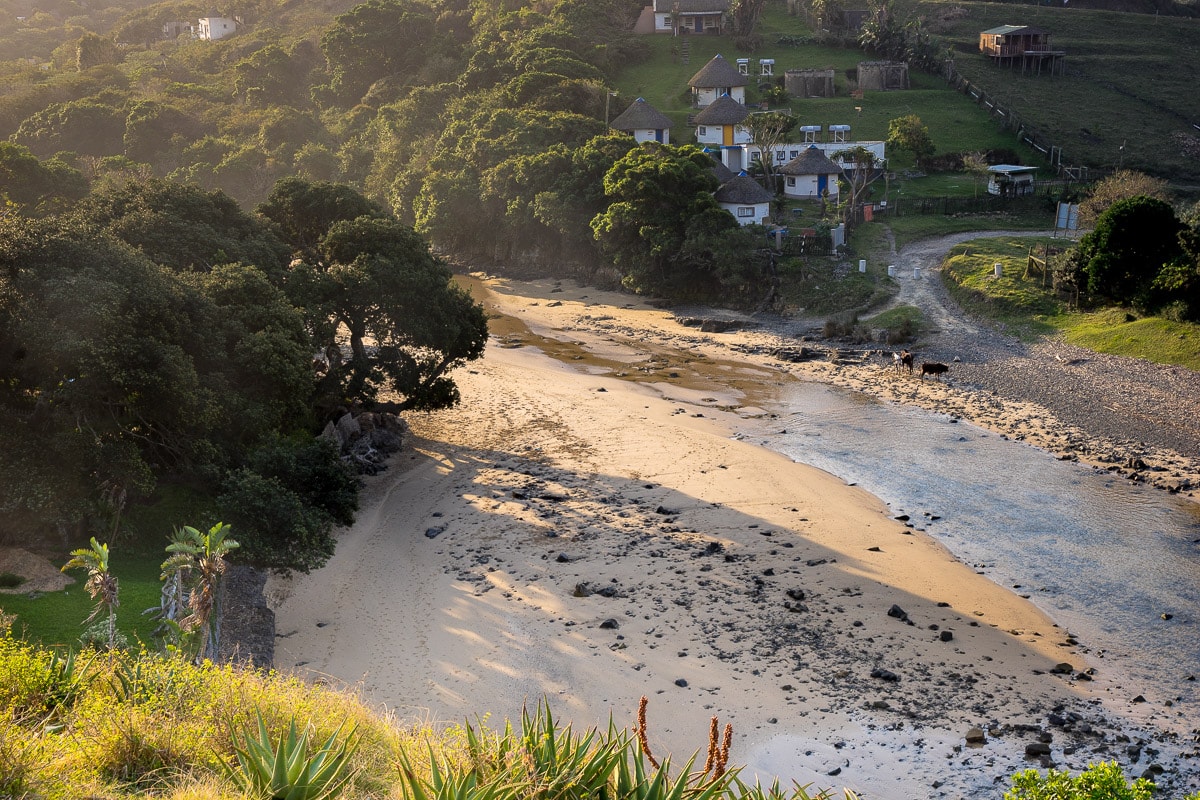
The Wild Coast in the Eastern Cape is one of my favourite places in South Africa. Also known as the Transkei, this region is blessed with incredible coastal cliffs, empty beaches for miles, and rural Xhosa villages where life is still simple and Wi-Fi scarce.
To experience the best of the Transkei, you really have to hike the Wild Coast between Port St Johns and Coffee Bay. The walk takes about five days, and along the way you’ll pass rural farming hamlets, empty wave-bashed beaches and coastal forest. You’ll also get to sleep at homestays along the way, giving you an undiluted local experience.
Spend a few days/weeks/months after your hike in the stunningly beautiful Coffee Bay. This small town has reached legendary status among those in the know as one of the best spots to chill in South Africa. With those heavenly beaches and laid-back Transkei vibes, it’s easy to see why some extend their visit indefinitely.
Barrydale
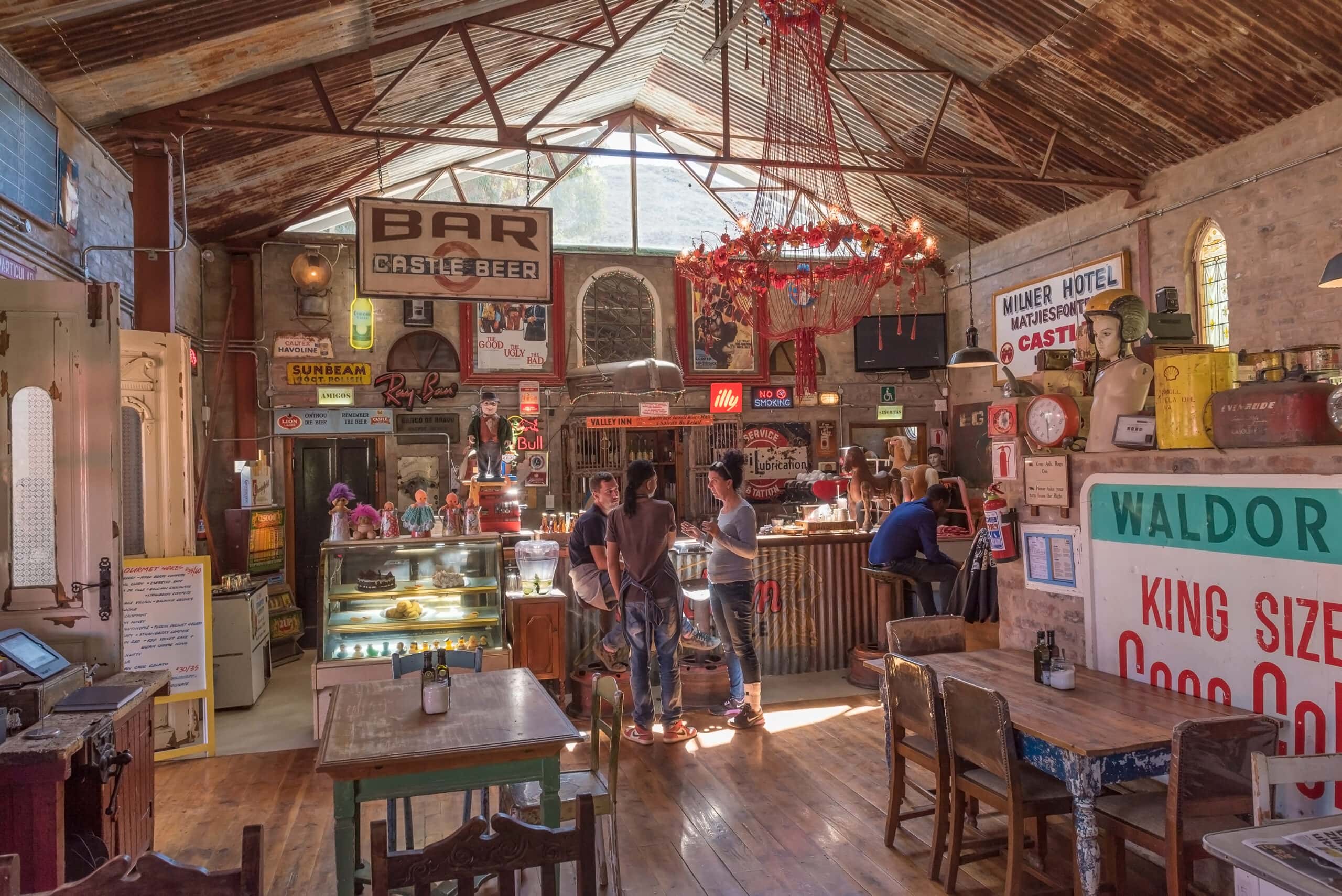
Barrydale is a quirky town with a funky arts scene. It’s located in the Western Cape on the border of the Overberg and Klein Karoo, and its location on Route 62 makes it a great stop if you’re travelling from Cape Town to the Garden Route. You should really spend a day or two to get acquainted with this quirky gem.
Be sure to make a stop at the famous Ronnie’s Sex Shop and Roadkill Cafe, an unexpected roadside pub with a unique backstory. It started off innocently with Ronnie’s Shop, but after a teenager added a word with spray paint to the name, it stuck and reached a bit of cult status. So, sorry, no naughty toys to be had here.
If you’re staying over (YES YOU SHOULD), let it be at the Karoo Moon Hotel, also home to the famous and delicious Diesel & Creme cafe.
Magoebaskloof
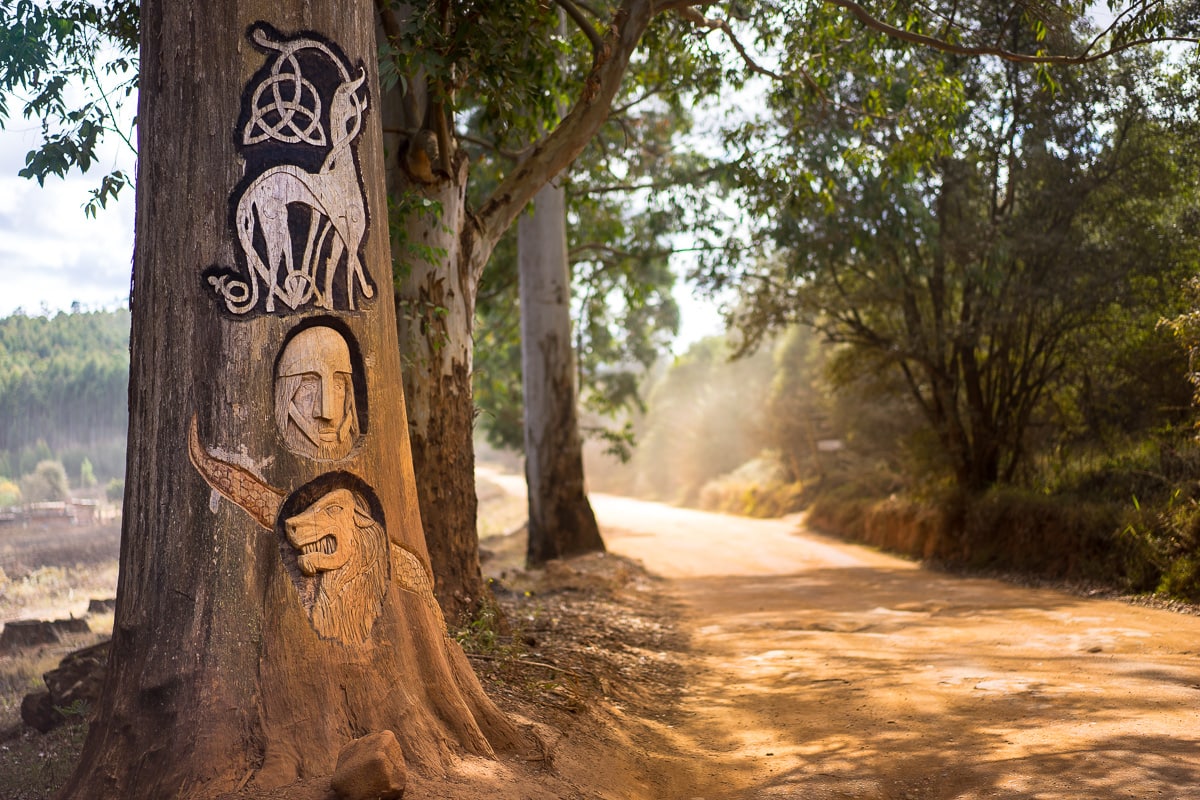
On the northern edge of the Drakensberg in Limpopo province is the magical little town of Magoebaskloof. Thanks to its higher elevation, Magoebaskloof is lush and misty, standing in stark contrast to the dry and brown bushveld below.
About four hours north of Pretoria, Magoebaskloof, with its vast pine plantations, avocado farms, waterfalls, and misty mountains, is a perfect weekend getaway from the city. It’s also a perfect add-on to your Kruger Park safari or a beautiful detour if you’re heading up north to Mapungubwe National Park.
While in Magoebaskloof, don’t miss a visit to the quaint village of Haenertsburg, where you can visit the famous Cheerio Gardens. Come in spring, and the azaleas and cherry blossoms will be in full display. It’s equally stunning in autumn.
Take a drive around Magoebaskloof to the Wegraakbosch Organic cheese farm, the Debengeni Falls, or you must drop by the Pot and Plow for their amazing pizza.
Graaff-Reinet
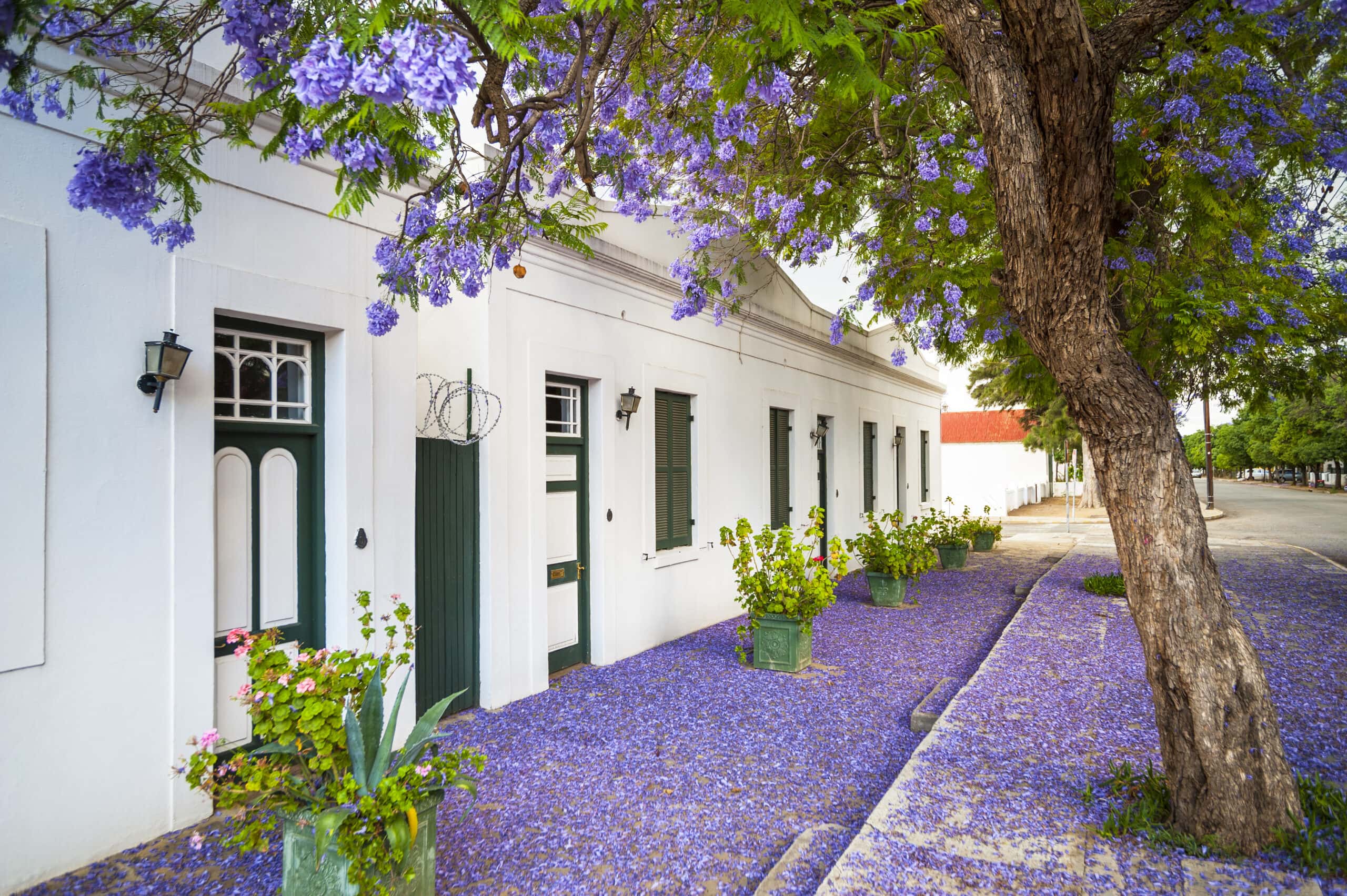
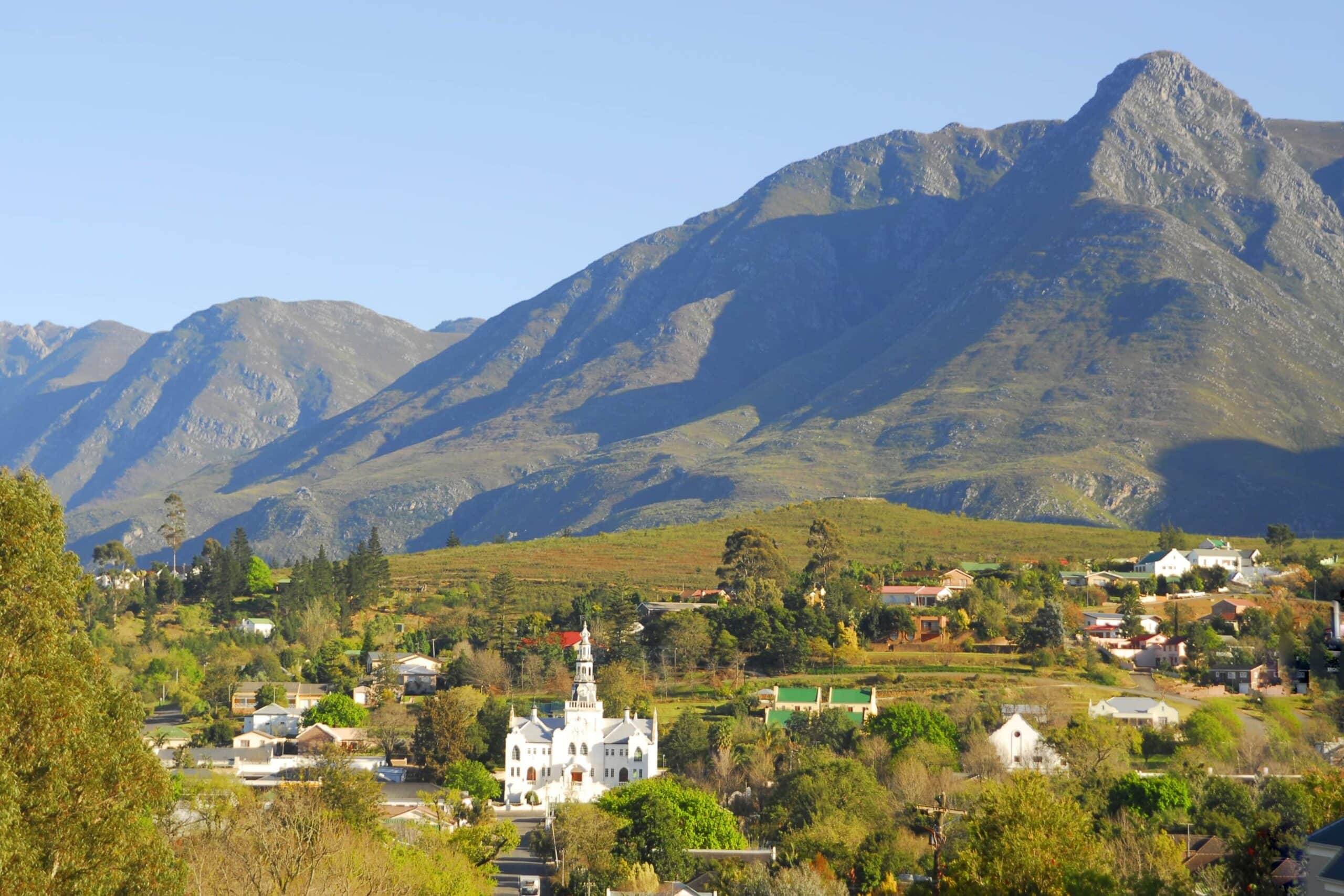
Dubbed the Gem of the Karoo, Graaff-Reinet is steeped in history, filled with well-preserved Cape Dutch architecture and more than 200 monuments. It is one of the prettiest small towns in South Africa.
If you have time for just one museum, make it Reinet House Museum, a former Dutch Reformed church parsonage. On display is an array of period furniture, kitchen utensils, a transport collection, and a fascinating doll collection.
On the same premise, toy can see the oldest vine in South Africa, planted in 1870.
A few natural wonders await just outside Graaf-Reinet. Visit the Valley of Desolation for the sheer Dolerite cliffs, columns, and breathtaking views. It’s located just 5 km outside town on the R63. The best time to see the Valley of Desolation is before sunset when the colours almost seem to shimmer.
Being part of the Camdeboo National Park, you could also spot mountain zebra, kudu, springbok or other wildlife when visiting the Valley of Desolation.
Graaf-Reinet’s timeless beauty and Karoo hospitality make it the perfect weekend break from Gqeberha (Port Elizabeth), which is just three hours away.
Come in November for an explosion of colour as the jacarandas will be in full bloom.
Swellendam
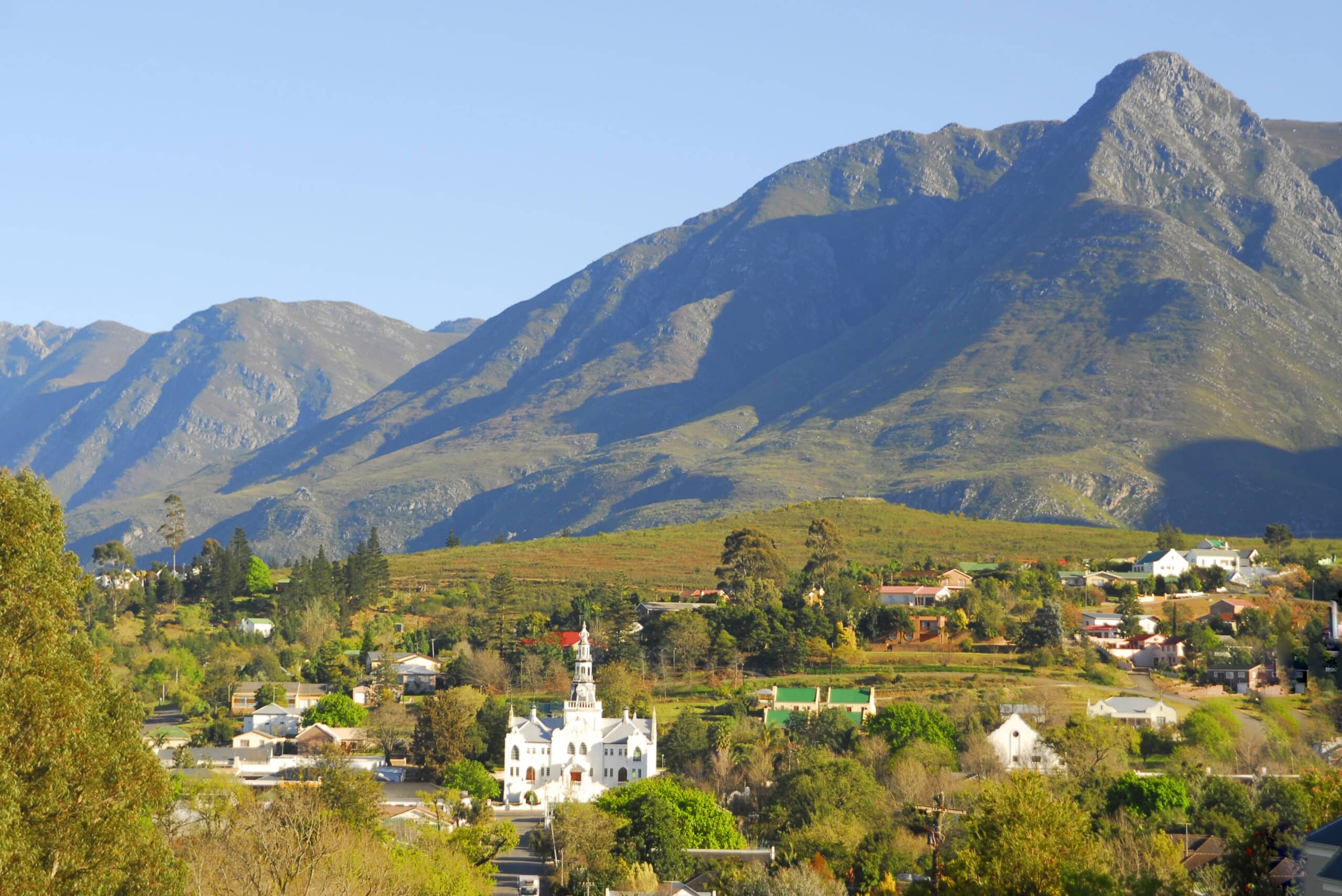
Small towns in South Africa don’t get much better than Swellendam. This beautiful dorp, roughly 200 km west of Cape Town, is the third oldest town in the country and the heart of the Overberg region.
Swellendam has a bit of everything – Cape Dutch architecture, museums, a weekly farmer’s market and stunning nature right on its doorstep.
In season (November to January -perfect for those December school holidays), don’t miss the Berry Farm where you can pick your own black, blue and youngberries. If visiting off-season you can still indulge at the Wildebraam Berry Estate by sampling their homemade preserves, jams and liqueurs.
Swellendam is located inside the Marloth Nature Reserve, a natural wonderland of Mountain Fynbos and patches of forest. Visit the reserve for stunning hiking, mountain biking or horse riding.
Plettenberg Bay
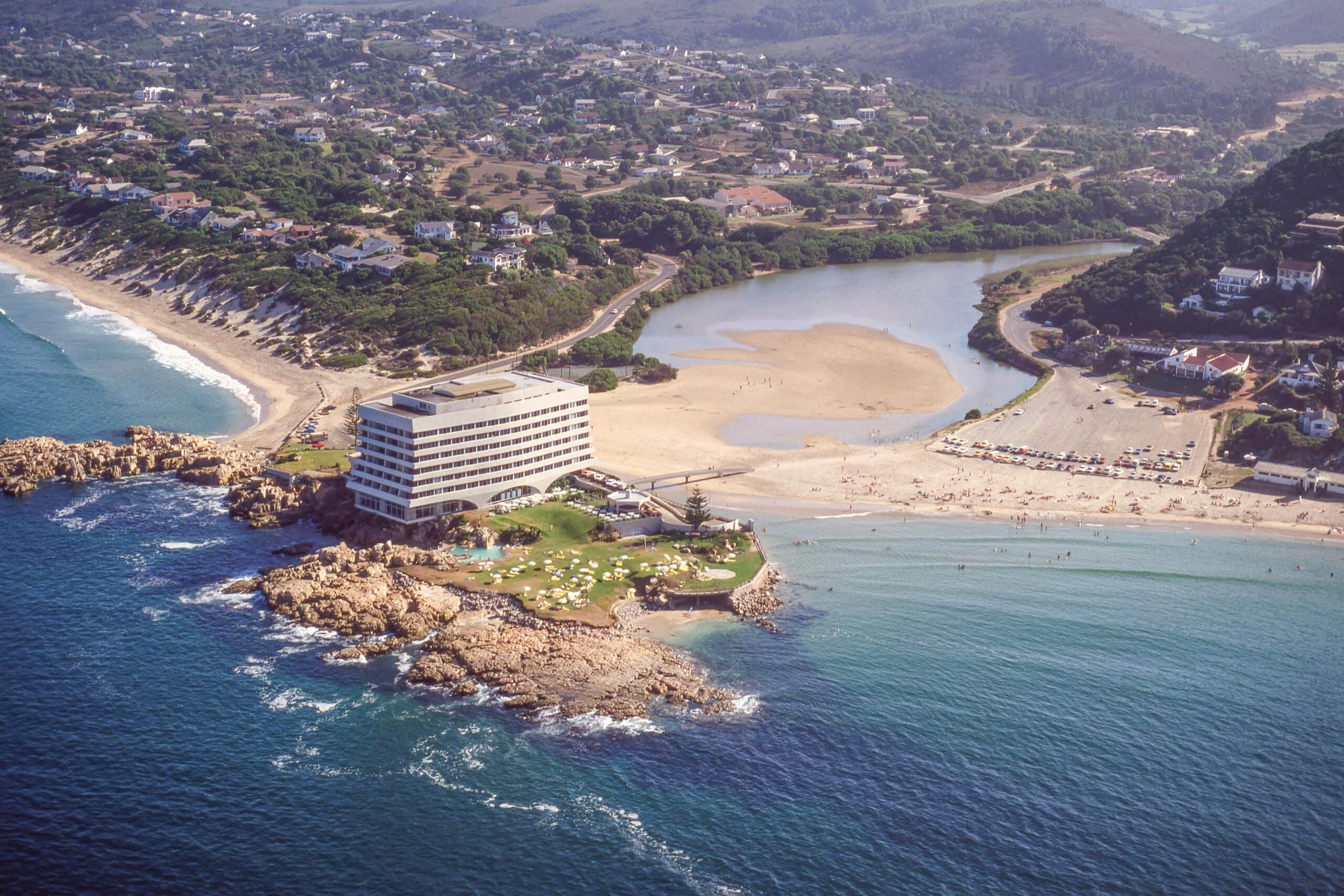
One of the Western Cape Garden Route’s treasures, Plettenberg Bay wows with unspoiled beaches, lush forests, stylish dining and accommodations, and outdoor adventures galore.
This part of South Africa’s coastline is blessed with incredible marine life, including schools of dolphins playing in the waves. Whale Tail Lookout Point is the perfect place to watch them from land or join a kayaking tour to see them up close.
For an even more up-close look at the marine life along the Garden Route, go snorkelling with the Cape Fur seals on the RobBerg Peninsula.
Outside of town, you’ll find some of South Africa’s best adrenaline activities, such as the world’s highest bungee jump and the Stormsriver Bridge and canyoning in the Crags.
Of course, if all of this sounds like hard work to you, you can always just relax on the beach.
Oudtshoorn
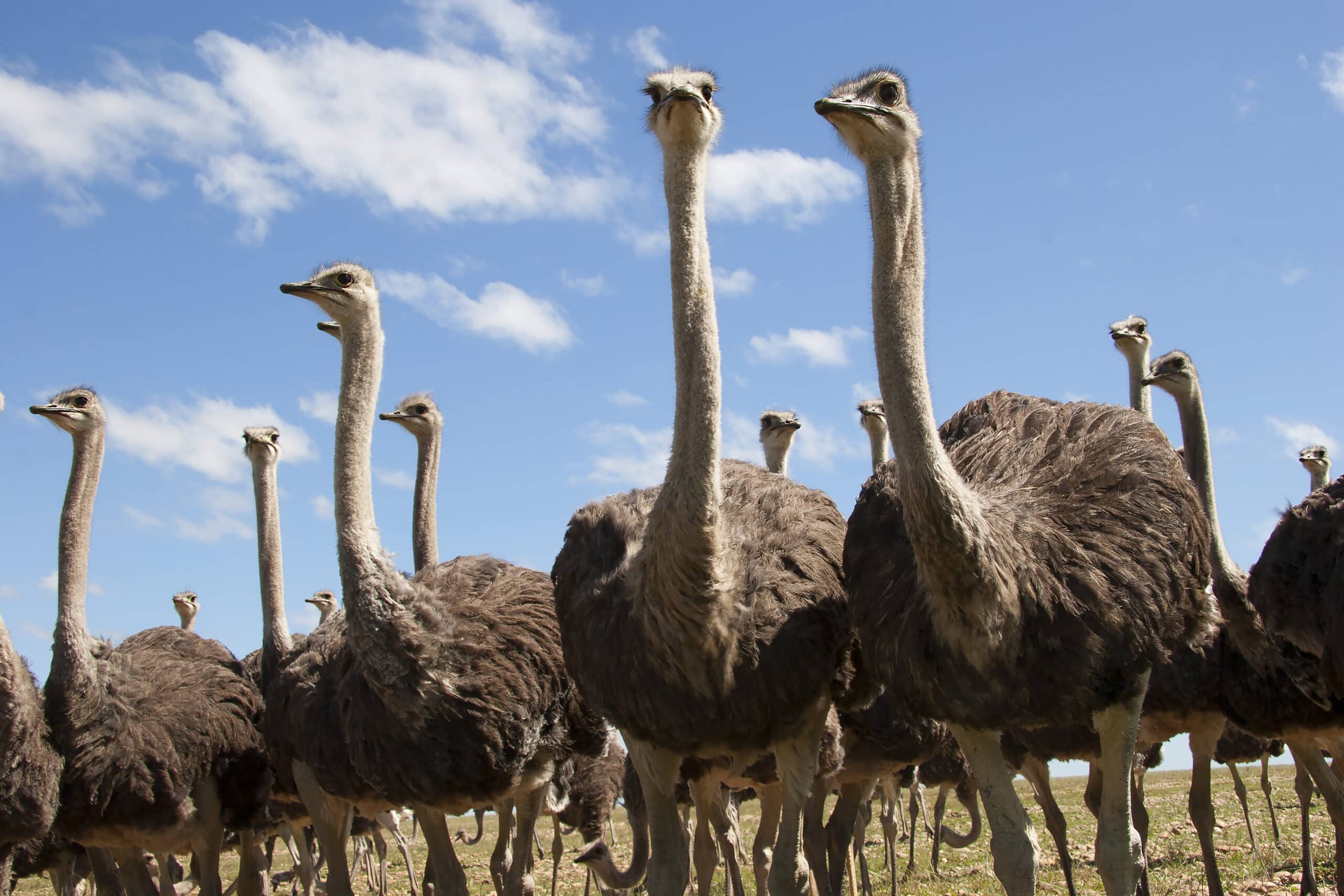
Known as the Ostrich Capital of the World, Oudtshoorn is a stunning small town in the Klein Karro region of the Western Cape. Look forward to touring ostrich farms, exploring the incredible Cango Caves, or enjoying a scenic drive along the Swartberg Pass.
Naturally, the ostrich industry is thriving in Oudtshoorn. Items made of soft, shaggy plumes, ostrich leather products or ostrich biltong make ideal gifts to take home.
Oudtshoorn is the heart of the Klein Karoo, an area just about 50 km and 300 km long wide between the Swartberge (Black Mountains) and Langeberge (Long Mountains). Its unique microclimate makes it one of South Africa’s most diverse wine regions.
Rock, scissors paper (loser is the designated driver for the day) and hit the Klein Karoo Wine Route, driving from winery to winery while enjoying the incredible natural scenery.
Makhanda (Grahamstown)
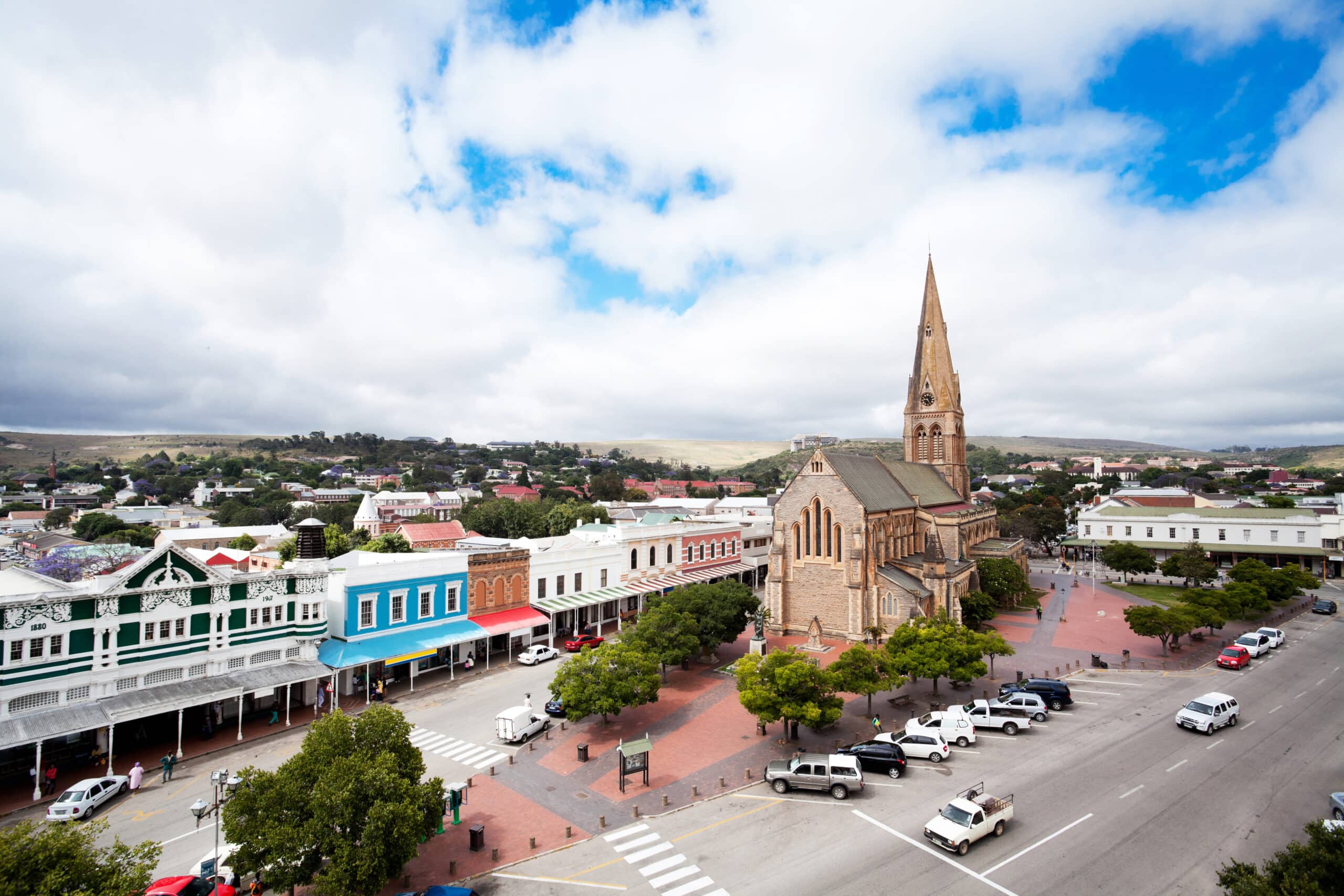
Formerly known as Grahamstown, Makhanda hosts one of the country’s oldest major celebrations of art – the annual National Arts Festival. Visit during late June to take part in the 10-day fête which sees the town explode with with performing and visual arts.
Besides arts and creativity, you can also explore colonial architecture, such as the Cathedral of St Michael and St George, which dates from 1824 and has the tallest church spire in South Africa.
Visit the 1820 Settlers Memorial Museum, built to educate about the British Settlers who arrived in South Africa during the 19th century. Take a walk down the High Street to transport back to the 1820s with its Victorian-era architecture.
For a panoramic view over Makhanda, head up to Fort Selwyn, atop Gunfire Hill. Until 1870, a gun was fired daily at 9 am to remind civil servants to start their work day.
Tulbagh
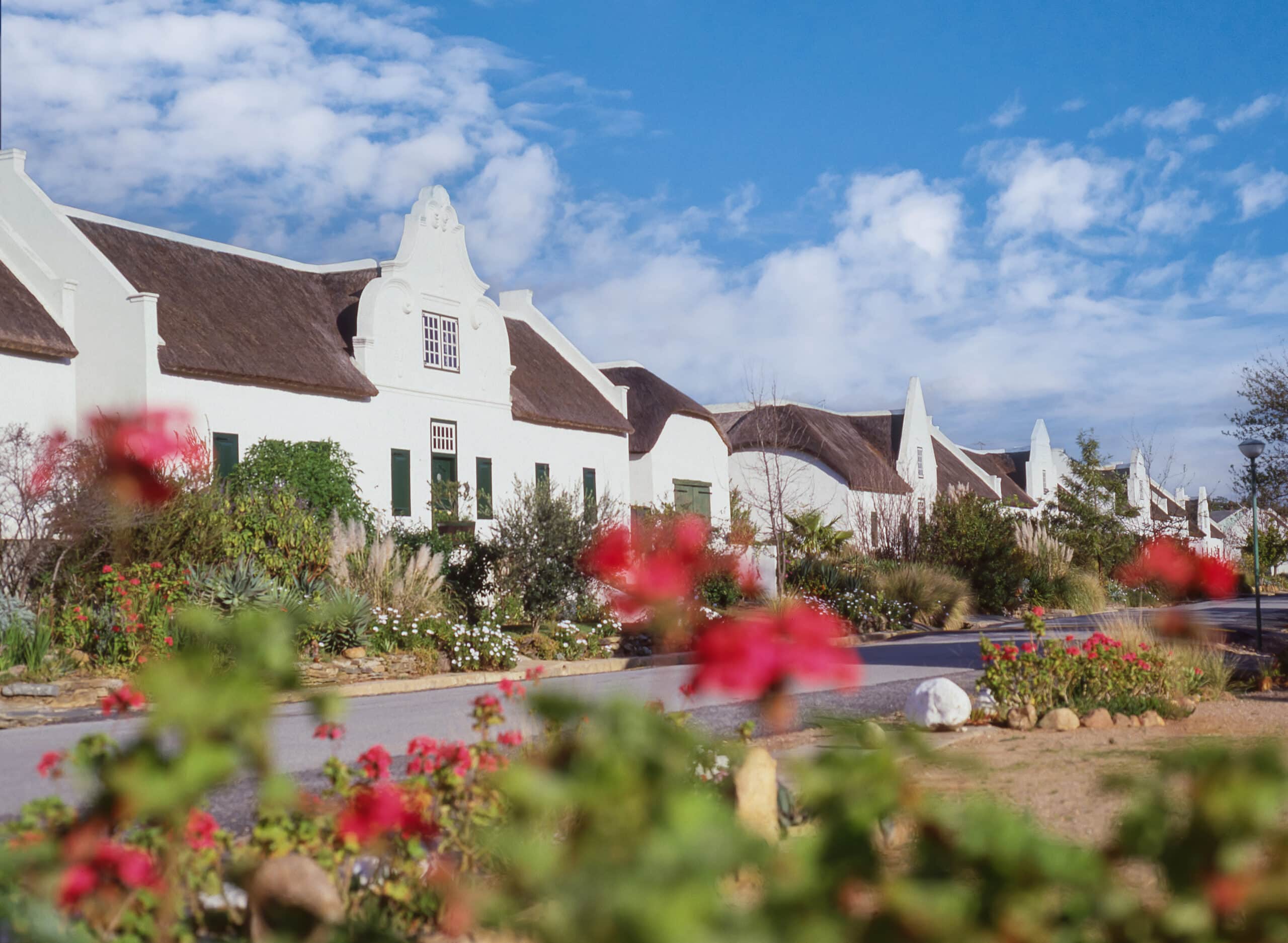
About an hour and a half northeast of Cape Town, Tulbagh is also known for its Cape Dutch architecture. Even beyond the building style, Tulbagh offers a glimpse into the past.
A walk down Church Street is one down 19th-century architecture. This street boasts the largest number of Cape Dutch, Edwardian and Victorian heritage sites on a single street in South Africa.
In 1969, an earthquake measuring 6.3 on the Richter scale hit Tulbach, and you can learn about it and the restoration of the town at the Earthquake Museum.
Beyond pretty buildings and history, you can indulge in olive tastings and winery visits while taking in the scenic beauty of the three surrounding mountain ranges.
For olive tastings, head to Oakhurst Olives, just outside town, to taste their kalamata olives and cold-pressed olive oils.
Tulbagh Valley is known for producing some damn fine wine, and there are 15 wineries around town to choose from. Try one of the famous ones like Saronsberg, Lemberg or Krone, or go with one of the smaller ones like Theuniskraal or Oudekloof.
Nieu-Bethesda
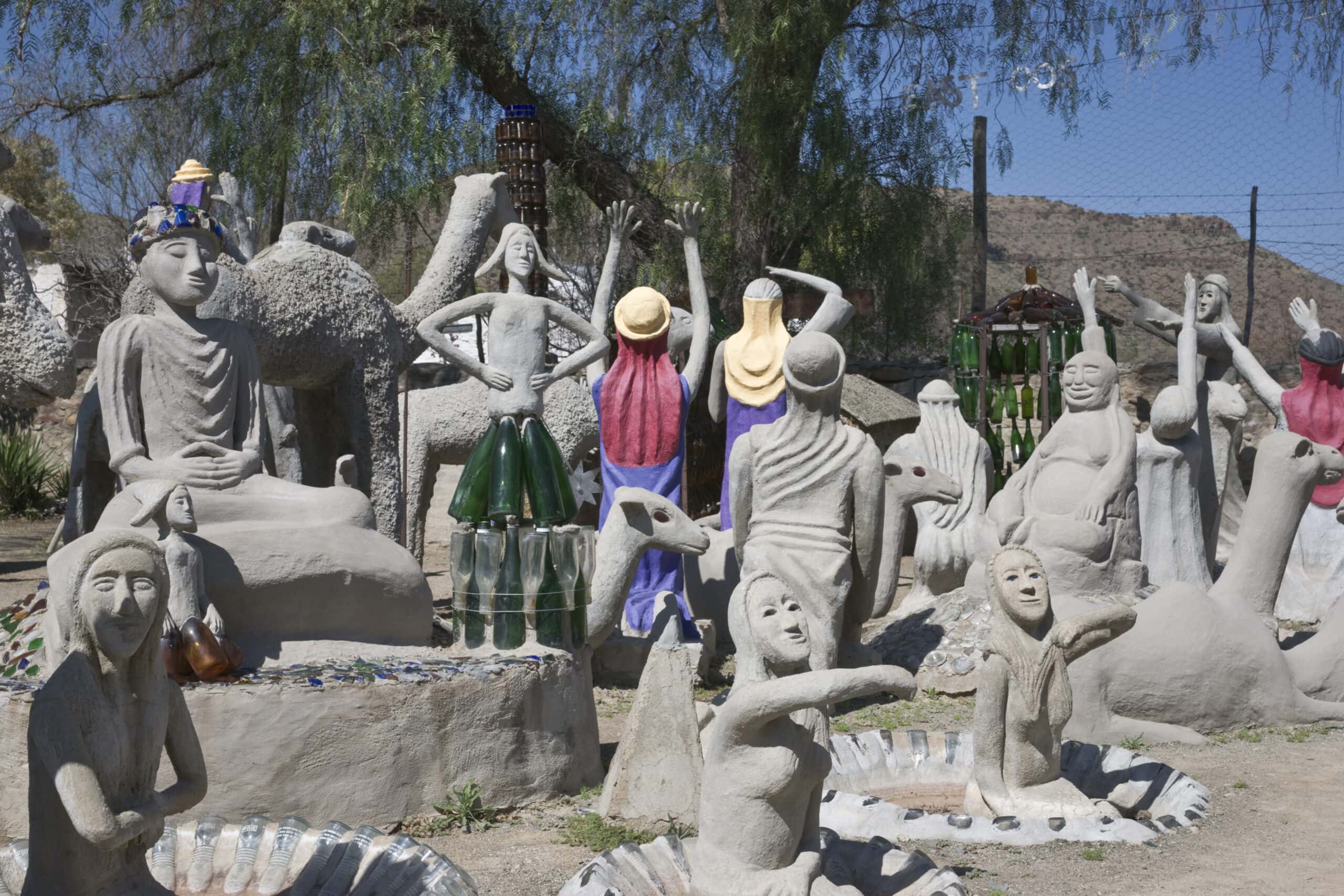
You know a small town is going to be good if the tarmac stops before reaching it. Nieu-Bethesda is no different. This magical Karoo town 50 km north of Graaf-Reinet is as good as small towns get and is famous for the Owl House. You’ll love this eccentric art installation created by the equally eccentric late Helen Martins.
The Owl House is the main attraction in Nieu-Bethesda, and worth the detour (or even a trip on its own) if you’re in the area. At the Owl House, you can admire the staggering collection of sculptures made of cement, glass bottles and ground glass. Outside the house, you’ll find the Camel Yard crammed with sculptures of camels, mermaids, pilgrims, mythical creatures and, yes, owls.
For a unique and enjoyable peek into life in Nieu Bethesda, join Jan van Staden on one of his donkey cart tours of the town. As Jan drives you around town, he’ll tell you the secrets and gossip of town while pointing out places of interest.
The Kitching Fossil Exploration Centre is another fascinating stop. Learn to read the rocks, see how fossils are formed and recovered, and search for fossils yourself in the Gats River.
Another thing not to miss is dinner at Auntie Evelyn’s. At her house in the township, Auntie Evelyn serves homecooked food such as bobotie, samp and beans, or a bredie (stew). Her homemade bread and roosterkoek alone are worth the trip to Nieu – Bethesda. Besides dynamite local food, it’s a window into the lives of the Karoo people.
St. Lucia
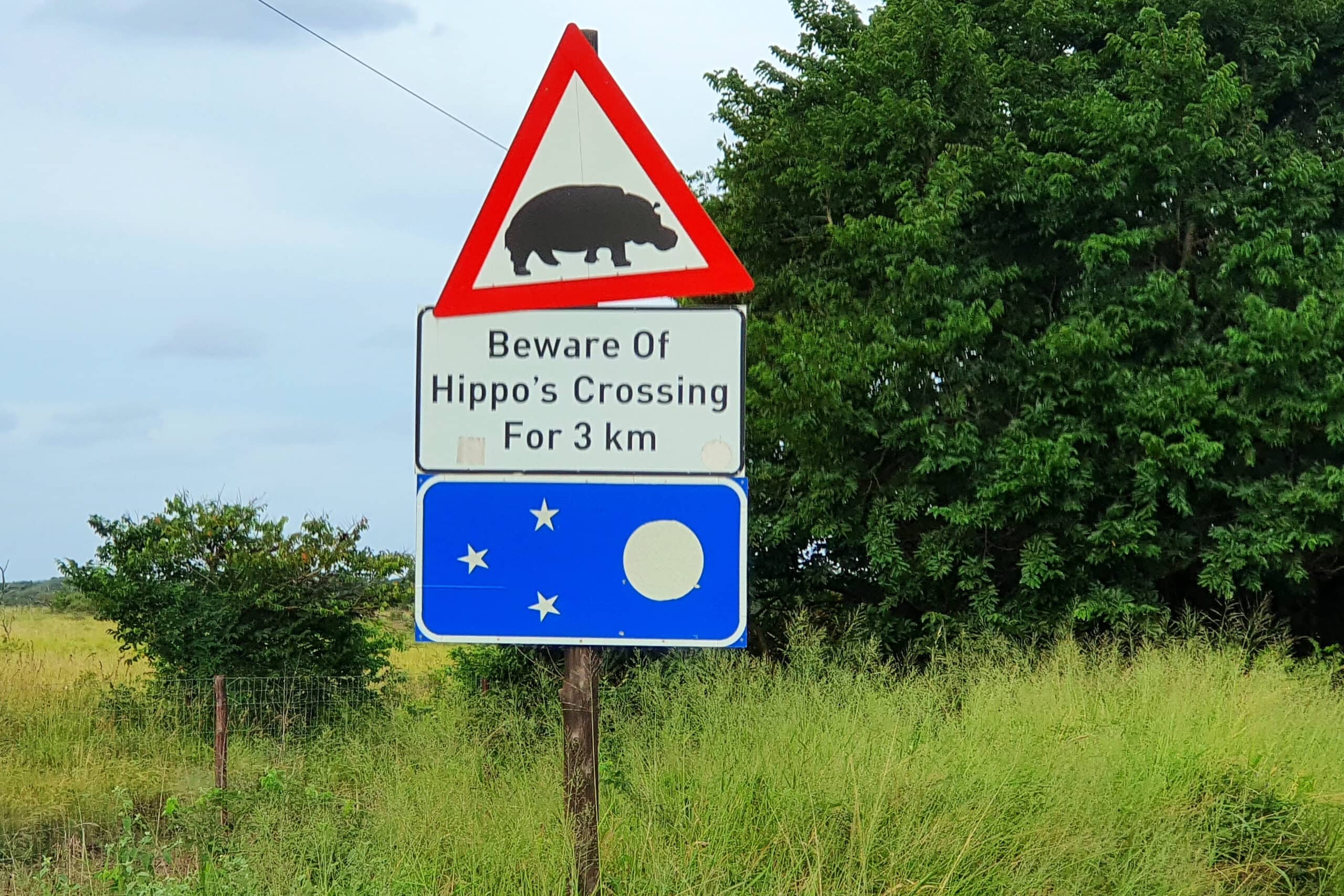
Right inside Kwa-Zulu Natal’s iSimangaliso Wetland Park, St. Lucia is a lesser-known gateway to Africa’s nature and wildlife at its best. Take a boat tour on the estuary to spot hippos and crocodiles, or head to nearby Hluhluwe-Imfolozi Park for a safari adventure.
But be careful as you wander through town, especially after dark. St. Lucia’s hippos are well known for doing their own wandering, making a salad bar of the residential lawns. They’ve been given the affectionate nickname of ‘townies’ and aren’t as cuddly as they might look.
Pilgrim’s Rest
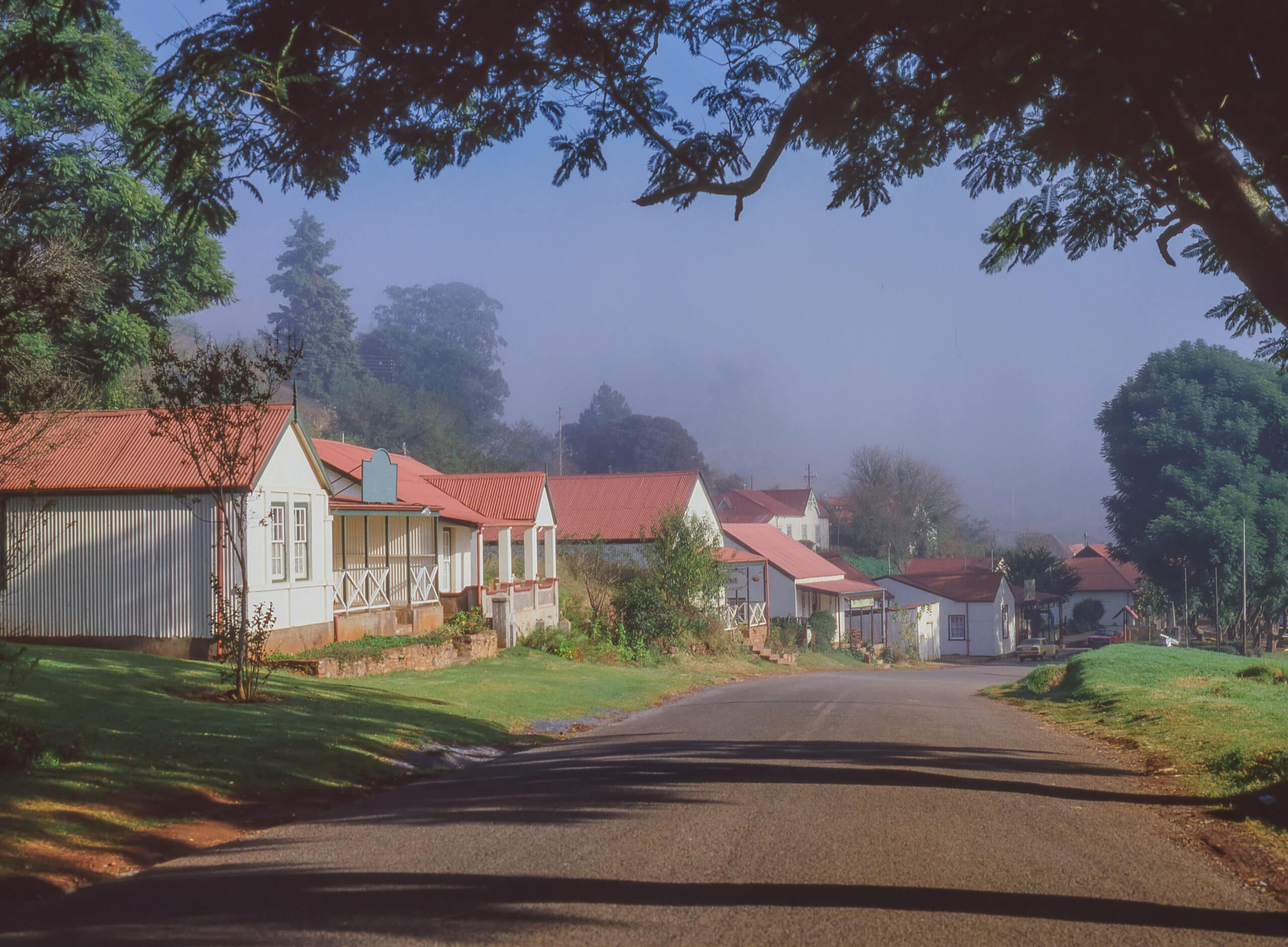
A living museum in Mpumalanga province, Pilgrim’s Rest will transport you back to the 19th-century gold rush era. Pilgrim’s Rest is a beautiful small town and a deservedly popular stop on the Panorama Route.
A walk through town takes you past Victorian architecture typical of South Africa’s gold rush. It’s a small town that you can see in a few hours.
Drop in at Pilgrim’s Pantry for their famous pancakes, waffles, and homemade pies, or stop at the Alanglade House Museum to learn about the town’s gold mining history.
If you want to stay over and experience the faded elegance of the gold rush times, you should really stay at the Victorian-era Pilgrim’s Rest Hotel.
If you have the time, strap on your backpack and hike the Prospectors Trail. The entire trail is 62.5 km and takes about five days to complete. However, there are two and three-day alternatives. Birders will find incredible spottings in the area, too.
This is a hike that helps make Pilgrim’s Rest one of the best small towns in South Africa.
Simon’s Town
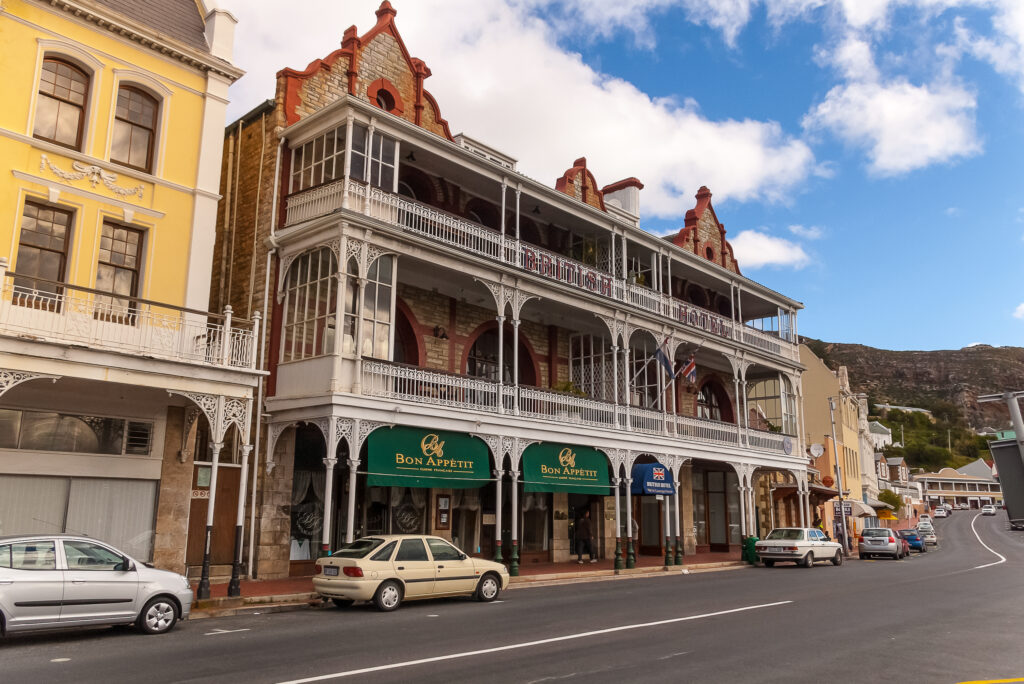
Sandwiched between the shores of False Bay and the back of Table Mountain, Simon’s Town is drop-dead gorgeous. It’s also home to South Africa’s navy. People come from near and far to bask in Simon’s Town’s charming atmosphere and historic military significance.
But the top reason to visit is Boulders Beach, where you can share the sandy shores with a colony of African penguins. For another unique experience, take a boat tour to Seal Island and watch the Cape fur seals in their natural habitat. During the whale watching season (June to November), you could also take a boat tour to get a closer look at these gentle giants.
Pretty Simon’s Town High Street is lined with fantastic cafes, seafood restaurants and exciting second-hand and antique shops. If you’re looking for that specific Royal Doulton cup or milk jar to complete your collection, you might just find it (and more) in Simon’s Town.
All of this in under an hour from downtown Cape Town makes it one of the best small towns to visit in South Africa for a day (but you’ll want to stay longer).
How to See the Most Beautiful Small Towns in South Africa
As a South African myself, I cannot really recommend seeing South Africa by public transport. It’s not the safest, and it will be very inconvenient. I’m sorry, but visiting the small towns in South Africa by public transportation will not be enjoyable or feasible in most cases.
The most convenient way to explore the small towns in South Africa is to rent a car. Rental companies are plentiful, and the roads are generally well-maintained. For the best rates, use Discover Cars, an aggregator of car rental companies that offers the greatest choice and best rates by comparing local and international companies.
If this is your plan, keep a few things in mind. Rental cars tend to have a manual transmission. If you need an automatic, you’ll need to shop around, often extensively, and be prepared to pay more.
Also, be aware that cars drive on the left-hand side of the road, with the steering wheel on the right side of the car.
Other Options for Transportation in South Africa
If you’d rather not rent a car, there are a few good options for public transportation.
Public bus: The most commonly used public bus company is Greyhound. It operates intercity routes connecting major cities and towns.
Another reliable bus service is Intercape, offering a similar network. Personally, I recommend Greyhound.
Keep in mind that bus schedules can change, so always check, and book tickets in advance.
Train travel: Shosholoza Meyl is the main, most affordable long-distance passenger train service in South Africa. It connects major cities and towns and offers different classes of travel to suit your budget.
Train travel in South Africa is slow and not always the safest, unless you’re taking the luxury (and super expensive) Blue Train.
A train journey is a unique way to see the country’s different landscapes as you rattle through them. Depending on where you’re headed, though, you may have to travel to a larger centre and ride a taxi into the small towns.
And remember that things run on ‘African time’ here, so schedule times can be a bit more relaxed than you might be used to!
These small South African towns offer a range of experiences, from natural beauty and outdoor adventures to cultural immersion and historical exploration.
They’ll give you a glimpse of South Africa that can’t be had by sticking to the big cities and typical tourist routes.
If you’re looking for an authentic look at South Africa’s culture, landscapes, and heritage, try to add at least a few of these towns to your itinerary.
This post was written by Deb from Introvert with Itchy Feet.
An insatiable traveler with years of exploration under her belt, Deb has never found a place that didn’t fascinate her. But Africa holds a special place in her heart – she feels that no other place has more to offer a traveler. Deb hopes that by writing about this irresistible destination, you’ll be inspired to explore Africa for yourself, and discover the spectacular beauty and diversity this continent has to offer.