
We didn’t choose Adelaide.
Adelaide chose us.
At least, that’s what it felt like.
When people ask why we moved to Adelaide when we decided to emigrate to Australia, they usually imagine we studied a map, weighed up the options, and picked our favourite city. The reality is far less romantic and involves considerably more paperwork.
For skilled migrants, the immigration process includes something called state nomination. Rather than simply applying for permanent residency, you can nominate one or more Australian states or territories where you’d like to live. Each state has its own occupation list, requirements, and selection process. If a state believes your skills are needed, it can nominate you for a visa.
In other words, they choose you as much as you choose them.

Please note: This post may contain affiliate links. This means I may earn a commission if you make a purchase by clicking a link (at no extra cost to you). As an Amazon Associate, I earn from qualifying purchases. Learn more.
We weren’t particularly fussy.
We cast our net wide and lodged expressions of interest with every state and crossed our fingers. Secretly, we imagined ourselves in Melbourne. Perth and Brisbane were also high on our list. Sydney looked wonderful, but we’d already accepted we’d probably need to sell at least one kidney to just rent a parking space there.
Adelaide barely featured in our conversations.
We submitted a mountain of paperwork…and then nothing.
For eleven months.
Eventually, an email arrived from South Australia offering us a 190 permanent resident visa. We stared at it for a while, convinced someone had clicked the wrong name.
They hadn’t.
South Australia had chosen us.
Our first reaction was curiosity more than excitement.
Adelaide?
Really?
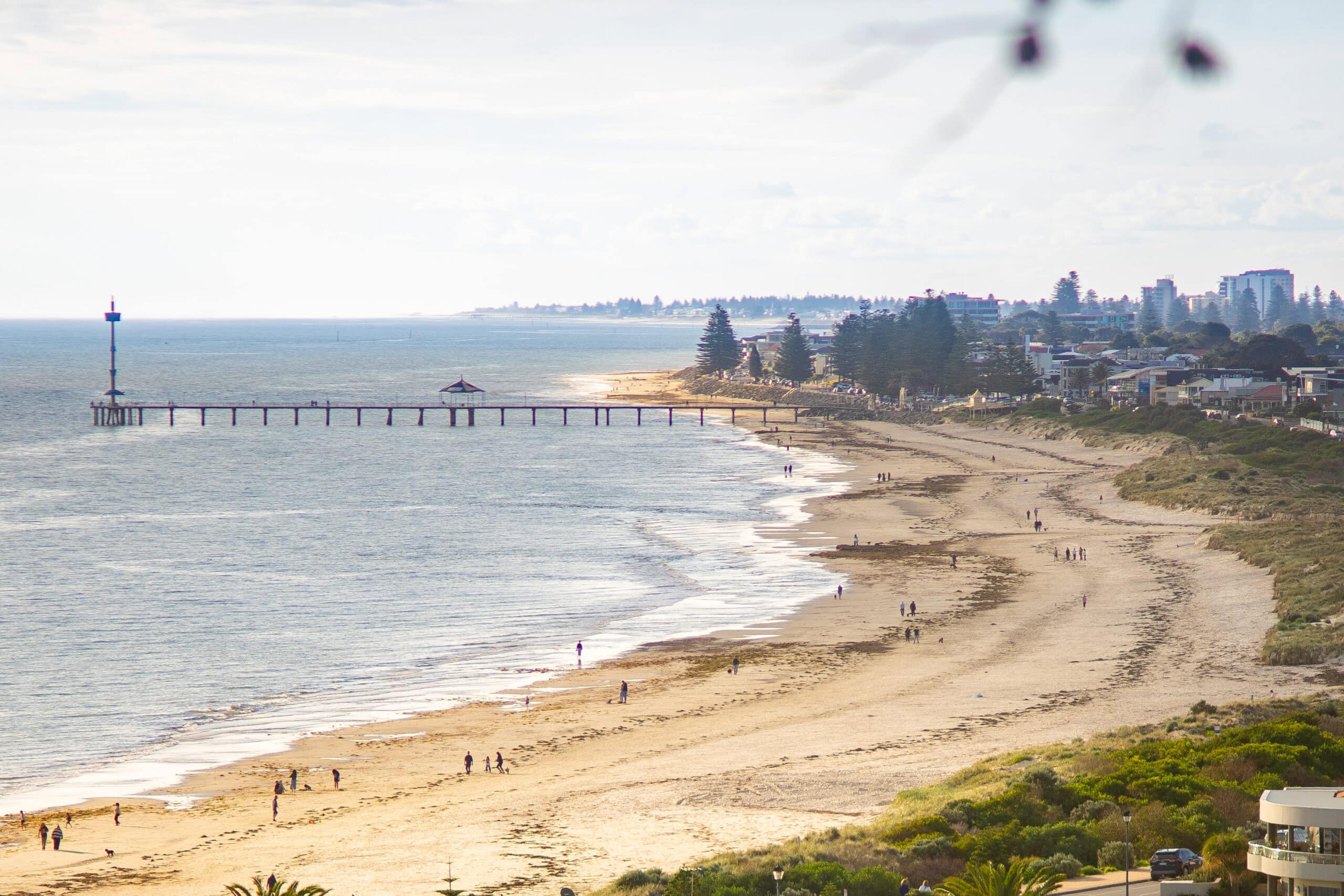
Like many people outside Australia, we knew surprisingly little about it. We knew it was the capital of South Australia and Australia’s fifth-largest city. Beyond that, it wasn’t somewhere we’d ever seriously considered. Unlike Sydney with its Opera House or Melbourne with its endless cafés, Adelaide lacks celebrity status.
The more we read up about Adelaide, though, the more it sounded like our kind of place.
We discovered a city that’s big enough to have everything you need, yet small enough that life doesn’t revolve around traffic jams. A city surrounded by beaches, vineyards, national parks and up-close wildlife experiences. You can be sipping coffee in the CBD in the morning and tasting wine in McLaren Vale or the Adelaide Hills before lunch.
The more we researched, the more Adelaide stopped feeling like our backup plan.
It started feeling like exactly what we were looking for.
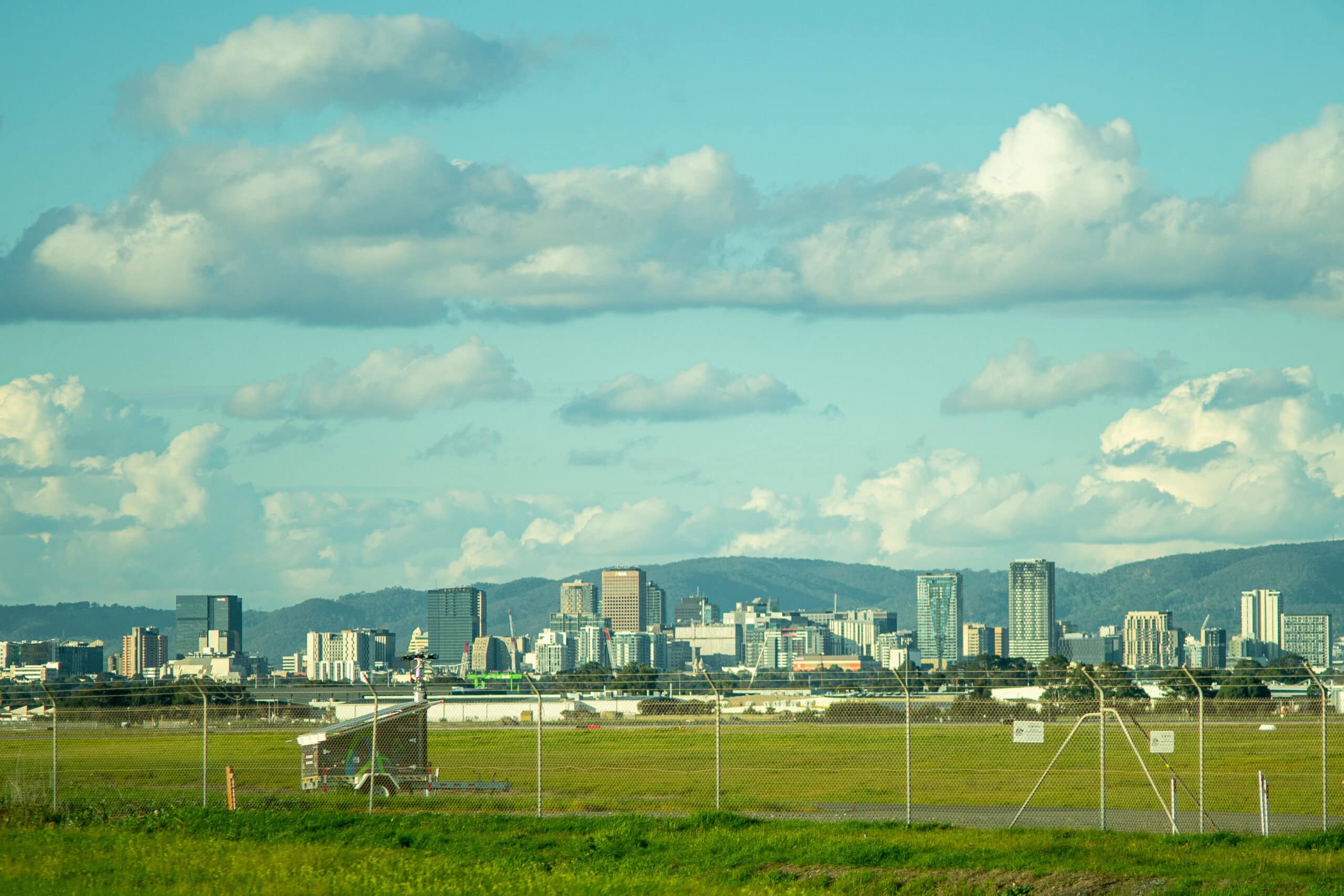
The comparisons with Cape Town kept appearing while we researched Adelaide, and now we understand why.
The Mediterranean climate feels wonderfully familiar. Long dry summers, mild wet winters, vineyards on the doorstep and beaches only minutes away. Glenelg and Henley Beach were already calling our names before we arrived. It feels familiar enough to be comforting, yet different enough that every weekend still feels like an adventure.
Then we looked beyond the city.
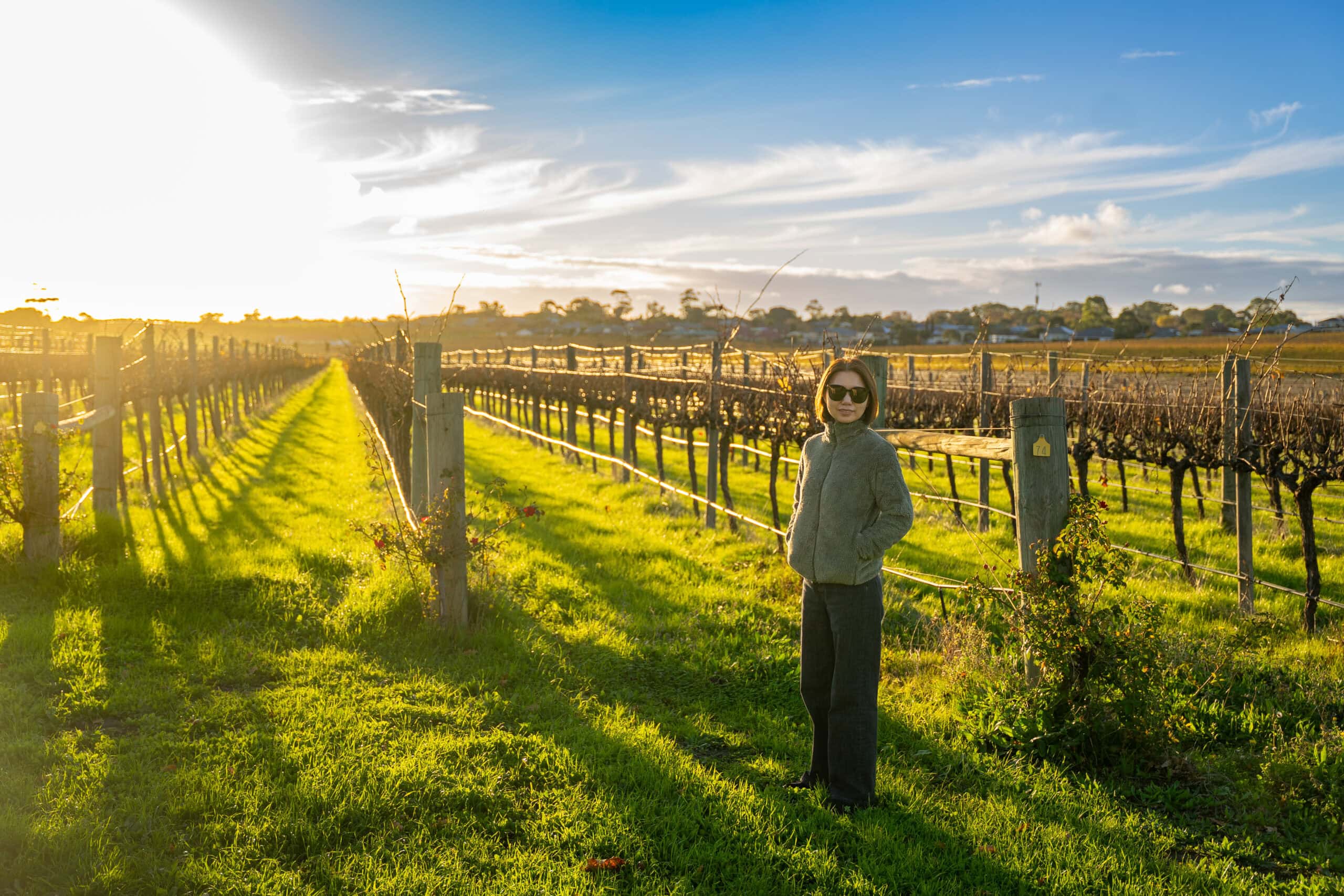
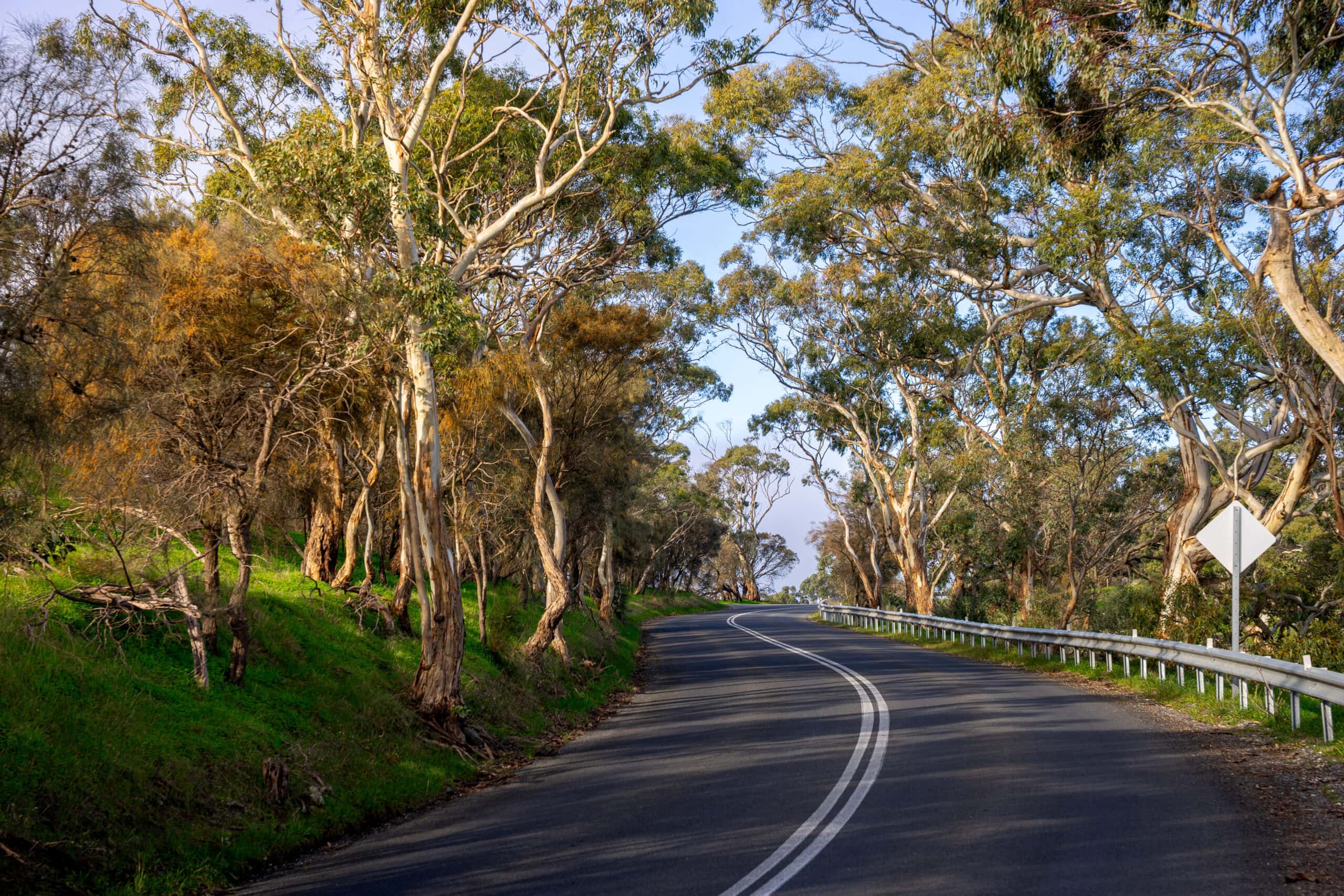
South Australia rewards taking your time. Rather than ticking off famous landmarks, it’s a state made for slow travel. One weekend you can explore cellar doors in the Barossa Valley. The next, drive through the rolling hills around Hahndorf.
A little further afield are the dramatic coastlines of the Fleurieu Peninsula, the wildlife of Kangaroo Island, the ancient landscapes of the Flinders Ranges, and Outback towns with those strong A dingo ate my baby vibes that barely register on most tourist itineraries.
That’s exactly how we like to travel.
Not by rushing from attraction to attraction, but by getting to know a place one road trip at a time.
The wine certainly helped getting me excited.
I’ve always fancied the idea of having my own impressive wine collection. Rows of bottles ageing gracefully while I casually nod about vintages and terroir like someone who actually knows what they’re talking about.
In reality, I buy bottles because I like the label and drink them on the same day.
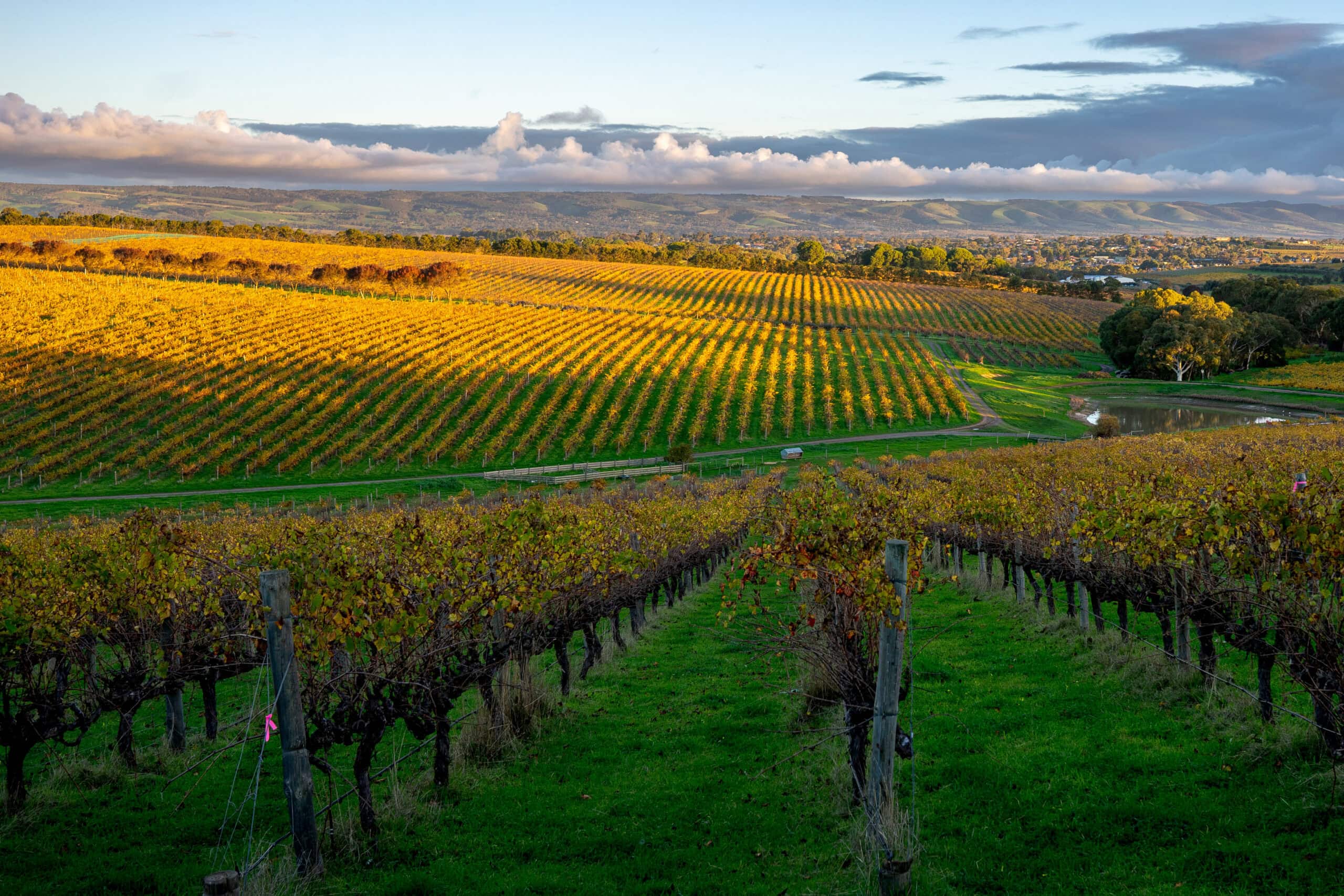
Adelaide’s wine regions are giving me renewed hope. The mighty Barossa Valley is famous for its bold Shiraz grown on some of the oldest vines in the world. McLaren Vale produces rich reds with a touch of seaside influence, while the Adelaide Hills specialises in elegant cool climate wines.
My current strategy is to buy two of the same bottles every time. One to drink immediately. One to save for the collection.
So far, my success rate isn’t particularly encouraging.
Jin, unsurprisingly, has been planning her own culinary adventure.
The Adelaide Central Market (ranked as the 3rd best food market in the world in 2026) was one of the first places she wanted to visit. It’s one of the largest fresh produce markets in the Southern Hemisphere, great for wandering between family-run stalls, tasting cheeses, buying spices you don’t need, and somehow leaving with far more food than you intended.
Beyond the market, Adelaide’s restaurant scene keeps surprising us. From neighbourhood cafés to Afghan favourites like Parwana, creative restaurants like Africola, and everything in between, Adelaide is a city that takes food seriously without taking itself too seriously.
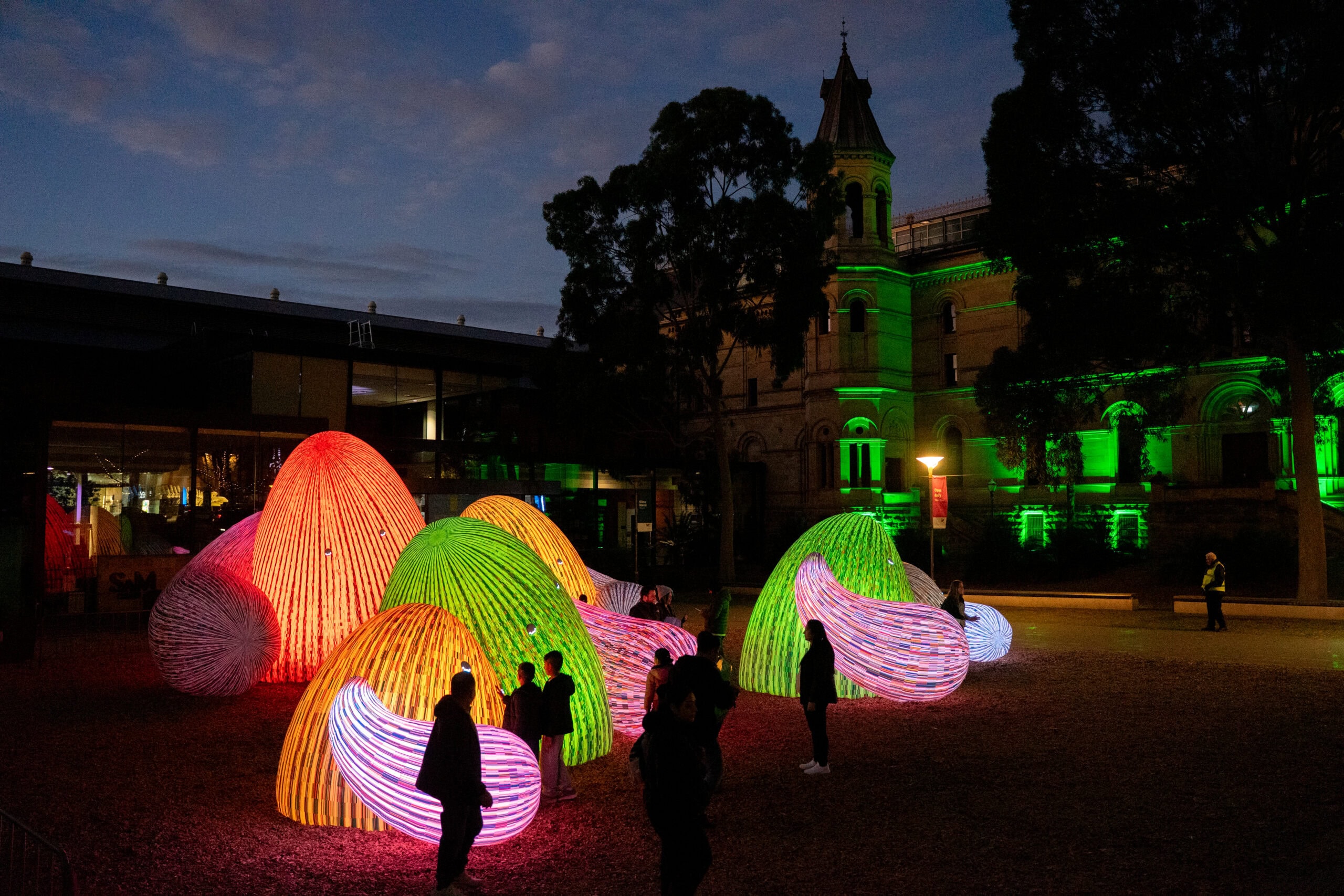
Adelaide has exactly the small city charm we were craving. Traffic is light, festivals seem to happen every other weekend, public transport is decent, and the rest of the world is finally starting to notice.
CNN recently described Adelaide as a microcosm of everything that makes Australia special, while Condé Nast Traveler called it a quiet achiever preparing for its moment in the spotlight.
For once, the media might actually be underselling it.
Has Adelaide Lived Up to the Promise?
Three months in, the answer is an easy yes.
We landed in Adelaide on 9 April 2026.
After spending our first month living out of an Airbnb, we’ve finally settled into a little two-bedroom rental of our own. Finding it wasn’t exactly straightforward.
Adelaide, like much of Australia, is in the middle of a housing crisis. Rental inspections can feel like you’re auditioning for a reality TV show where the prize is somewhere to sleep.
Thankfully, we found someone breaking their lease through a local Facebook group, which spared us from joining the queue with another fifty hopeful applicants.
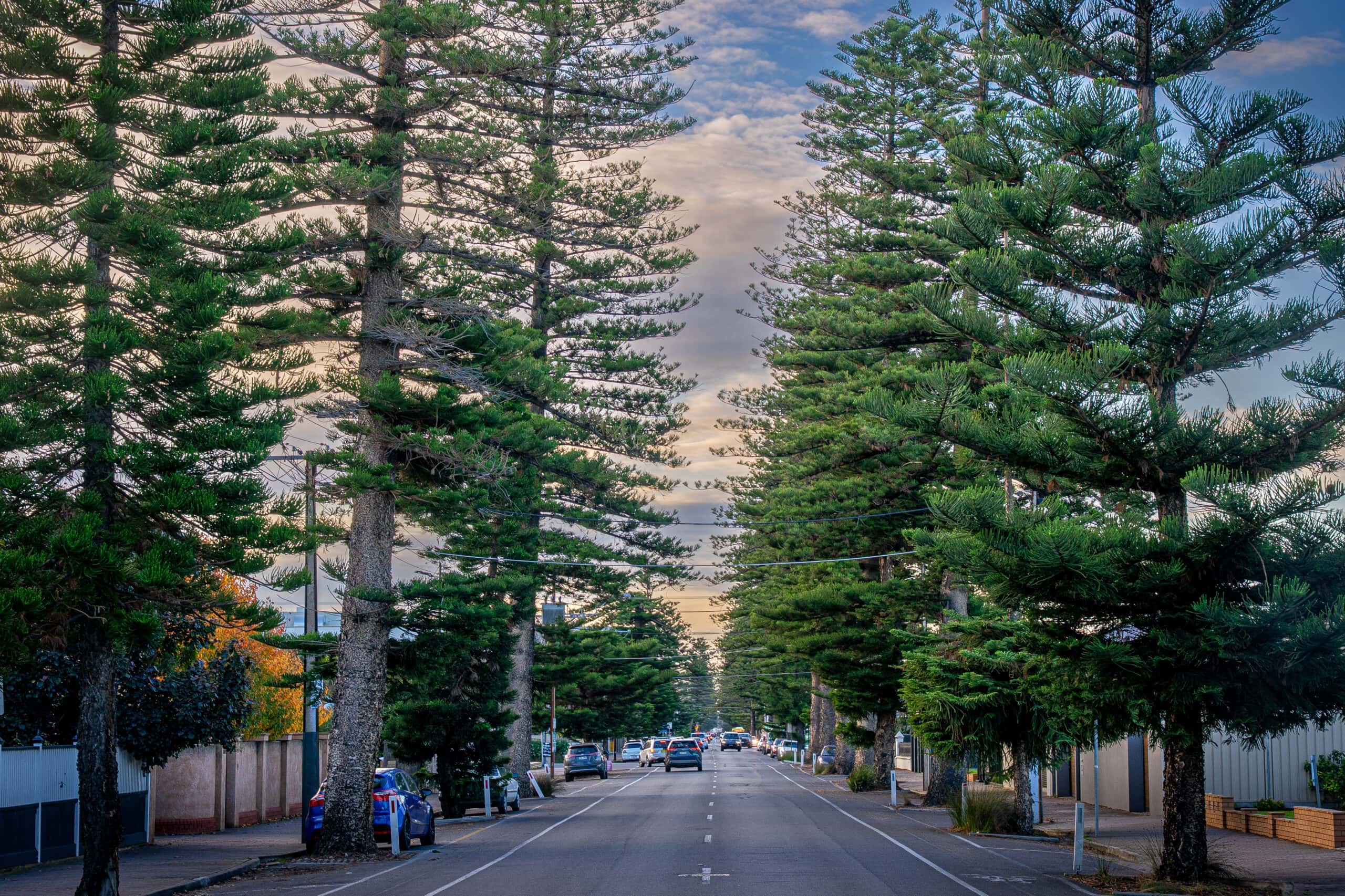
We also got incredibly lucky with the location.
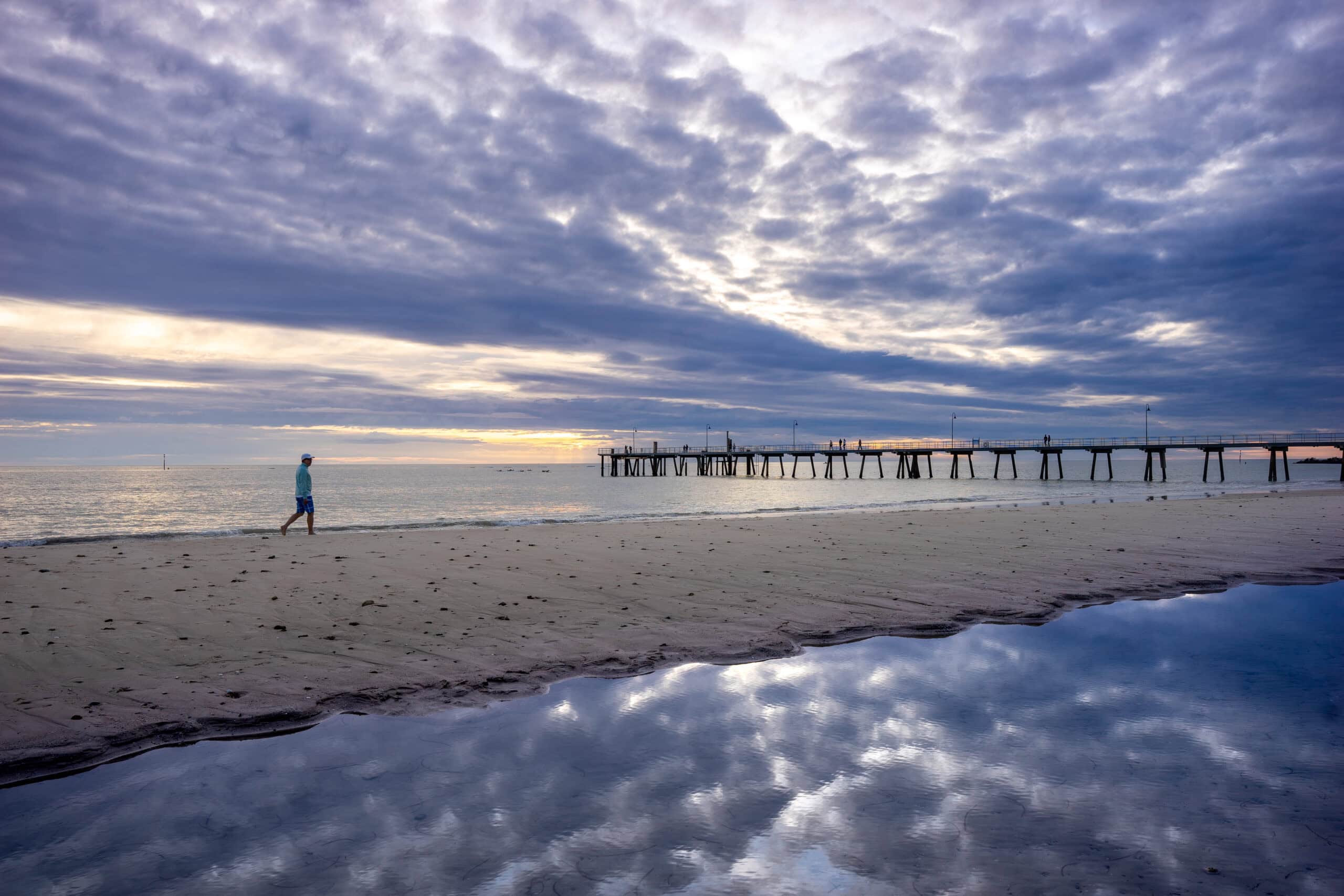
Our unit is in Glenelg, on a street shaded by enormous Norfolk Island pines that were planted in the 1930s. It was the suburb we quietly hoped we’d end up in, and somehow we found a place comfortably within our budget. If you’re not familiar with Adelaide, Glenelg is a laid-back beach suburb about twenty minutes from the CBD. There’s even a tram that takes us straight into the city whenever we don’t feel like driving.
The unit was built sometime in the 1960s and, judging by parts of the kitchen and bathroom, I suspect nobody has updated them since colour television arrived in Australia.
Let’s call it full of character.
Fortunately, character is much easier to appreciate when you’re a ten-minute walk from the beach, five minutes from Jetty Road’s cafés and restaurants, and have a tram stop around the corner.
One day, we’d love to buy in this neighbourhood.
Then we looked at the house prices in Glenelg and quickly closed the real estate websites again.
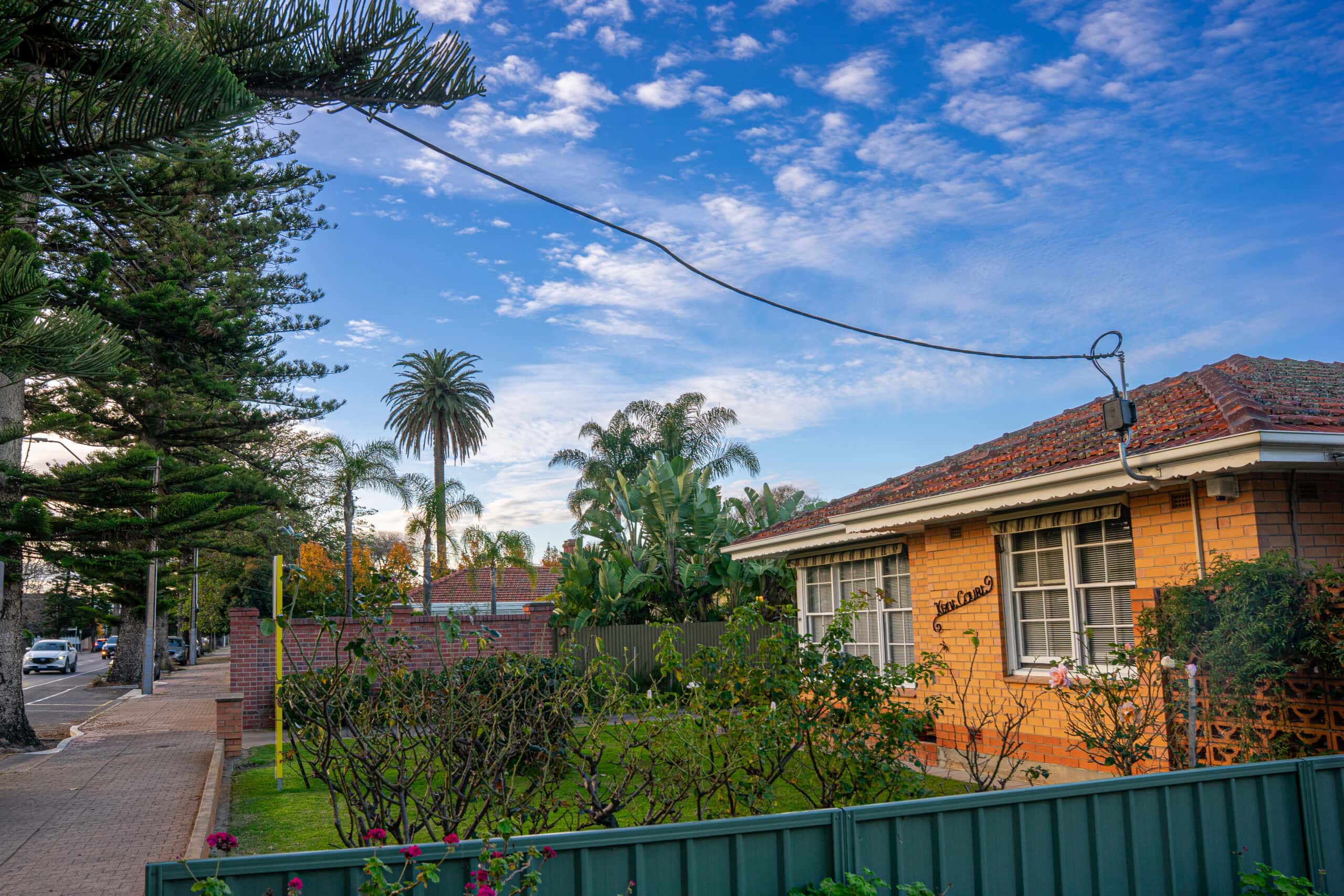
The biggest surprise has been how familiar Adelaide feels.
It reminds me of South Africa, especially Cape Town. The climate, the beaches, the vineyards, the relaxed lifestyle and even the native plants all feel strangely familiar.
The biggest difference?
I’d happily give Adelaide the edge when it comes to friendliness. Everyone we’ve met has been welcoming, patient and genuinely happy to help two newcomers find their feet.
After spending years in the UAE, South Korea and China, adjusting to Adelaide has been a culture shock of a completely different kind.
Everything moves more slowly here.
People don’t seem to be in a hurry. Drivers rarely use their horns, and it’s perfectly normal for someone to let you merge with a friendly wave. The traffic is light enough that a twenty-minute drive somehow feels like a proper outing.
Coming from South Africa and the UAE, where we’d often be cruising along at 100 or 120km/h on similar roads, Adelaide’s 50 and 60 km/h speed limits felt almost comical at first.
Now we realise they’re part of what makes the city feel so relaxed.
In June 2026, the Economist Global Liveability Index ranked Adelaide as the eighth most liveable city in the world, and after three months, we can see why.
It’s a capital city that somehow feels like a country town in all the right ways. The food scene has already exceeded our expectations, getting around is refreshingly easy, and even in the middle of winter we’re spending more time outdoors than we ever expected.
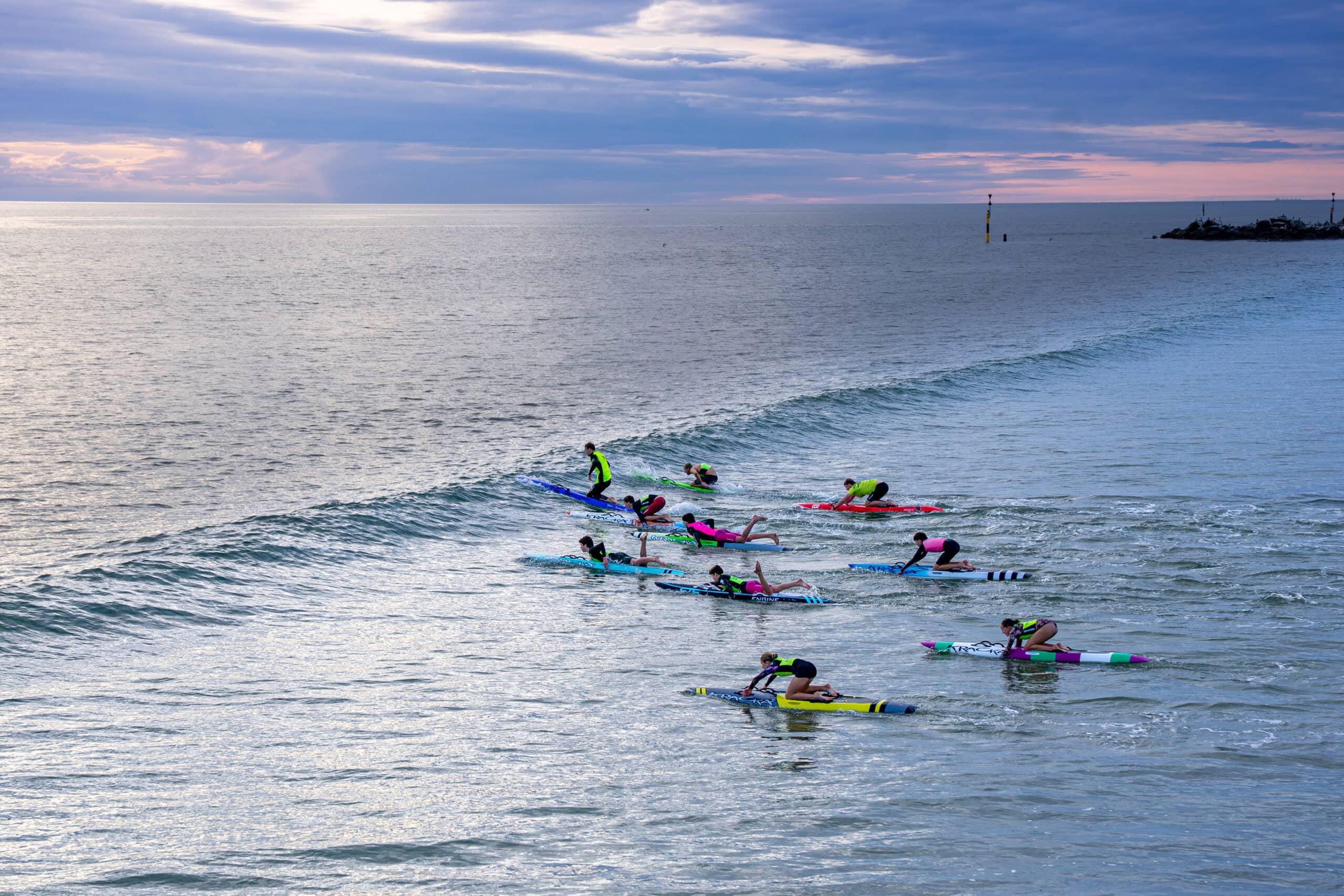
Our first winter in Adelaide hasn’t looked like the tourism brochures. Most days have arrived under dramatic grey skies, lots of rain and OMG WIND. But for every week of wind and rain, there seemed to have been a week of sunshine. Oddly enough, we’ve loved it.
What Has Surprised Us Most?
Before moving here, we somehow imagined Adelaide would be a bit of a dust bowl.
After all, it’s Australia’s driest state capital. In my mind, that translated to dry red earth, thirsty gardens and landscapes that permanently look like they’re waiting for rain.
Then we arrived.
Everything was green.
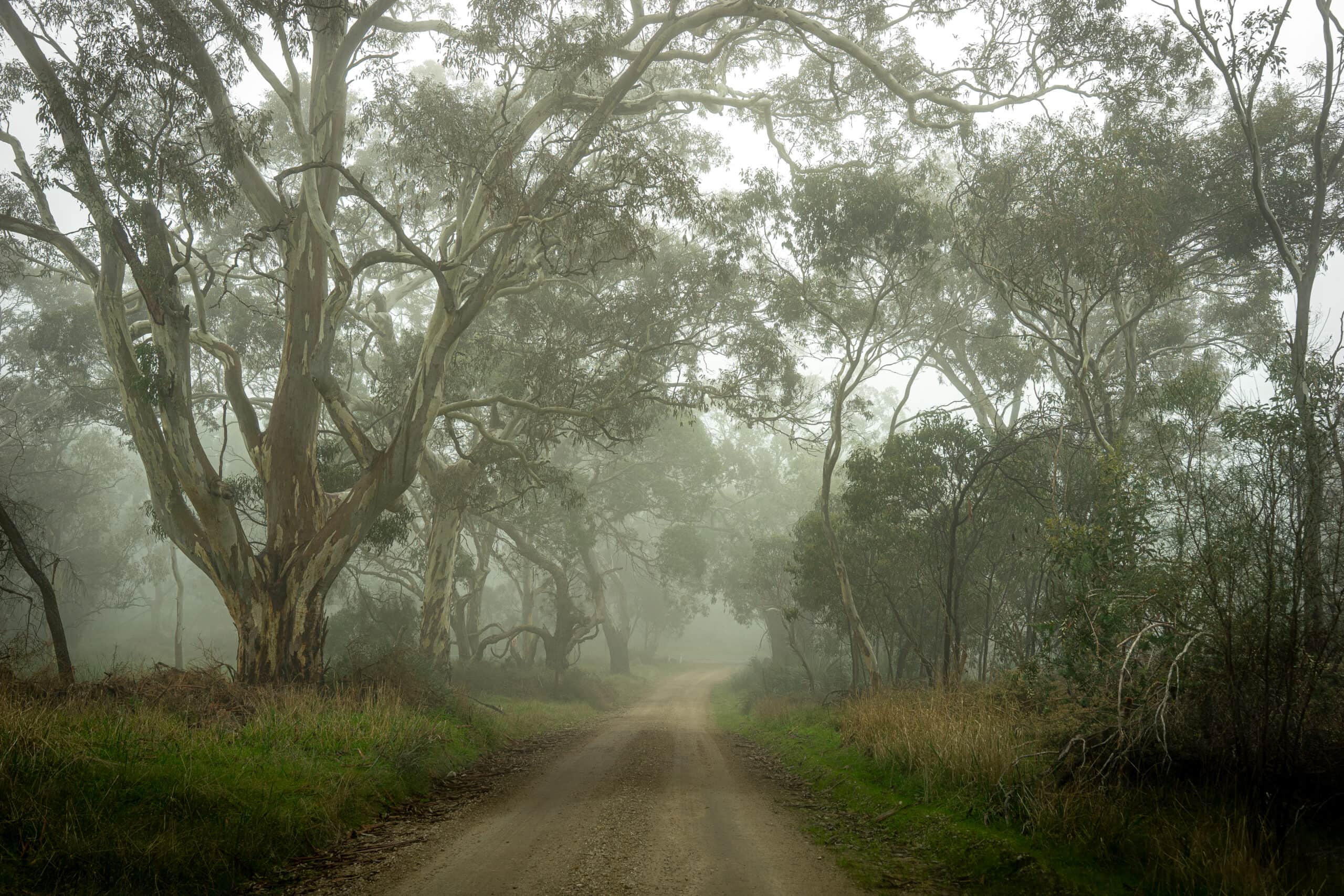
Not just green. Ridiculously green. The parks are immaculate, the gardens are lush, and the lawns look like they’ve signed some sort of agreement not to produce a single brown patch. Winter is Adelaide’s wettest time of year, so we’ll reserve judgement until we’ve survived our first summer, but it certainly wasn’t the landscape we expected.
The other surprise has been the houses.
Nobody warned us that Australian homes can be colder inside than they are outside.
Having lived in Korea, where winters regularly dipped to minus 15 Celcius but every building had central heating, this has taken some getting used to. Here, most houses seem designed on the optimistic assumption that winter will simply pass if you ignore it long enough.
We’ve quickly learnt the Australian approach to staying warm.
You don’t heat the room.
You heat yourself.
Warm socks, a hoodie, perhaps another blanket and you’re ready for a great night in.
A New Chapter for Museum of Wander
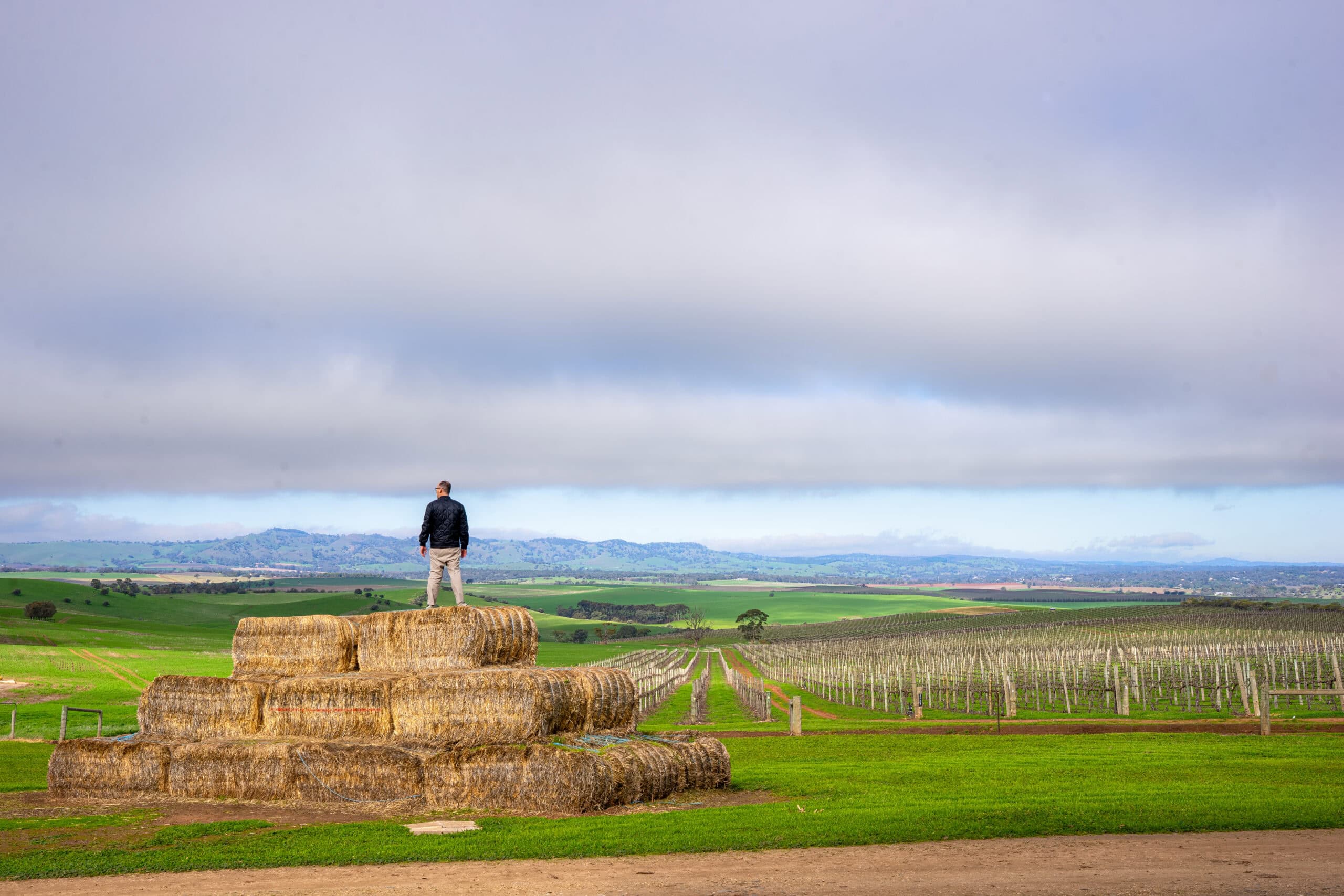
Adelaide also marks a new chapter for Museum of Wander.
For years, this website was about discovering the world one trip at a time. From here on, many of our stories will begin much closer to home. We’ll get to know South Australia slowly. One weekend, one road trip and one good meal at a time.
We’ll still travel.
We’ll still wander.
But now we’ve finally found somewhere worth slowing down for.
Here’s to Adelaide.
Here’s to South Australia.
And here’s to coming home.
I didn’t like Adelaide. It is a flat city. All tthe CBD roads run one way. Architecturally it was not special. But it has a great Art Gallery and Botanical Gardens. Also a great Modern Art gallery. I was underimpressed with the river setting and the arts centre. But the cricket ground was amazing, including the old score board. I walked most of coastal path from the top to Glenelg. It was super flat there too. I think Melbourne is far more spectacular. I even visited Elizabeth, as an architect. There is an interesting transport system to get out there, Tram?
Hi David,
We haven’t been to any other Australian cities, so can’t compare. Melbourne trip coming up at the end of the year, and yes, we are expecting it to be more wow than Adelaide.
Yes, Adelaide is flat, which makes it great for walking around. I actually like the architecture in the CBD (not all of course), but the stone buildings do have their charms. I’m sure I even spotted a few that could be Art Deco in a way. I also liked the Art Gallery.Will publish a walking tour guide with my favourite buildings in the CBD at one point. Will definitely go watch a game at the Oval too. This gives me some motivation to go check out Elizabeth.