
Seoul is many things, but for me the city has always been defined by food and the sheer seriousness with which people approach it.
After living there for eight years, I watched trends rise, peak, and disappear with dizzying speed, from the honeycomb ice cream craze to today’s open run phenomenon, where queues form before a bakery opens just for the chance of a viral bagel or donut.
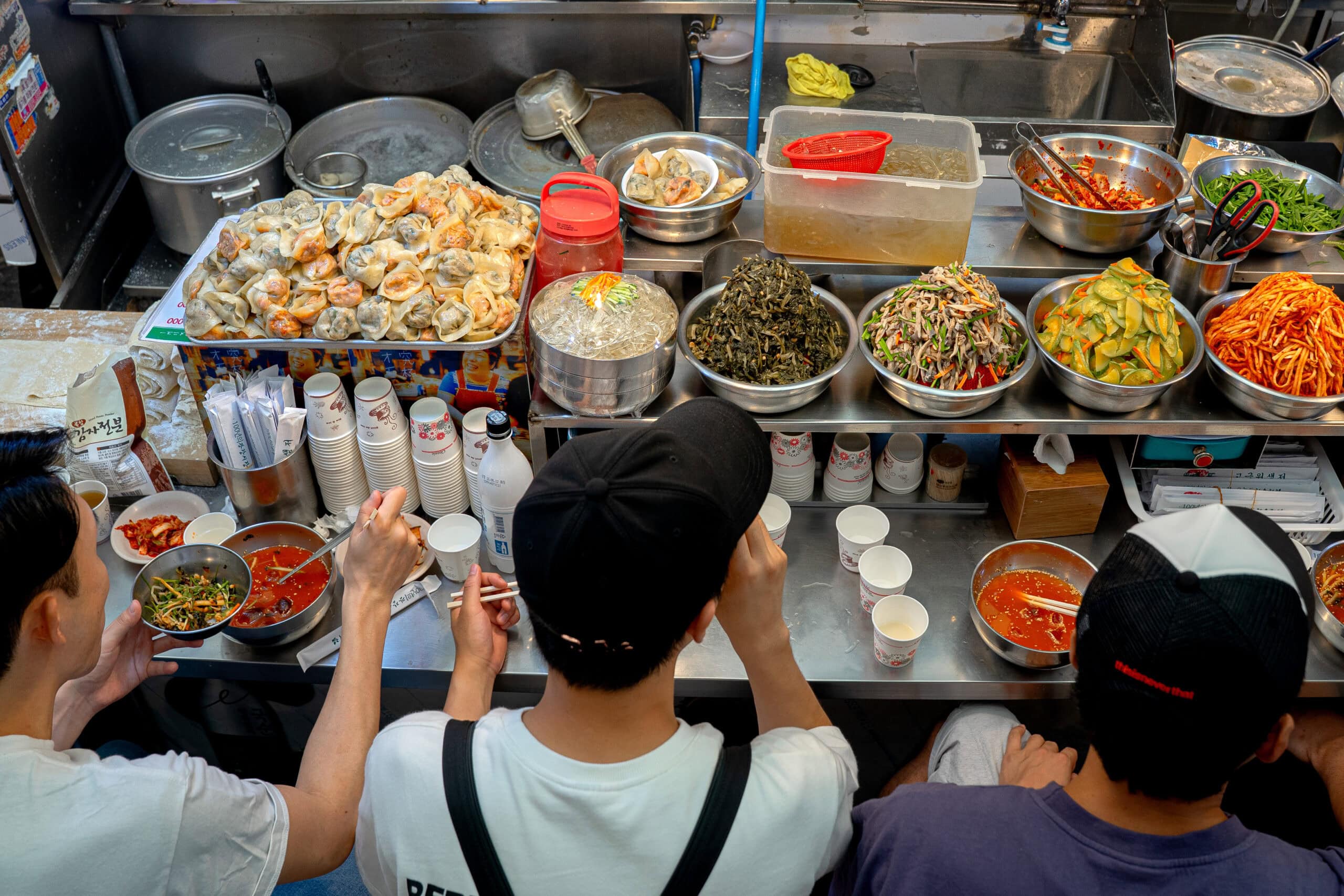
The way Koreans think and talk about their meals almost borders on a cult. Have you eaten is a more common greeting than How are you, and planning exactly what to eat in Seoul is a national pastime. In Seoul, food is planned, discussed, debated, and remembered.
Even now, whenever I’m back in the city, food is my primary obsession. Whether I’m hunting for kalguksu in an alleyway or joining the early-morning open run at a trendy new spot, I’ve realised that you can’t truly understand Seoul until you’ve tasted it.
This Seoul Food Guide is a curated mix of the heavy hitters and the quiet, locals-only spots I discovered during nearly a decade of living in the Korean capital.
Please note: This post may contain affiliate links. This means I may earn a commission if you make a purchase by clicking a link (at no extra cost to you). As an Amazon Associate, I earn from qualifying purchases. Learn more.
Still planning your trip?
Don’t miss my complete Seoul Travel Guide for everything you need to know about navigating the city.
The Street Food Icons (Market Gems)
While Seoul’s modern dining scene is explosive, the city’s heart still beats in its traditional markets. If you are looking for an authentic Seoul street food guide, these are the stalls where the recipes haven’t changed in decades, but the queues certainly have.
Yachae Hotteok (Namdaemun Market)
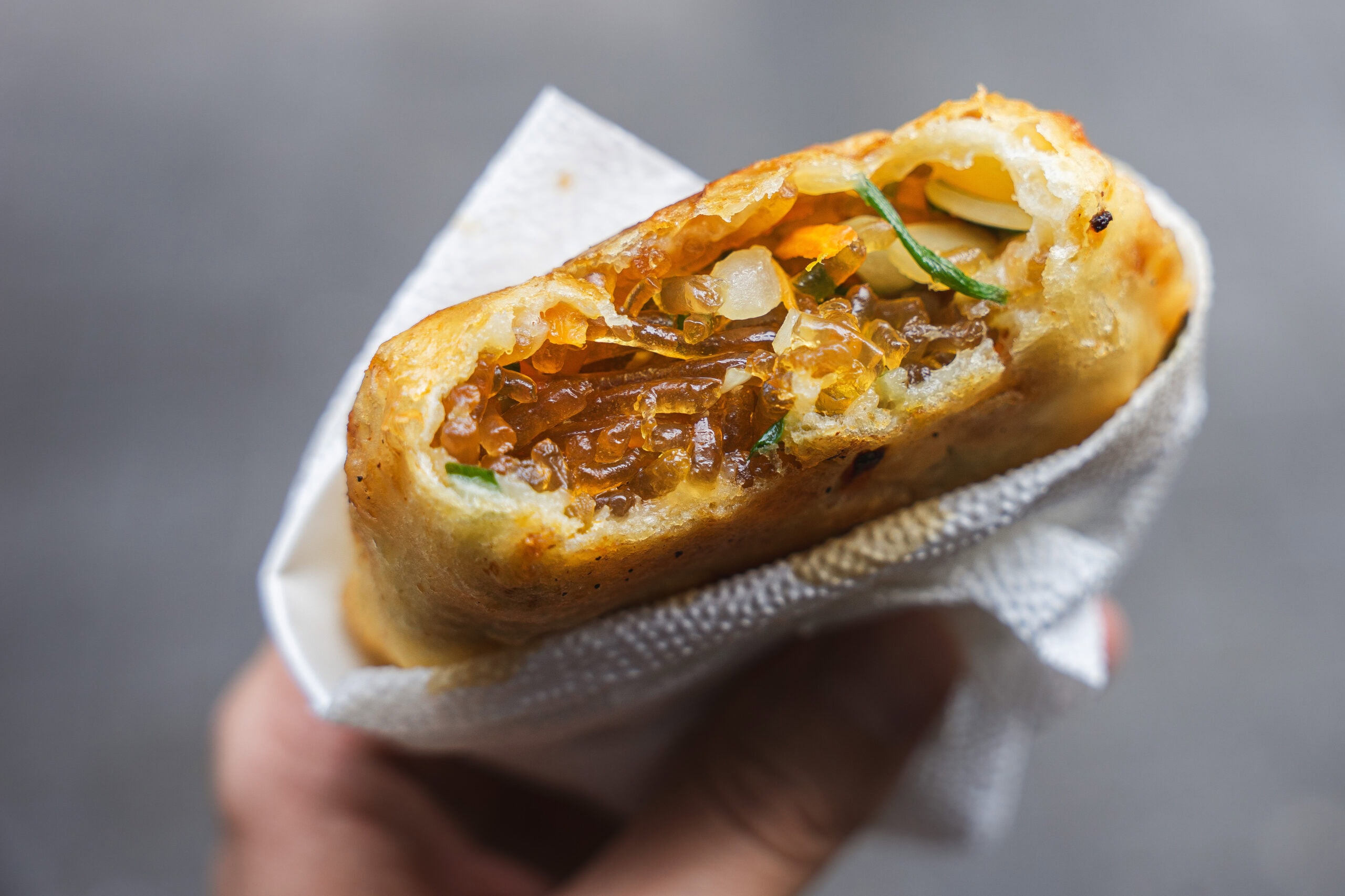
A Namdaemun institution, this stall (located near Gate 2) is almost always surrounded by a swarm of hungry locals and tourists. While the traditional cinnamon and sugar version is available, the Yachae (Vegetable) Hotteok is the real star.
It’s packed with glass noodles, fresh vegetables, and mushrooms seasoned with sesame oil, giving it a flavour profile very similar to japchae.
A word of caution if you go for the sweet hotteok. The sugar filling turns into something dangerously hot and has a habit of escaping at the first bite. I once had it spill onto my camera, which stayed tacky for days afterwards. The savoury vegetable version is far more forgiving and, for me, easily the better choice.
If you do fancy the sweet one, the stall next door sells an excellent iced coffee, which makes a surprisingly good companion while you wait for it to cool.
Namdaemun Market Gate 2 Naver Maps
Jinseong Mandu (Mangwon Market)
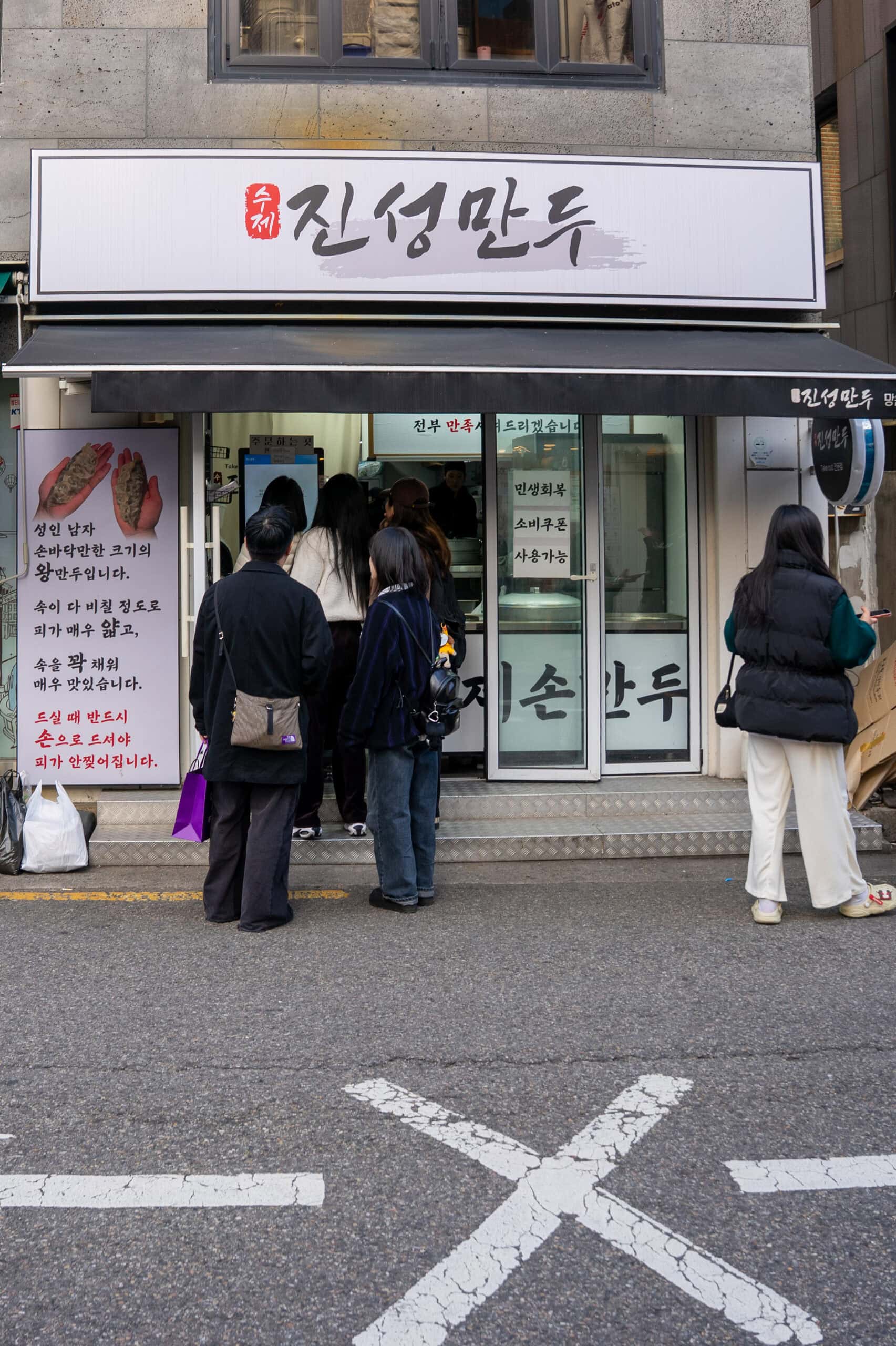

In a side alley, just outside the main Mangwon Market entrance, Jinseong Mandu (진성만두) is a must-visit for dumpling lovers. They specialise in Wang-mandu (King dumplings), and they aren’t joking about the size; these things are easily the size of my hand.
There is no seating here, so it’s a take-away affair. I ordered the meat mandu (since I’m firmly in the no kimchi camp) and Jin had the kimchi version. We ate them right there on the street. It’s better to eat them while they are steaming hot and return the rubbish to the shop rather than carrying the packaging all over Seoul.
Naver Map Location
Hours: 10:00-19:00 (break 14:00-16:00)
Gwangjang Market Bindaetteok
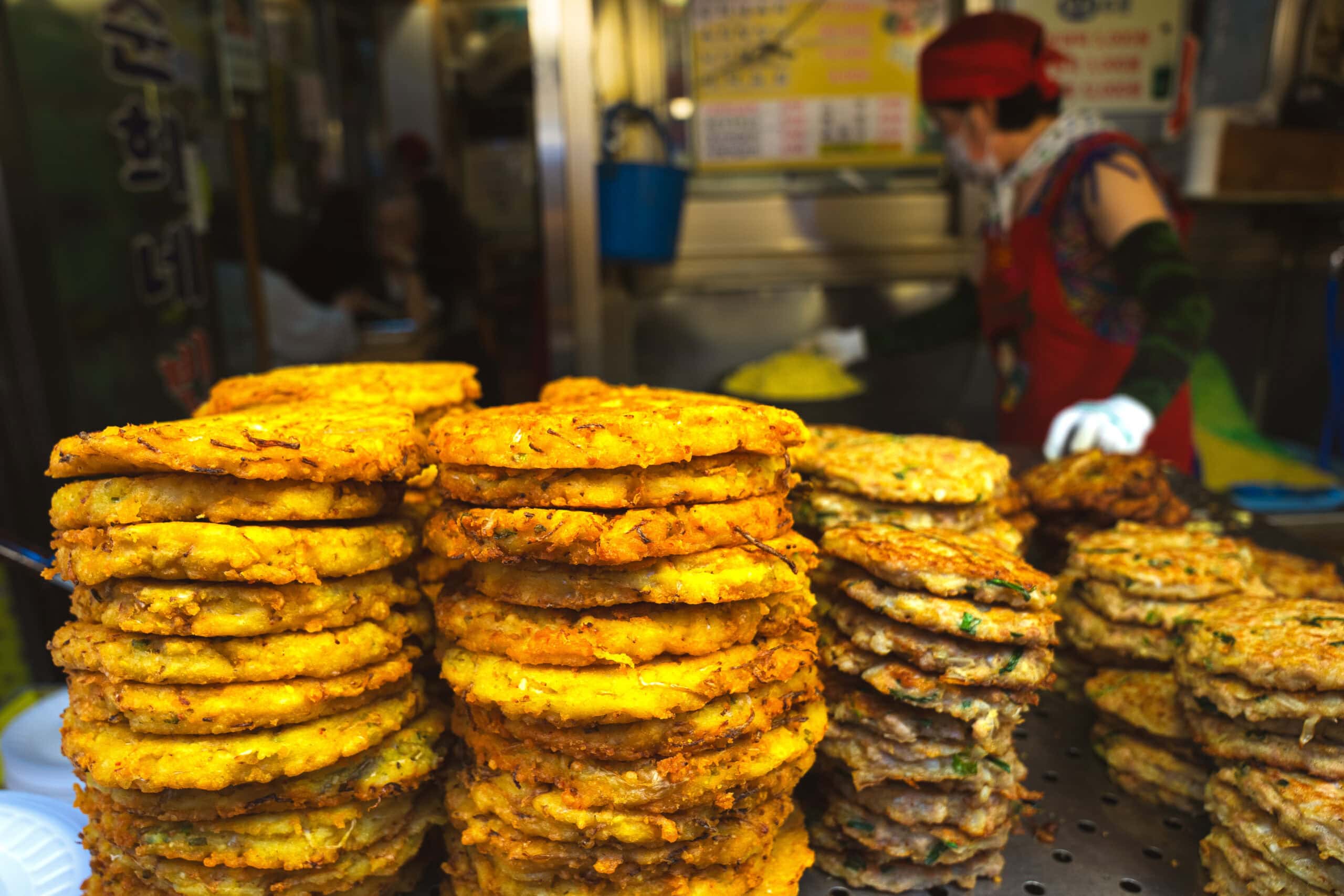
The sight of heavy stone grinders churning soaked mung beans into a thick, creamy paste is the essential Gwangjang Market sight. This batter is then shallow-fried in huge pans until the Bindaetteok (mung bean pancakes) are golden and impossibly crisp. Bindaetteok is the most famous snack to have at Gwangjang Market, and you can find them plain (perfectly vegan) or stuffed with minced meat.
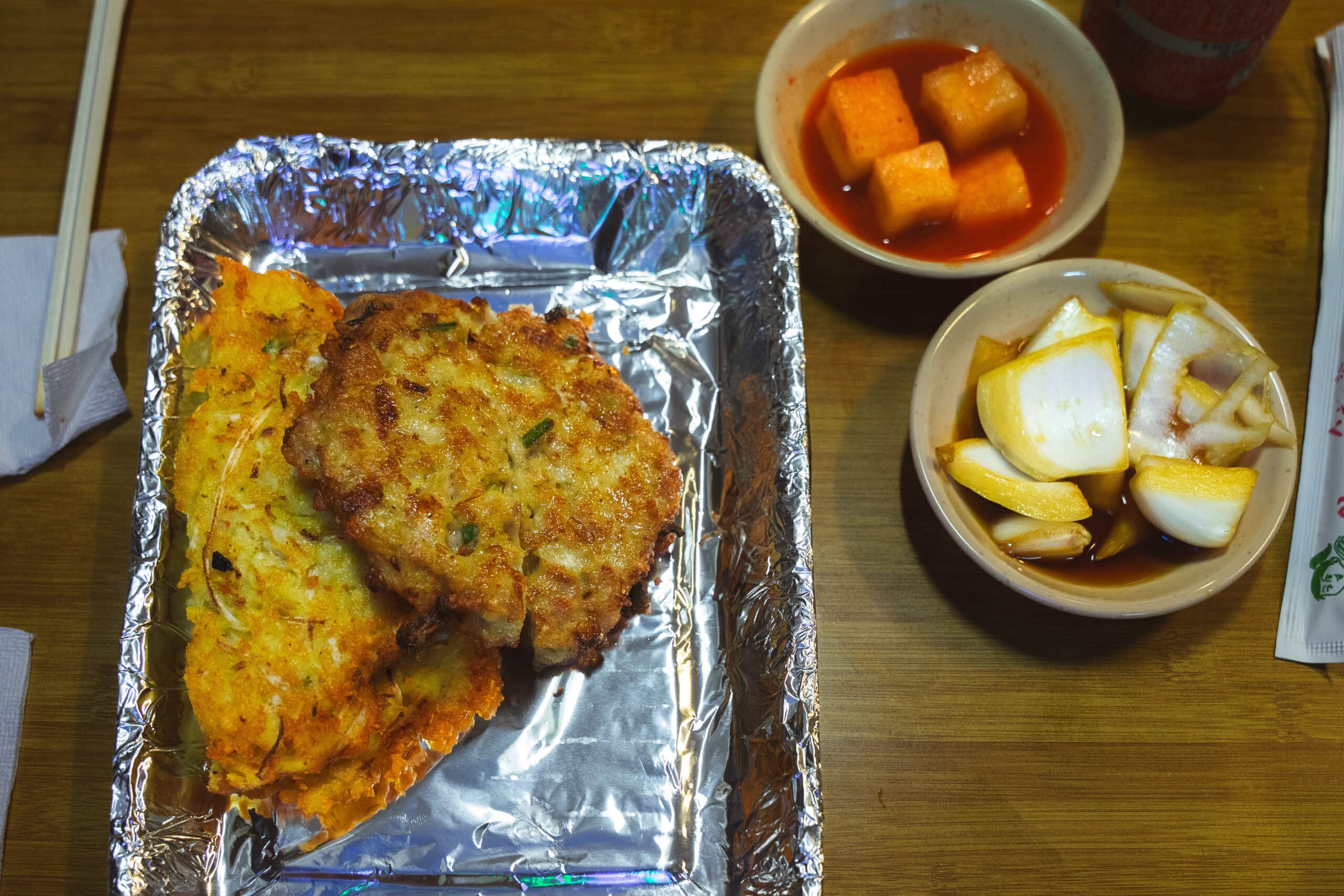
The star of the show isn’t just the pancake, but the dipping sauce is pretty damn fine, too. It’s a mix of soy and vinegar with chunks of pickled onion. That sharp, crunchy onion is essential for cutting through the richness of the fried bean paste.
There is definitely more than just bindaetteok, so take a look at my detailed Gwangjang Market guide to see all the famous Korean street food on offer.
Hodo-gwaja (Walnut Cakes)
These are easily one of my favourite snacks in Seoul, particularly in winter. You’ll usually smell them long before you spot the actual stall. It’s a fact that I’ve aborted my planned subway exit more than once when I’ve caught a whiff of that sweet, baking cake batter floating through the station.
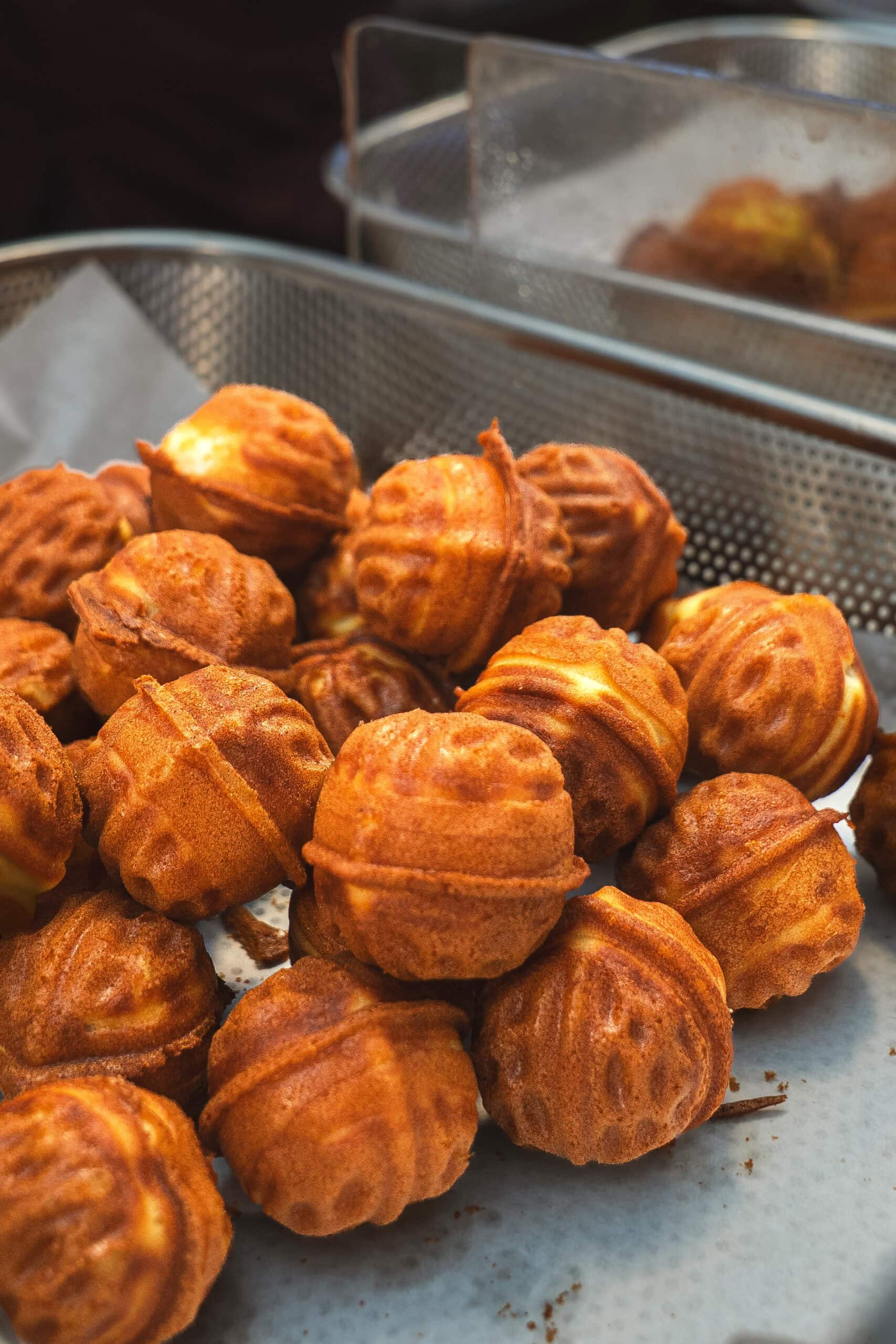
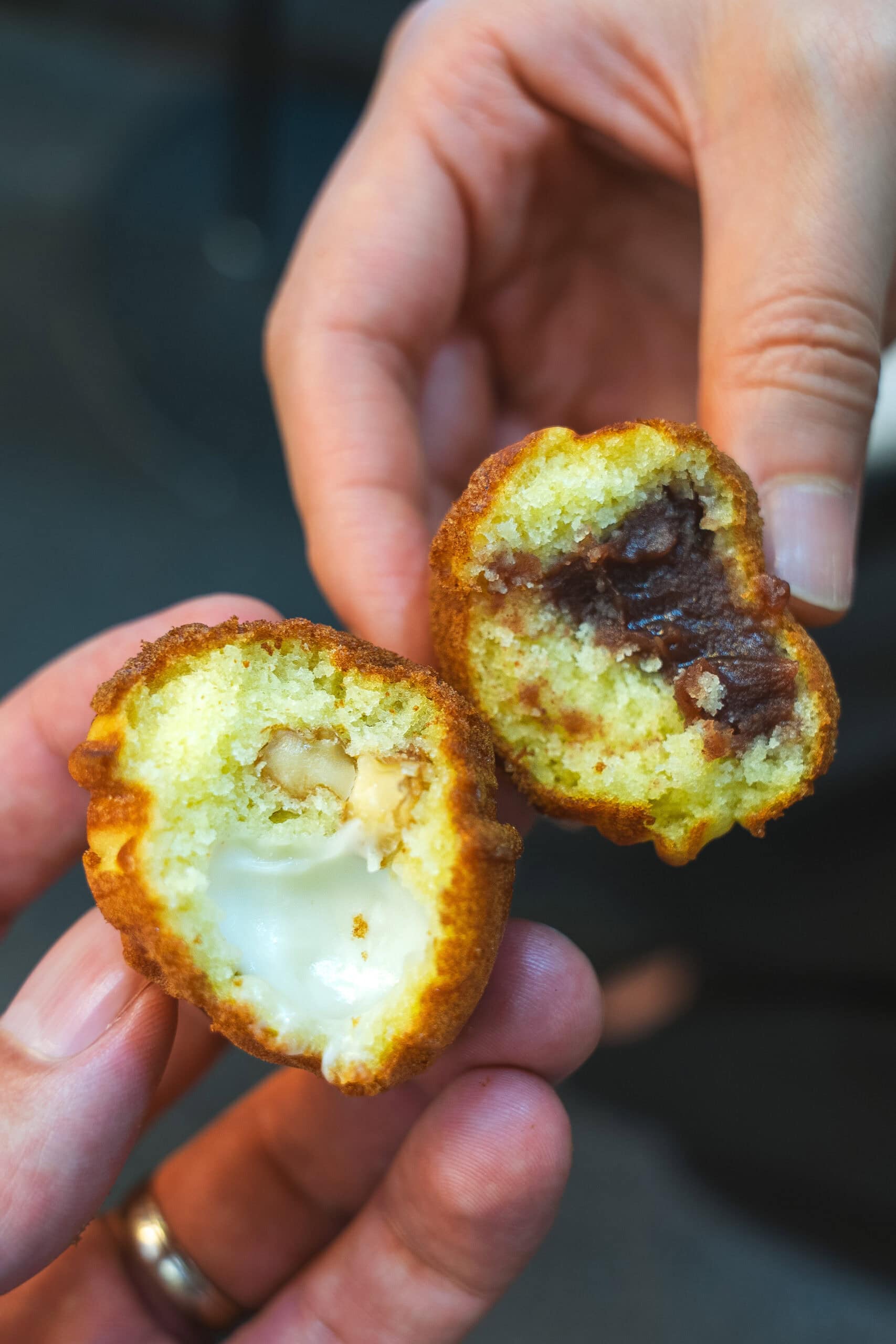
Shaped like walnuts (Hodo), these bite-sized cakes are traditionally filled with red bean paste (Jin’s favourite), but you can also find them filled with a smooth vanilla custard.
While Jin sticks to the traditional red bean, I am firmly on Team Custard. They are best eaten when they are so hot you have to toss them from hand to hand before taking a bite.
Authentic Seoul: Sit-Down Meals & Culinary Traditions
This is where you experience the true heart of the city’s dining culture. In Seoul, these aren’t just quick lunches; they are often multi-stage events that reveal the rich, flavourful layers of authentic Korean cuisine.
Deungchon Kalguksu (등촌칼국수)
If I had to pick one non-negotiable meal for every Seoul trip, this is it. It’s a franchise with branches all over the city (we usually head to the ones in Hapjeong or near Sungshin Women’s University), and it’s famous for being three meals in one.
Part 1: The Shabu Shabu. It starts with a steaming pot of spicy broth topped with a mountain of fresh mushrooms and fragrant water parsley (minari). You order thinly sliced beef—cut paper-thin—and flash-cook it in the boiling broth. This is the shabu shabu stage, named for the “swish-swish” sound of the meat in the water.
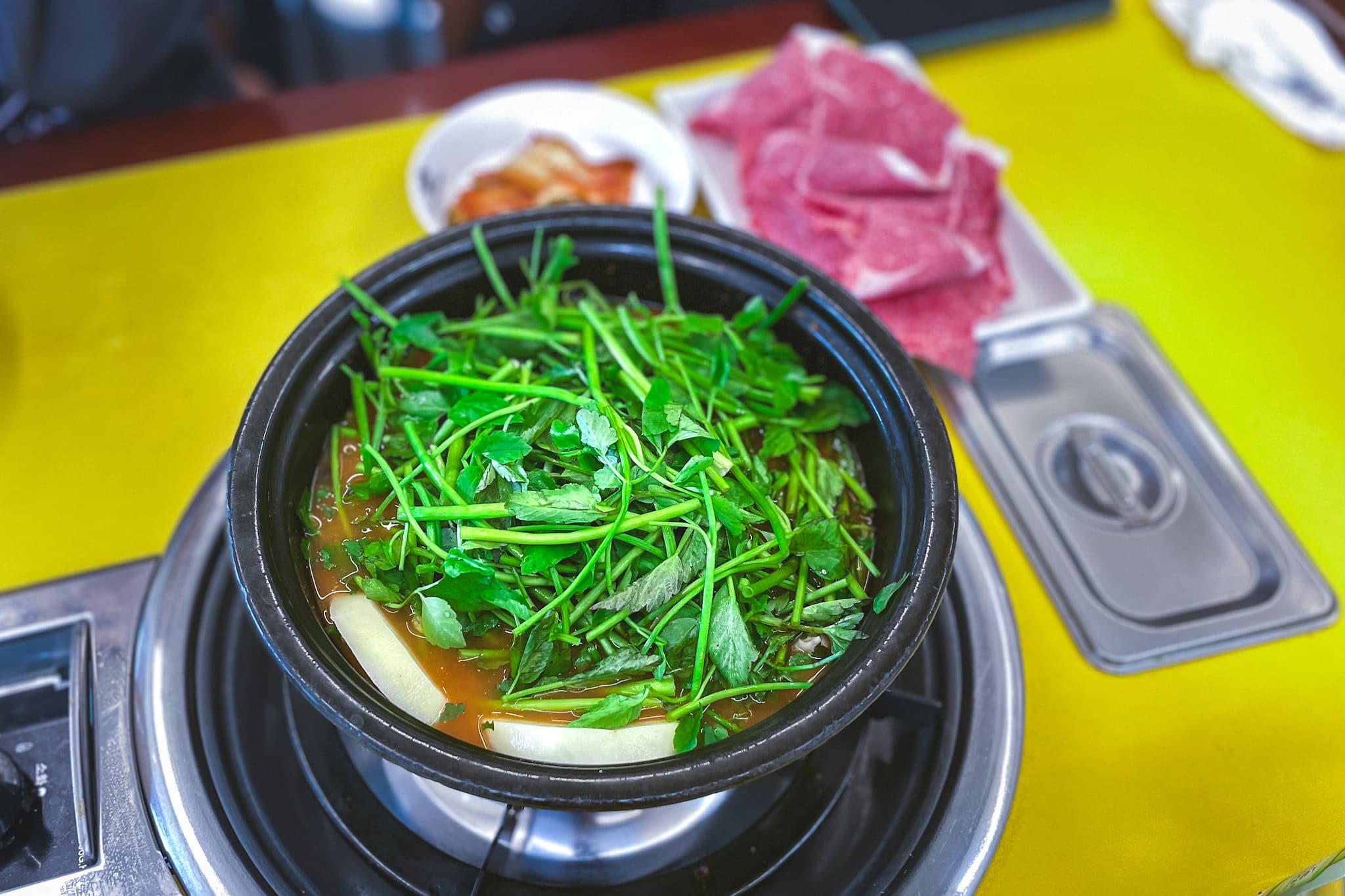
Part 2: The Transformation. Once the meat is gone, you add the thick, hand-cut kalguksu noodles. As they cook, the starch thickens the broth, turning it from a light soup into a rich, gravy-like stew.

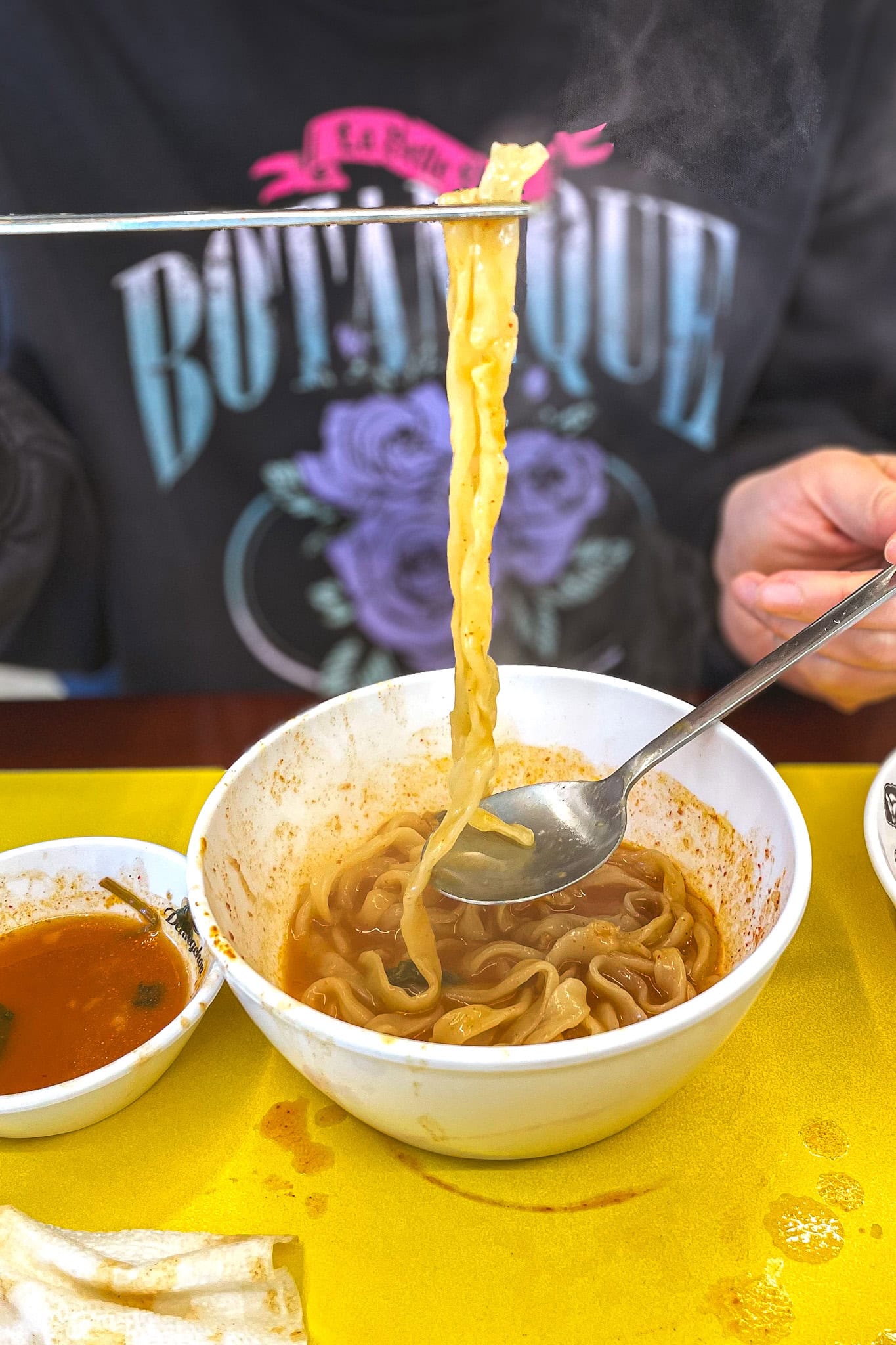
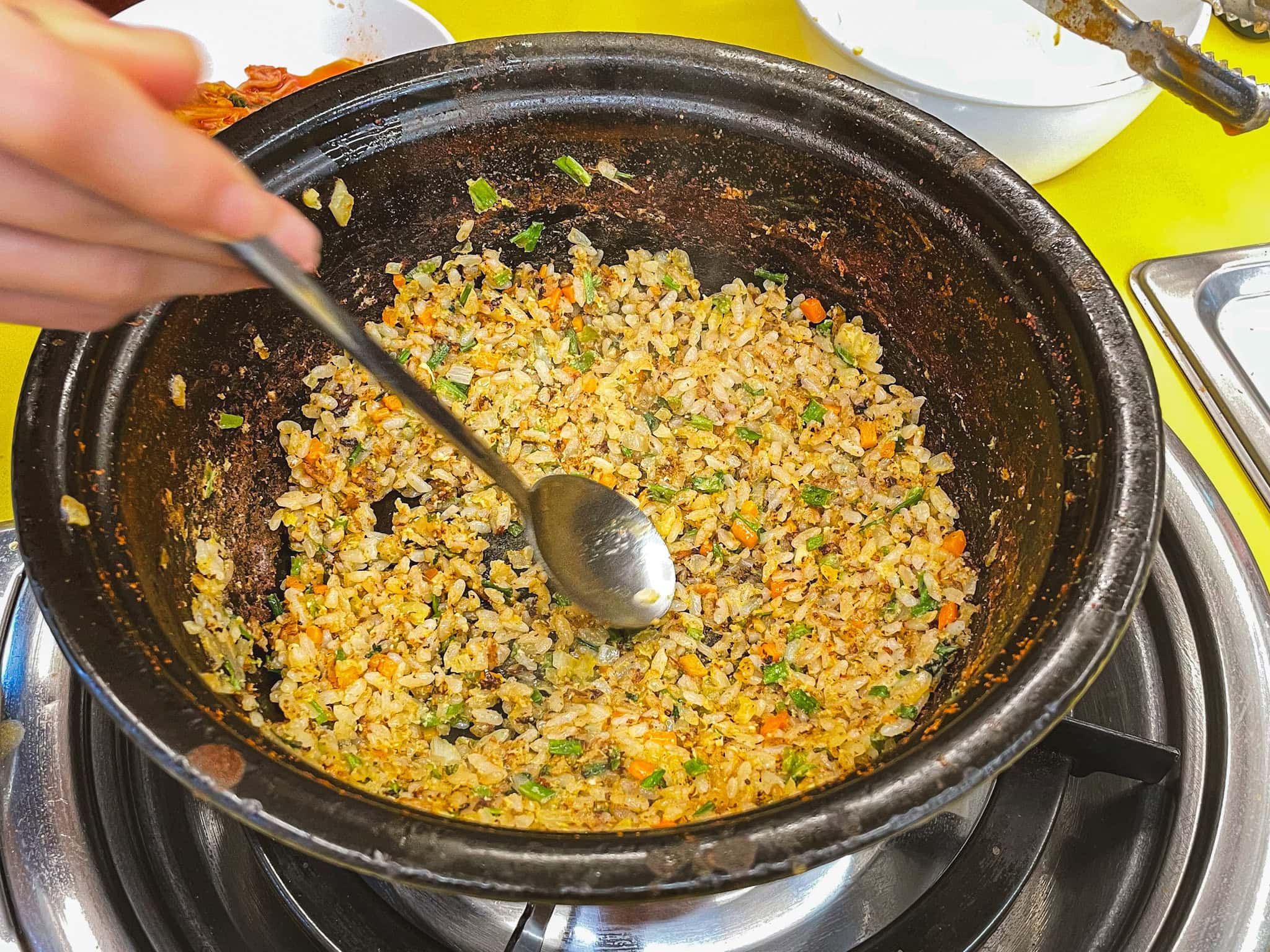
Part 3: The Finale. Just when you think you’re finished, the waiter takes the remaining dregs of the broth and whips up a legendary egg fried rice in the same pot. It’s the perfect, crispy-bottomed end to the meal.
Location: Copy-paste 등촌칼국수 into Naver Maps to find the nearest branch
Kyoja (명동교자) (Myeongdong)
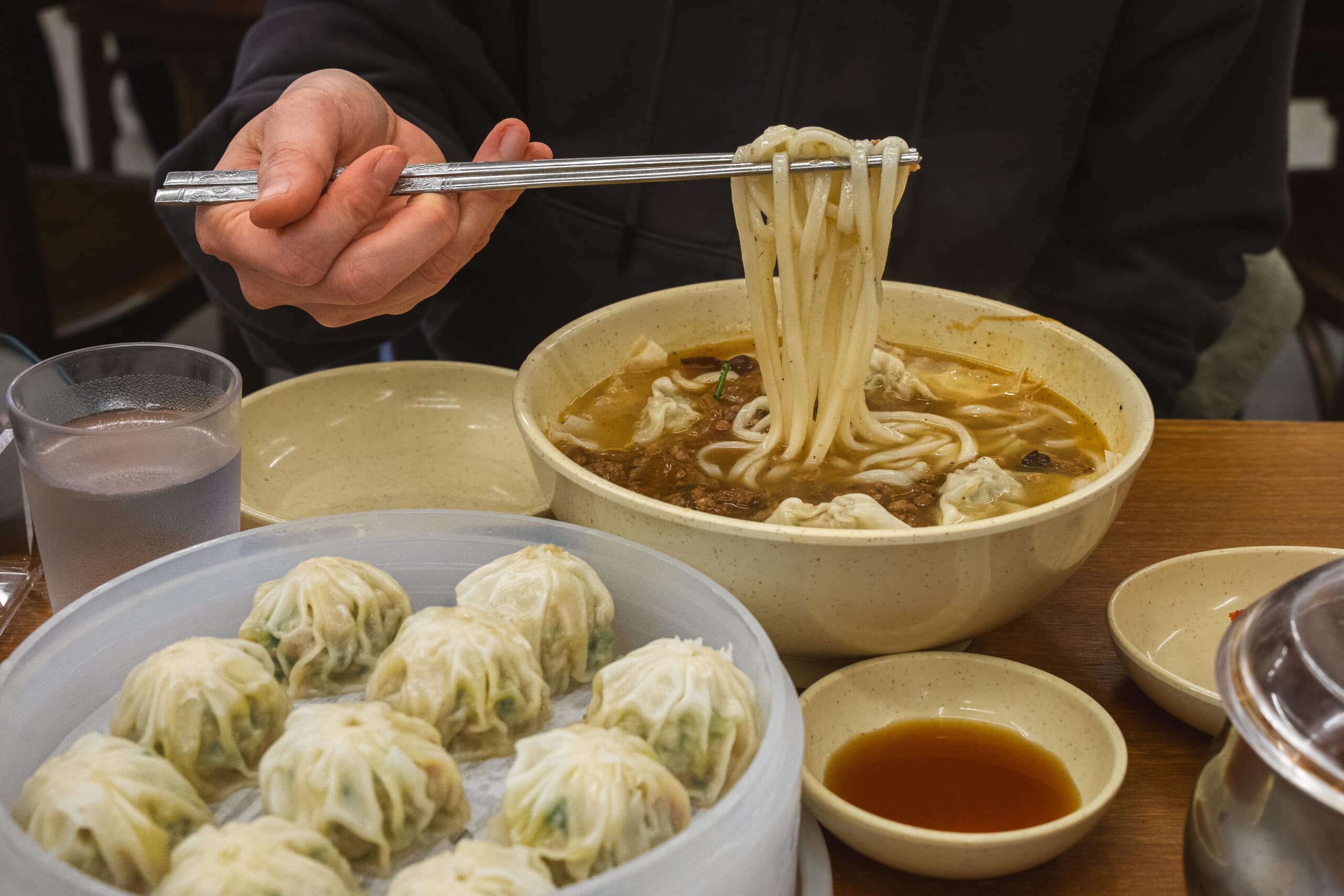
Myeongdong restaurants are often dismissed as tourist traps, and I’ll admit I had my doubts about Koya at first. Every Seoul food blog written by a tourist passing through lists it, but when I mentioned Kyoja to Jin she said she’d been there several times before and loves it, so it gets the locals’ approval.
Located near Myeongdong Station, this place is a well-oiled machine spread over two floors. It’s a fascinating mix of old-school flavours and high-tech service. You pay upfront, get a table number, and then a robot delivers your bowls of noodles and trays of dumplings directly to you.
The dumplings (mandu) are incredible, and the kalguksu broth has a depth that makes it stand out even in a neighbourhood famous for noodles. It’s proof that sometimes the must-eat spots on every blog are popular for a very good reason.
Location: There are several branches in Myeondong. We went to the large one (Naver Map location) by Myeondong Station exit 8.
Tteokbokki Town (Sindang-dong)
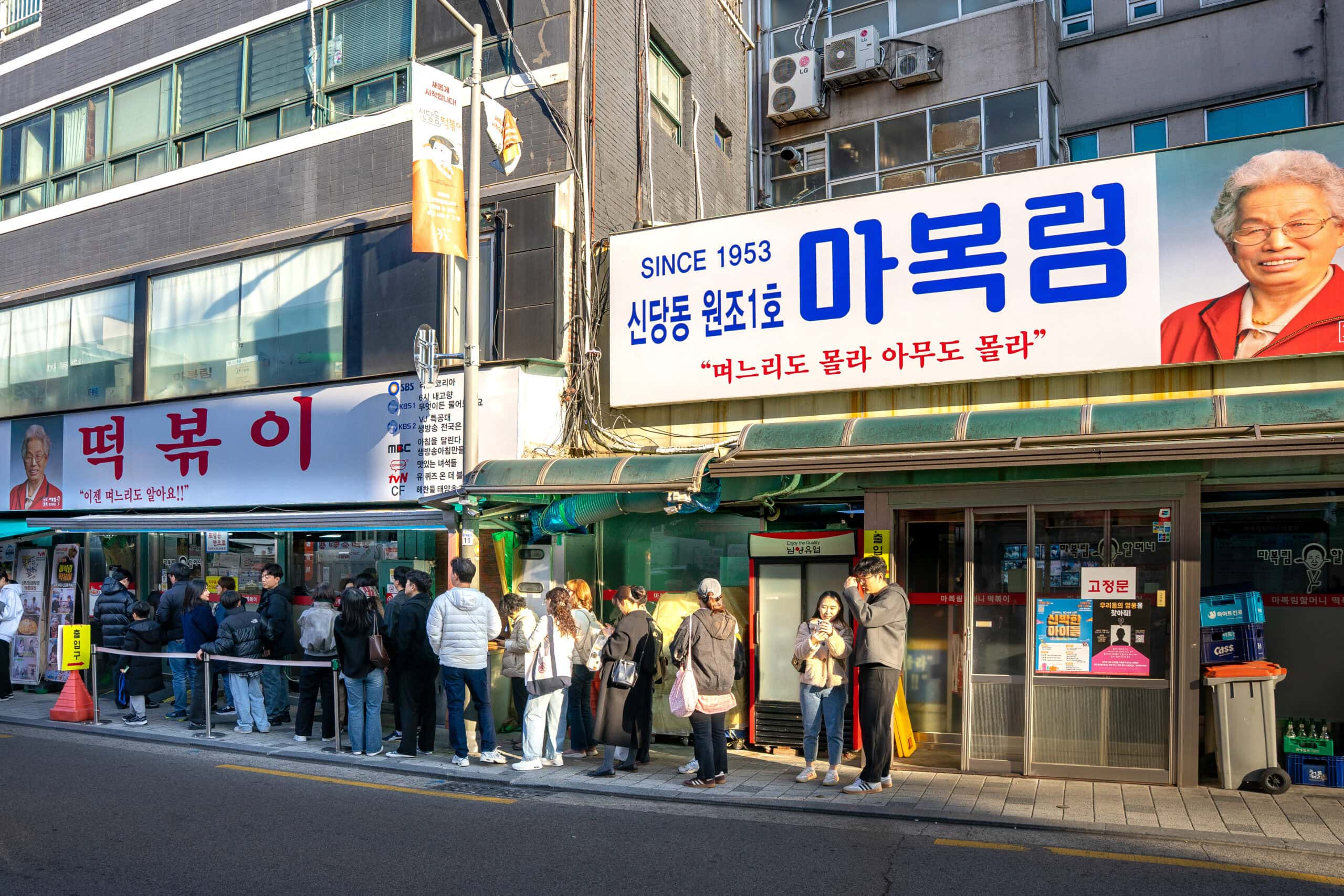
You’ll see tteokbokki (those chewy, sausage-shaped rice cakes smothered in a spicy red pepper sauce) on almost every street corner in the city. But for a proper sit-down experience, you have to head to Tteokbokki Town in Sindang-dong. This entire street is flanked by legendary restaurants dedicated to the dish.
We originally had our eyes on Maboklim Tteokbokki 마복림 떡볶이, the most famous spot (look for the photo of the Grandma on the sign), but the queue was staggering. Jin laughed that the Grandma must be in Tteokbokki heaven by now, as her face has been on that sign since Jin was in middle school!
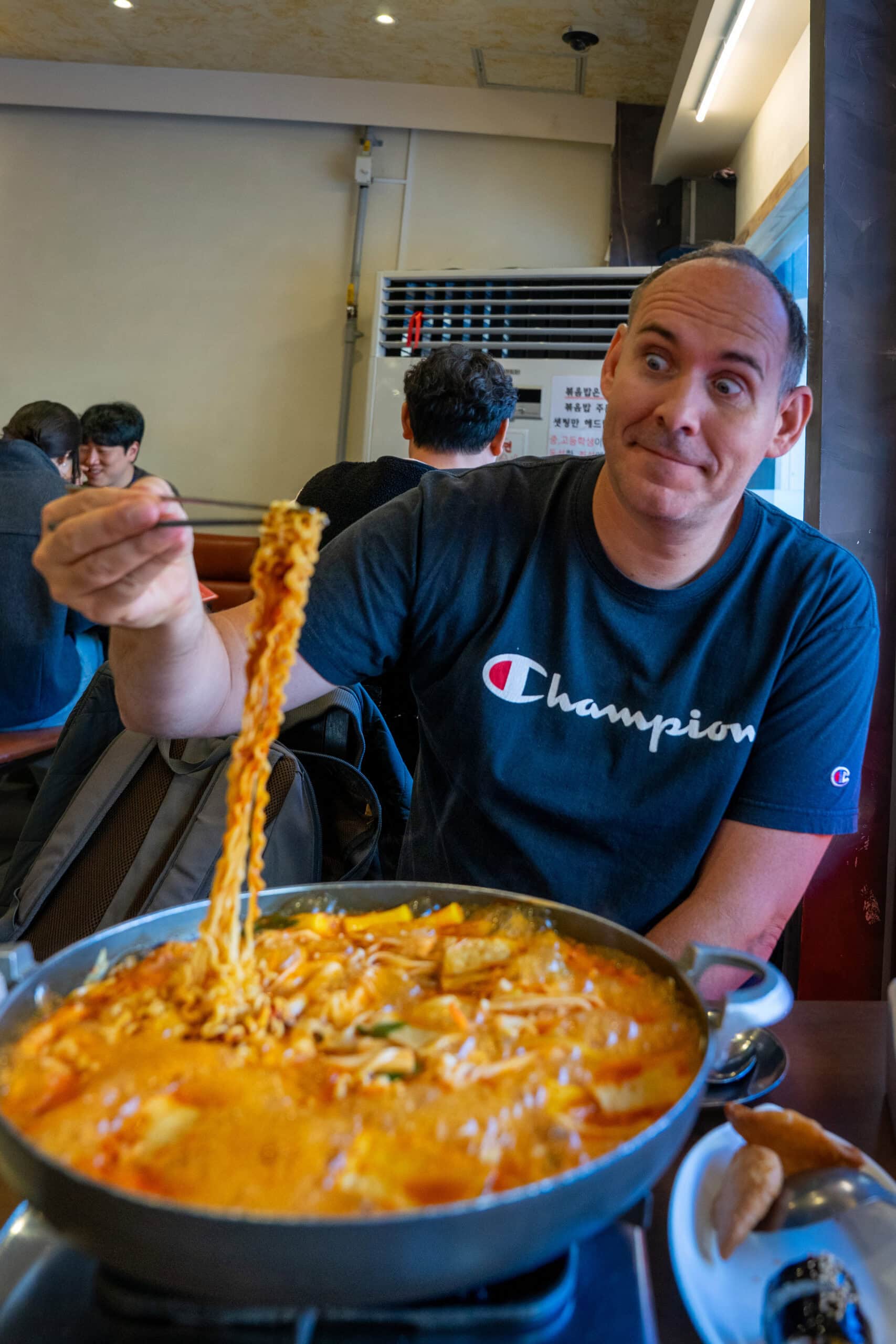
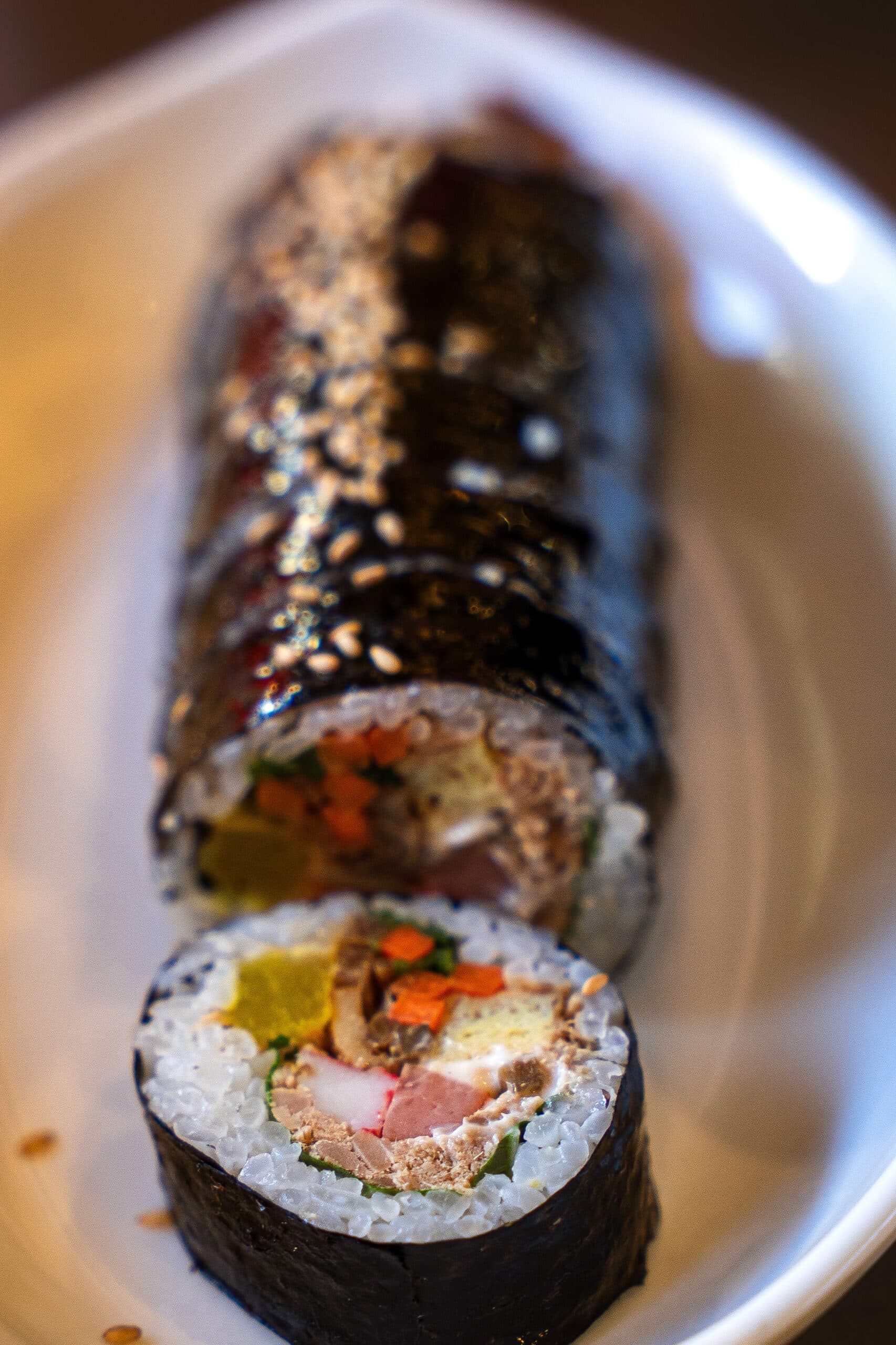
We ducked into I Love Sindangdong (아이러브신당동), a busy spot across the road instead, which turned out to be a gem. It had a nostalgic yet trendy vibe, complete with a DJ booth playing golden oldies.
We went for the Rabokki—a massive, bubbling pan of ramen noodles, rice cakes, cabbage, and a mountain of melted cheese. It’s the ultimate comfort food and a far cry from the small paper cups you find on the street. There was also a tuna kimbap, perfect for dipping into that hot-and-spicy sauce.
I Love Sindangdong is open 24/7 (closed on the 1st and 3rd Monday of each month). Naver Map Location
Kimbap Cheonguk (The Orange Place)
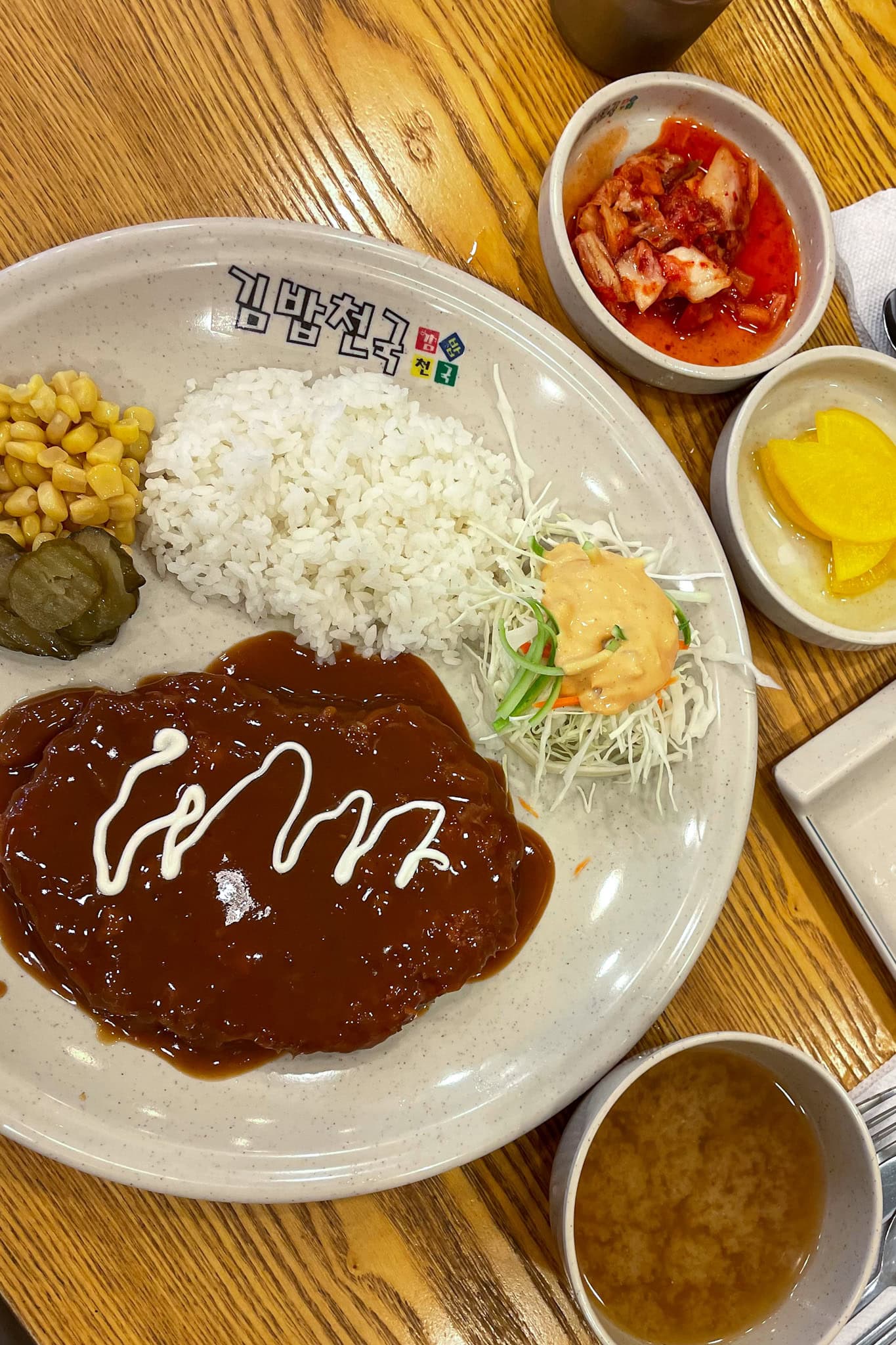
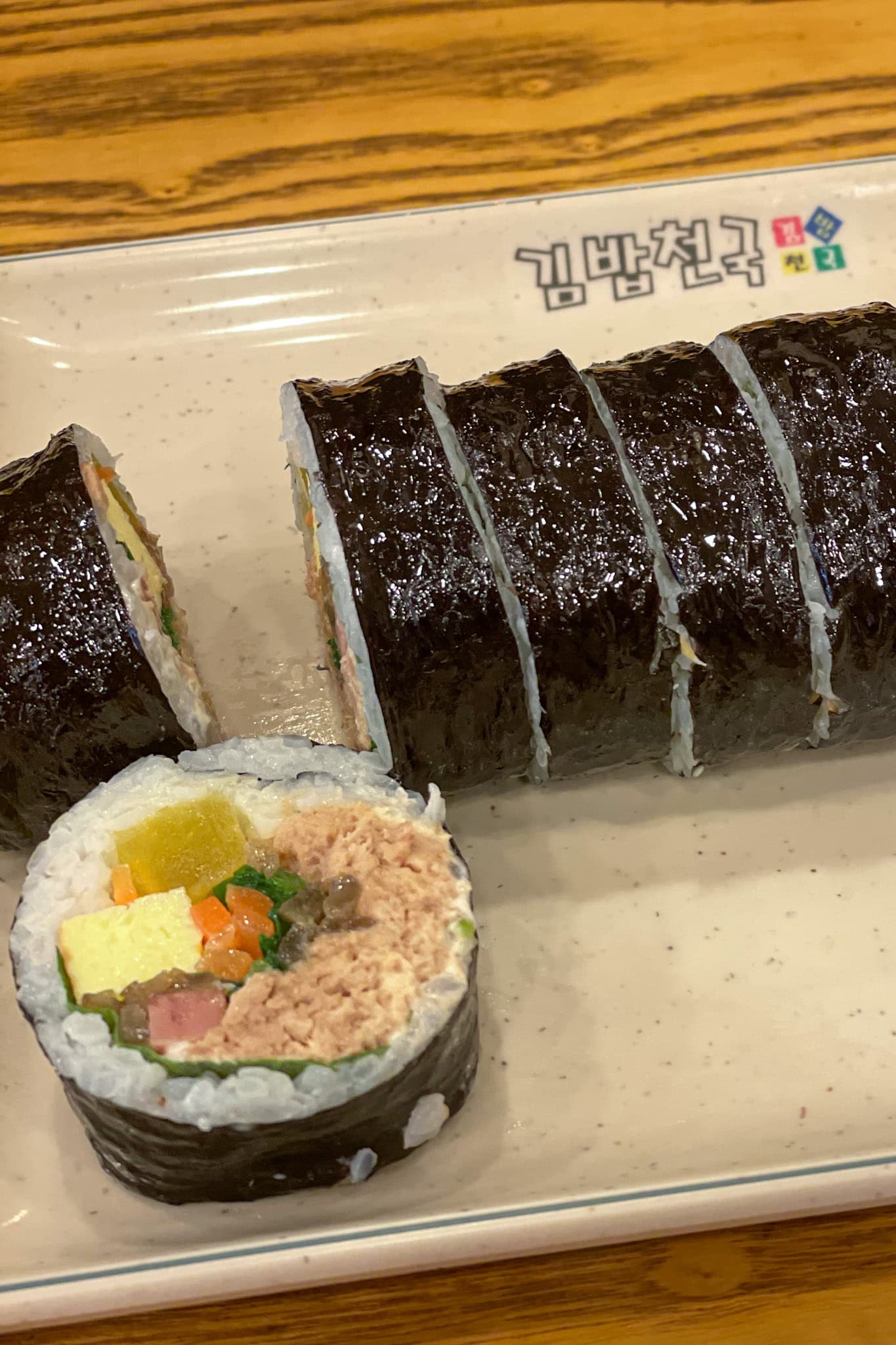
During my days as an ESL teacher, we had a rotation of cheap lunch spots around my hagwon (private academy)—one for every day of the week.
Tuesday was always Kimbap Cheonguk (김밥천국) day, though we simply called it The Orange Place thanks to its cheerful, ubiquitous orange sign. The name actually means Kimbap Heaven. This franchise is a national treasure, offering no-nonsense Korean comfort food at prices that won’t dent your travel budget.
I am a total sucker for their donkas (crumbed, deep-fried pork cutlet). It’s usually massive, sometimes taking up half the plate, smothered in a rich, slightly sweet brown gravy, and served with bowl of miso soup, a scoop of rice and a mound of crunchy coleslaw.
While I always stick to the classic donkas, you can get more adventurous versions stuffed with cheese, sweet potato, or even kimchi. The cheese donkas was usually reserved for payday 😝 .
Location: Scattered throughout Korea, especially near universities. Search for 김밥천국 on Naver Map.
Samgyeopsal / Korean BBQ
Korean BBQ is the one thing you absolutely must not miss when visiting Korea. Unless you’re a vegan or vegetarian—in which case you’ll be sticking to the perilla leaves and tofu—this is the ultimate social dining experience.
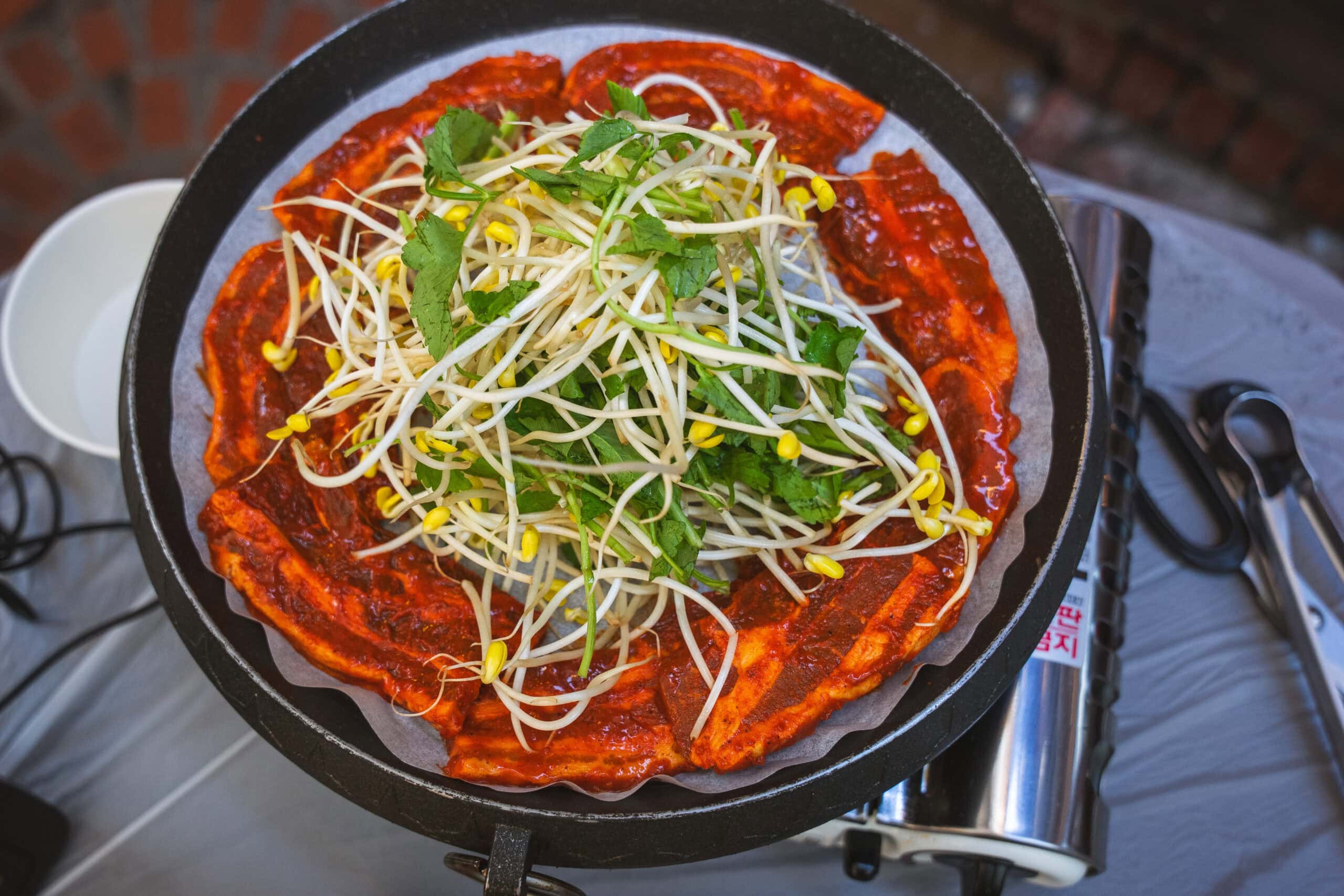
When we go for a Gogi-jib (meat house) session, our order almost always includes a mix of beef and the legendary samgyeopsal. The name literally translates to three-layered flesh, referring to the three distinct layers of fat and meat in the pork belly. It’s rich, melt-in-the-mouth, and incredibly tasty.
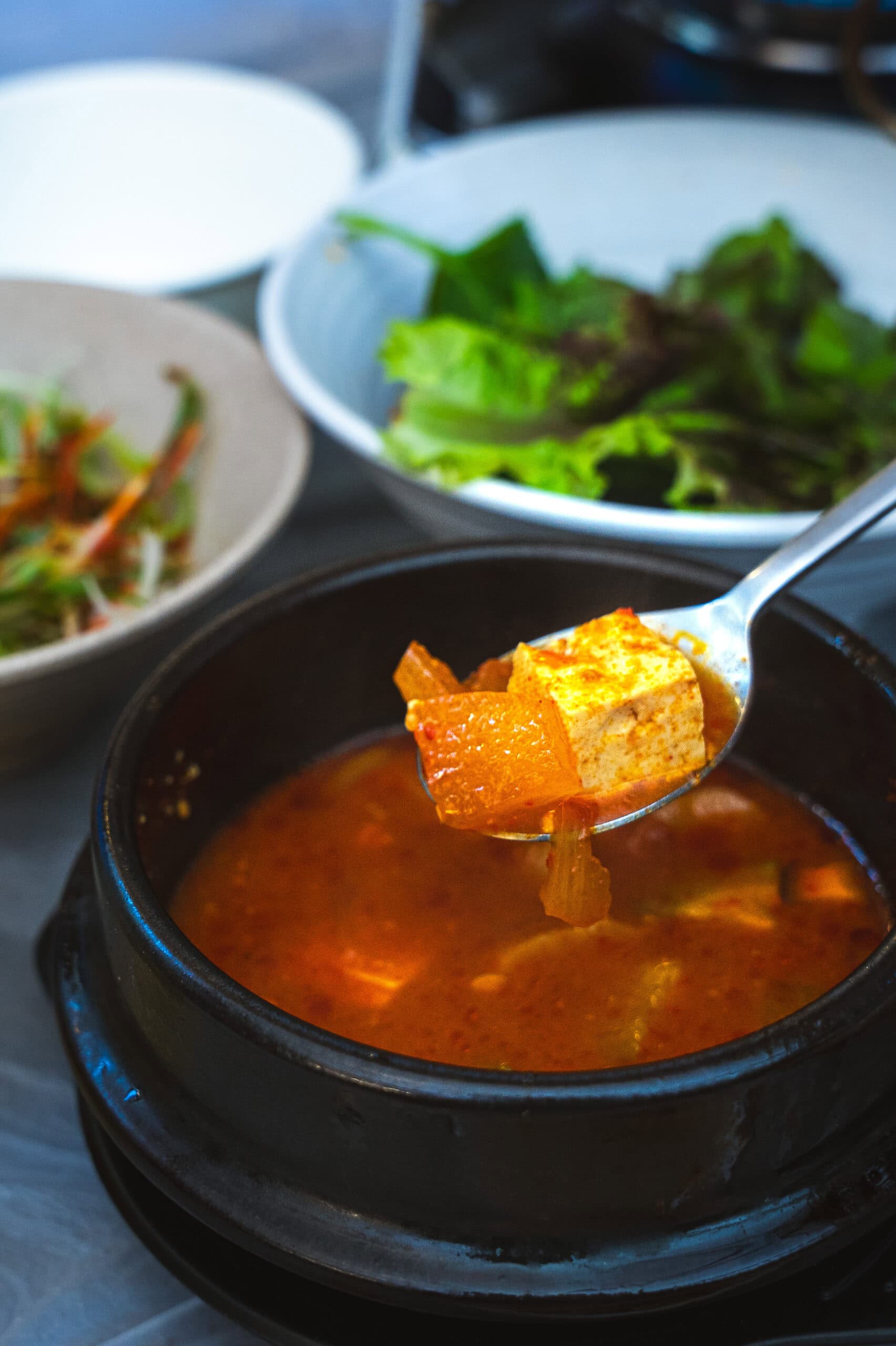
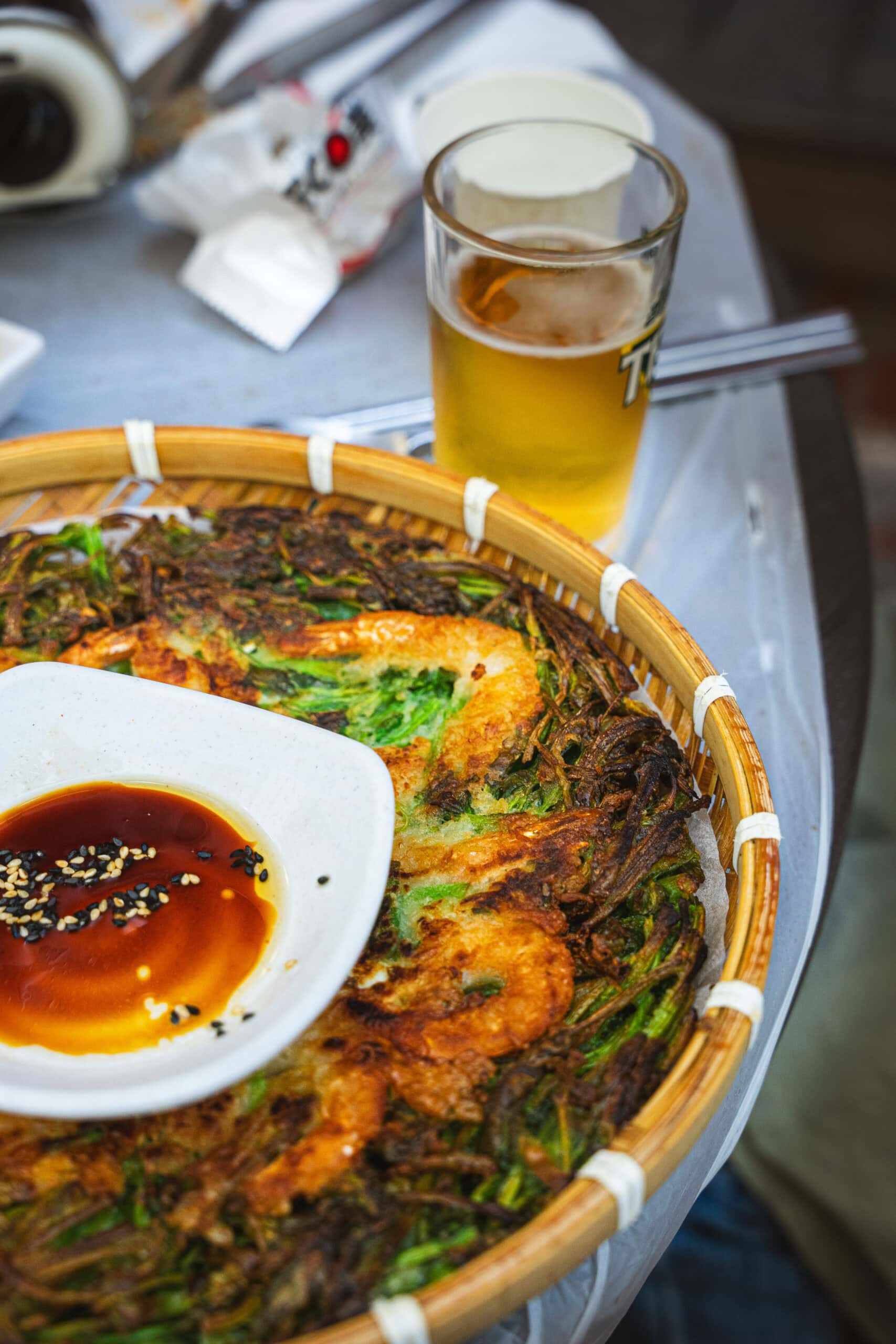
On our most recent trip, we had a damn fine BBQ at a Gowoondon (고운돈) in Ikseon-dong. This retro place, tucked inside a beautifully renovated Hanok house, is one of the most popular BBQ restaurants in Ikseon-dong thanks to it’s lovely setting. There’s something special about grilling meat outside in a hanok courtyard in the middle of Seoul
We ordered the spicy marinated samgyeopsal along with a side of shrimp and green onion pancake and a bubbling Doenjang-jjigae (soybean paste stew). A few bottles of ice-cold Cass beer to wash it all down with, and you have yourself the quintessential Seoul evening.
Location: Naver Maps
Hours: 15:00-22:00
The Netflix & Fame Trail
Some of the best food in Seoul is now famous globally thanks to streaming. These two spots were featured on Netflix’s Street Food: Asia, and while the fame has brought crowds, the quality (and the character of the owners) has remained.
Gohyang Kalguksu (The Netflix Lady at Gwangjang)

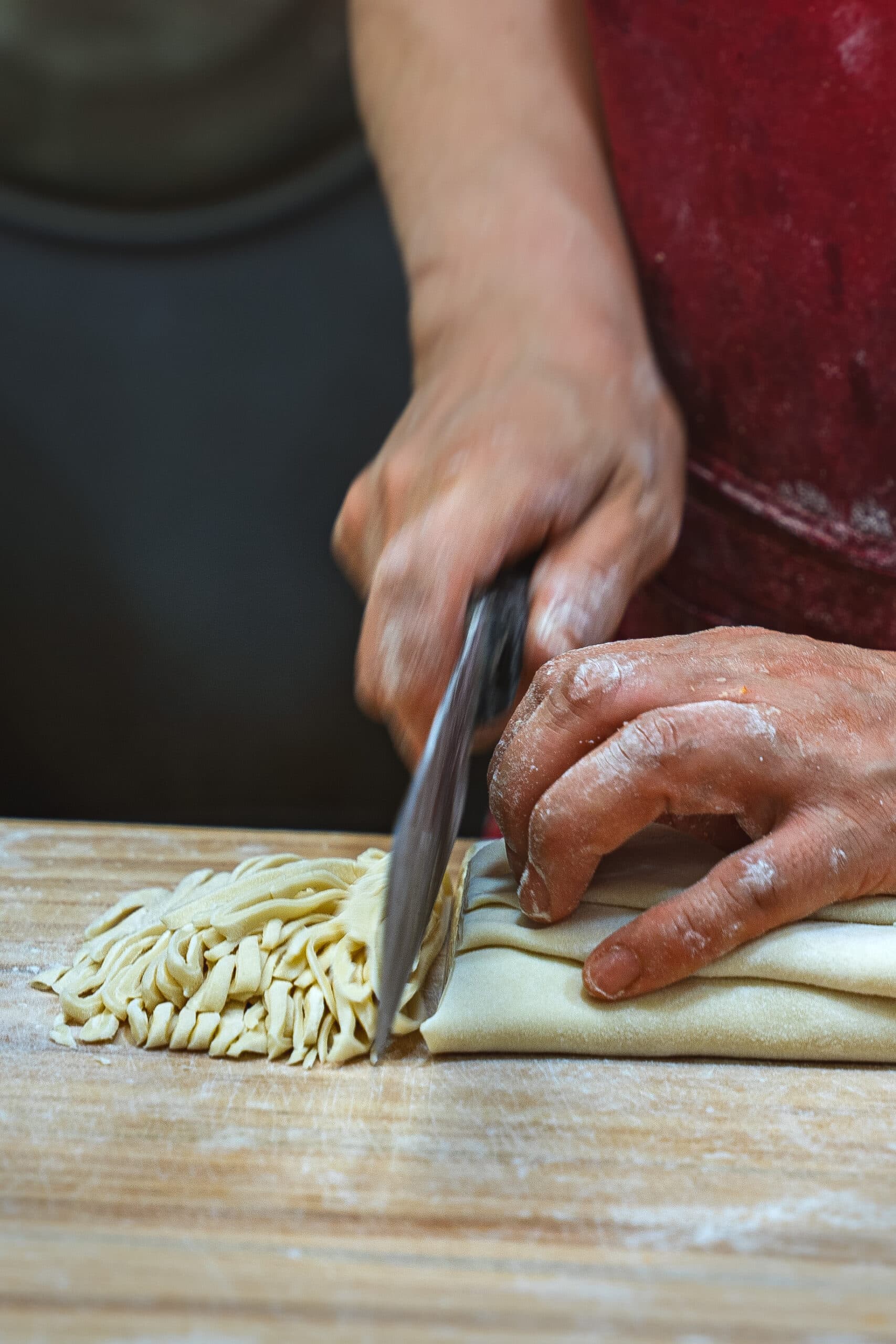
The long line waiting for a seat tells you that this stall is either famous because it was on TV or the food is dynamite. In this case, it’s both. Cho Yon-soon has become a local celebrity, but she still runs her stall in the heart of Gwangjang Market with incredible energy.
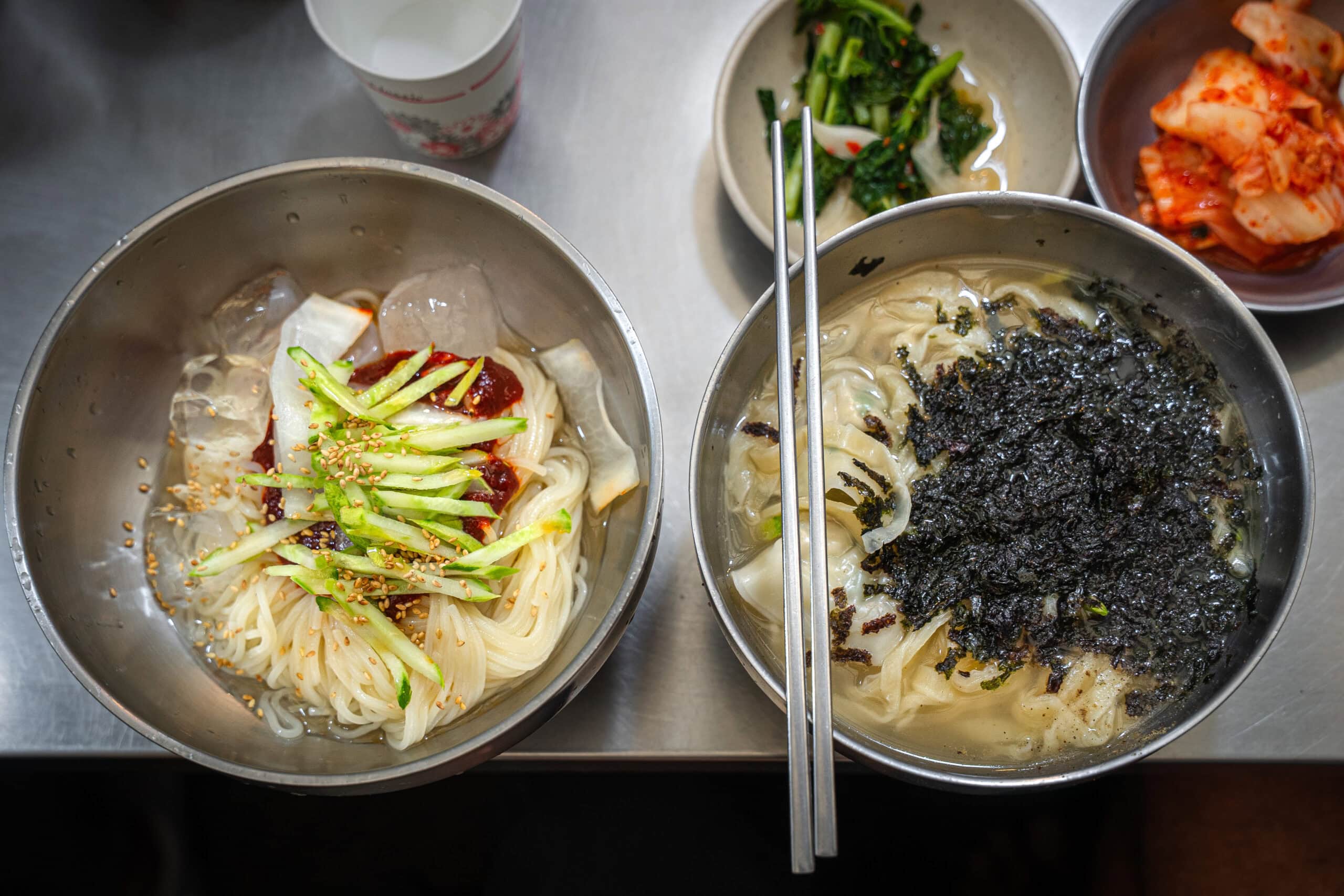
I ordered the Mandu Kalguksu (noodles with dumplings), and Jin had the cold Bibim-myeon. The noodles were perfectly chewy, the broth tasted like home, and the mandu were bursting with flavour.
It’s incredible to see how this stall runs like a well-oiled machine. You get to watch the Netflix Lady herself rolling out dough and hand-cutting noodles right in front of you while you eat. It’s a masterclass in market cooking.
The Baffle (Dongdaemun Food Street)
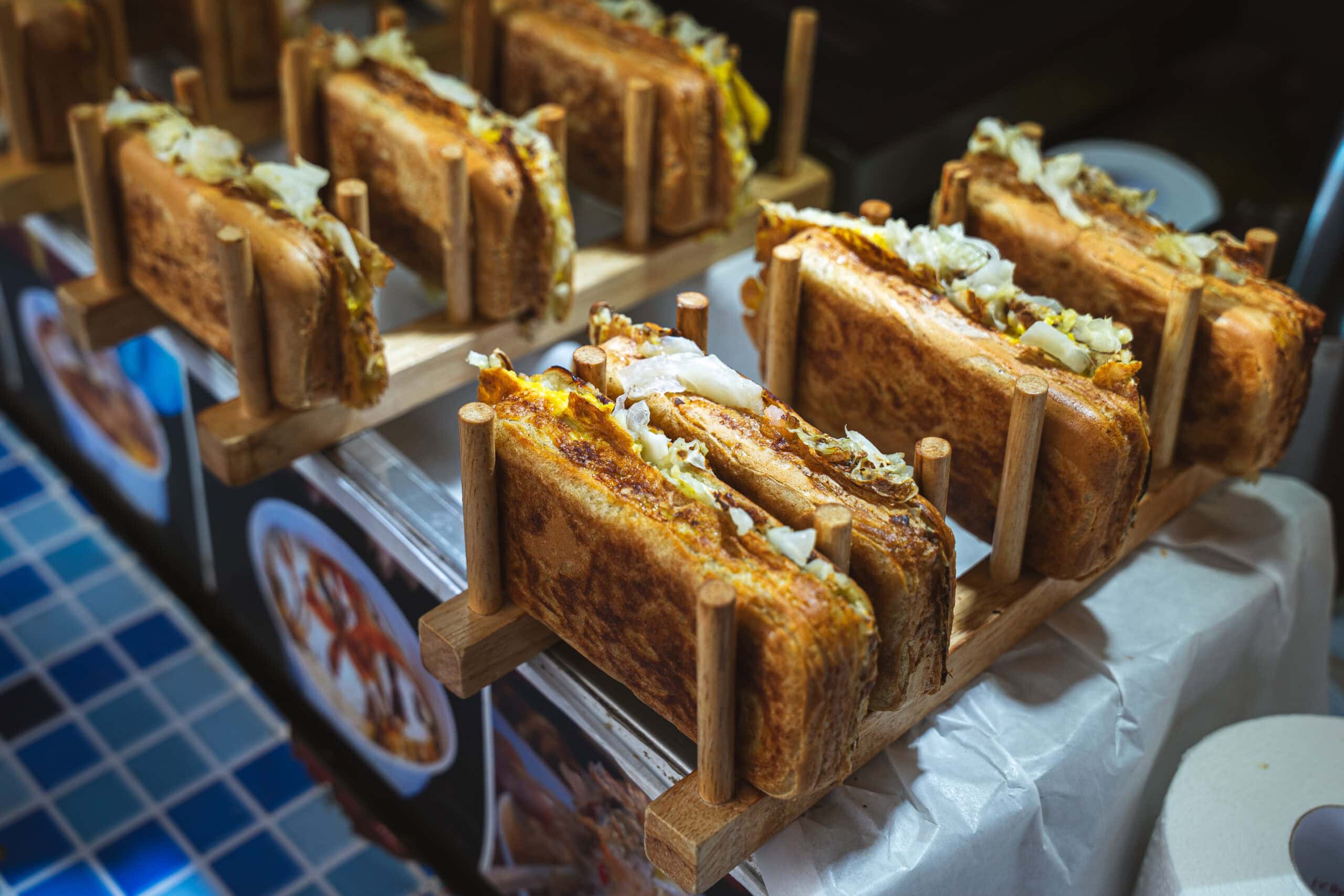
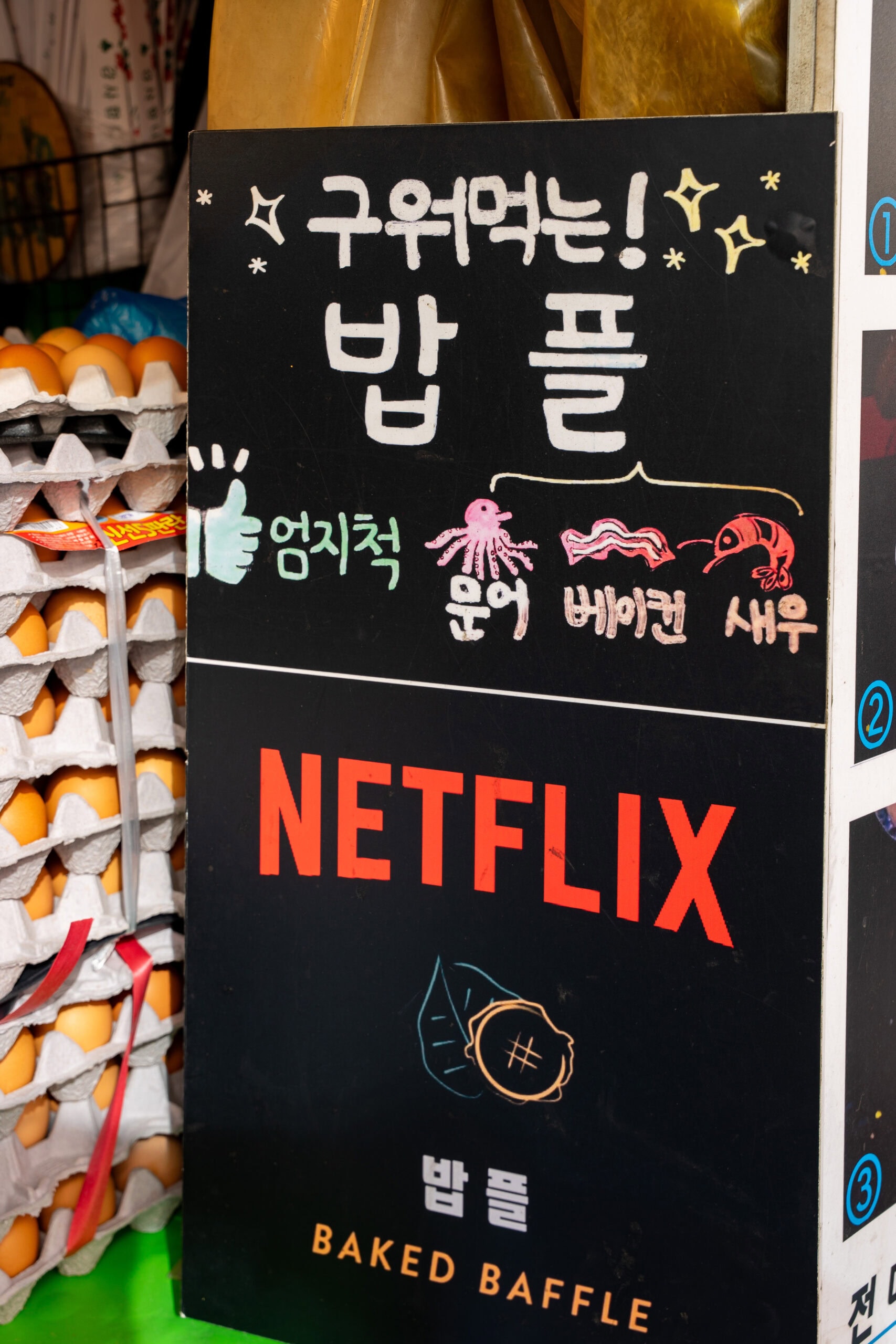
If you wander over to the food street near the DDP in Dongdaemun, you’ll find another Netflix star. This stall belongs to a lady who invented the Baffle.
The baffle is a clever hybrid of bap (the Korean word for rice) and a waffle. It’s a patented invention that perfectly captures Seoul’s love for creative snacks.
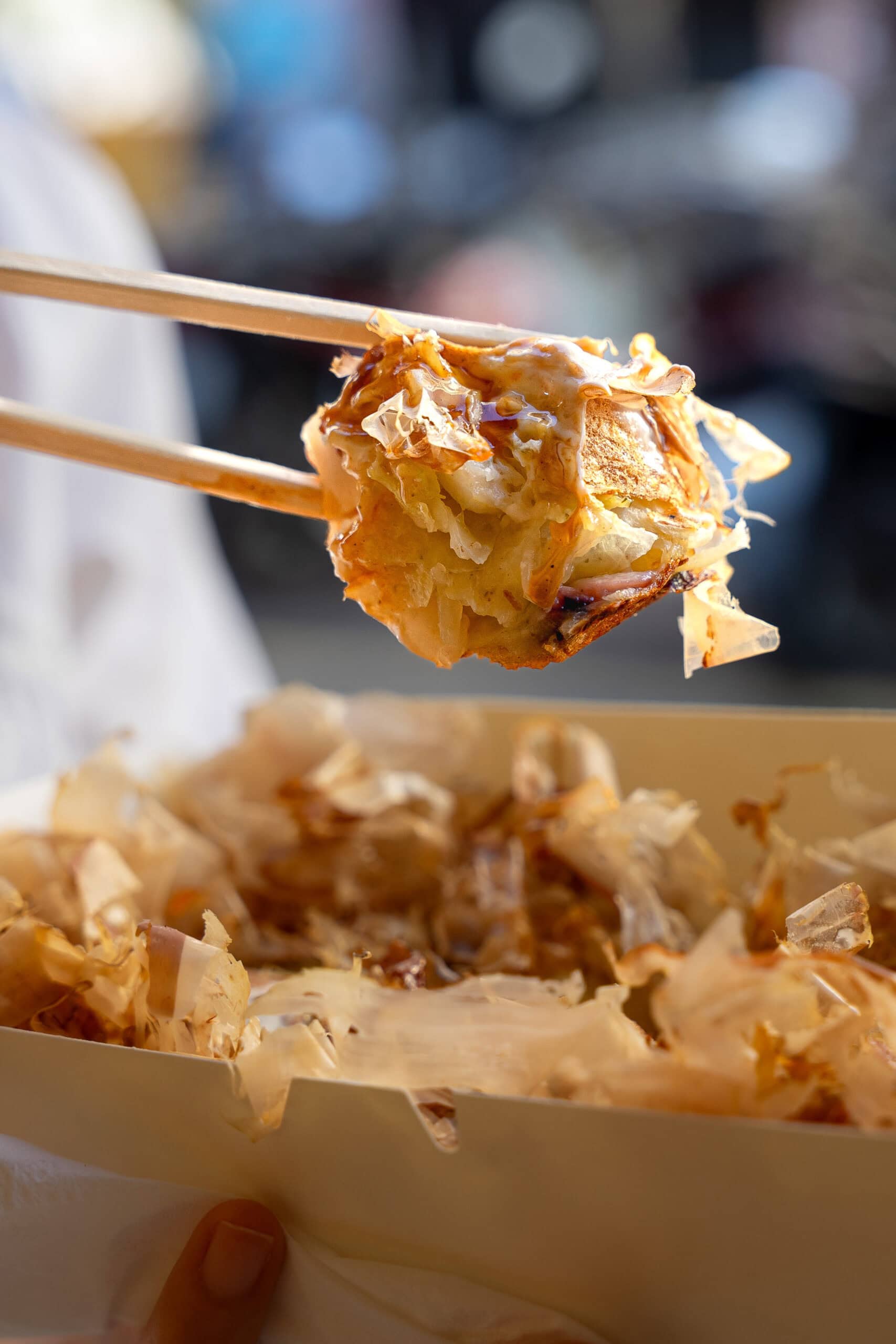
We went for the Combo Baffle, which comes packed with bacon, shrimp, and octopus. The rice mixture is pressed into a waffle iron until it’s crispy on the outside, then slathered in creamy mayo and topped with a generous flurry of dancing bonito flakes.
The taste and texture reminded me instantly of takoyaki. It’s savoury, chewy, and surprisingly filling. This street food stall in Dongdaemun is a great example of how Seoul takes a traditional staple like rice and turns it into something trendy.
Location: The stall is on Dongdaemun Food Street, somewhere near this Naver Map pin.
Our Favourite Bakeries, Cafes & Tea Houses in Seoul
In 2026, the best restaurants in Seoul aren’t always serving bulgogi stews or BBQ; often, they are high-concept bakeries. This is the heart of Open Run culture, where people will queue for hours (before opening time, even) just for a specific pastry.
London Bagel Museum (Anguk)
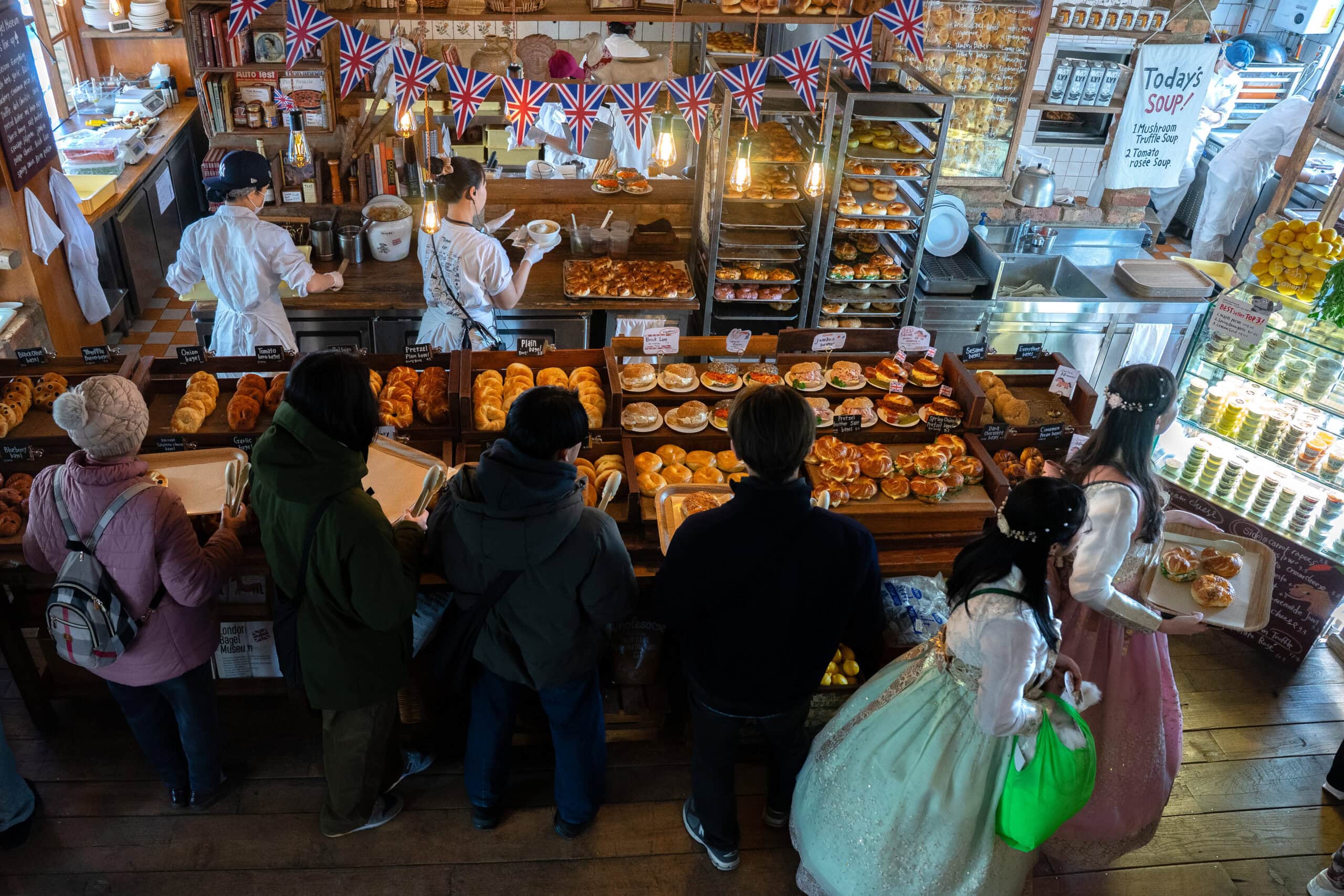
This is the undisputed king of the Open Run. Despite the name, you won’t find a bagel quite like this in London. They are softer, chewier, and come in wild flavours like Potato Cheese or Brick Lane (cream cheese and honey).
Jin told me I had to try London Bagel Museum, as it’s easily the most talked-about bakery in Seoul right now. I went solo the first time while she was at work, but the moment I saw the line snaking down the street, I immediately aborted the mission. I just couldn’t believe people were lining up for over an hour for a bagel. But then again, this is Seoul.
Back at home, Jin convinced me to give it another go. This time, we were smarter and used the Catch Table app to queue digitally. It was shocking to see 150 tables ahead of us, but that’s the beauty of the system; it gave us enough time to finish getting ready, catch the bus to Anguk Station, and walk to the shop with just a few minutes to spare.
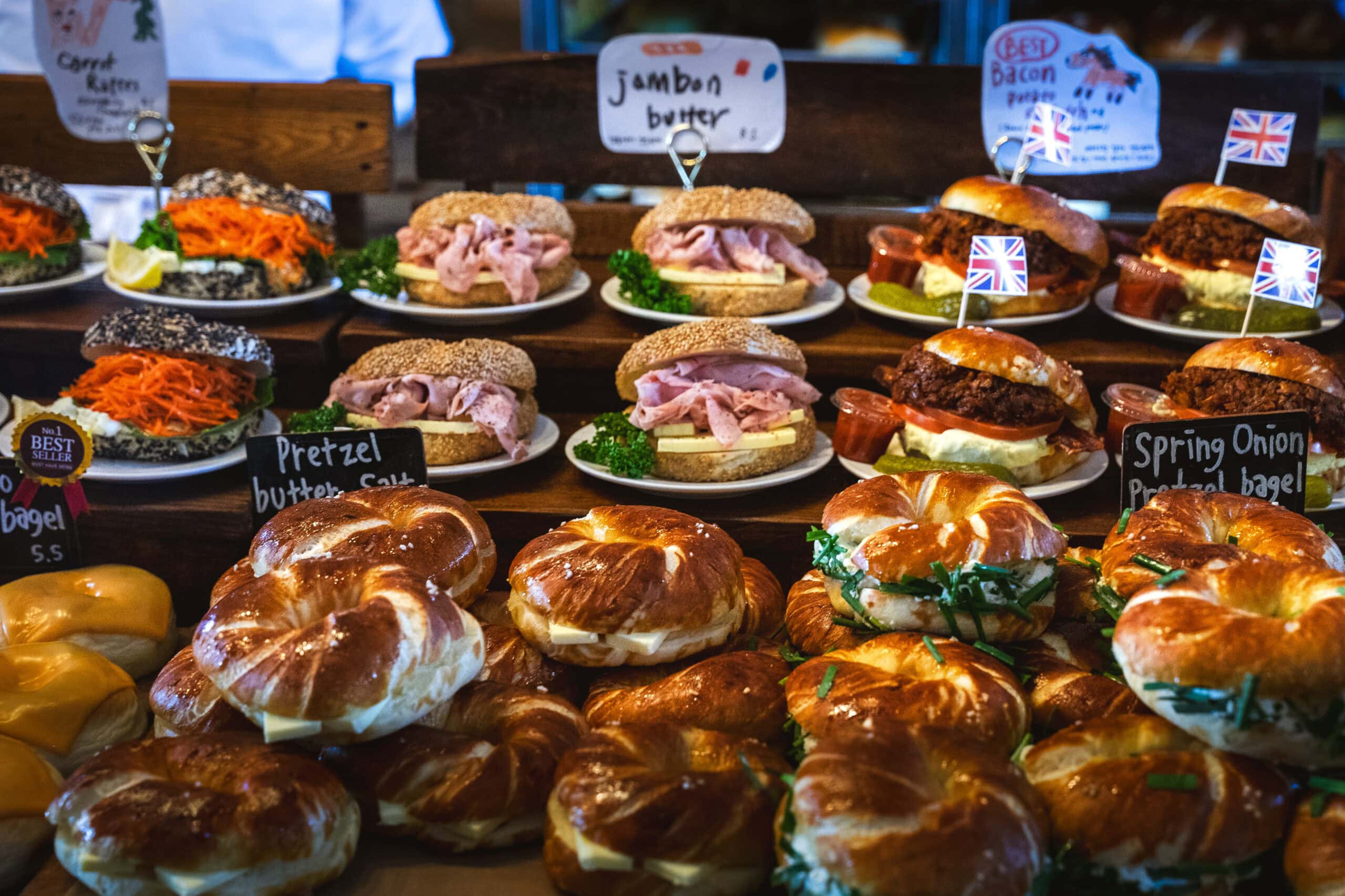
I immediately understood the hype once I saw the bagels on display. They look fantastic, stuffed with ham and butter and cream cheese and what have you. Even the plain ones were the best I’ve ever seen.
Upstairs, the place is an absolute vibe. Great music, comfy seating, and really friendly staff. I liked it so much I told Jin I wanted to hire the entire place for my next birthday party!
Location: Anguk Branch
Hours: 7:00 – 17:30
Knotted Donuts
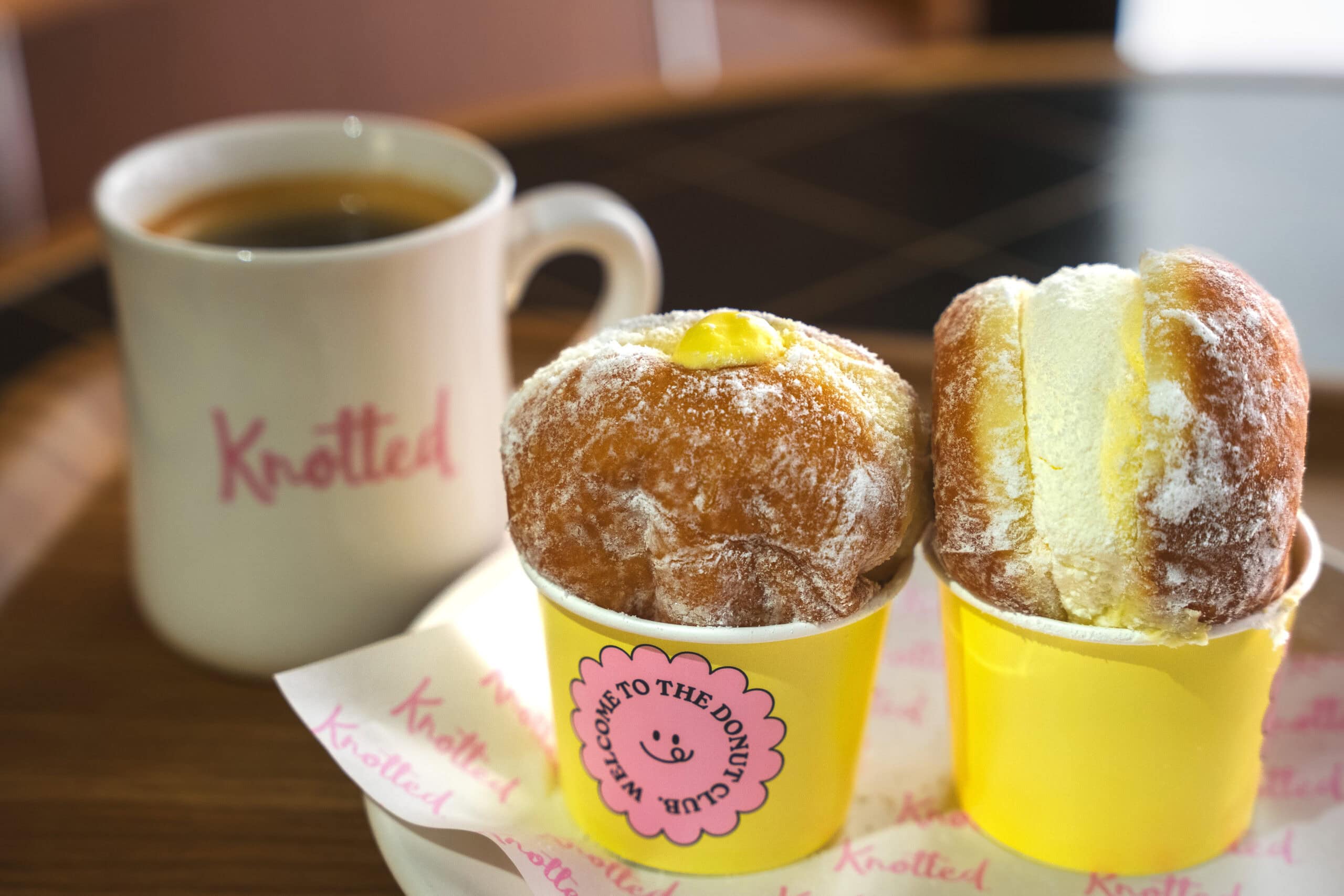
My absolute favourite Seoul bakery, and one I frequented several times, is Knotted Donuts. They make the most beautiful and delicious donuts I’ve ever had—they are perfect in every way.
When the Knotted craze first took hold, the queues were intense, with people lining up for hours during the height of the open run era. The hype has settled slightly now, which is a blessing. When I was back in Seoul last November, all three branches I visited had tables free, and none required a painful wait just to get through the door.
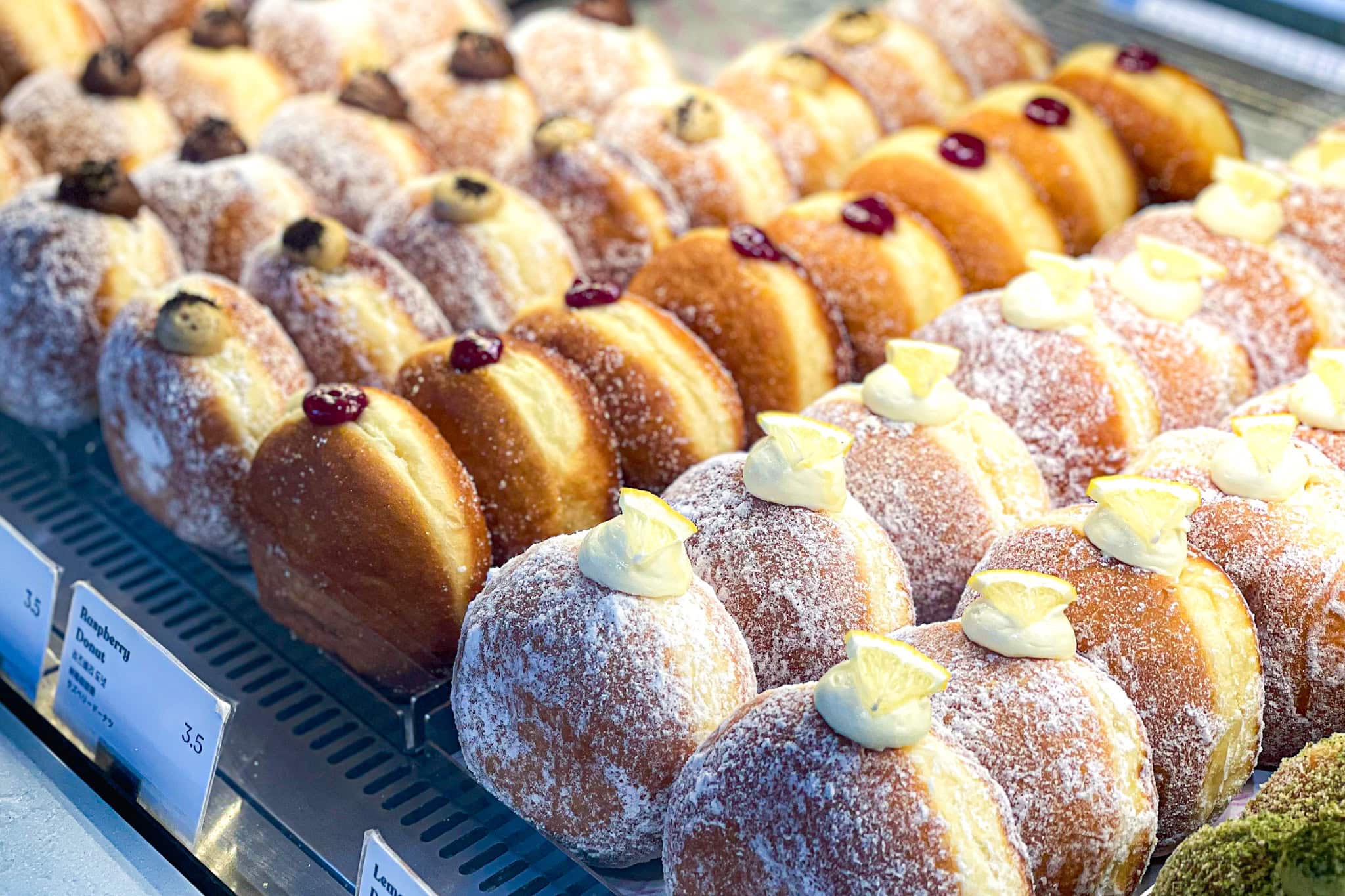
I always go for the Classic Cream version, with the vanilla custard being my second choice. They are simple flavours, done very well.
I usually take a box home with me too. My father-in-law is diabetic, so I pick up the low-sugar options, which he genuinely enjoys. It is rare to find a trendy bakery in Seoul that is so thoughtful about different dietary needs while still delivering on flavour, and that alone makes Knotted worth seeking out.
Location: I went to the Anguk and HiKR Ground Branches. The HiKR Ground is a multimedia centre where you can experience the Korean culture wave first-hand and even make your own K-Pop video using XR Live Studio.
Cheese Industry (Ikseon-dong)
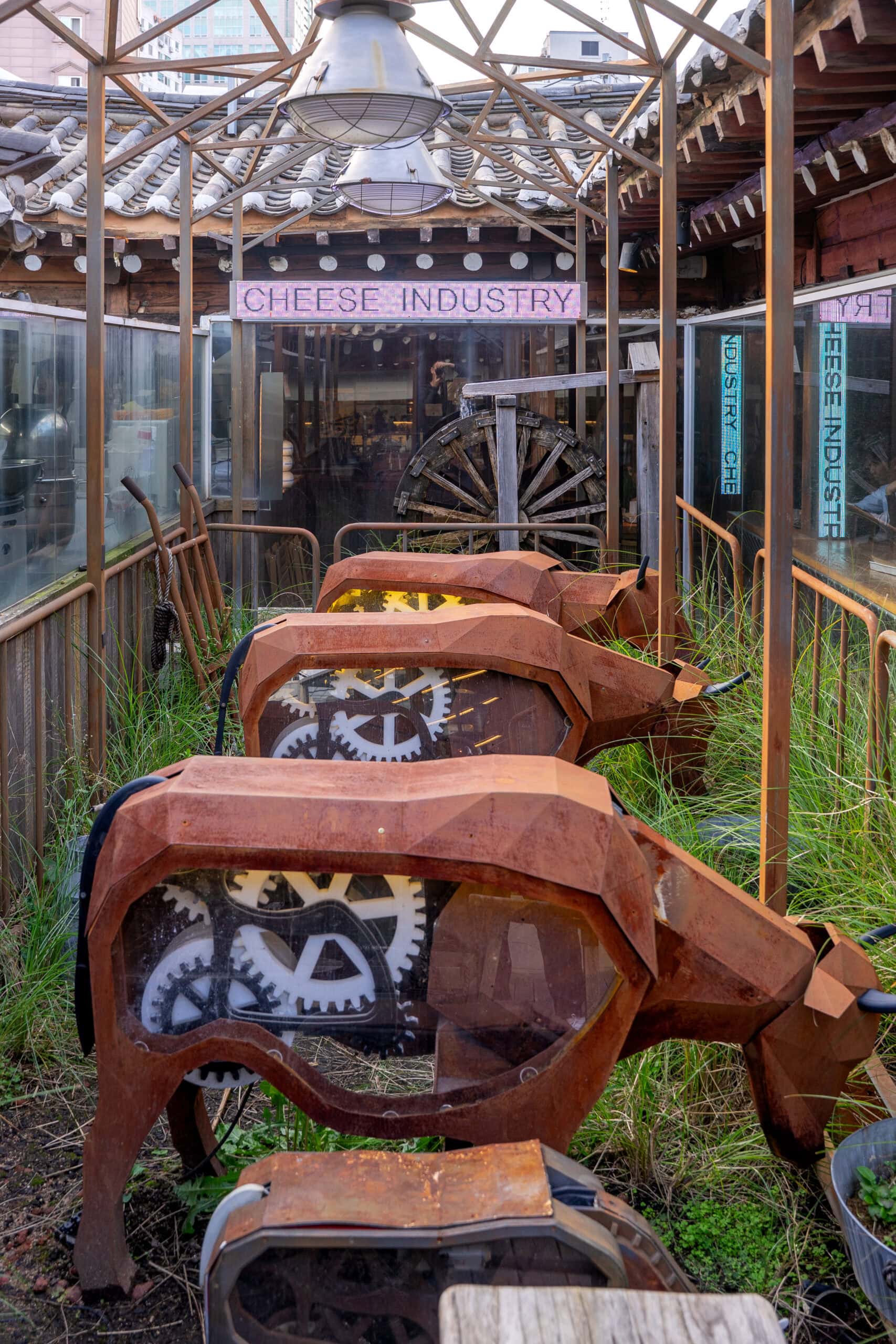
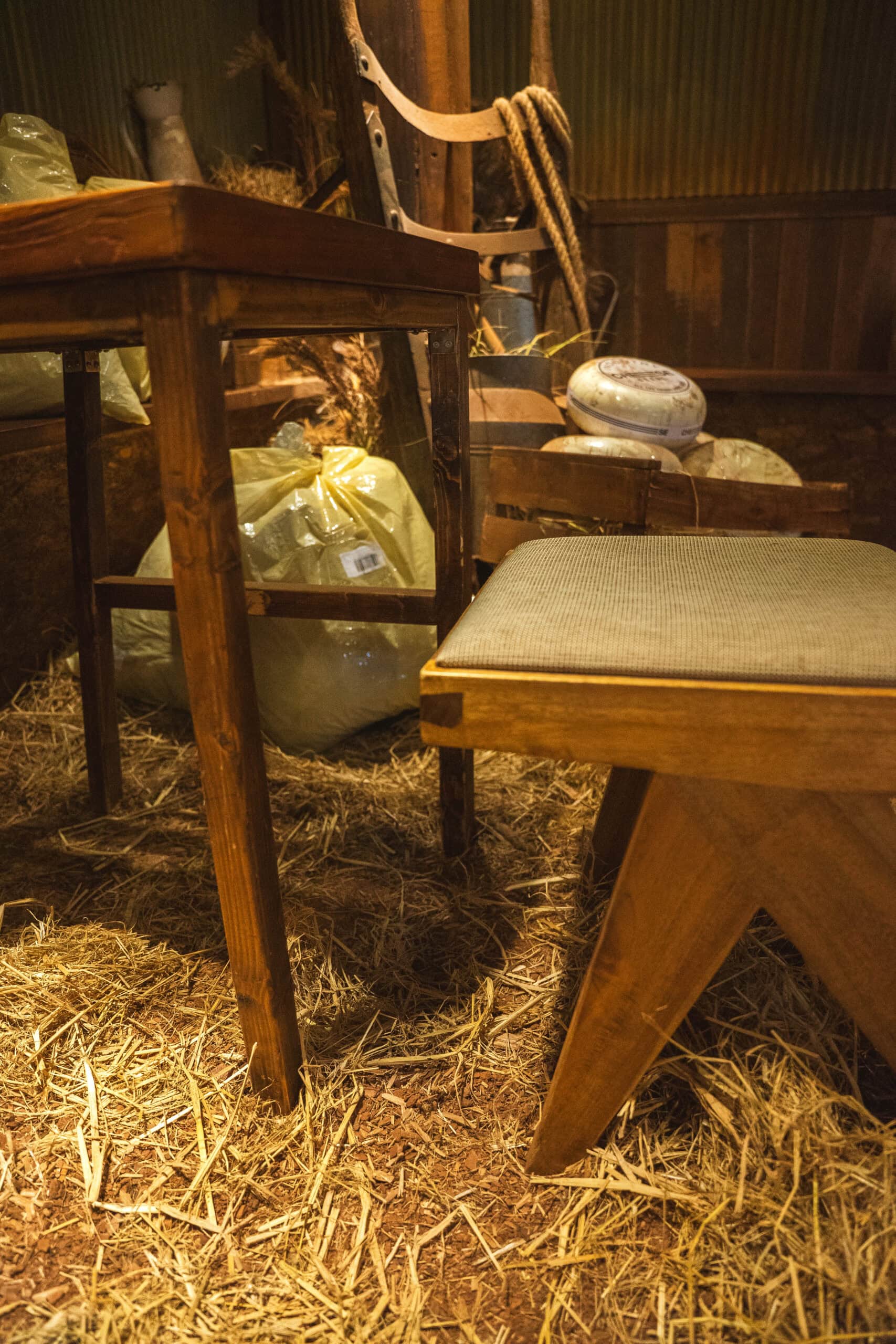
Ikseon-dong is full of themed cafes, but Cheese Industry is one of the more committed ones. It’s a barn-themed space where the concept starts before you even walk in.
You’ll see cows made from rusty metal grazing outside the entrance. Inside, you’ll find hay on the wooden floors, and almost every single baked item has a cheese twist.
They have everything from Burrata and maple Danish pastries to cheese ice cream.
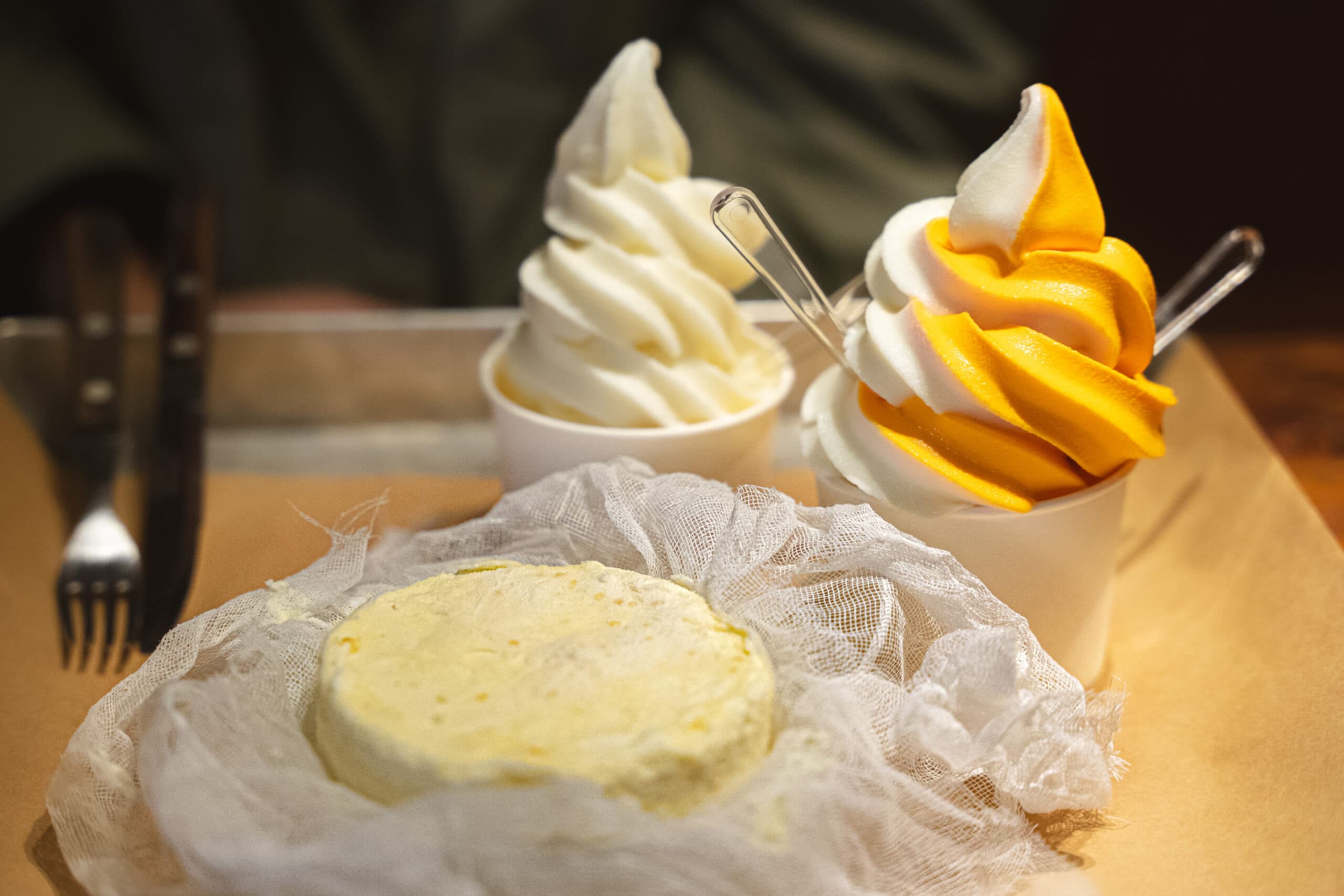
We shared a Brie Cheesecake that was designed to look exactly like a real wheel of brie, complete with a realistic rind and wrapped in cheesecloth.
Of course, we also tried the cheese ice cream, which is worth a go if you’re a fan. It’s a fun, highly visual spot, even if the farming is happening in the middle of a Hanok village.
Location: Naver Map
Hours: 10:00-22:00
Artist Bakery (아티스트베이커리) (Anguk Station)
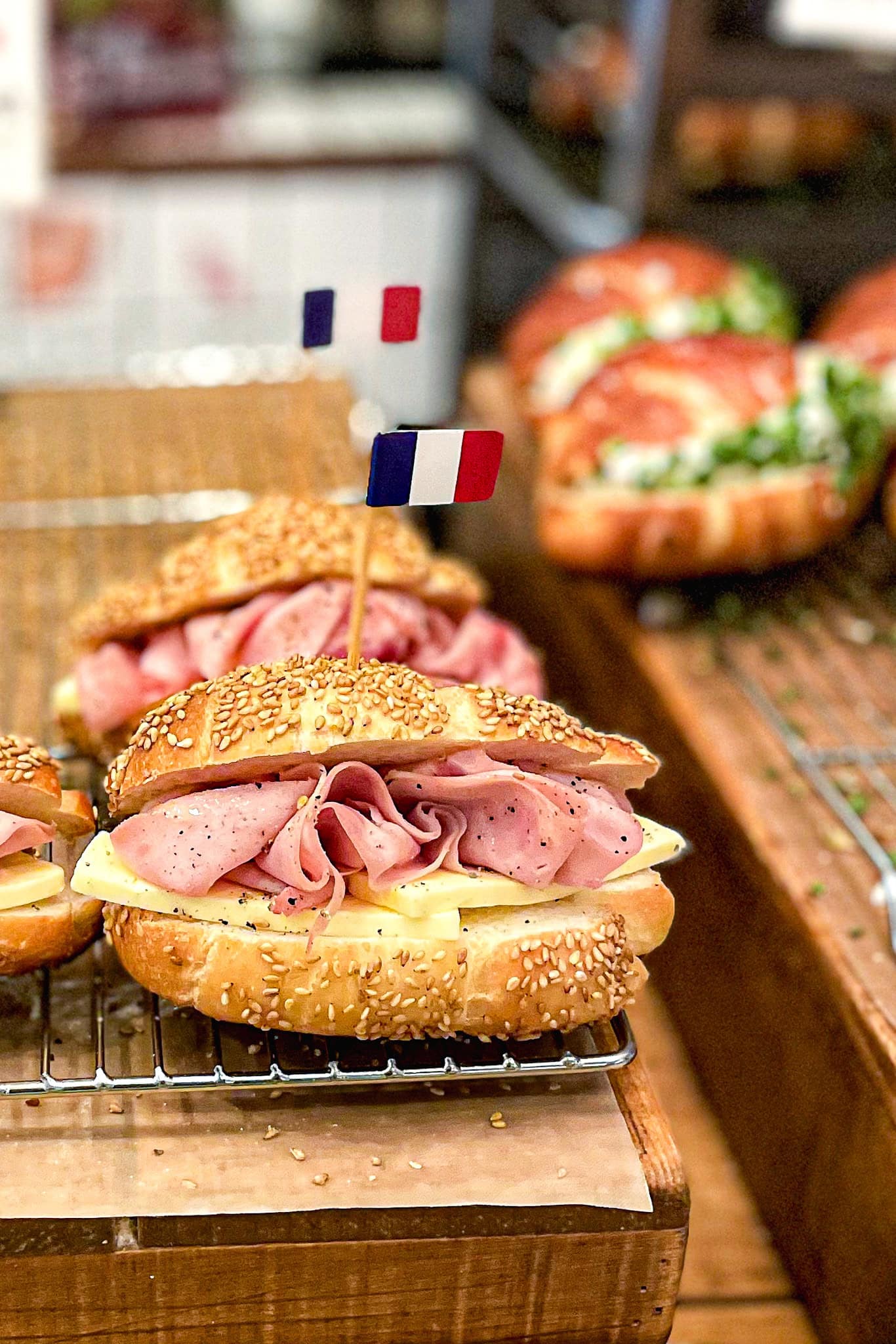
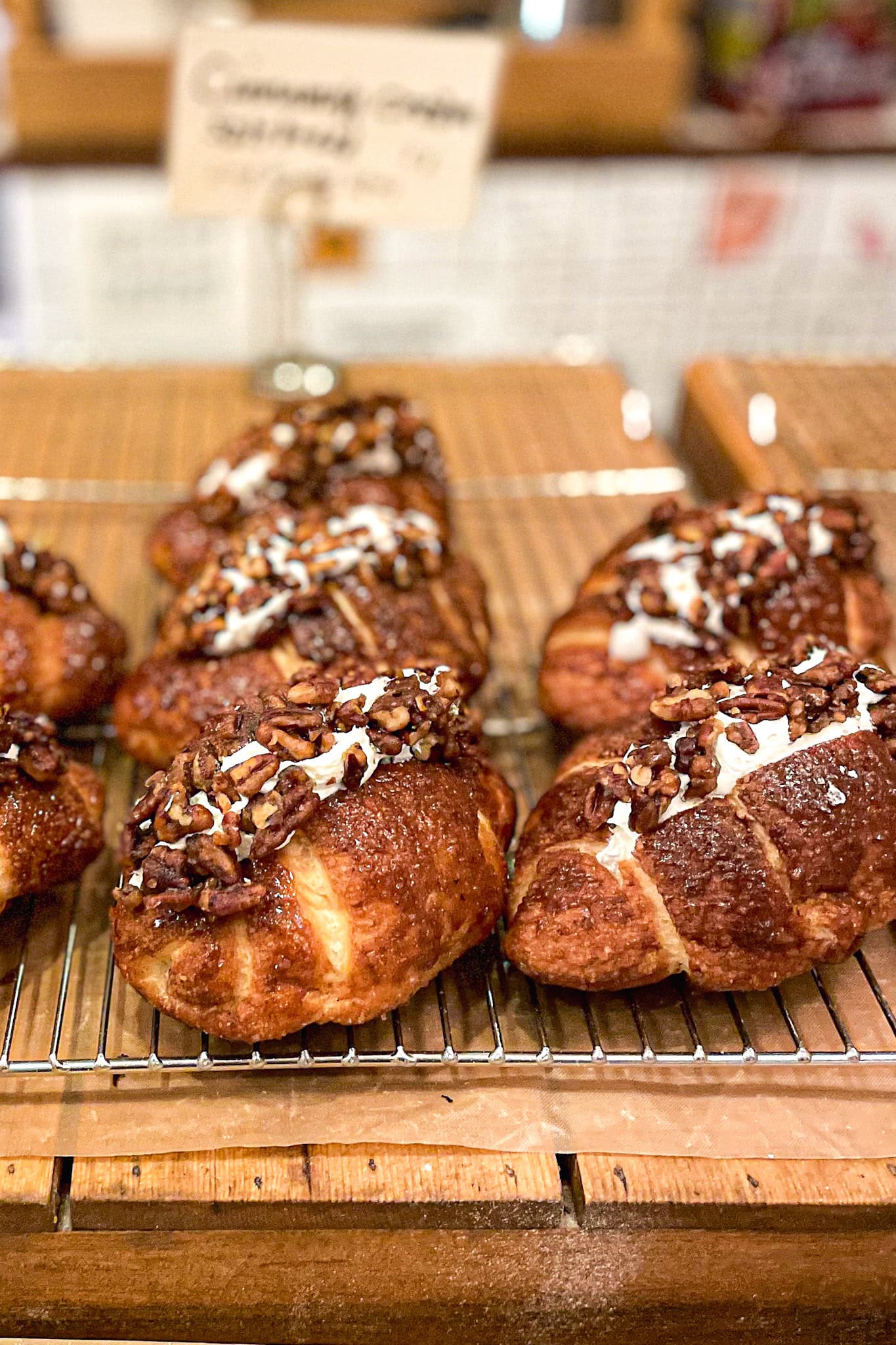
The sister shop to London Bagel, specializing in Salt Bread (Sogeum-ppang) and baguettes. We saw people lining up at 7:00 before they even opened. They do the same style of loaded sandwiches as London Bagel, but on different bread.
Its location right across the road from the entrance to Insadong pedestrian street doesn’t help ease the long lines. Unless you are prepared to join the early morning open run crowd, be ready for a significant wait. This place shows just how much Seoul is currently obsessed with high-end flour and butter.
Location: Naver Map
Hours: 7:30-20:00
Cha Teul Tea House (차마시는뜰 차뜰) (Bukchon)

This is possibly the most famous traditional teahouse in Bukchon, and it’s easy to see why. The architecture is stunning, featuring a wooden hanok that wraps around a garden in the central courtyard.
While it is incredibly busy (you can expect to wait in line for quite a while before getting a table) once you step inside, it is a total zen experience.
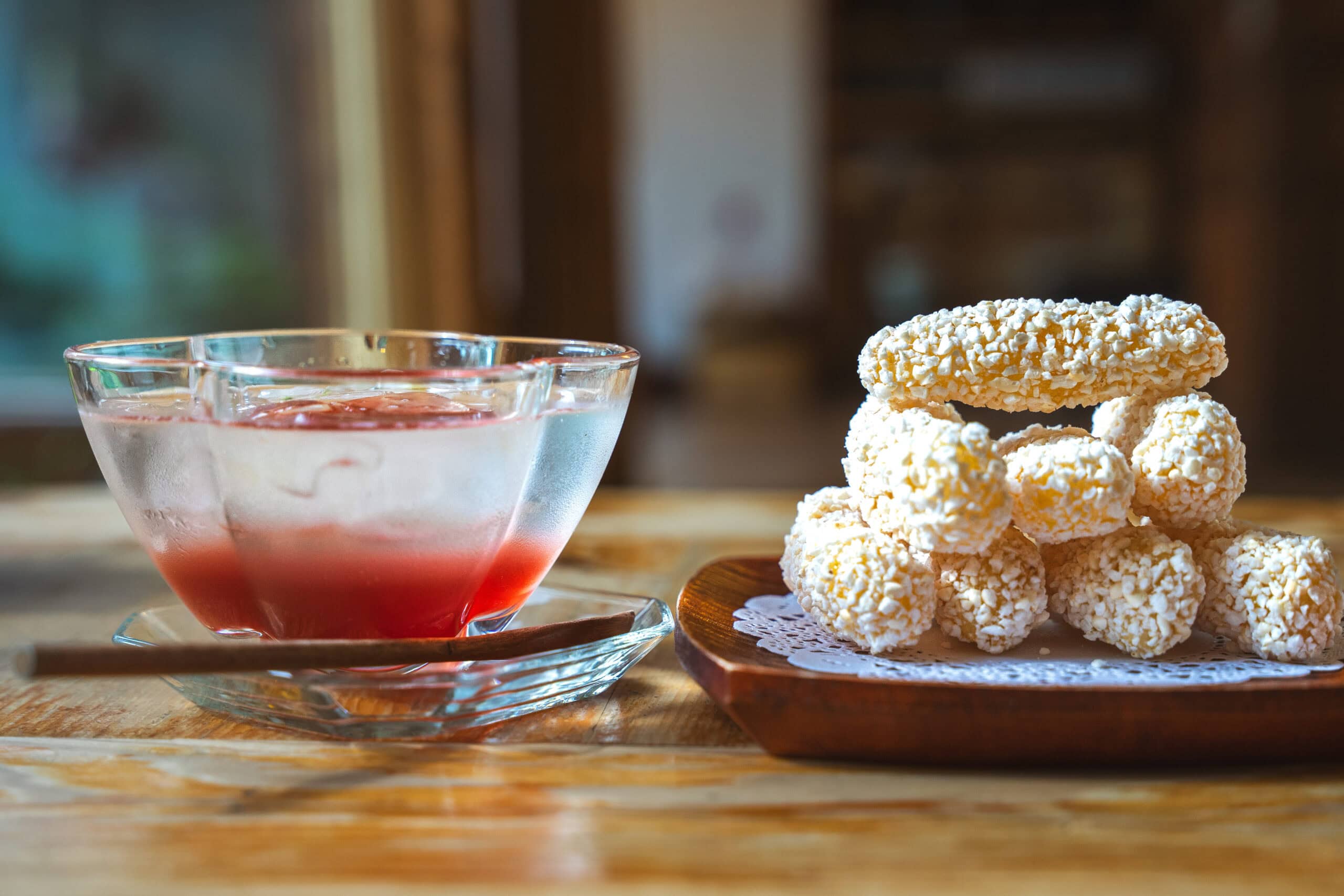
Their iced Omija-cha (five-flavour berry tea) is vibrant and refreshing.
If you’re visiting during the colder months, the Yuja-cha (citron tea) or the ginger tea are excellent choices.
Location: Naver Map
Hours: 10:00-19:00
Suyeon Sanbang Tea House (수연산방)
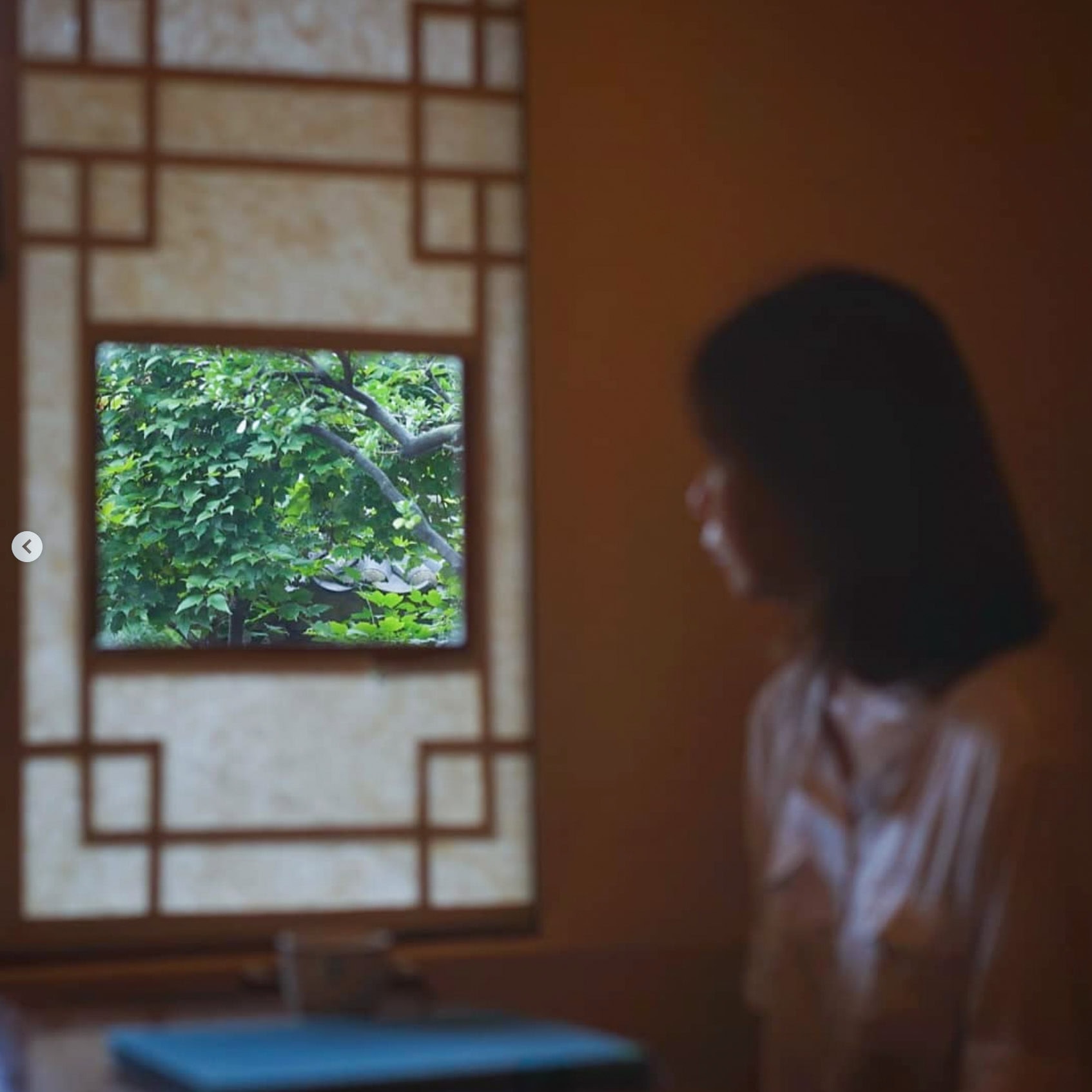
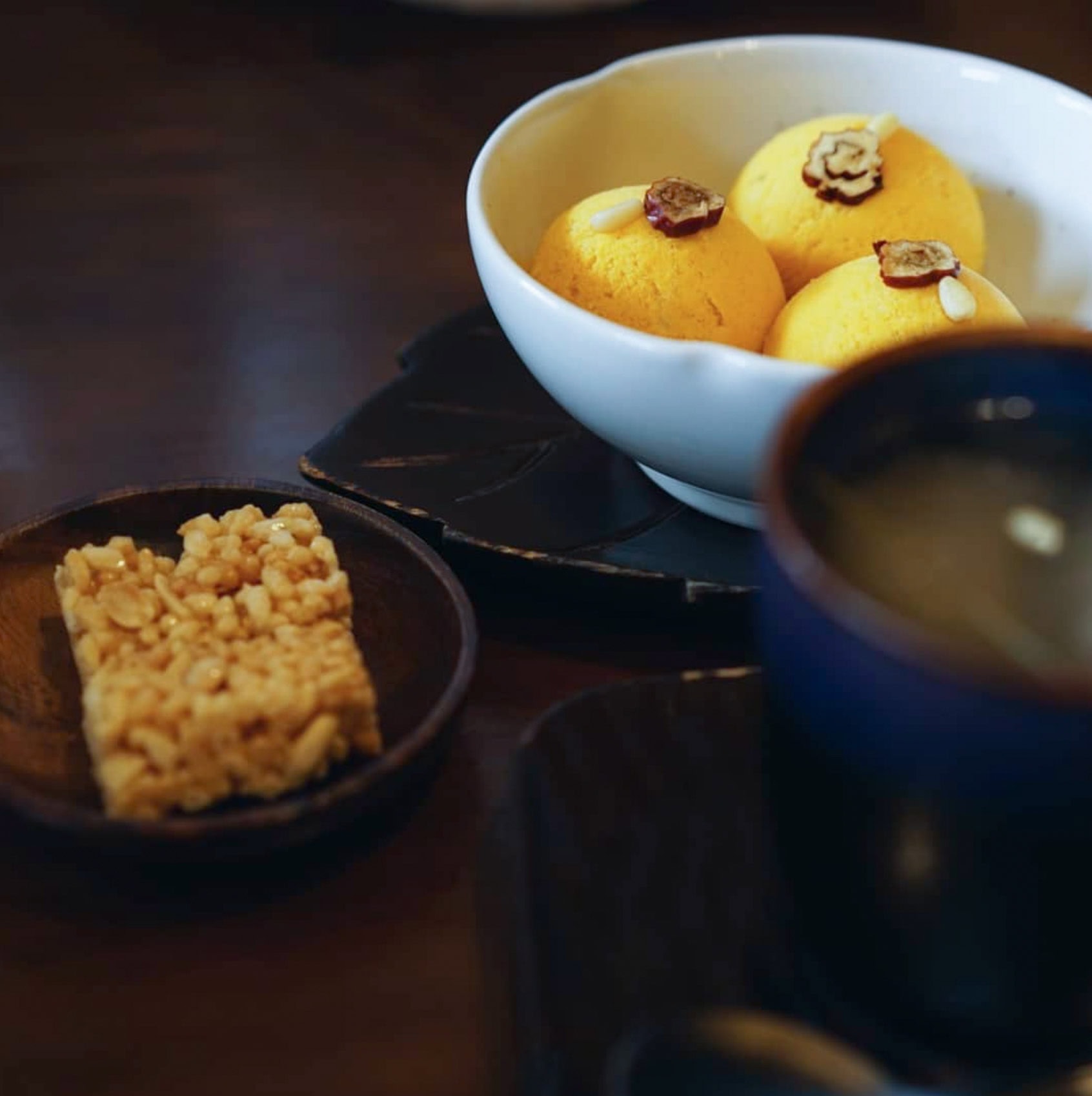
Located in Seongbuk-gu, this traditional tea house is often missed by visitors since it’s tucked away from the usual crowds in Bukchon or Insadong. The name translates to a house where literati gather in the mountains, and the building itself dates back to the Japanese colonial period.
It is a lovely, quiet space filled with hanji (traditional Korean paper) screens. In my opinion, it is the best traditional tea house in Seoul. It’s near my mother-in-law’s house, so we’ve visited a few times, always during the summer months.
I really enjoy the cold pine needle tea, while Jin usually goes for the iced yuja tea. We also tried their pumpkin ice cream, which was damn fine and a perfect accompaniment to the tea on those HOT summer days.
Location: Naver Map
Hours: 11:30-17:50
Seoul Pastry (Yeonnam-dong)
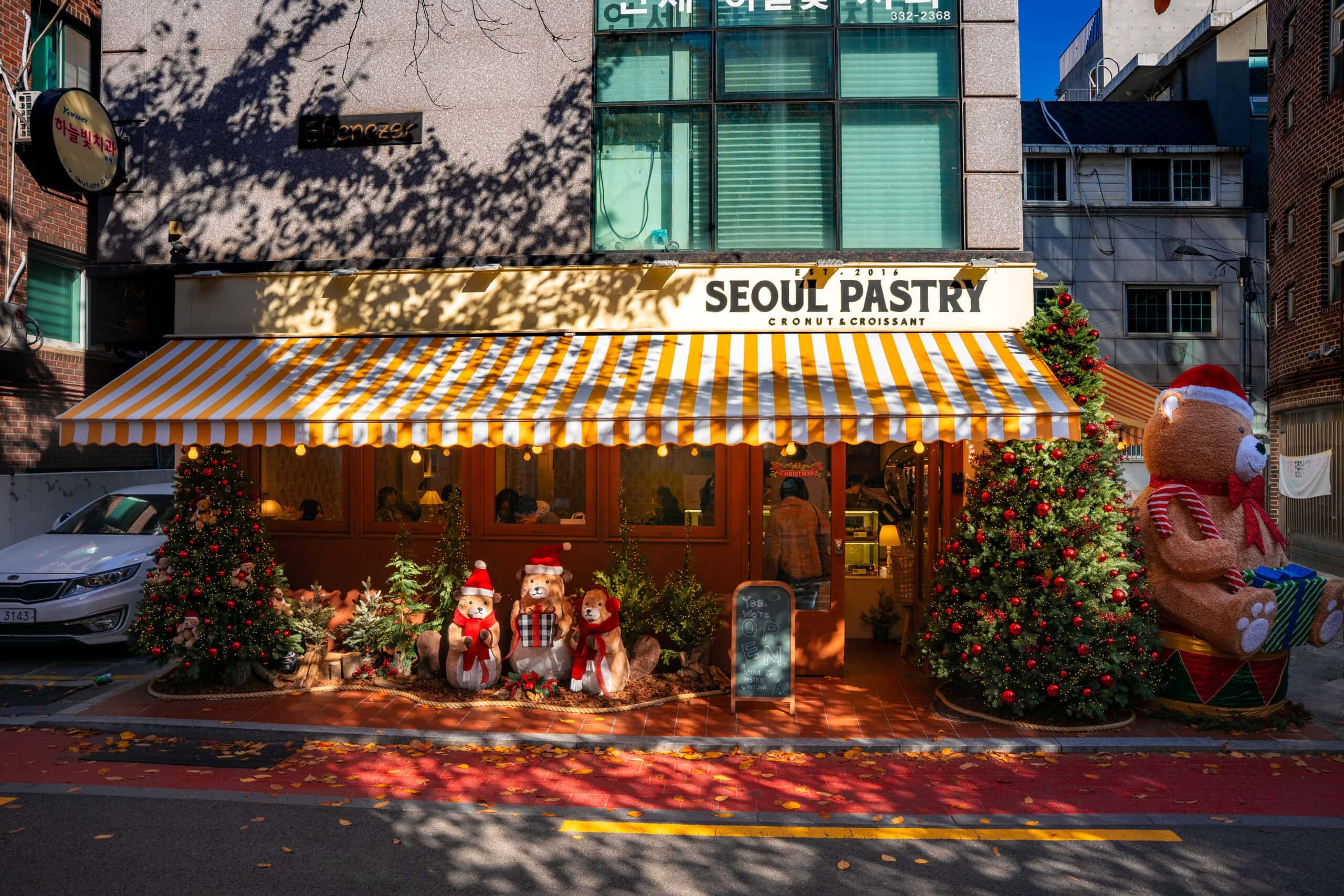
Found during an unplanned little detour while walking around the neighbourhood, Seoul Pastry felt like a lucky discovery. We visited at the end of November, and the cute Christmas displays out front immediately drew us in.
It has that genuine neighbourhood favourite feel, and we loved it right from the start. Maybe it’s the smell of the coffee, the curbside seating, or most likely, their amazing cronuts.
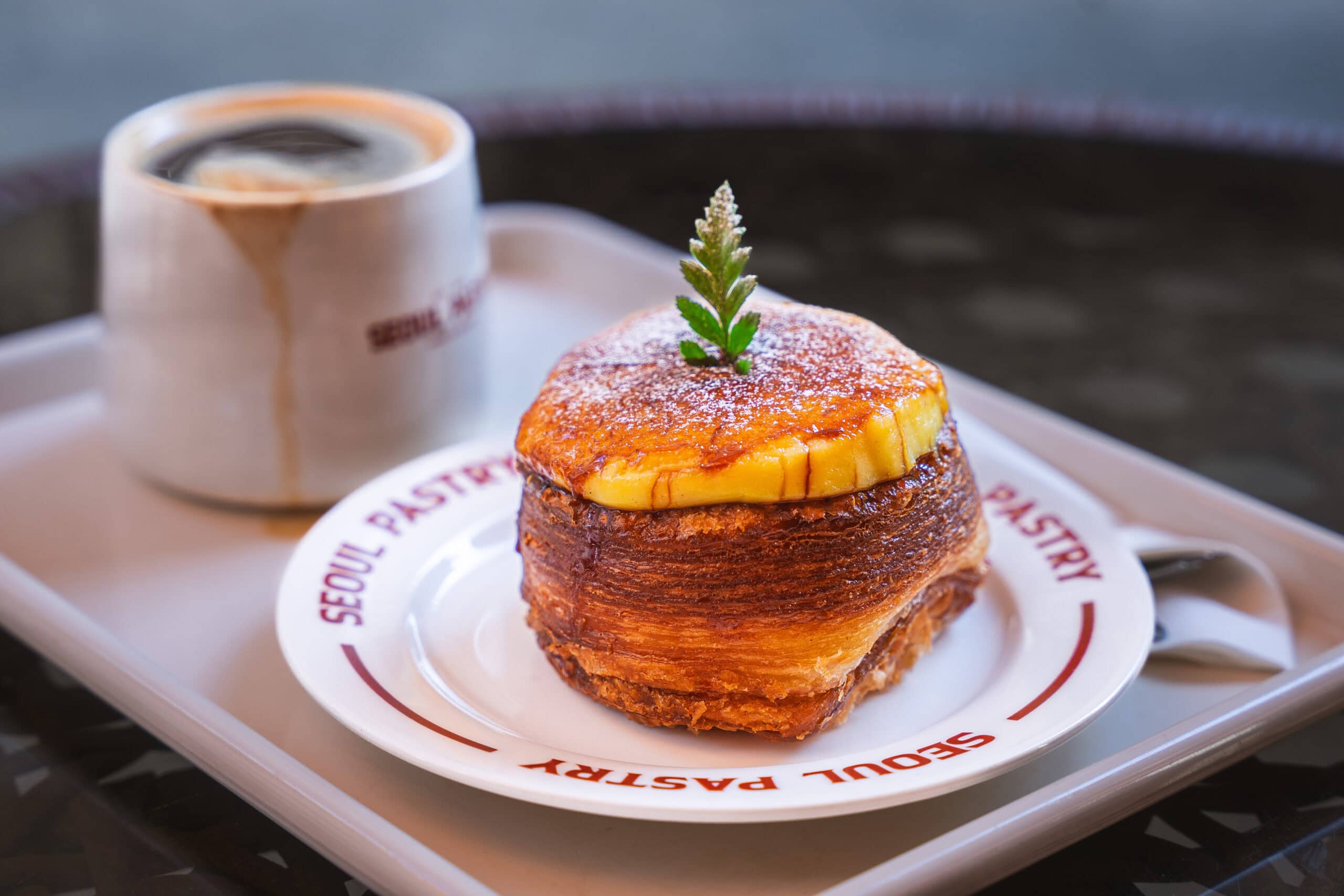
We couldn’t quite decide on a flavour, so the staff recommended the Crème Brûlée Cronut.
It was a perfect donut-croissant hybrid. It had that classic torched, crunchy sugar topping, but beneath that, the pastry was incredibly flaky. The best part was the layers of diplomat cream piped right into the cronut itself. It’s a great spot to live your best life and ride that cool Yeonnam-dong vibe.
Location: Naver Map
Hours: 11:00-21:00
Our Favourite International Food & Hidden Gems in Seoul
To wrap up, these are the places that most short-term visitors miss, but if you’re looking for trendy international food with a Seoul twist, you should put them on your to-eat list in Seoul.
Dallas Pizza (댈러스 피자 문래본점) (Mullae-dong)
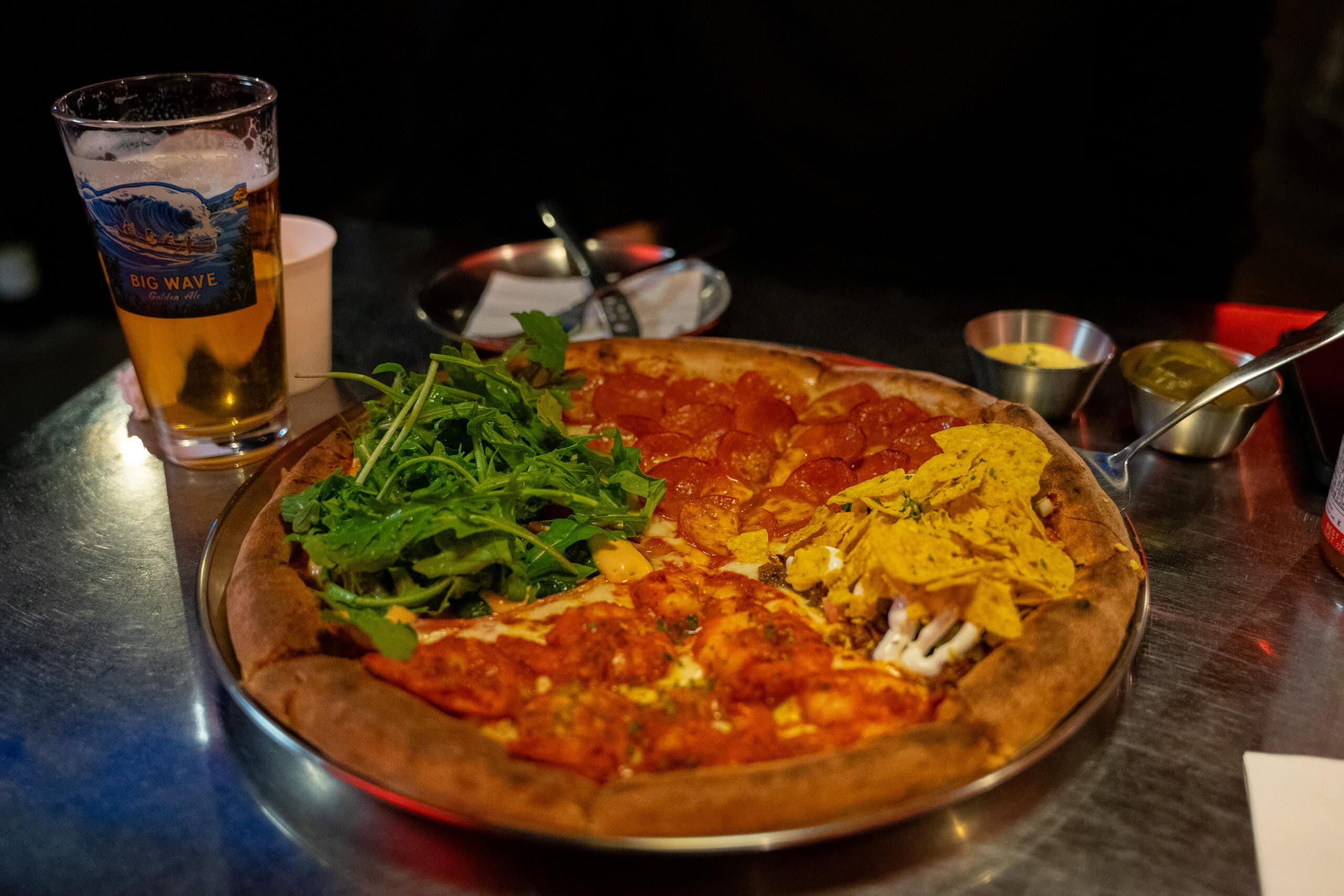
For the best and trendiest pizza in Mullae-dong, don’t miss Dallas Pizza. It is one of the most popular spots in the area, so making a reservation is essential if you don’t want to be left standing in the alley.
True to the Mullae-dong style, the restaurant is tucked away at the end of a narrow alleyway right next to an active metal workshop. It feels like a genuine hidden gem. The interior is incredibly cool without trying too hard, featuring stainless steel tables that catch the red glow of the neon signs reflecting off them.
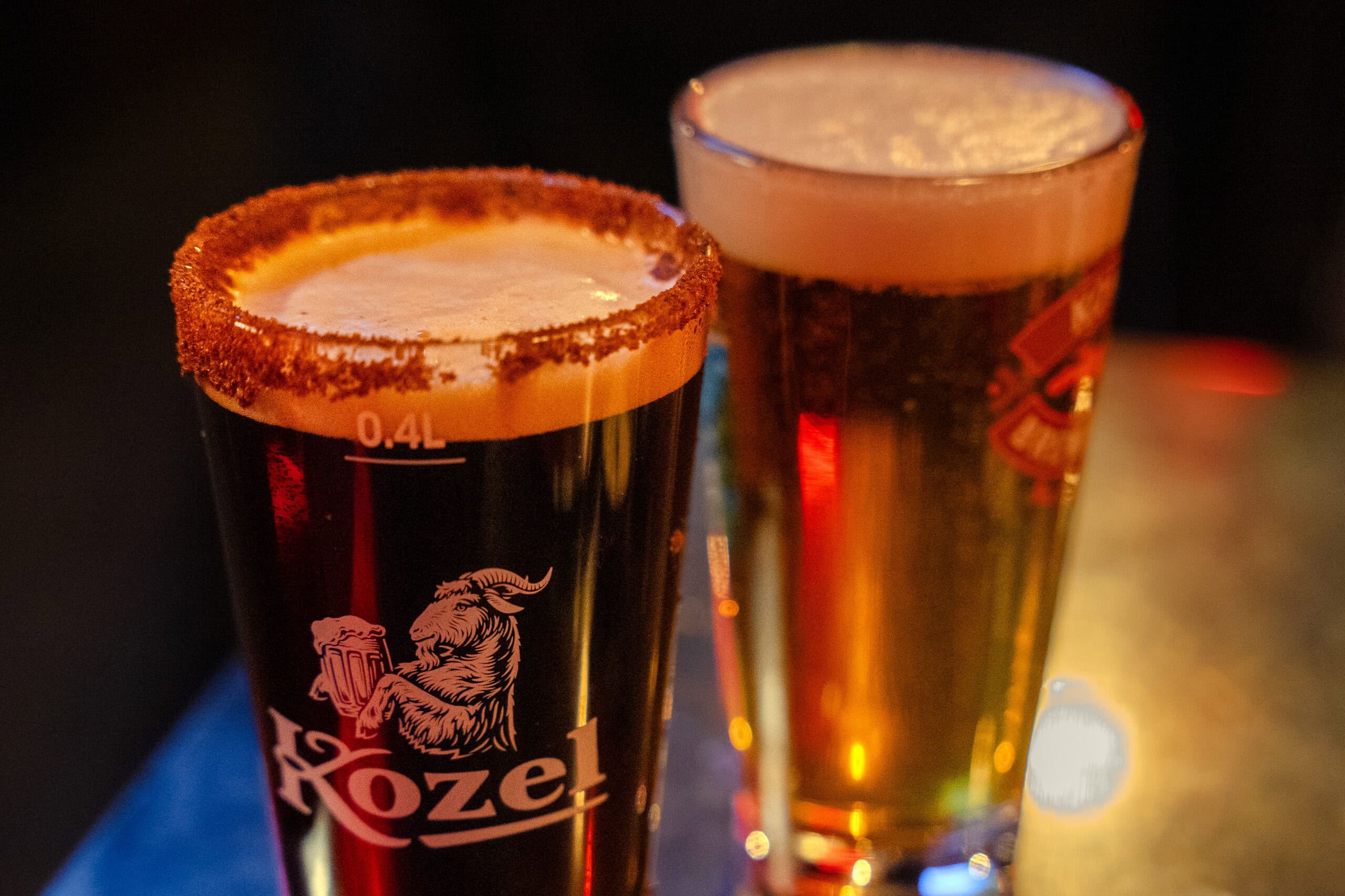
The Drinks: I ordered the Kozel beer, which comes with the glass rim trimmed in cinnamon sugar. It sounds weird, but it absolutely works! They also have a fresh cream beer that looks more like a milkshake, though we didn’t quite have the courage to try that one.
The Pizza: We went for a 4-way split so we could try a bit of everything: Pepperoni, Spicy Shrimp, Nachos, and Rucola (Arugula).
The Verdict: The toppings are generous and cover every single inch of the pizza, layered almost like fish scales. It’s a classic pizza done exceptionally well.
Location: Naver Map
Hours: 17:00-23:00 (closed on Wednesday)
Goatt Delicatessen (고트델리) (Mullae-dong)
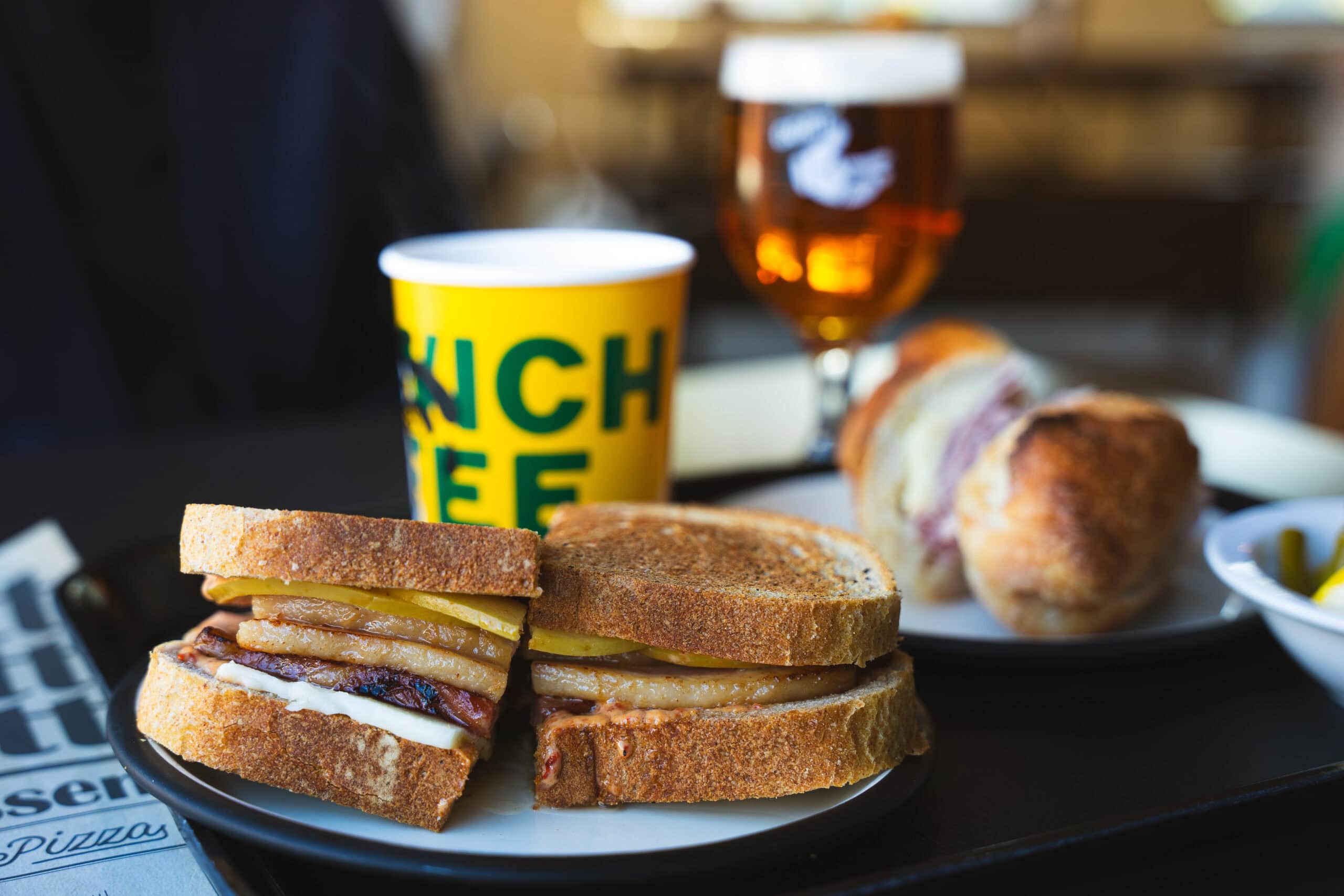
This cafe is housed in a beautifully refurbished building and has that rare local neighbourhood feel. It’s the kind of place we can easily picture ourselves visiting every single weekend. It’s unpretentiously cool, serving as a deli, wine bar, and craft beer hub all in one.
- The Vibe: It’s a seriously relaxed space. Whether you’re there for a proper meal or just a good coffee, the atmosphere is spot on.
- The Order: I had a beer and the Jambon-Beurre on a baguette, which was excellent. But the real star was the Apple Bacon Sandwich Jin ordered. OMG, that sandwich! It had thick, fatty slices of smoked bacon paired with sweet, crisp apple slices between perfectly toasted bread. The combination of salty, smoky, and sweet was damn incredible.
- If you aren’t in Mullae-dong, they have a second branch in Seochon (the charming historic area just west of Gyeongbokgung Palace).
- Location: Naver Map
- Hours: 11:30-21:00
Uzbek Town (Dongdaemun)
I absolutely love the Dongdaemun (check out my Dongdaemun Neighbourhood Guide for more on this area).
One of the main reasons is the Gwanghui-dong area, home to Seoul’s Central Asian community. Here, the shopfronts are almost entirely in Cyrillic, and the air smells of baking bread and grilled meat. We simply call this area Little Russia or Little Mongolia.
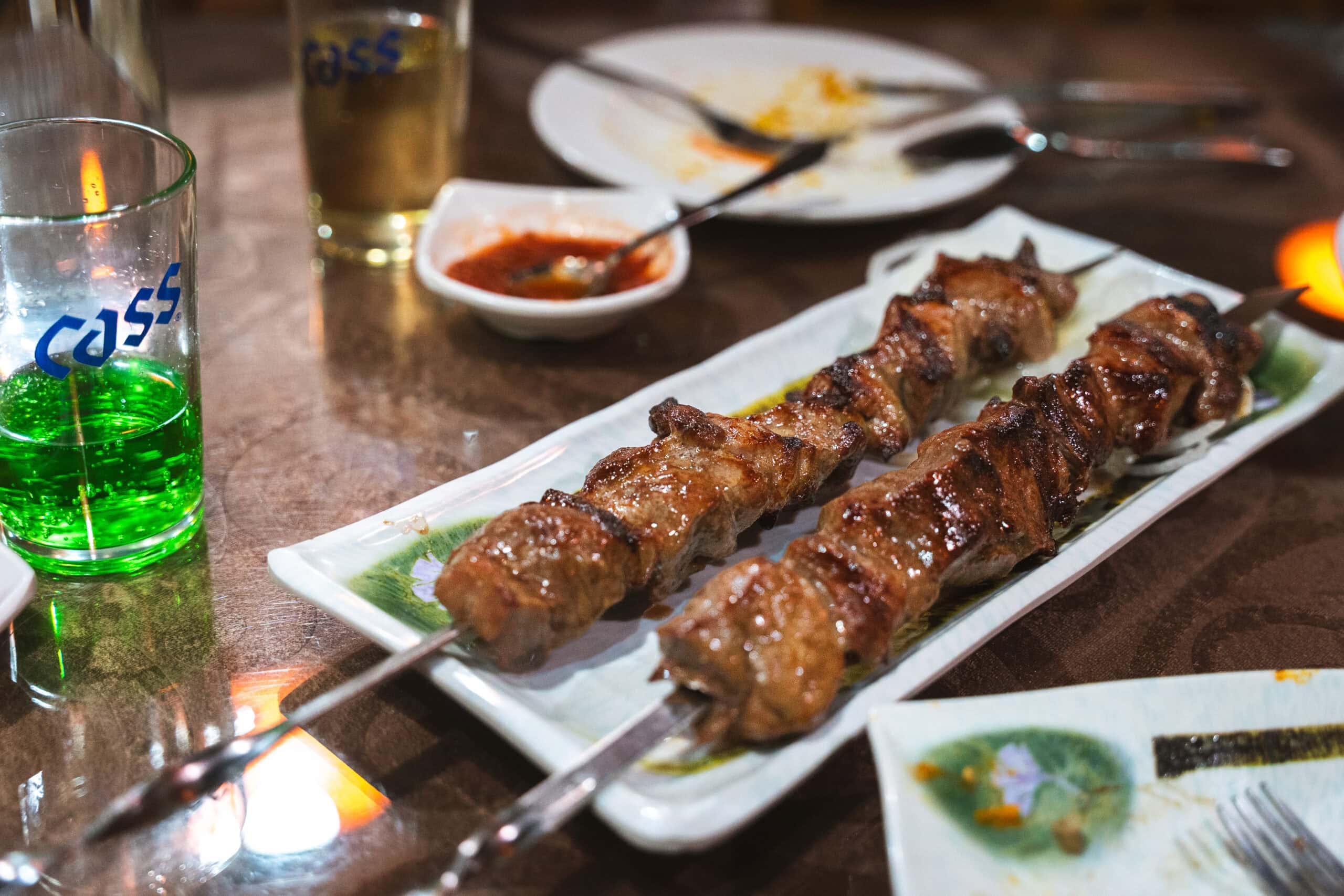
You’ll find some excellent Uzbek restaurants here, which is no coincidence. Uzbekistan is home to a large ethnic Korean community known as the Koryo-saram.
A quick history: In 1937, Stalin forcibly deported over 170,000 ethnic Koreans from the Russian Far East to unpopulated areas of Central Asia (mostly Uzbekistan and Kazakhstan). Decades later, many of their descendants have returned to Seoul, bringing a unique fusion of cultures and incredible food with them.
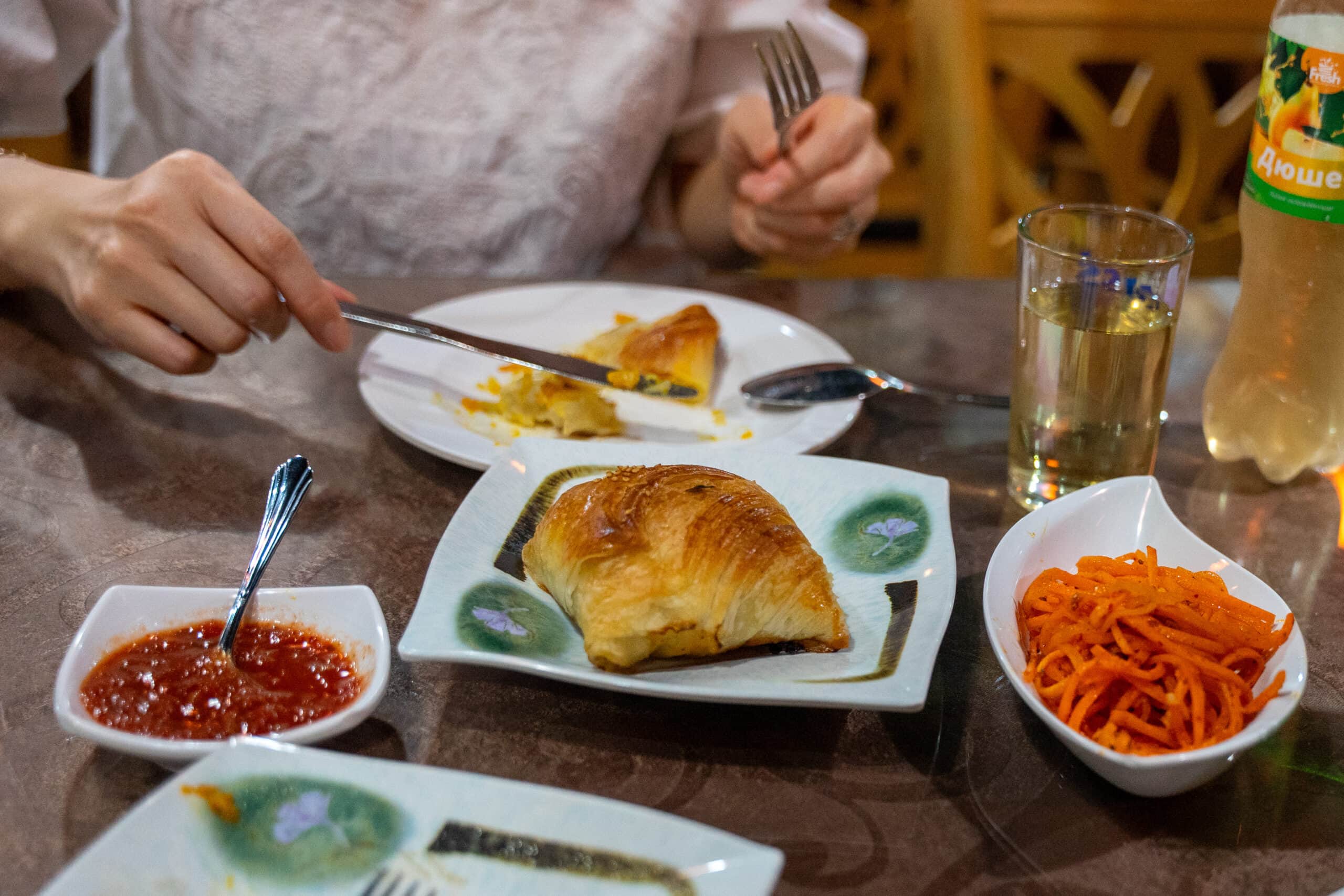
- Where to eat: We always go to Fortune Restaurant (파르투내) for their large, smoky Shashlik (meat skewers) and crispy baked Samsa.
- The Samsa: These are flaky, tandoor-baked buns filled with either mutton or pumpkin. They are best enjoyed with a cold Baltika beer or a glass of Tarxun (a bright green, herbal soda from Central Asia).
- Dessert: If you have any room left, they serve traditional Medovik (honey cake) or Napoleon cake, which are the perfect sweet finish to a very non-traditional Korean meal.
- Location: Naver Map
Hours: 10:00-23:00
Chuan Chuan Jiu Bar (Euljiro)
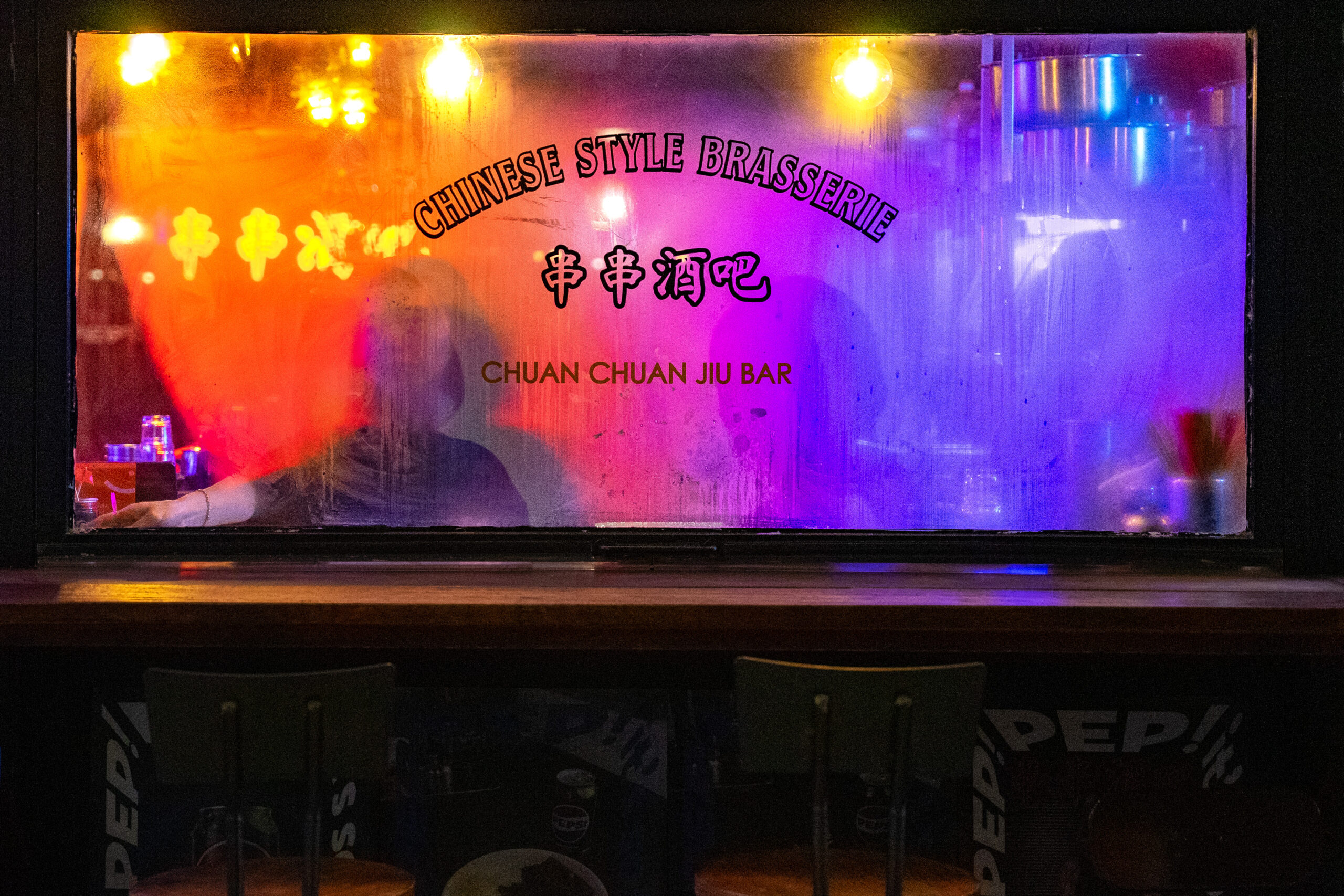
It’s no secret that we love good, spicy Sichuanese food. After living in China for five years, that Chengdu heat is something we constantly crave.
For the best and trendiest Chuan Chuan (Sichuan hot pot served on skewers), Chuan Chuan Jiu Bar in Euljiro is currently the top spot in Seoul.
Euljiro itself has gone through a massive metamorphosis lately. It’s an old industrial district full of printing shops and hardware stores that has been colonised by trendy bars and cafes, so much so that locals now call it Hip-jiro.
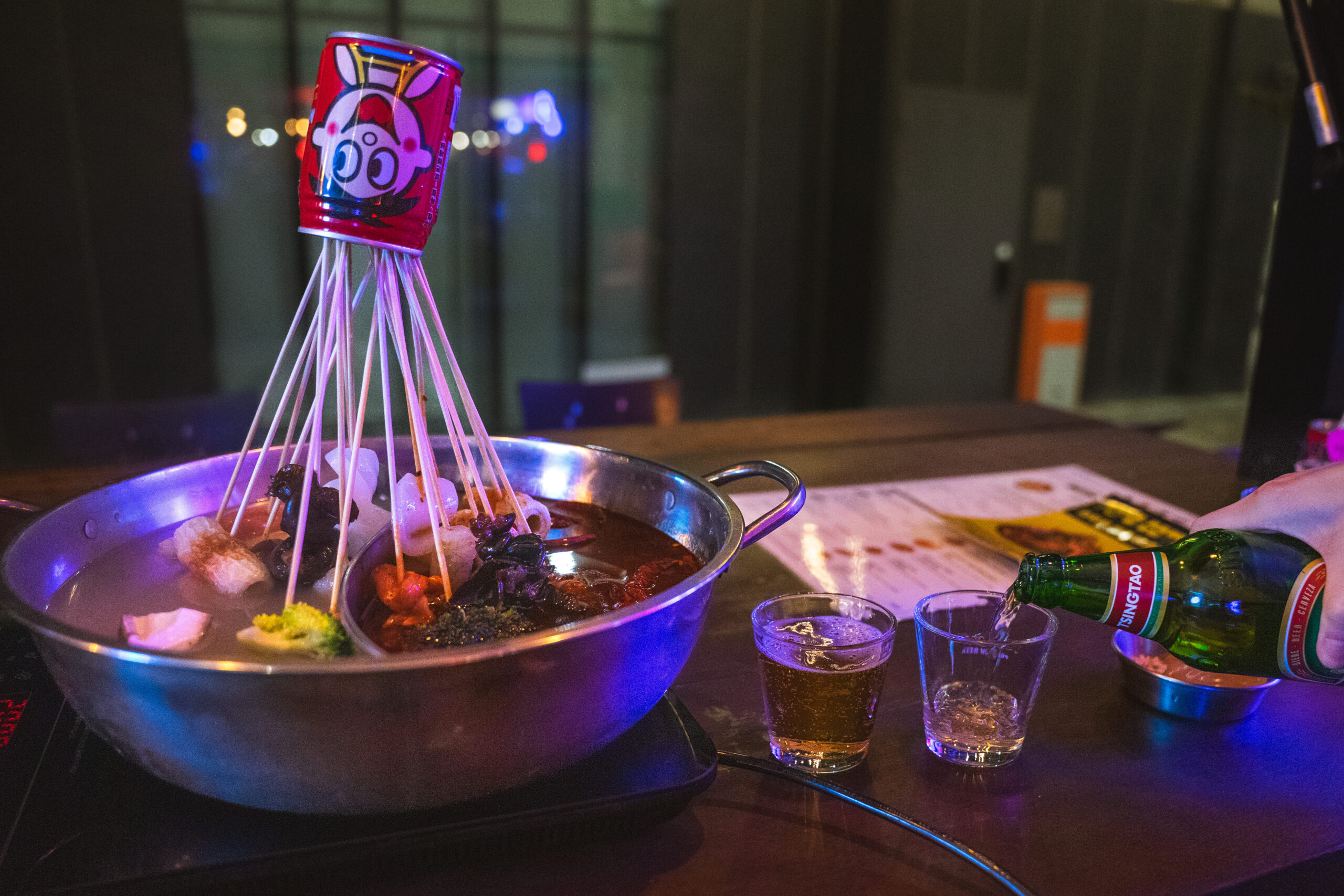
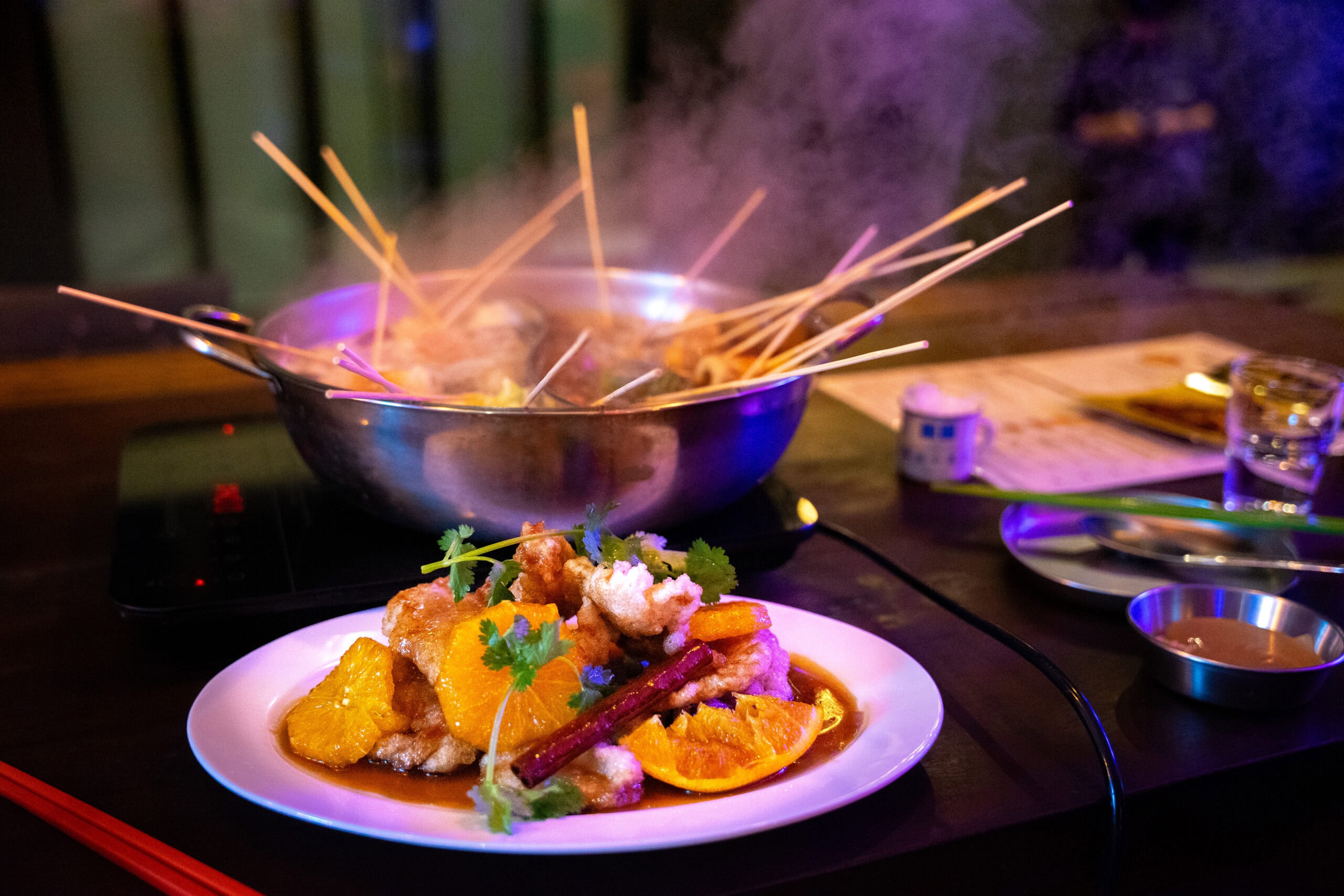
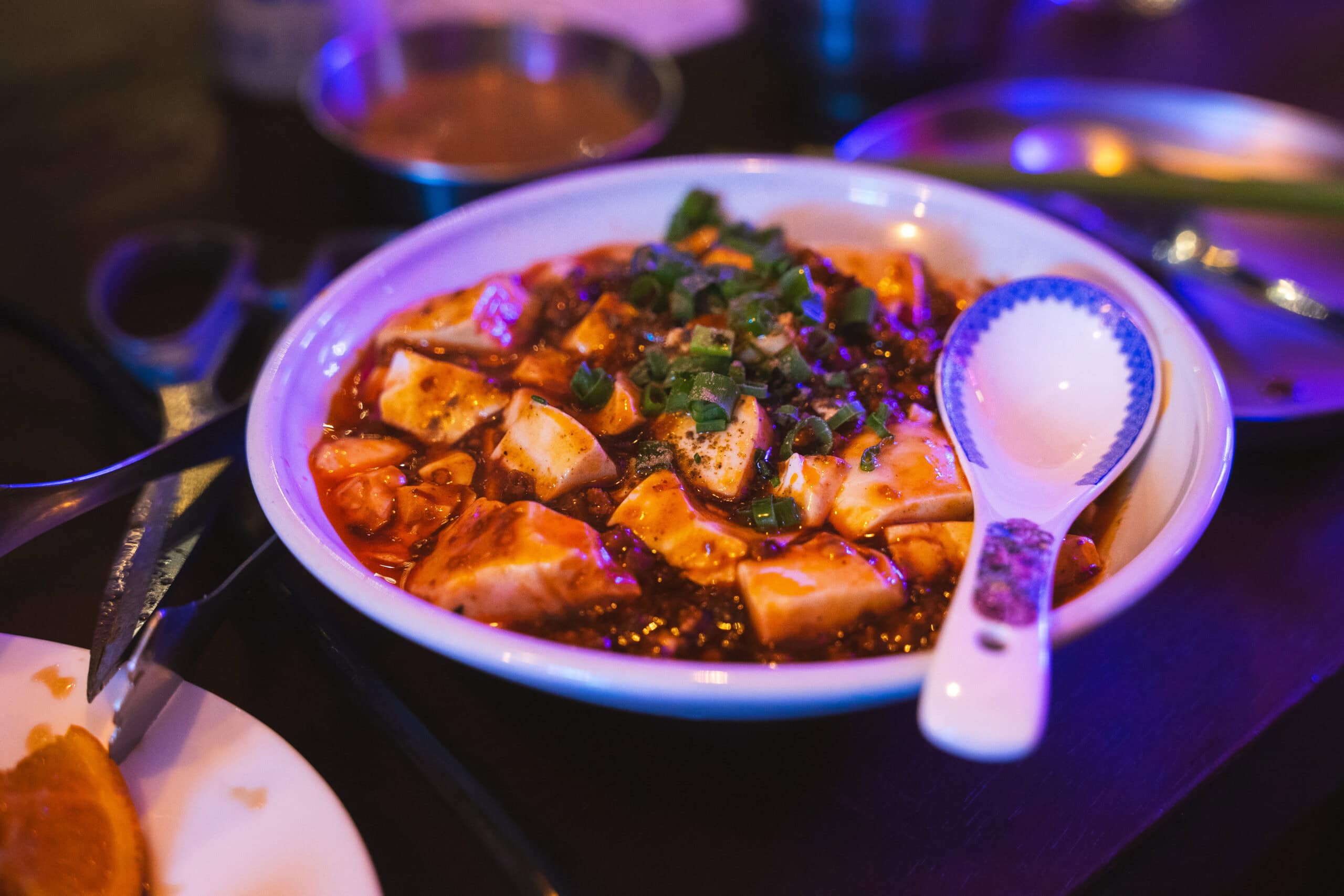
We had the Chuan Chuan skewers bubbling in a spicy, numbing mala broth, alongside an equally spicy Mapo Tofu. The real surprise was the incredible orange Guo Bao Rou (sweet and sour pork). It was perfectly crispy and tangy.
We washed it all down with a bottle or two of Tsingtao beer, which is the only way to handle that Sichuan buzz. It’s the absolute best place for authentic Sichuan food in Seoul and to experience the new industrial cool of Euljiro.
Location: Naver Map
Hours: 11:30-22:00 (15:00-17:00 break)
Closed on Monday
How I Shot This Guide
Every photograph in this article was taken with the exact same gear I carry on every journey. It is a setup refined over years on the road to keep travel light without compromising the final image.
- Camera: Sony A7 V
- Lens: Sigma 24-70mm f/2.8 DG DN Art.
- Storage: SanDisk Extreme Portable SSD
- Software: Adobe Lightroom Classic
- My travel essential (trust me): Ray-Ban Wayfarer
If you’ve made it this far, your eyes must be full, but I bet your stomach is definitely not. Now that you know exactly what to eat in Seoul, it’s time to put down the phone, grab your chopsticks, and start your own food tour
✌️