
I lived in Seoul for eight years, long enough for the city to stop feeling overwhelming and start feeling ordinary. Since leaving, I have returned again and again. Partly because I want to, and partly because Jin is Korean. I married into the culture, and over time Seoul stopped being a place I visited and became a place that shaped me.
This Seoul travel guide is written from that long, complicated relationship with the city. Living here taught me how little I understood at first. Leaving made that even clearer. Each return feels familiar, yet never fully settled.
There are things I now know instinctively, how neighbourhoods change at night, how the city moves beneath the surface, and there is still much I do not understand and probably never will.

Seoul is not a city you conquer in a single weekend. It’s a vast, layered collection of villages disguised as a metropolis. Some corners have changed beyond recognition since I first landed; others, tucked away in the shadows of the mountains, feel entirely untouched by the digital frenzy. Both are essential to the story.
How to Use This Guide:
If you’re looking for a frantic checklist of 50 things to do, you might be in the wrong place. This guide is about helping you understand how Seoul actually works.
It’s designed to help you move through the city with confidence and context, whether you’re trying to figure out where to stay in Seoul for the first time or looking for the quiet corners that tourists usually miss.
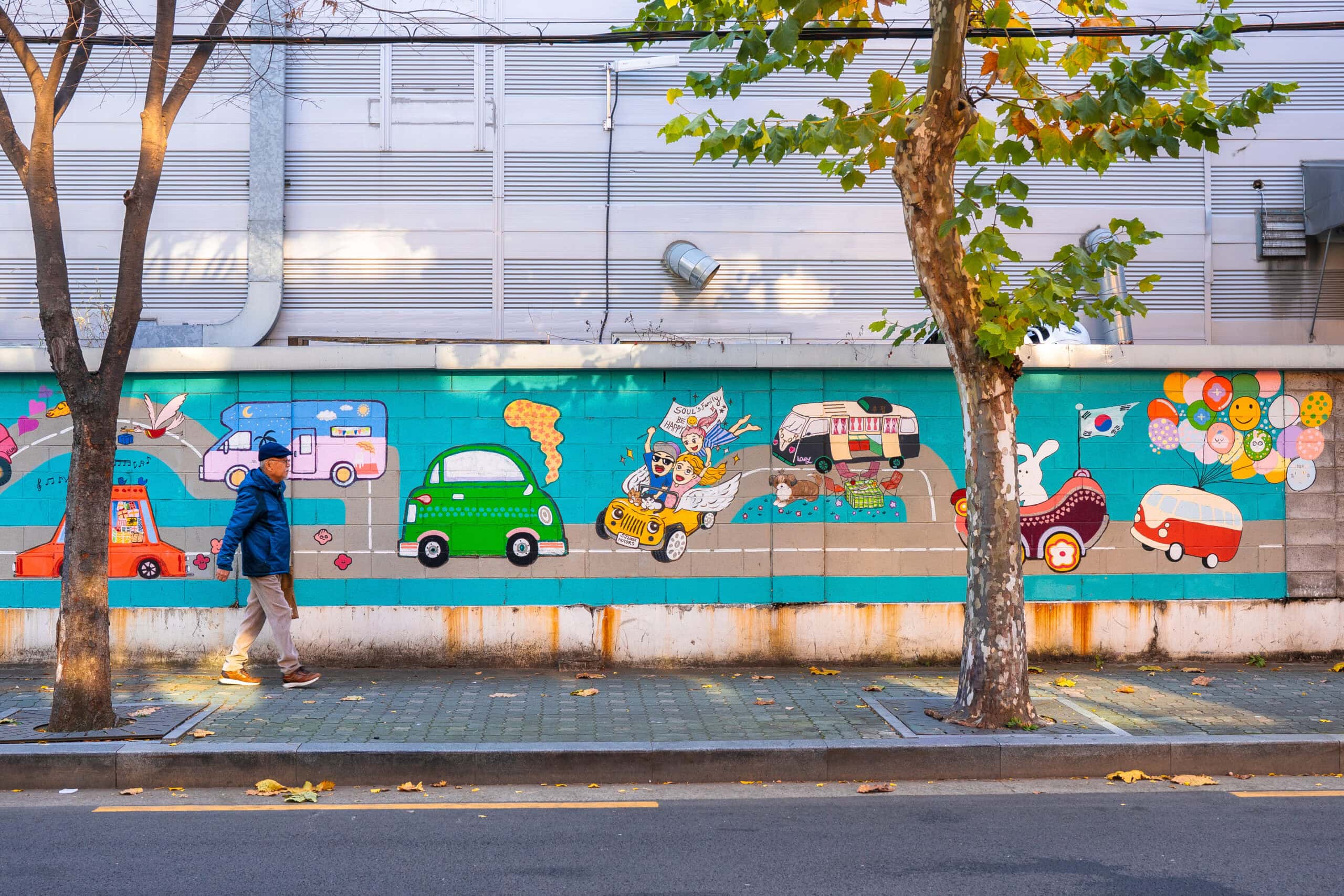
I write this as someone who will always be an outsider here, but no longer a stranger. I learned Seoul through daily routines, linguistic misunderstandings, and the passage of time. My goal is to help you find your own groove in this relentless, beautiful, and occasionally confusing capital.
Please note: This post may contain affiliate links. This means I may earn a commission if you make a purchase by clicking a link (at no extra cost to you). As an Amazon Associate, I earn from qualifying purchases. Learn more.
Why Visit Seoul? (It’s a Feeling, Not a Sightseeing Tour)
If you are trying to decide between Tokyo’s polite precision or Beijing’s imperial scale, choose Seoul’s restless energy
Unlike many other Asian capitals, Seoul doesn’t feel like a curated sightseeing tour where you tick off landmarks. There is a specific mystery to this city that is hard to capture in words, and I still find a layer of foreignness even after eight years of living here. It is a city that invites me to wander rather than just look.
The 24-Hour City
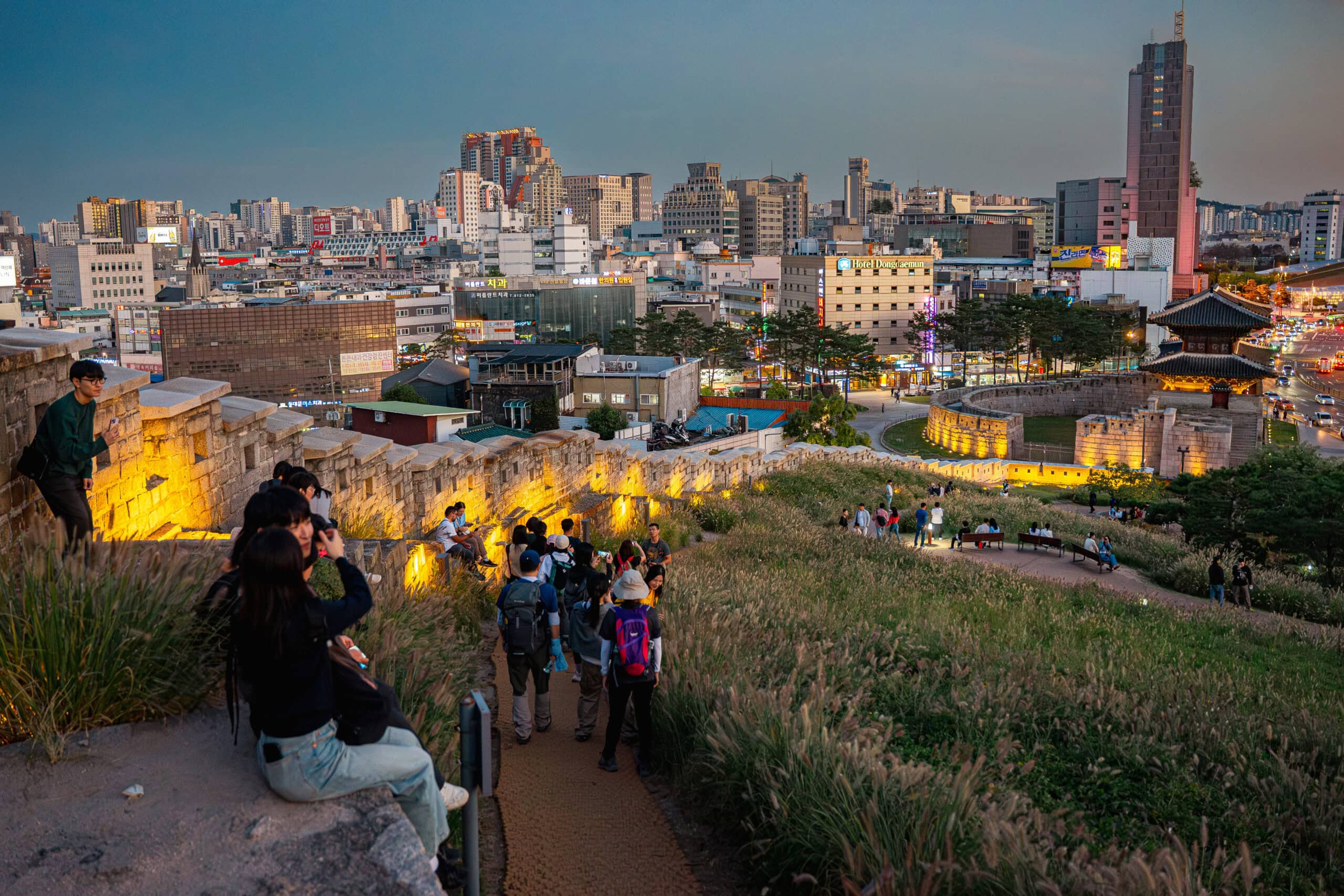
Seoul is a true 24-hour entity. In many cities, that’s a marketing slogan; here, it’s a lifestyle. You can go from a high-tech fashion boutique at 3:00 PM to a granite mountain peak for a sunset hike, and by 3:00 AM, find yourself huddled over a sizzling grill in a BBQ joint that is only just hitting its stride.
The way Seoul’s neighbourhoods shift between day and night is, in my opinion, one of the greatest urban transformations on earth. In areas like Euljiro, a quiet alleyway flanked by industrial workshops at noon becomes the city’s hottest outdoor drinking spot by midnight.
The Cultural Cult
While some visit for the history, many now arrive to step into the screen. Whether you are chasing shooting locations of your favourite K-drama, hunting for dalgona candy like a Squid Game extra, or trying to capture the specific aesthetic of a NewJeans video, Seoul is the undisputed global trendsetter of 2026.
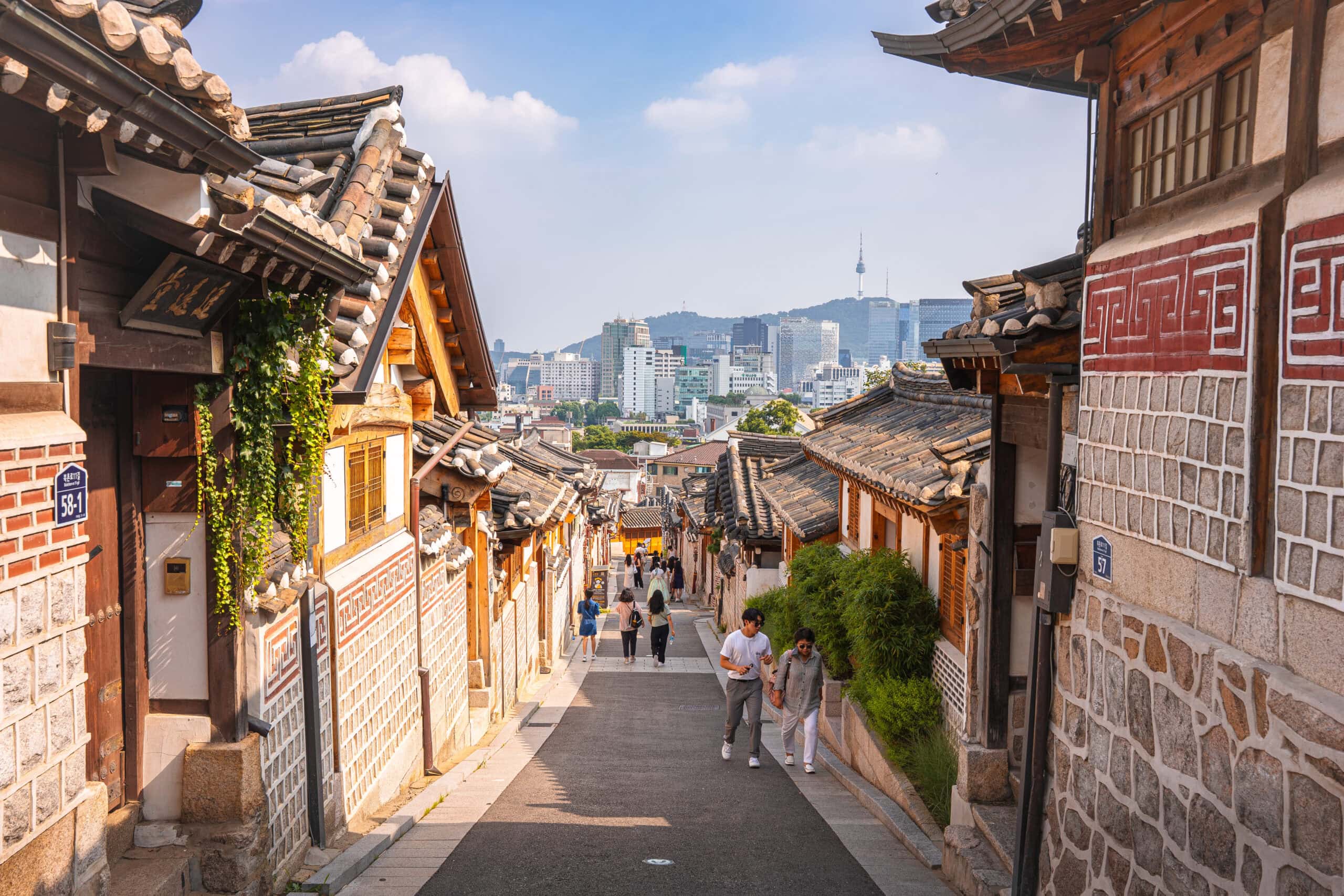
But the K-Wave is more than just a screen aesthetic; it is driven by heung (흥). Often translated as invincible joy or collective energy, heung is the internal spark that makes Seoul feel so alive. It is why the street style is often cooler than the runways of Paris, and why the nightlife has an intensity you won’t find anywhere else.
From the multi-step skincare empires to the Michelin-star innovations in the food scene, Seoul is where the world’s next big thing is currently being born.
Perhaps the biggest appeal for a return visit is the city’s sheer speed of evolution. What is hot in Seoul in 2026 will likely be forgotten and replaced by something entirely unexpected by 2027. It is a city that refuses to stand still, which is exactly why it remains so impossible to fully know.
Planning Your Trip: When to Visit Seoul in 2026
Seoul is a city of atmospheric extremes. Spend long enough in Korea, and sooner or later, you’ll hear the famous phrase: Korea is unique because it has four distinct seasons. Here is the reality of the Seoul calendar.
Seoul in Spring (March to May): The Pink Paradox
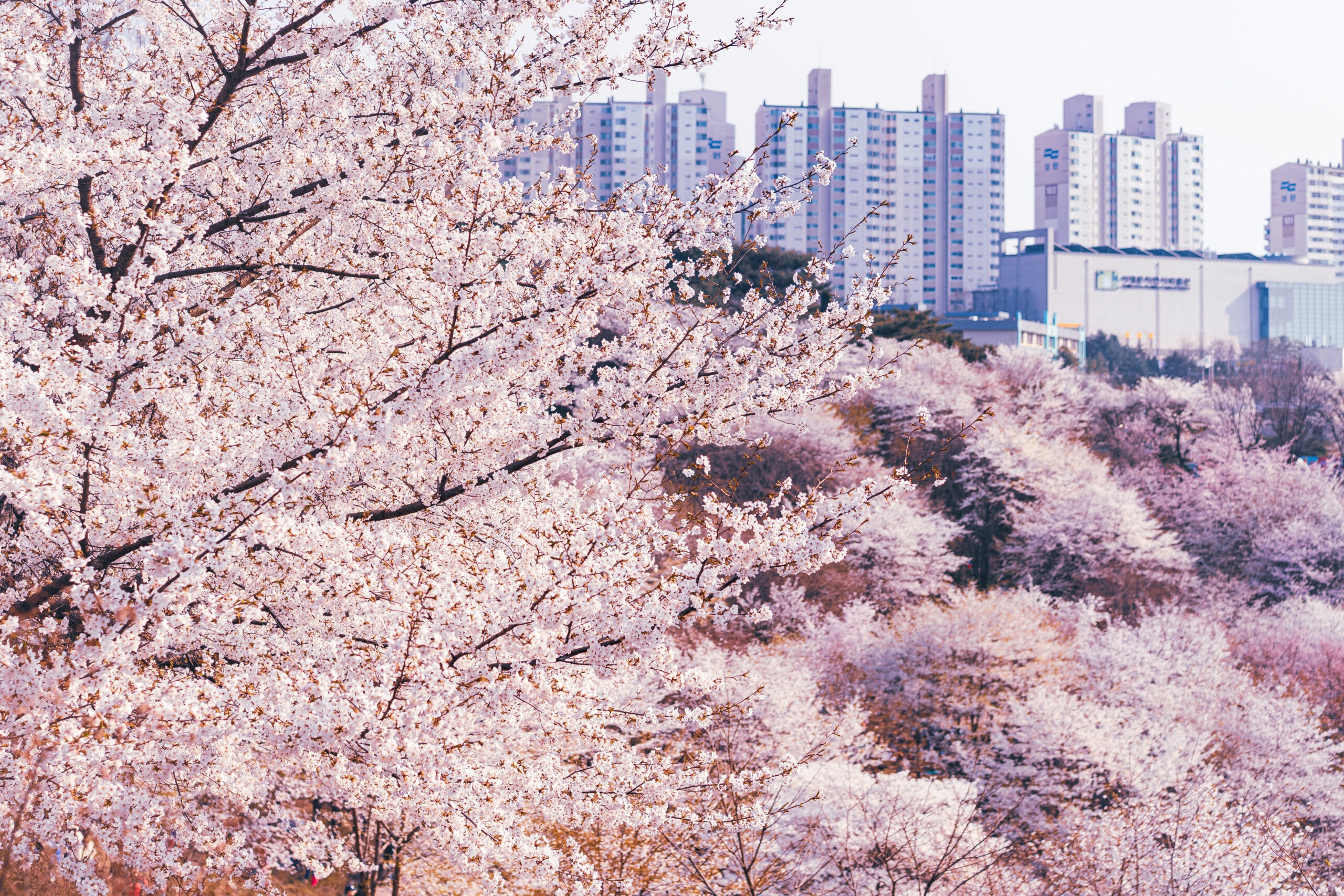
Spring is undeniably beautiful, but it comes with a caveat. This is when the city’s cherry blossoms turn Seoul into a soft-focus dream.
- The Highs: Seeing the petals fall at Yeouido Hangang Park, Seokchon Lake, or Children’s Grand Park is a bucket-list experience.
- The Lows: It is ridiculously busy. You will be sharing that cherry blossom moment with ten million other people. Spring also brings the dreaded Yellow Dust—fine sand that blows in from the Gobi Desert that can turn the sky an ominous sepia and play havoc with your lungs.
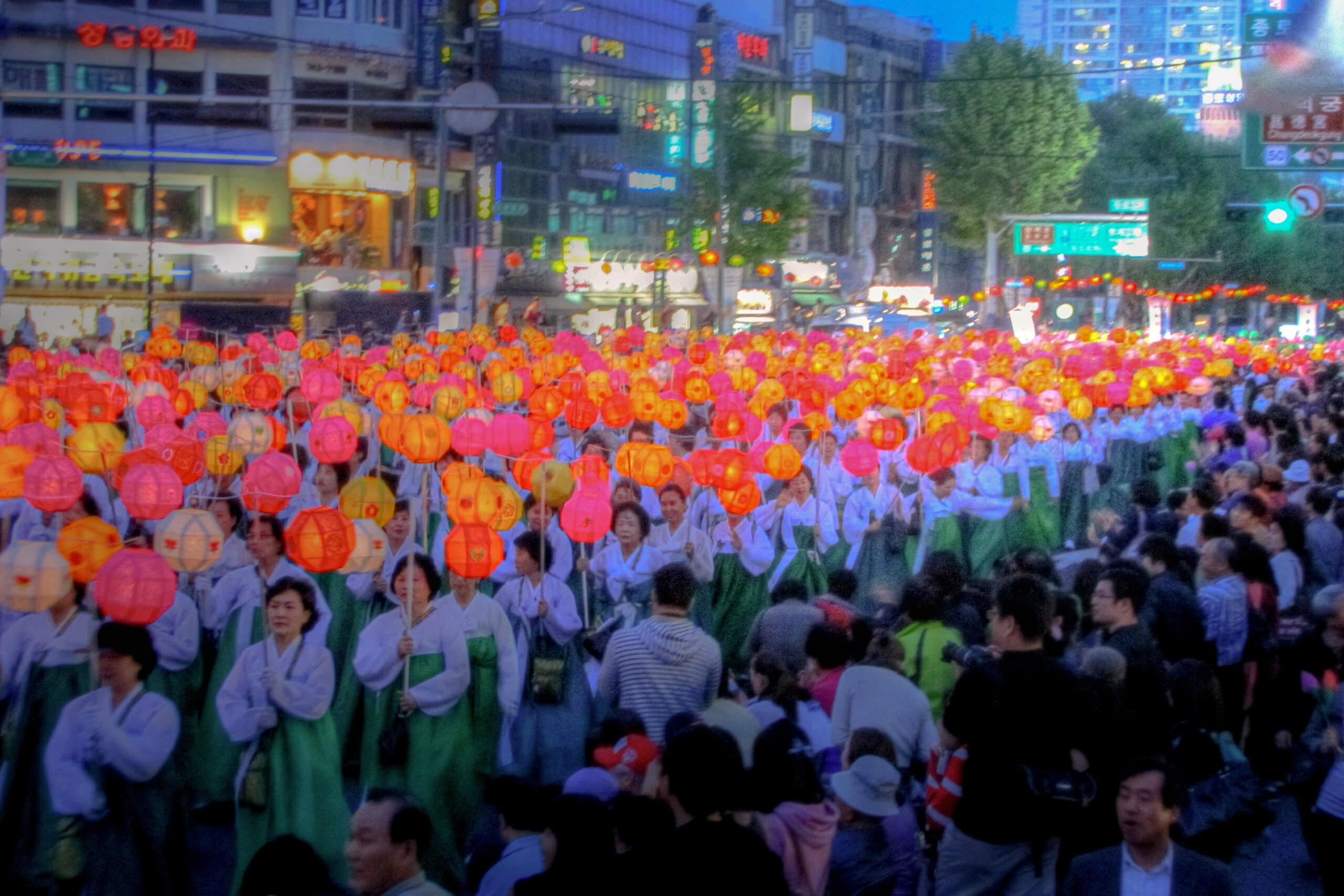
Seoul in Summer (June to August): The Humidity Test
If I’m honest, I actively avoid Seoul in July and August. It is hot and humid AF.
- The Reality: Unless you enjoy walking around in sweat-soaked clothes, the summer is a challenge. The Jangma (monsoon) can bring weeks of relentless rain that turns the city into a giant steam room.
- The Charm: That said, some of my best memories are from those humid AF summer nights—surrendering to the heat in a side alley, grilling meat, and drinking ice-cold Cass beer. There’s a certain gritty, communal survivalism to a Seoul summer that you eventually learn to love.
Seoul in Autumn (September to November): The Golden Hour
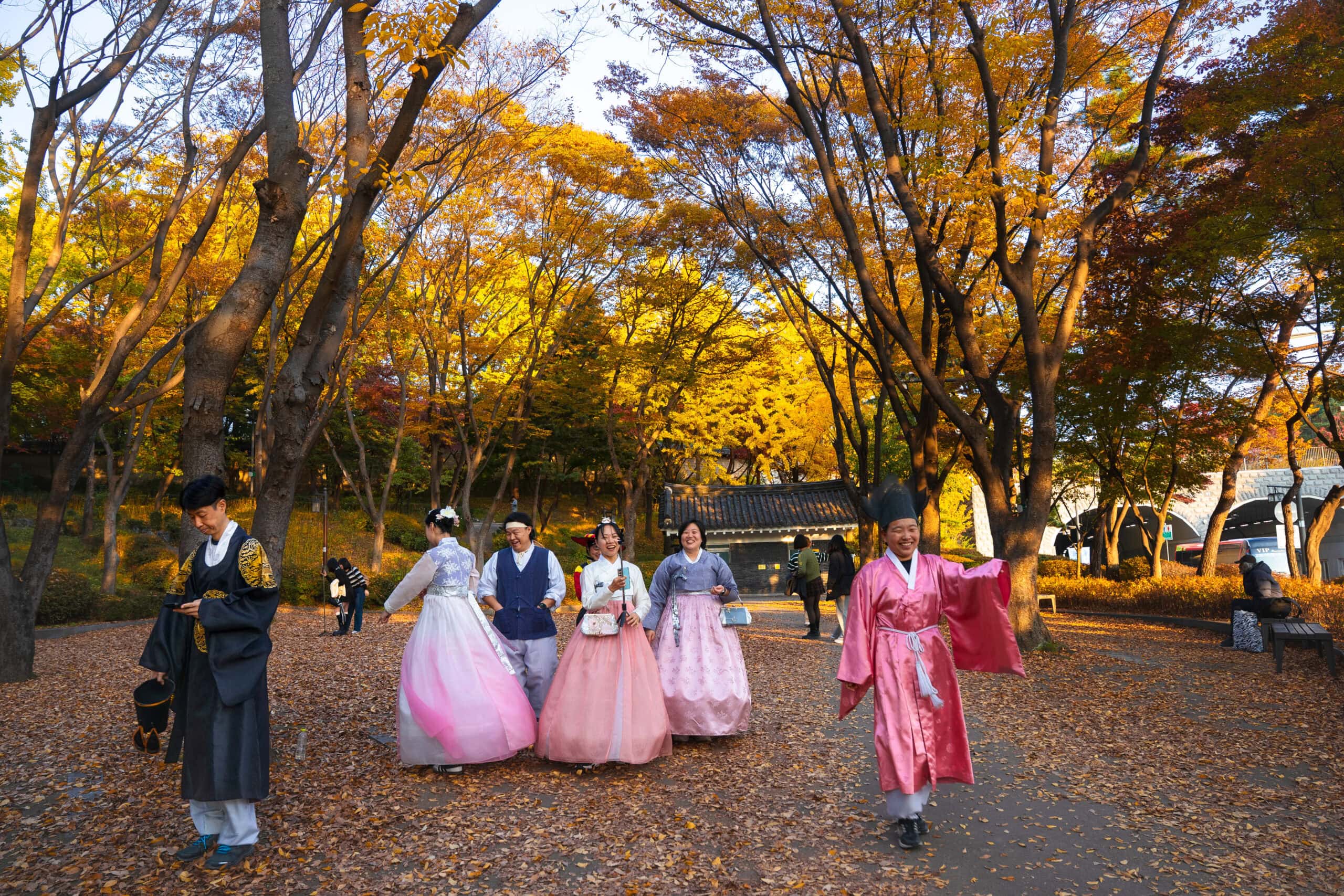
This is my absolute favourite time in the city, and November in Seoul is the undisputed champion of months.
- The Vibe: The humidity has vanished, the skies are that distinct Seoul Blue, and the trees are quite literally on fire with colour.
- The Perks: It’s the perfect temperature for exploring on foot. Even better, this is when the summer sales end and the new winter fashion hits the shelves. You’ll likely arrive home with a wardrobe that makes you look significantly cooler than you actually are. When the air gets nippy, it’s the ideal excuse for a cafe marathon in Seongsu-dong, Hapjeong, or Mullae-dong.
Seoul in Winter (December to February): The Deep Freeze
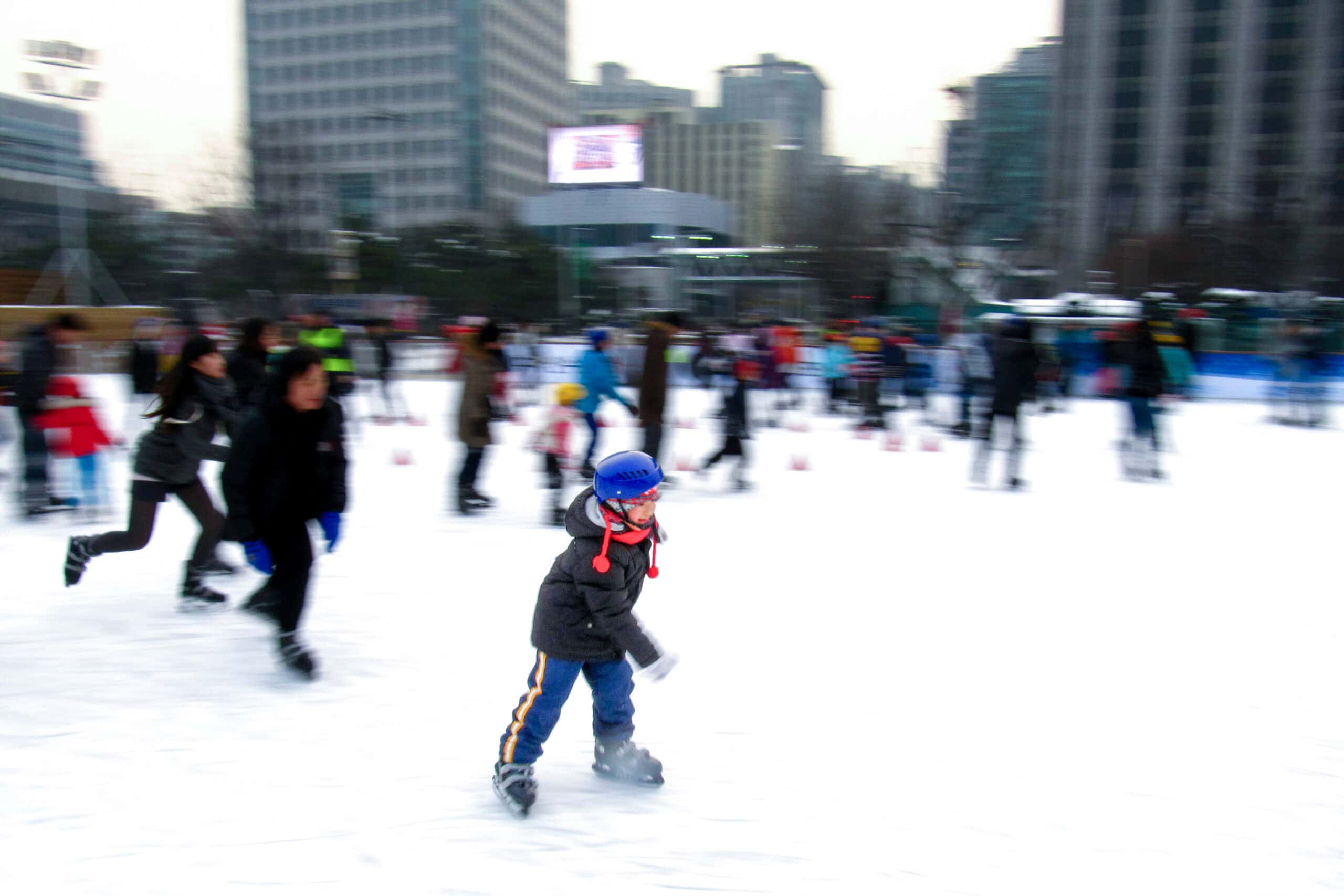
Seoul in January is not for the faint-hearted. We are talking -20°C temperatures that make your nostrils freeze shut.
- The Challenge: Seoul is a hilly city; when the roads get icy, just walking to the convenience store becomes an extreme sport as you try not to slip and ruin your dignity.
- The Reward: This is Seoul’s true eating and drinking season. There is nothing quite like sitting on an ondol (heated floor) in a traditional restaurant while the wind howls outside.
Street food stalls dish out seasonal favourites like hotteok (cinnamon-filled pancakes), gun-goguma (roasted sweet potatoes), gunbam (roasted chestnuts), or bungeoppang (red bean or custard-filled fish-shaped bread).
There is also the outdoor ice skating rink at Seoul Plaza, that’s fun for all ages.
How Many Days in Seoul? Planning Your 2026 Itinerary
Seoul is a long-haul destination for most. Unless you’re hopping over from Taipei or Osaka for a quick weekend, you need to give this city (and your jet lag) the time it deserves. While you can see the highlights in a hurry, Seoul is a city that rewards those who slow down.

The 3-Day Minimum: The Highlights Reel
Three days is the absolute minimum I recommend. In this window, you can tick off the Big Three: Gyeongbokgung Palace, Myeongdong, and Namsan Tower. You’ll eat some incredible BBQ, buy a little temple bell in Insadong, and see the neon, but it’ll still be a sprint
The 4-Day Sweet Spot: The Museum of Wander Choice
Four days is where the city really starts to open up. With that extra day, you aren’t just rushing between landmarks. You have time for a DMZ Day Trip, a hike up Bukhansan for a view over the granite peaks, or a slow afternoon exploring the hidden cafes of Buam-dong —one of those quiet, hilly neighbourhoods that tourists always miss.
- Plan your time: See my detailed 4-Day Seoul Itinerary for a day-by-day breakdown.
A Week in Seoul
I could easily spend an entire week in Seoul and not get bored. This allows you to dive into some of the untouristy neighbourhoods at a leisurely pace, or spend a full morning in a Seongsu-dong gallery, a quirky afternoon in Mullae-dong, or a full night in a Hongdae jazz club without checking your watch.
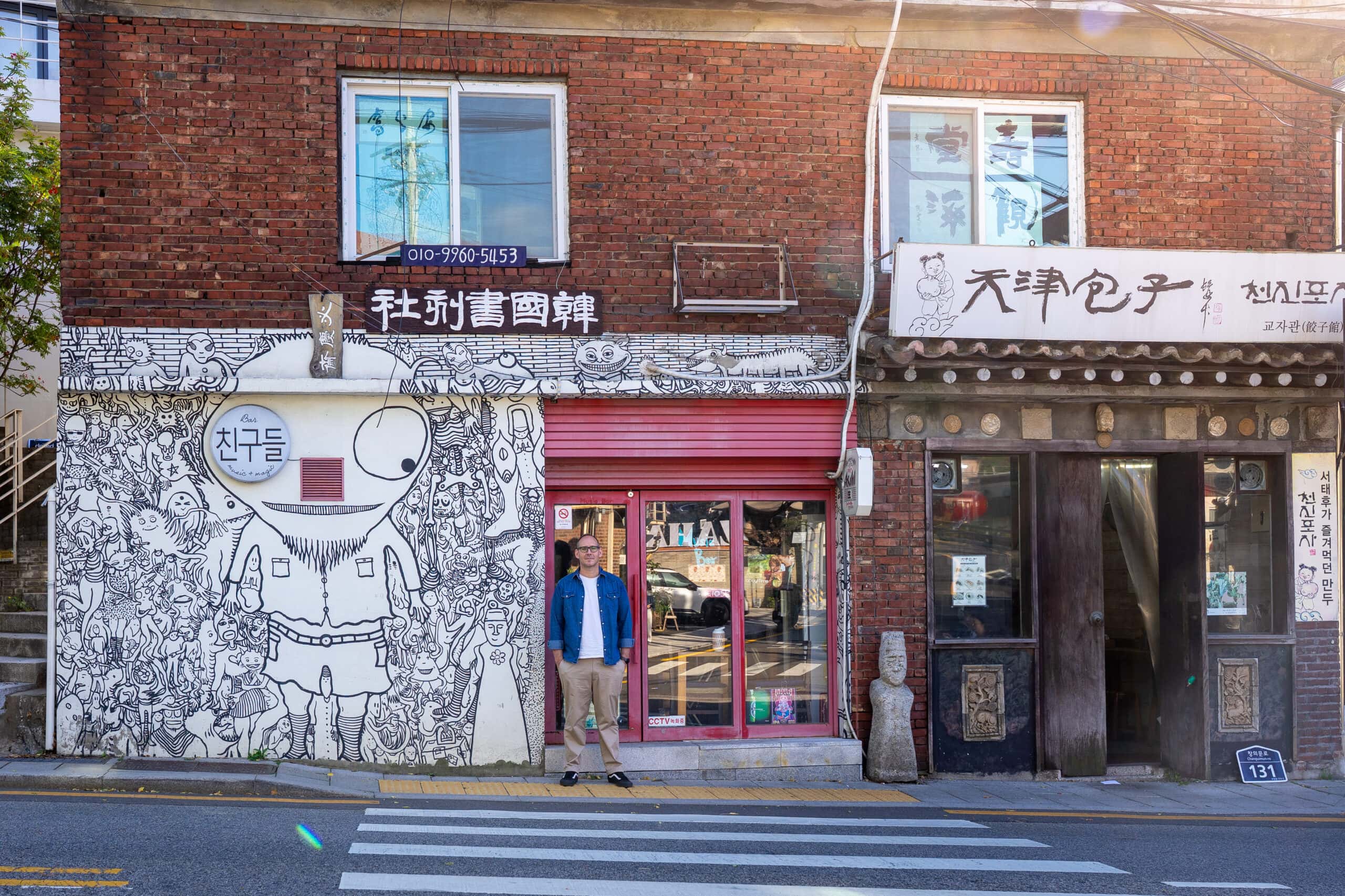
Beyond the Capital: A 10-Day Korea Itinerary
If Seoul is part of a longer South Korea trip, you’re doing it right. While Seoul is Korea to many, the rest of the country offers a sharp, beautiful contrast to the capital’s frenzy.
- My Recommended 10-Day Route: Spend 4 days in Seoul, take the express bus to Gyeongju for 2 days, and finish with 3 days in Busan for coastal vibes and seafood before getting the KTX back to Seoul. That leaves you one much-needed day to recover from the flight, or time to squeeze in a night at Hahoe Village near Andong.
Where to Stay in Seoul: A Neighbourhood Guide
Choosing where to base yourself in Seoul is the most important decision you’ll make. The city is a sprawling collection of distinct villages; stay in the wrong one, and you’ll spend half your holiday underground in a subway carriage.
Myeongdong: Best Place to Stay for First-timers
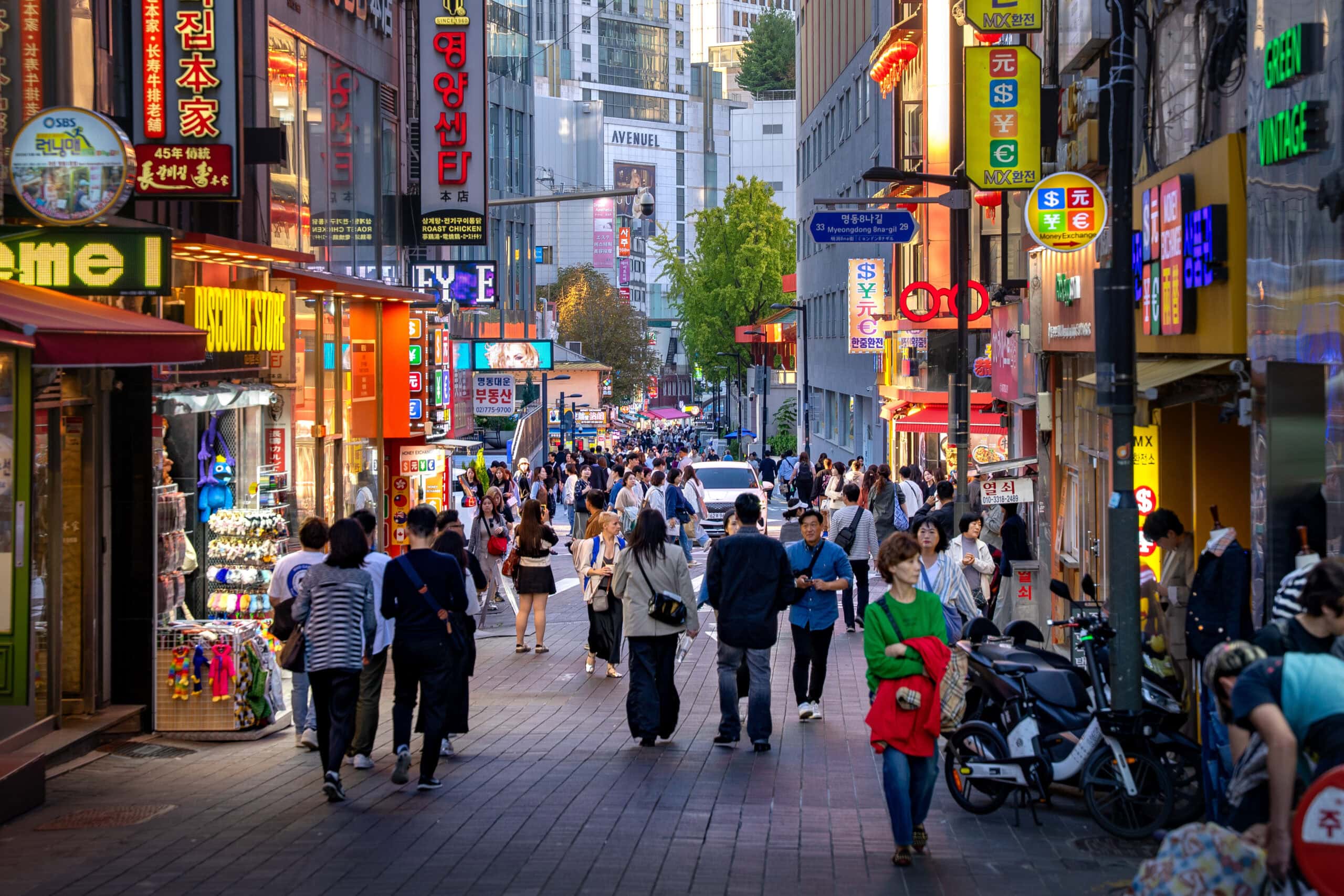
Whenever someone asks me where to stay in Seoul for a first-time visit, I say Myeongdong. It is the ultimate logistical safety net. You have everything at your doorstep: banks, money changers, hundreds (maybe thousands?) of restaurants, every skincare brand imaginable, and a legendary street food market that wakes up every evening.
Myongdong is also great for exploring Seoul on foot. Thanks to its central location, you can easily walk to places like Insadong, Gwanghwamun, Gyeonbukgung Palace, Namdaemun, and Namsan.
- The Vibe: High-energy, convenient, and commercial. It’s the city’s major transport hub, making it easy to see the rest of Seoul on foot, by bus, or by subway.
- Suits: First-timers, shoppers, and those who want zero-stress logistics.
- Where to stay: L7 Myeongdong for a trendy, mid-range rooftop vibe, or Hotel28 Myeongdong for a sleek, cinema-themed boutique experience.
Insadong & Ikseon-dong: The Soul of the City
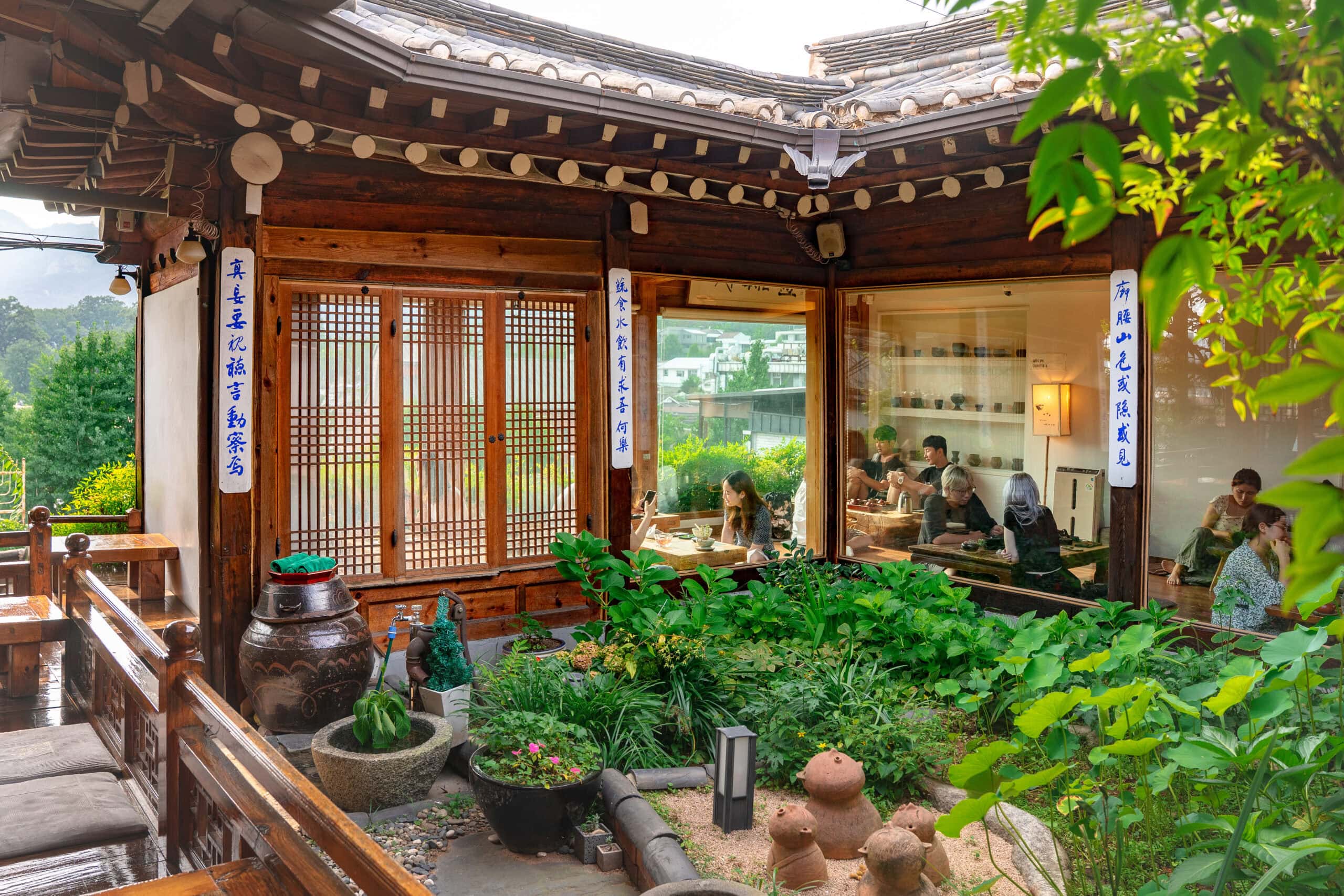
If you want to wake up in Old Seoul, this is it. These two compact neighbourhoods are the historical heart of the capital. This is still central and, like Myeongdong, you can walk to most of the sightseeing spots in Seoul.
Insadong is a labyrinth of tea houses, antique shops, and traditional craft stalls. Right next door, Ikseon-dong is a triumph of urban renewal—a cluster of 1920s hanoks repurposed into some of the city’s most Instagrammed bakeries and bars.
- The Vibe: Traditional, aesthetic, and walkable. You’re a stone’s throw from Gyeongbokgung Palace and Bukchon Hanok Village.
- Suits: Cultural seekers and slow wanderers.
- Where to stay: Nine Tree Insadong for a modern stay in the heart of the action, or Sunbee Hotel for a boutique feel with massive rooms.
Hannam-dong & Itaewon: The Multicultural Hub
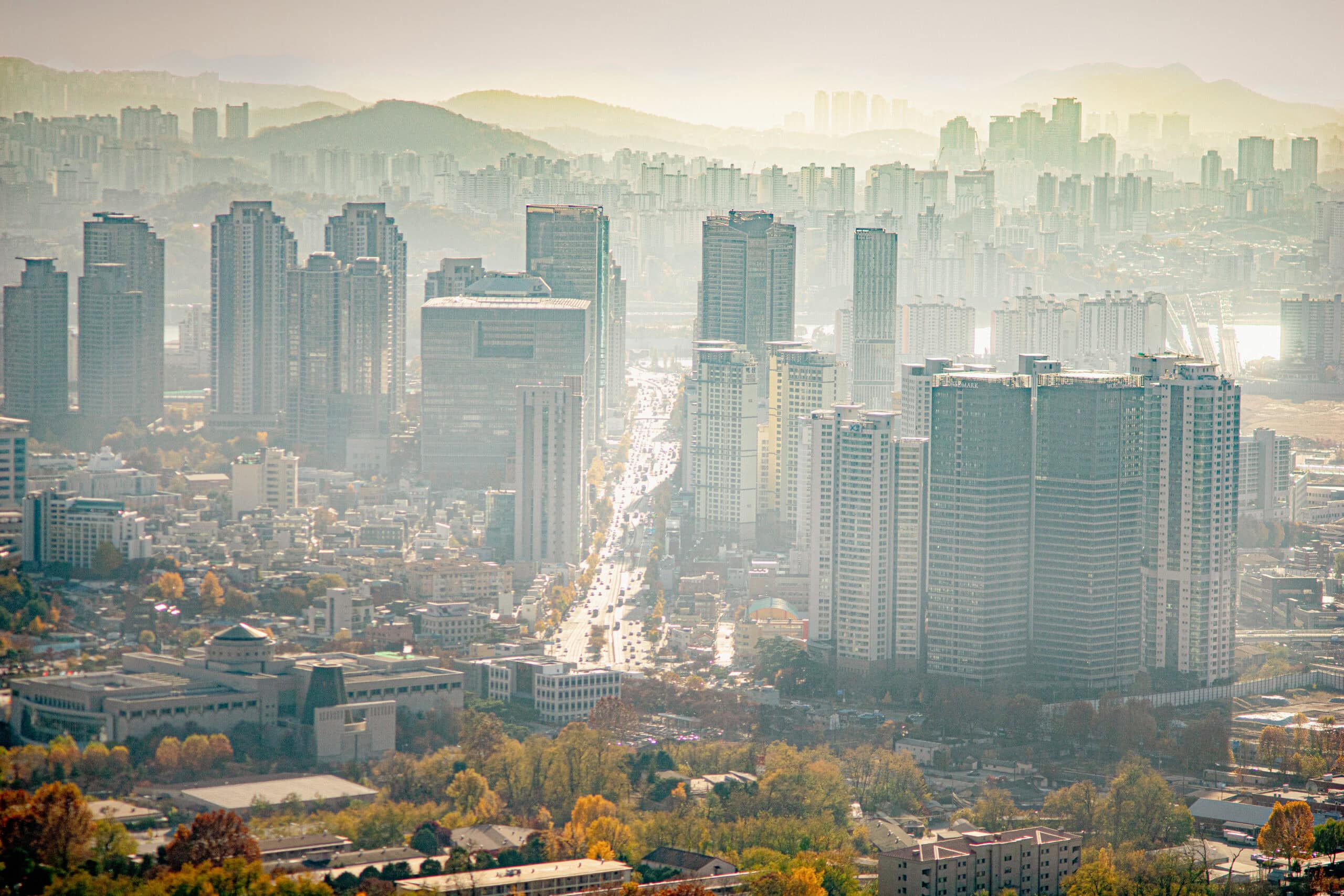
Historically, this was Seoul’s gritty expat playground, thanks to the nearby US army base and the hill of embassies. While Itaewon has gentrified significantly (you’ll now find Olive Young where dive bars used to be), it remains the city’s most diverse corner. Hannam-dong is its more polished sibling—upscale, artistic, and home to the city’s quiet wealth.
It sits a little outside the traditional sightseeing core of central Seoul, but the location is not bad if you’re planning to hop between Gangbuk and Gangnam (north of the river and south of the river).
- The Vibe: International, hedonistic, and creative. It’s also the top choice for LGBTQ+ travelers.
- Suits: Foodies looking for global flavours and those who value a good nightlife (including gay clubs/bars).
- Where to stay: Grand Hyatt Seoul for incredible views over the Han River, or Imperial Palace Boutique Hotel for something quirky and central.
Hongdae & Hapjeong: The Creative Pulse
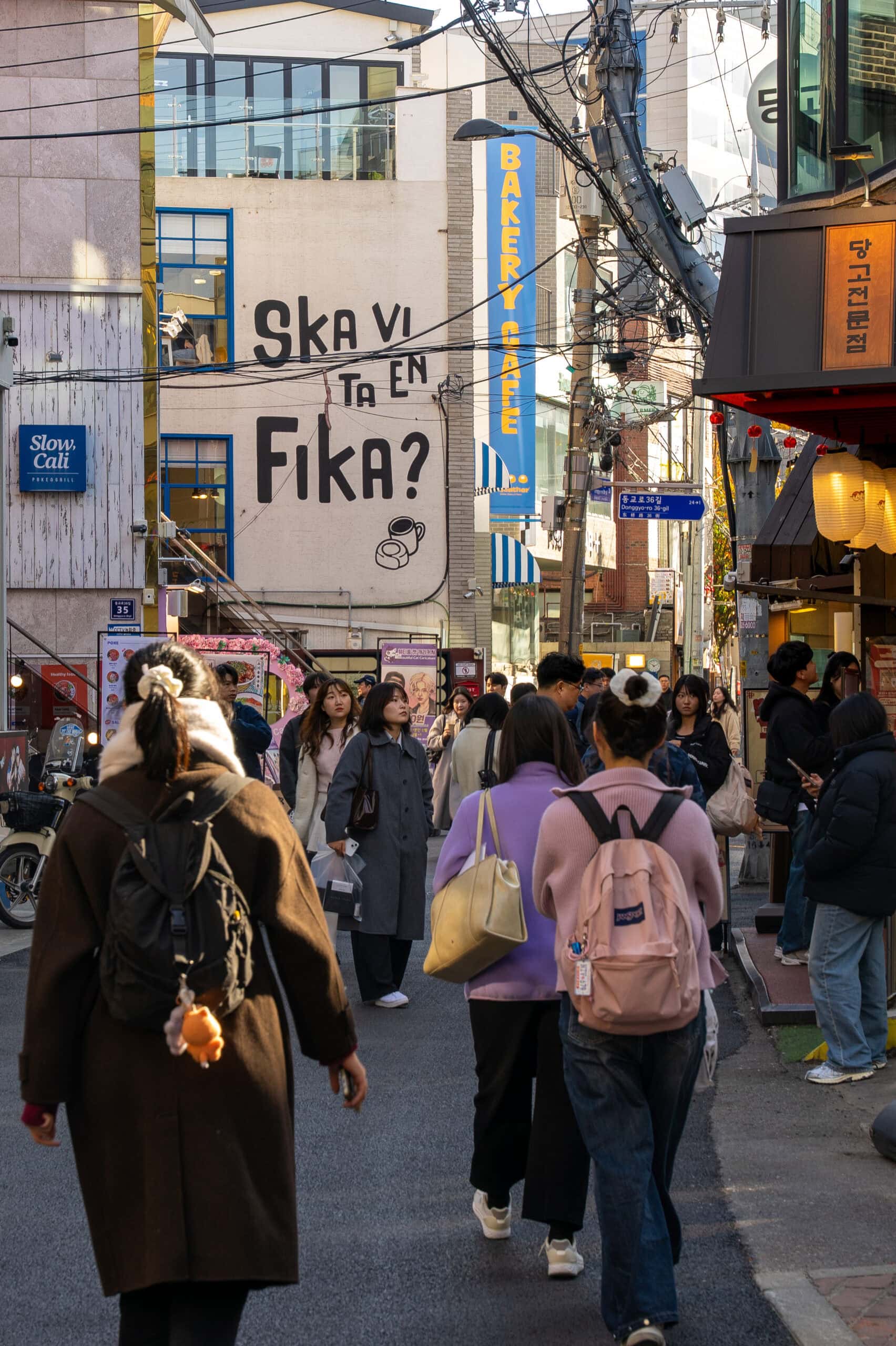
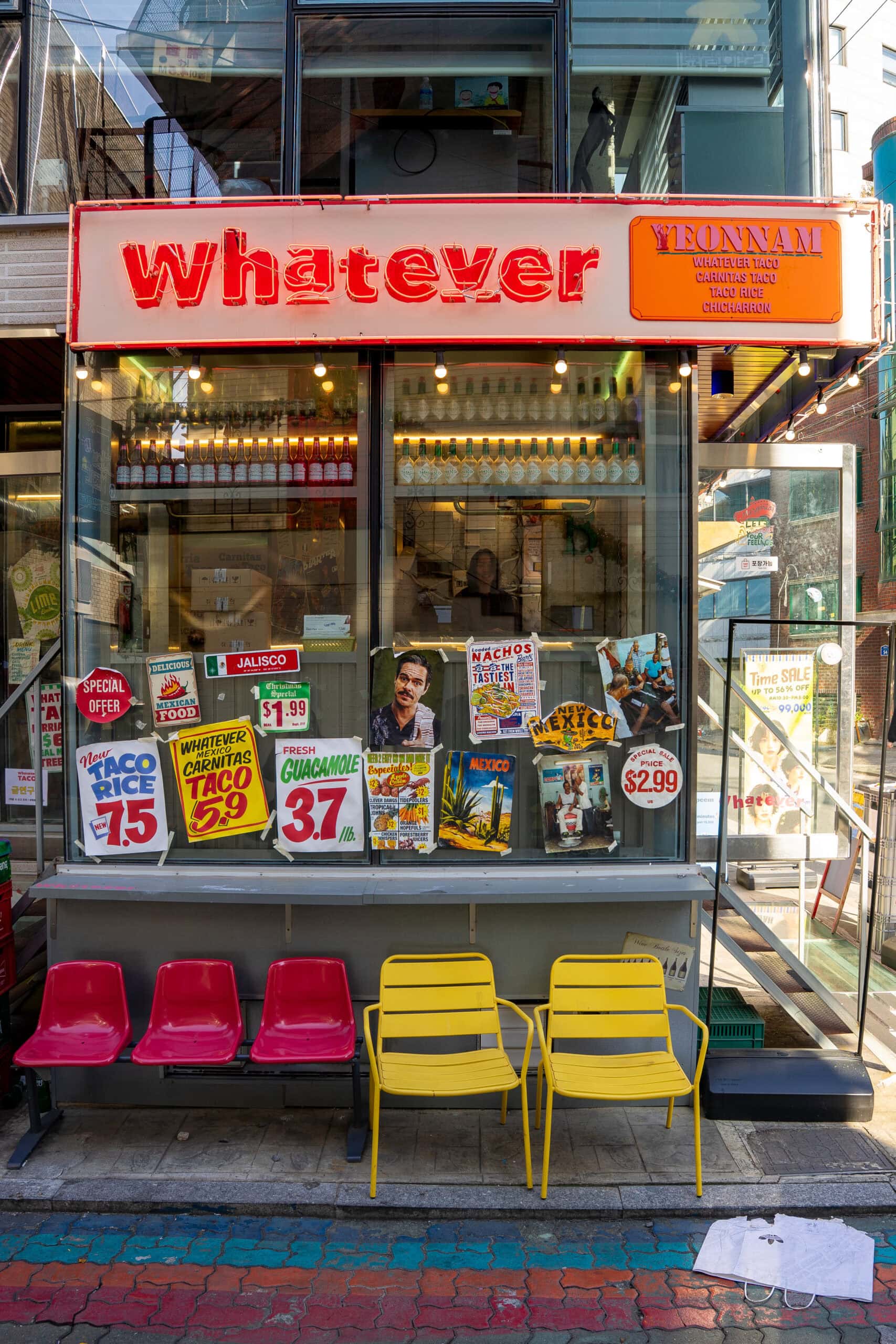
I spent five years of my twenties living in Hongdae, so I know exactly how rowdy this place gets. It’s the centre of Seoul’s indie music and arts scene. By day, it’s all boutiques and quirky cafes; by night, it belongs to the students who turn it into one of the best nightlife spots in the world. Hapjeong is the more grown-up neighbour with better restaurants and speakeasies, while Yeonnam-dong is the latest blooming cool kid with a fantastic Chinese food scene.
- The Vibe: Bohemian, loud, and brilliantly messy.
- Suits: The young (and young at heart) who want to party until sunrise.
- Where to stay: RYSE, Autograph Collection is one of the coolest in the city, or Hongdae Style if you prefer a small apartment with a kitchen.
Seongsu-dong: The Brooklyn of Seoul
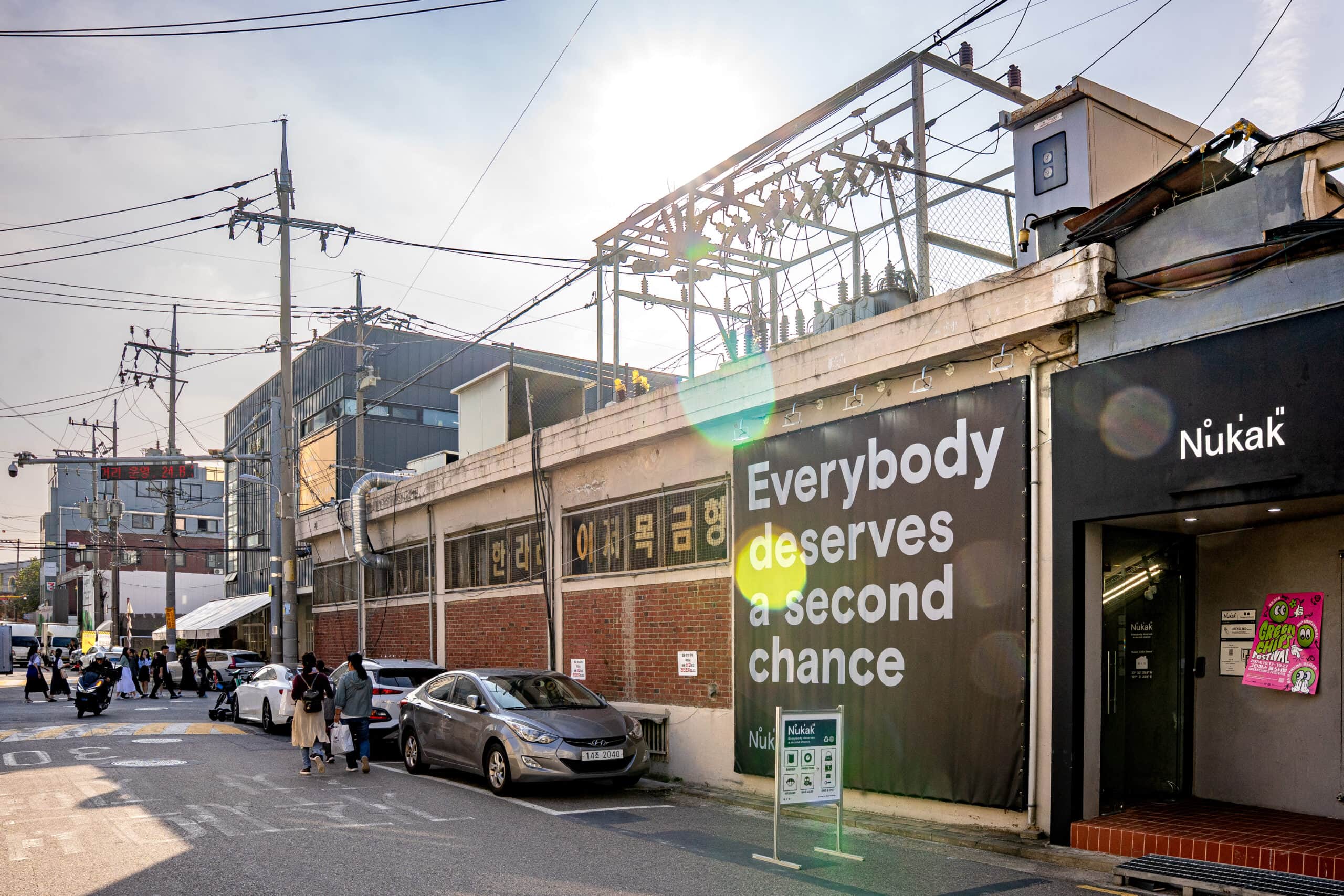
Seongsu-dong is the trendiest neighbourhood in the city right now. In every other 2026 travel guide, you’ll see it called the Brooklyn of Seoul, a nod to its industrial past and warehouse-turned-cafe present.
- My Take: While it is an incredible place to spend an afternoon wandering through pop-up shops and high-concept galleries (like House NoWhere), I generally think it is overhyped as a place to stay.
- Pros: Incredible cafe culture and arguably the best street style in the city.
- Cons: It lacks the central connectivity of Myeongdong and the historic charm of Insadong. Most of the action is temporary pop-ups, and the hotel options are still catching up to the hype.
- Verdict: Visit for the day, but don’t pack your bags here. Stay in Myeongdong or Dongdaemun and take the Green Line (Line 2) over for a long, caffeine-fueled afternoon instead.
The Museum of Wander Choice: Dongdaemun
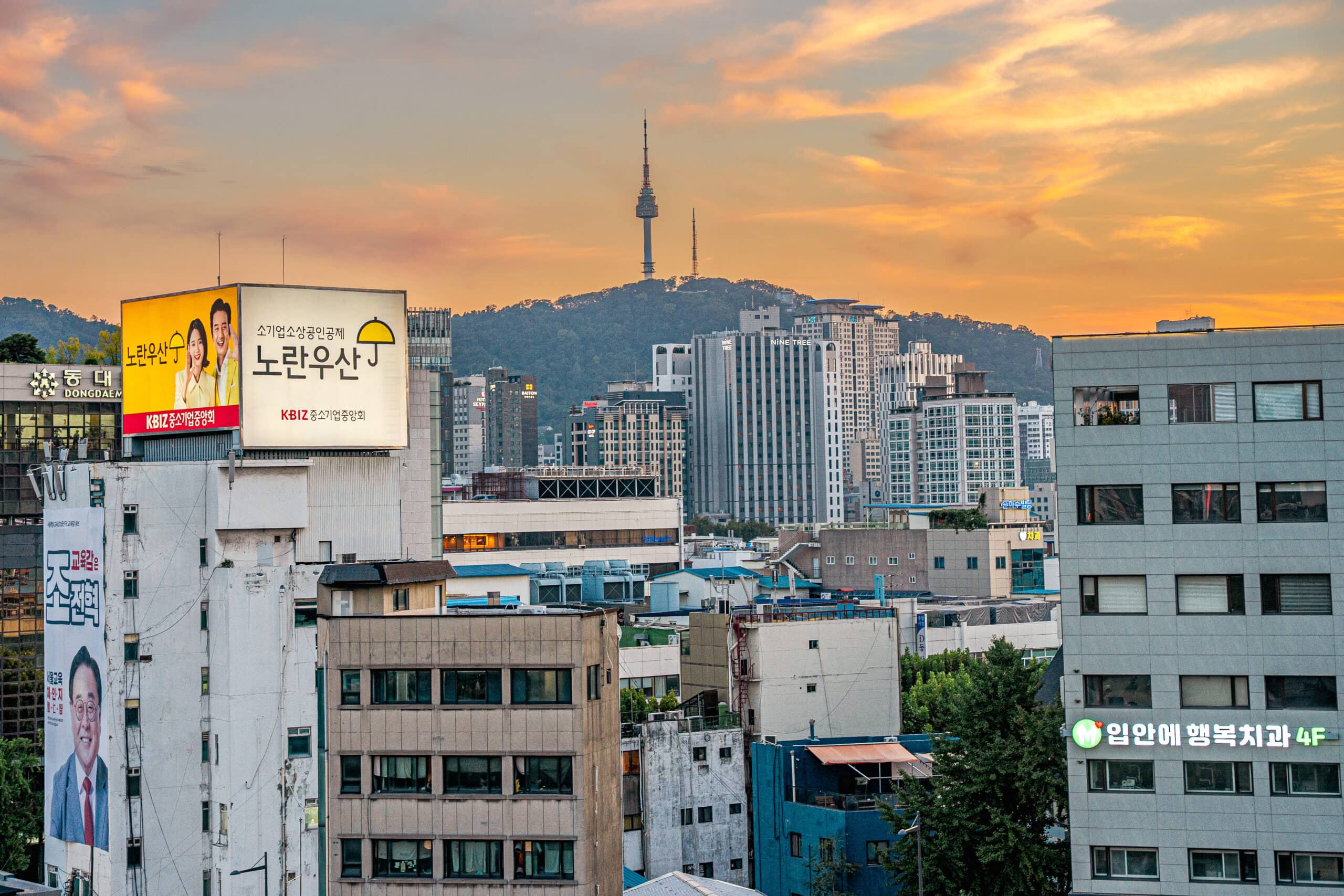
I have a soft spot for Dongdaemun (here is my Dongdaemun Guide). It offers a bit of everything: the futuristic architecture of the DDP, the ancient city walls, and the Cheonggyecheon stream for a morning jog, 24-hour jimjjilbang, Uzbek food, and great shopping. It’s just one subway stop from Myeongdong, so it’s still central but a little quieter.
- The Vibe: Truly 24/7, the night markets here run until dawn, making it perfect for night owls.
- Suits: Shoppers, museum people, night owls and those seeking a central base without the Myeongdong crowds.
- Where to stay: Naksan Balcony to feel like a local for a few days, or Hotel Skypark for the best location in this part of Seoul
Navigating Seoul: The Logistics You Actually Need
Planning a trip to Seoul is an exercise in unlearning everything you know about travel in the West. It is a city of high-tech convenience that occasionally demands you follow very specific, unwritten social contracts.
The Great Maps Lie: NAVER vs. Google
Let’s get the most important thing out of the way: Google Maps is essentially useless in South Korea. You can open it, it will show you a blue dot roughly where you are, and… that’s it. Due to local security regulations (the neighbour to the north), Google can’t provide walking or driving directions.
To navigate Seoul without losing your mind, you must download NAVER Map or KakaoMap. Both are available in English and are pinpoint accurate. I personally prefer Naver Map.
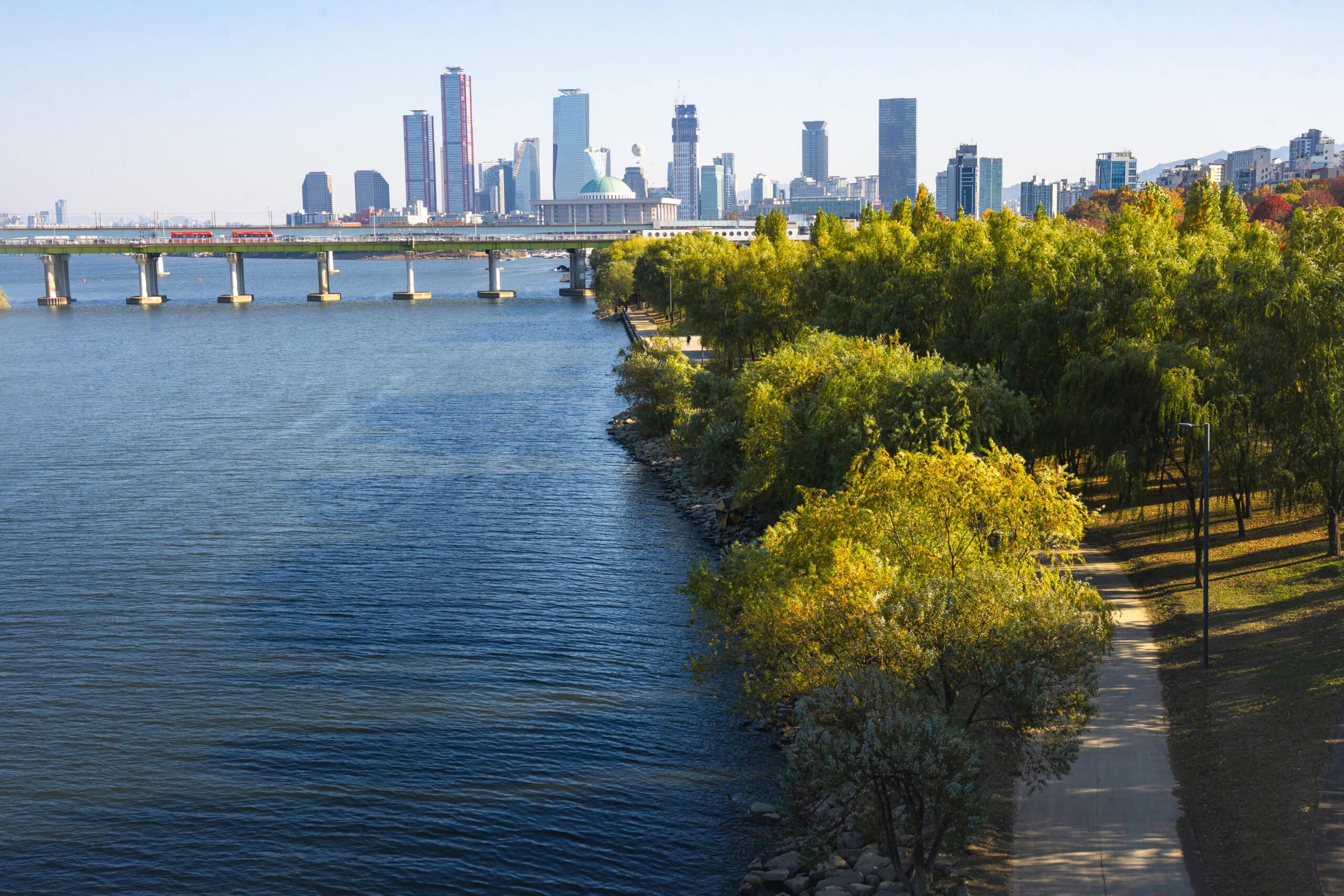
Connectivity: WiFi vs. eSIM
Seoul has decent public WiFi (look for SeoulWifi), and it works surprisingly well on buses, subways, and in tourist hubs like Myeongdong and Insadong. However, relying on public networks has its limits.
I recommend grabbing an eSIM on Klook before you land. It’s the easiest way to arrive connected and have NAVER Map running right from the moment that you land. If you’re travelling in a group, Pocket Wi-Fi is still a solid, cost-effective choice, as you can connect three devices.
Getting Around: The Best Transit System on Earth?
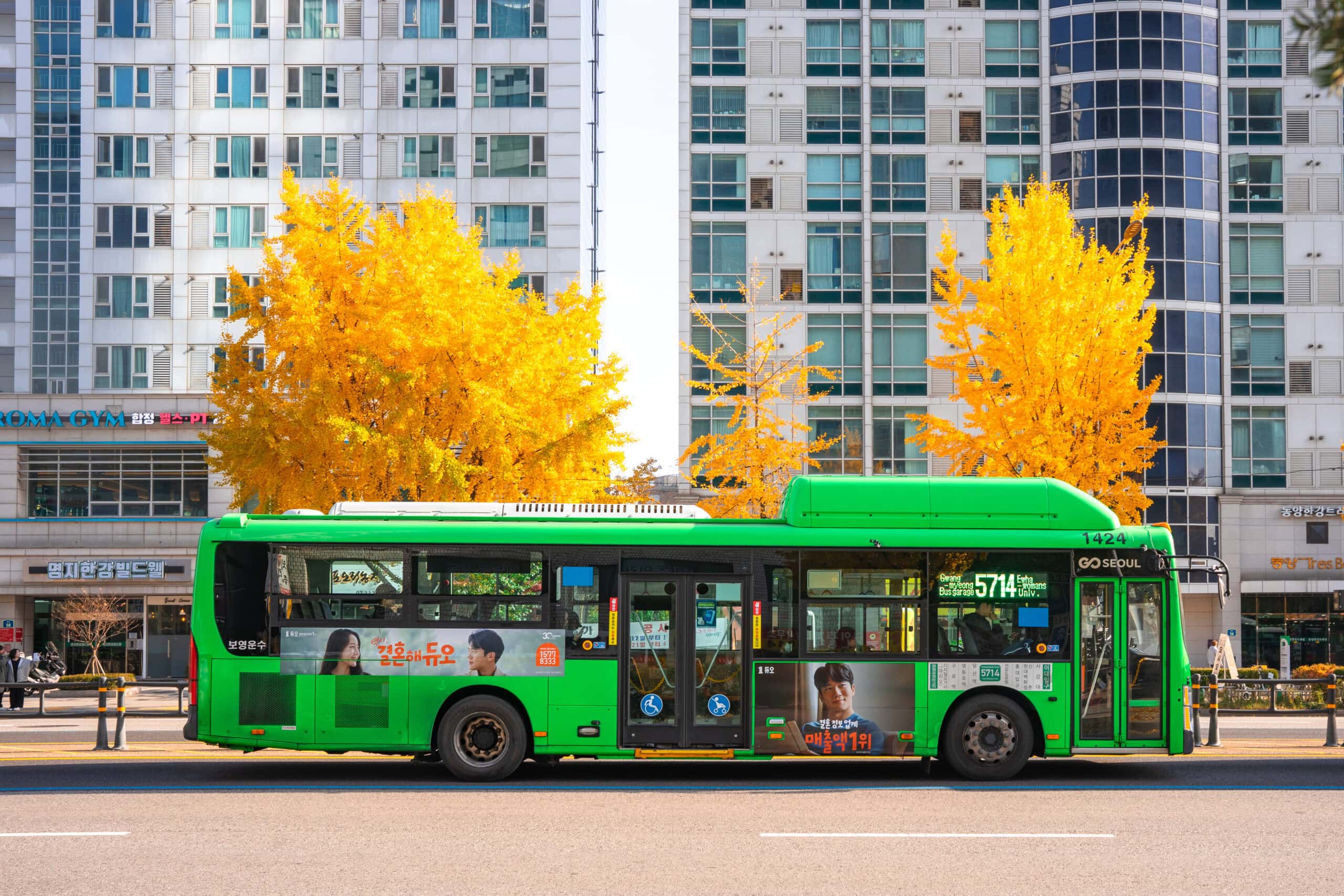
Seoul’s public transport is cheap, terrifyingly efficient, and cleaner than most people’s kitchens. It is the gold standard for how a mega-city should move.
How to Use Seoul Public Transport: Tap-On, Tap-Off Rule
Whether you are using a T-Money card or the new 2026 Climate Card, the rule is simple: You must tap your card every time you enter AND every time you exit.
- The Subway: Tap at the turnstile when you enter and again at the gate when you leave.
- The Bus: Tap the sensor next to the driver when you board, and tap the sensor by the back door before you step off.
- Bus Logistics: Always board at the front door by the driver and exit via the back door.
- Free Transfers: Tapping off is the only way to trigger a free transfer between buses or subways. You have a 30-minute window (60 minutes at night) to switch lines without paying a second fare. This free transfer applies to up to four transfers (five rides total) on a single journey. You can really get anywhere in the city in only one fare.
- Don’t Forget to Tap Out: If you fail to tap off, the system will charge you a penalty fare and you will lose your free transfer.
The Cards You Need:
- The T-Money Card: The classic reloadable card. You can buy it at any convenience store (CU, GS25, 7-Eleven). A T-Money card can only be topped up with cash, so make sure to get some from the ATM at the airport. These cards can also be used to pay at convenience stores. You can use T-Money cards for public transportation throughout Korea.
- The Climate Card (Tourist Pass): New for 2026, this is a game-changer. For a flat fee (roughly ₩5,000 for 1 day up to ₩20,000 for 7 days), you get unlimited rides on the subway and buses. If you move across 4-5 neighbourhoods a day, this will save you a fortune.
Buy them (3,000 won for the card) from any convenience store, subway station, or vending machine at the airport. The Climate Card only works in Seoul.
Subway Etiquette (Or, How Not to be That Person)
When I first moved to Seoul, the subway was a boisterous place where people had what I assumed were heated arguments (usually just passionate chats). Today, the Quiet Subway initiative has taken hold.
- Keep it Down: Don’t be the tourist shouting about their dinner plans. The silence is now part of the culture.
- The Forbidden Seats: Every carriage has seats at the ends for the elderly and pink seats for pregnant women. Do not sit in them. Even if the carriage is empty. Even if your legs are falling off. You will be judged by an entire nation, and you will receive the death stare from everyone in the carriage. Unless you are, in fact, a pensioner or pregnant, then sit down by all means.
Things to Do in Seoul: Sights, Museums & Markets
Seoul is a city that rewards the curious but punishes the unprepared. You can spend your morning in a 14th-century palace and your afternoon in a futuristic design hub that looks like it landed from another galaxy. The trick is knowing which must-sees are actually worth your time and which are just a backdrop for a selfie.
The Palaces
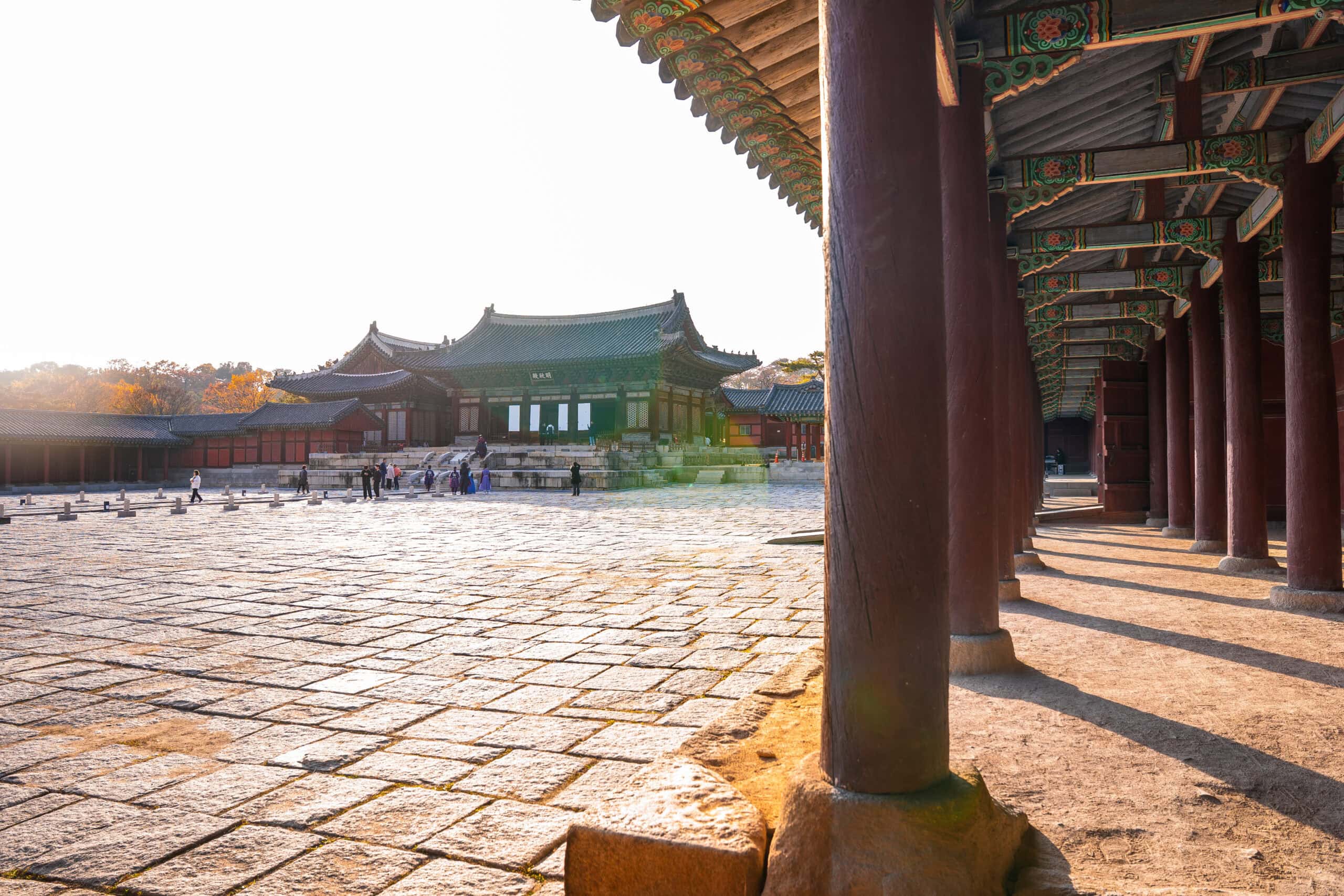
Gyeongbokgung is the big, famous one. It’s grand, it’s symmetrical, and it’s where you’ll see the Changing of the Guard ceremony. Every tourist sees it, and honestly, you should too. It is a spectacular piece of history and damn photogenic too.
However, if you want something that feels more intimate, head to Changdeokgung. It was the preferred residence of many kings for a reason. Its Secret Garden (Huwon) is a masterpiece of traditional landscaping, but be warned: entry is by guided tour only, and tickets sell out fast.
If the online tickets are gone, get there by 9:00 to try for the small onsite allocation. During my most recent visit to Seoul, I arrived at 9:30 three days in a row with no luck.
The Insider Alternative: If the Secret Garden is sold out, walk over to Changgyeonggung Palace. It borders Changdeokgung and shares that same garden setting, but without the famous name. It’s rarely crowded and is one of my favourite spots for autumn leaves.
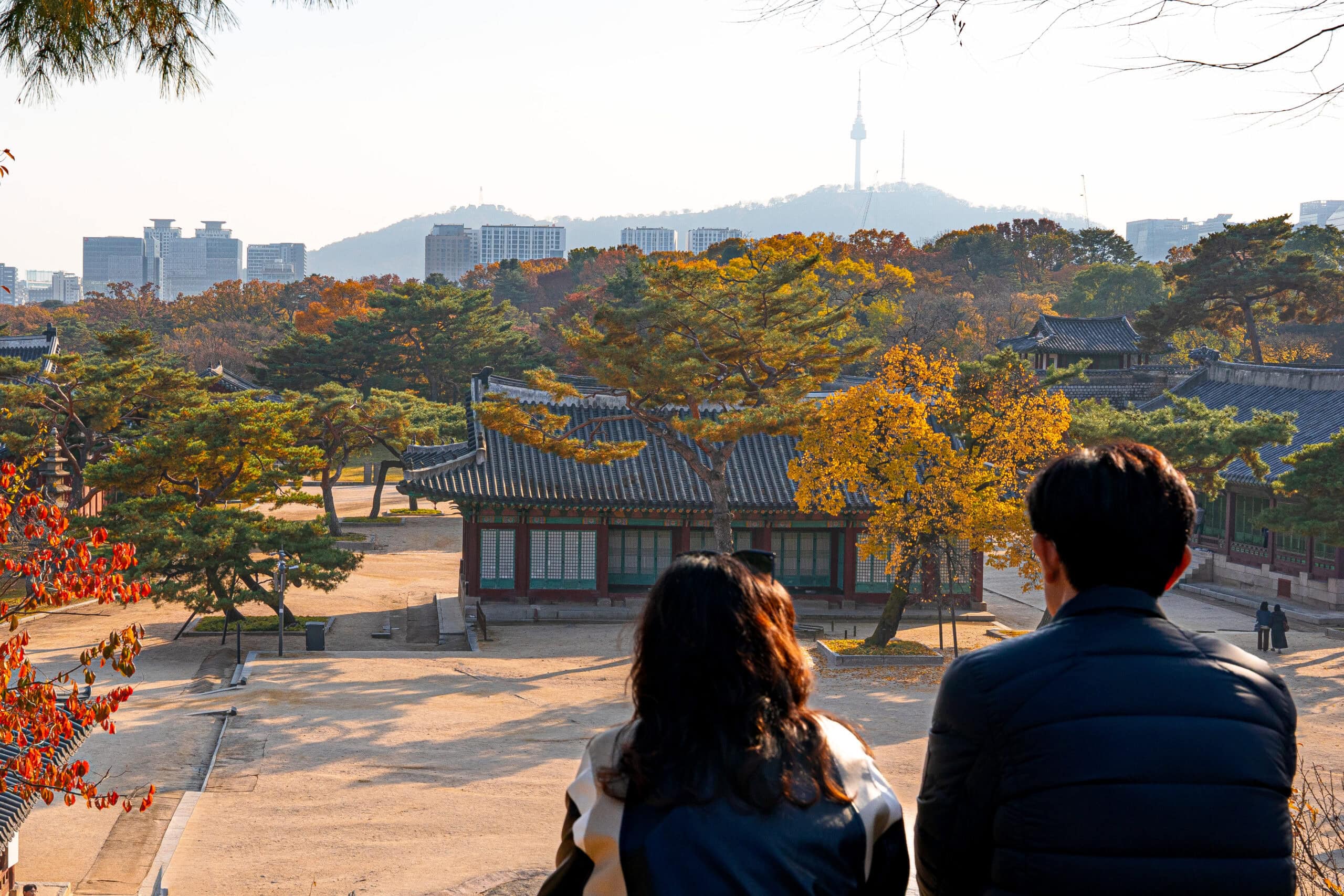
Even better, it stays open until 8:00 PM, making it a fantastic alternative to seeing Gyeongbokgung at night (which only opens its gates at night for a few weeks a year).
DDP: Art Inside the Silver Spaceship
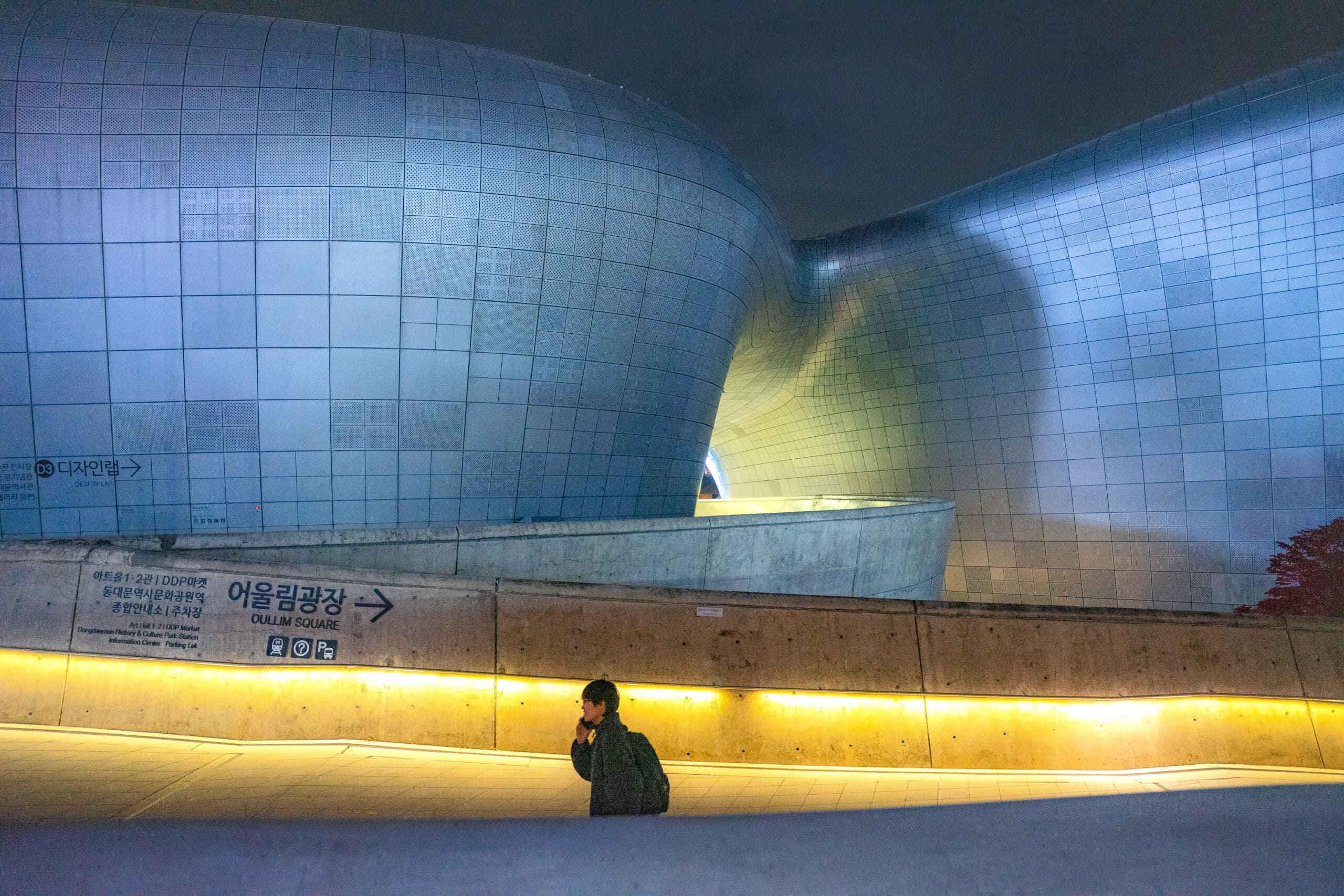
The Dongdaemun Design Plaza (DDP) is Zaha Hadid’s silver behemoth. Even if you aren’t an architecture nerd like us, it’s worth a visit. It feels like a spaceship parked in the middle of a frantic market district.
While the interior exhibition fees can be steep (often around ₩20,000 for big names like Andy Warhol or Basquiat), the building itself is free to explore. It’s especially striking at night when it’s lit up, often with light displays projected onto the exterior.
Namsan: The Geographical Heart
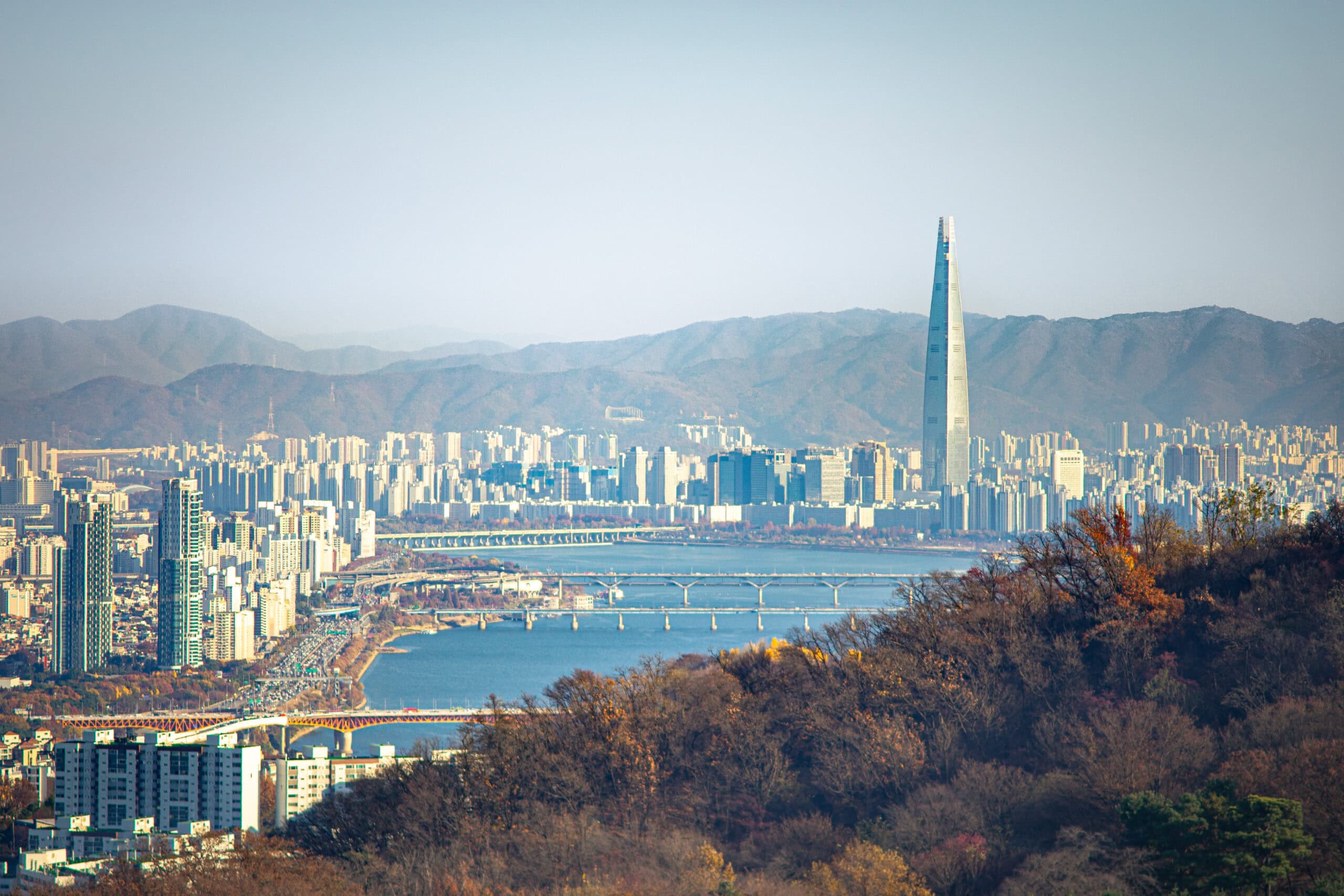
I only recently discovered an inscription at Namsan confirming it as the geographical centre of Seoul. There is no better place to understand the sheer scale of this city.
- The Strategy: Take the cable car up (it’s fast and saves your knees) and the bus down.
- The View: You get a 360-degree look at how dense Seoul is. You’ll look across the Han River toward Gangnam and Bukhansan Mountain in the other direction.
- The Tip: Skip the ticket to the top of the actual N Seoul Tower; I find the view from the base of the tower and the open observation decks is actually better (and free). Come at sunset to watch the city transform.
The Best Museums in Seoul: From National Treasures to Niche Obsessions
There are hundreds—perhaps thousands—of museums in Seoul. Koreans clearly love a curated collection, but be warned: many of these are niche to the extreme. You can find museums dedicated entirely to sweet potatoes, the history of Kimchi, or the intricacies of traditional Korean three-stringed instruments.
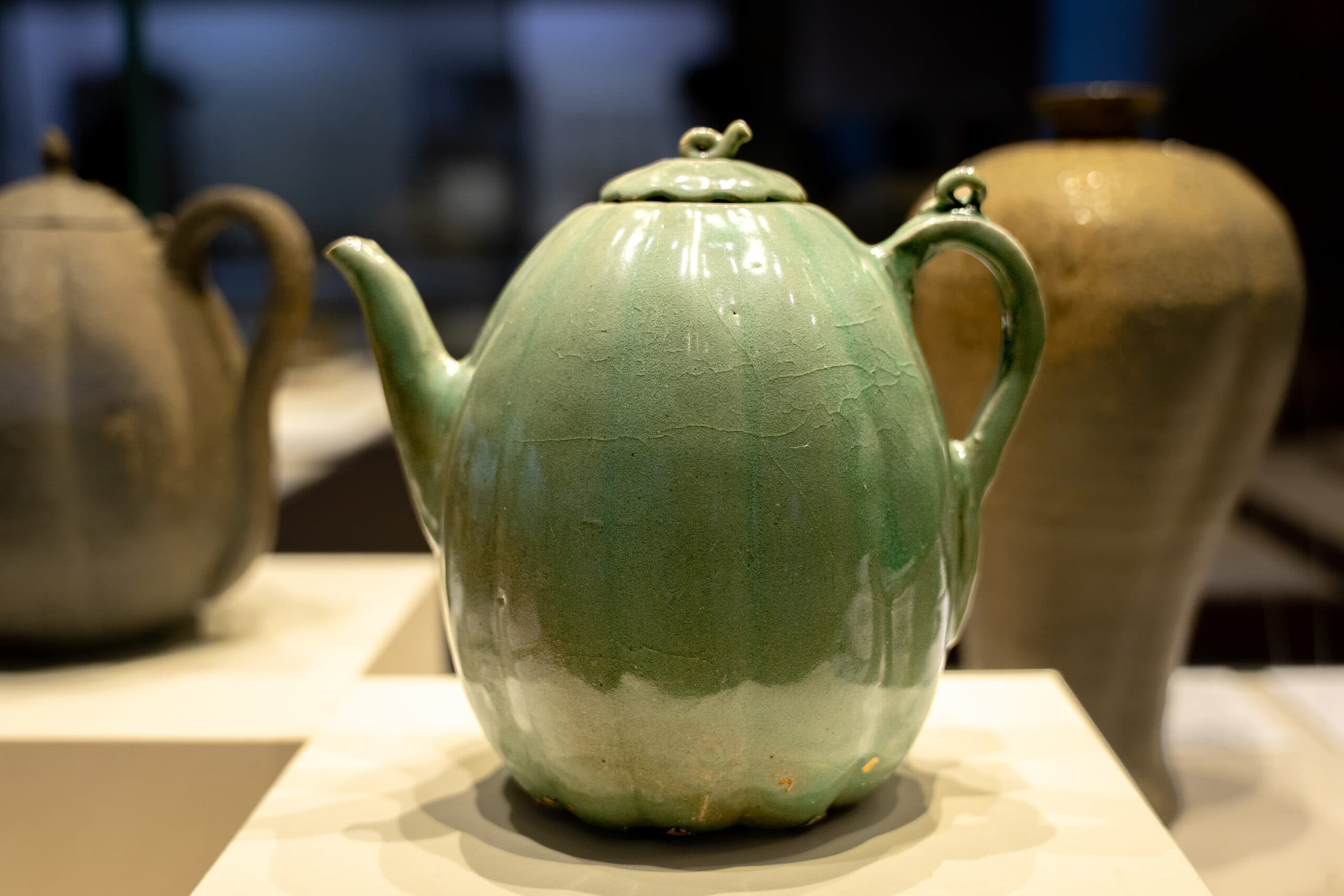
If you only have time for one, make it the National Museum of Korea. The collection is staggering, tracing the peninsula’s history from pre-history through the various dynasties to the present day. Even if you aren’t a history buff, the collection of Goryeo-era celadon glazes, intricate pottery, and the serene Pensive Bodhisattva statues is worth the trip alone.
For those more inclined toward art and architecture, here are my top picks:
- Leeum Museum of Art: Located in Hannam-dong, this museum blends traditional Korean art with mind-bending contemporary works in a building designed by world-class architects.
- MMCA (National Museum of Modern and Contemporary Art): Located right next to Gyeongbokgung Palace, it’s the perfect place to see how Korea’s modern artists are pushing boundaries.
- Ground Seesaw Seochon: I love this space for its rotating, highly aesthetic exhibitions that often focus on photography and modern lifestyle. It’s very Seocho-dong cool.
Seoul’s Market Culture: The Real Belly of the City
Seoul is a city of markets, and it’s heartening to see these places still thriving in 2026. For a deeper look at where to find the best street food and vintage gems, read my full guide to the best traditional markets in Seoul to visit.
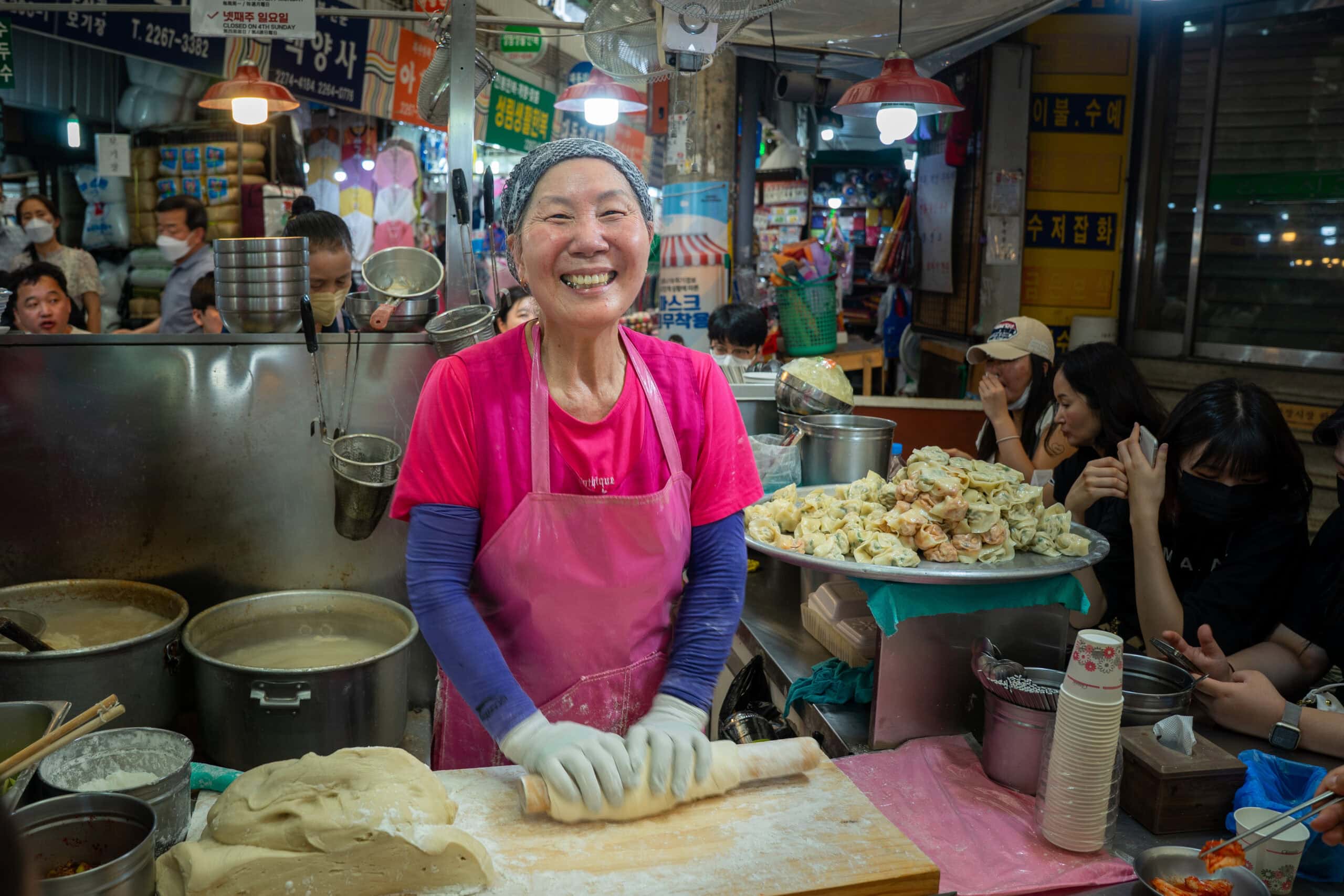
- Gwangjang Market: The famous one. You’ve seen it on Netflix, and so has everyone else. It’s becoming a bit too famous for its own good—a 2025 overcharging scandal involving a local YouTuber saw many locals shunning the place. Still, it’s right in central Seoul and a good spot to try various Korean street food under one roof.
If you find it too touristy, try Mangwon Market instead; it’s more for the locals and has an even better variety of street food. - My Gwangjang Market Guide shows you what to eat when you go there.
- Gyeongdong Market: This is my mother-in-law’s turf. It’s the country’s largest herbal and medicinal market, smelling of earth, ginseng, and mystery. It’s very photogenic and there is also the quirky Starbucks Kyungdong 1960 inside an old theatre.
Across the road, you can explore the Seoul K-Medi Center, where you can try a herbal footbath, get massage by machines, or learn about traditional wellness in a beautiful Hanok setting.
- Read our Gyeongdong Market Guide to see how we spent a lovely afternoon in this part of Seoul.
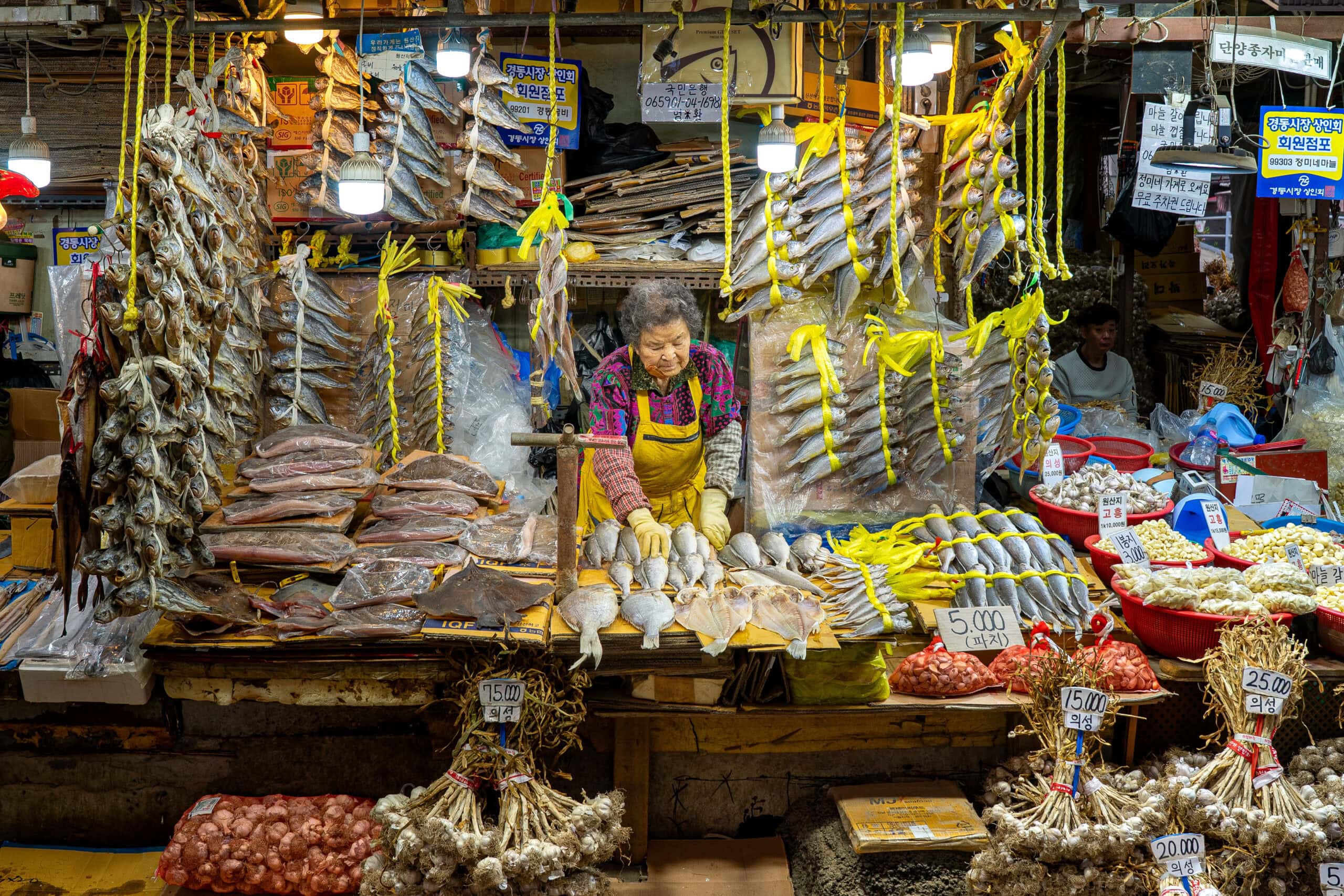
- Namdaemun Market: A glorious sprawl where you can buy a handmade vegetable grater, a vintage Hasselblad camera, and Russian caviar all in the same hour.
My favorite spot is the row of second-hand camera shops near the Namdaemun gate—it’s a paradise for photographers looking for a bargain.
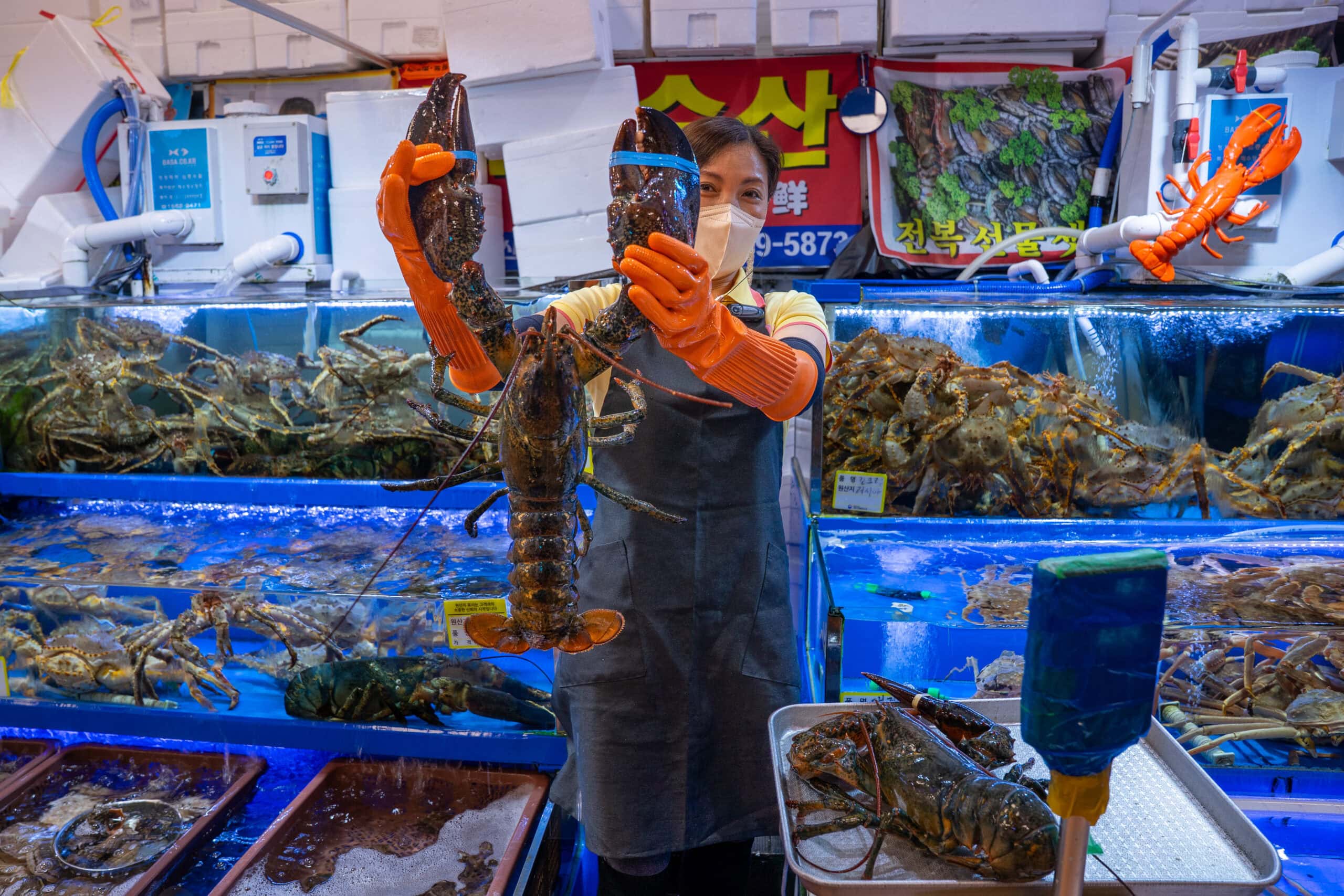
- Noryangjin Fish Market: Think of it as a giant, edible aquarium. The process can be intimidating: you buy your seafood (from king crab to stingray to clams) downstairs and take it to a restaurant upstairs to be cooked.
If that sounds too complicated, I highly recommend booking a Noryangjin Food Tour—it’s the best way to ensure you actually know what you’re eating (and what you’re paying). Even if you’re not eating, it still an interesting and photogenic little outing.
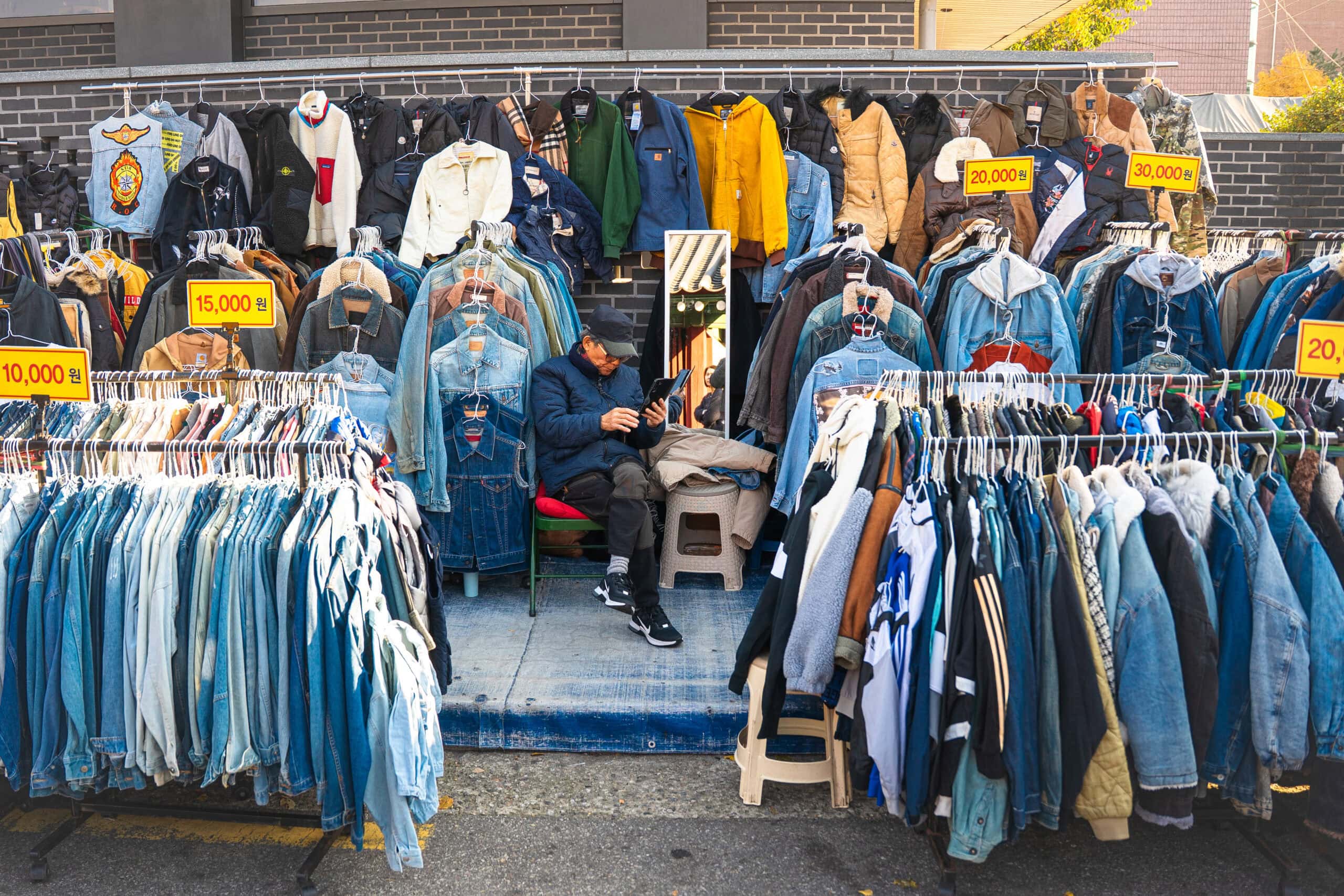
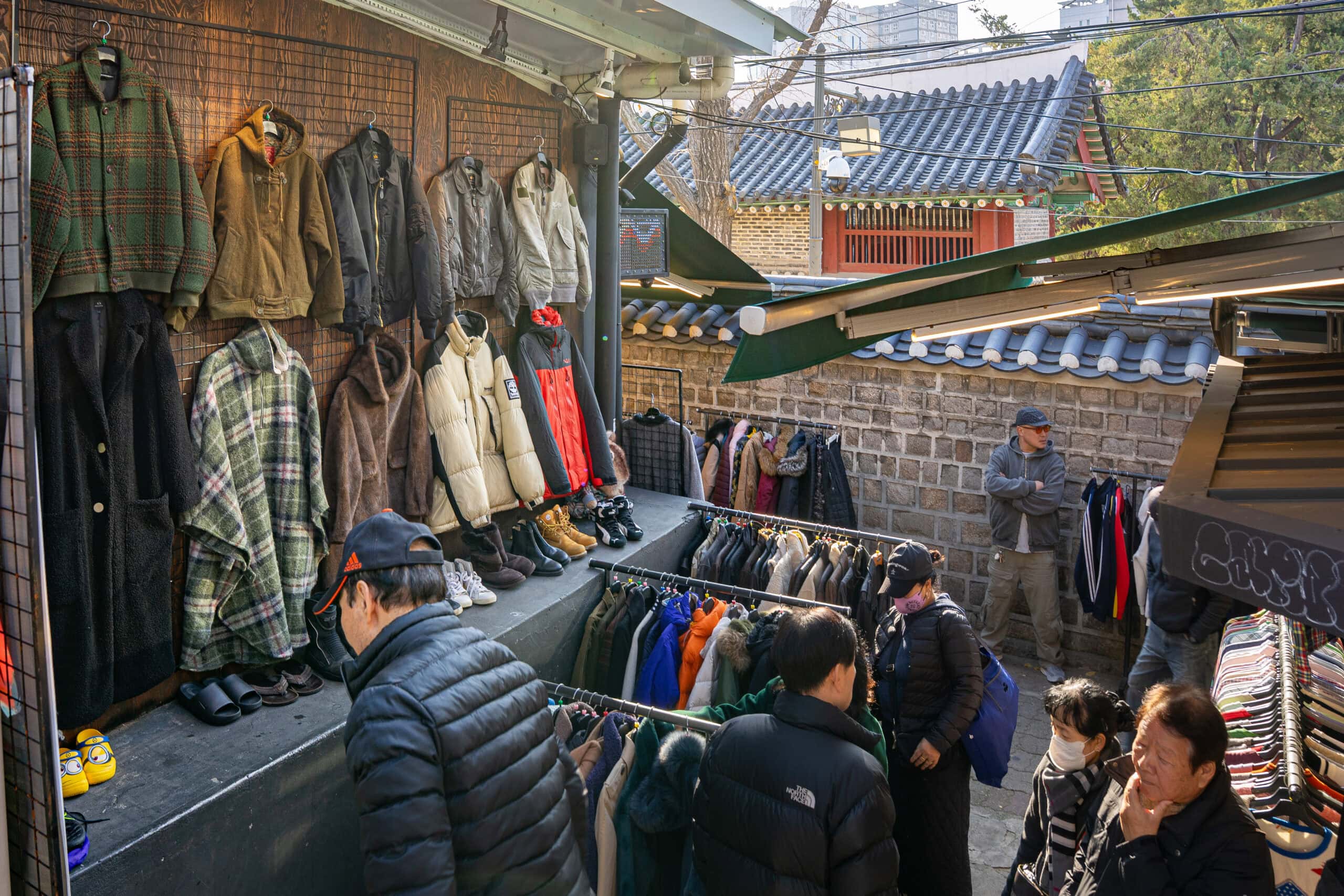
- Dongmyeo Flea Market: This traditional flea market has transformed into a hotspot for Gen Z looking to score newtro vintage finds from the 90s. You’ll find literal heaps of denim, oversized jackets, vintage Casio watches, and who-knows-what-else piled high on the streets or little shops.
It is a seriously cool, unpretentious place where a bit of digging can land you an incredible bargain in a sea of organised chaos.
The Reality Check: Seoul Sights I Find Overhyped
In the spirit of honesty, here are a few spots that usually surface in the best of Seoul lists but have left me saying meh.
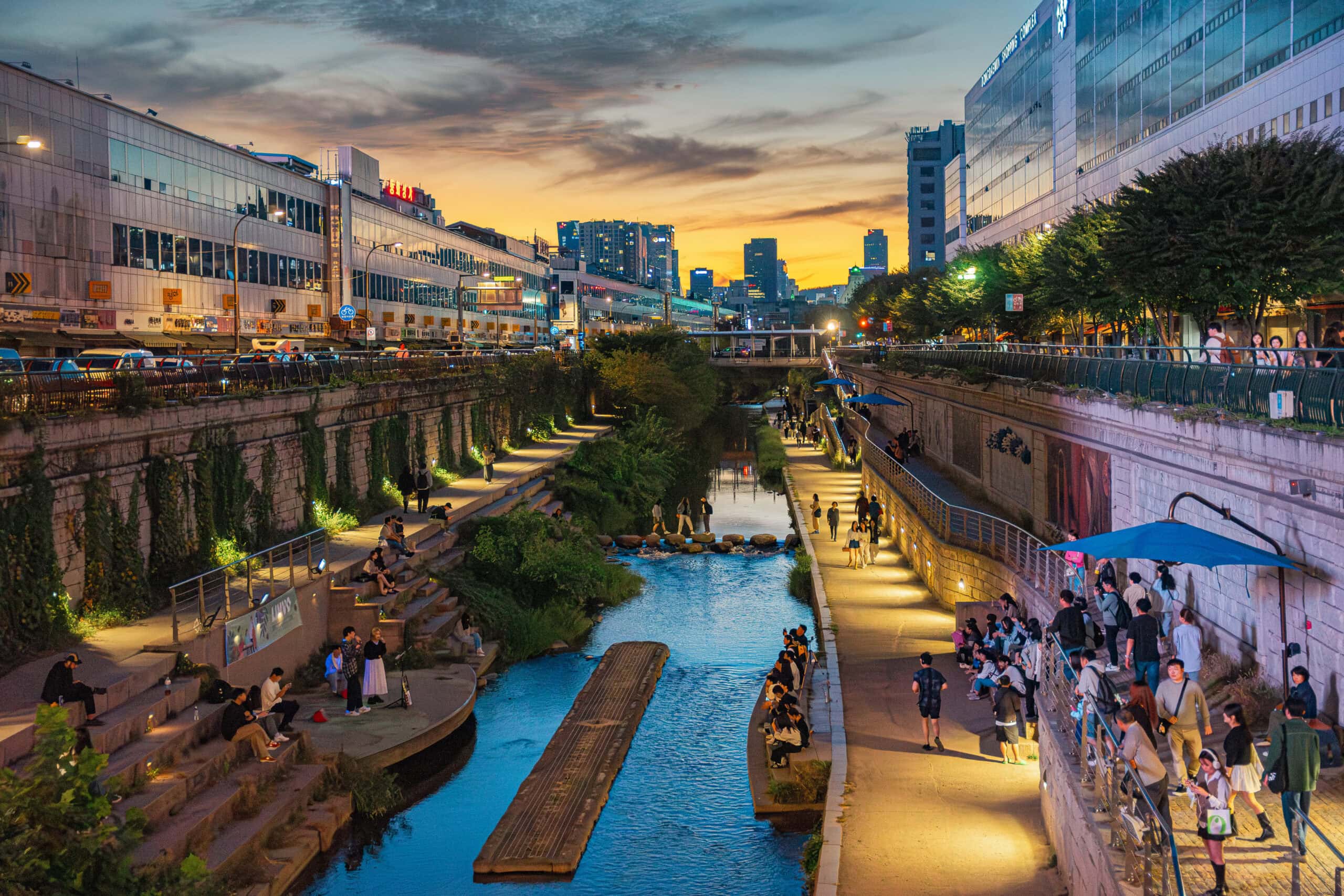
- Cheonggyecheon Stream: It’s not exactly the urban oasis most bloggers claim. Good for a little walk, good for a morning jog, maybe it has a good backstory, but you don’t have to plan your day around it.
- Han River Cruise: Often marketed as romantic, but the boats are a bit dated. You’re better off sitting on the riverbank with a box of fried chicken and a beer like a local.
- Eunpyeong Hanok Village: It’s an Instagram darling, but the houses are new and the area feels like a movie set rather than a living neighbourhood. It’s a long ride on the subway and bus to get there, for what is essentially a fake attraction.
- Starfield Library: It looks spectacular in photos, but remember: it’s in the middle of a massive shopping mall. It’s not exactly the sanctuary for book lovers you might expect.
Beyond Sightseeing: Unique Seoul Experiences

Seoul is a city that invites you to be more than just a spectator. In 2026, the trend has shifted away from just seeing landmarks to actually participating in the culture. If you want to dive deeper than a palace tour, here are a few unique ways to experience the Cultural Cult.
- Personal Color Analysis: This is the quintessential 2026 Seoul experience. You’ll spend an hour with a professional stylist who uses fabric swatches to determine which specific shades of clothing and makeup suit your skin tone. In a city obsessed with aesthetics, it’s a fascinating look at the science of Seoul Style.
- The K-Pop Glow Up: Makeup & Hair: Ever wondered how K-Pop idols look so flawless even under stage lights? Many of the salons used by famous groups are open to the public. You can book a session to have your makeup and hair done by artists who work with the industry’s top names. It’s the ultimate way to feel the Cultural Cult firsthand.
- Traditional Hanbok Photoshoot: While you’ll see plenty of people wearing rented hanbok around the palaces (which gets you free entry!), booking a professional photoshoot in a hidden Hanok garden is the way to do it. It’s a quiet, respectful way to appreciate the incredible craftsmanship of the clothing.
The Seoul Food Guide: Eating is Serious Business
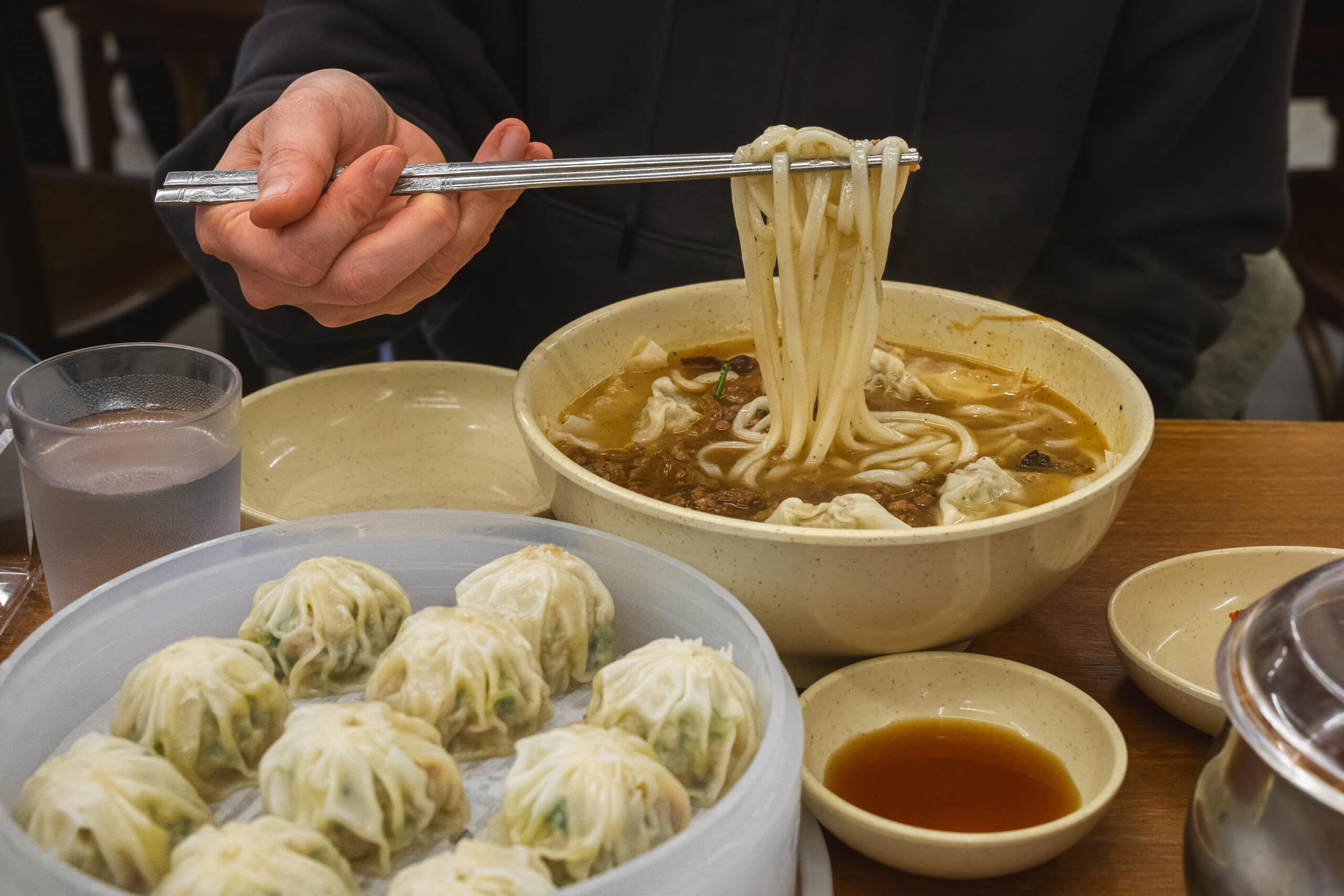
If there is one thing that defines Seoul more than the palaces or cosmetics, it is the food. This is a city that doesn’t just eat to live; it lives to eat. The dining scene is relentless, communal, and occasionally requires a high degree of patience for the Long Queue culture.
You’ll quickly find out that a long line at a restaurant is a good thing. It shouts that they’re doing something good and everyone knows about this. Waiting times of one to two hours are quite normal.
Download Catchtable, an app to make reservations at many of the best restaurants in Seoul. It comes with live updates so you can sightsee while still keeping your spot in the line.
The Main Event: Korean BBQ
I come from the land of the braai (South African BBQ), and while I’ll likely have my citizenship revoked for saying this, a Korean BBQ beats even a Joburg grill.
The Logistics: This is strictly a communal affair. We usually start by ordering Beef Galbi (marinated ribs) and Samgyeopsal (thick, fatty pork belly). A proper table will have a hole in the centre for red-hot charcoal. Soon, your table will vanish under a sea of banchan (side dishes), steamed egg, and doenjang jjigae (fermented bean paste stew).
Of course, soju shots or beer shared in small glasses between everyone at the table is the norm.
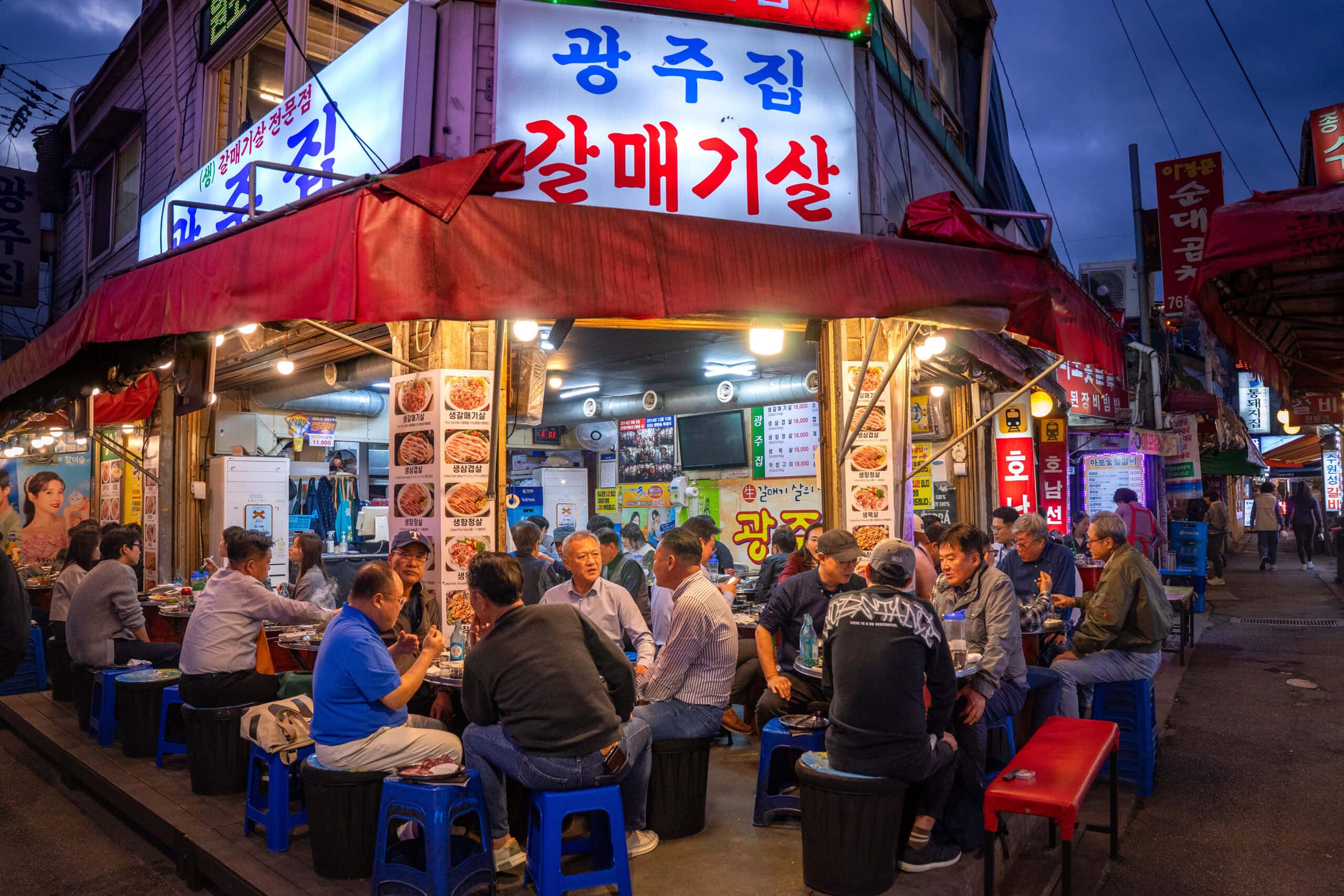
- Insider Tip: Don’t worry about your grilling skills. If you start to mess it up, the waiter will silently swoop in and take over. It’s not an offer; it’s a rescue mission. If you need help, just ask.
- The Method: Once the meat is ready, use the scissors to cut it into bite-size pieces. Dip it in sesame oil and salt, or make a ssam (wrap): take a lettuce leaf, add the meat, some ssamjang (bean paste), a sliver of raw garlic, and some kimchi. Stuff the entire thing in your mouth at once.
- Solo Travellers: While solo BBQ spots are appearing in Myeongdong, BBQ is meant to be shared. If you’re alone, join a small group food tour. It’s the only way to do it properly.
The Comfort Staples
Here is my take on the Korean food I think everyone visiting Seoul should try (that is not Bibimbab).
- Mandu (Dumplings): Whether steamed or fried, these are the ultimate comfort food. We love Myeongdong Kyoja for their legendary noodles and steamed mandu.
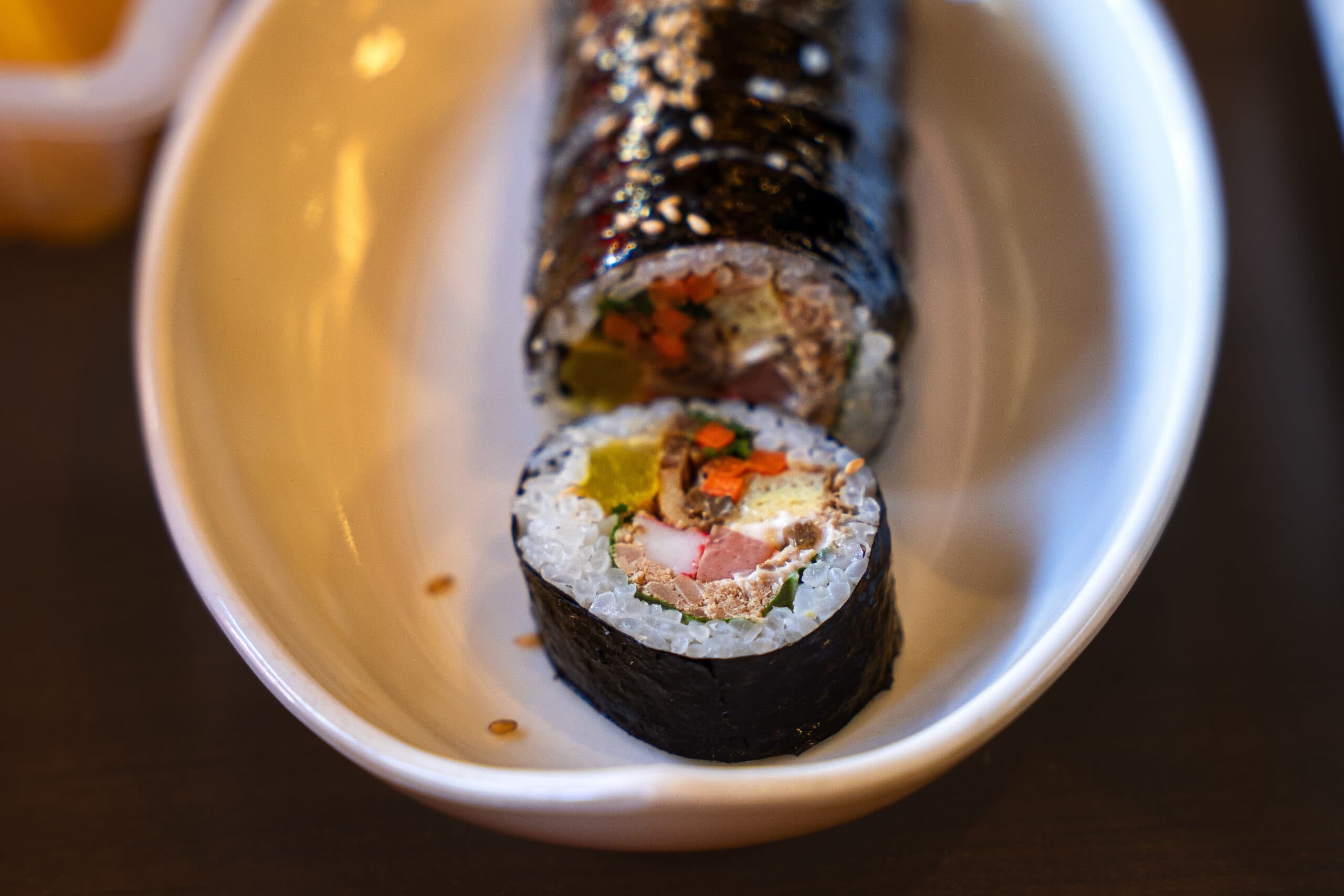
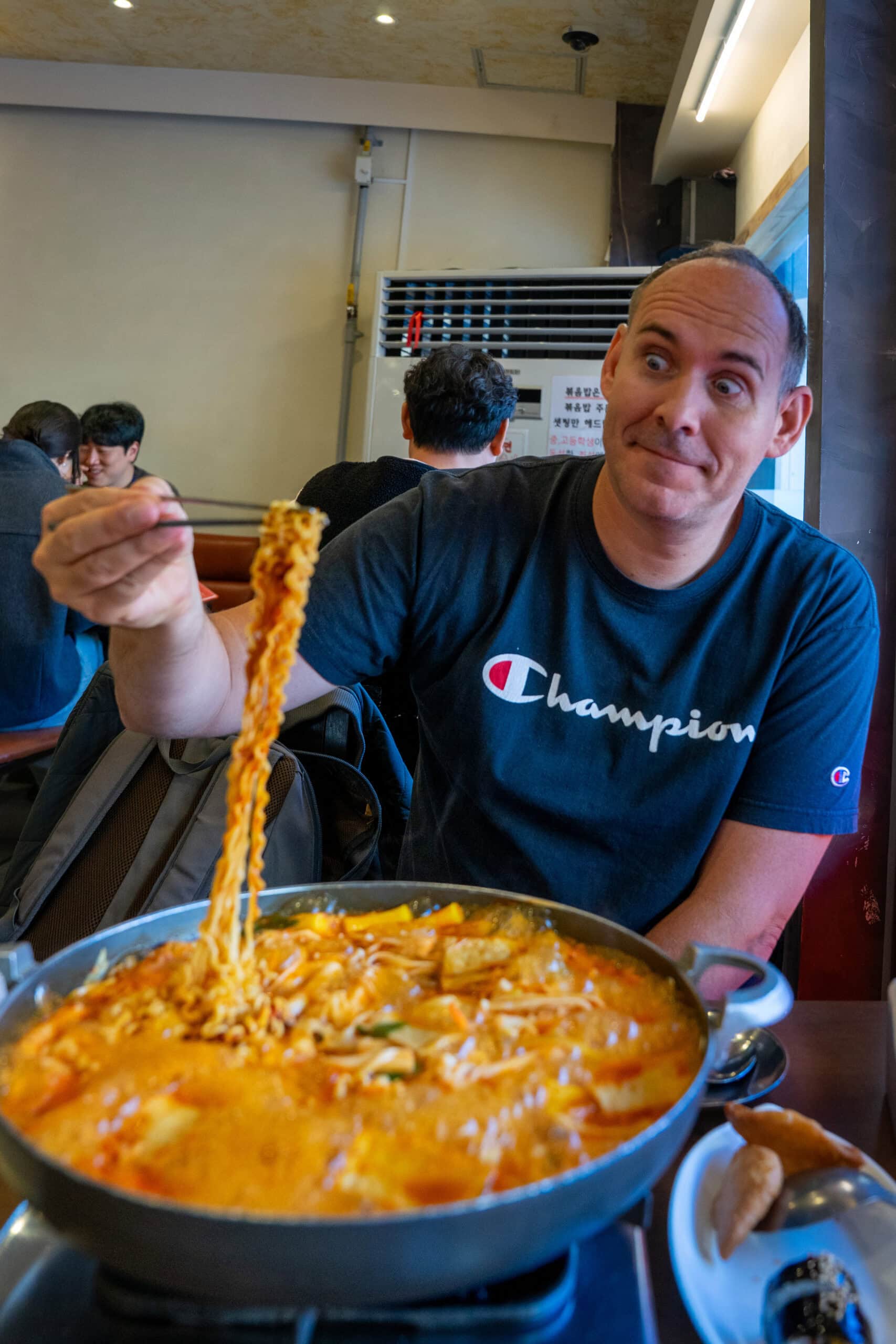
- Yangnyeom chicken: Man, do Koreans know how to do fried chicken! Yangnyeom chicken is fried and then smothered in sweet-spicy sauce and it’s damn good.
- Tteokbokki: These chewy, spicy rice cakes are everywhere. You can grab them at a street stall for a few thousand won or head to Tteokbokki Town in Sindang-dong for a sit-down version with ramyeon, cheese, and fishcakes (odeng).
- Pajeon & Makgeolli: Crispy green onion pancakes are best served with makgeolli (cloudy rice wine). Tradition says you eat this when it’s raining because the sound of the frying pancake mimics the sound of raindrops on a roof. I say: why wait for the rain? Best eaten at a pocha (street food tent) in Jongno.
The Bakery & Cafe Obsession
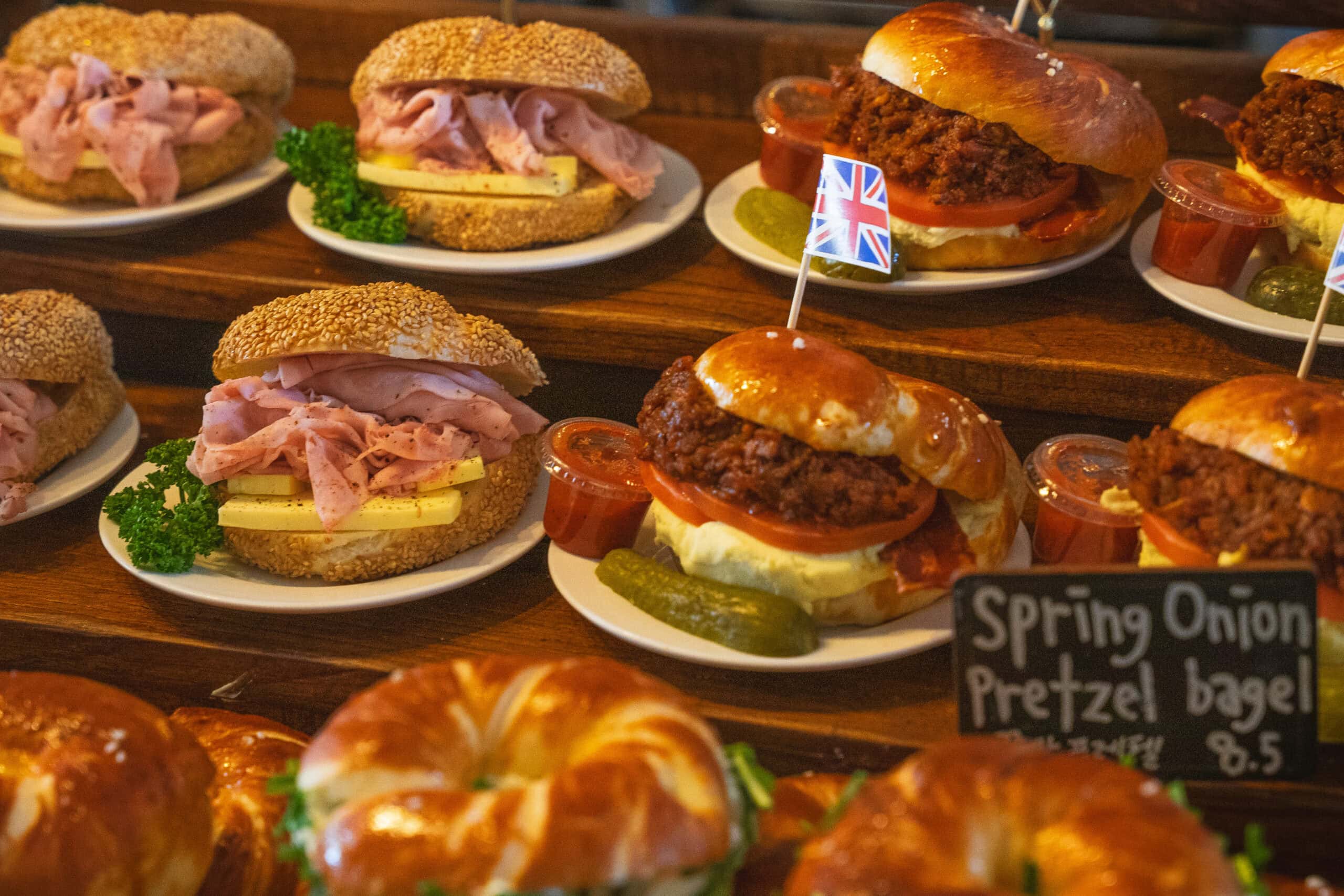
It feels like Seoul has more cafes than people. They are escapes from the everyday, places where you can buy one latte and stay for six hours (No one will ask you to leave or order more). Trends here come and go faster than a K-Pop star’s hair colour, but the quality in 2026 is world-class.
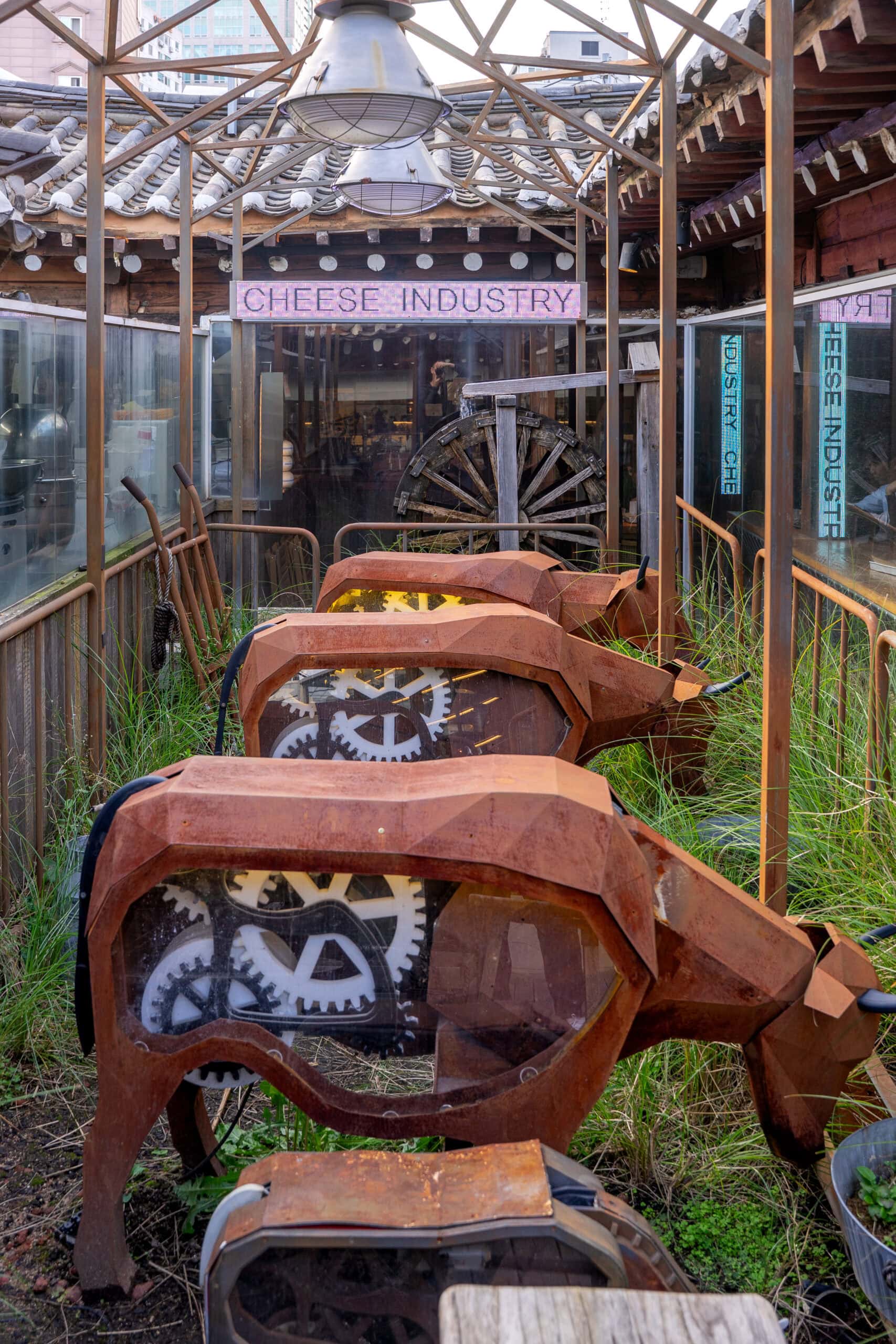
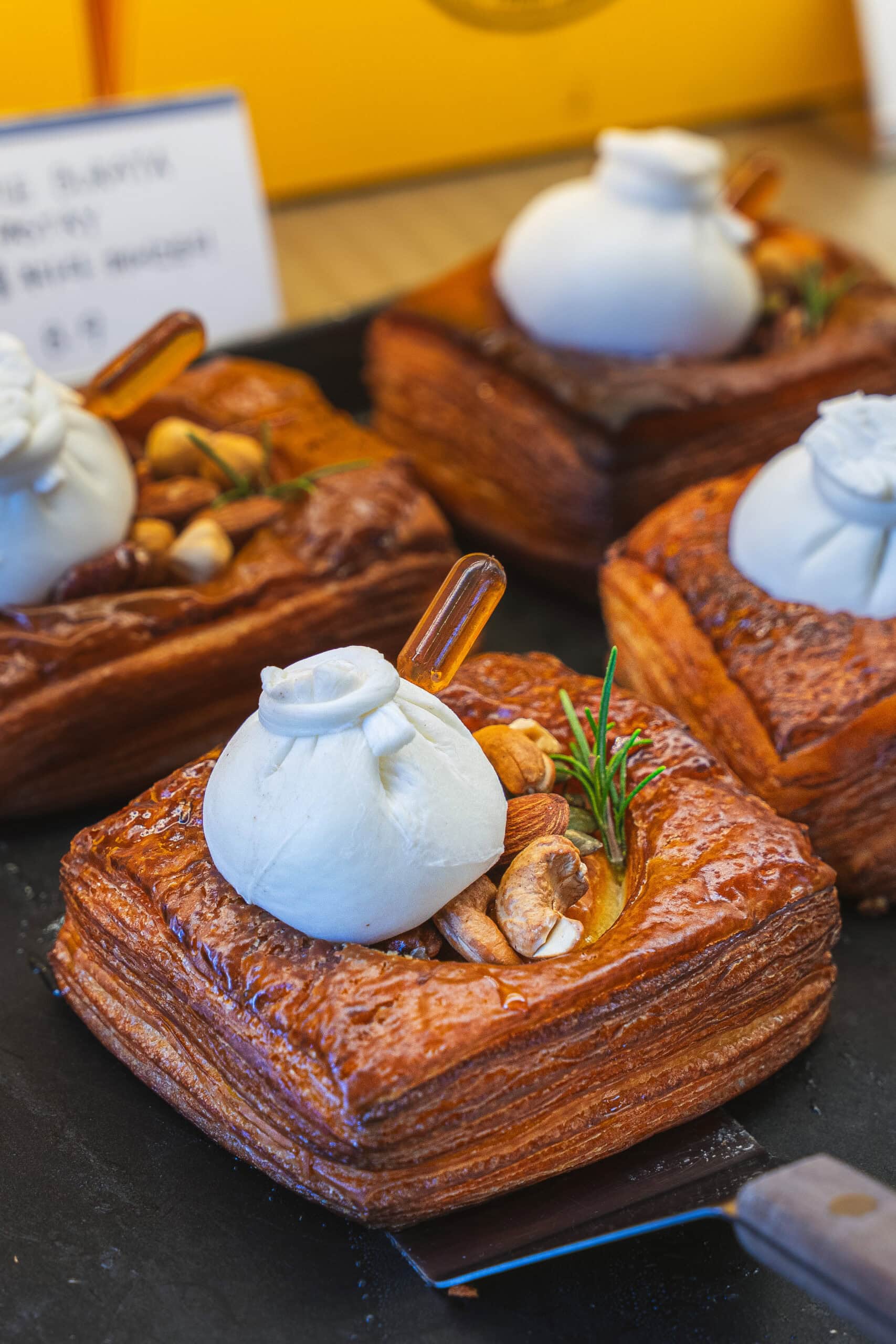
- The Bakery Boom: Forget the bland white bread of the past. Places like London Bagel Museum (expect a 2-hour wait) and Knotted Donuts are currently the cult favourites. If you see a line around the block, it’s usually for a salt bread or a creative croissant hybrid.
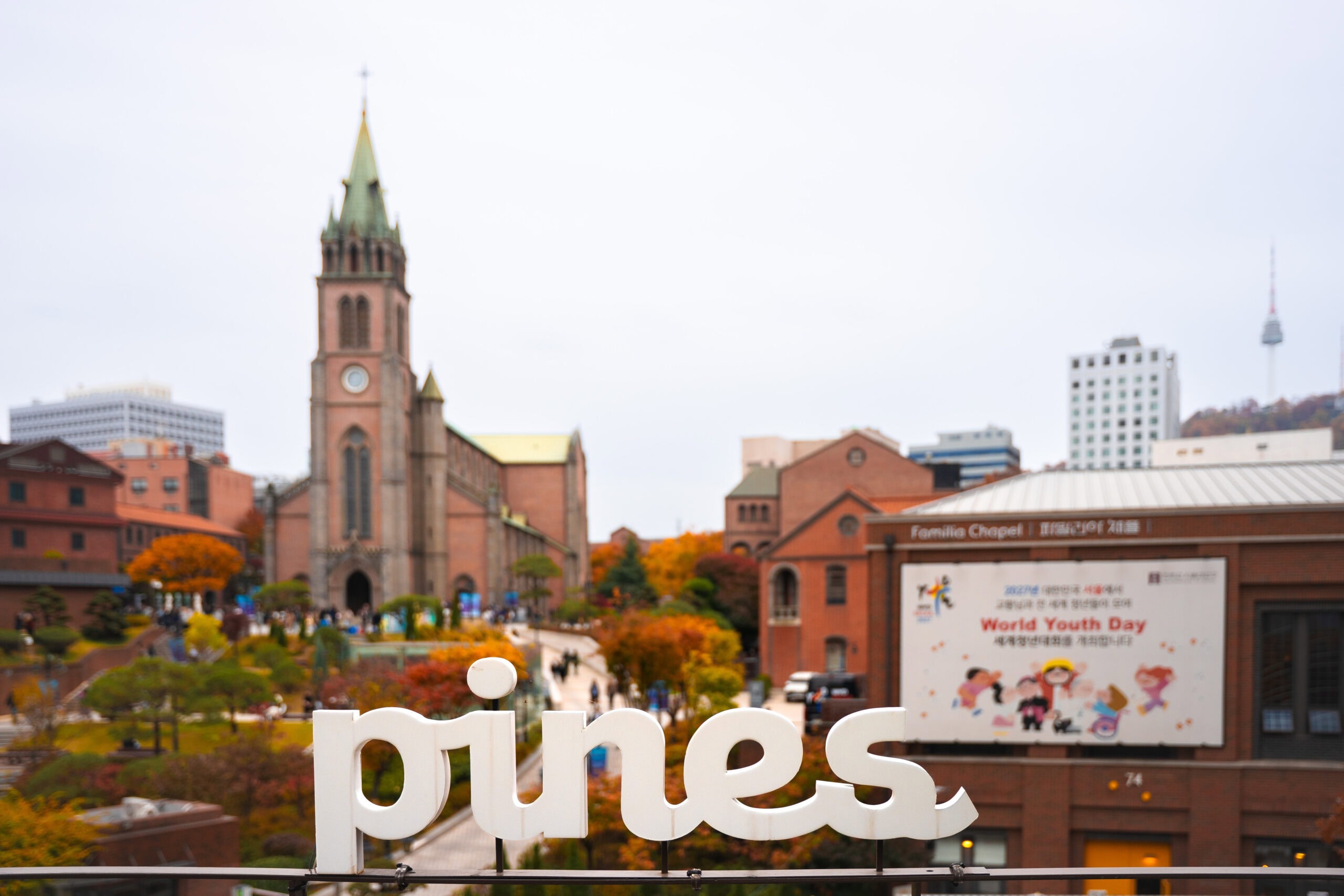
- My recent favourite Seoul Cafes : Pines in Myeongdong. It has a rooftop with a stunning view of the Myeongdong Cathedral. Seoul Pastry in Yeonnam-dong has pretty little tartlets that’re dynamite and curbside tables that make you feel like a local.
The Lunch Ritual: Deungchon Shabu Kalguksu
Our non-negotiable lunch whenever we’re in Seoul is Deungchon Kalguksu. It’s a franchise, but don’t let that fool you. It is a masterclass in textures and effectively three dishes in one:
- It starts as Shabu Shabu: paper-thin beef boiled in a spicy broth with a mountain of mountain herbs.
- Once the meat is gone, you add thick, knife-cut noodles (kalguksu) that thicken the broth into a rich, hearty stew.
- Finally, the waiter takes the last of the broth and makes fried rice at the bottom of the pot. It is the ultimate “slow” meal.
The How-To of Seoul Dining Culture
In many cities, you sit down, wait for a menu, and wait for a bill. In Seoul, if you do that, you might be sitting there until 2027. The dining culture here is different, built for speed, efficiency, and communal joy.
The Magic Button & The Shout
Most tables in modern Korean restaurants have a small buzzer or call button on the corner.
- The Rule: You don’t wait for the waiter to notice you. You press the button when you’re ready to order, when you need more water, or when you want more banchan (side dishes). Side dishes are free and refillable.
- The Shout: If there is no button, do what the locals do: a polite but firm shout of Jeogiyo!”(Excuse me!) will get you the attention you need. It feels rude at first, but in Seoul, it’s just efficient communication.
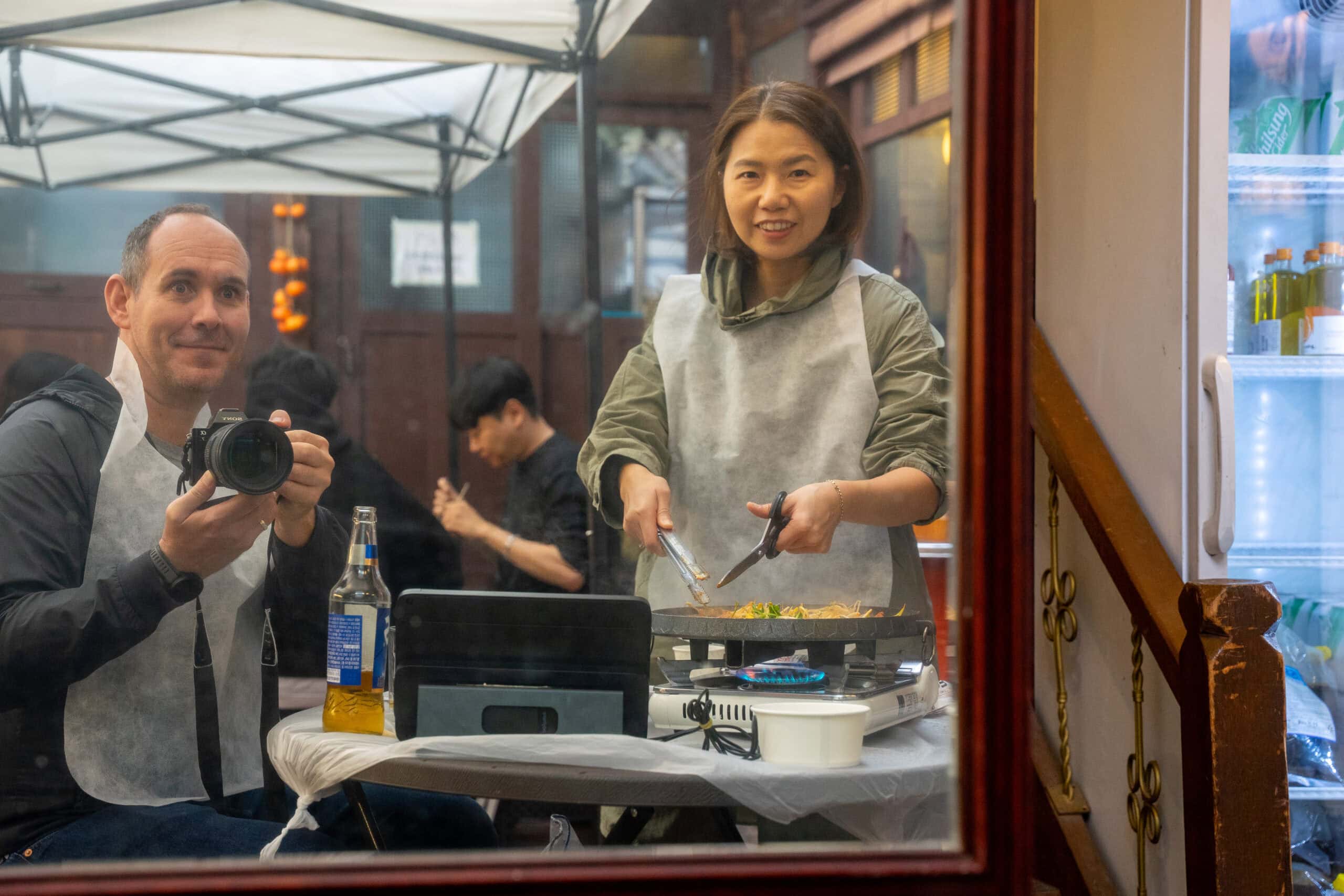
The Hidden Cutlery
Don’t be the person looking around for a spoon. Check the side of the table. Almost every restaurant has a hidden drawer tucked under the tabletop containing chopsticks, spoons, and napkins.
The No Tipping Rule
One of the best things about Seoul is that the price on the menu is the price you pay. Tipping is not expected, and in many places, it’s actually confusing or awkward if you try. Service is included in the price and the culture; just a polite “Kamsahamnida” (Thank you) on your way out is all the tip they need.
The Bill & The Exit
Unlike in the West, the bill arrives with your food at the table. When you’re finished, you take that slip to the front counter by the door and pay there.
It’s common for one person to pay the bill, so if you’re in a group don’t be an inconvenience and try to split the bill. Figure it out among yourselves and let one person pay.
Conclusion: Seoul Rewards the Curious
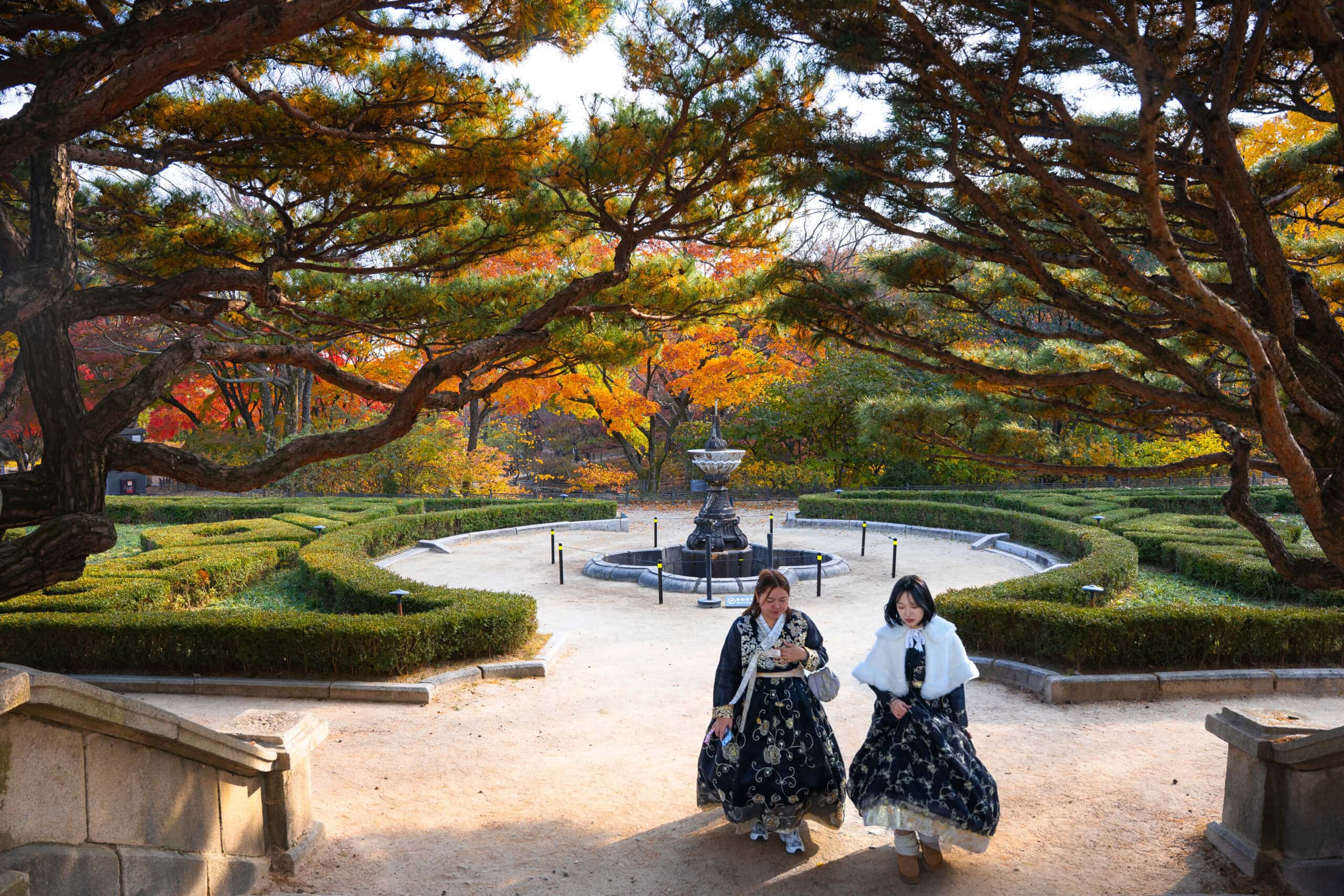
Man, my Seoul travel guide has turned into quite the beast, but the end is in sight.
If you have read this far and feel a little overwhelmed, I have a secret for you: it’s ok
Even after living in Seoul for eight years and returning countless times since, I still have moments of total disorientation. I still occasionally struggle to order a meal without a game of charades, and I still walk out of the wrong subway exit more often than I’d like to admit.
That feeling of being slightly lost is exactly why Seoul is one of the greatest cities on earth. It is a city of such depth and constant evolution that there is no single thing that defines it. If you’re feeling overwhelmed, take it as a sign that you are truly experiencing the city. Seoul rewards curiosity, not checklists.
Koreans are, in my experience, some of the most genuinely helpful people you will meet. They might look hurried or blunt on the surface, but the moment you ask for help, they will often go far out of their way to assist you.
So, don’t worry about conquering Seoul or doing it the right way. Go out, get slightly lost, eat something you can’t pronounce, and figure out what this city means to you.
How I Shot This Guide
Every photograph in this article was taken with the exact same gear I carry on every journey. It is a setup refined over years on the road to keep travel light without compromising the final image.
- Camera: Sony A7 V
- Lens: Sigma 24-70mm f/2.8 DG DN Art.
- Storage: SanDisk Extreme Portable SSD
- Software: Adobe Lightroom Classic
- My travel essential (trust me): Ray-Ban Wayfarer