
I often ask myself how I ended up teaching in the UAE. It was a necessary Plan B rather than a grand calling. What follows is our experience of 18 months living and teaching in the UAE.
After five years of eating duck necks, typhoons, and the smell of durian in a school hallway, we finally left China. COVID pushed us out. Too many quarantines and too many QR codes determining our fate. We needed out. We needed new.
That is when the UAE came calling. Or rather, I applied for a government teaching position with the Ministry of Education, sat through enough Zoom interviews and online exams to qualify for the CIA, and got offered a post. It felt like we were heading to something better.


Teaching in the UAE: Welcome to the Mirage
The Ministry sends me a two-year contract and buys the ticket, Etihad Airways to Abu Dhabi all the way. I came first. Jin picked up a job in Seoul for a few months and would join later.
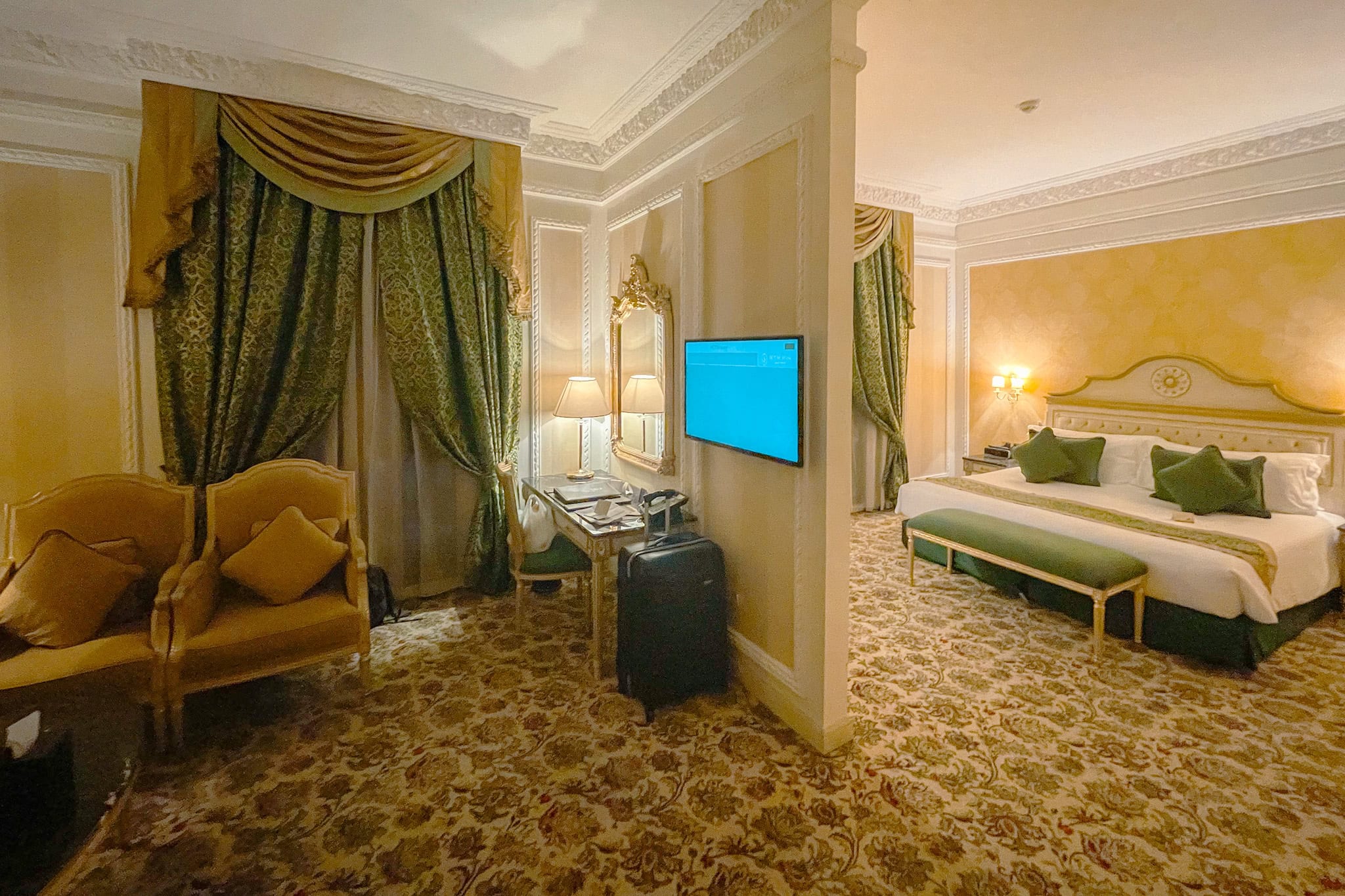
I touch down in Abu Dhabi and am whisked off to a grand old-school hotel called the Royal Rose with plush carpets, heavy curtains, and a Vegas-meets-embassy vibe. Not quite five-star, but trying hard.
At breakfast the next day I meet Estelle and Joy from Cape Town, Lucky from Ga Rangkuwa, Marion from Beirut, and Do, a Mandarin teacher from Nanjing. We all have stars in our eyes, ready for our new lives.
The first week is a blur of induction sessions with little cups of karak tea, saffron pastries, and motivational speeches in air-conditioned rooms so cold you would think snow might fall. A bank rep hands me a credit card with 10,000 dirham in credit, no questions asked. Sign here, he says. And here.
We are bused to hospital for blood samples and chest x-rays. Estelle jokes they are checking if we arrived with our souls. She might not be wrong.
Afternoons are spent by the rooftop pool, overpriced Heinekens in hand, swapping stories with the other new recruits. We do not know where we will be placed yet. That is the tension. Everyone dreams of Abu Dhabi or Dubai. Even Sharjah would be fine. But nobody wants Al Dhafra, the western desert. The edge of nowhere.
But the Ministry does not care about your dreams.
On Friday, they tell us.
One by one, the names are called.
Estelle and Joy: Al Dhafra.
Estelle says something about a gulag under her breath. Joy has a meltdown. A full-on adult tantrum.
Lucky got lucky and is placed in Abu Dhabi.
Me? Al Ain. Along with Marion from Beirut and Do. An hour and a half south of Abu Dhabi, tucked between Oman and the dunes. A conservative oasis they call the Garden City. Still feels like exile, but with better landscaping.
Buses are waiting outside the Royal Rose to take us away.
In Al Ain, the Ministry put us up at a swanky hotel with a rooftop pool and an amazing breakfast buffet. We swim and eat dates, wait in limbo to hear from our schools. We wait and wait. Inshallah, we will hear tomorrow, is how our conversations end.
Then, on Wednesday, the call comes from the Ministry.
You have been assigned to a school. One hundred kilometres outside the city. Report tomorrow.
No address. No farewell brunch. Just FML.
I am reeling. How do I even get there? A taxi will bankrupt me. Panic attack number one.
An hour later, I get a call from the regional coordinator. She says I must come into the Ministry of Education office for a chat. When I arrive, I am met by a nice Arab lady behind a veil. I blunder into offering a handshake. She ignores it, gently. Then tells me straight: I’m heading to a rough school. There have been issues.
I think: it can’t be that bad. My CV states that I’m experienced and have taught students from diverse backgrounds. I believe it.
She adds: There’s a free staff bus leaving Al Ain at 5:00 a.m. every day. She sends me the pin.
Good luck, she says.
And she seems to mean it.
Next morning at 4:30, a taxi drops me at the pin. A bus arrives. No one greets me. Those awake stare into the dark with dead eyes. This would become my African bus. A bus full of us Africans: Egyptians, Moroccans, Tunisians and one South African.
We drive in silence, 102 km through the blackness of a desert morning, toward a school that will test me more than anything I have ever faced.
The Sandstorm

There is no way to describe to anyone what teaching at a public school in the UAE is like. Unless you are in it yourself, you cannot fathom it. So I will not try.
A full-on May Day riot would look like a Sunday school class compared to teaching at a public school in the UAE.
Grade 8 boys drive their own shiny Nissan Patrols to school, talking about their racing camels and the half a million dirhams they have won on weekends. There is no motivation to study. Why would there be?
Within the first week I get a chair thrown at me. My good mornings are returned with the Arabic for suck my dick. One day, the entire – ENTIRE – school runs away between periods two and three. The school gates and entrance are locked, and the windows are shatterproof. Not for safety, but to keep them from escaping.
I am the only Westerner in the office. Everything runs in Arabic. The Tunisian, Palestinian, Egyptian and Moroccan teachers have loud coffee parties and Arabic pop blaring from their phones. They munch cucumbers and talk over me. I am given a desk that faces the wall. I spent a year and a half like that, ghosted in broad daylight.
I lasted a year and a half. To this day, I do not know how.
But it was not all doom.
There was one class that somewhat made it worth it, my Grade 9 Advanced boys. Mostly Sudanese, Syrian, and Egyptian. Sons of immigrants. Sons of labourers. Just like me, they are not from here. And they know it.
They want to learn.
They talk about fleeing Darfur and Damascus, crossing borders and building futures on sand. Some were born in the UAE, but still stuck on their parents’ visas. At 18, they will be placed on temporary ones. A life renewed every few years. Always waiting. Always half in.
And then there was the vice principal, a kind, soft-spoken Emirati woman. Always covered, only her eyes visible. She would offer me a tiny paper cup of gahwa every time I passed her office. I declined at first, until one day she stopped me and said:
One cup of coffee will not make you richer, and it will not make me poorer.
So drink it.
So I did.
And I kept taking it. And somehow, that little cup of cardamom coffee was the only warmth I had in that school. Offered by someone whose face I will never know.
Life in the Garden City
After three months, Jin flew in from Seoul, and somehow, we stayed. Al Ain became home.
Maybe it was the tax-free money. Maybe it was the safety, unmatched and unsettling in its perfection. Maybe it was the hummus.
Al Ain is arguably the best place to be besides Dubai and Abu Dhabi. It’s conservative as hell, but still, there is an alcohol shop, a butchery where we can get pork, and Dubai is just over an hour away.
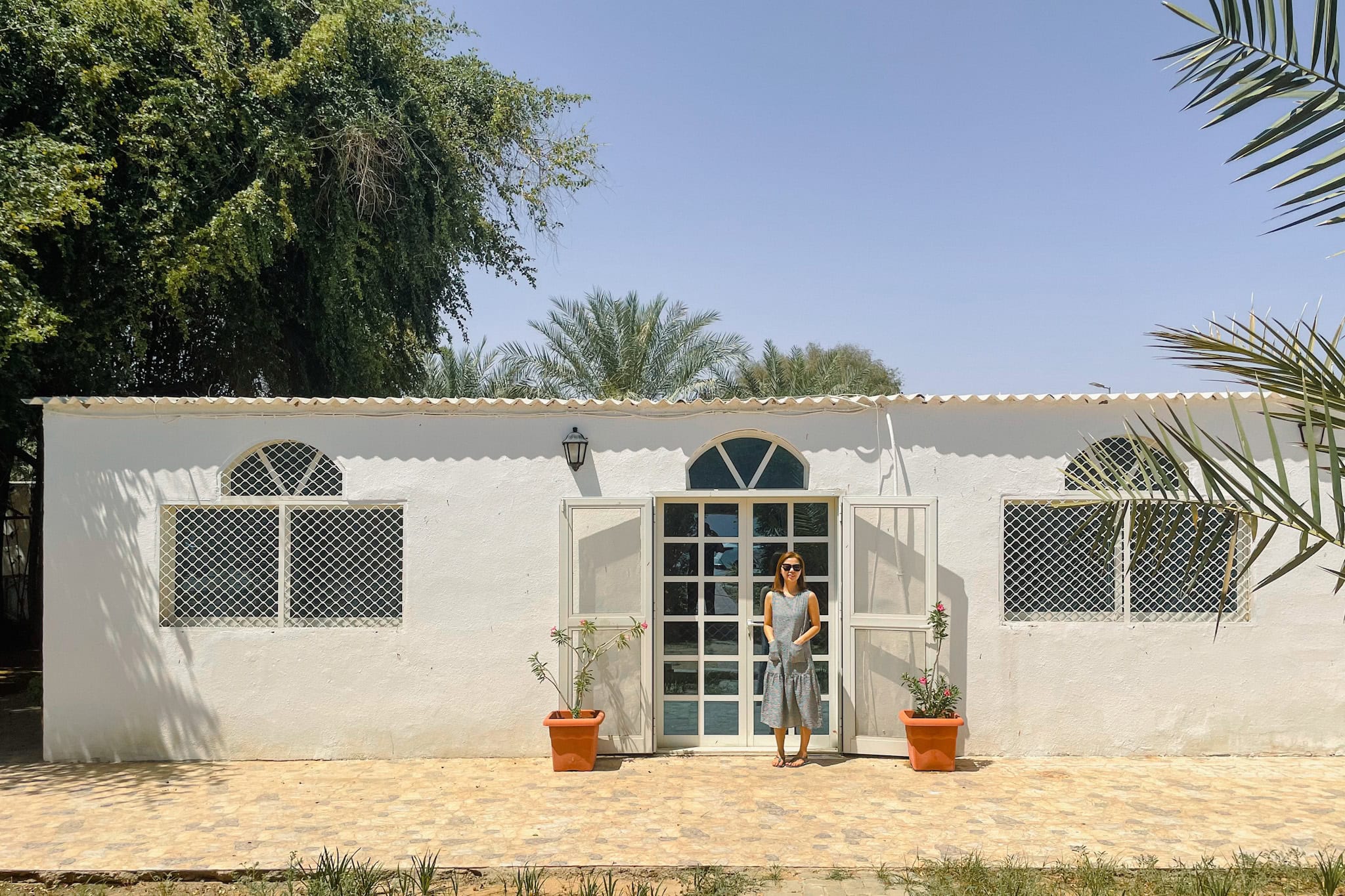
We rented a servant’s quarters in the garden of an Emirati family.
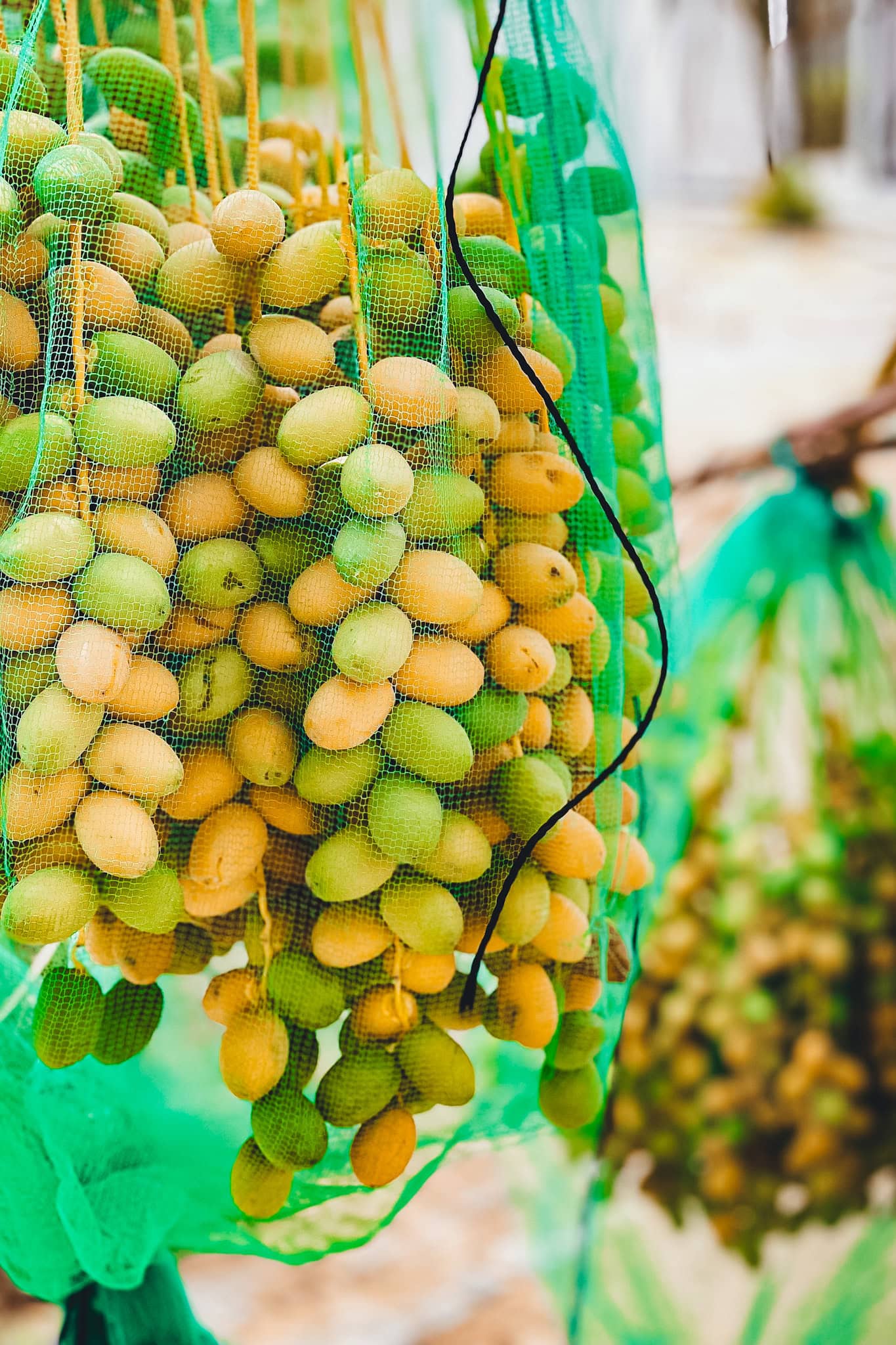
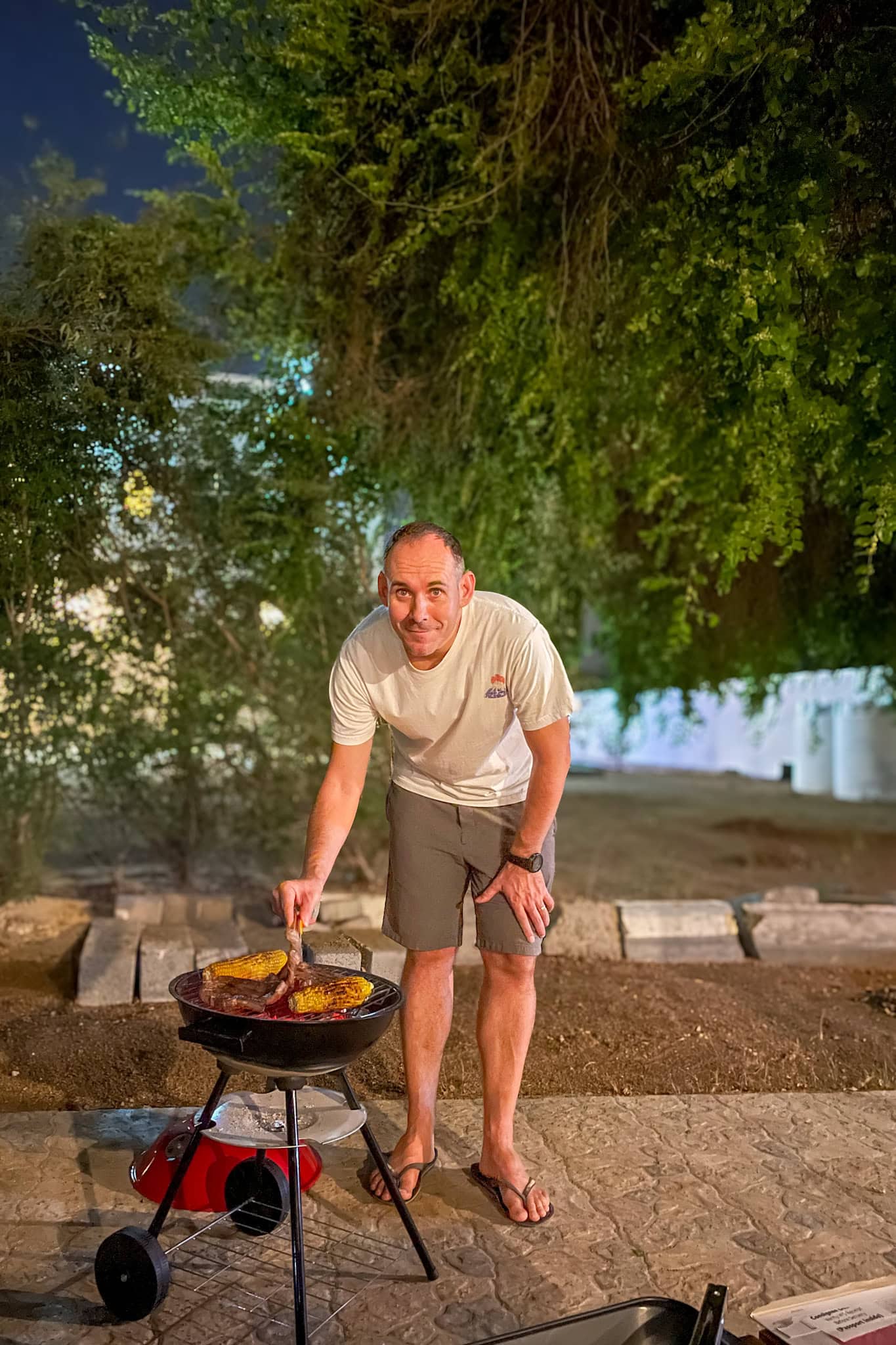
The yard was only sand, interrupted by palm trees heavy with dates before Ramadan. It had a big tree where we would BBQ on weekends and drink beer out of mugs, so the landlord wouldn’t see. I planted basil and mint in old pots. They struggled but never died. Just like me.
It was a simple house with two bedrooms, two bathrooms, a big kitchen, and a living room with raw marble floors. Six rooms, six wall-mounted AC units. All for 3,500 dirhams a month. In summer when days push 50 degrees Celsius, the AC bill was 2,500 dirhams.
We made no friends. There were no dinner parties, no expat brunches with mimosas. Just late-night McDonald’s McFlurries every Friday in an empty parking lot overlooking the desert and movies on Amazon Prime.
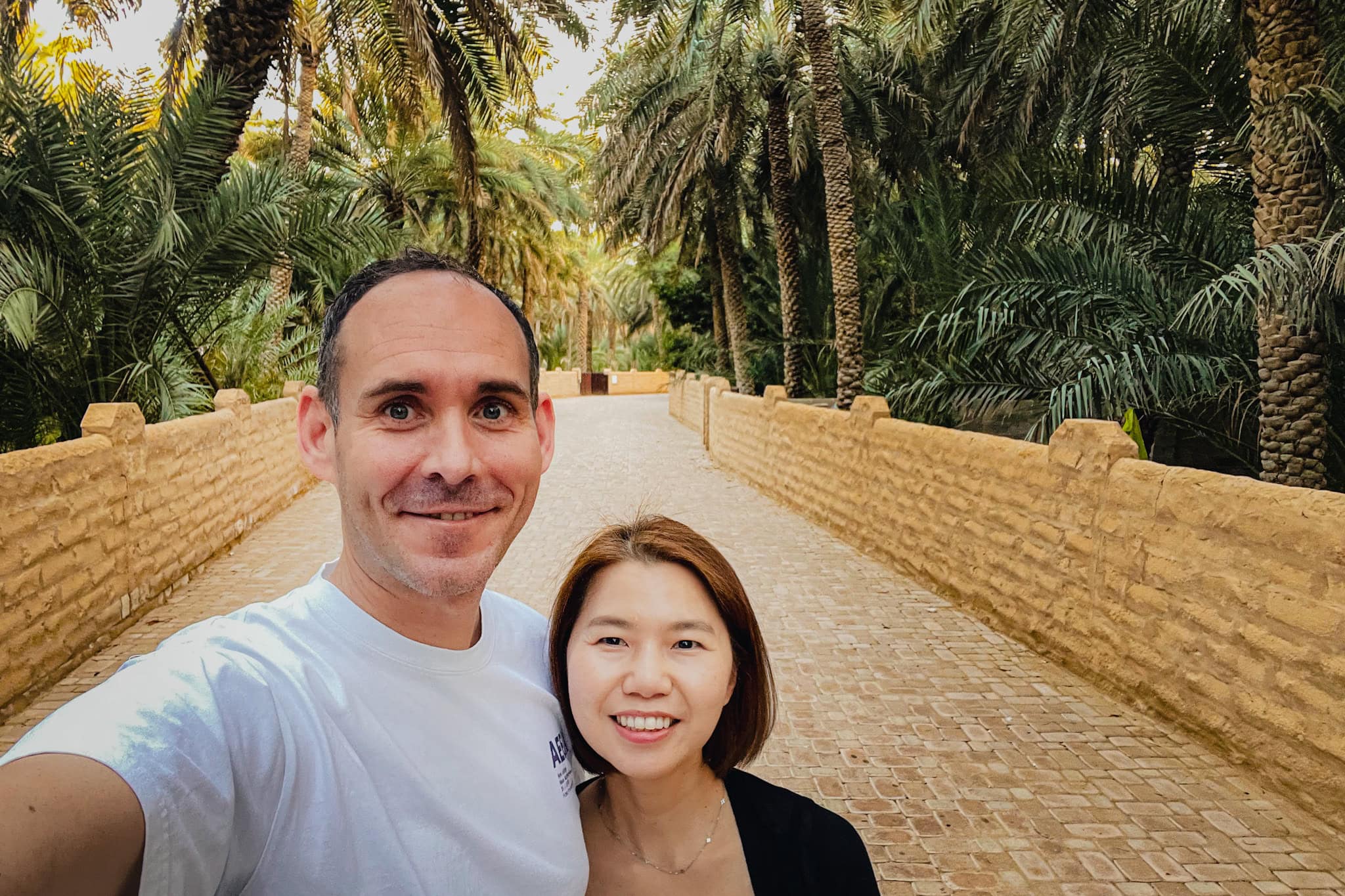
But we travelled.
Weekend getaways to Dubai and Abu Dhabi. School holidays driving along the Black Sea coast in Turkey, private pool villas in Bali, and wandering through Christmas markets in Europe.
It sounds like a dream.
But inside, I was drowning. In sand. In denial.
By the end, it felt like someone was sitting on my chest twenty-four seven. The pressure. The 204 km daily commute and 4:30 starts. The isolation. The weight of it all.
I lived on a rotation of sleeping pills, coffee, hummus, and cucumbers.
After the Sandstorm
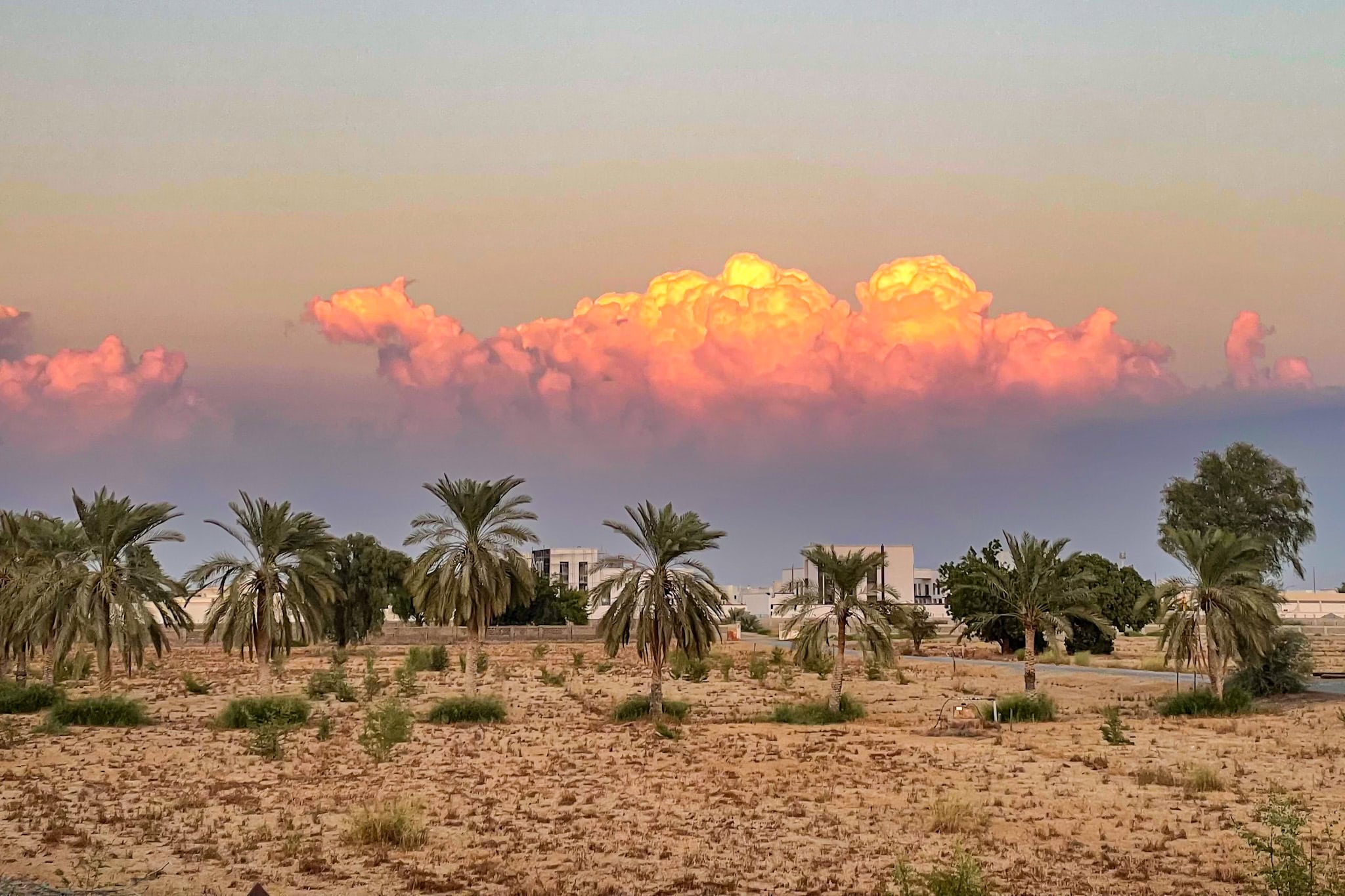
I had four months left on my contract when I quit.
No tantrum. No fireworks. Just a dull ache and a quiet decision that staying would cost more than leaving. This is not living.
I signed the resignation papers. Cancelled the utilities. Packed the furniture. Shoved our lives into storage boxes because we had no plan, only a need to leave.
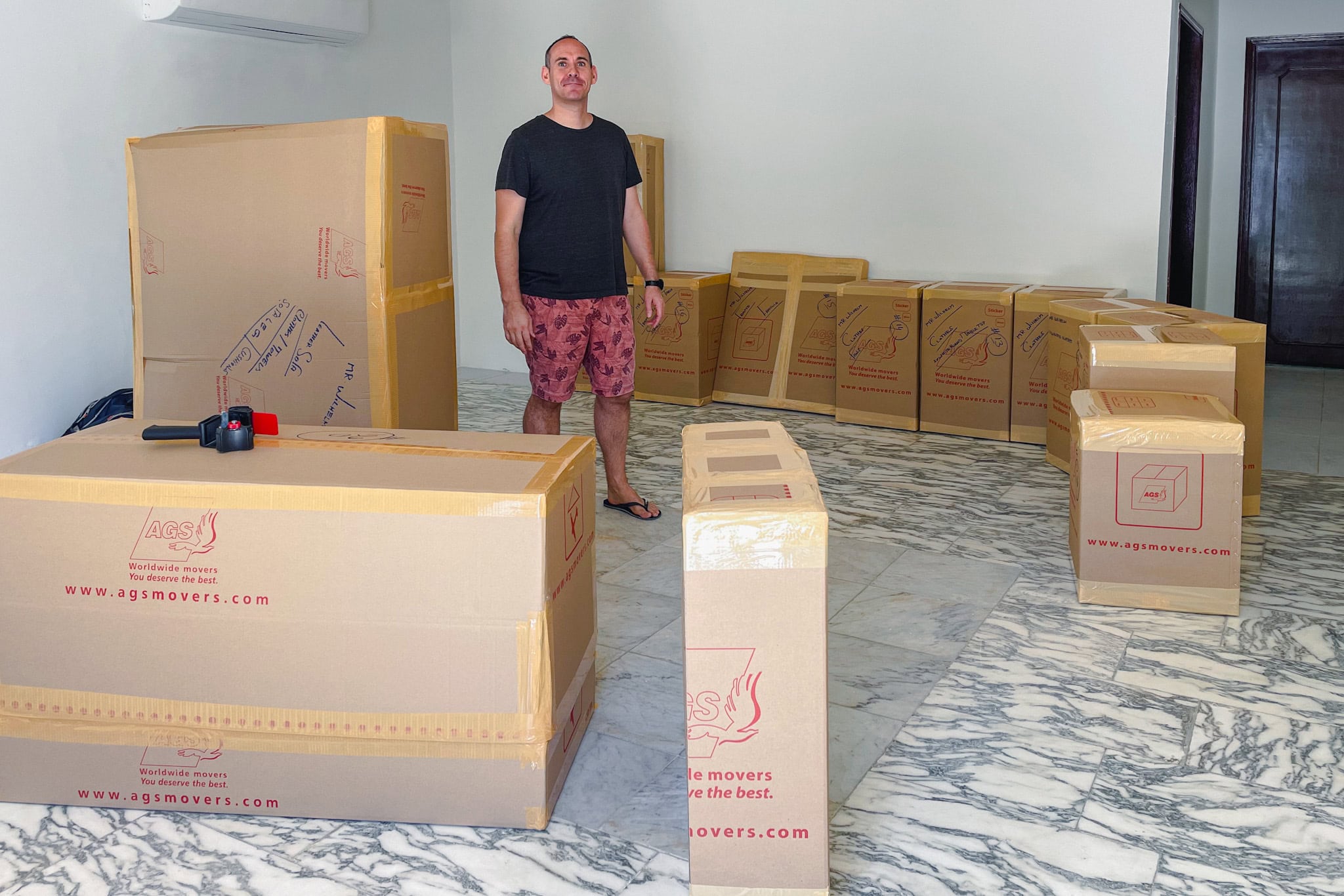
There is something terrifying and beautiful about walking away from a salary that buys you holidays in Europe and monthly Bitcoin investments.
But money is not medicine. And no paycheck is worth a slow death. That one last month’s salary stretched further than I thought, like some kind of parting gift from a life that almost broke me.
It has been a year since we left the desert.
I have been on a career break, the kind you do not apologise for.
I have slept. Rebuilt. Remembered who I was before the sand started swallowing me whole.
And yet, I do not regret it.
The UAE was never what it promised. But it gave me something else, a front row seat to the world behind the curtain.
Yes, the Emiratis are kind, proud, private, and generous when they choose to be.
But it was not the gleaming towers or white robes that stayed with me. It was the people the world rarely sees.
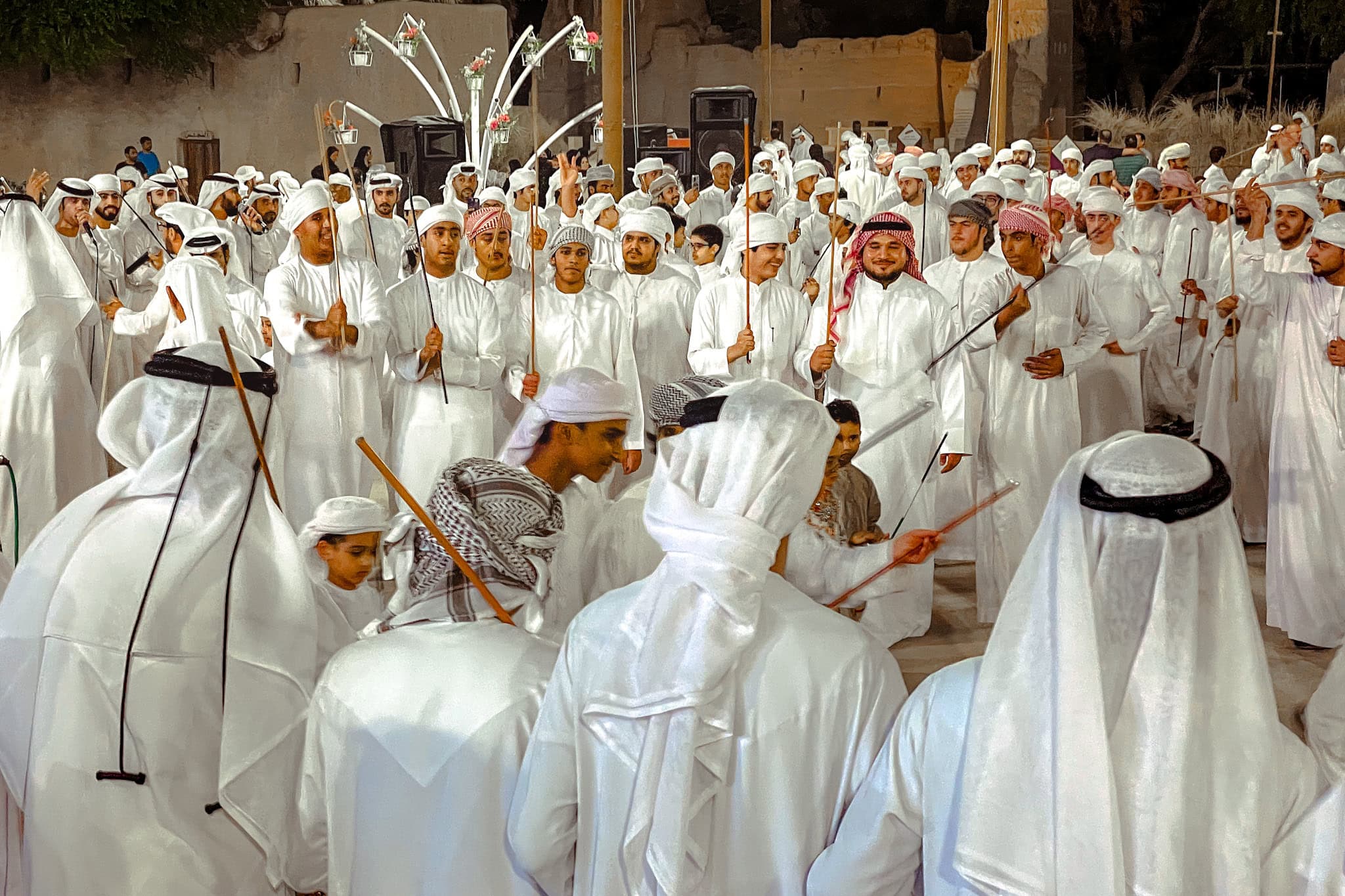
The Emirati vice principal who poured me coffee without asking.
The Syrian kids who wanted a shot at something.
The quiet army of workers, Bangladeshi, Afghan, Filipino, Nigerian, Iraqi, holding the country together with blistered hands and borrowed time.
We came expecting expat suburbia, South Africans, Brits, Canadians and Irish living large in Dubai. What I got was more complicated: a mosaic of workers and dreamers from every corner of the world, trying to carve out a life in the sand.
And strangely, it made me better.
I still miss the hummus.
I still miss the silence of a desert at dusk.
I still carry the weight of that year like fine desert dust, clinging to everything, impossible to wash off completely.
But I also carry the reminder.
You can start over.
You can leave.
And you can come back to yourself.
All things UAE Travel
➜ A guide to Al Ain, our hometown
➜ 1 or 2-day itinerary for Dubai
➜ Cheap hotels with a pool in Dubai
➜ How to Spend a Day in Abu Dhabi
➜ Louvre Abu Dhabi Guide
➜ The Abrahamic Family House in Abu Dhabi
➜ Emirates Review
Disclaimer: This is my personal account of living and teaching in the UAE. It is not intended to criticise the country or its people. I am grateful for the time I spent there, even though I would never return. For any Western teacher considering a public school posting in the UAE, my advice is simple: do not do it. You can earn the same money and have a far better experience teaching in China (or elsewhere). I’ve heard the international schools in the UAE are a lot better.
Interesting to read your story. I have also taught ESL in the past and considered the Middle East for its perks. Kind of glad I didn’t end up doing it now…
Hi Eric,
You definitely dodged a bullet there. I actually saved more money in China and had an amazing time.