
Japan isn’t meant to be rushed. It’s meant to be devoured. Slowly, joyfully, one region at a time. This 10-day Japan itinerary using the JR Kansai Hiroshima Pass is proof that Kansai alone can offer everything: history, onsens, food, and harmony.
Last October, we went on the classic Hiroshima-Kyoto-Osaka trip with a wonderful stop in Kinosaki Onsen thrown in.
No Tokyo. No FOMO.
Just the best of Western Japan wrapped up in a trip that’s equal parts soul and stomach.
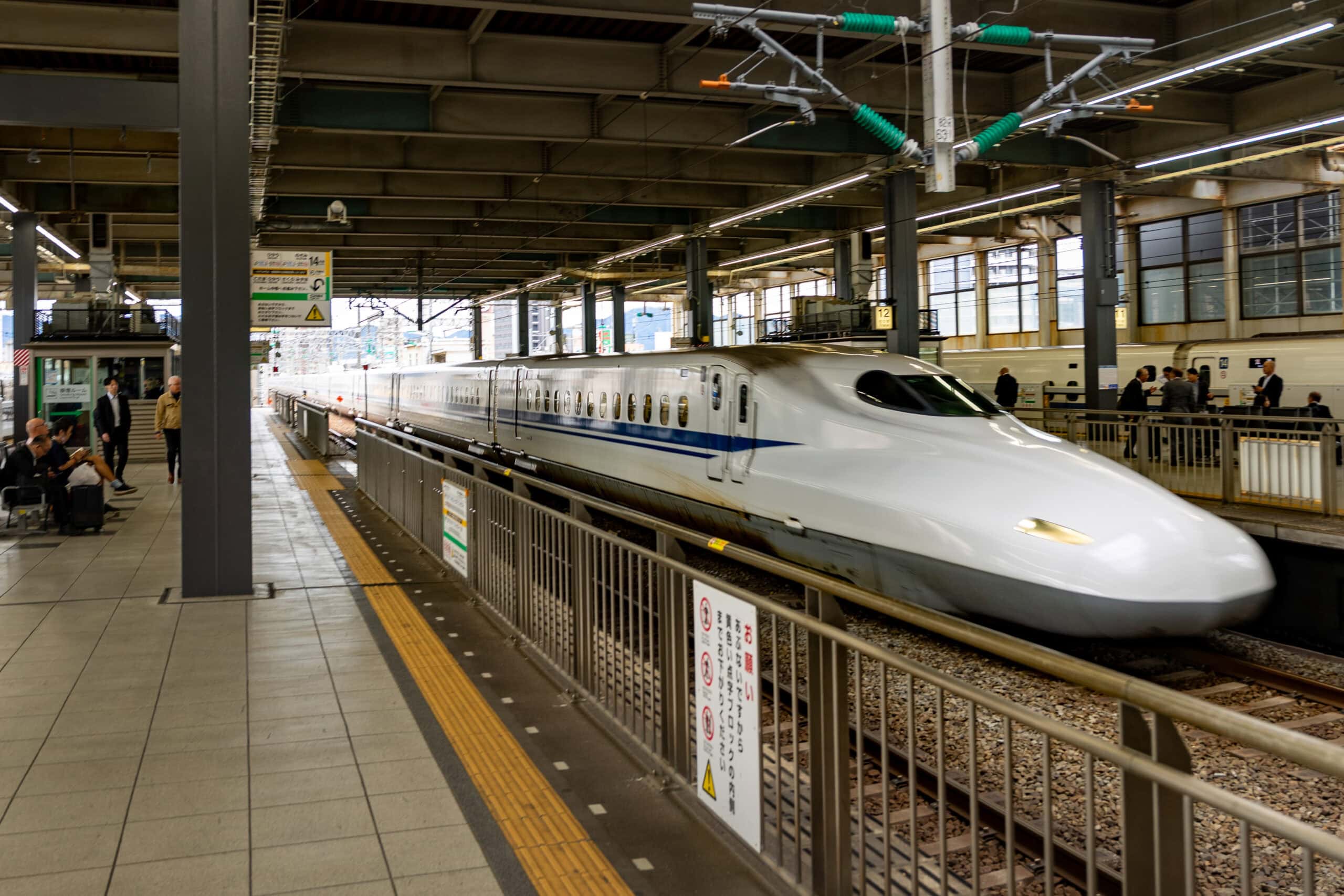
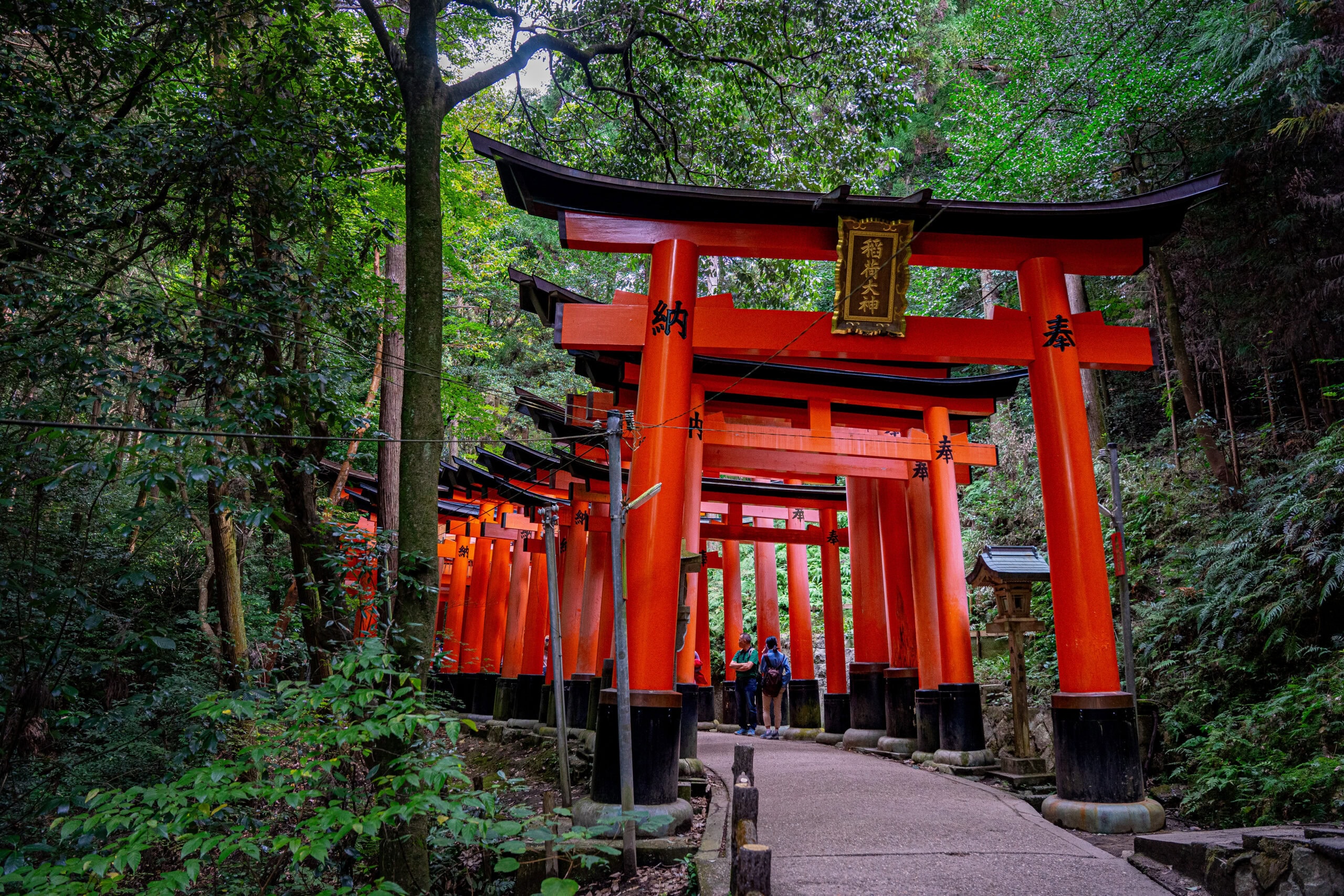
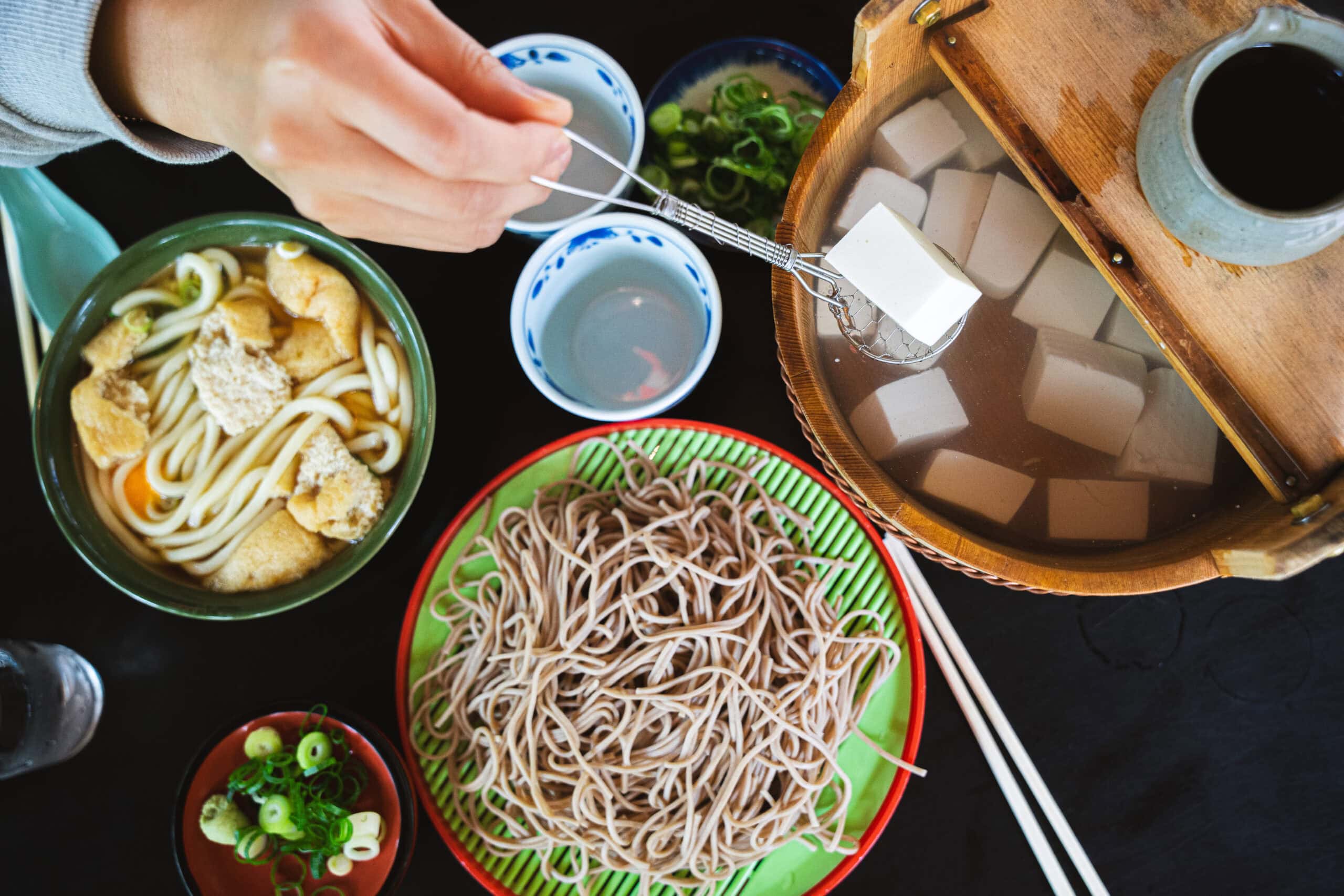
In this post, we’ll show you exactly how we spent 10 days in Hiroshima and Kansai using a five-day rail pass. Simply copy our trip, or adjust it to your own kinks, cause let’s be honest, there is no such thing as the perfect Japan itinerary. What works for one person is not necessarily for everyone. Our trip is all about the culture, history, and food of the region at a realistic pace.
If this sounds like your thing, our 10-day Japan train itinerary using the JR Kansai-Hiroshima Area Pass might just be your thing too.
So, go west. Ride the trains. Eat the noodles. Bow back at the deer. And when you leave (because you must), leave already planning your return.
Let’s ride.
Please note: This post may contain affiliate links. This means I may earn a commission if you make a purchase by clicking a link (at no extra cost to you). As an Amazon Associate, I earn from qualifying purchases. Learn more.
Is the JR Kansai Hiroshima Pass Worth it?
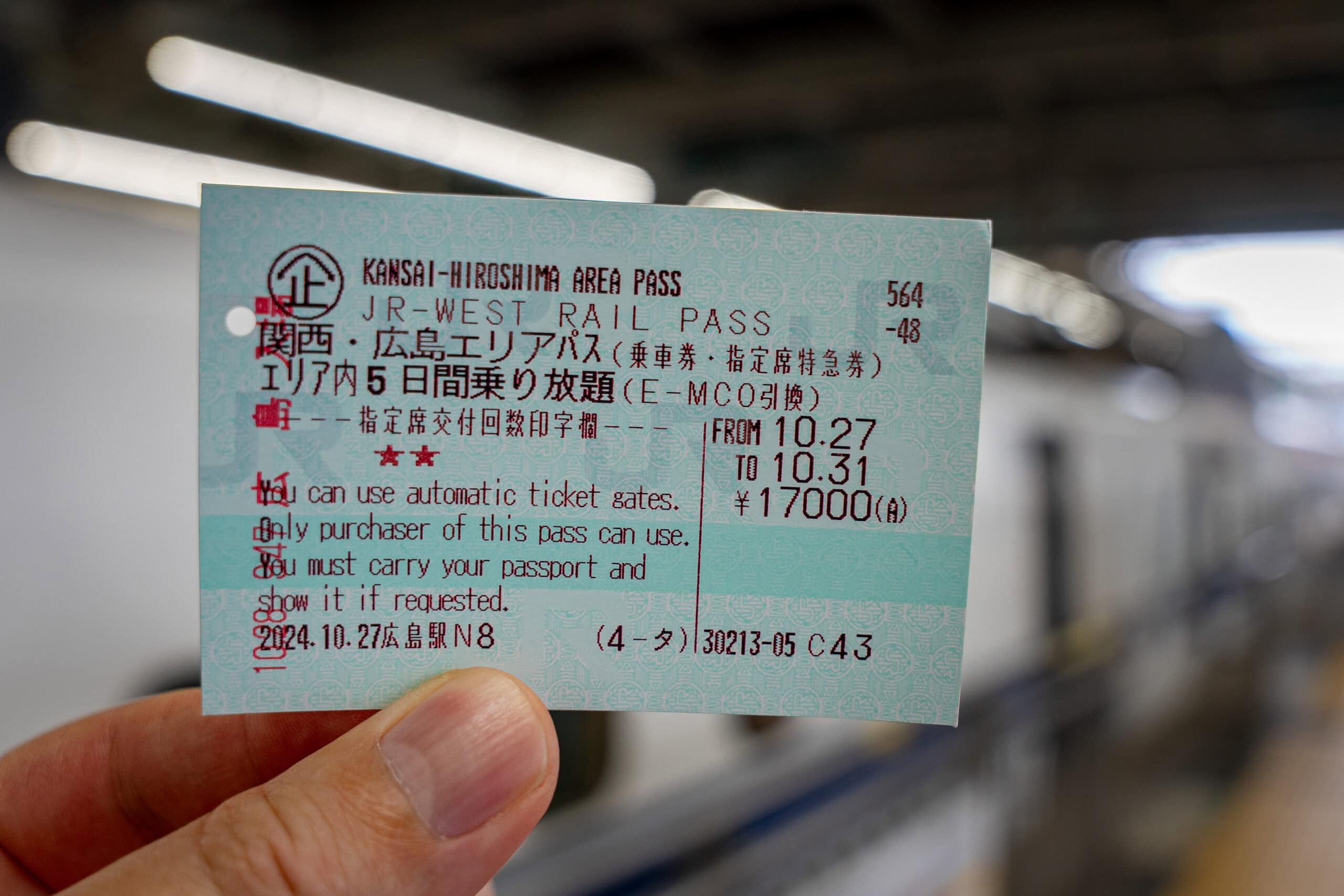
Absolutely! With the nationwide JR Pass now significantly more expensive, regional passes like the JR Kansai Hiroshima Area Pass remain one of the best travel deals in Japan.
This 5-day pass costs just ¥17,000 and covers unlimited travel across a wide area, including Hiroshima, Kyoto, Osaka, Kinosaki Onsen, Nara, Kobe, Himeji, Okayama, and Wakayama.
Using our exact itinerary, you’ll save money: just the one-way trips from Hiroshima to Kinosaki Onsen to Kyoto add up to ¥21,910, and that’s not even counting the free ferry to Miyajima or the day trip to Nara. If you’re following our route, it’s a no-brainer.
Save money and travel smarter—book your JR Kansai Hiroshima Pass on Klook here.
Our 10 Day Japan Itinerary with the JR Kansai Hiroshima Pass
We didn’t need Tokyo. We needed trains, onsens, temples, and food to question our moral compass. Our ten-day Japan trip with a JR Kansai Hiroshima Pass is not about checking boxes.
Jin was set on Osaka, I really wanted to visit Hiroshima. Kyoto was the burger between the buns, and Kinosaki was the sauce. This is a perfect trip for those wishing to see the best of Japan that is not Tokyo or Mount Fuji.
Here is a brief overview of our trip:
Days 1-2: Hiroshima and Miyajima. Stay at Smile Hotel.
Day 3. Kinosaki Onsen. Stay at Sennennoyu Gonzaemon.
Days 4-7. Kyoto and day trip to Nara. Stay at Piece Hostel Sanjo.
Days 8-9: Osaka. Stay at R Hotel Namba Daikokucho.
Day 10. Limousine bus to Kansai Airport (KIX) for morning departure.
How We Used the 5-day JR Kansai Hiroshima Pass on this 10-Day Itinerary
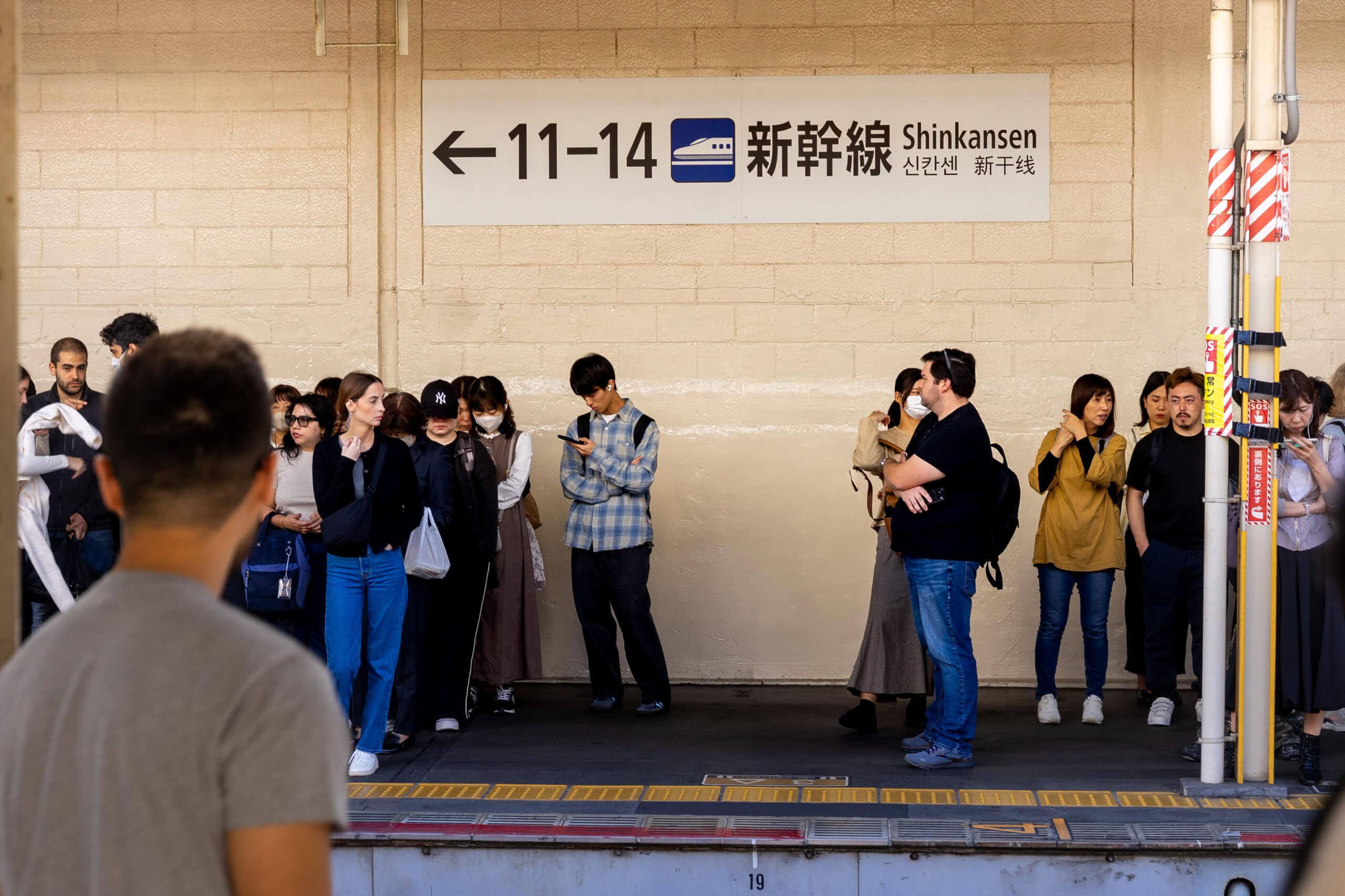
Planning a 10-day Japan itinerary with only a 5-day JR Kansai Hiroshima Pass takes a bit of finesse. Ours revolved around one non-negotiable: a night at a traditional ryokan in Kinosaki Onsen. We also stayed in Kyoto for four nights which eats up most of your five consecutive days of the pass.
The trick is using the pass for your longest, most expensive train days. For us, that meant the Hiroshima–Kinosaki Onsen–Kyoto section. By the time we reached Kinosaki, the pass had almost paid for itself.
We flew into Hiroshima from Seoul and out of Kansai Airport in Osaka, saving ourselves the hassle of doubling back. Even if you’re flying in and out of Osaka, the JR Kansai Hiroshima Area Pass is still a smart buy. One return trip between Osaka and Hiroshima on the Shinkansen nearly covers the cost.
We thought the pass didn’t cover the Nozomi Shinkansen, but the ticket agent in Hiroshima booked us on it without issue. I had screenshots ready for a route via Himeji, but she suggested going via Osaka on the Nozomi for a faster trip.
From then on, we always visited the ticket counter when arriving at a station to get tickets for the next leg. JR staff know the fastest routes, they speak English, and the queues are short.
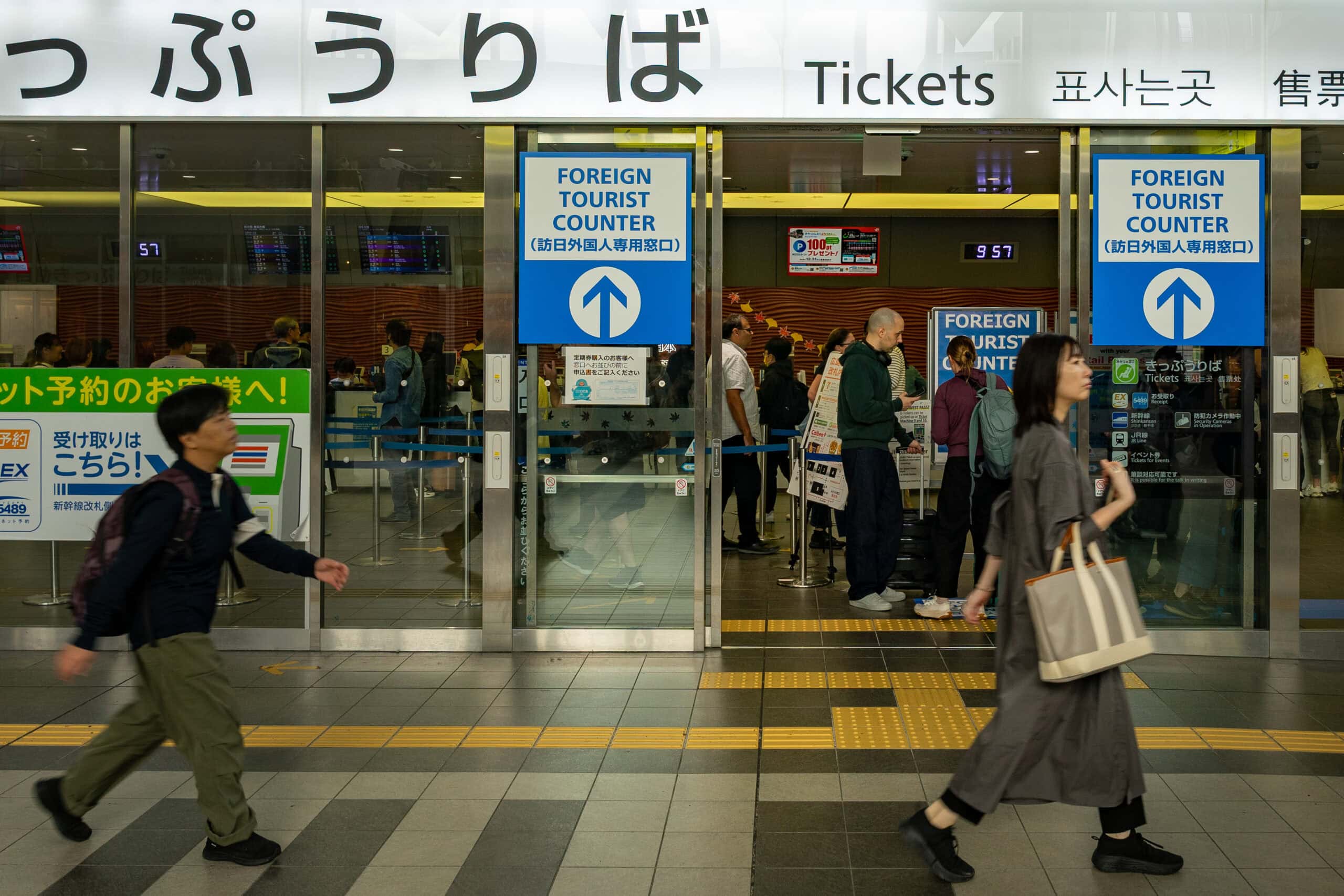
We activated the pass on the second day in Hiroshima. The airport bus isn’t included, and we spent the first day in Hiroshima on foot anyway.
On day 2, we activated the pass at Hiroshima Station and also got tickets to Kinosaki for the next day.
With the pass live, we headed to Miyajima (the train and ferry ride were both included). The next morning, the Nozomi rocketed us to Osaka at 300km/h, where we hopped the Express Kounotori straight to Kinosaki Onsen.
Next leg: Kinosaki to Kyoto on the same Kounotori Express line. On days 4 and 5, we squeezed the last yen out of the pass with a day trip to Nara and a side trip to Fushima Inari.
After the pass expired, we paid cash for a local train from Kyoto to Osaka (¥580, 30 minutes). The Shinkansen does it in half the time, sure, but for over ¥3,000? We’d had our fill of speed. Sometimes, slow travel wins.
Recap of how we did it:
Day 1 of the pass: Miyajima train and ferry (JR train and ferry)
Day 2: Hiroshima to Kinosaki Onsen via Osaka (Nazomi Shinkansen and Kounotori Express)
Day 3: Kinosaki Onsen to Kyoto (Kounotori Express)
Day 4: Kyoto to Nara day trip (JR Line)
Day 5: Kyoto to Fushima Inari return to Kyoto (JR Line)
*pass expires
Day 8: Kyoto to Osaka local train.
Day 10: Bus from Osaka to Kansai Airport
Day 1: Hiroshima – Memory
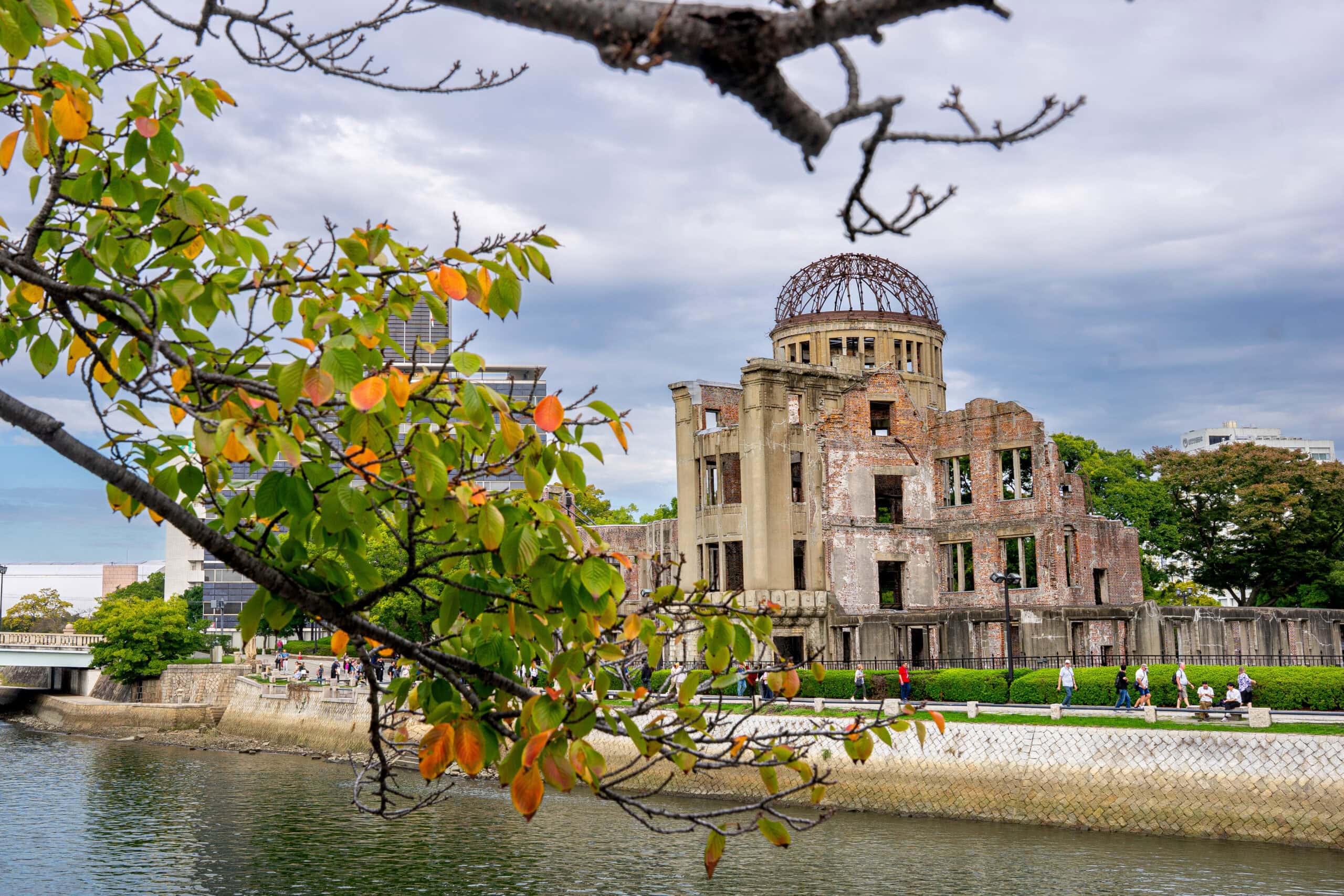
Hiroshima hits you with its silence. Not the absence of sound, but the presence of memory.
We landed around 11:30, dropped our bags at the Smile Hotel, and walked straight into the city. When you’re in Hiroshima, you walk. It’s not just about sightseeing, it’s about moving through a city that has been rebuilt from the ashes, step by step.
But first: lunch. A man needs fuel.
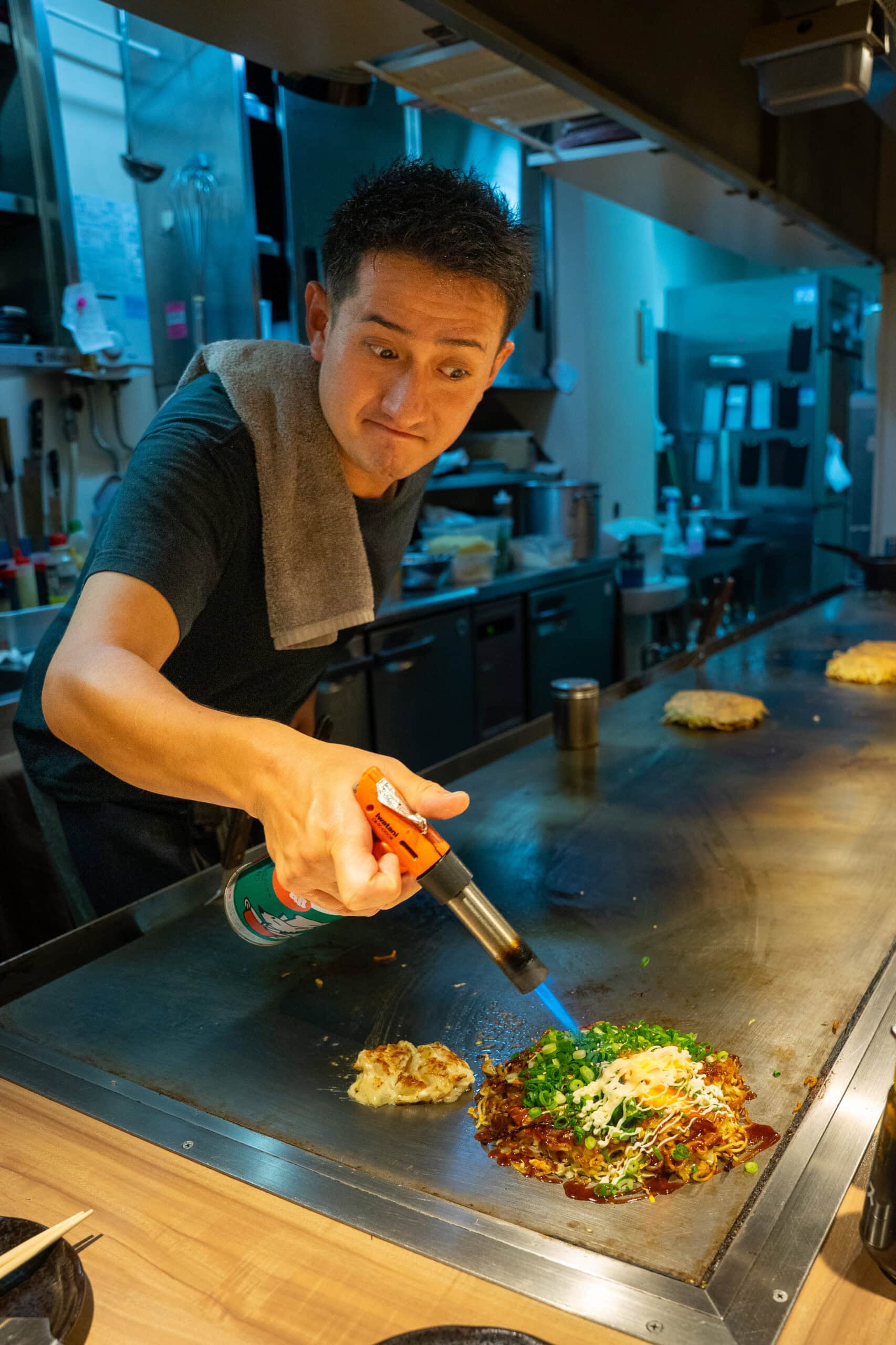
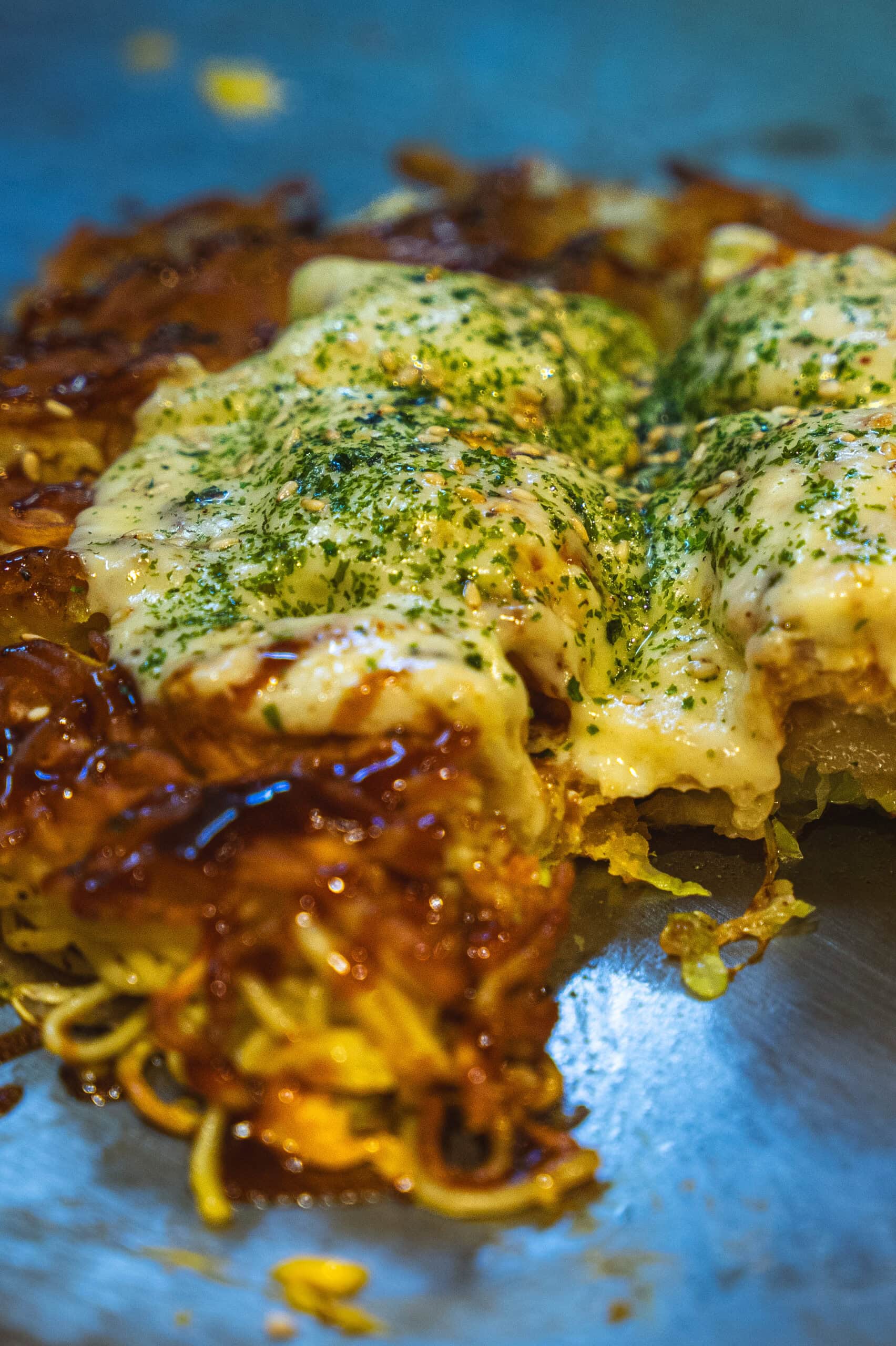
We kicked things off with a proper Hiroshima-style okonomiyaki at Teppanyaki Acchan (鉄板焼 府中焼 あっちゃん) (location). Think layers of noodles, cabbage, octopus, bacon, and melted cheese grilled on a hot plate in front of you. It’s comfort food in a city that’s known loss and knows how to survive it.
We start our Hiroshima sightseeing at the Peace Memorial Park. The Genbaku Dome is still standing – barely. Jin takes me to the Korean Memorial, dedicated to the estimated 20,000 Koreans (forced labourers during the Japanese colonisation of Korea) who died in the bombing.
At the Children’s Peace Monument, we see thousands of origami cranes in silence. They tell the story of Sadako, a young girl with leukaemia who folded paper cranes in hope of healing. In Japanese culture, folding a thousand cranes grants you one wish. She made it to 644 before she died. Her friends folded the rest.
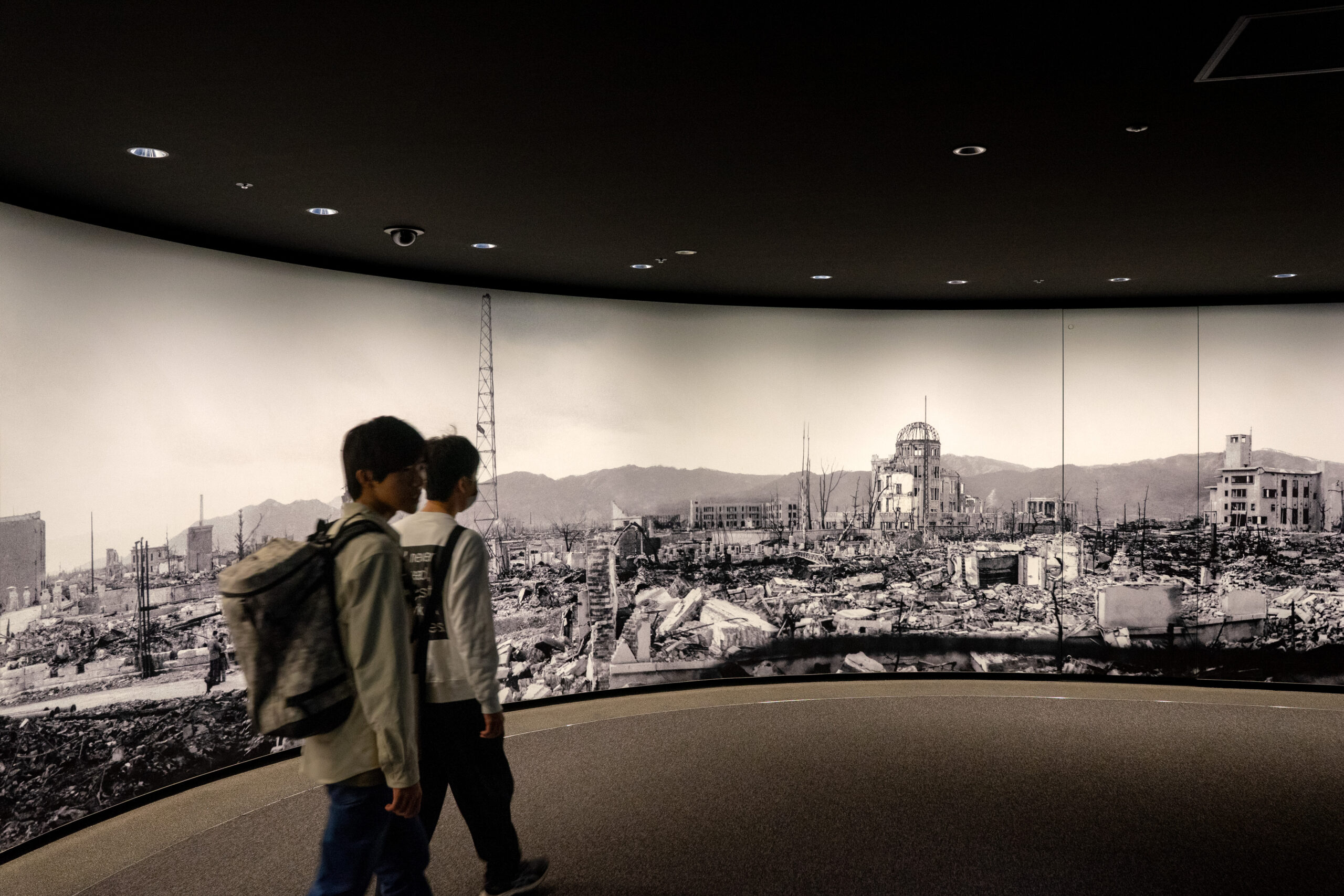
To understand Japan’s post-war spirit, we go to the Hiroshima Peace Memorial Museum. The place was packed as we visited during the busiest time of the peak school trip season. We didn’t learn much as we had just one thing on our mind, and that was to get out of there. It was just too busy to take anything in.
Top tip: best times to visit are from 7:30 to 10:00 or after 17:00.
When the weight of it all gets too heavy, go find a convenience store. Seriously. A cold strawberry milk, an Ohayo milk pudding, or a fluffy egg sandwich can put you back together. It’s not just food, it’s part of the culture. A soft reset.
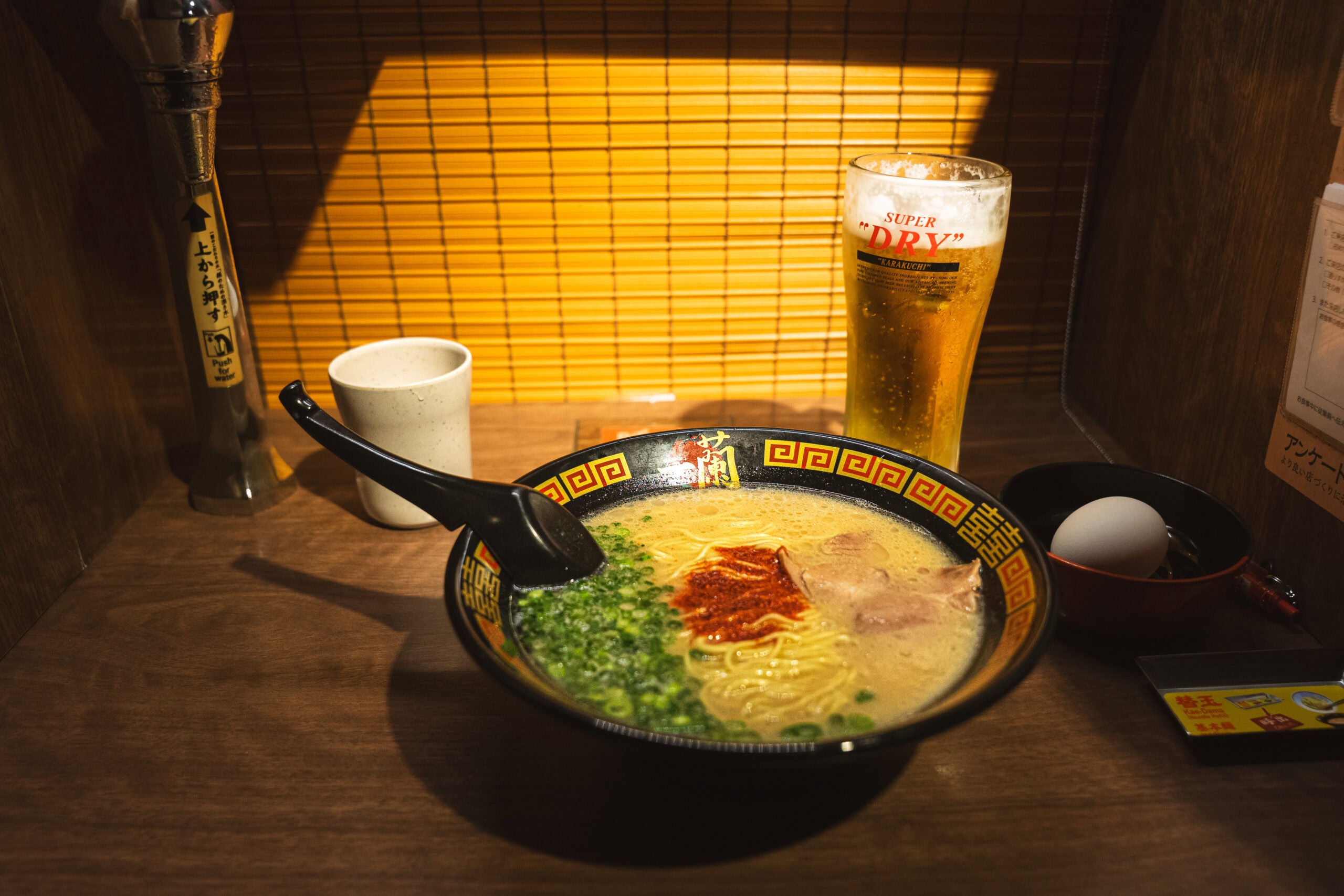
Dinner? We kept it simple: Ichiran Ramen (location).
Vending machine orders. Private booth. No talking. Just you, your bowl of noodles, and silence. 24/7.
It’s as Japanese as it gets, and exactly what the day needed.
➜ Read more: 2 Days Hiroshima & Miyajima itinerary
Day 2: Miyajima – Floating Shrines
We started the morning at Hiroshima Station, for two reasons: to activate our JR Kansai Hiroshima Pass, and to eat.
Inside the station, Ekie is like a chic department store for food. We grabbed sushi boxes for breakfast—fatty tuna, perfect rice—and watched commuters hustle by. There’s also a sleek stand-up bar pouring morning Sapporo drafts if that’s your thing
A quick train ride to Miyajimaguchi Station, followed by the JR ferry (included in the pass), takes you across the Seto Inland Sea to Miyajima Island.
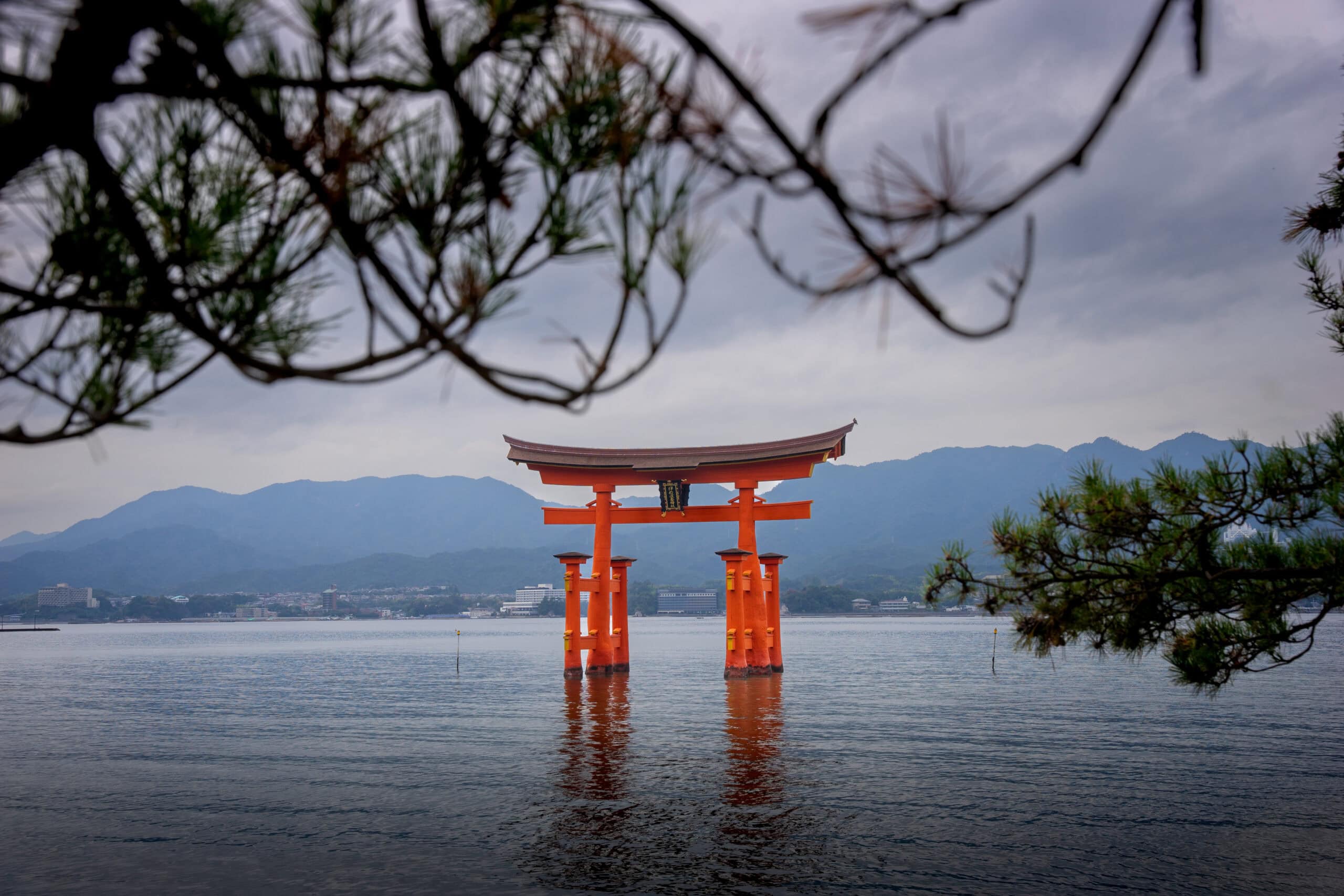
Miyajima, officially called Itsukushima, is one of Japan’s most sacred places. The entire island is considered holy. Itsukushima Shrine, a UNESCO World Heritage Site, was built to float on the water, and its famous torii gate appears to hover between sea and sky.
At the massive wooden Hokoku Shrine, we sat for a long time doing absolutely nothing. Breathing. Listening. Just being.
Then we wandered through Omotesando Shotengai, the island’s bustling main street. We gorged on Hiroshima oysters, snacked on warm momiji manju (maple-leaf shaped cakes), and devoured soft serve so beautiful we almost couldn’t eat it. Almost.
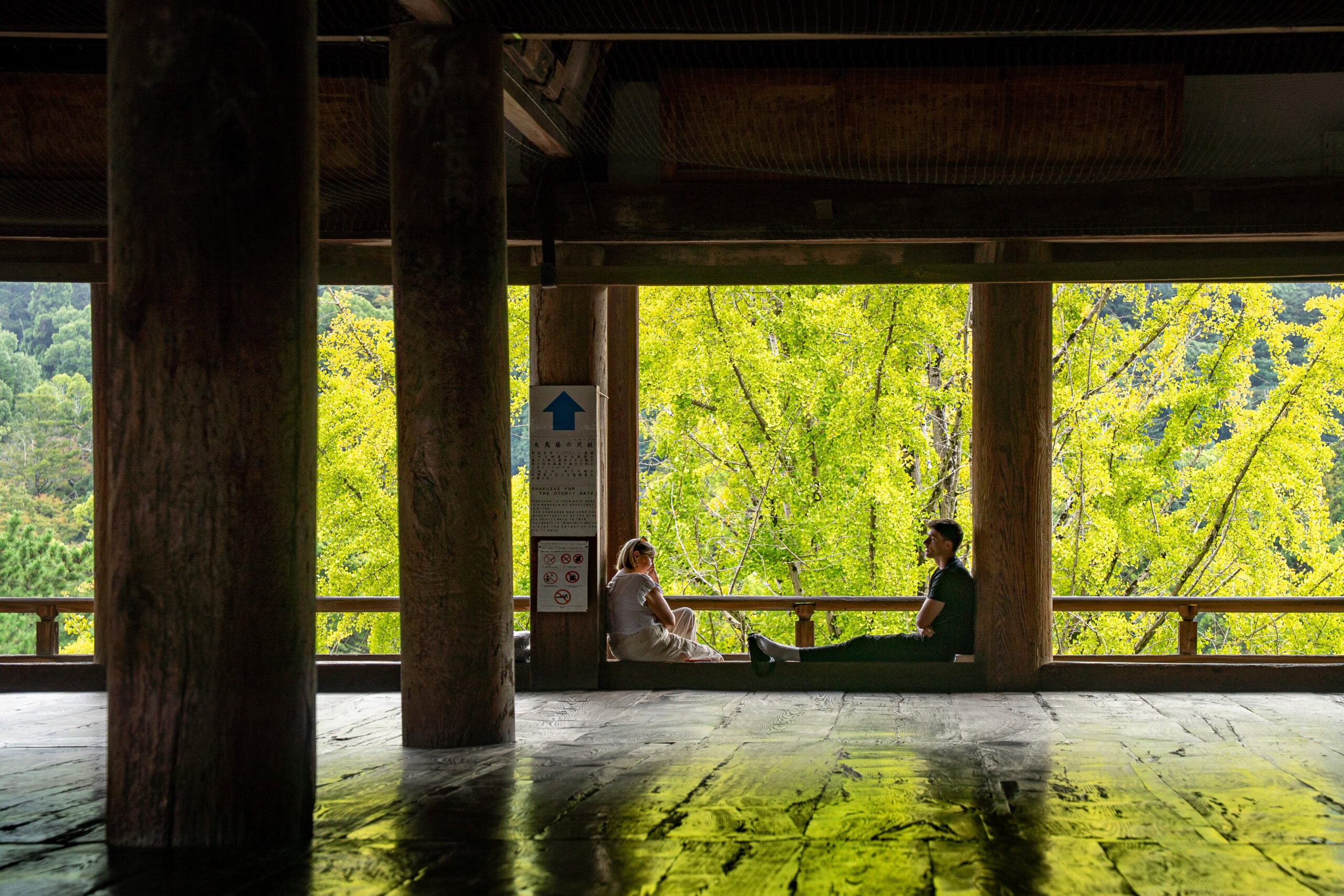
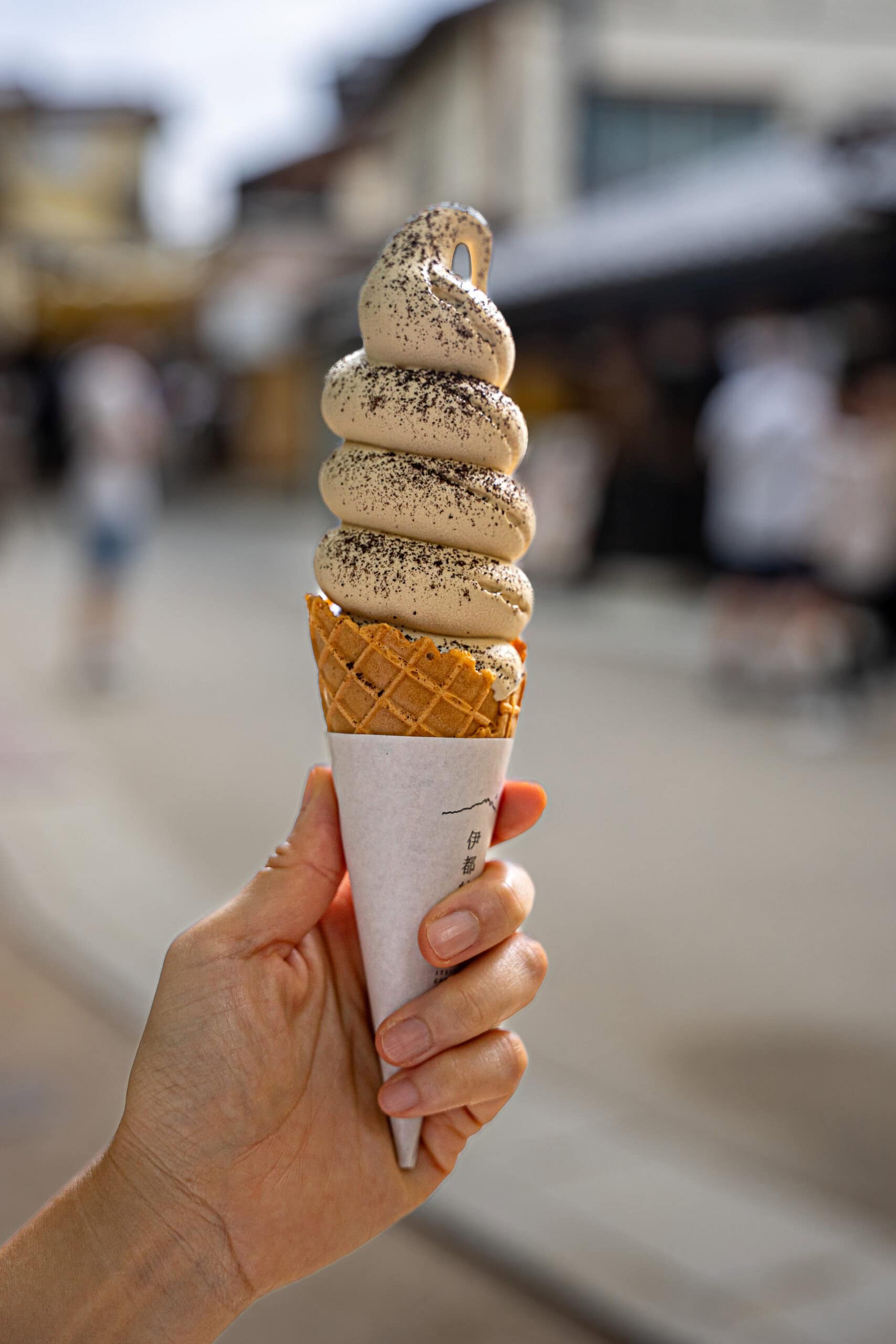
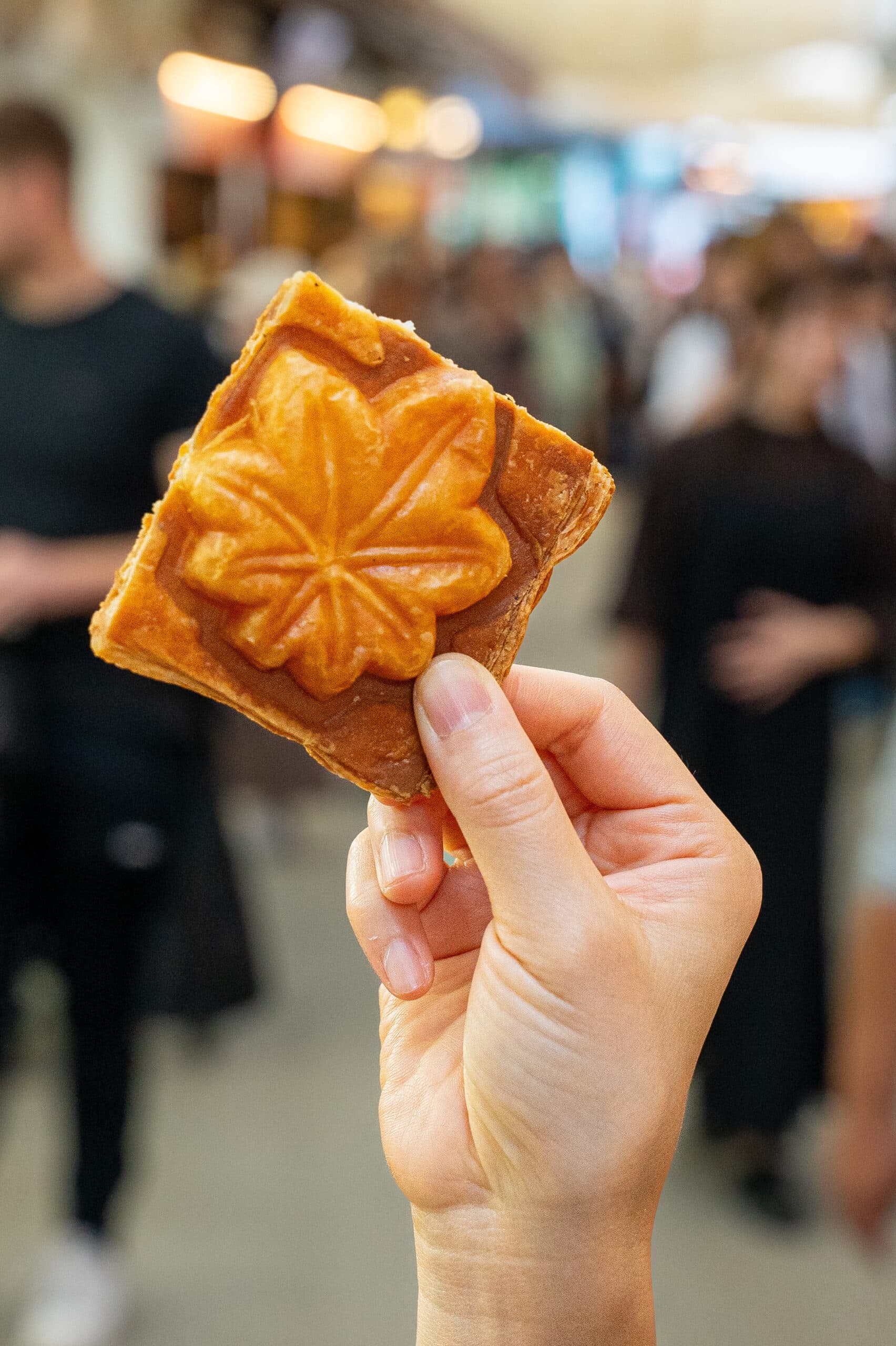
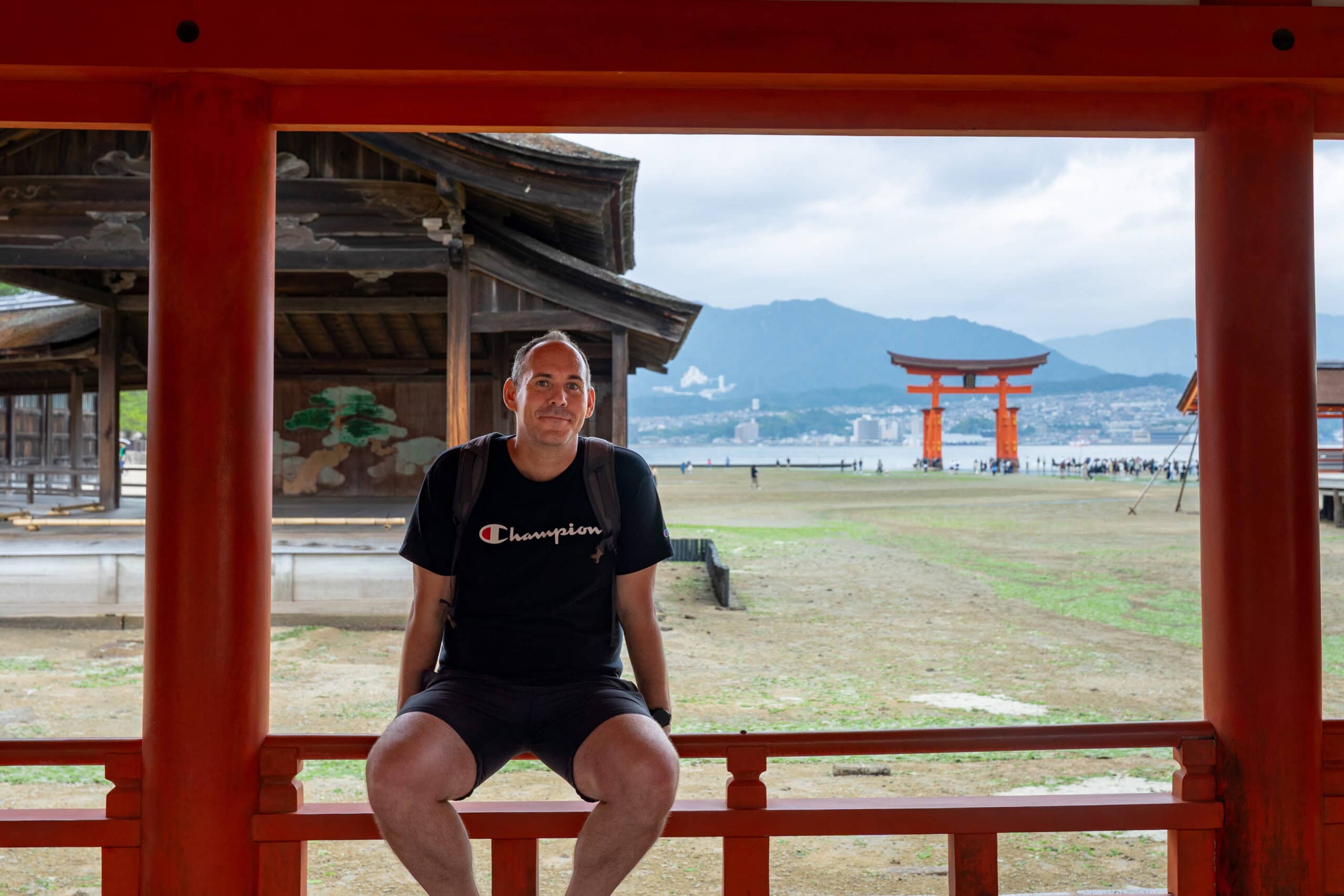
Deer strolled past like they owned the place. (They do.) Between shops and shrines, we found those fleeting moments of peace Japan does so well.
At Itsukushima Shrine, we walked through red lacquered corridors, looking out to sea. The tide was out. The torii gate stood tall but not floating. No matter. The drama’s still there.
Then we found Gebura (location), a tiny whisky bar with no pretension. Just good vibes, highballs served in plastic cups, and lemon slices floating like poetry. We drank slowly. Smiled a lot. Waited for the tide.
And when it came in, that iconic floating torii gate finally lived up to its name, rising from the water, slightly blurry from the whisky.
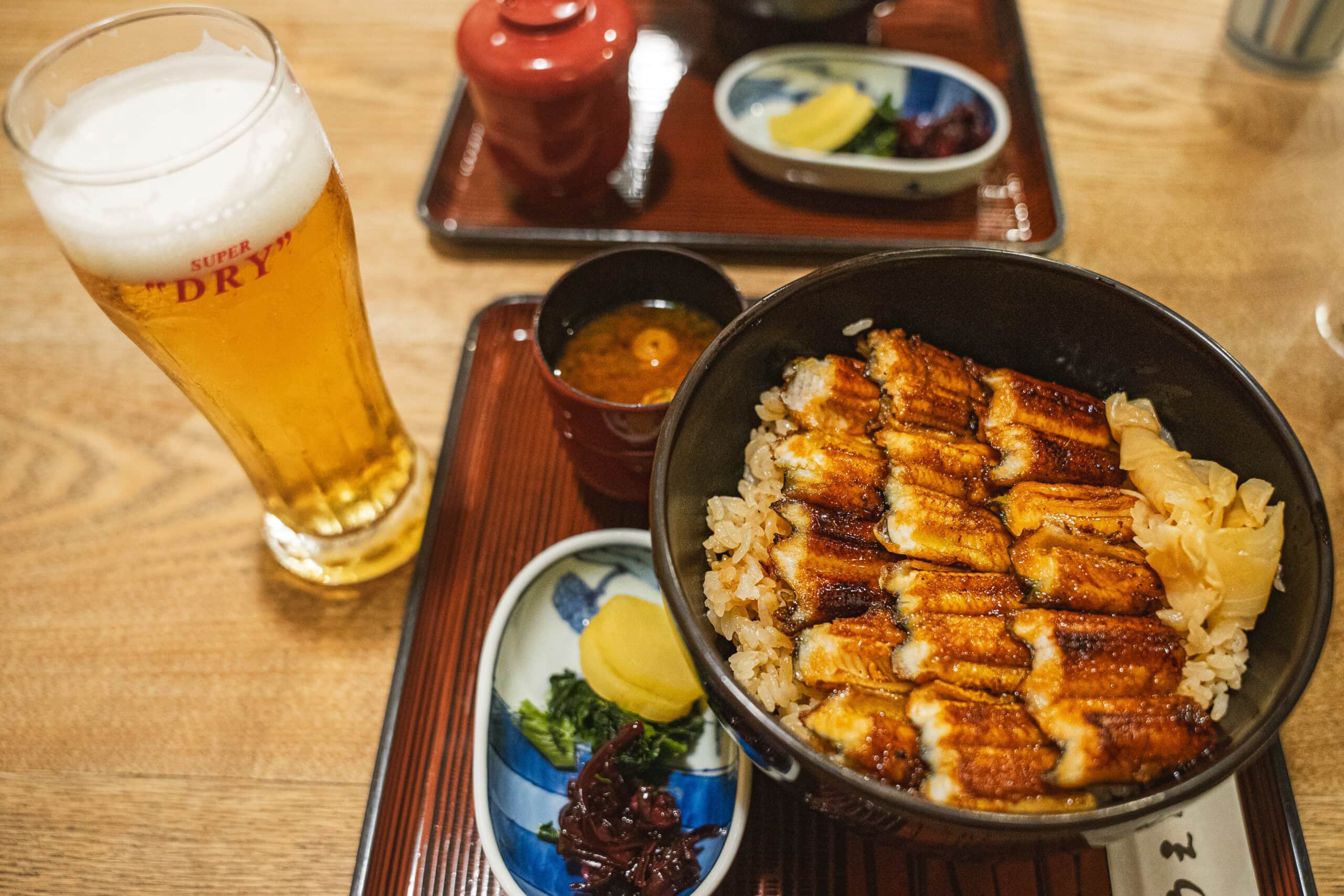
On the way back to Hiroshima, we made one last stop: Ueno Anagomeshi (location), just outside the ferry terminal. Their anago-meshi (grilled conger eel on rice) is legendary. Sweet, smoky, unforgettable. We washed it down with an ice-cold draft beer.
Day done.
Day 3: Kinosaki Onsen – The Art of Doing Nothing (Naked)
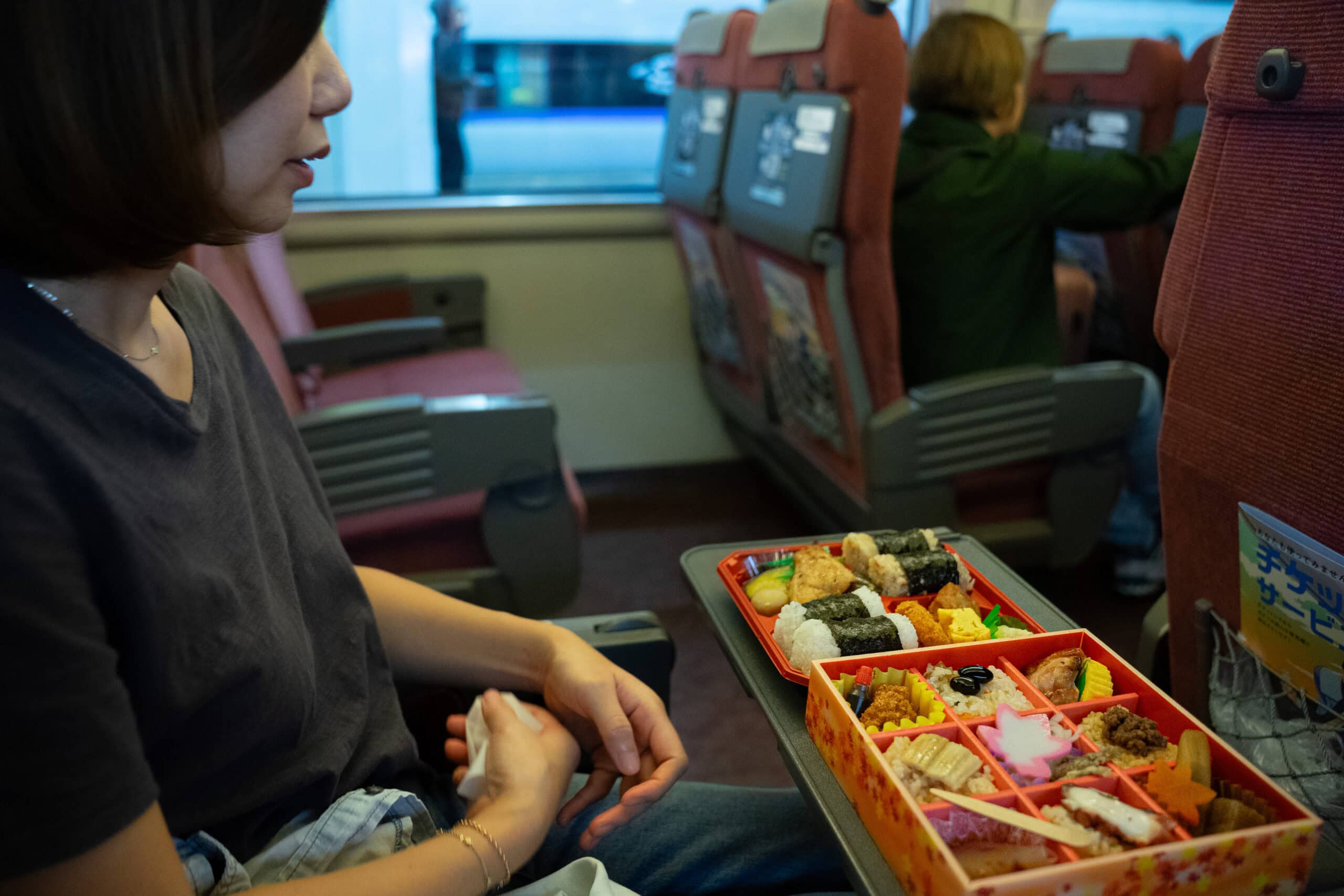
We’re at Hiroshima Station by 9:00 to catch the train north. First stop: Ekie, the station’s fantastic food hall, to grab bento boxes for the ride. We pick the signature Hiroshima bento. Nine tiny compartments of mystery and umami. Pickled things, sweet omelette, oyster, local eel.
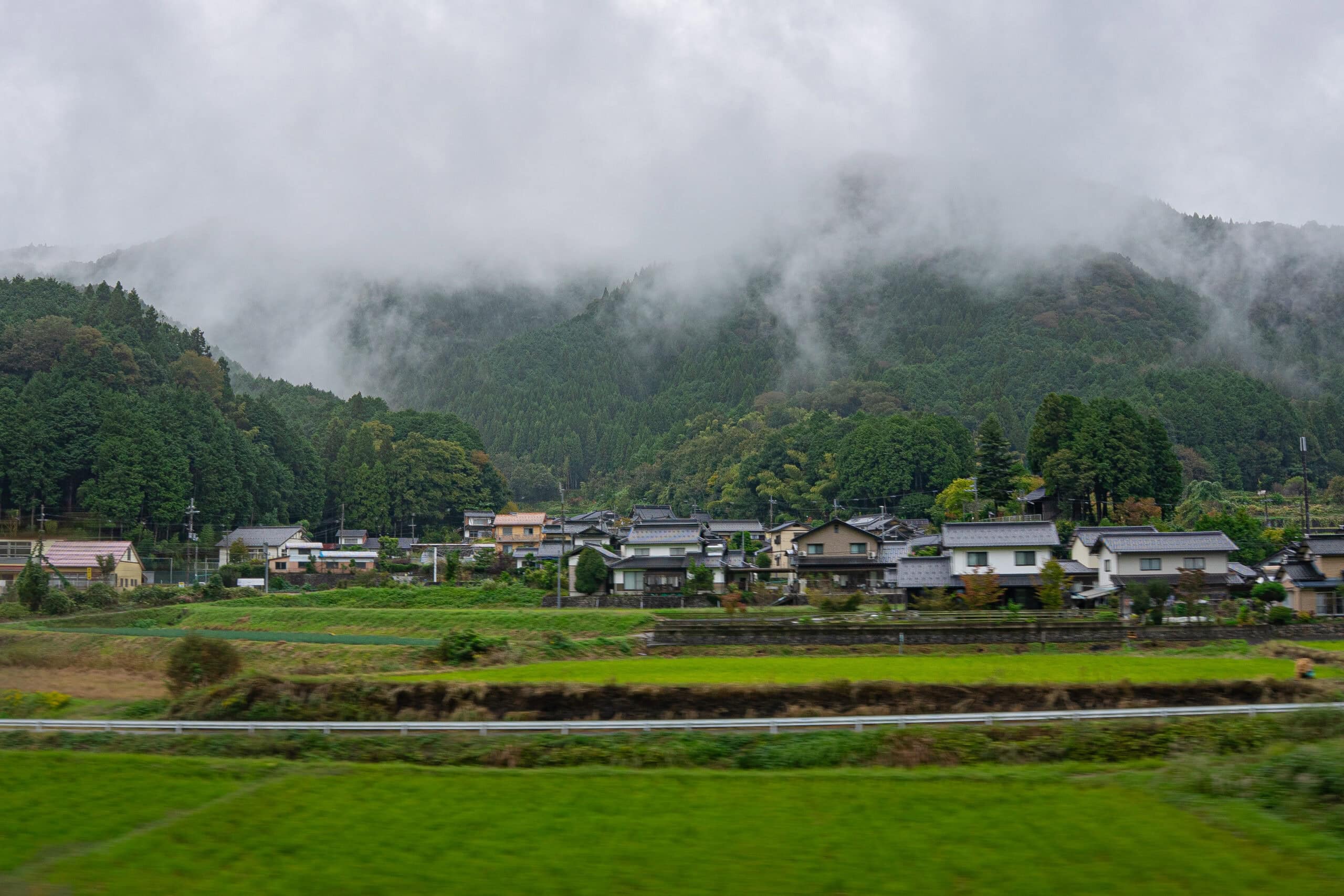
The Nozomi Shinkansen sling shots us to Osaka so fast it feels rude. Blink and you’re there. Just enough time for a quick toilet break before we transfer to the Kounotori Express, a slower train that snakes through tunnels and farmland, past fading towns and thick forests. Windows become cinema.
We arrive in Kinosaki Onsen just past noon. Within minutes, we’re checked into Sennen no yu Gonzaemon Ryokan, wrapped in yukata robes, and clopping through town in wooden geta sandals. This is Japan’s slow lane. And we’re here to master it. We go on an onsen-hopping pilgrimage like samurai of relaxation.
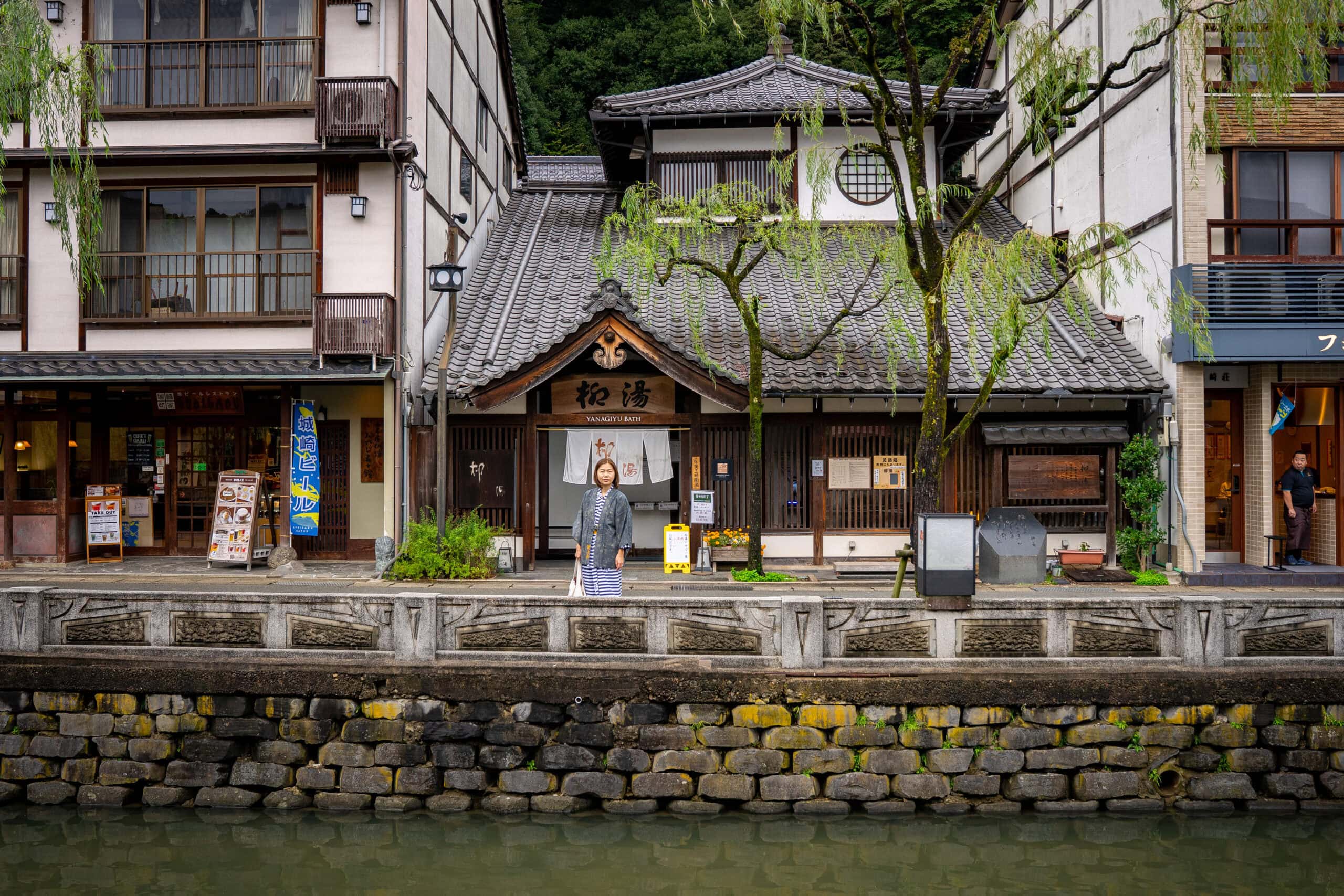
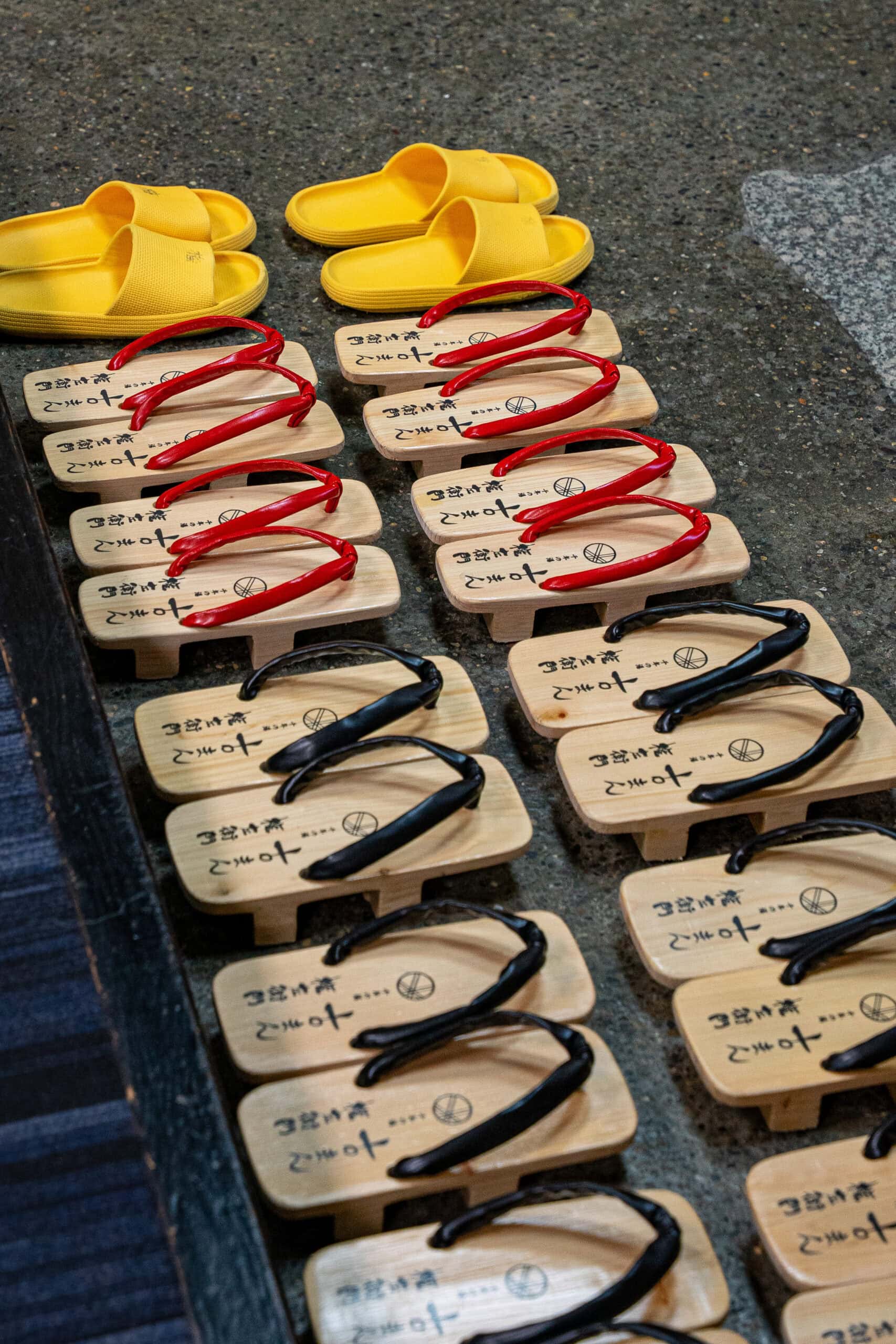
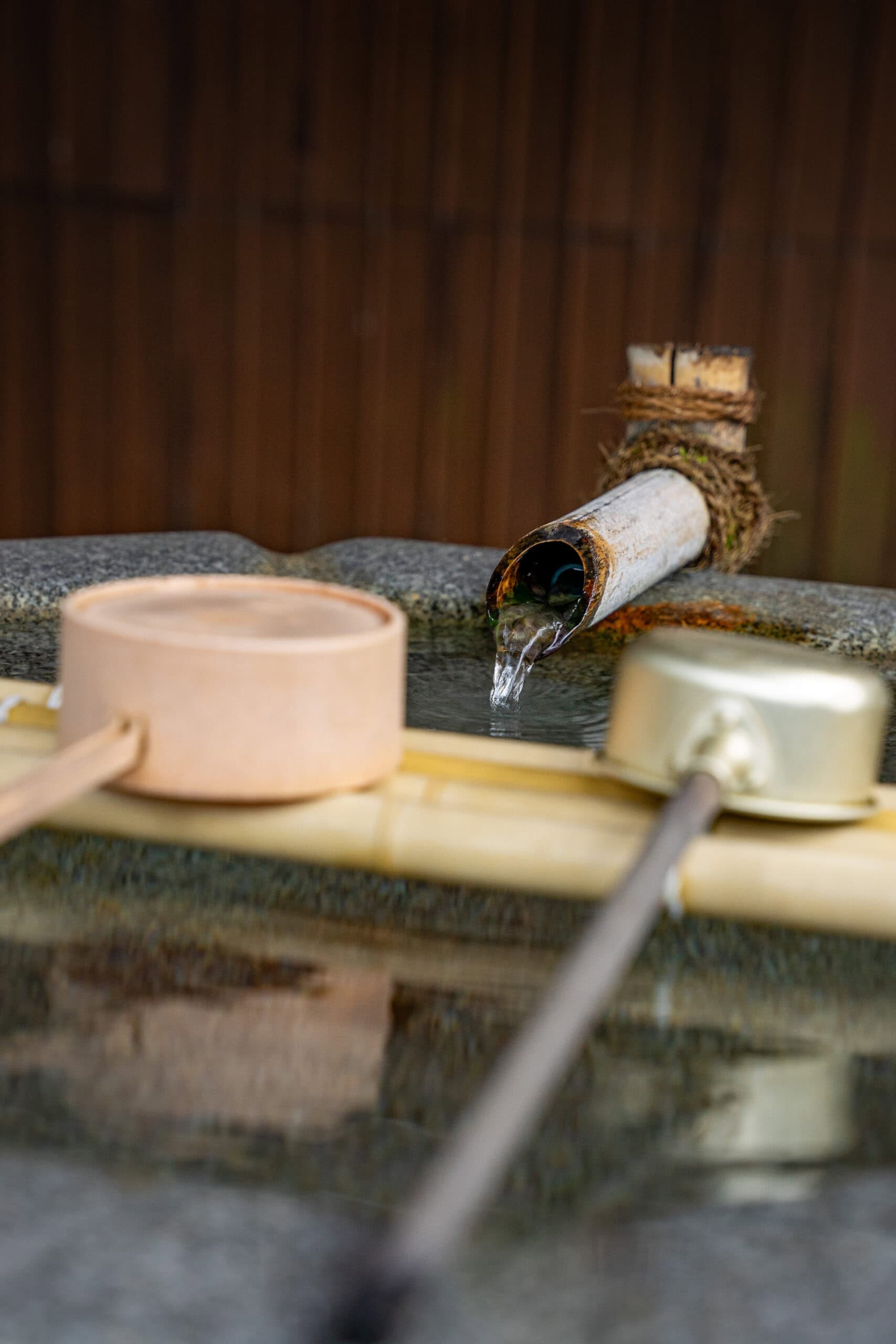
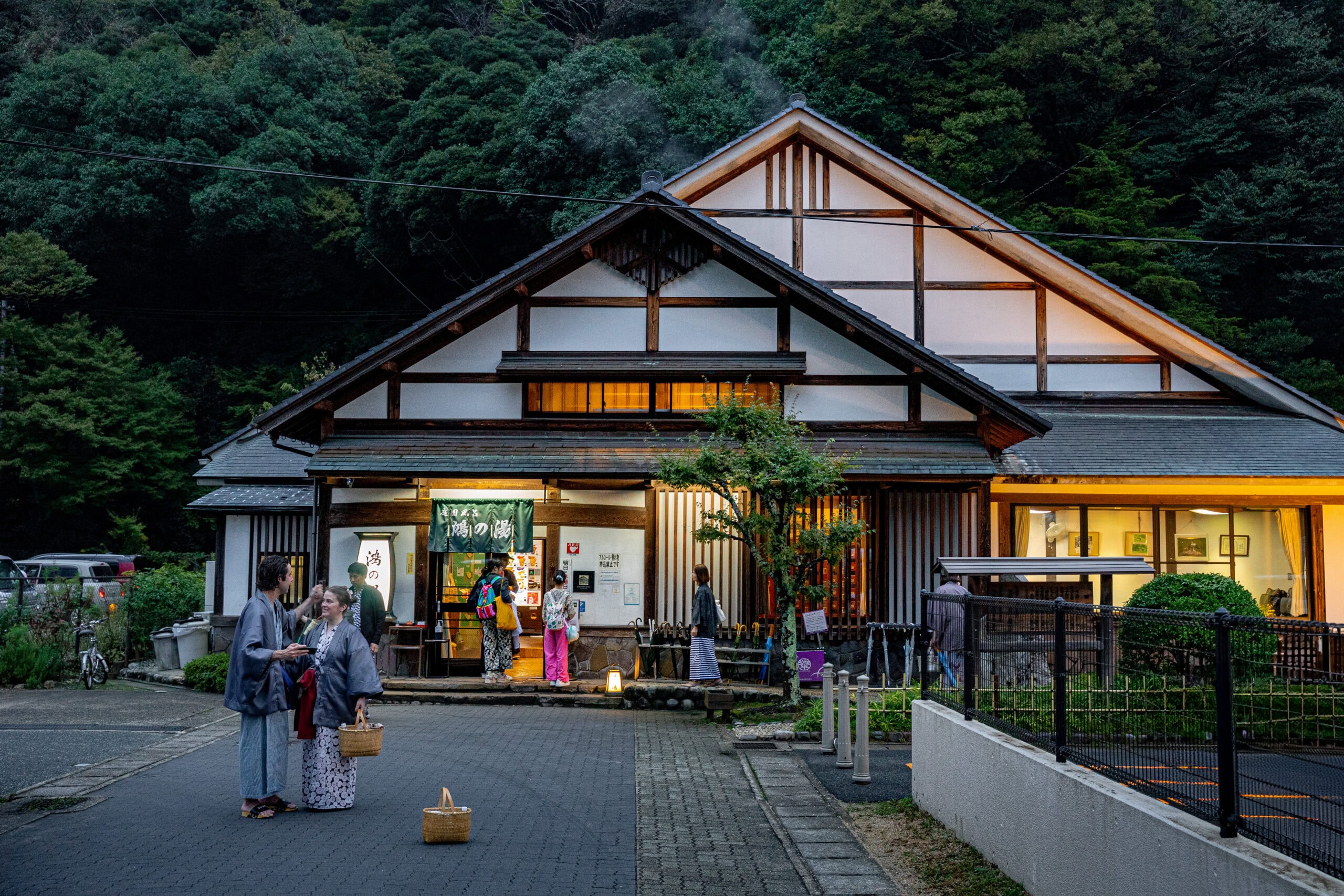
This town is built around the bathhouse. Seven of them, each with its own character. The ritual is simple: strip down and soak.
Yes, you have to be naked. Always. No exceptions.
At first, the idea of going completely naked in front of strangers feels like a dare. But by the second onsen, we’re floating physically and mentally. We soak until our skin goes soft and our thoughts dissolve.
In between baths, we sip beer at a convenience store and boil eggs in hot spring water. No plans. No rush. Just heat and stone and the occasional nod to a fellow traveller wrapped in the same thin robe we saw naked a few minutes ago.
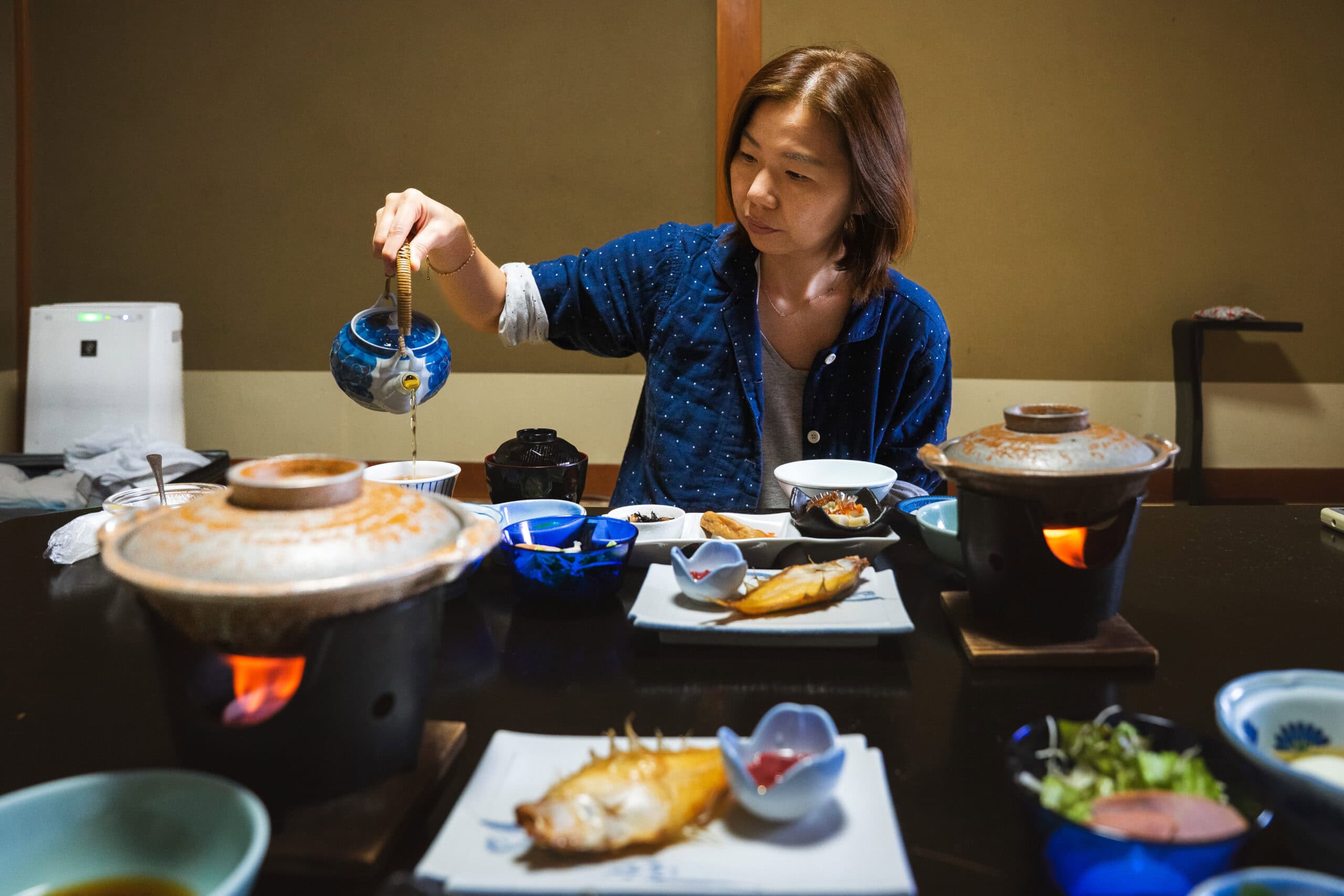
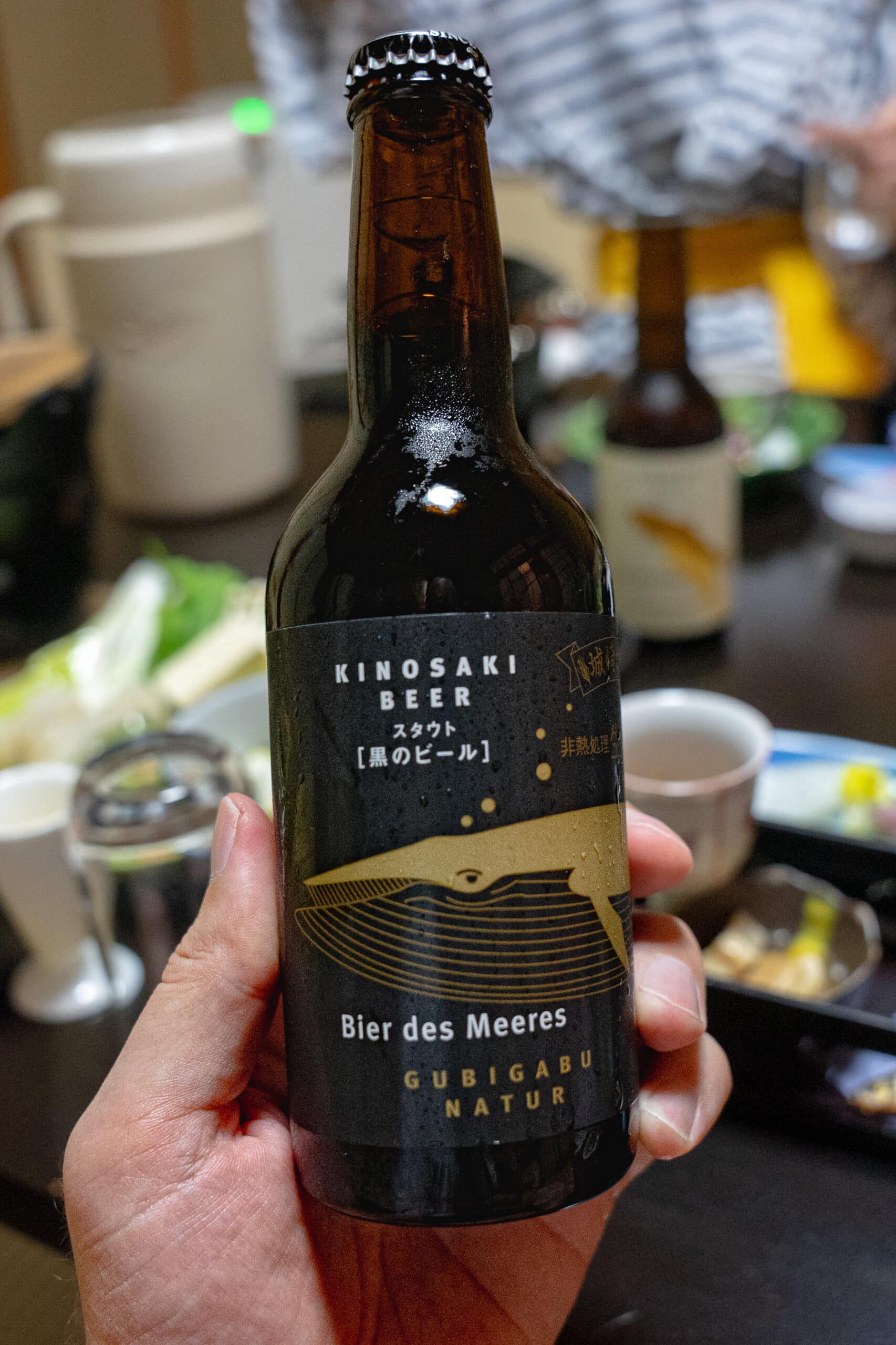
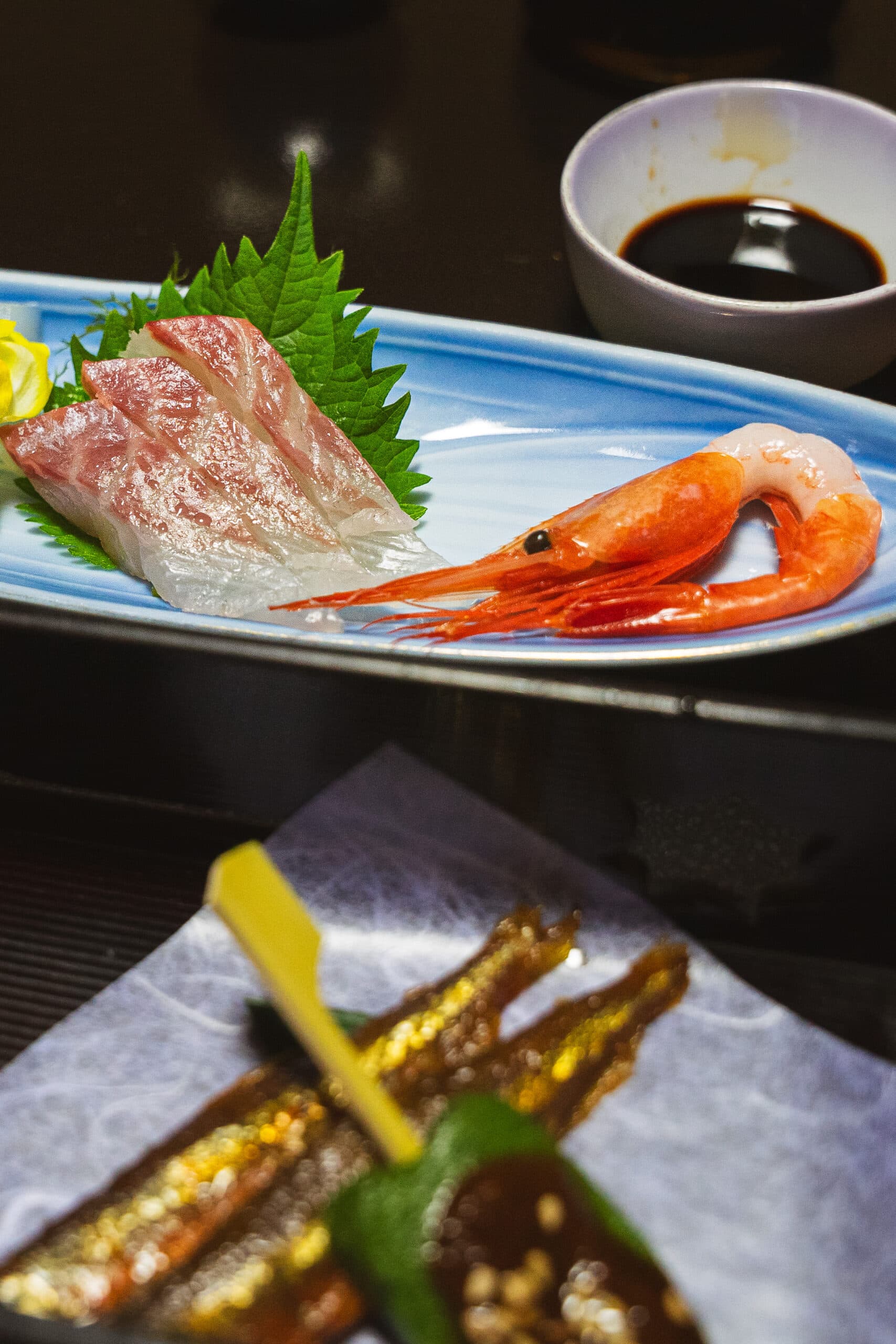
Dinner back at the ryokan is a multi-course kaiseki feast that felt like a series of edible haikus: crab in winter, Tajima beef in summer, pickled mountain herbs, miso you could write poems about, custards of unknown origin. So perfect, I half-expected a gong to sound before each bite. Breakfast was the same deal.
That night, we slept on tatami beds and never had a floor felt like a cloud before.
➜ Read more: Guide to Kinosaki Onsen
Day 4: Kyoto – Deep-Fried Delicacies & Rainy Day Wandering
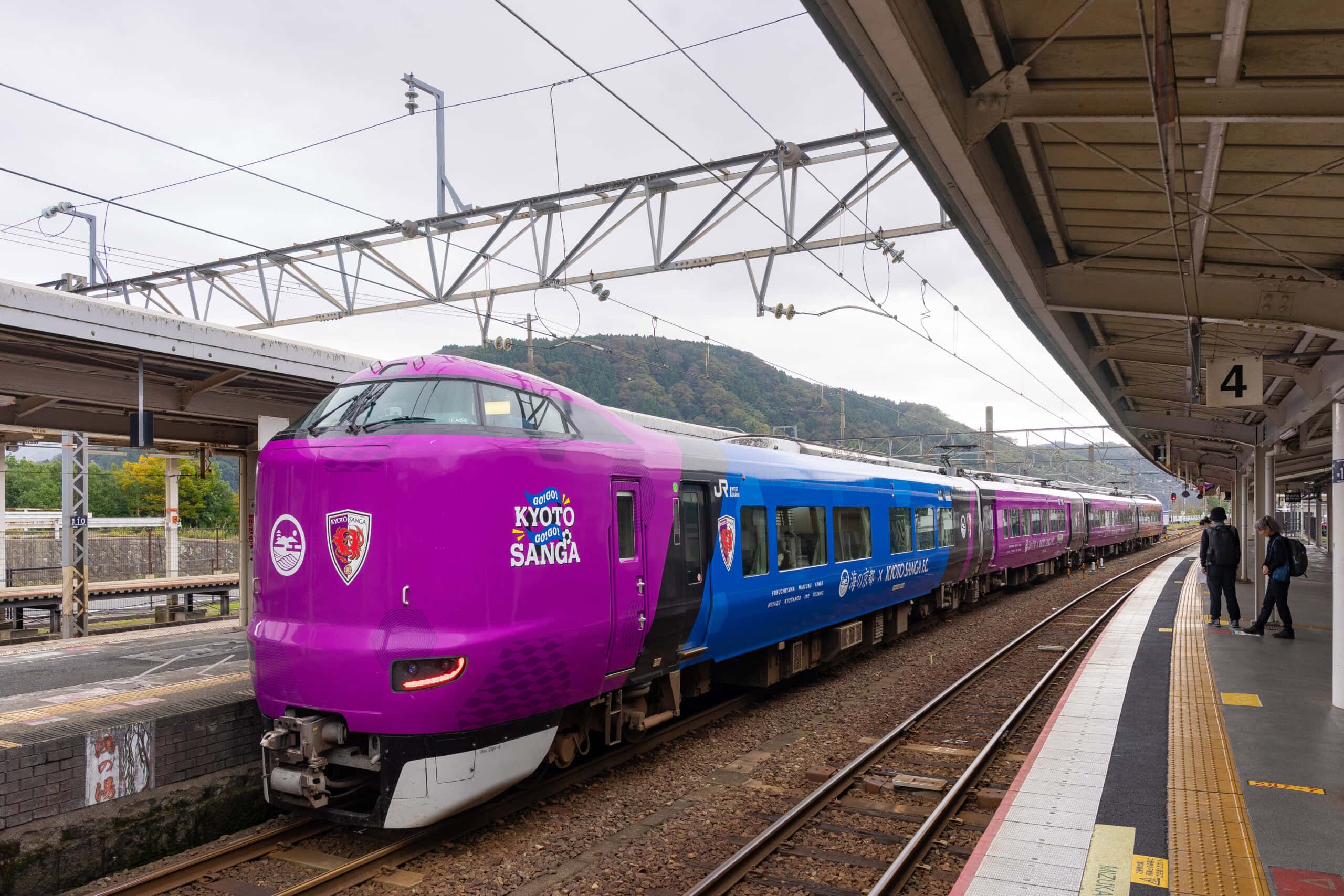
One last soak before breakfast. You don’t skip an onsen when you’re in Kinosaki, not even on checkout day.
We hop on the Kounotori Express back to Kyoto, rolling south through misty hills and sleepy towns until the rooftops start to stack again.
We check into Piece Hostel Sanjo. Thought our hostel days were behind us, but this place changed our minds. Stylish, grown-up, with quiet rooms, and surprisingly good (free) coffee in the kitchen. If you’re wondering where to stay in Kyoto on a budget, this is it. You’re welcome.
It’s raining when we arrive. Not the downpour kind, just a soft, soaking drizzle that settles in and doesn’t leave. We don’t fight it. Instead, we lean into one of the best rainy day things to do in Kyoto: eat our way through it.
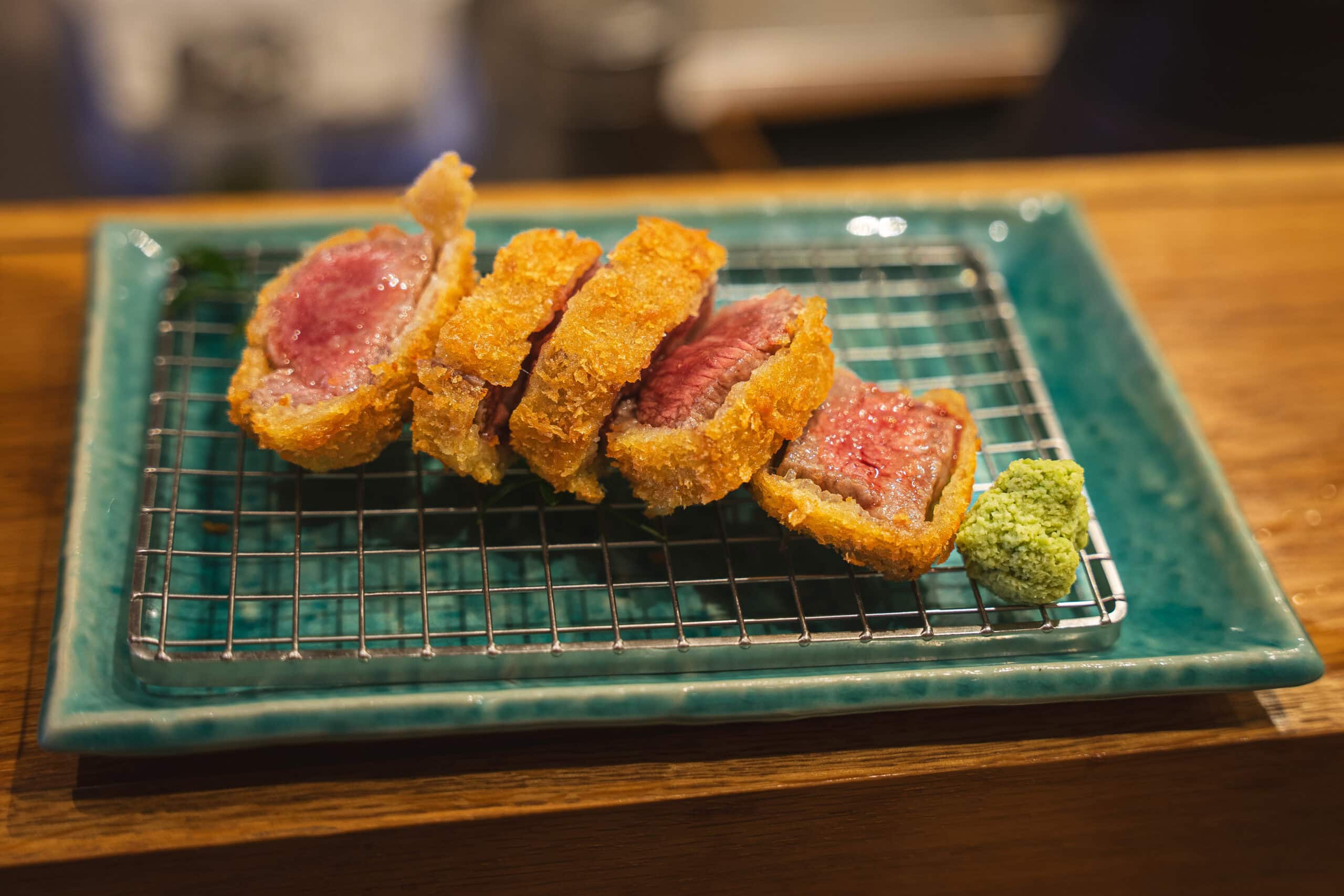
First stop: wagyu gyukatsu at Tonkatsu Katsuda (京都とんかつ) (location). A thick slice of premium marbled beef, breaded, flash-fried, and served rare. A little wasabi, lots of sauce. It’s absurdly good. Hands down the best katsu I’ve had. And I’ve had a few.
Still raining, we dive into Shinkyogoku Shopping Street, a neon-lit covered arcade that buzzes even in bad weather. Japanese denim. Gachapon machines. Trinkets you don’t need but somehow want. It’s organised chaos, but the kind you don’t mind getting lost in.
We duck into Nishiki Market, also known as Kyoto’s Kitchen. It’s a mixed bag. Wax food display that looks good on TikTok but with no aroma. But behind the showroom feel, there’s gold to be found. Grilled eel on sticks. Fresh oysters. Real-deal sake stands. You just have to dig a little.
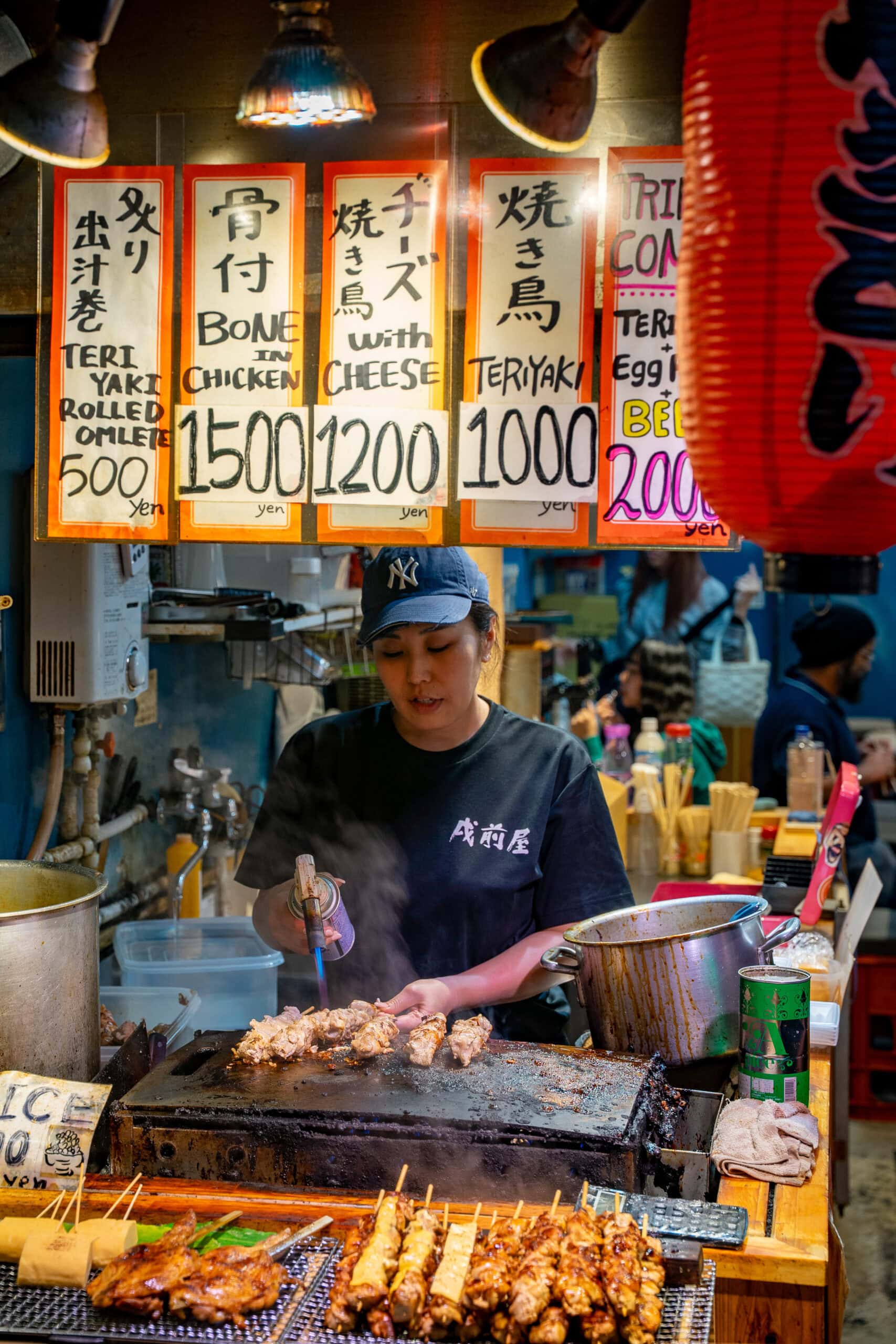
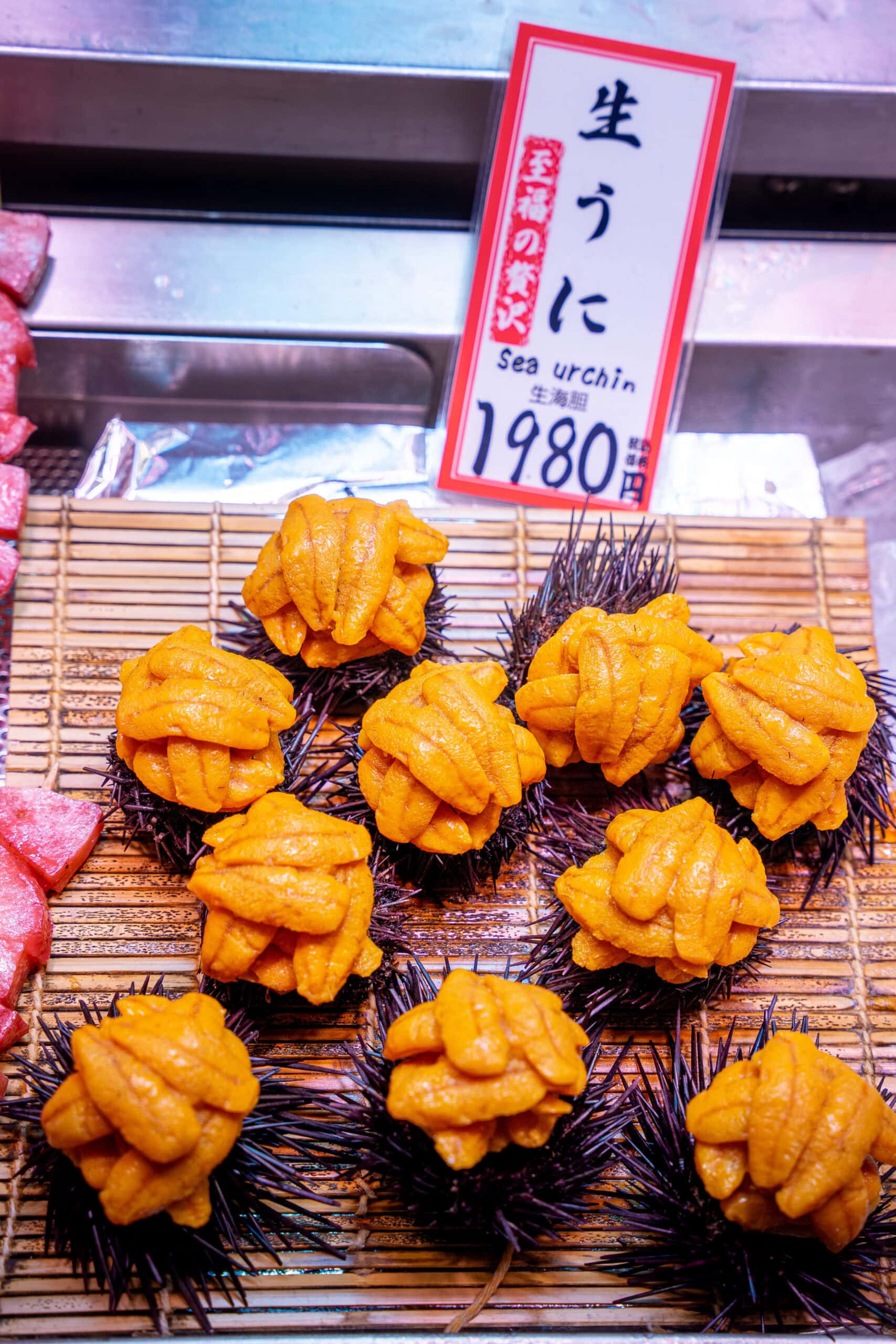
Dinner is at Aiyo! Sanjo (location), a lively neighbourhood izakaya that might be the best izakaya in Kyoto if you ask my beer-soaked memory. Loud, warm, packed with locals. We slide into our corner, order whisky highballs and beer and start working our way down the skewer menu. Fried oysters. Shrimp. Beef. Spring onions. All golden, all crisp, all on sticks. But it’s the uni and beef skewers that knock us sideways. Absolutely unforgettable.
Rain’s still falling when we head back to the hostel. Doesn’t matter. Kyoto glows in the wet.
➜ Read more: 4 Day Kyoto itinerary
Day 5: Nara – Deer, Lanterns & the Big Buddha
The rain is gone, so at around 9:00, we hop on the JR Nara Line from Kyoto Station. It’s a smooth, scenic ride, about 45 minutes to Japan’s first capital.
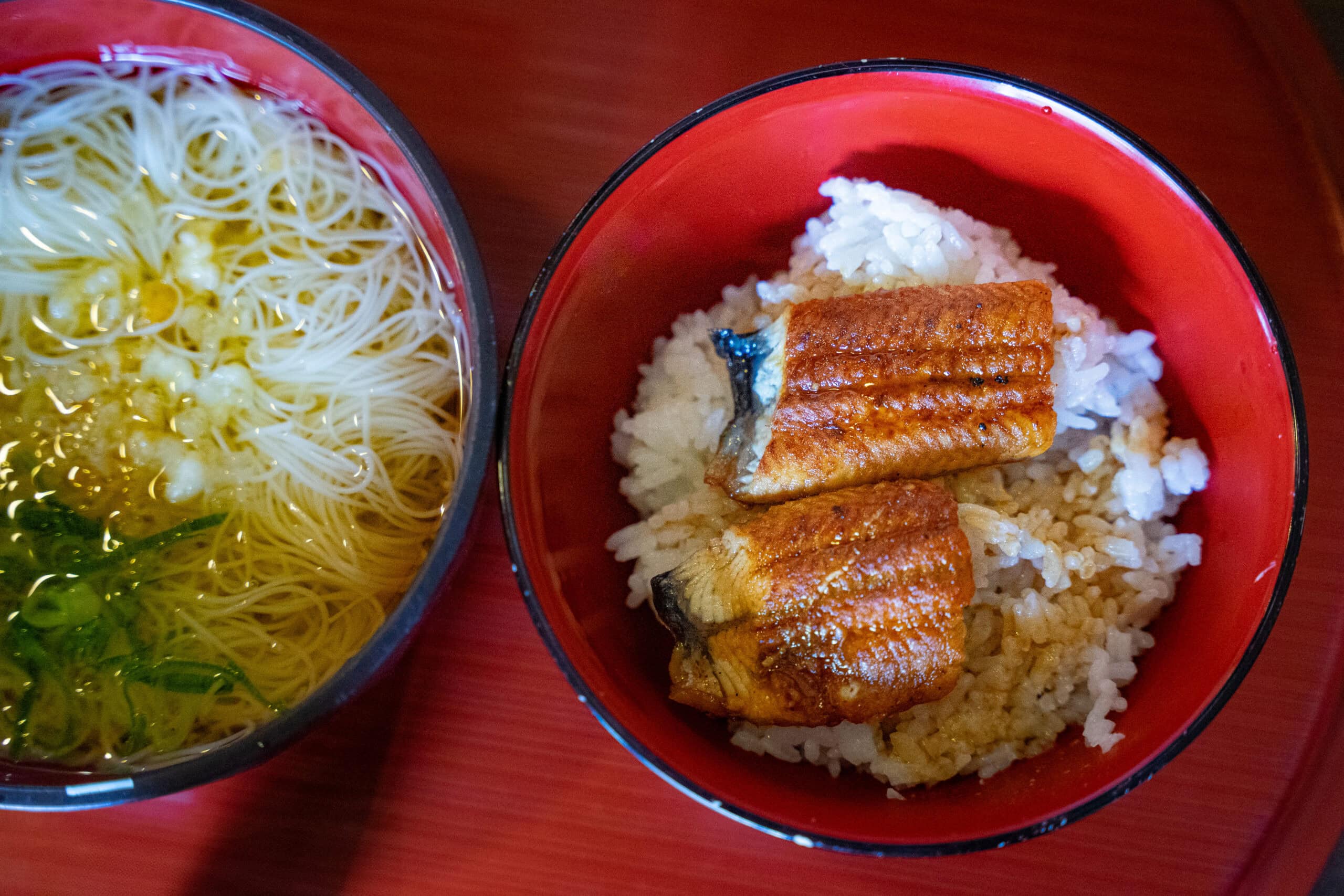
First stop in Nara: breakfast-slash-early-lunch at Kanoko, a cosy spot run by an elderly couple who seem to have been cooking since the Heian period. We get bowls of somen noodles, grilled eel, and rice with mountain vegetables. It tastes like home…if your home was an ancient farmhouse surrounded by deer. Here’s the location.
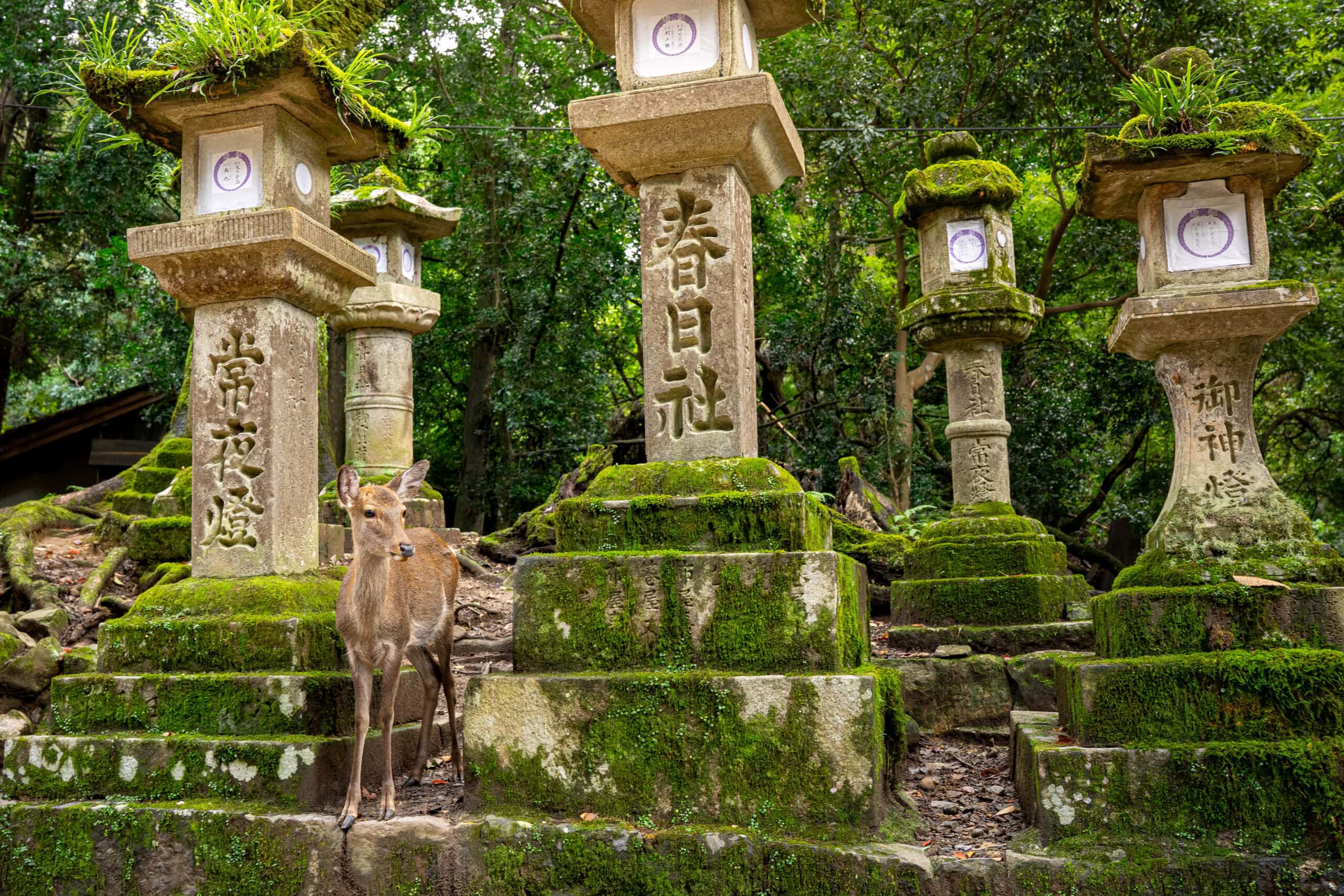
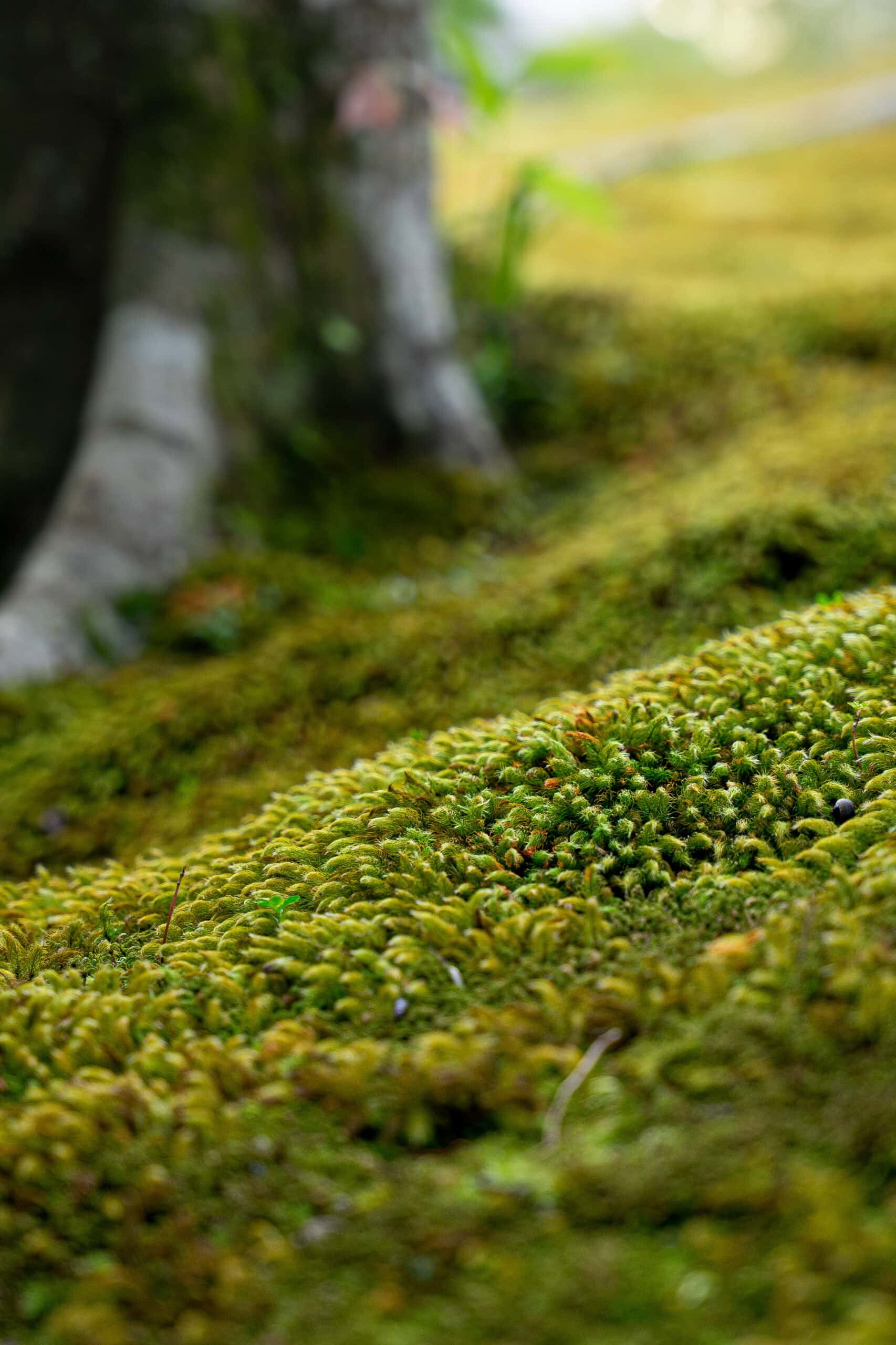
Fueled and full, we wander the Shimononegi-michi Pathway, a wooded trail that winds through Nara’s primaeval forest. Stone lanterns guide the way to Kasuga Taisha Shrine, thousands of them, mossy and stoic under the canopy.
And then, the deer. Everywhere. Polite little beggars who bow for snacks. Naturally, we bow back. Because this is Nara, and that’s just what you do.
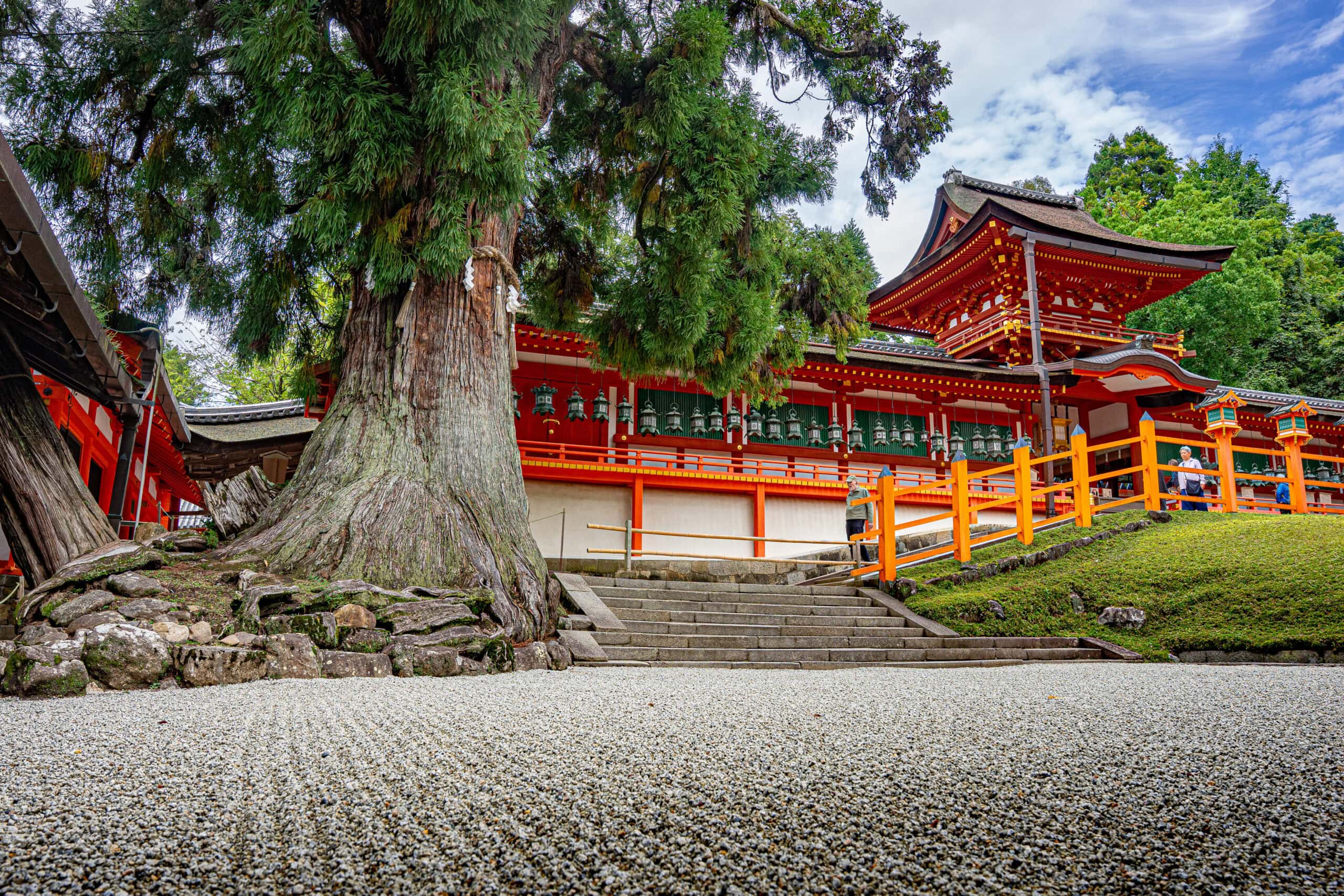
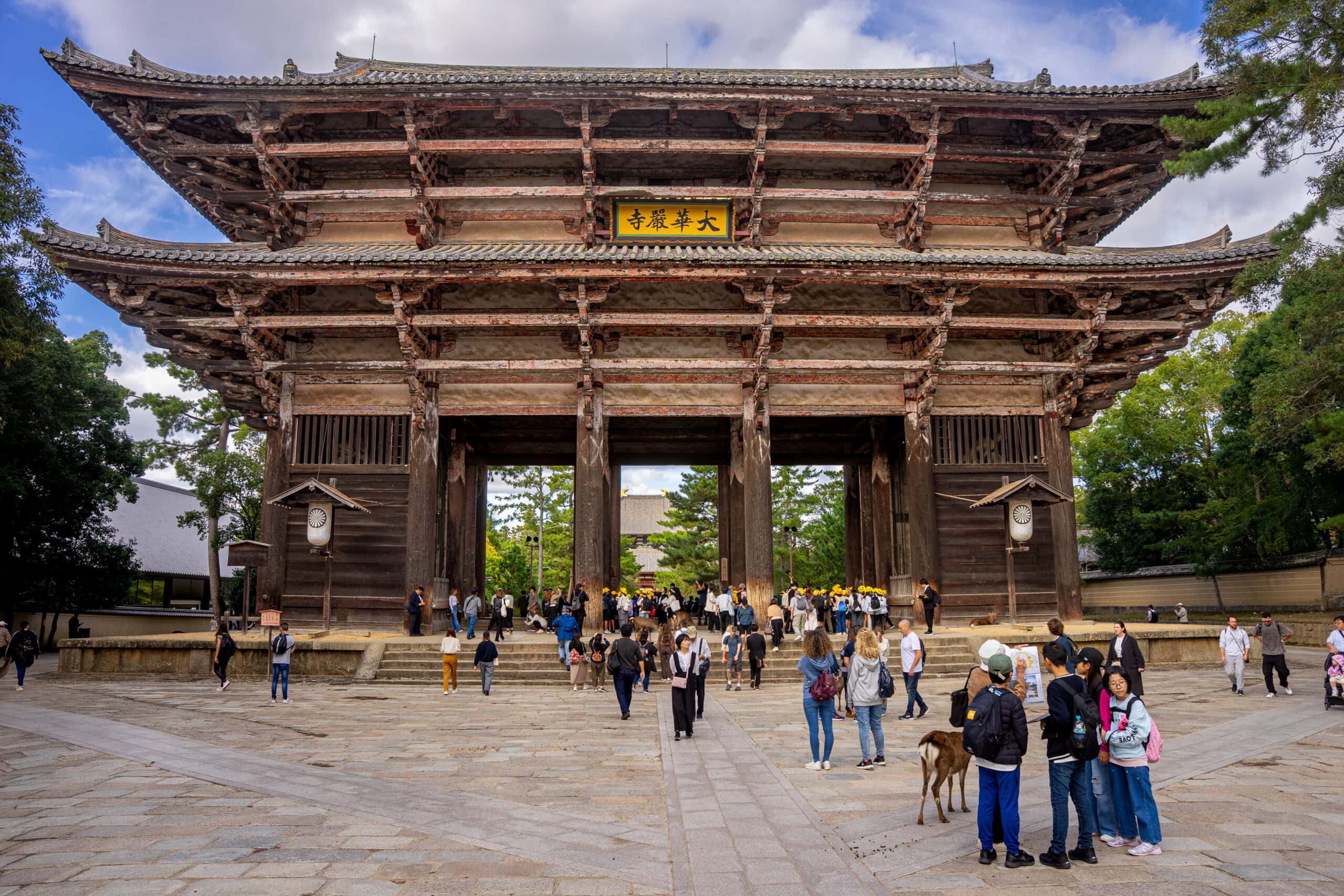
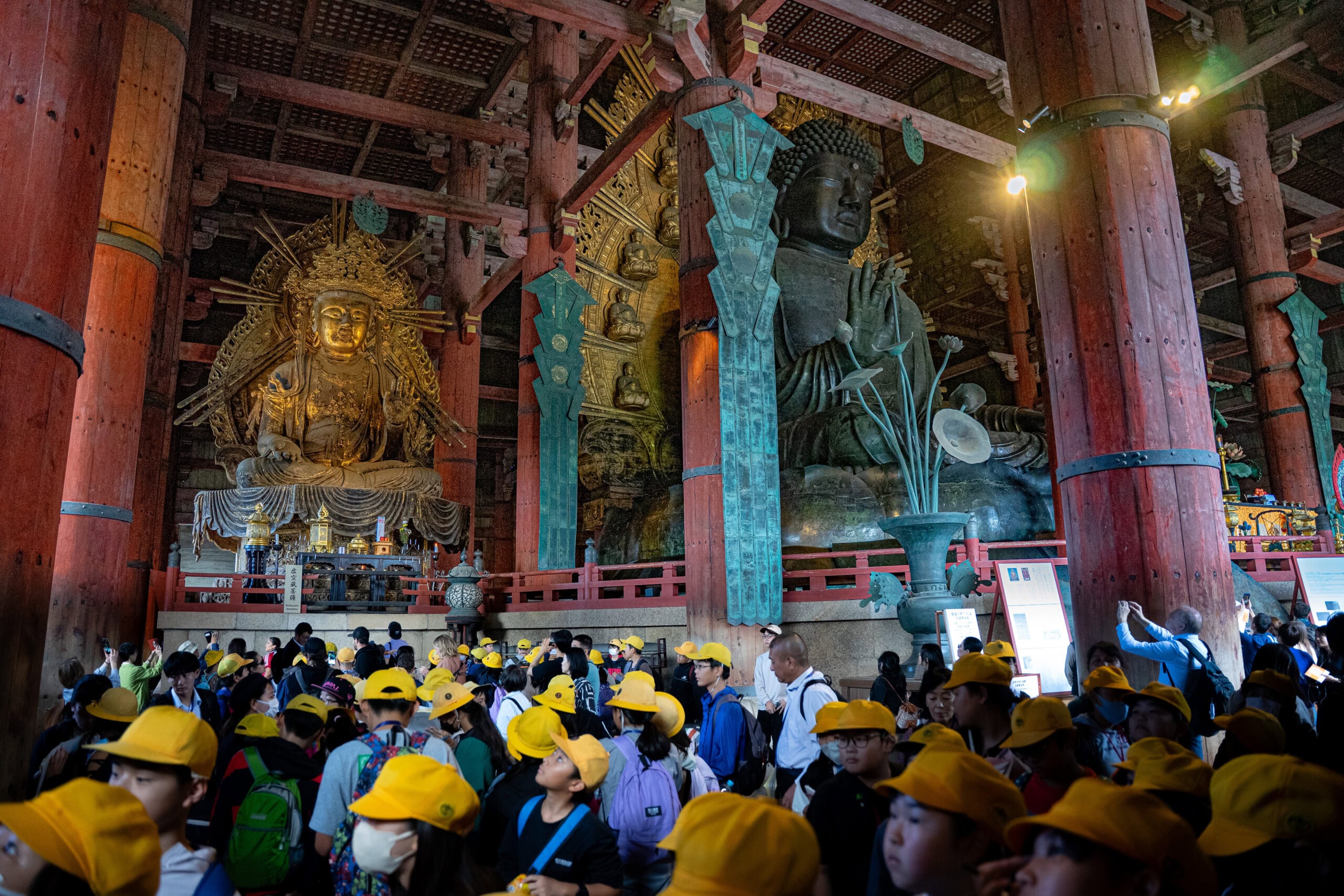
Next up: Todaiji Temple. Very big. Very old. The largest wooden building in the world. A thousand-year-old wooden behemoth that houses a 15-metre tall bronze Buddha. If you’re ticking off things to do in Nara, this one tops the list.
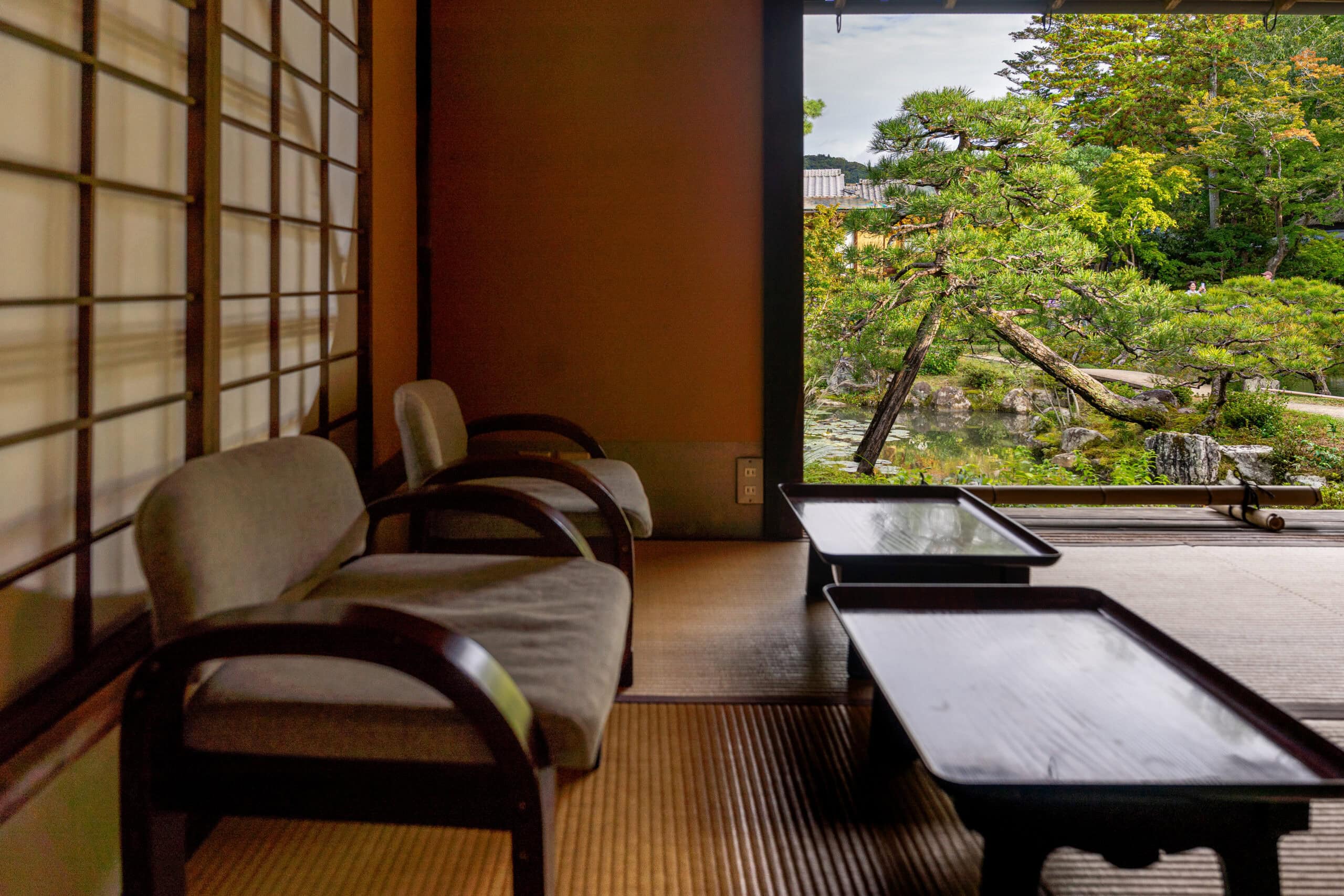
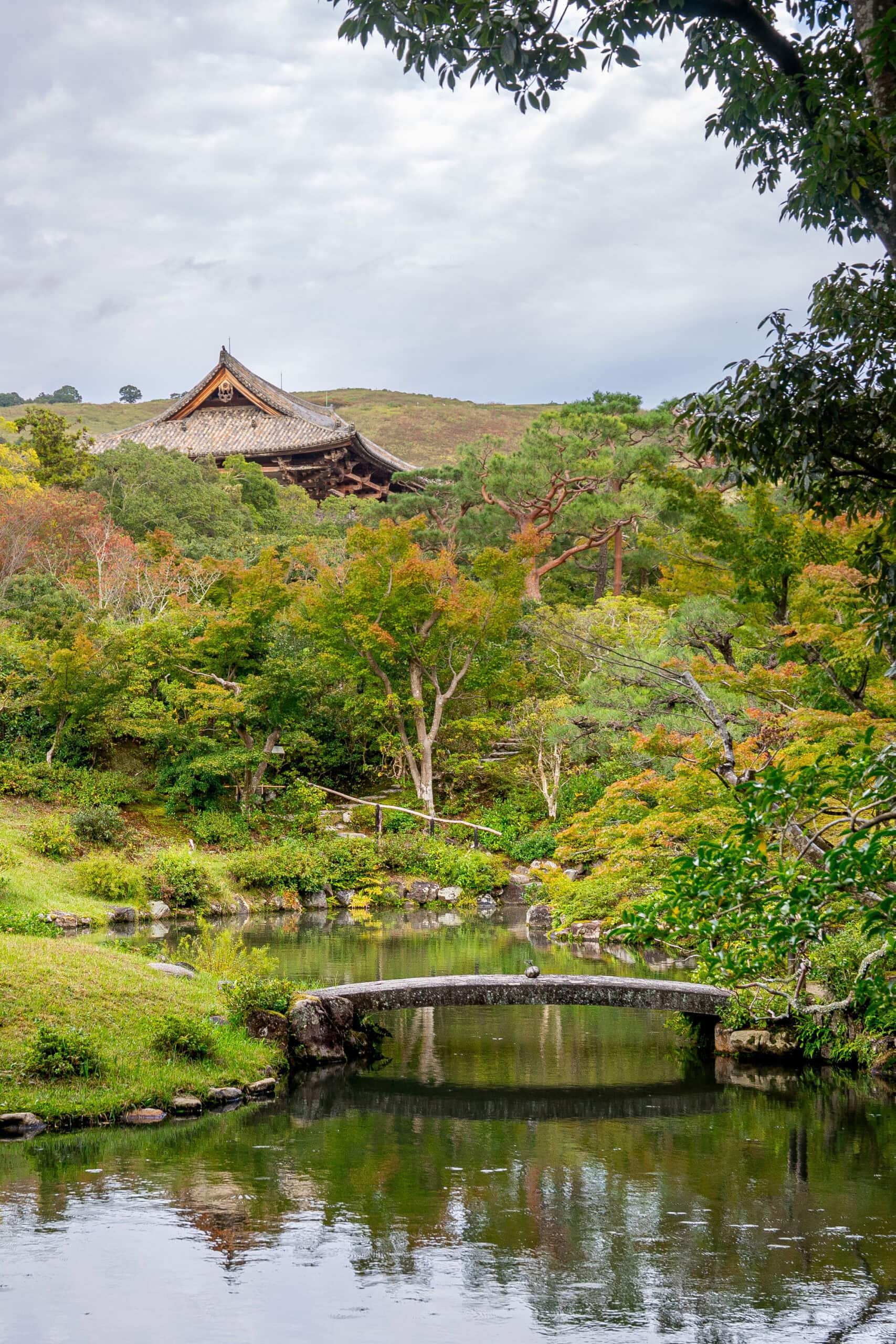
In the afternoon, we slow things down. A stop at Sanshutei Tea House for matcha and stillness, then a wander through Isuien Garden. It’s a place that feels like it was designed to make you breathe slower: ponds, moss, and manicured beauty in true Japanese form.
Dinner is back in Kyoto, on the 11th floor of Kyoto Station, where the future and tradition meet. Kyotofu Fujino serves one thing only, tofu, but does it in more textures than you thought soy could handle. Chewy, silky, grilled, sweet, salty. If you’re looking for the best tofu restaurant in Kyoto, this is your guy. The set menu is a quiet masterclass in subtlety. Who knew bean curd could be so emotional?
➜ Read more: Nara day trip from Kyoto
Day 6: Kyoto – Torii Gates, Temples & Top-Grade Beef
It’s our final day with the JR Kansai Hiroshima Area Pass, so we’re milking the very last yen out of it. One last joyride.
Breakfast is a dessert-like masterpiece from the convenience store: a fresh fruit and cream sandwich, hot coffee, and oyaho milk pudding. No shame here—conbini breakfasts are a national treasure. Feeling borderline imperial after that breakfast, we head out to tick off one of the biggest things to do in Kyoto: Fushimi Inari Taisha.
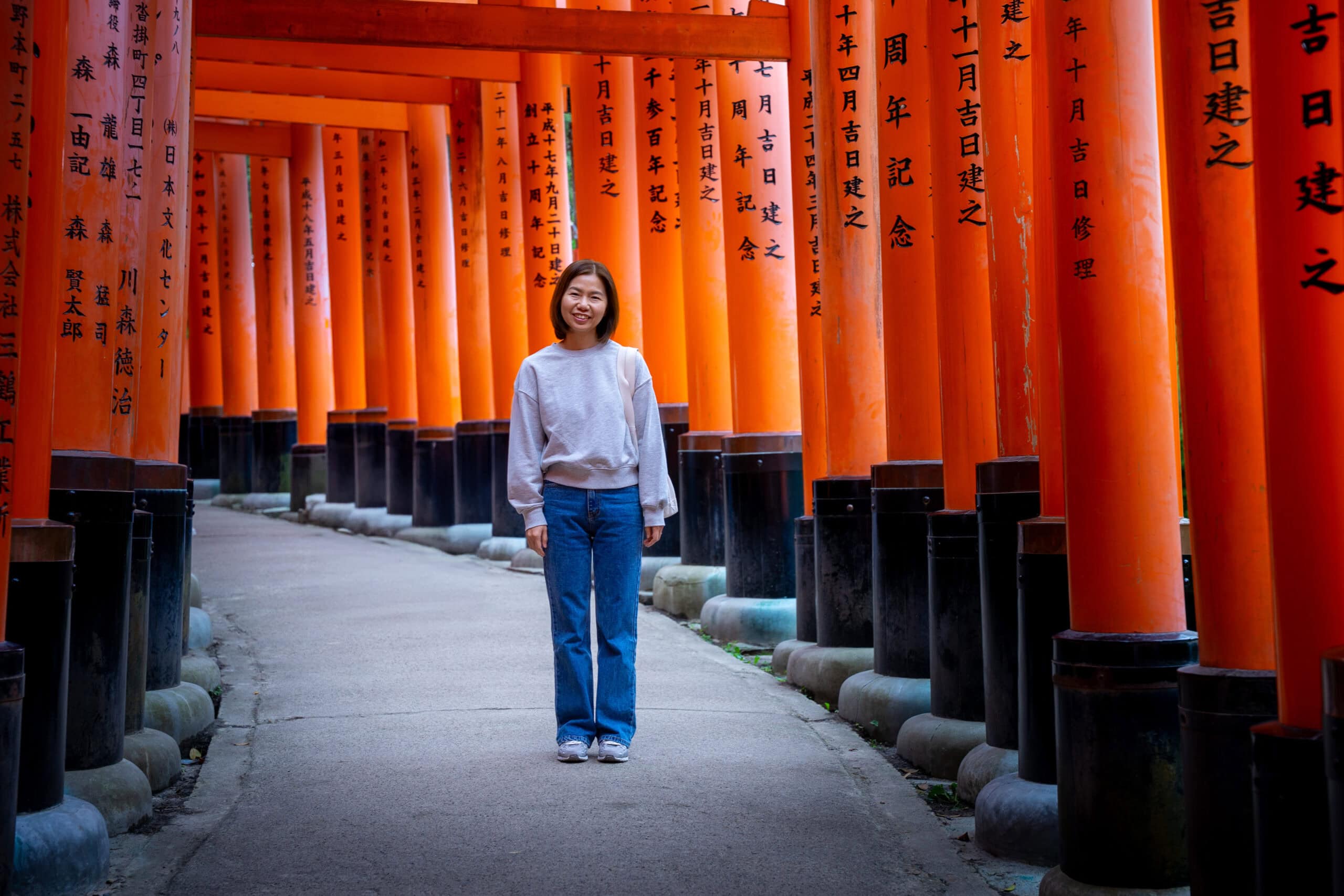
The iconic Fushimi Inari Taisha torii gates snake their way up the mountain in that deep vermillion red you’ve seen in every travel brochure.
Yes, it’s beautiful. But also? Chaos. Imagine a Black Friday at Walmart, but replace TVs with selfie sticks. If you go expecting zen, you’ll be disappointed. Go expecting a spectacle, and you’ll love it.
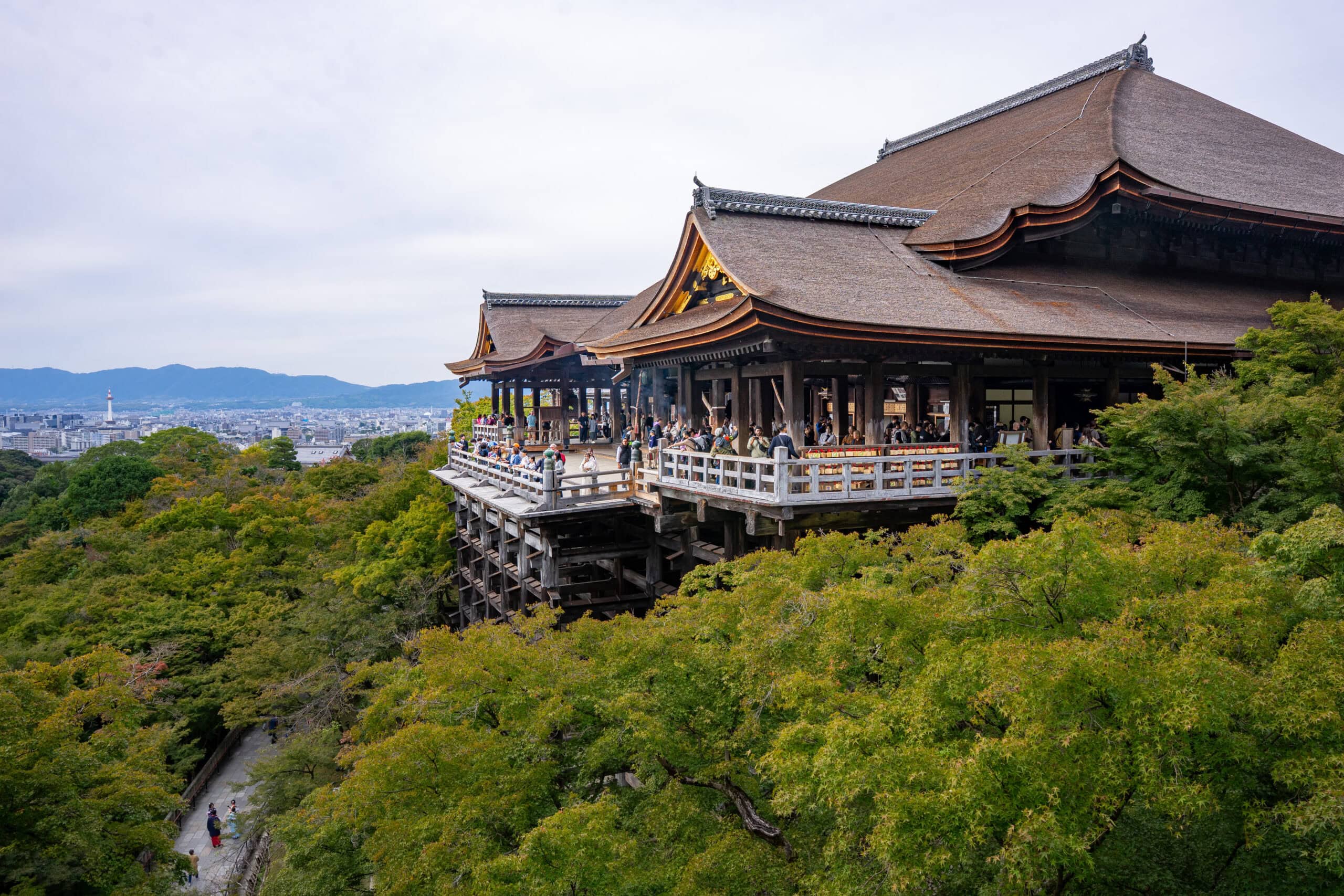
After escaping the crowd, a couple of buses get us to Kiyomizu-dera Temple, perched high on a hill with sweeping views over Kyoto. Still busy, but way calmer than the torii situation. We stop for lunch at Takinoya, a tranquil little spot hidden inside the temple grounds among the trees. We slurp noodles and eat tofu while birds chirp around us.
Heaven.
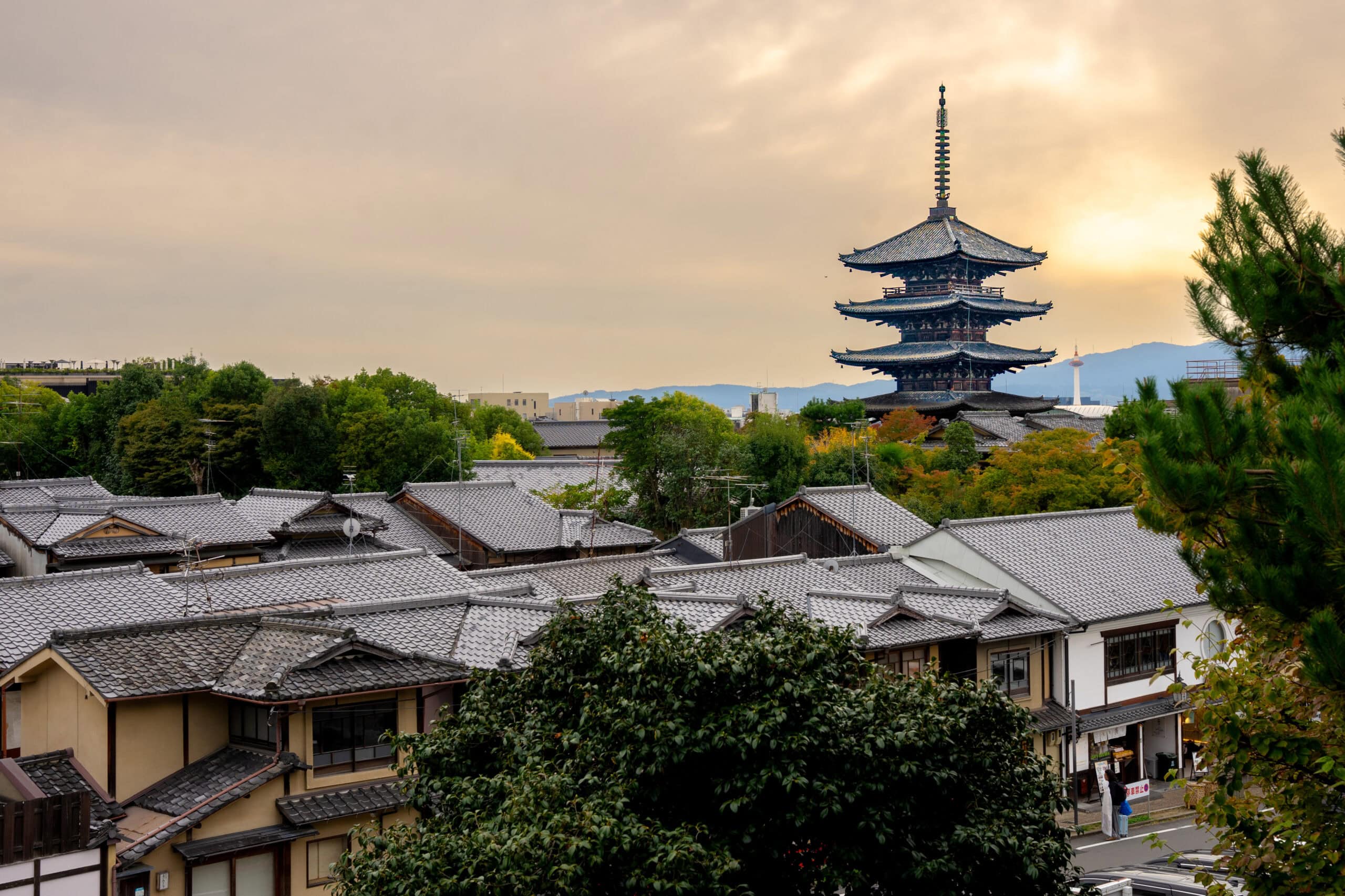
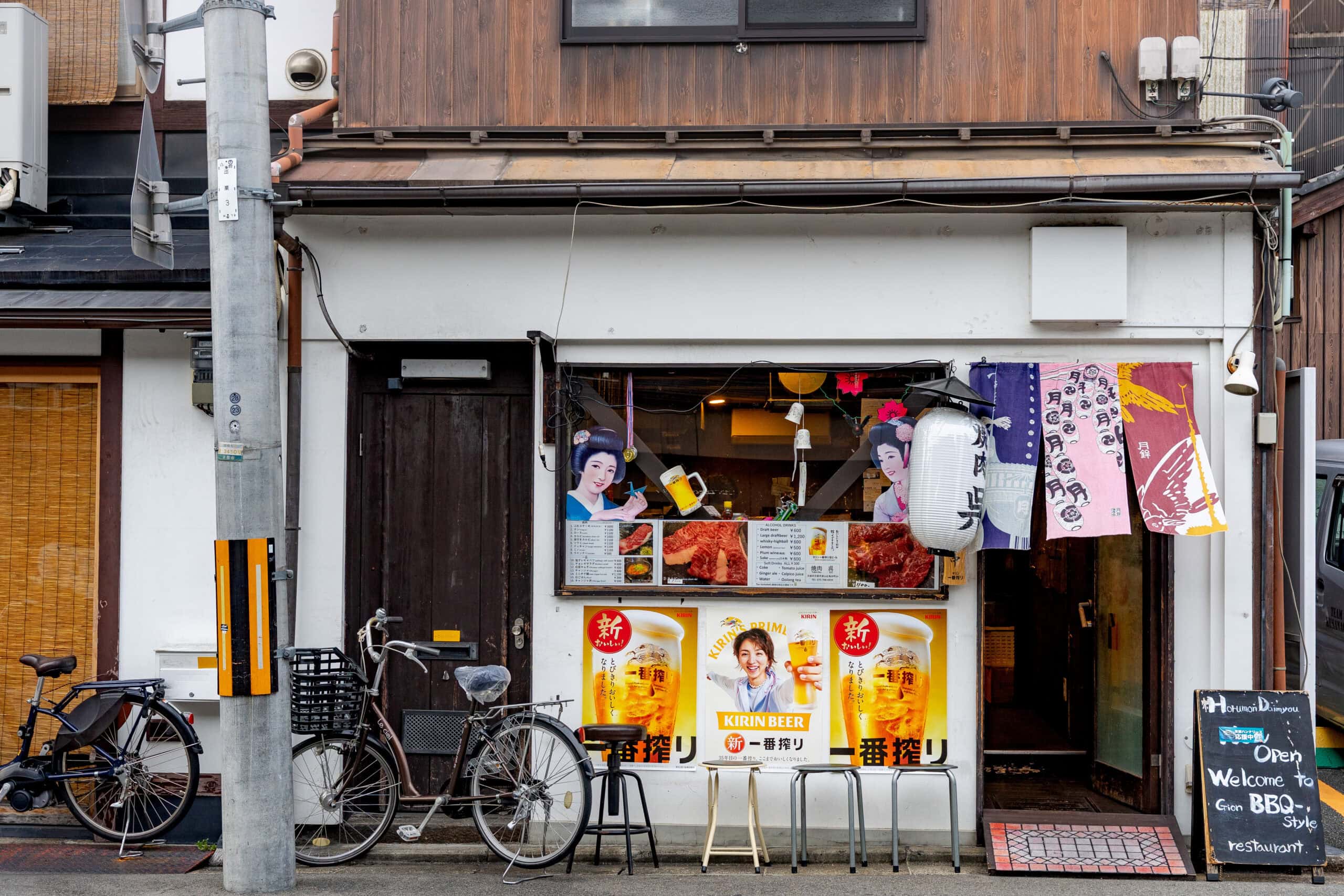
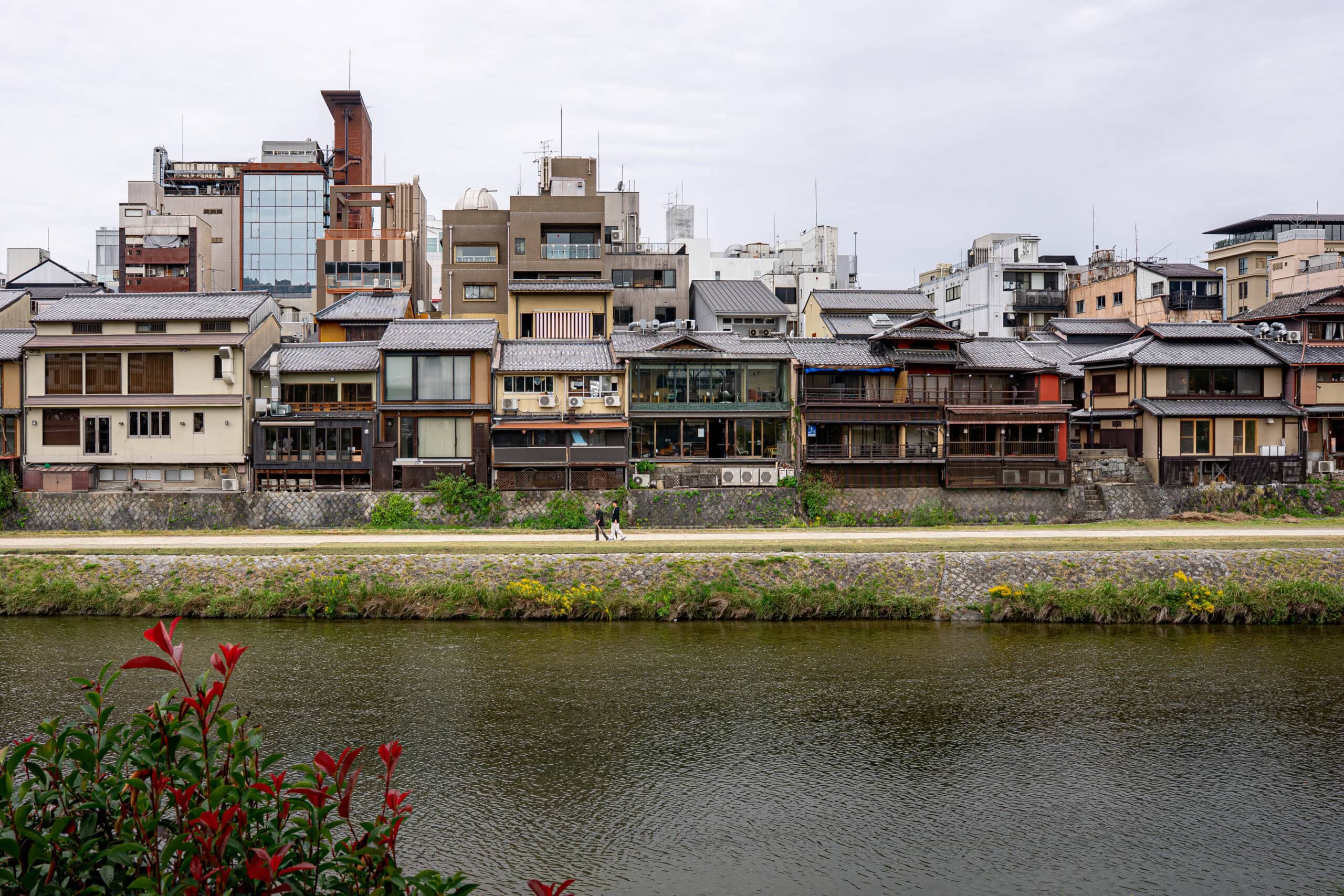
Next, we brave the crowds again to wander down Ninenzaka and Sannenzaka, charming old streets lined with machiya townhouses. We snack on mitarashi dango and matcha soft serve—classic Kyoto treats—while shuffling shoulder to shoulder with every other tourist in Kyoto.
Eventually, we break away and stroll through Higashiyama, Gion, and Sanjo. We pass by Ryozen Kannon, Yasaka Shrine, and Kenninji Temple. We hope for a Geisha sighting in Gion. No dice, but the walk is still lovely.
Then dinner.
Yakiniku Asuka.
Write this down. Here’s the location.
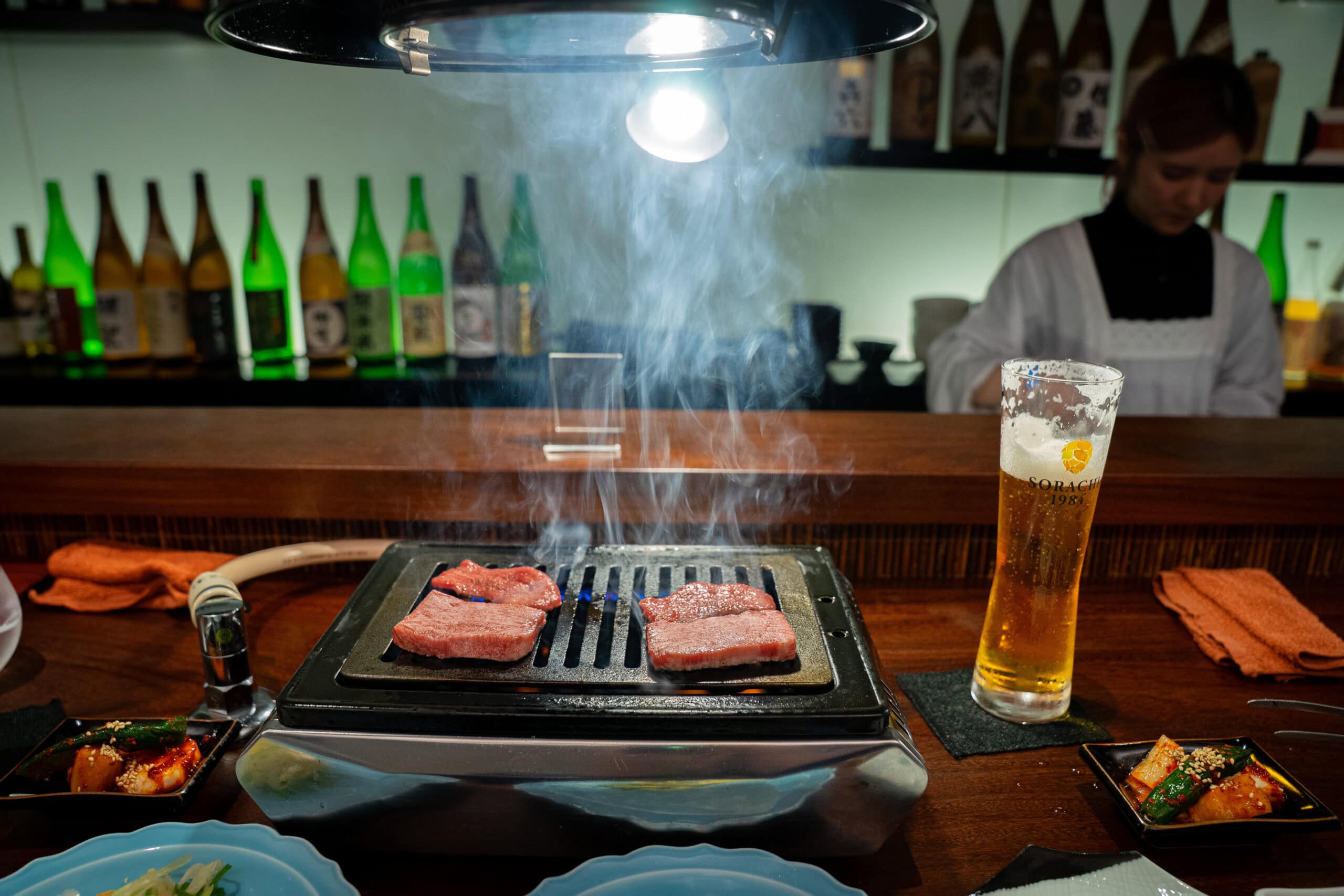
If you’re searching for the best wagyu in Kyoto, this is it. We each order the Prime Wagyu Set for ¥6,200 and sit at the counter, grilling slices of A5 Japanese Black Beef like it’s an art form. Tongue, cheek, skirt steak, sirloin—every bite a revelation in marbled beef. Ask me about Kyoto and I won’t tell you about the torii gates or geishas. I’ll tell you about this meal.
➜ Read more: Our guide to Fushima Inari
Day 7: Kyoto: Golden Temples and Whisky
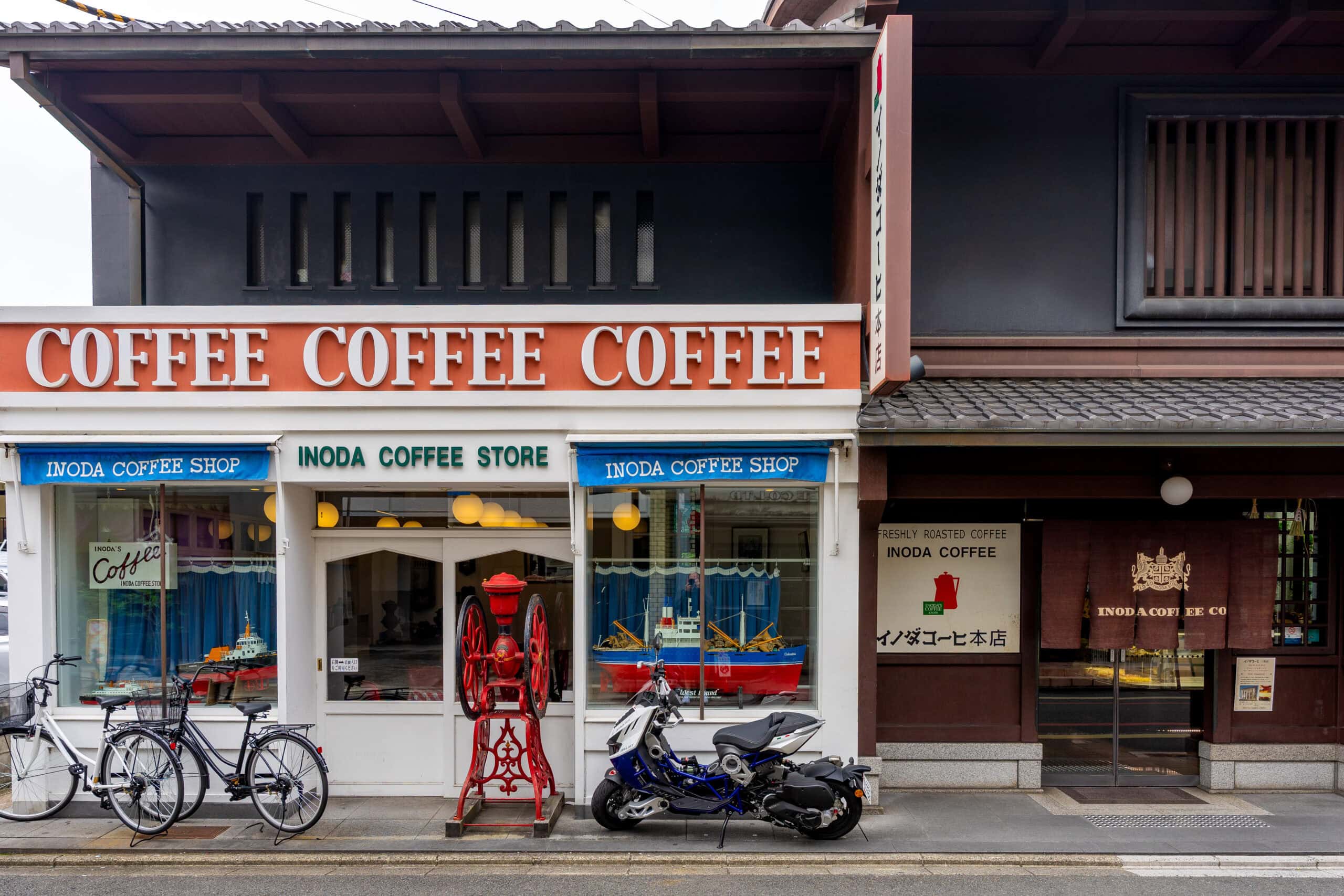
Breakfast is at Inoda Coffee (location), a Kyoto institution loved by the older crowd. Japan has one of the oldest populations in the world, and this place feels like their clubhouse. We order the Arabian Pearl breakfast set and a slice of apple pie, both surprisingly good.
An elderly lady at the next table strikes up a conversation. She tells us, in no uncertain terms, to skip the Arashiyama Bamboo Grove.
Very busy, she says. Go to Nijo Castle instead.
We take her word as gospel.
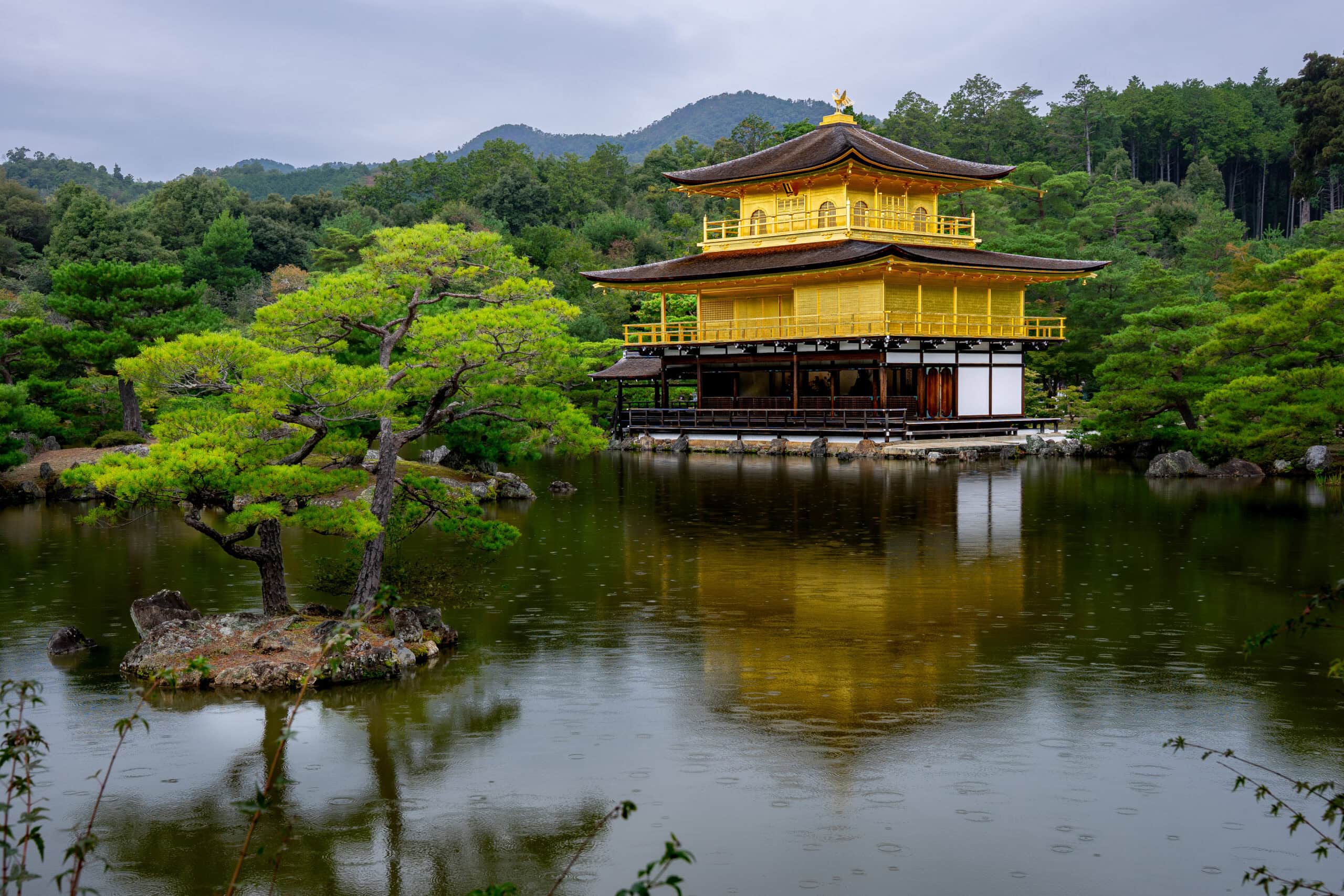
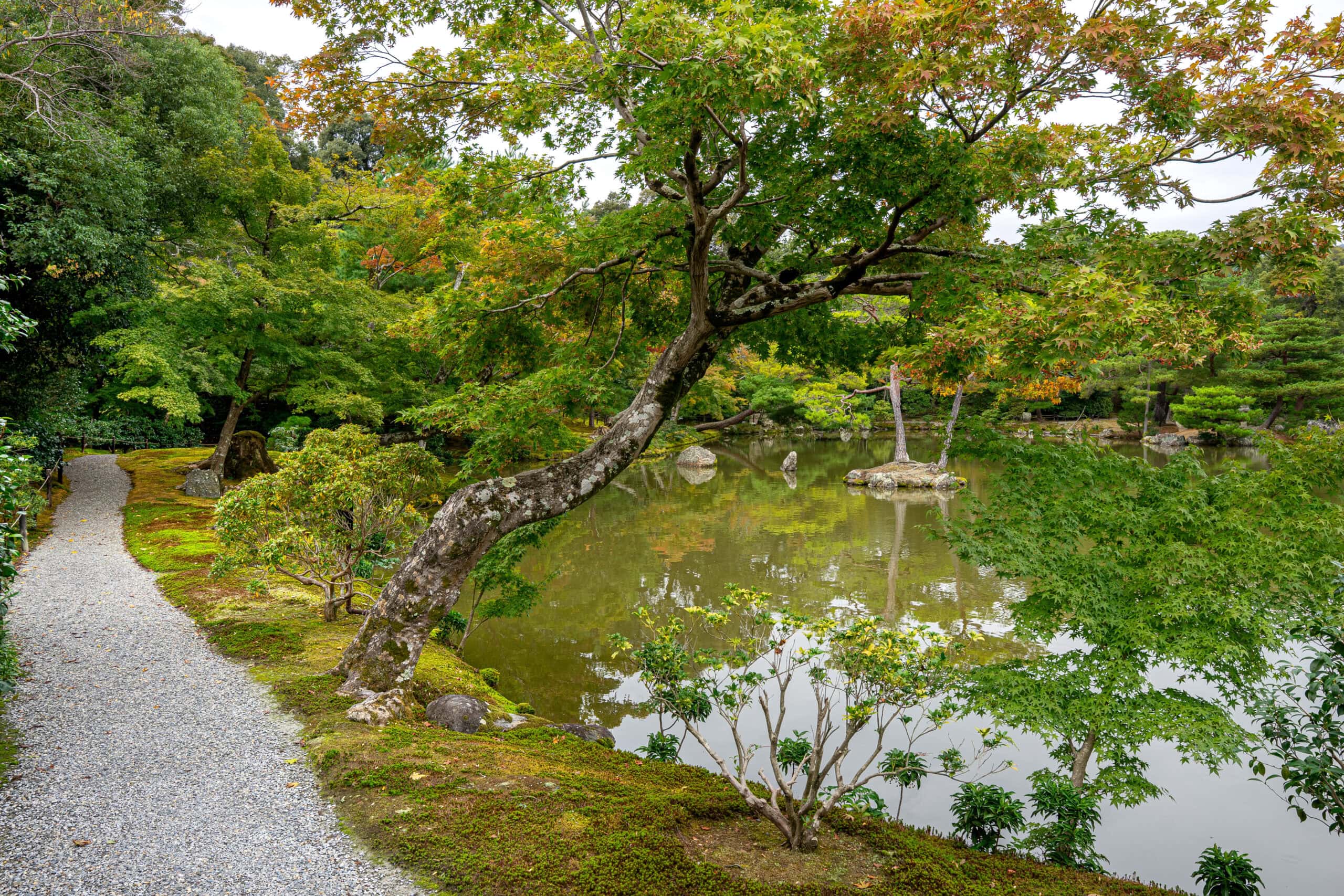
First, we head to Kinkaku-ji, the Golden Pavilion. It’s brilliant—literally. Covered in gold leaf, it glows against the pond like something from a dream. Crowded, yes, but worth it. A beautiful garden loops around the temple, and for a moment, it feels like Kyoto slows down.
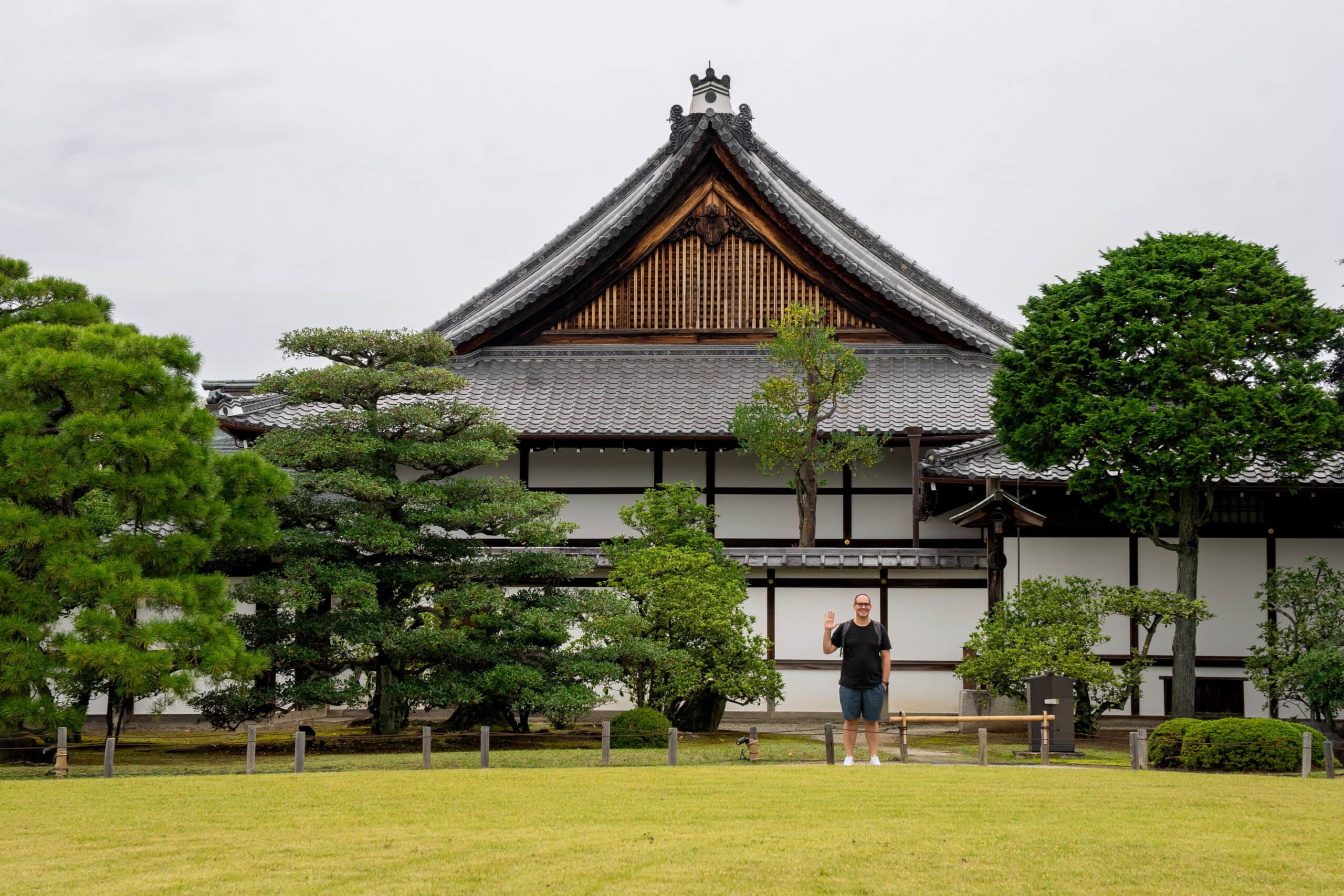
Next, we hop a bus to Nijo Castle. The old lady was right; this place is incredible. A moat, stone walls, and serene gardens that feel miles away from the city bustle.
Inside the Ninomaru Palace, we pad across the famous nightingale floor, which chirps like real birds with every step—an ancient security system. The rooms are decorated with gold wall panels: tigers mid-prowl, leopards lounging in bamboo, blossoms drifting across gold leaf. Regal and quiet and powerful.
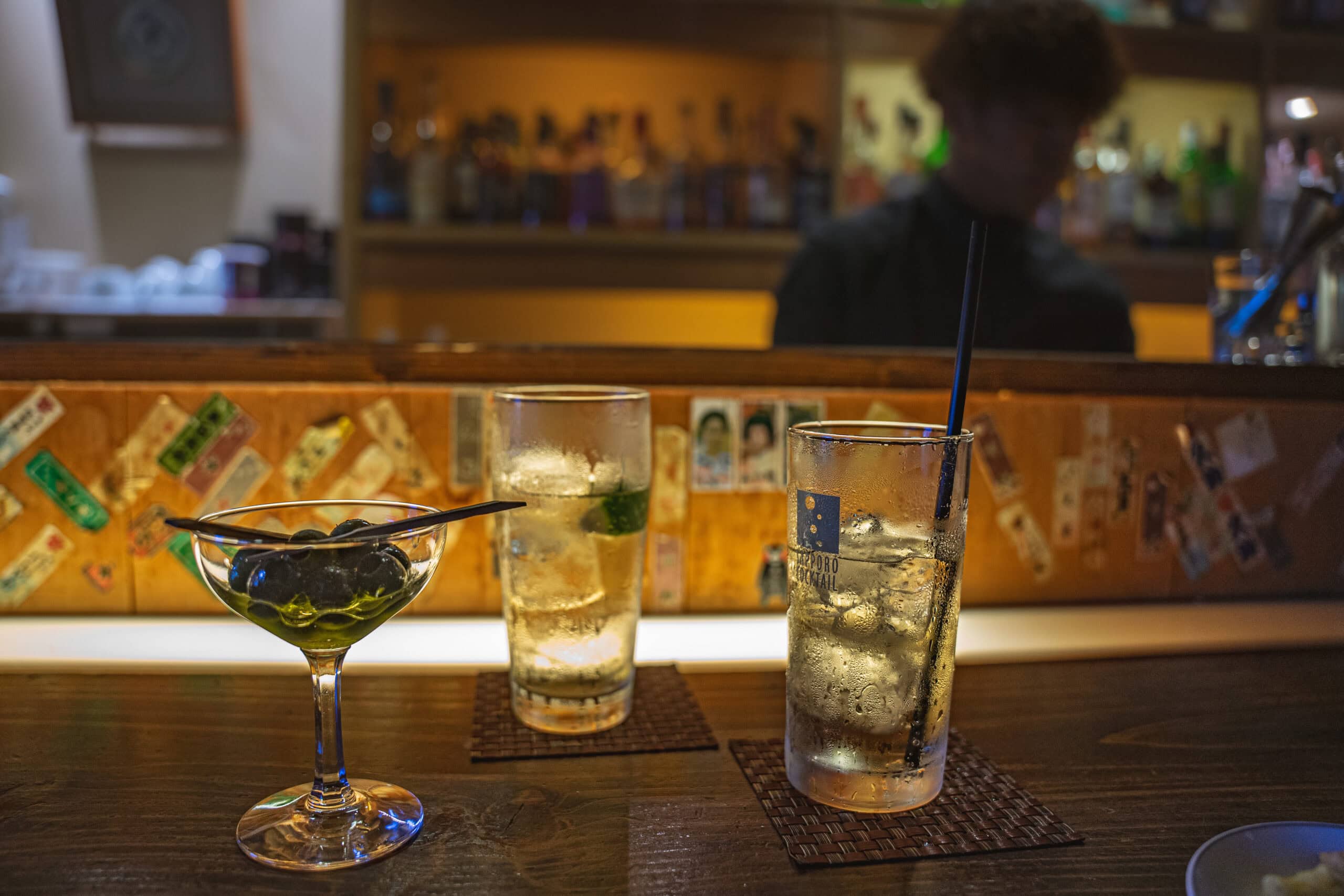
Late afternoon, the skies open up again. We duck into Pontocho Alley and take refuge in a dim little bar. One whisky highball with olives turns into a few. Jazz plays low from the stereo. We talk to the barman about his whisky collection and life in Kyoto. It feels like stepping into a Murakami story—something you’ll never find in a Lonely Planet, but one of the best things we did in this city.
Slightly tipsy and warm, Jin leads me to Yakitori Daikichi (location). It’s dinner time. More drinks, more small plates. Grilled chicken wings, charred tofu, cucumber salad, smoky onigiri, meat skewers one after the other. A few beers in, we’re floating. Nothing fancy, just one of those simple, satisfying meals that sneak up on you as a favourite.
A perfect end to Kyoto.
Day 8: Osaka – Kinks and Neon
We take the commuter train from Kyoto to Osaka—a quick, painless ride that costs just a few hundred yen now that our JR Kansai Hiroshima Pass has run its course. From Osaka Station, it’s a short hop on the subway to R Hotel Namba Daikokucho, our home for the next two nights. Clean, compact, and close to the action.
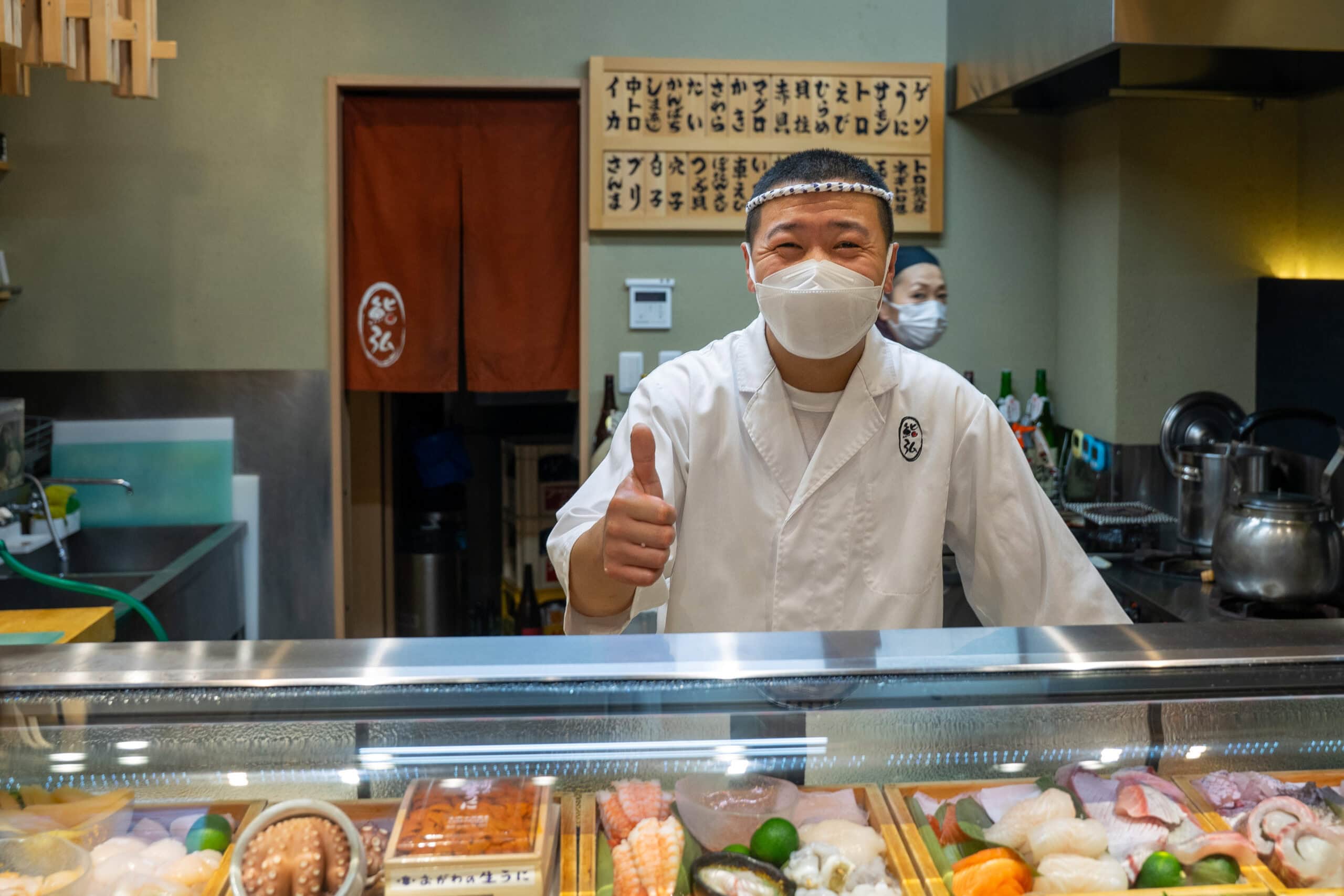
We kick things off with lunch at Sushi Hiro (鮨ひろ) (location), a popular omakase spot that quickly becomes one of our favourite meals of the trip. Fifteen courses of whatever the chef thinks you should eat that day— uni, sweet shrimp, charred eel, tuna so fatty it melts on contact. Every bite is delicate, deliberate, and disappears too fast. It all goes down nicely with a plum sake highball (or two).
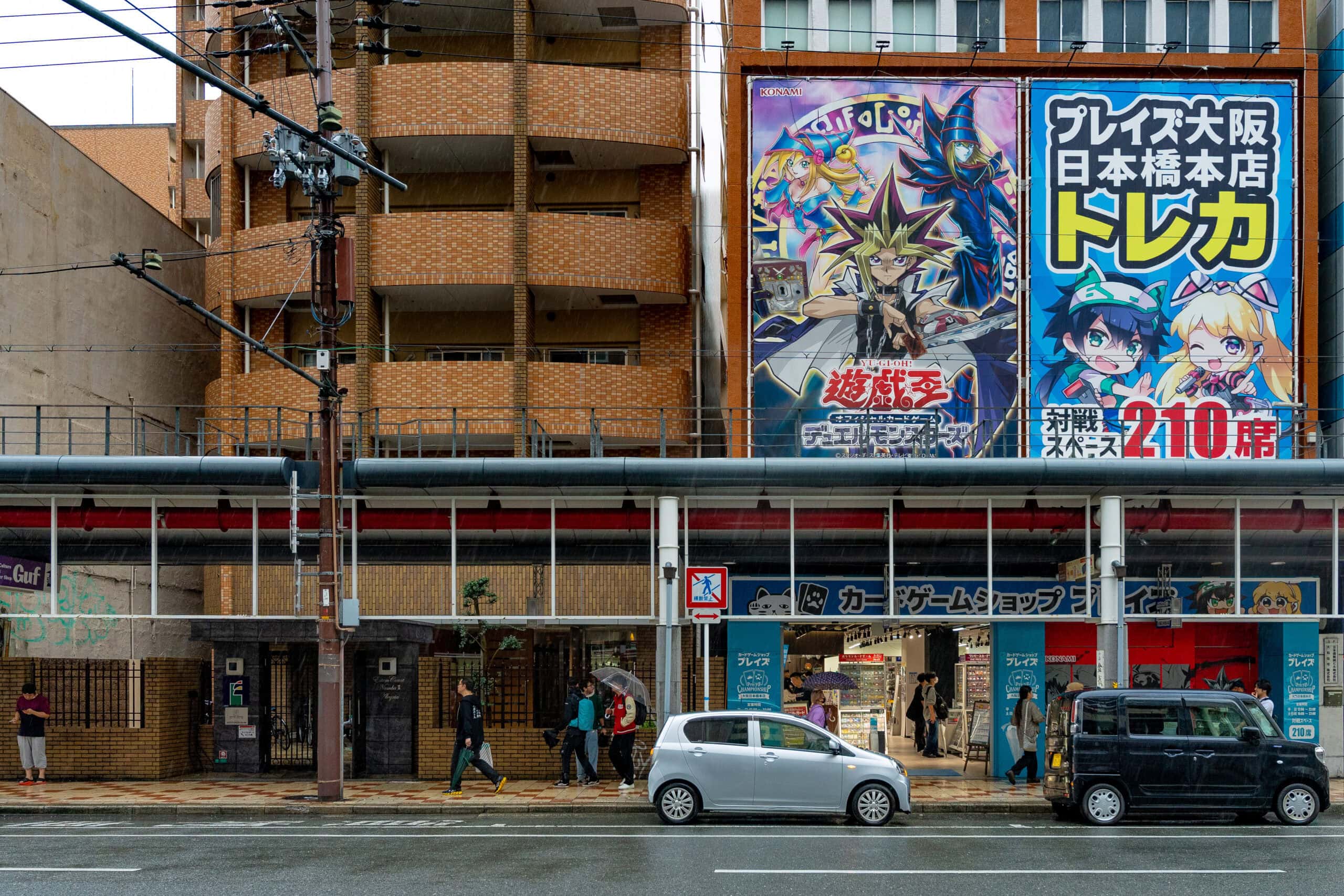
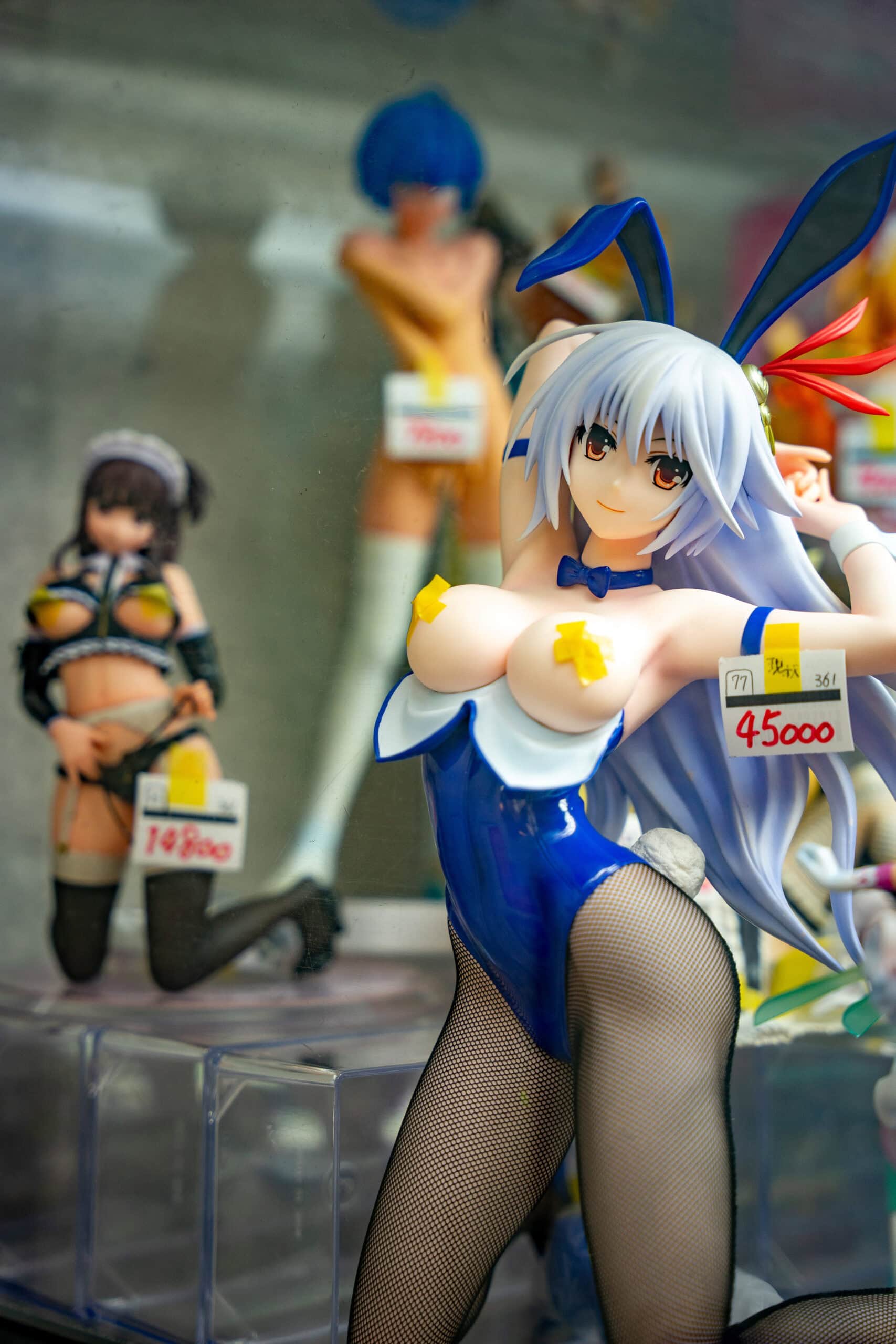
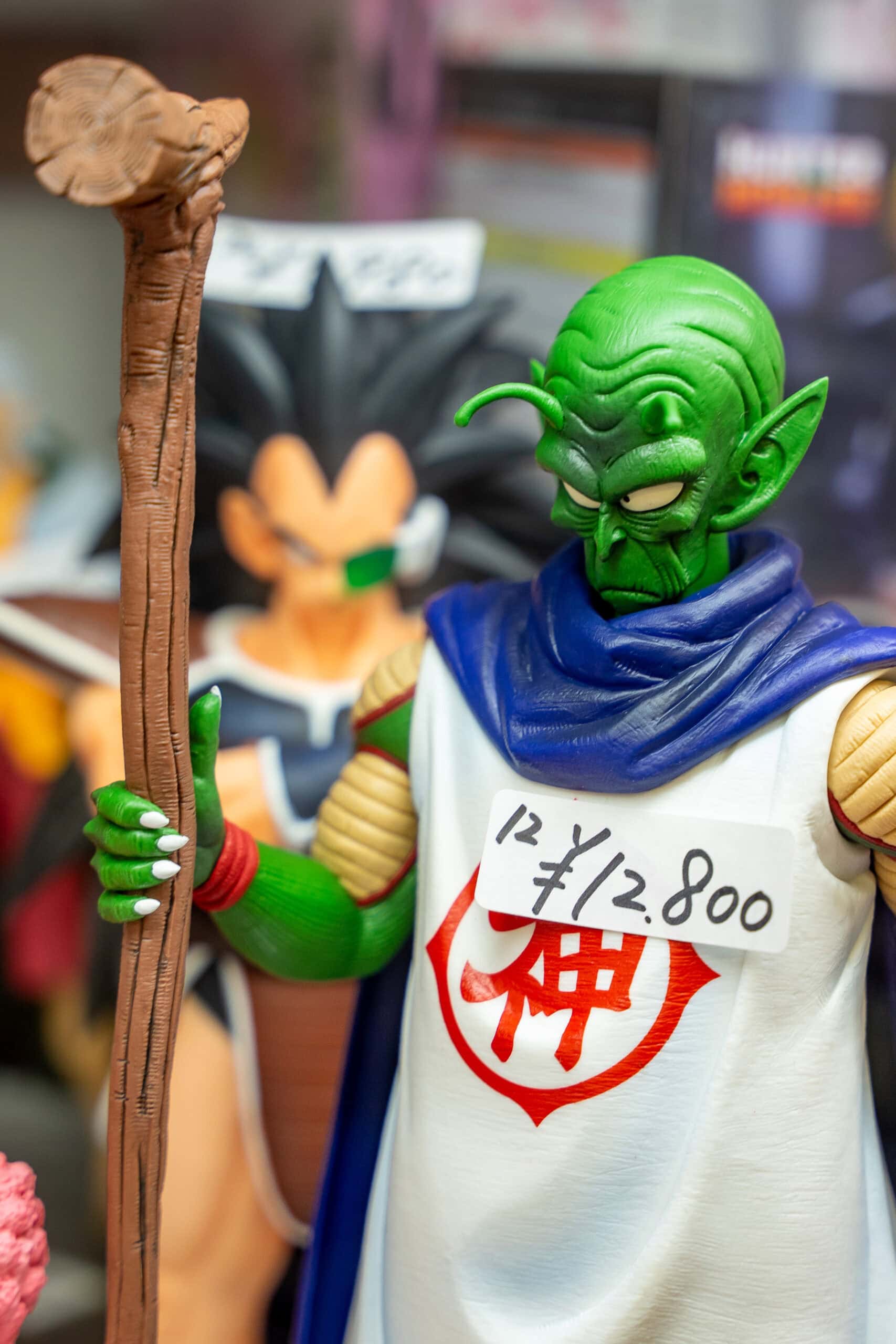
After lunch, we head into Nipponbashi, also known as Den-Den Town. It’s a playground of pop culture: shelves stacked with retro Nintendo cartridges, anime figurines posed mid-battle, capsule toy machines dispensing everything from sushi keychains to risqué miniatures. We browse out of curiosity more than interest, but it’s a fascinating subculture to dip into.
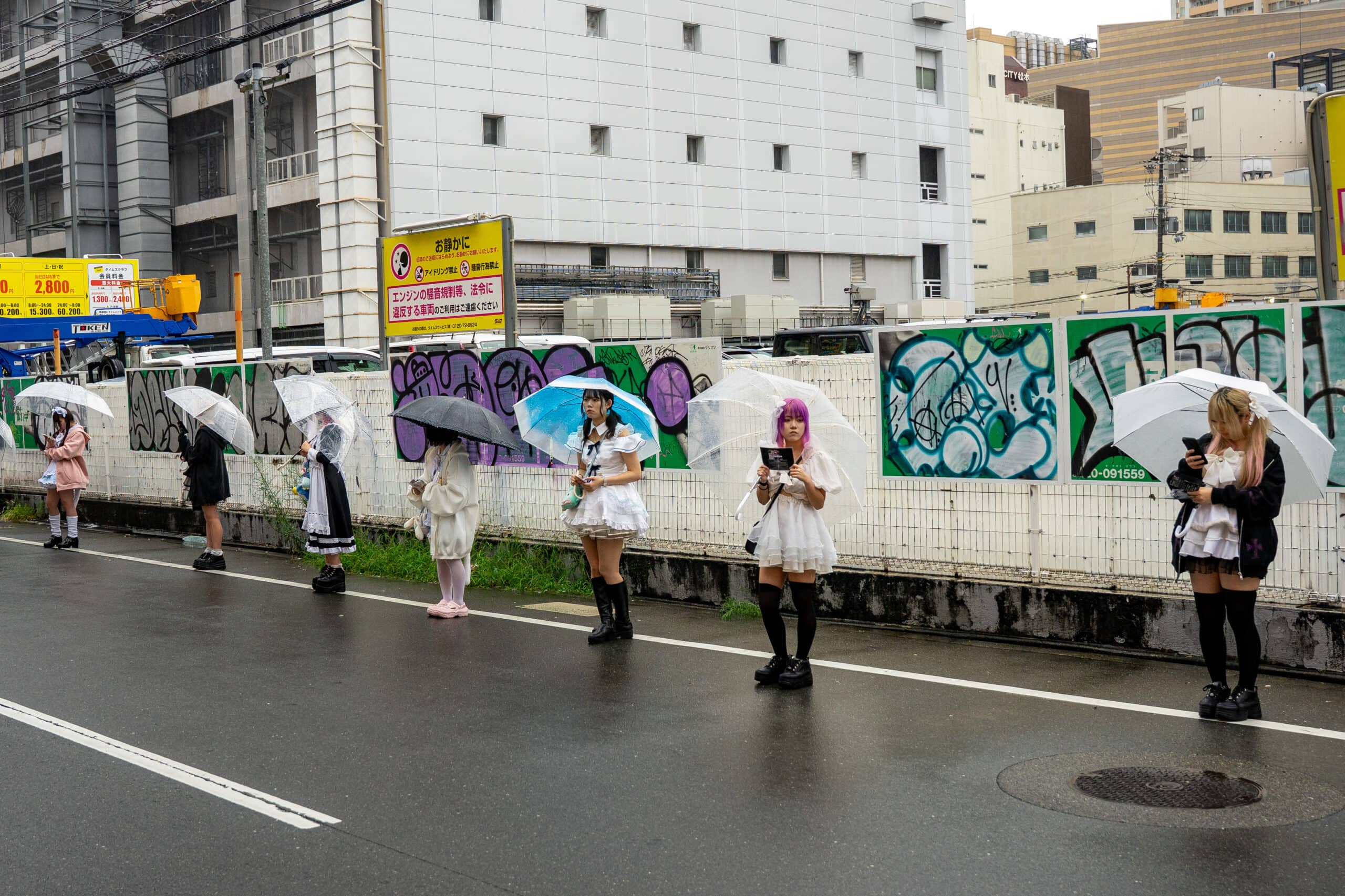
Outside, we pass clusters of girls in frilly dresses and cat ears handing out flyers. They’re maids advertising their cafés with practised pouts and precise bows. It’s a little awkward, a little endearing, and very Japan.
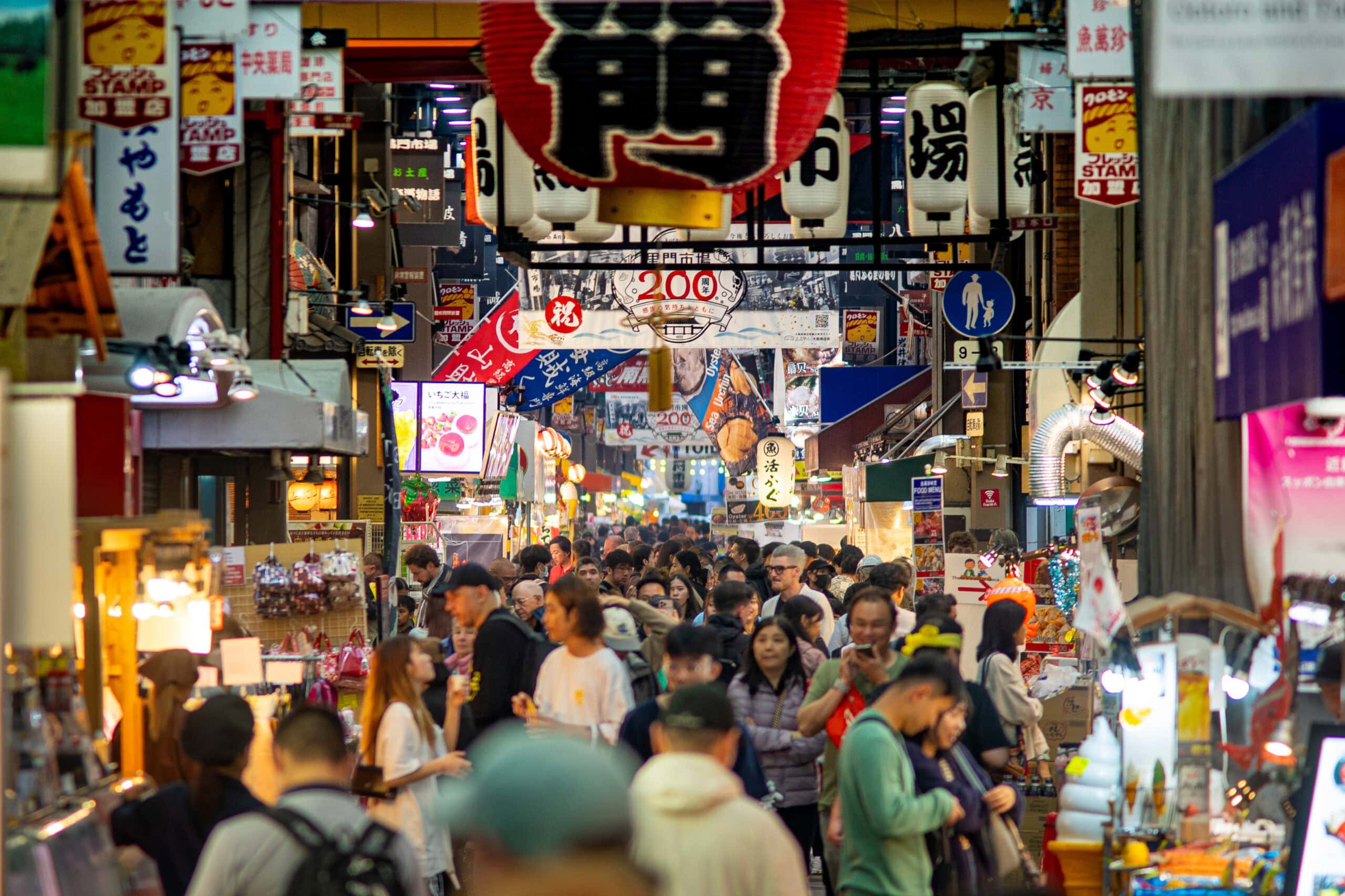
Next up is Kuromon Market, which instantly blows Kyoto’s Nishiki Market out of the water. Over 150 stalls heave with real seafood, skewers, and fresh fruit displays. We’re still stuffed from sushi, but we snack with our eyes: grilled scallops sizzling in their shells, thick slabs of eel, plump oysters, glistening mochi. We do stop for a quick sake shot because… when in Osaka.
Dinner is at Kushiyakiyatai Tsuruhashiotokogushi (串焼き屋台 鶴橋男串) (location), a tiny yakitori place beside a tram line with just four tables and a whole lot of charm. You order using a code system—T2, WG1, A-Cab 1—slipping your scribbled strip of paper to the owner like you’re placing a secret bet.
The food?
Perfectly charred skewers of beef or porkbelly, chicken wings, whole garlic bulbs, and butter-drenched mushrooms in a cast-iron dish. We sit grilling our skewers over charcoal, sipping sake highballs, and watch it all go up in smoke.
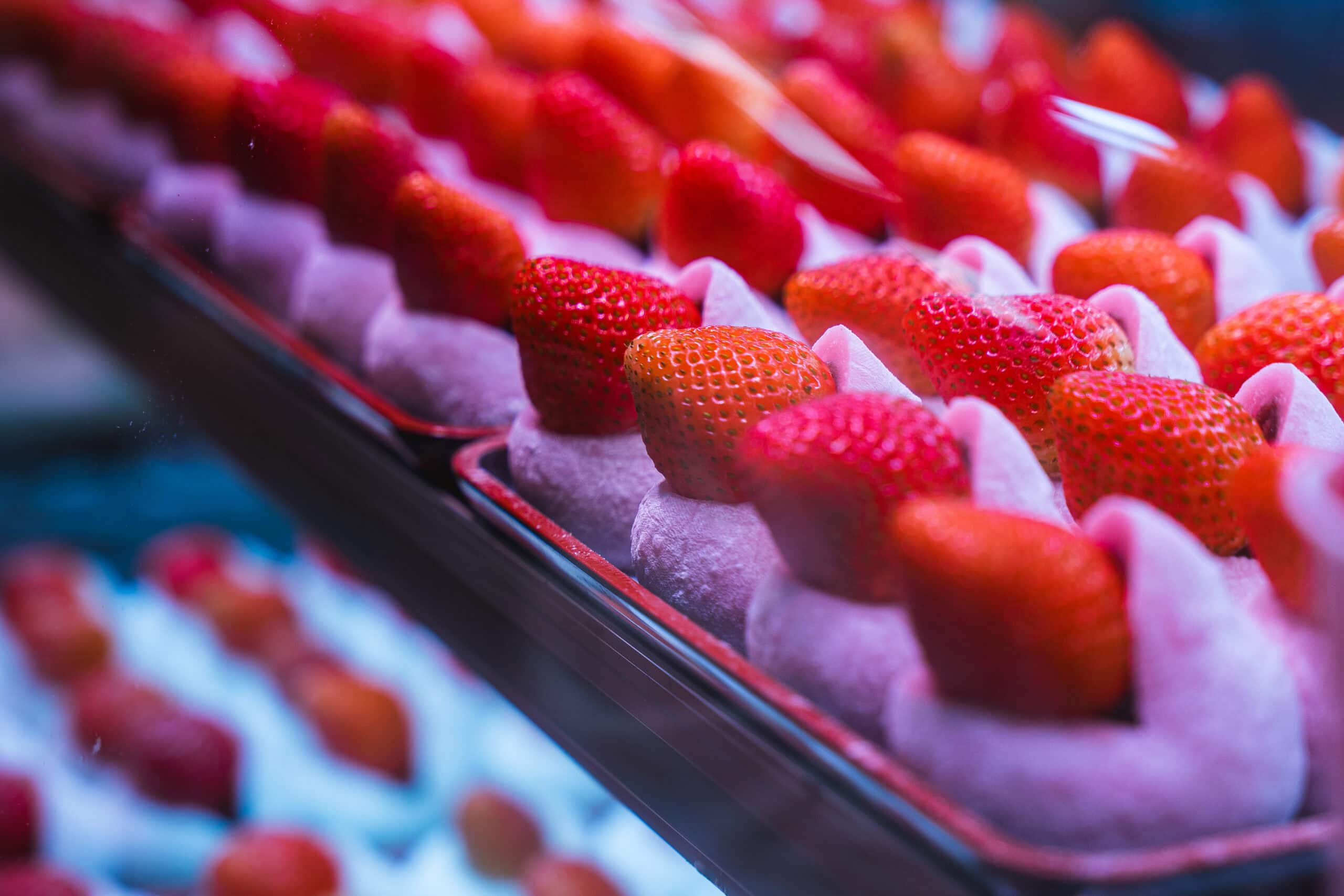
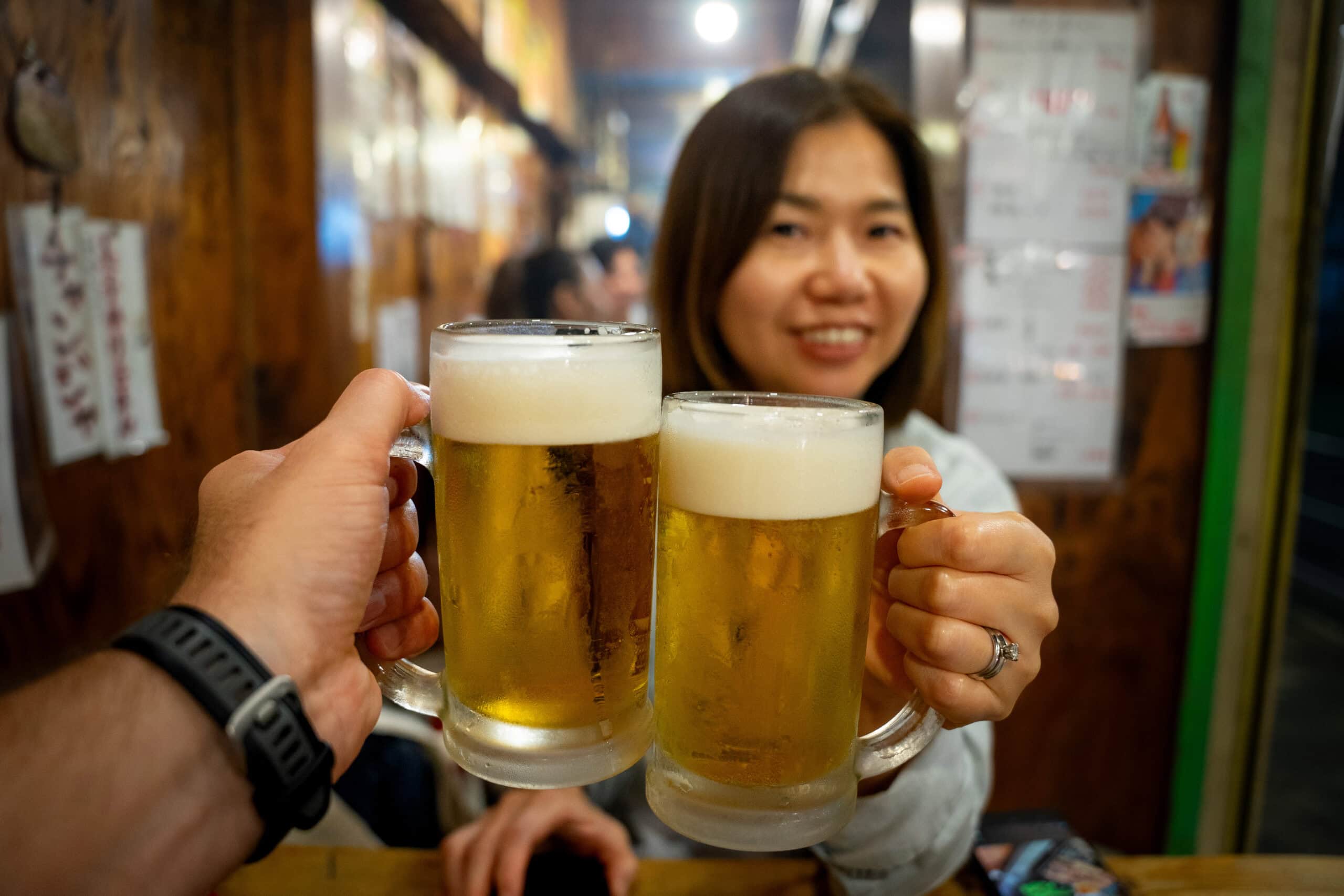
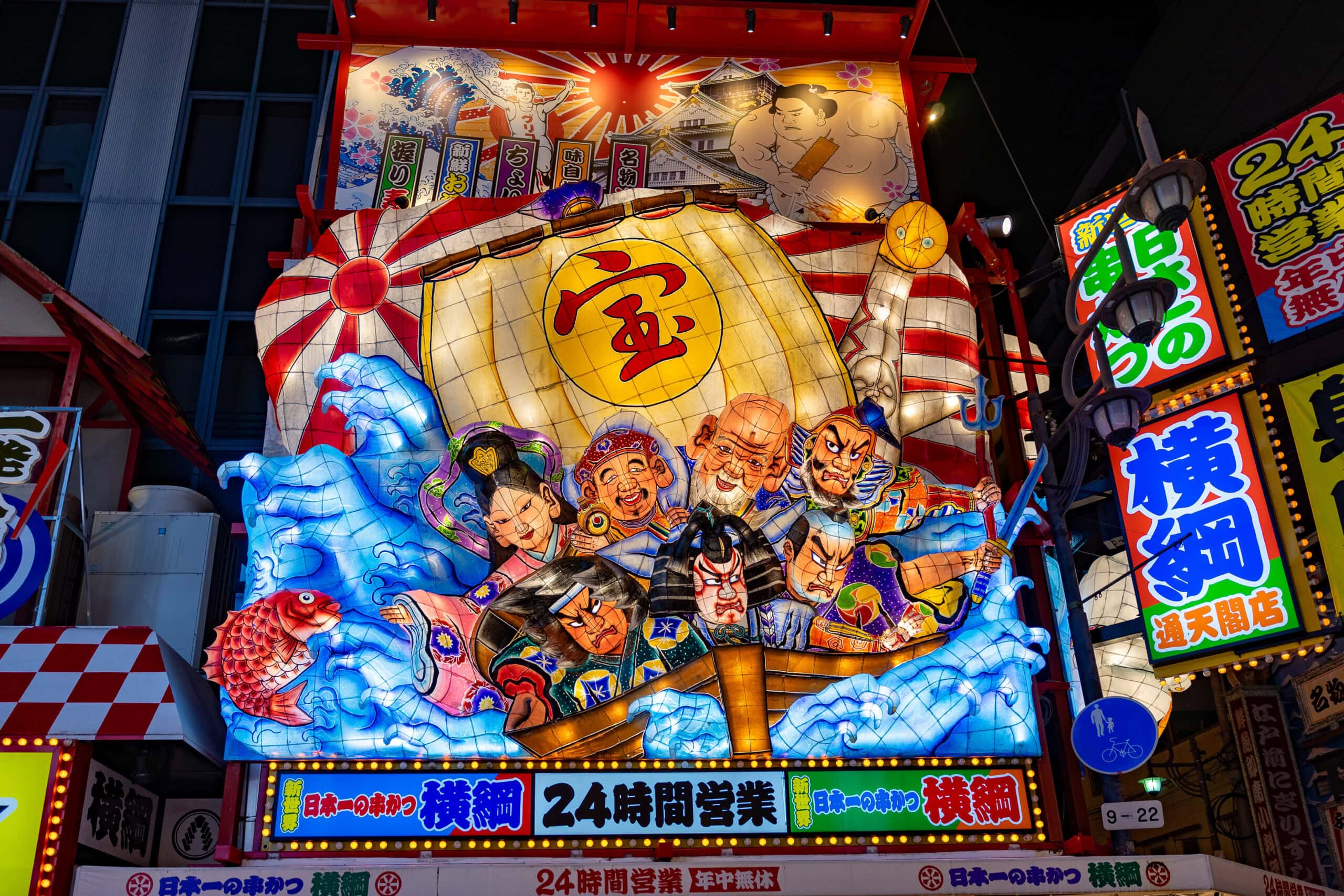
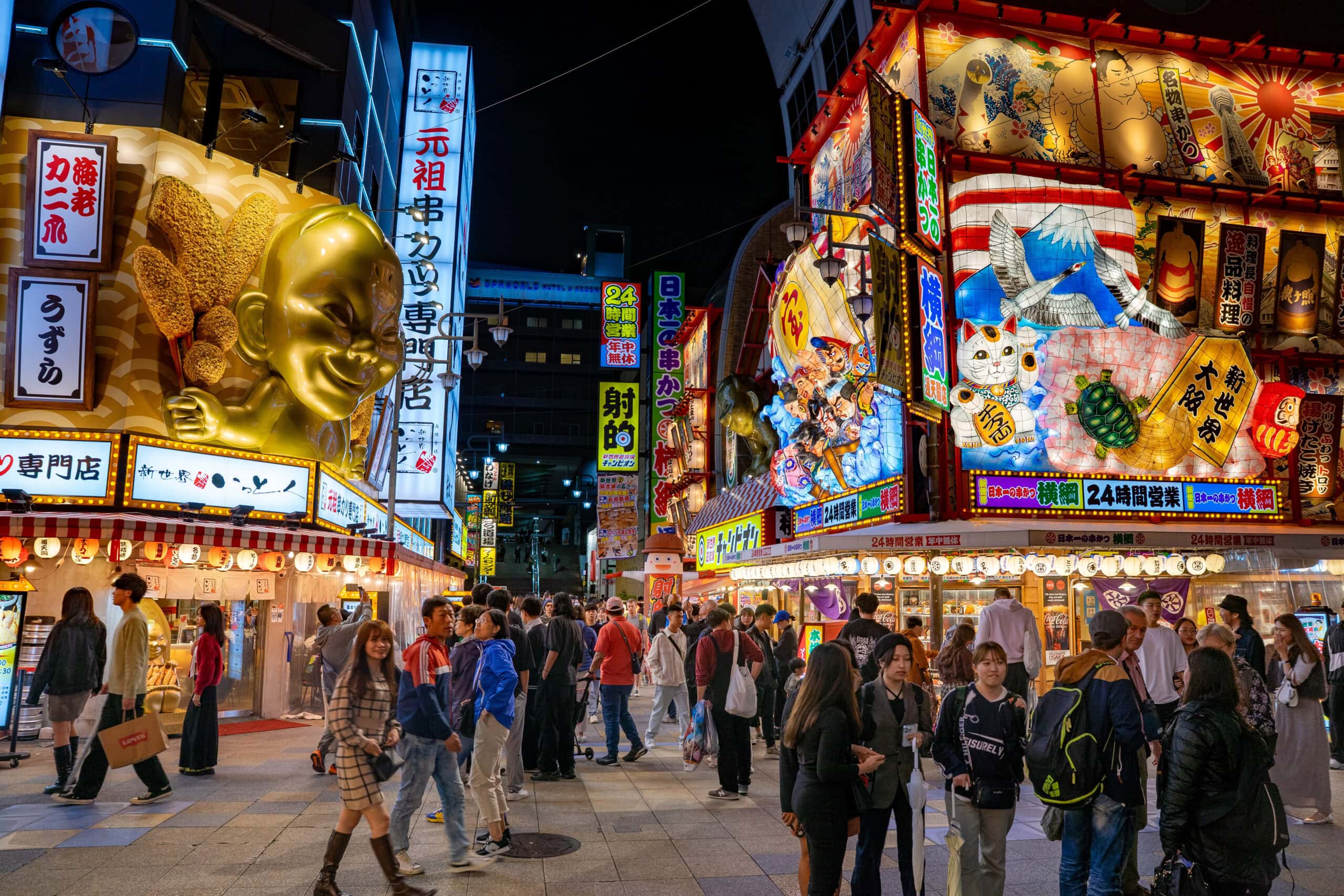
After dinner, slightly tipsy and grinning, we wander into Shinsekai. The neon here hums like a 1980s flashback. Pachinko parlours, glowing fugu lanterns, giant billboards of cartoon characters. It’s loud, chaotic, slightly run-down, and completely captivating. A place that feels like it’s been left behind by time, but refuses to be forgotten.
➜ Read more: How to spend 2 days in Osaka
Day 9: Osaka – A Castle, a Lion & Late-Night KitKats
We start the day at Osaka Castle, one of Japan’s most iconic landmarks. Surrounded by wide moats and towering stone walls, it was originally built in the 16th century by Toyotomi Hideyoshi—Japan’s great unifier and all-around ambitious guy.
While the castle is impressive, the real draw is just walking the grounds, standing beside stones as big as a small apartment, and imagining what it must’ve looked like when samurai patrolled the walls.
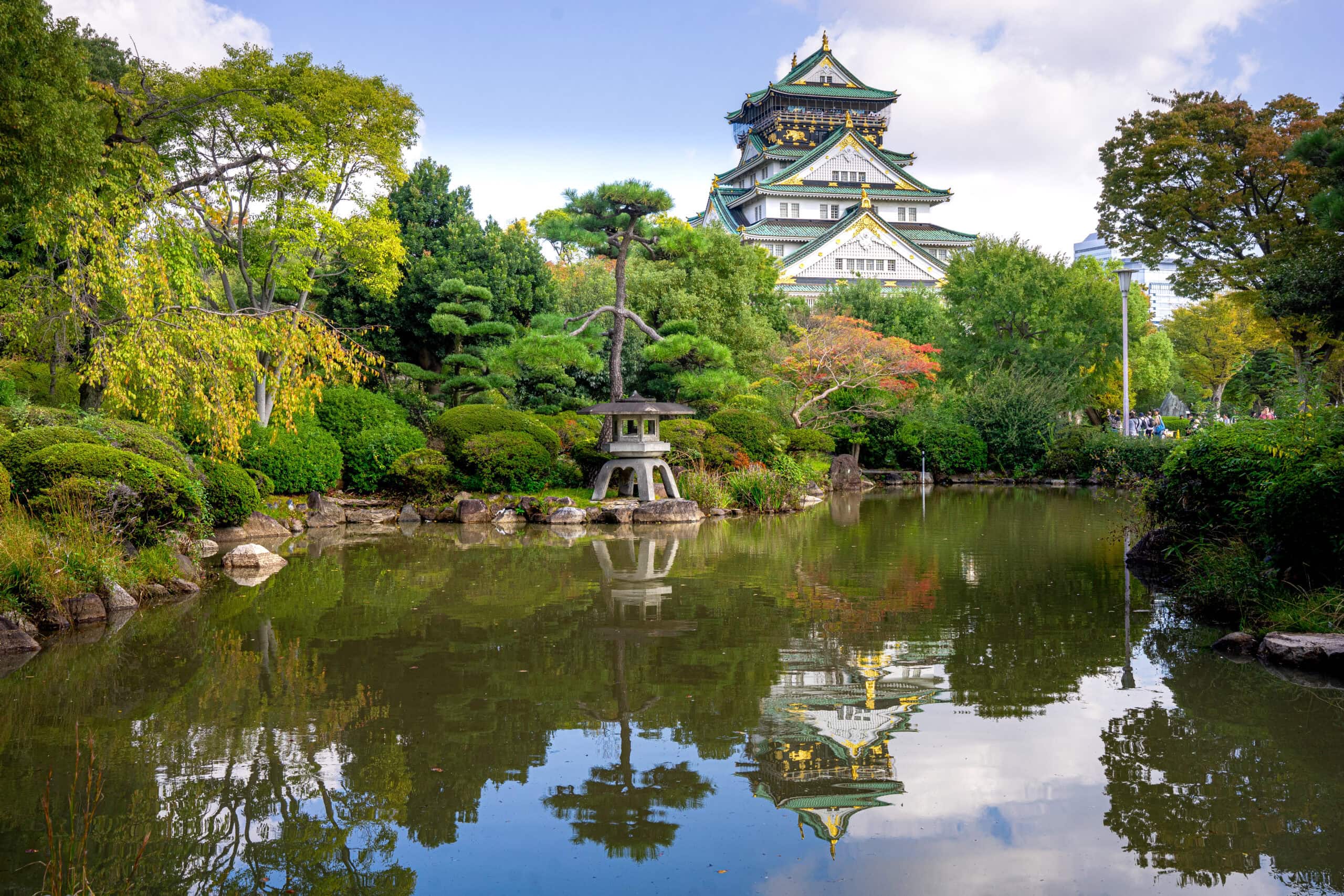
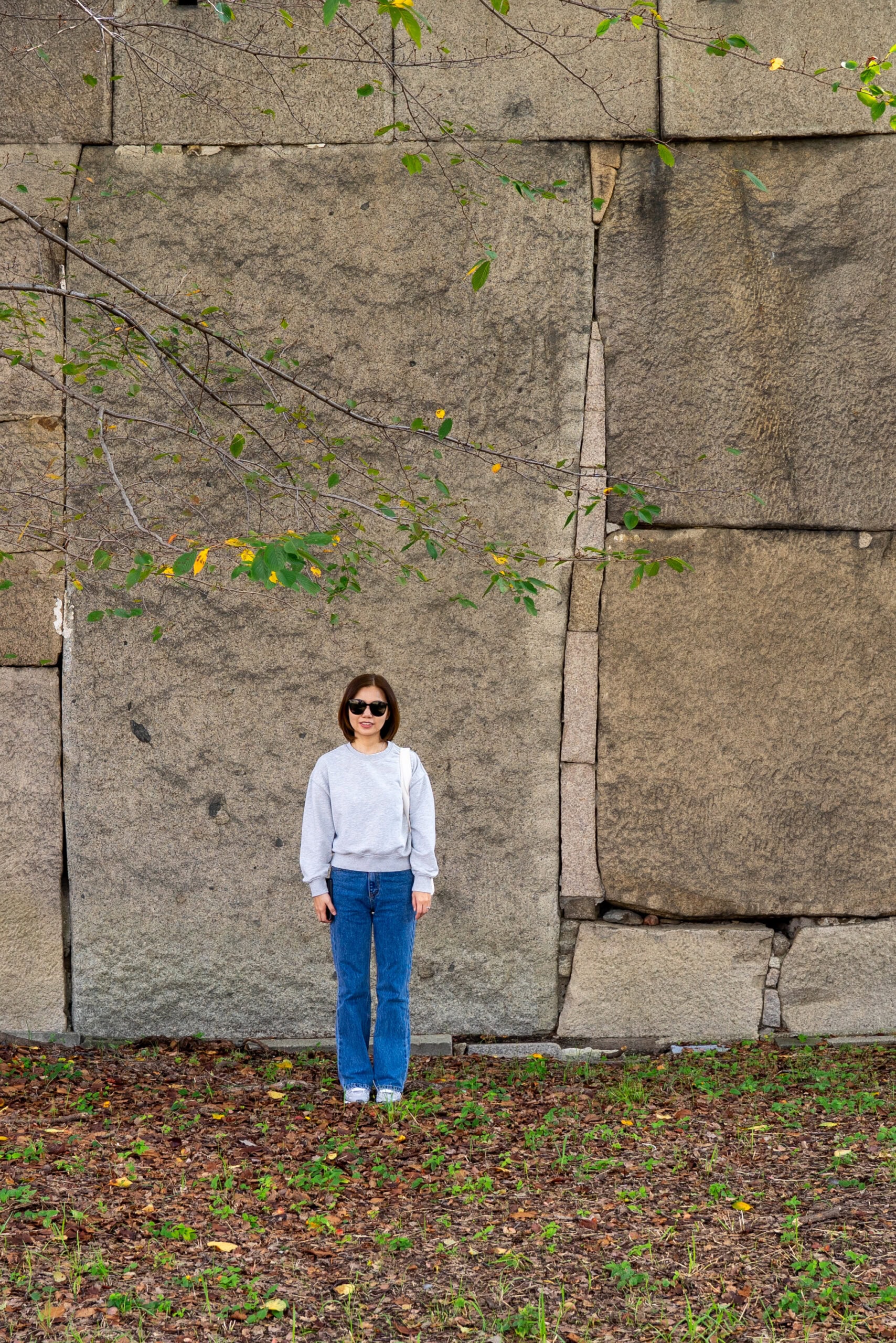
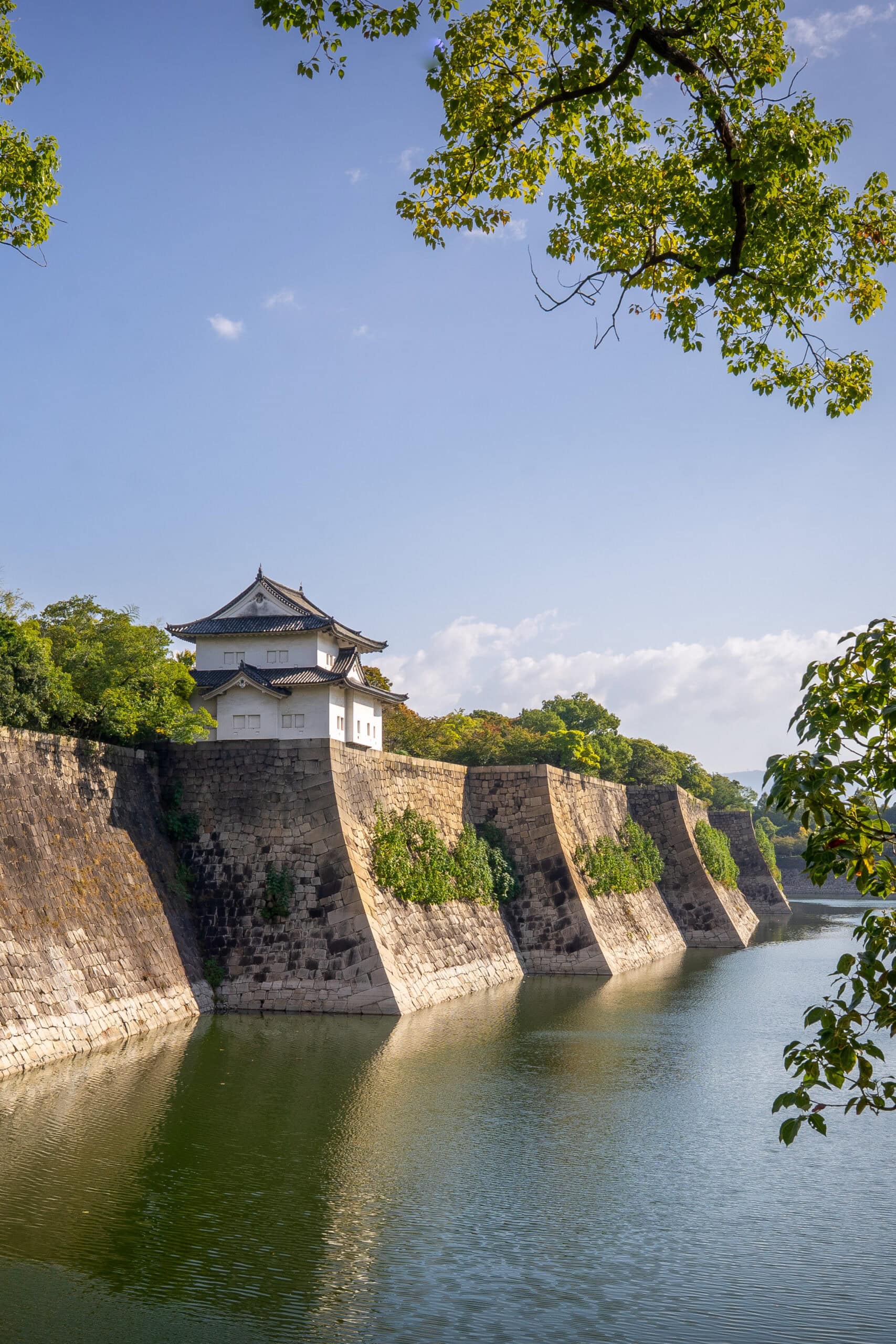
From here, we take a quick detour—not for thrill rides, but for a guitar pin. A stop at Universal Citywalk adds another Hard Rock Café pin to our collection. In and out, no fuss. Pin secured.
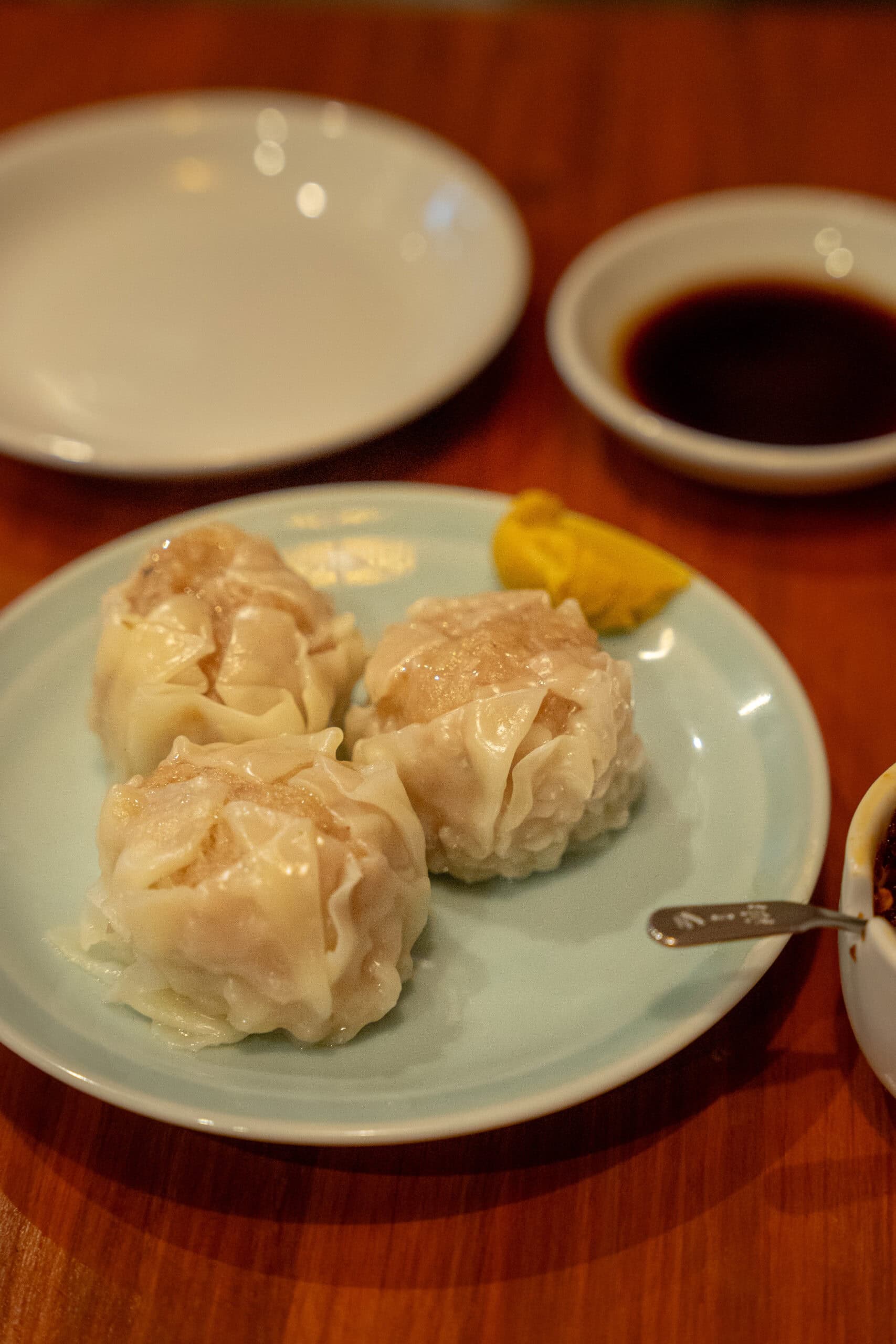
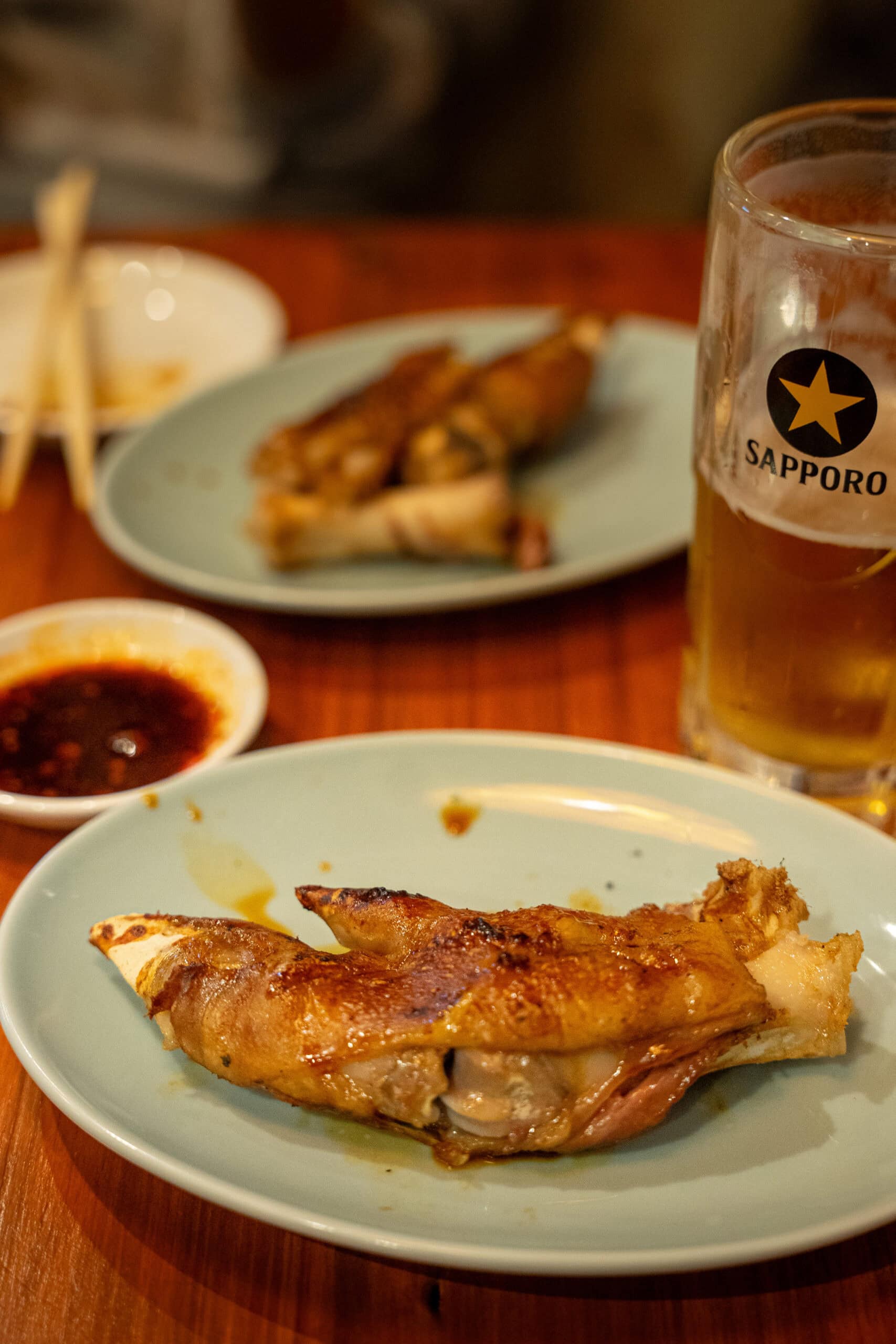
Lunch is at Pork Chinese Osaka Shaumaichin (豚中華 大阪焼売珍 大正店) (location), tucked near Kyocera Dome. A mash-up of Chinese flavours and Japanese precision. We order steamed and fried shumai, a pig’s trotter that’s gelatinous in the best way, and a mapo tofu that lights a slow, satisfying fire down your throat. Chinese in spirit, but with a calm, deliberate edge. Like kung fu in a tea ceremony.
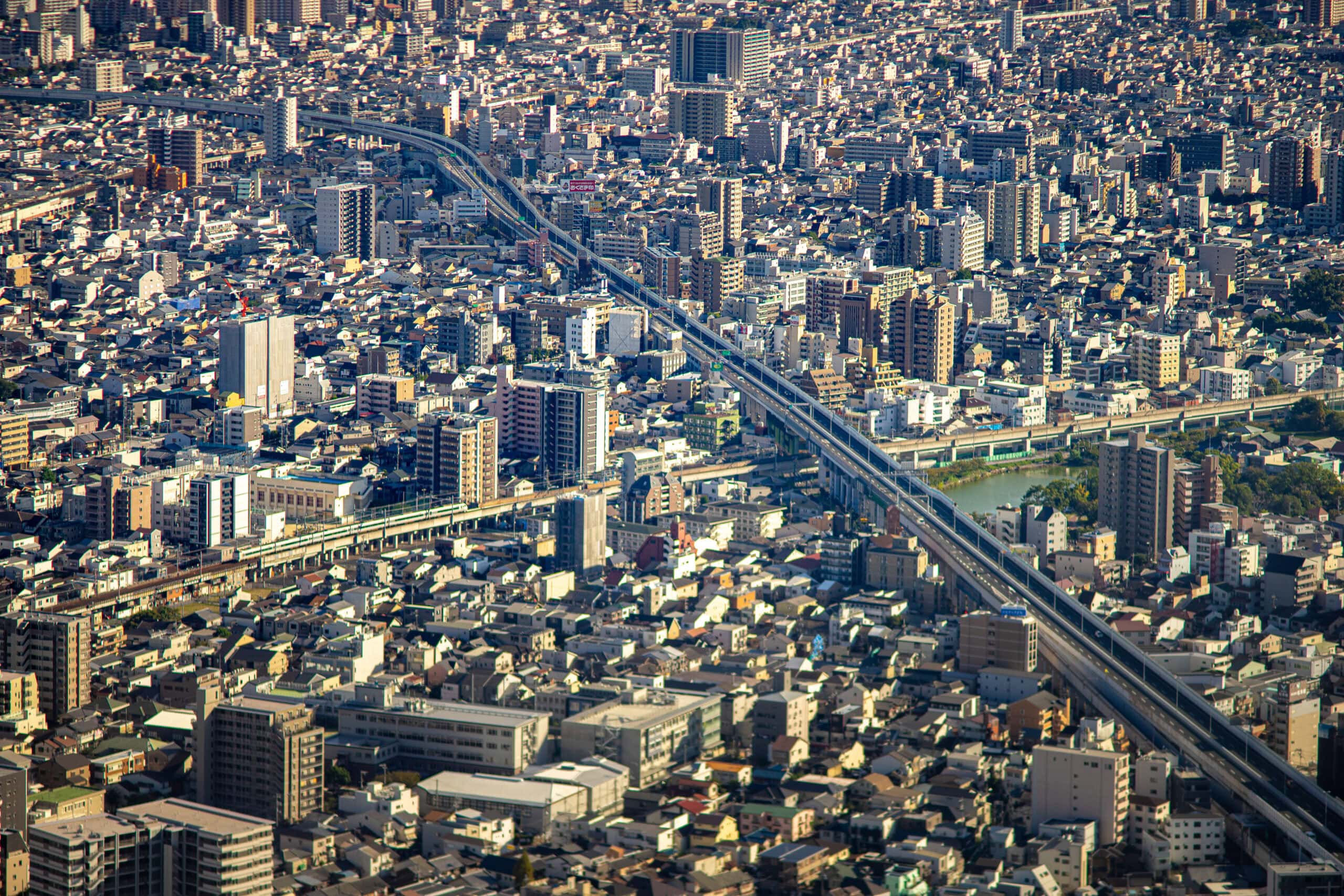
To digest, we float up 300 metres to the Harukas 300 Observatory. Japan’s tallest building. The view is all sprawl—Osaka’s layered mess of neighbourhoods, train tracks, shopping malls, and high-rises stretching to the horizon. Like someone spilled a box of LEGO and it formed a city. It’s peaceful up here, though, above the noise.
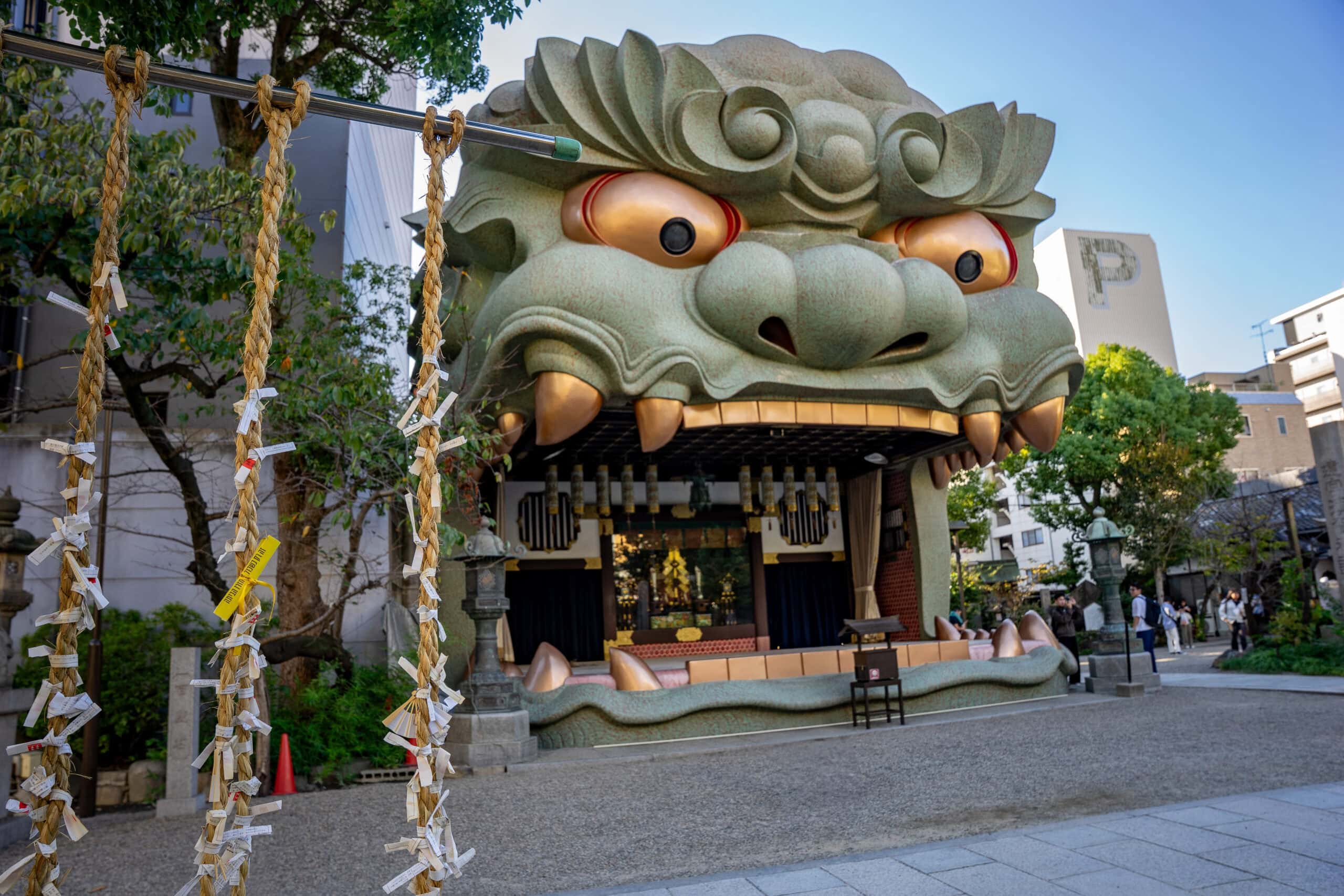
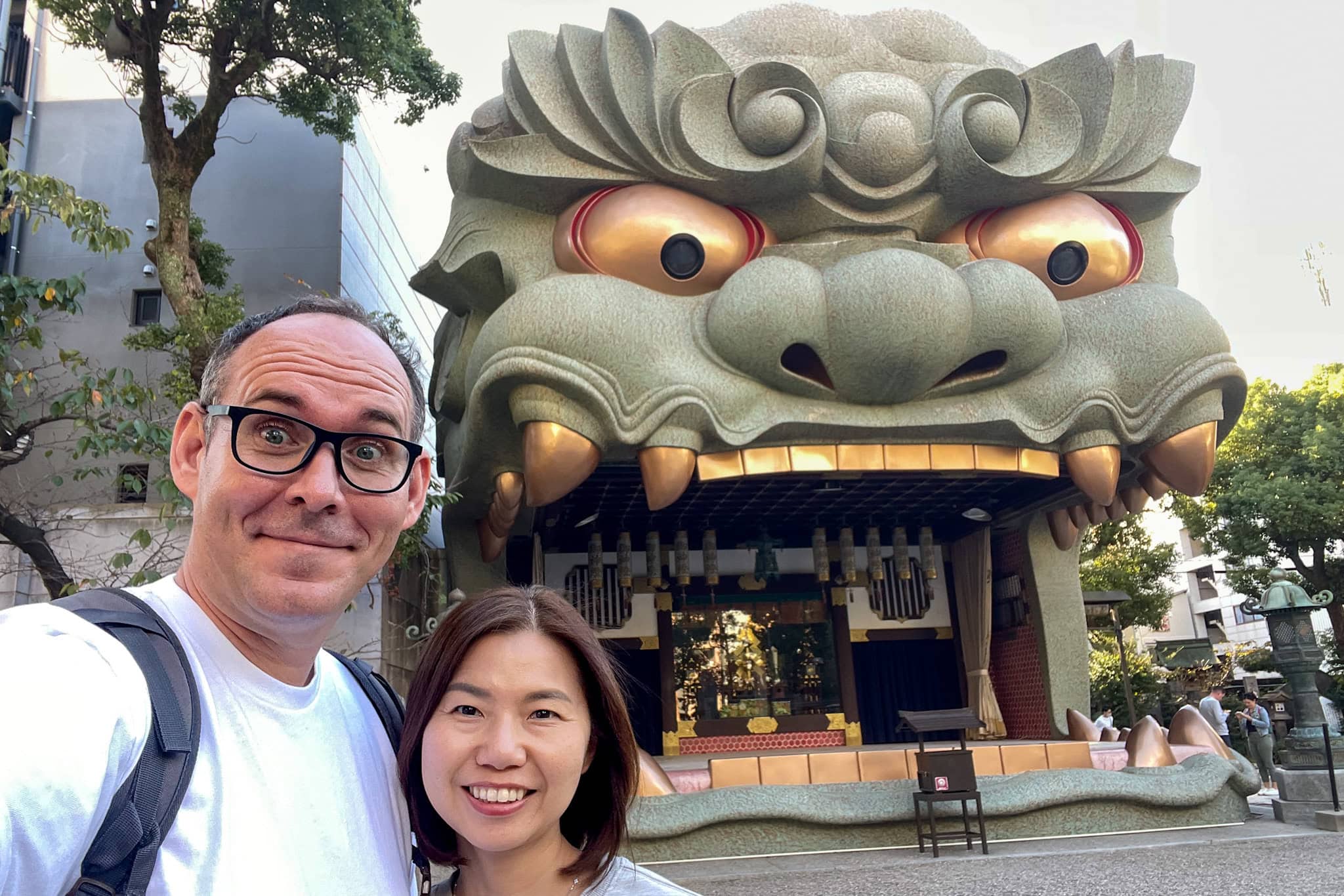
We swing by Namba Yasaka Shrine for a quick look at its quirky centrepiece. A giant lion head with its jaws wide open. Locals say it “eats” your bad vibes, which is probably what we need after a week of sensory overload. Whether it works or not, we pose for a selfie in front of the open jaws, just to be safe.
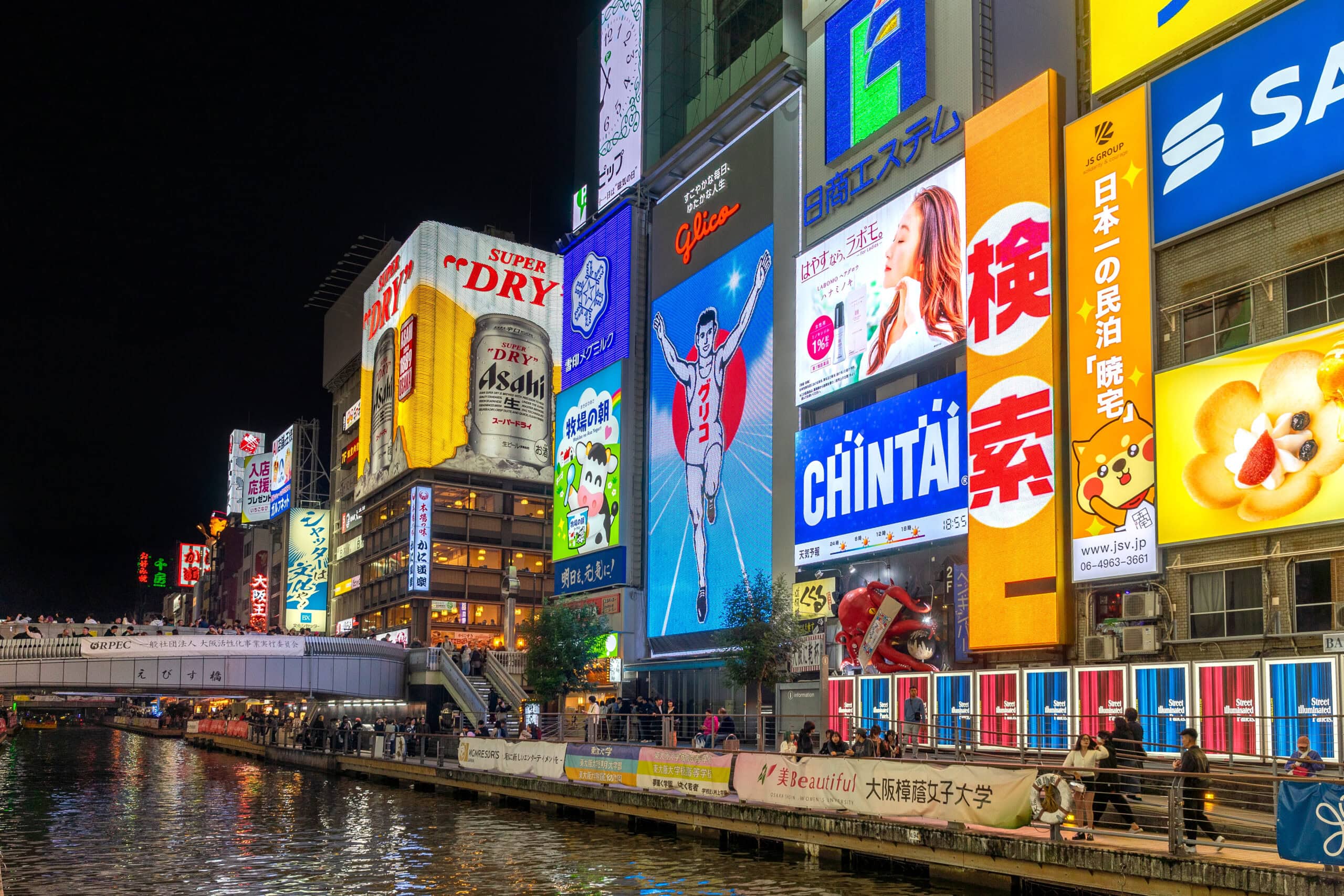
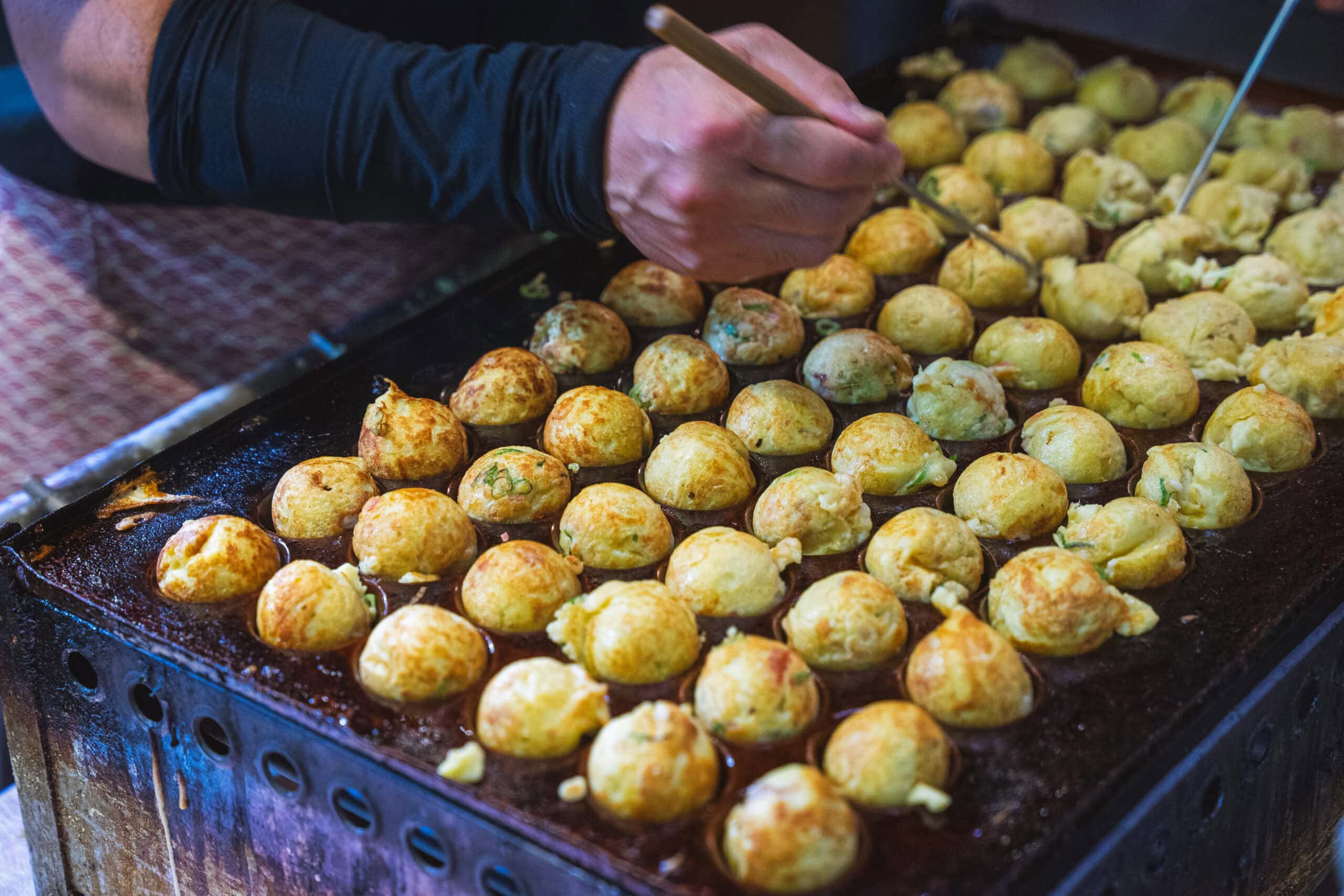
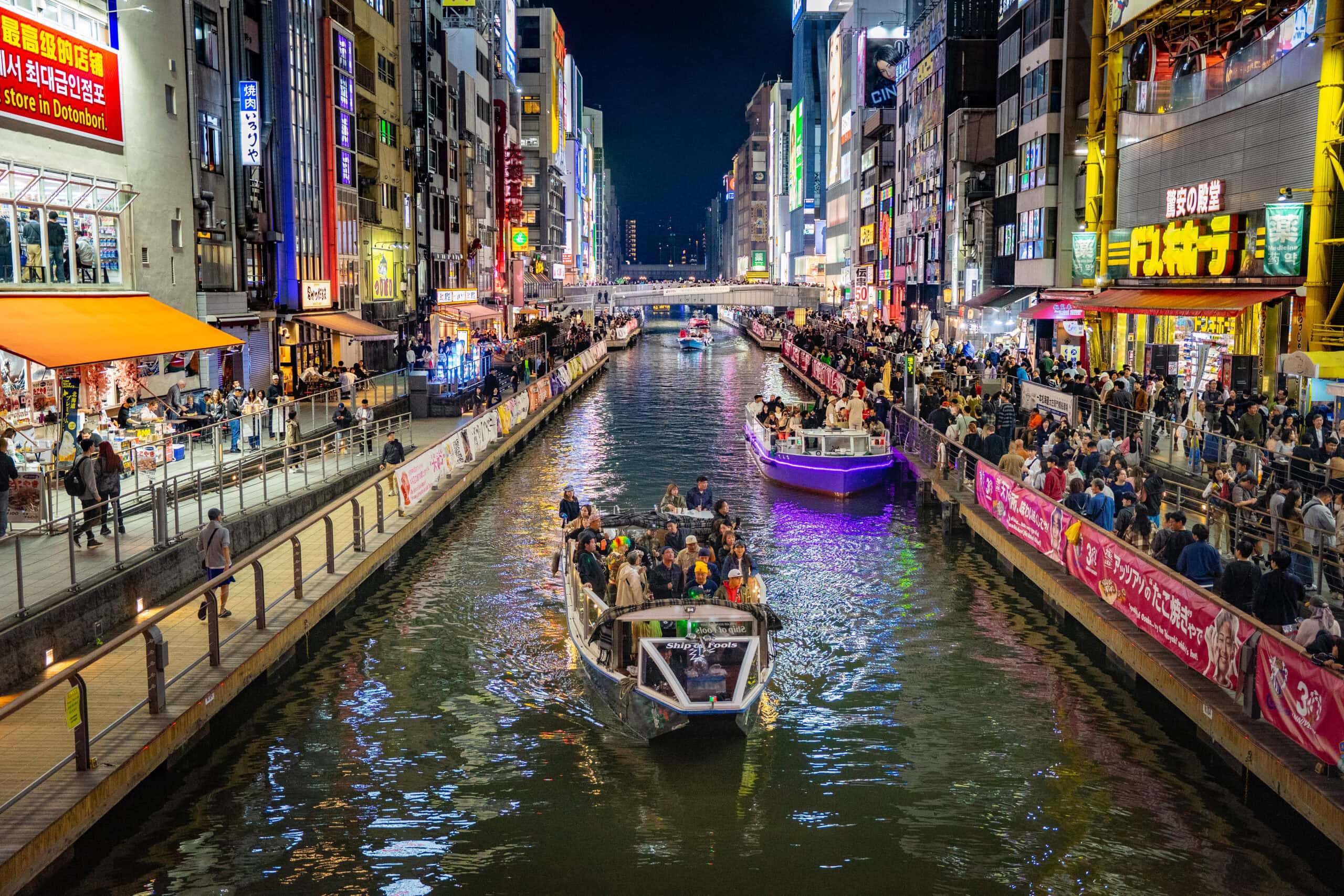
Evening brings us the glowing belly of Osaka: Dotonbori. The lights dazzle, the crowds thicken, the smell of street food lures us in. We grab a box of takoyaki, the city’s favourite snack: gooey octopus balls topped with mayo, sauce, and dancing bonito flakes. With an ice-cold Asahi in hand, we soak in the chaos.
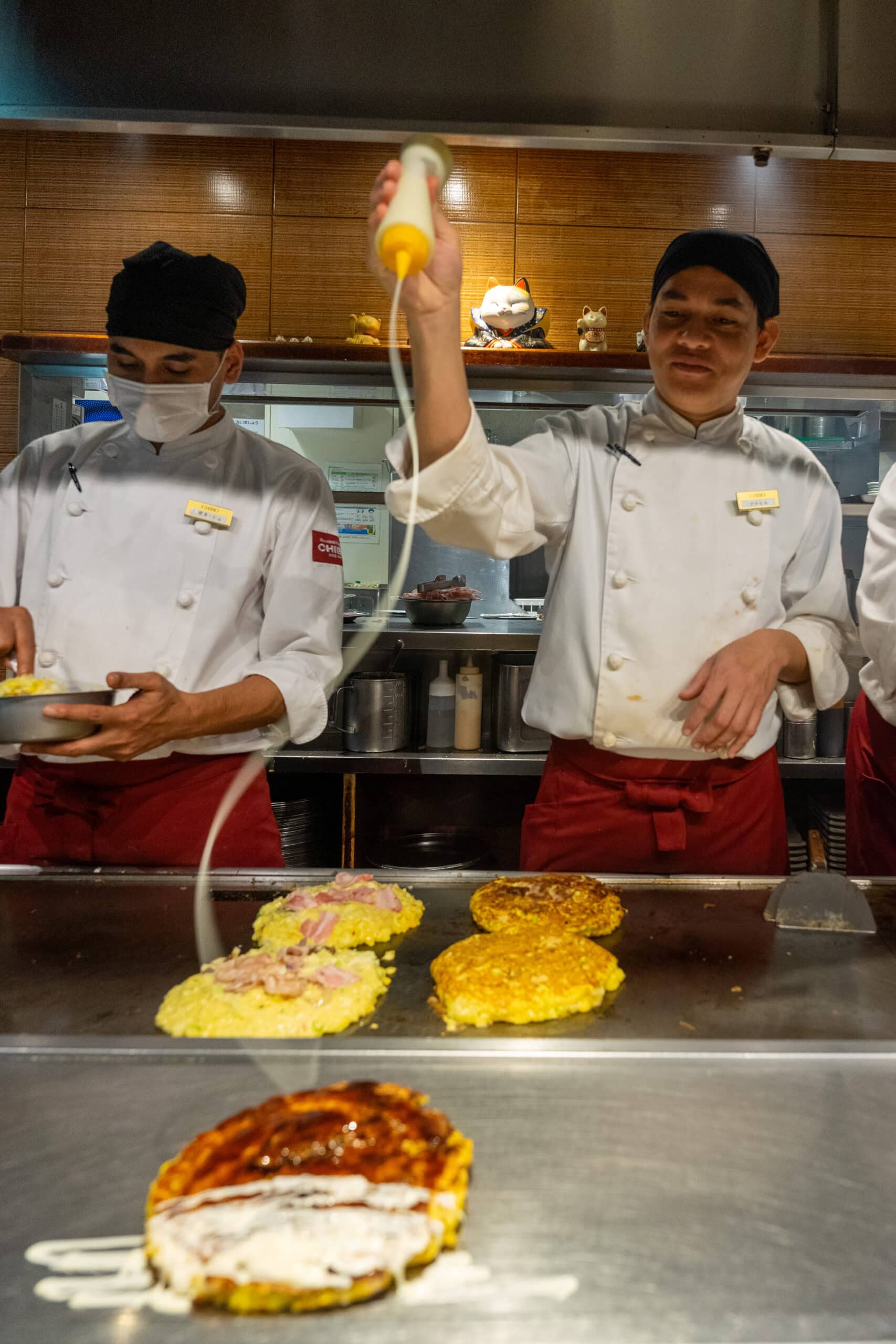
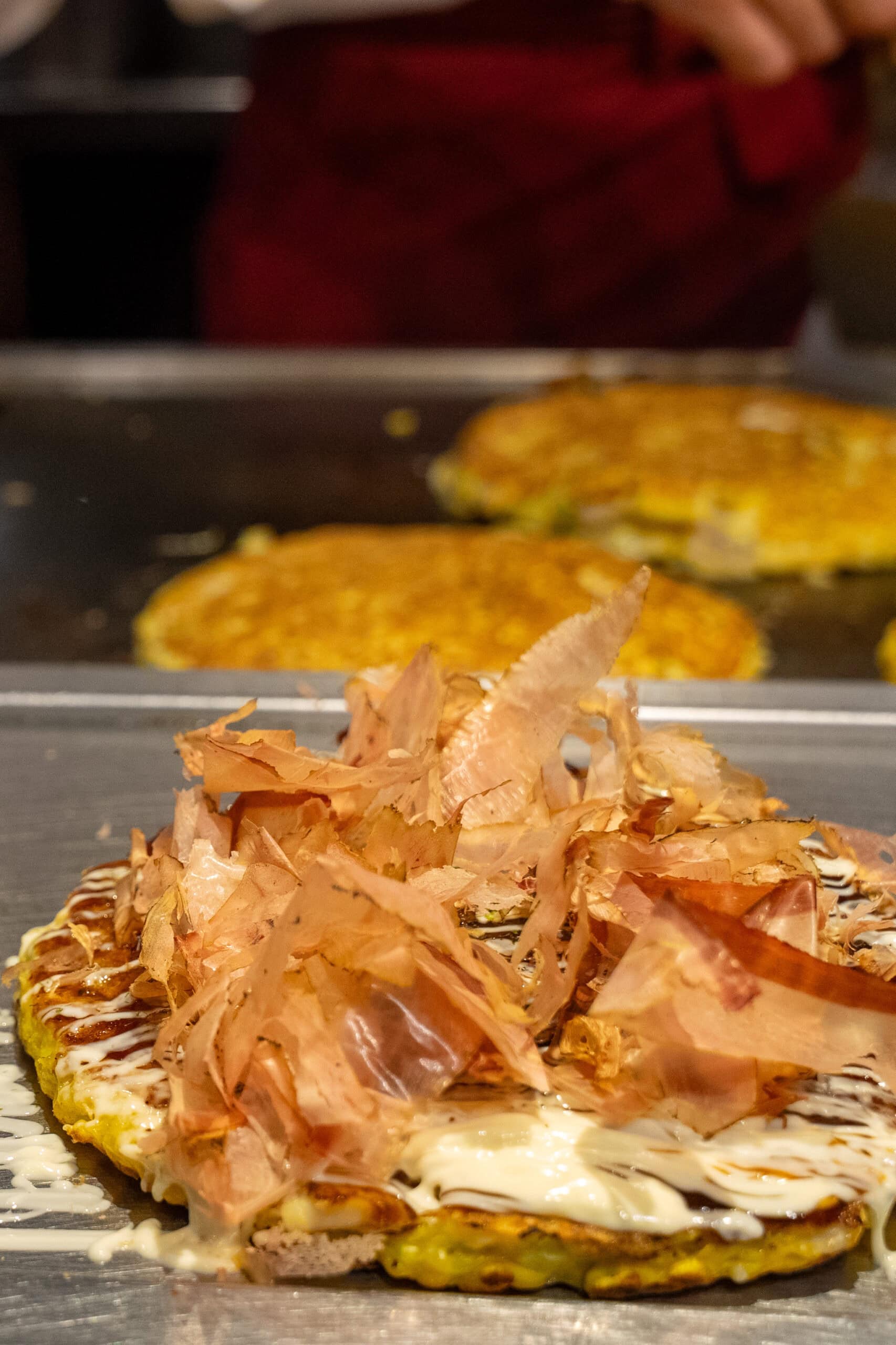
Still hungry, we find Chibo okonomiyaki restaurant (location). Or emporium rather. Six floors of nothing but okonomiyaki It’s the Osaka classic—shredded cabbage, pork, shrimp, and noodles cooked on a teppan grill right at our table, then drizzled with tangy sauce and dried seaweed. It’s crispy on the outside, fluffy on the inside, and absolutely hits the spot.
More beer?
Of course.
Our last mission of the day: Don Quijote, Osaka’s beloved 24-hour emporium of the weird and wonderful. Six floors of organised madness.
We weave through aisles packed with wasabi and green tea KitKats, novelty socks, high-end whisky, acupressure foot pads, beauty masks, candy that tastes like fruit but feels like a science experiment, and adult toys tucked between the hand warmers and party wigs. It’s like falling into a parallel universe designed by someone who got lost on Amazon at 2 a.m.
We emerge blinking, slightly overwhelmed, arms full of strange treasures. Our time in Osaka is almost up.
What a ride it’s been!
Day 10: Sayonara, Osaka
Our Japan adventure ends with a quiet morning. We rise early, pack all the KitKats, nail clippers, and candy, and check out of the hotel. One last convenience store snack for the road, and we’re off.
We head to the Herbis Osaka Bus Terminal, the starting point for the limousine bus to Kansai International Airport. The ride takes just under an hour, depending on traffic, and costs around 1,800 yen per person. Since Herbis is the first stop on the route, it’s smart to board here. Our bus was already full when it pulled away from the terminal, and anyone getting on later would’ve been out of luck.
The drive out of the city is smooth. The skyline thins, the suburbs stretch out, and eventually the sea appears—with the island airport looming at the end of a long bridge like something out of a sci-fi movie.
And just like that, it’s Game Over.
Until next time.
How I Shot This Guide
Every photograph in this article was taken with the exact same gear I carry on every journey. It is a setup refined over years on the road to keep travel light without compromising the final image.
- Camera: Sony A7 V
- Lenses: Sigma 24-70mm f/2.8 DG DN Art.
- Storage: SanDisk Extreme Portable SSD
- Software: Adobe Lightroom Classic
- My travel essential (trust me): Ray-Ban Wayfarer
- Outerwear: The North Face Canyonlands
This 10 day itinerary using the JR Kansai Hiroshima Pass proves you don’t need to cover all of Japan, just the right parts. It’s about stillness in an onsen. Smoke in the air from yakitori grills. Torii gates that stretch into the sky. You move, you eat, you breathe. Then you move again.
And when it ends, Japan doesn’t say goodbye. It just nods, gently, and waits for your return.
✌️